

The Fish Oil Fatty Acid Nobody Explains Properly
If you’ve ever picked up a bottle of fish oil and squinted at the label trying to figure out what EPA actually is, you’re in good company. Most people know omega-3s are “good for you” in some vague, poster-on-a-doctor’s-wall kind of way, but ask them to explain the difference between EPA and DHA and you’ll usually get a shrug. That’s a shame, because EPA, short for eicosapentaenoic acid, is one of the more interesting fats in the human diet, and it deserves a closer look than it usually gets.
I’ve spent a long time reading through the fatty acid literature, watching the pendulum swing back and forth on fish oil, and I’ll tell you upfront: EPA is not a miracle. But it’s also not hype. It’s a genuinely well-studied, biologically active compound that does specific, measurable things in the body, particularly around the heart and the inflammatory response. That’s a rarer combination than you’d think in the supplement aisle, where most claims are built on thin evidence stretched over thick marketing.
Table of Contents


EPA is a long-chain omega-3 polyunsaturated fatty acid, meaning it has twenty carbon atoms and five double bonds twisted along its structure. That structure matters. The bends created by those double bonds change how EPA sits inside cell membranes, how it interacts with enzymes, and ultimately what it does once it’s inside you. Alongside its better-known cousin DHA (docosahexaenoic acid), EPA belongs to a small family of “long-chain” omega-3s that the body can only make in trace amounts from a plant-based precursor called ALA (alpha-linolenic acid). For all practical purposes, if you want meaningful EPA in your system, you need to eat it or supplement it directly.

Where does it come from? Primarily marine sources. Fatty fish like salmon, mackerel, sardines, and herring are the classic dietary sources, and that’s not a coincidence, it’s because fish themselves get their EPA from marine microalgae, which are the true original producers of this fatty acid. That detail becomes important later when we talk about dietary sources and why algae-based supplements have started popping up on shelves next to traditional fish oil.
What makes EPA worth an entire article rather than a passing mention alongside DHA? Mostly because researchers have increasingly found that EPA and DHA are not interchangeable. They behave differently in the bloodstream, they affect cholesterol particles differently, and in some of the more provocative cardiovascular trials of the past decade, purified EPA alone has produced results that mixed EPA-DHA formulations didn’t replicate as cleanly. That’s led to a genuine split in the research world, with some scientists arguing EPA deserves to be studied and dosed as its own entity rather than lumped in under the general “omega-3” umbrella. I find that argument pretty convincing, and I think you will too once you see the data.
There’s also the inflammation angle, which is where things get genuinely fascinating. EPA isn’t just a passive membrane component. It’s a raw material your body uses to manufacture a class of signaling molecules called resolvins, specifically the E-series resolvins, which appear to play an active role in shutting down inflammation once it’s done its job. Inflammation itself isn’t the enemy, by the way; it’s a necessary defense mechanism. The problem is when it doesn’t turn off. Chronic, low-grade inflammation is now understood to sit quietly underneath a long list of conditions, cardiovascular disease very much included. EPA’s role in the resolution phase of inflammation, not just blunting it but actively helping it wind down, is one of the more elegant pieces of nutritional biochemistry I’ve come across.
None of this means you should run out and start megadosing fish oil. Dosage matters, source matters, and yes, there are real risks and trade-offs worth understanding, which we’ll get into later in this piece. But EPA has earned its reputation as one of the more legitimately useful fatty acids in the human diet, sitting at the intersection of cardiovascular science and inflammation biology in a way that few other single nutrients do.
Throughout this article, I’ll walk through what EPA actually does for your health, where you can realistically get enough of it, how much you need, what happens if you don’t get enough, and where the line sits between a therapeutic dose and one that starts introducing risk. Think of this as the conversation I wish someone had handed me a decade ago instead of letting me piece it together study by study. Omega-9 fats like oleic acid get plenty of attention for heart health too, but omega-3s like EPA operate through a genuinely different mechanism, one worth understanding on its own terms rather than as a footnote to olive oil.
One more thing before we dive in: EPA research has matured considerably in just the last five years. Newer trials have refined our understanding of dosing thresholds, clarified some of the safety questions around bleeding and heart rhythm, and given us a clearer picture of who benefits most. So even if you read something about fish oil a decade ago and filed it away as settled science, it’s worth revisiting. The picture has sharpened.
Key Health Benefits
EPA’s reputation rests mostly on cardiovascular science, but that’s really just the headline. Underneath it sits a broader story about inflammation, lipid metabolism, and cellular signaling that touches several systems in the body. Let’s go through what the evidence actually supports, section by section, without overselling it.
Heart Health and Triglyceride Management
This is where EPA has done its most convincing work. A large and growing body of research shows that EPA supplementation, particularly at higher purified doses, meaningfully lowers triglyceride levels in the blood, sometimes by a substantial margin in people who start out with elevated levels. Triglycerides are a type of fat that circulates in your bloodstream, and when they run high, they’re linked to a greater risk of cardiovascular events.
Combined EPA and DHA supplementation has been shown to lower triglycerides, reduce blood pressure, and reduce inflammation while also raising HDL cholesterol and improving vascular reactivity. But here’s where it gets interesting: research increasingly suggests EPA and DHA aren’t doing the exact same job. EPA and DHA may also raise LDL cholesterol and fasting blood glucose in some contexts, and several trials comparing the two fatty acids head-to-head have found EPA behaves somewhat differently than DHA on specific lipid markers, which is part of why purified EPA-only products have emerged as a distinct category in cardiovascular medicine rather than being treated as interchangeable with standard fish oil.
One landmark trial found that 4 grams per day of purified EPA significantly reduced major adverse cardiovascular events in statin-treated patients who had elevated triglycerides, with proposed mechanisms including reduced inflammation, plaque stabilization, and triglyceride lowering. That trial, often referred to in cardiology circles by its acronym, became a turning point. It suggested that EPA on its own, at a meaningfully high dose, could reduce hard outcomes like heart attacks and strokes in a population that was already receiving standard medical therapy. That’s not a small claim, and it’s part of why EPA specifically, not omega-3s broadly, has become the subject of dedicated pharmaceutical development, including prescription-strength purified EPA products used under medical supervision for patients with persistently high triglycerides.
Beyond triglycerides, EPA appears to support several other markers tied to heart health. Research has linked EPA to reduced inflammation, improved cholesterol profiles, and lower blood pressure, all of which can contribute to a reduced risk of heart disease, along with a reduced risk of blood clots that can trigger heart attacks and strokes. I want to be careful here not to overstate this into a blanket promise. These are associations and mechanistic findings, not a guarantee that taking EPA will prevent a heart attack in any individual person. But taken together, the cardiovascular case for EPA is one of the stronger nutritional stories in modern medicine.
Inflammation Control at the Cellular Level
This is the part of the EPA story that doesn’t get nearly enough airtime. Inflammation isn’t inherently bad, your immune system needs it to fight infection and repair injury, but chronic low-grade inflammation that never fully resolves is a different problem entirely, and it’s been implicated in everything from atherosclerosis to metabolic dysfunction.
EPA lowers plasma triglyceride levels and has potential beneficial effects on atherosclerotic plaques, with preclinical studies reporting that EPA reduces both pro-inflammatory cytokines and chemokine levels. Clinically, studies in patients with coronary artery disease who are already on statin therapy suggest EPA may decrease plaque vulnerability and help prevent plaque progression, which is a meaningfully different mechanism than simply lowering cholesterol numbers on a lab report.
Where this gets genuinely elegant is at the molecular level. EPA serves as a raw material for the body’s production of resolvins, a class of specialized lipid molecules whose entire job is to help inflammation resolve properly instead of smoldering indefinitely. Rather than simply suppressing the inflammatory response the way some anti-inflammatory drugs do, resolvins actively participate in shutting the process down once it’s completed its purpose. Researchers have connected this resolution pathway to reduced cytokine release, dampened neutrophil activity, and a general de-escalation of the inflammatory cascade in tissues throughout the body, not just in blood vessels.
I find this mechanism genuinely compelling because it reframes what EPA is doing. It’s not just blocking inflammation like a blunt instrument; it’s supplying the raw material your body needs to properly finish an inflammatory response instead of leaving it running in the background. That distinction matters clinically, because chronic unresolved inflammation, not acute inflammation itself, is the piece most closely tied to long-term disease risk.
Metabolic and Broader Systemic Support
Beyond the heart and the inflammatory cascade, EPA has been studied for a handful of other roles that deserve a mention, even if the evidence is a bit less definitive. Some research has looked at EPA’s relationship with insulin sensitivity and metabolic markers, with mixed but generally favorable signals. There’s also a body of work examining omega-3 intake, EPA included, in relation to mood and cognitive function, an area where DHA tends to dominate the conversation because of its concentration in brain tissue, but EPA’s anti-inflammatory properties have led some researchers to investigate its role in mood regulation as well, since inflammation itself has been linked to mood disturbances in a subset of the population.
None of these secondary benefits are as well-established as the cardiovascular and inflammatory effects, and I’d caution against treating EPA as some kind of catch-all wellness fix. But the throughline across all of these areas is consistent: EPA’s core biological actions, modulating inflammation and supporting healthy lipid metabolism, ripple outward into systems well beyond the cardiovascular one. That’s part of what makes it such a well-rounded nutrient to prioritize, rather than a narrow, single-purpose supplement.


Dietary Sources
Getting EPA into your diet isn’t complicated in theory, but it does require paying attention, because unlike some nutrients that show up in a wide variety of everyday foods, EPA is concentrated in a fairly narrow list of sources. Let’s break down where it actually comes from and how realistic it is to get enough through food alone.
Fatty Fish: The Original Source
The principal dietary source of EPA and DHA is fatty fish, also known as oily fish, and sea mammals such as whales and seals are also rich sources. For most people reading this, whale isn’t exactly on the weekly shopping list, so fish is where the practical conversation starts. Salmon, mackerel, sardines, herring, and anchovies are the classic go-to sources, and there’s a good reason nutritionists keep pointing back to these same handful of species.
Seafood is one of the richest sources of DHA and EPA, the most biologically active forms of omega-3s, though their content varies widely depending on the species. That variability matters more than people realize. A serving of farmed salmon and a serving of canned light tuna are not delivering remotely similar amounts of EPA, even though both technically count as “fish.” Cold-water, fattier fish tend to concentrate far more omega-3 in their tissue than leaner, warmer-water species. If your goal is meaningful EPA intake, sardines and mackerel are honestly some of the most efficient choices, and they happen to be among the more affordable and sustainable options too, which is a nice bonus that doesn’t get mentioned enough.
There’s a real-world wrinkle here worth addressing directly: not everyone eats fish twice a week, and plenty of people actively avoid it, whether for taste, ethical reasons, or simple availability. While seafood is a nutritious source of omega-3 fatty acids, larger predatory fish such as shark, swordfish, king mackerel, and tilefish tend to accumulate higher levels of mercury, a neurotoxin that can be particularly harmful to the developing nervous systems of fetuses and young children. That’s not a reason to avoid fish altogether, but it is a reason to lean toward smaller, shorter-lived species like sardines and anchovies, which sit lower on the food chain and accumulate far less mercury over their lifespan.
Algae: The Original Producer, Now Bottled
Here’s a detail that surprises a lot of people: fish don’t actually make EPA themselves. They accumulate it by eating marine algae, either directly or through the food chain. That means algae is, biologically speaking, the original source, and in recent years, supplement companies have started going straight to that source rather than routing through fish.
Extracts derived from the microalga Nannochloropsis have been developed as a concentrated source of EPA, containing more than 25 percent EPA with no DHA present at all, distinguishing it from traditional fish oil, which always delivers a mixture of both fatty acids. In a controlled trial, this polar lipid-rich algal oil demonstrated favorable effects on the Omega-3 Index and cardiometabolic markers in generally healthy participants over a twelve-week supplementation period. A follow-up study looking at real-world use reinforced those findings outside the tightly controlled conditions of a clinical trial.
This matters for two groups of people in particular: vegetarians and vegans who want a genuinely plant-derived source of EPA rather than relying on ALA conversion (which is notoriously inefficient in the human body), and anyone concerned about the sustainability or contaminant load of ocean-caught fish. Algae-based EPA isn’t a fringe product anymore; it’s a legitimately researched, commercially available alternative that delivers the same active compound without the fishy aftertaste some people can’t tolerate.
Supplements and Fortified Foods
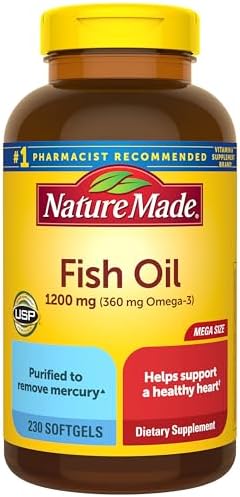
For people who don’t consistently eat fatty fish, supplements remain the most practical route. These come in a range of forms, standard fish oil (a mixture of EPA and DHA), purified EPA-only formulations, krill oil, cod liver oil, and the algae-based options just discussed. It’s worth reading labels closely here, because “fish oil” on the front of a bottle doesn’t tell you the actual EPA content; you need to check the supplement facts panel for the specific milligram amounts of EPA versus DHA, since products vary enormously in their ratio.
Fortified foods, things like omega-3 enriched eggs or certain dairy products, exist but generally contribute smaller amounts and shouldn’t be relied on as a primary strategy if you’re specifically trying to hit a meaningful EPA target. They’re a nice bonus, not a foundation.
Quality matters more than people assume when shopping for a supplement, too. Fish oil is prone to oxidation, which not only degrades the EPA content over time but can also produce compounds that taste and smell distinctly rancid, worse than the normal “fishy” note some people already dislike. A good rule of thumb: if a bottle of fish oil smells sharply unpleasant rather than just mildly marine, it’s probably oxidized and past its useful life, regardless of the expiration date printed on the label. Storing capsules in the refrigerator, buying smaller quantities more frequently, and choosing products that use antioxidants like vitamin E to stabilize the oil can all help preserve potency.
Form matters as well. EPA in supplements typically shows up as either triglyceride form, ethyl ester form, or, in prescription-grade products, as a free fatty acid. The differences in absorption between these forms are debated in the research community, with some studies suggesting triglyceride-form omega-3s are somewhat better absorbed, particularly when taken without food, though ethyl ester forms taken with a fat-containing meal seem to close much of that gap. It’s a detail worth knowing if you’re trying to optimize absorption, though not one that should paralyze your decision-making; consistency of use tends to matter more than squeezing out a marginal absorption advantage.
Building a Realistic Weekly Pattern
If I were to boil all of this down into one practical takeaway, it would be this: think in terms of a weekly pattern rather than obsessing over daily milligram counts. Two to three servings of fatty fish per week, prioritizing sardines, mackerel, salmon, or herring, gets most healthy adults into a reasonable range without needing to supplement at all. If fish isn’t realistically going to happen that often, whether due to access, cost, or preference, a daily supplement, fish-derived or algae-based, closes that gap without much fuss. The goal isn’t perfection; it’s consistency over months and years, since EPA’s cardiovascular and anti-inflammatory effects build gradually rather than showing up after a single serving.
Dosage and Deficiency
This is where a lot of well-meaning advice gets muddy, because “how much EPA do I need” doesn’t have one single answer. It depends heavily on whether you’re eating for general health maintenance or targeting a specific concern like elevated triglycerides, and the recommendations reflect that split.
General Intake Guidelines
For general health, guidance generally centers on consuming no more than 3 grams per day of combined EPA and DHA, including up to 2 grams per day from dietary supplements, with higher doses sometimes used under medical supervision to lower triglycerides. That upper guidance is worth remembering, because it tells you two things at once: modest amounts are considered safe for the general population, and therapeutic doses used for specific conditions run meaningfully higher and really should involve a healthcare provider rather than self-directed megadosing.
The American Heart Association has recommended two servings of fatty fish per week for healthy individuals without existing cardiovascular disease, an intake pattern that roughly translates to about 250 to 300 milligrams per day of combined DHA and EPA. That’s a genuinely achievable target for most people through diet alone, assuming they’re actually eating the fish. For people managing existing heart disease, the bar sits considerably higher; official guidance has previously recommended a daily intake closer to 900 milligrams per day of combined DHA and EPA for individuals with coronary heart disease.
For specific conditions, dosing climbs further still. Some clinical protocols investigating omega-3 supplementation for conditions like elevated triglycerides or mood-related concerns have used doses in the range of one to several grams of EPA daily, sometimes with a specific EPA-to-DHA ratio favoring EPA. These are therapeutic protocols, not casual wellness doses, and they underscore why “just take some fish oil” isn’t quite the complete picture people often assume it is.
Recognizing Low EPA Status
Unlike some nutrient deficiencies with a dramatic, unmistakable clinical picture, low EPA status tends to be subtle and easy to miss. There isn’t a single diagnostic symptom that says “your EPA is low,” which is part of why so many people walk around with suboptimal omega-3 status without realizing it. What tends to happen instead is a gradual drift, someone who rarely eats fish, avoids seafood altogether, or relies heavily on a diet dominated by omega-6 rich vegetable oils (which compete with omega-3s for the same metabolic pathways) will typically show lower circulating EPA and DHA levels on blood testing, often measured through something called the Omega-3 Index.
A low Omega-3 Index has been associated in observational research with a somewhat elevated cardiovascular risk profile, though it’s worth being honest that association isn’t the same as proof of causation. Still, it’s a reasonable enough signal that some clinicians now order this test specifically for patients who want a more objective read on their omega-3 status rather than guessing based on dietary recall alone.
Populations at higher risk of inadequate EPA intake include people following strict vegetarian or vegan diets without algae-based supplementation, people with limited access to fresh seafood, and, frankly, anyone whose diet leans heavily processed, since ultra-processed foods are essentially devoid of long-chain omega-3s. Pregnant and breastfeeding individuals also have elevated needs, primarily driven by DHA’s role in fetal brain development, though adequate EPA intake alongside it is generally recommended as part of a balanced omega-3 approach during this period.
The Omega-6 to Omega-3 Balance Problem
There’s a piece of this puzzle that doesn’t get discussed nearly enough: it’s not just about how much EPA you’re taking in, it’s about the ratio relative to omega-6 fatty acids in your overall diet. Omega-6s, found abundantly in many vegetable oils, processed snack foods, and conventionally raised meat, compete with omega-3s for the same enzymatic machinery your body uses to convert and utilize these fats. A diet that’s disproportionately high in omega-6 relative to omega-3 can effectively blunt some of the benefits of the EPA you are consuming, even if the absolute EPA number on paper looks adequate.
This is part of why simply adding a fish oil supplement to an otherwise omega-6-heavy diet full of fried foods and processed oils tends to produce a smaller effect than the same dose taken alongside a diet that’s already reasonably balanced. It’s not an excuse to ignore supplementation, but it is a reminder that EPA doesn’t operate in a vacuum; the rest of your fat intake shapes how effectively it gets used.
Adjusting Intake Over a Lifetime
Needs also shift over the years in ways that are worth planning around rather than reacting to. Older adults, for instance, may benefit from slightly higher intake targets, partly because cardiovascular risk naturally climbs with age and partly because some research suggests conversion and utilization efficiency of dietary fats can decline somewhat over time. Athletes and highly active individuals sometimes gravitate toward higher EPA intake as well, given its role in modulating exercise-induced inflammation, though the evidence here is still developing compared to the cardiovascular data. And people managing chronic inflammatory conditions, working alongside their physician rather than self-treating, may be advised to target the higher end of the therapeutic range discussed earlier. The takeaway isn’t that everyone needs a different exotic protocol; it’s that a static, one-size-fits-all number was never quite the right way to think about this nutrient to begin with.
Toxicity and Risks
I’d be doing you a disservice if I wrote glowingly about EPA’s benefits and skipped past the honest conversation about risk. More isn’t always better, and EPA, like most bioactive compounds, has a dose-response relationship that includes a point where benefit plateaus and risk starts creeping upward.
Bleeding Risk
EPA and DHA both have mild blood-thinning properties, largely because they compete with arachidonic acid for the same enzymatic pathways involved in platelet aggregation. Excessive omega-3 intake above roughly 3 grams per day can increase bleeding risk by inhibiting platelet aggregation, an effect that becomes particularly relevant for people already taking anticoagulant or antiplatelet medications. Common signs of overconsumption at high doses include gastrointestinal upset, unusual bruising, and a persistent fishy aftertaste, which, while unpleasant, is at least a fairly harmless warning sign compared to the bleeding concern.
This is genuinely one of the more practical reasons to loop in a healthcare provider before jumping to gram-level EPA doses, especially if you’re already on blood thinners, preparing for surgery, or dealing with a bleeding disorder. Physicians commonly advise pausing high-dose omega-3 supplementation somewhere between three and seven days before a surgical or dental procedure, depending on individual risk factors, dosage, and the procedure itself.
Atrial Fibrillation: A Genuinely Nuanced Risk
This is the part of the EPA safety conversation that’s evolved the most in recent years, and I think it deserves a careful, non-alarmist explanation rather than a scary headline. Several clinical trials investigating high-dose omega-3 therapy raised a flag: an increased incidence of atrial fibrillation, an irregular heart rhythm, among participants receiving higher doses.
A large, recent meta-analysis pooling data from thirty-four randomized controlled trials involving over 114,000 individuals found that the increased risk of atrial fibrillation was concentrated specifically among patients already at high cardiovascular risk who were treated with high doses of EPA and DHA, above roughly 1,500 milligrams per day, showing a statistically significant increase in risk with a pooled odds ratio of 1.48. Critically, none of the other groups studied, including high-risk patients on lower doses and low-risk patients on either low or high doses, showed a statistically significant increase in atrial fibrillation risk.
That’s an important nuance, because it means this isn’t a blanket “omega-3 causes heart arrhythmia” story. It’s a dose-and-risk-profile-specific finding that mainly applies to people already managing significant cardiovascular disease who are taking therapeutic, prescription-level doses of EPA. For everyday dietary intake or standard supplemental doses in the general population, this signal largely doesn’t apply. Interestingly, observational data looking at natural circulating omega-3 levels, rather than supplemental dosing, has generally not shown the same association, suggesting the risk may be more tied to concentrated therapeutic dosing than to typical dietary intake.
Who Should Be Cautious
A few groups deserve extra caution before starting meaningful EPA supplementation. Anyone on anticoagulant or antiplatelet medication should talk to their doctor first, given the bleeding interaction described above. People with a known history of atrial fibrillation or significant cardiovascular disease considering high-dose EPA therapy should do so under medical supervision, not as a self-directed supplement decision. And anyone with a shellfish or fish allergy obviously needs to steer clear of fish-derived EPA products entirely, though algae-based alternatives may offer a workaround worth discussing with an allergist.
Beyond these specific groups, EPA at typical dietary and standard supplemental doses has a well-established safety profile with a long track record of use. This isn’t a compound that demands fear, it demands the same respect you’d give any biologically active nutrient: know your dose, know your health context, and don’t assume unlimited amounts translate to unlimited benefit.
Gastrointestinal and Minor Side Effects
Setting aside the more serious concerns above, the most common complaints people actually report with EPA supplementation are far more mundane: burping with a fishy aftertaste, mild nausea, loose stools, or general stomach upset, particularly when starting at a higher dose without easing in gradually. These effects tend to be dose-dependent and often improve when the supplement is taken with food rather than on an empty stomach, or when someone splits a larger daily dose into two smaller ones taken at different meals. Freezing capsules before swallowing them is a commonly cited trick for delaying the breakdown of the oil until it’s further along in the digestive tract, which some people find cuts down on the burping considerably. None of this is dangerous, just unpleasant enough that it derails consistent use for a fair number of people who give up on fish oil after a rough first week rather than adjusting how they’re taking it.
Interactions Worth Knowing About
Beyond blood-thinning medications, a few other interaction points are worth flagging. Blood pressure medications can theoretically have an additive effect with EPA’s own mild blood-pressure-lowering properties, which is generally a welcome effect but worth monitoring if you’re on medication that’s already tightly dialed in. People with diabetes should also be aware that very high-dose omega-3 supplementation has occasionally been associated with modest increases in fasting blood glucose in some studies, though the clinical significance of this at standard doses appears minimal for most people. As always, this is less about avoidance and more about making sure your healthcare provider has the full picture of what you’re taking, since fish oil is often left off medication lists simply because people don’t think of a supplement as something worth mentioning.
Contaminant Considerations
One risk that doesn’t get filed under “EPA toxicity” but probably should is contaminant exposure from lower-quality fish oil products. Because EPA is concentrated from marine sources, and because ocean pollutants like heavy metals and persistent organic pollutants can accumulate in fish tissue, the quality and purity of a supplement matters. Reputable manufacturers test for and remove these contaminants during processing, and third-party testing certifications are a reasonable way to verify that a product meets purity standards rather than taking a label’s claims at face value. This isn’t a reason to avoid fish oil altogether; it’s a reason to be a slightly more discerning shopper, particularly given how unregulated some corners of the supplement market remain.
Small Molecule, Big Difference: Making EPA Work for You
Stepping back from all the mechanisms and meta-analyses, here’s what I actually want you to walk away with. EPA isn’t a trendy supplement chasing a headline; it’s a genuinely well-characterized fatty acid with a body of research behind it that spans cardiovascular outcomes, inflammatory biology, and lipid metabolism. That’s a rare combination of breadth and depth in the nutrition world, where most compounds get studied narrowly or hyped disproportionately to the evidence behind them.
If there’s one thing worth internalizing, it’s that EPA and DHA, despite constantly being lumped together under the “omega-3” banner, aren’t the same thing, and increasingly, the research treats them that way too. EPA carries its own distinct profile of cardiovascular and anti-inflammatory action, one that’s driven serious pharmaceutical interest and produced some of the more compelling outcome data in the fatty acid world over the past decade.
Practically speaking, most people can meaningfully improve their EPA status by eating fatty fish like salmon, sardines, and mackerel a couple of times a week, prioritizing the smaller, shorter-lived species to minimize mercury exposure along the way. For those who don’t eat fish, whether by preference, allergy, or ethical choice, algae-derived EPA has matured into a legitimate, well-studied alternative rather than a niche substitute. And for anyone considering higher, therapeutic-level doses, whether for triglyceride management or another specific concern, that decision belongs in conversation with a healthcare provider who can weigh your individual cardiovascular risk profile, medication list, and health history, particularly given the more nuanced picture we now have around bleeding and heart rhythm risk at higher doses.
I’ll leave you with this: nutrition science rarely hands us a compound this well-mapped, where we understand not just that something works, but a good deal about how and why. EPA’s role in triglyceride reduction, plaque stabilization, and the active resolution of inflammation gives it a mechanistic story that holds up under scrutiny, not just a correlation dressed up as causation. That doesn’t make it a cure-all, and it shouldn’t replace the broader fundamentals of a heart-healthy lifestyle, movement, sleep, stress management, and a diet built around real food. But as one piece of that larger picture, EPA has earned its place, and it’s worth treating as more than just an afterthought on a supplement label.
If you take nothing else from this, take the dose-and-context framing. The same nutrient that helps stabilize plaque and calm chronic inflammation at reasonable doses can introduce genuine risk at high, therapeutic-level doses in people with existing cardiovascular disease. That’s not a contradiction; it’s just how biologically active compounds work. Aspirin helps prevent clots at low doses and causes bleeding at high ones. Vitamin D supports bone health within a range and turns toxic well outside it. EPA fits the same pattern, and understanding that pattern is far more useful than either blanket enthusiasm or blanket suspicion.
For most people without a complicating cardiovascular history, the path forward is refreshingly uncomplicated: eat fatty fish a couple of times a week, or take a reasonably dosed supplement if that’s not realistic, pay attention to quality and freshness, and don’t chase megadoses on the assumption that more automatically means better protection. For anyone managing an existing heart condition, on blood thinners, or considering a therapeutic-level dose, this is a conversation for your doctor, not a decision to make alone based on an article, mine included. Bring the questions here to that appointment. Ask about your Omega-3 Index if you’re curious where you actually stand rather than guessing.
Fats have had a rough reputation in nutrition for decades, lumped together indiscriminately as something to minimize. EPA is a pretty good reminder that the story was always more nuanced than that. Some fats build inflammation and clog arteries over time; others, like this one, actively participate in resolving inflammation and supporting the very cardiovascular system that saturated fat gets blamed for damaging. That distinction is worth carrying with you well beyond this article, the next time someone tells you all fat is created equal. It isn’t, and EPA is a pretty compelling case study in exactly why.
Article Sources
At AncientHerbsWisdom, our content relies on reputable sources, including peer-reviewed studies, to substantiate the information presented in our articles. Our primary objective is to ensure our content is thoroughly fact-checked, maintaining a commitment to accuracy, reliability, and trustworthiness.
- Abuknesha, N. R., O’Keefe, J. H., Qian, F., Tintle, N. L., Harris, W. S., et al. (2025). Effects of omega-3 fatty acid treatment on risk for atrial fibrillation: An updated meta-analysis of 34 trials including 114,326 individuals. medRxiv. https://doi.org/10.64898/2025.12.14.25342167
- Choi, G. Y., & Calder, P. C. (2024). The differential effects of eicosapentaenoic acid and docosahexaenoic acid on cardiovascular risk factors: An updated systematic review of randomized controlled trials. Frontiers in Nutrition, 11, 1423228. https://doi.org/10.3389/fnut.2024.1423228
- Crupi, R., & Cuzzocrea, S. (2022). Role of EPA in inflammation: Mechanisms, effects, and clinical relevance. Biomolecules, 12(2), 242. https://doi.org/10.3390/biom12020242
- Ganuza, E., Etomi, E. H., Olson, M., & Whisner, C. M. (2024). Omega-3 eicosapentaenoic polar-lipid rich extract from microalgae Nannochloropsis decreases plasma triglycerides and cholesterol in a real-world normolipidemic supplement consumer population. Frontiers in Nutrition, 11, 1293909. https://doi.org/10.3389/fnut.2024.1293909
- Nassar, M., Jaffery, A., Ibrahim, B., Baraka, B., & Abosheaishaa, H. (2023). The multidimensional benefits of eicosapentaenoic acid: From heart health to inflammatory control. The Egyptian Journal of Internal Medicine, 35, 76. https://doi.org/10.1186/s43162-023-00265-6
- National Institutes of Health, Office of Dietary Supplements. (2023). Omega-3 fatty acids: Fact sheet for consumers. https://ods.od.nih.gov/pdf/factsheets/Omega3FattyAcids-Consumer.pdf
- National Institutes of Health, Office of Dietary Supplements. (2024). Omega-3 fatty acids: Fact sheet for health professionals. https://ods.od.nih.gov/factsheets/Omega3FattyAcids-HealthProfessional/
- Rao, A., Briskey, D., Nalley, J. O., & Ganuza, E. (2020). Omega-3 eicosapentaenoic acid (EPA) rich extract from the microalga Nannochloropsis decreases cholesterol in healthy individuals: A double-blind, randomized, placebo-controlled, three-month supplementation study. Nutrients, 12(6), 1869. https://doi.org/10.3390/nu12061869

- Phosphatidic Acid: Supporting Muscle Growth and Strength - July 31, 2026
- Ceramides: Supporting Healthy Skin From Within - July 31, 2026
- Synbiotics: Combining Prebiotics and Probiotics Together - July 31, 2026