
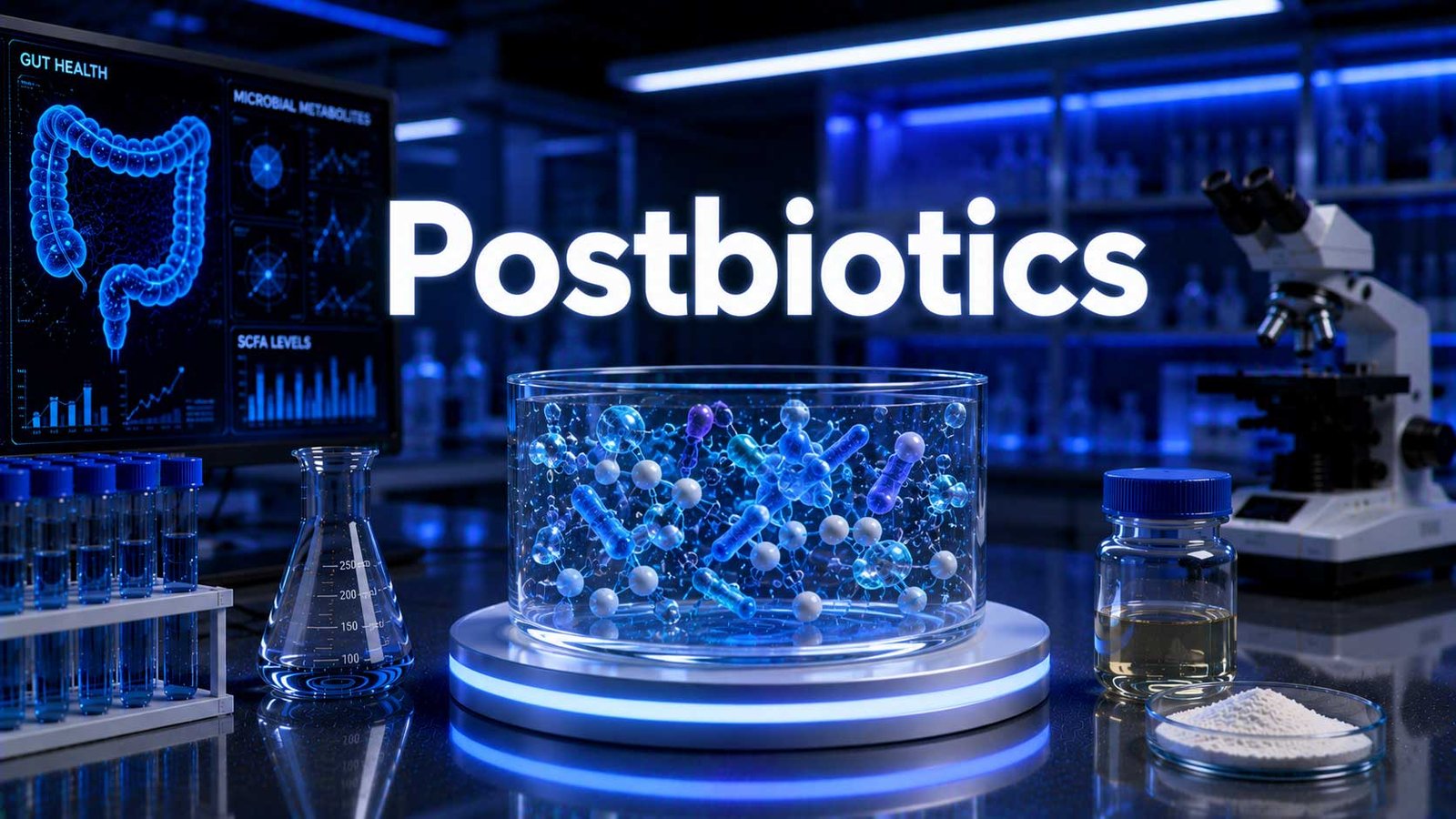
The Gut Health Conversation Nobody Saw Coming
I’ve spent a long time watching the gut health world chase one shiny object after another. Probiotics had their decade. Prebiotics elbowed their way in right behind them. And now there’s a new word showing up on yogurt labels and supplement bottles: postbiotics. If you rolled your eyes just now, I get it. It sounds like marketing. It sounds like the natural next step in a numbering system—pro, pre, post—that somebody in a boardroom dreamed up to sell more capsules. But here’s the thing, and I say this as someone who has read more gut microbiome literature than is probably healthy for one person: postbiotics are not a marketing gimmick. They might actually be the most interesting piece of this whole puzzle, and we’ve been ignoring them for years because they don’t fit neatly into the “take a pill of live bacteria” story that made probiotics so easy to sell.
So what are we actually talking about? In 2021, a panel convened by the International Scientific Association of Probiotics and Prebiotics sat down and hammered out a formal definition, because up until that point the term was being used so loosely it had basically lost meaning. They landed on this: a postbiotic is a preparation of inanimate microorganisms and/or their components that confers a health benefit on the host, and to count as effective, that preparation has to contain inactivated microbial cells or cell components—with or without leftover metabolites—that actually contribute to the benefit being observed. Translation, for anyone who doesn’t want to sit through a consensus statement: postbiotics are dead bacteria, or pieces of bacteria, or the stuff bacteria leave behind after they’ve done their work. Not alive. Not trying to colonize you. Just present, and apparently still doing something useful.
Table of Contents


That “dead but still doing something” part is what makes this category so strange, and honestly, kind of fascinating. We’ve spent decades assuming that the only bacteria worth caring about were the living ones—the ones you had to keep refrigerated, the ones that had to survive stomach acid to “get to work” in your colon. Postbiotics flip that assumption on its head. The bacteria don’t need to survive anything. They’re already finished. What’s left behind—short-chain fatty acids, cell wall fragments, enzymes, peptides, exopolysaccharides—turns out to carry a huge amount of the biological signal that probiotics were getting credit for all along.

I want to be upfront about something before we go further, because I think it matters for how you read the rest of this piece. Postbiotic research is still young. A lot of the mechanistic work is strong, some of the clinical trial work is genuinely promising, but this is not a settled science the way, say, vitamin C deficiency is settled science. Anyone who tells you postbiotics are a guaranteed fix for whatever ails your gut is overselling it. What I can tell you, with a fair amount of confidence, is that the concept holds up under scrutiny in a way a lot of gut health trends don’t. There’s real biochemistry here, not just branding.
Part of why postbiotics matter right now has to do with a problem probiotics never quite solved: getting live bacteria to survive the trip. Stomach acid is brutal. Bile salts are brutal. A huge fraction of the organisms in a probiotic capsule never make it to the colon alive, and even the ones that do often don’t stick around for long once they get there. Postbiotics sidestep that whole issue. Because the microorganisms are already inactivated, there’s no viability to lose, no cold chain to maintain, no risk of the “living” claim on the label being technically false by the time the product reaches your kitchen shelf. From a manufacturing and shelf-stability standpoint alone, that’s a big deal, and it’s part of why the food and supplement industry has gotten so interested so fast.
But shelf stability isn’t the reason to care about postbiotics as a consumer. The reason to care is what these compounds actually appear to do once they’re in your system—modulating immune signaling, reinforcing the gut lining, quieting down inflammatory pathways that, left unchecked, contribute to a long list of chronic conditions. A lot of that work traces back to short-chain fatty acids like butyrate, which I’ll get into in more depth shortly, but the postbiotic category is broader than SCFAs alone. It includes cell wall fragments, bacteriocins, certain vitamins, exopolysaccharides, enzymes, and structural proteins, all sitting together in a single non-purified, inactivated cell preparation, and all seeming to interact with the host in their own distinct ways. Research on this whole category is still young, but the body of evidence pointing toward real modulation of human health keeps growing.
There’s also a practical, real-world reason postbiotics have gained traction that has nothing to do with biochemistry: safety. Probiotics, for all their popularity, do carry some risk in specific populations—critically ill patients, people who are immunocompromised, very young infants. Live bacteria introduced into a compromised system can, in rare cases, cause real harm. Postbiotics don’t carry that same risk profile, because there’s nothing alive to translocate or cause infection. That’s not a small thing if you’re talking about hospital nutrition protocols or pediatric care, and it’s a big part of why researchers have started looking at postbiotics as an alternative worth taking seriously rather than a lesser cousin of probiotics.
I don’t think postbiotics are going to replace probiotics or prebiotics, and honestly, I’d be suspicious of anyone who told you they should. What I think is happening is more interesting than a replacement story: we’re finally starting to understand that gut health was never really about the bacteria themselves. It was about what the bacteria produce, how the body responds to that output, and how you can support that whole system through diet, fermentation, and yes, in some cases, supplementation. Postbiotics are the part of that story we skipped over for too long. Let’s get into why they matter, where you actually find them, how much you might need, and where the real caution flags are—because there are some, and I’m not going to pretend otherwise.
Key Health Benefits of Postbiotics
Let’s start with what postbiotics actually do inside the body, because this is where the science gets genuinely interesting—and where I think a lot of the online chatter oversimplifies things into tidy little bullet points that don’t capture how messy and multi-directional these effects really are.
Strengthening the Gut Barrier
The gut lining is basically a single layer of cells standing between the contents of your intestines and your bloodstream. That’s it. One cell layer. When that barrier gets compromised—thinner tight junctions, more permeability than it should have—you start seeing the kind of low-grade systemic inflammation that’s been linked to everything from metabolic syndrome to mood disorders. Butyrate, one of the most studied postbiotic short-chain fatty acids, appears to be a primary fuel source for the colonocytes that make up this barrier, directly influencing how those cells grow and mature, and research increasingly points to protective effects in colon tissue along with knock-on benefits once butyrate reaches other tissues in the body. In plain terms: the cells lining your gut literally run on this stuff. Feed them well, and the barrier holds up better.
Calming Inflammation
This is probably the area with the most consistent research behind it. Several postbiotic compounds, particularly SCFAs, interact with immune signaling pathways in ways that dial down inflammatory responses rather than ramp them up. In a randomized controlled trial involving patients recovering from stroke in an intensive care setting, postbiotic supplementation over the course of the intervention led to measurable reductions in inflammatory and oxidative stress markers compared to placebo. The postbiotic group ended up with meaningfully lower levels of several inflammatory markers, lower oxidative stress readings, higher antioxidant capacity, and a reduced rate of pneumonia compared to the control group. That’s a fairly dramatic clinical outcome in a genuinely sick population, and it’s the kind of result that makes me sit up and pay attention rather than dismiss the whole category as hype. I’d stop short of calling this proof that postbiotics fix inflammation in a healthy person eating a mostly reasonable diet—that’s a very different population—but the mechanism clearly does something real.
Supporting Immune Function
Roughly seventy percent of your immune tissue lives in and around the gut, which is a statistic that gets thrown around so often it’s practically a cliché at this point, but it’s thrown around often because it’s true and it matters. Postbiotics appear to interact directly with immune cells lining the gut, influencing how aggressively—or not—the immune system responds to what passes through. This isn’t about “boosting” immunity in the vague way supplement marketing likes to use that word. It’s closer to calibration. A well-regulated immune response recognizes real threats without overreacting to harmless food particles or the trillions of commensal organisms that are supposed to be there.
Fighting Off Unwanted Guests
There’s a antimicrobial angle here too that doesn’t get enough attention. Certain postbiotic preparations have shown an ability to interfere with pathogenic bacteria directly. A well-documented example involves inactivated Lactobacillus reuteri used as an adjunct therapy alongside standard antibiotic treatment for Helicobacter pylori, the bacterium responsible for a large share of peptic ulcers and functional dyspepsia cases worldwide. In a randomized, placebo-controlled trial, adding an inactivated L. reuteri DSM17648 preparation alongside standard antibiotic therapy pushed eradication success up to roughly 97 percent, compared to 86 percent with antibiotics alone, while also cutting down on the digestive side effects that usually come with the antibiotic regimen itself. That’s not a small margin. A ten-point jump in eradication success, achieved by adding an inactivated bacterial strain alongside conventional treatment, is the kind of clinical finding that should make more people curious about this category.
Metabolic and Beyond
There’s also emerging interest in postbiotics and metabolic health—blood sugar regulation, lipid metabolism, even weight management—though I’d characterize this branch of the research as promising rather than settled. SCFAs interact with metabolic tissues including the liver, skeletal muscle, and adipose tissue through cell surface receptors, and animal studies have shown meaningful effects on insulin sensitivity and fat accumulation with butyrate supplementation specifically. Human data is still catching up, and I think that’s worth saying plainly rather than glossing over.
A few practical takeaways worth flagging here before moving on:
- The strongest evidence currently sits with gut barrier support and inflammation modulation.
- Antimicrobial applications, particularly around H. pylori, have real clinical trial backing.
- Metabolic benefits are plausible mechanistically but need more human trials before I’d call them established.
- Not all postbiotics behave identically—butyrate, bacteriocins, and cell wall fragments each seem to have their own distinct mechanisms rather than one universal effect.
None of this means postbiotics are a cure-all, and I’d be doing you a disservice if I framed it that way. What I will say is that the biological plausibility here is stronger than for a lot of trendy gut health interventions, and that’s worth something.


Dietary Sources of Postbiotics
Here’s where things get a little more grounded and a lot less abstract. You don’t need a lab coat or a subscription to a supplement brand to get postbiotics into your life. A meaningful portion of them show up naturally through fermentation, and honestly, a lot of traditional food cultures figured this out long before anyone had a name for it.
Fermented Foods, the Original Delivery System
Fermentation is essentially a controlled process of letting bacteria (or yeast) do their thing on food, and along the way they generate metabolites, break down compounds, and leave behind cell fragments once some of those organisms die off. Foods like yogurt, kefir, sauerkraut, kimchi, miso, tempeh, and traditionally fermented pickles all carry postbiotic compounds as a natural byproduct of that process, even before you get into the live cultures some of them also contain. This is part of why fermented foods have such a long track record across so many cultures—Korean kimchi, German sauerkraut, Japanese miso, Bulgarian yogurt—long before “gut health” was a phrase anyone used. People weren’t chasing a trend. They were preserving food, and it turned out the preservation process happened to be doing something beneficial to the body along the way.
I’ll be honest, I think fermented foods get underrated in this whole conversation because they’re not as “clean” a story as a supplement capsule with a defined strain and a defined dose. But there’s something to be said for a food matrix that’s been feeding humans reliably for thousands of years versus a novel isolated compound we’ve been studying for a decade.
Feeding the Bacteria That Make Postbiotics for You
This is the part people miss most often. You don’t only get postbiotics by eating them directly—you also get them by feeding the bacteria already living in your colon the raw material they need to produce SCFAs on their own. That raw material is largely fiber, particularly the fermentable kind found in foods like:
- Oats, barley, and other whole grains
- Legumes—lentils, chickpeas, black beans
- Onions, garlic, and leeks
- Bananas, especially slightly underripe ones
- Asparagus and Jerusalem artichokes
- Chicory root and dandelion greens
Butyrate is the short-chain fatty acid mammals produce when gut microbes ferment dietary fiber, and it’s a genuinely versatile molecule—research has tied it to protective effects against diabetes, intestinal inflammation, obesity, colon cancer, and even certain neurological conditions. The catch is that butyrate production is entirely dependent on what your gut bacteria have to work with. Starve them of fermentable fiber, and they simply can’t produce it, no matter how “good” your bacterial composition might otherwise be. This is one of the clearest, most actionable pieces of this entire topic: fiber intake isn’t a separate conversation from postbiotics, it’s arguably the foundation of it.
Whole Grains and Resistant Starch
Resistant starch deserves its own mention because it behaves a little differently than regular fiber. It resists digestion in the small intestine and arrives largely intact in the colon, where it becomes prime fermentation material. You find it in cooked-and-cooled potatoes and rice, green bananas, legumes again, and certain whole grains. Cooling starchy foods after cooking actually increases their resistant starch content through a process called retrogradation—a small kitchen trick that has an outsized effect on how much fermentable material reaches your colon.
Polyphenol-Rich Foods
Polyphenols—found in berries, green tea, dark chocolate, olive oil, and a long list of colorful plant foods—don’t get absorbed particularly well on their own, but gut bacteria metabolize a good portion of them, and that metabolic interaction appears to influence SCFA production and gut microbial diversity in a favorable direction. Recent reviews have specifically highlighted that pairing polyphenol-rich foods with fiber seems to amplify butyrate’s beneficial effects on the gut microbiota beyond what either would do alone. This is one reason a genuinely varied, colorful plant-forward diet keeps coming up as a foundation for gut health advice that’s held up over time, rather than a specific supplement or superfood.
Supplements: Where the Science Gets Specific
Postbiotic supplements do exist now, and they’re becoming more common—typically formulated with specific inactivated strains like the L. reuteri DSM17648 strain mentioned earlier, tributyrin (a butyrate precursor), or postbiotic metabolite blends. If you’re going this route, strain specificity matters a lot more than it does with general “gut health” claims. A supplement that lists “postbiotics” without naming the actual strain or compound and citing the dose used in research isn’t giving you enough information to know whether it’s likely to do anything at all.
My honest take, after digging through a lot of this literature: food-first is still the smarter default for most people. Fermented foods plus a genuinely fiber-rich diet will get you further than most supplements will, and it’s a lot harder to overdo it or waste money that way. Supplements have their place for specific, targeted situations—which brings us to the next question worth asking.
Dosage & Deficiency
This is probably the section where I have to be the most careful, because “dosage” implies a level of precision that postbiotic science, frankly, doesn’t fully have yet. There’s no RDA for postbiotics the way there is for vitamin D or iron. That’s not a failure of the research—it reflects how new and how compound-specific this category really is.
There’s No Single “Postbiotic” Dose
Because postbiotics aren’t one substance but a broad category—SCFAs, cell fragments, bacteriocins, enzymes, exopolysaccharides—asking “how much postbiotic do I need” is a bit like asking “how much vegetable do I need” without specifying which one. The dose that mattered in the H. pylori trial was 200 mg of the specific inactivated strain, taken twice daily for fourteen days alongside standard eradication therapy, then continued for another fourteen days once that therapy wrapped up. That number tells you nothing about how much fermented sauerkraut you’d need to eat for a general wellness benefit, because it’s a different compound serving a different clinical purpose entirely. This is the trap a lot of gut health content falls into—borrowing a clinical trial dose and applying it to a completely different context as if it’s universal. It isn’t.
What “Deficiency” Even Means Here
Deficiency isn’t really the right framework for postbiotics the way it is for a nutrient like B12. Nobody gets diagnosed with “postbiotic deficiency.” What you can meaningfully talk about is reduced SCFA production, which is a real, measurable phenomenon tied primarily to low fiber intake and reduced microbial diversity. A gut that isn’t getting enough fermentable fiber simply can’t manufacture adequate butyrate, propionate, or acetate, regardless of how many probiotic capsules you’re taking on top of it. Chronic low-fiber diets, frequent antibiotic use, highly processed food patterns, and low microbial diversity all show up in the research as factors associated with reduced SCFA output.
Some signs that your SCFA production—and by extension, your postbiotic status in the broadest sense—might not be where it should be include:
- Frequent digestive irregularity, whether that’s constipation or looser stools than usual
- A diet that’s consistently low in fiber-rich plant foods
- A history of frequent or recent antibiotic courses
- Low intake of fermented foods generally
None of these are diagnostic on their own, and I want to be clear that I’m not trying to turn ordinary digestive variation into a medical concern. But if several of these apply to you, it’s a reasonable signal that your gut microbiota might not have what it needs to produce SCFAs at a healthy baseline level.
Building Toward Adequate Intake, Practically
Rather than chasing a specific milligram target, I think the more useful approach—and the one that actually lines up with the research—is building dietary habits that consistently support natural postbiotic production:
- Aim for fiber intake in the range most nutrition guidelines already recommend, generally 25 to 38 grams daily depending on age and sex, prioritizing variety over any single fiber source
- Include a fermented food most days, rotating between a few different types rather than relying on just one
- Build meals around a genuinely diverse range of plant foods rather than the same five vegetables on repeat, since microbial diversity tends to track with dietary diversity
- If recovering from antibiotics, be especially deliberate about fiber and fermented food intake during the recovery window, since this is when SCFA production tends to dip most noticeably
When a Targeted Supplement Might Make Sense
For specific clinical situations—adjunct therapy alongside antibiotic treatment, recovery periods after significant gut disruption, or under the guidance of a healthcare provider managing a particular condition—a targeted postbiotic supplement with a research-backed strain and dose might be worth discussing. This isn’t a decision I think people should make by grabbing whatever’s trending on social media. Strain specificity, documented dosing, and third-party testing all matter more here than they do in categories with a longer safety track record. If you’re dealing with a specific digestive condition, that’s a conversation for a doctor or registered dietitian who can look at your actual situation, not a generic dosing chart.
Toxicity & Risks
I want to spend real time here, because most articles on trendy gut health compounds treat the risk section as an afterthought, and I think that does readers a disservice. Let’s talk honestly about where the caution flags actually are.
The Good News First: A Favorable Safety Profile
One of the genuine advantages postbiotics have over probiotics is that because the microorganisms involved are inactivated, there’s no risk of the organism itself causing an infection or translocating into the bloodstream—a rare but real concern with live probiotics in immunocompromised or critically ill patients. Clinical trials involving postbiotic supplementation have generally reported favorable safety outcomes. In the stroke recovery trial mentioned earlier, researchers specifically noted the absence of adverse events, reporting that patients tolerated the intervention well across the board. Similarly, in the H. pylori eradication trial, the postbiotic group actually experienced fewer digestive side effects than the placebo group, with no serious adverse events registered in either arm. That’s a genuinely reassuring pattern across more than one trial in more than one clinical context.
But “Generally Safe” Isn’t “Risk-Free”
I don’t want to overstate this into a blanket “completely harmless” claim, because that’s not how any bioactive compound works, and it’s not how good science communication works either. A few things worth flagging honestly:
Digestive adjustment. Increasing fiber intake to support natural postbiotic production—which is the most common way people actually engage with this category—can cause temporary bloating, gas, or changes in bowel habits, especially if the increase happens quickly rather than gradually. This isn’t toxicity, it’s just your gut adjusting, but it’s worth knowing so you don’t panic and assume something’s wrong.
Fermented food quality and histamine sensitivity. Not everyone tolerates fermented foods equally well. Some people, particularly those with histamine intolerance, can experience symptoms like headaches, flushing, or digestive discomfort from fermented foods specifically because of their histamine content, which is a separate issue from the postbiotic compounds themselves but worth knowing if you’re ramping up fermented food intake and something feels off.
Supplement quality control. Because postbiotics are a newer category, regulatory oversight varies quite a bit by region, and product quality across the supplement market is genuinely inconsistent. A postbiotic supplement that hasn’t been through rigorous third-party testing may not contain what the label claims, at the dose claimed. This is a manufacturing and industry issue more than a biological one, but it’s the practical risk most people are actually likely to encounter.
Specific medical populations. While the inactivated nature of postbiotics generally makes them safer than live probiotics for immunocompromised individuals, that doesn’t mean every postbiotic compound is appropriate for every medical situation without oversight. Anyone with a serious underlying gastrointestinal condition, anyone on immunosuppressive therapy, or anyone managing a chronic illness should loop in their healthcare provider before adding a new supplement, postbiotic or otherwise. This is basic due diligence, not fear-mongering.
Research is still filling in gaps. Most of the strongest clinical trial data exists for specific strains and specific compounds used in specific clinical contexts—stroke recovery, H. pylori eradication, functional dyspepsia. We don’t yet have the same depth of long-term safety data across the enormous range of compounds that technically fall under the postbiotic umbrella. That’s not a reason for alarm, but it is a reason for a bit of humility about how confidently we can generalize findings from one postbiotic compound to the category as a whole.
My Honest Read on the Risk Picture
If I had to sum up where I land after going through this research: postbiotics, as a category, appear to carry meaningfully lower risk than a lot of other gut health interventions, particularly compared to live probiotics in vulnerable populations. The main risks people are actually likely to run into are mundane—digestive adjustment from increased fiber, inconsistent supplement quality, and the general risk of assuming a novel compound is a magic fix rather than one piece of a larger dietary picture. That’s a pretty favorable risk profile as these things go, but “pretty favorable” still isn’t the same as “no caution required,” and I’d encourage some skepticism toward any product or article that skips past this part entirely.
What This Means for the Way You Eat
If there’s one thing I want to leave you with, it’s this: postbiotics aren’t a product category you need to go shopping for. They’re a lens for understanding something your gut has been doing all along, mostly without credit. Every time you eat a piece of fiber-rich fruit, a spoonful of properly fermented sauerkraut, or a bowl of lentils, you’re feeding a process that generates these compounds whether you’ve ever heard the word “postbiotic” or not. The supplement industry didn’t invent this system. It just finally caught up to naming it.
What I’d actually encourage you to take away from all of this isn’t a shopping list or a new pill to add to your morning routine, though there’s a place for targeted supplementation in specific situations. It’s a shift in how you think about the foods you already have access to. Fiber diversity matters more than any single “superfood.” Fermented foods deserve a regular spot on your plate, not because they’re trendy but because cultures have relied on them for millennia for good reason. And the relationship between what you eat and how your gut bacteria respond isn’t some distant, abstract mechanism—it’s happening daily, meal by meal, whether you’re paying attention to it or not.
I’ll also say this, because I think it needs saying in a space this crowded with hype: be wary of anyone selling postbiotics as a cure-all. The research is real, the mechanisms are biologically sound, and some of the clinical results—particularly around inflammation and targeted antimicrobial applications—are genuinely impressive. But this is one piece of a much larger picture that includes sleep, stress, movement, and the rest of your diet, not a substitute for any of it. Treat postbiotics as a useful piece of the puzzle worth understanding, not a silver bullet worth building your entire health strategy around.
If you take one practical thing from this article and do nothing else, let it be this: eat more fiber, more consistently, from more varied sources, and let a fermented food or two become a regular habit rather than an occasional experiment. Everything else—the supplements, the specific strains, the targeted clinical applications—is worth knowing about, but it’s secondary to that foundation. Your gut bacteria have been trying to tell you this for a long time. Postbiotics are just the word we finally gave to what they’ve been saying.
Article Sources
At AncientHerbsWisdom, our content relies on reputable sources, including peer-reviewed studies, to substantiate the information presented in our articles. Our primary objective is to ensure our content is thoroughly fact-checked, maintaining a commitment to accuracy, reliability, and trustworthiness.
- Ivashkin, V., Maev, I., Poluektova, E., Sinitsa, A., Avalueva, E., Mnatsakanyan, M., Simanenkov, V., Karpeeva, J., Kopylova, D., Kuprina, I., Kucheryavyy, Y., Lapina, T., Solovyeva, O., Soom, M., Cheremushkina, N., Maevskaya, E., & Maslennikov, R. (2024). Efficacy and Safety of Postbiotic Contained Inactivated Lactobacillus reuteri (Limosilactobacillus reuteri) DSM17648 as Adjuvant Therapy in the Eradication of Helicobacter pylori in Adults With Functional Dyspepsia: A Randomized Double-Blind Placebo-Controlled Trial. Clinical and Translational Gastroenterology, 15(9), e1. https://doi.org/10.14309/ctg.0000000000000750
- Maiuolo, J., Bulotta, R. M., Ruga, S., Nucera, S., Macrì, R., Scarano, F., Oppedisano, F., Carresi, C., Gliozzi, M., Musolino, V., Mollace, R., Muscoli, C., & Mollace, V. (2024). The Postbiotic Properties of Butyrate in the Modulation of the Gut Microbiota: The Potential of Its Combination with Polyphenols and Dietary Fibers. International Journal of Molecular Sciences, 25(13), 6971. https://doi.org/10.3390/ijms25136971
- McNabney, S. M., & Henagan, T. M. (2017). Short Chain Fatty Acids in the Colon and Peripheral Tissues: A Focus on Butyrate, Colon Cancer, Obesity and Insulin Resistance. Nutrients, 9(12), 1348. https://doi.org/10.3390/nu9121348
- Rahimi, A., Qaisar, S. A., Janeh, T., Karimpour, H., Darbandi, M., & Moludi, J. (2024). Clinical trial of the effects of postbiotic supplementation on inflammation, oxidative stress, and clinical outcomes in patients with CVA. Scientific Reports, 14, 24021. https://doi.org/10.1038/s41598-024-76153-y
- Salminen, S., Collado, M. C., Endo, A., Hill, C., Lebeer, S., Quigley, E. M. M., Sanders, M. E., Shamir, R., Swann, J. R., Szajewska, H., & Vinderola, G. (2021). The International Scientific Association of Probiotics and Prebiotics (ISAPP) consensus statement on the definition and scope of postbiotics. Nature Reviews Gastroenterology & Hepatology, 18(9), 649–667. https://doi.org/10.1038/s41575-021-00440-6
- Scott, E., De Paepe, K., & Van de Wiele, T. (2022). Postbiotics and Their Health Modulatory Biomolecules. Biomolecules, 12(11), 1640. https://doi.org/10.3390/biom12111640
- Vinderola, G., Sanders, M. E., Salminen, S., & Szajewska, H. (2022). Postbiotics: The concept and their use in healthy populations. Frontiers in Nutrition, 9, 1002213. https://doi.org/10.3389/fnut.2022.1002213
- Wegh, C. A. M., Geerlings, S. Y., Knol, J., Roeselers, G., & Belzer, C. (2019). Postbiotics and Their Potential Applications in Early Life Nutrition and Beyond. International Journal of Molecular Sciences, 20(19), 4673. https://doi.org/10.3390/ijms20194673

- Phosphatidic Acid: Supporting Muscle Growth and Strength - July 31, 2026
- Ceramides: Supporting Healthy Skin From Within - July 31, 2026
- Synbiotics: Combining Prebiotics and Probiotics Together - July 31, 2026