
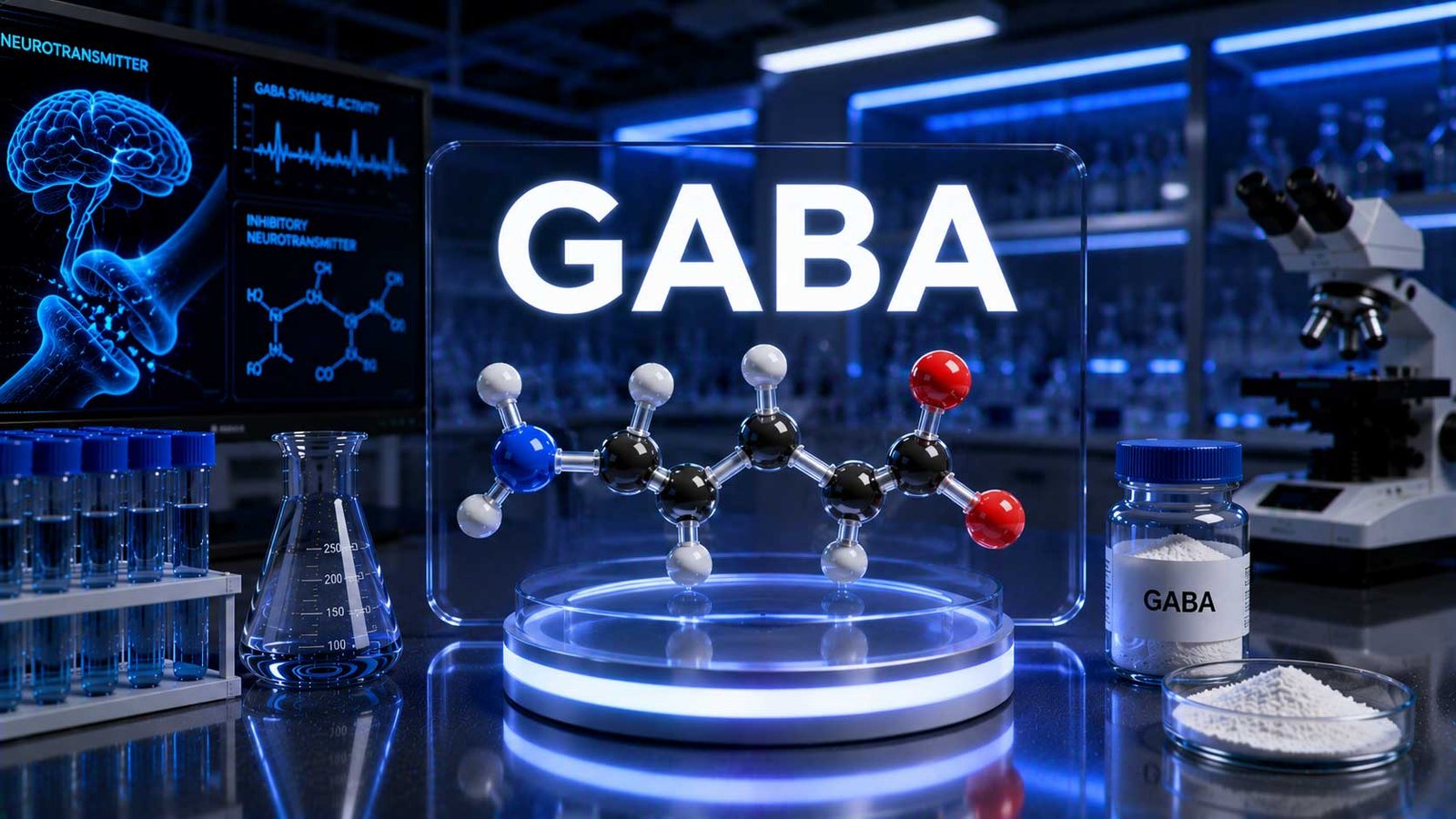
The Chemical Messenger Behind Every Deep Breath You Take
There’s a particular kind of quiet that settles in after a long exhale — shoulders drop, jaw unclenches, the mental noise finally turns down a notch. Most people chalk that shift up to willpower or a good night’s sleep. But underneath it, there’s a specific molecule doing a lot of the heavy lifting: GABA.
GABA, short for gamma-aminobutyric acid, is the brain’s main inhibitory neurotransmitter. If you think of your nervous system as running on a gas pedal and a brake pedal, glutamate is the gas — it excites neurons, keeps things firing, keeps you alert and reactive. GABA is the brake. It’s the chemical that tells overactive circuits to settle down. Without it, or without enough of it working properly, the nervous system tends to run hot: racing thoughts, jitteriness, trouble winding down at night. That’s not a hypothetical. Drugs like benzodiazepines (Valium, Xanax, and their relatives) work precisely by boosting GABA’s ability to bind to its receptors, which is why they’re so effective — sometimes too effective — at producing calm.
Table of Contents

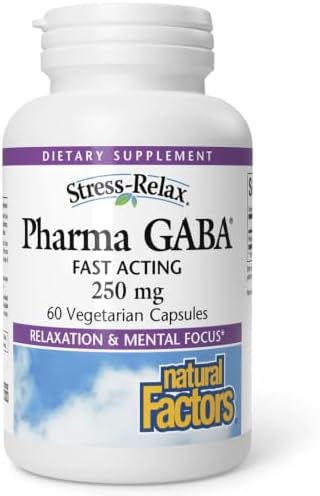
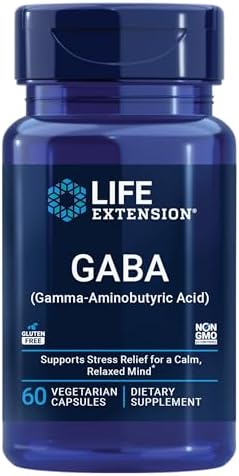
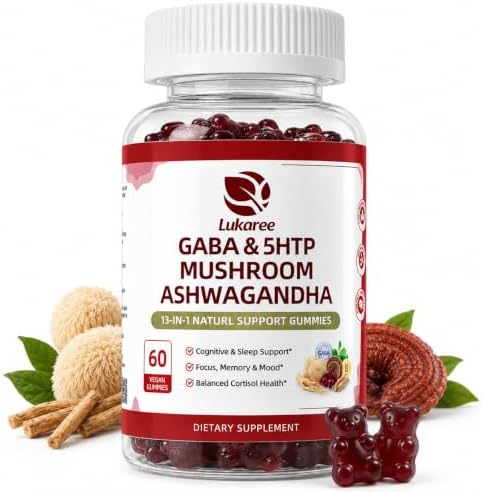
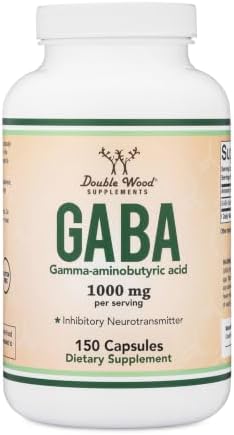
Given that, it’s no surprise that GABA has become a popular supplement marketed under the promise of natural relaxation, better sleep, and lower stress. Walk into any supplement aisle and you’ll find GABA capsules, powders, and even GABA-infused chocolates and teas, all riding on the coattails of what this molecule does inside your skull. The catch — and it’s a big one, so I’ll say it early rather than burying it — is that taking GABA as a pill doesn’t automatically mean it reaches the part of your brain where all that calming magic happens. The blood-brain barrier, that protective filter around your central nervous system, is notoriously picky about what it lets through, and GABA has a hard time getting past it in meaningful amounts.
So does that mean oral GABA is useless? Not exactly. It means the story is more complicated, and more interesting, than the marketing copy suggests. Some researchers have found that dietary GABA may still exert calming effects indirectly, through pathways like the gut-brain axis or by acting on GABA receptors in the peripheral nervous system, which doesn’t require crossing into the brain at all. Others have measured real, if modest, physiological changes after people take GABA supplements — shifts in brain wave patterns, small reductions in stress markers, and self-reported feelings of relaxation. It’s a mixed bag, and I think that nuance deserves more attention than it usually gets in casual conversations about “natural” calming supplements.
This is a molecule your body already produces, made from another well-known amino acid, glutamate, with the help of an enzyme called glutamate decarboxylase. It’s not some exotic import; it’s baked into the architecture of how your nervous system regulates itself moment to moment. That’s part of what makes it such a compelling subject. It sits at this intersection of hard neuroscience and everyday experience — the same chemistry involved in seizure control and anesthesia is, in a gentler form, involved in why a cup of chamomile tea or a slow yoga session can leave you feeling unwound.
What follows isn’t a sales pitch for GABA supplements, nor is it a dismissal of them. It’s an honest look at what the actual research says GABA can and can’t do, where you can find it in food, how much people typically take, and where the real risks and unknowns still sit. Because if you’re going to consider adding something like this into your routine — whether through diet or a bottle from the supplement shelf — you deserve the full picture, not just the part printed on the label.
Key Health Benefits
GABA’s reputation rests almost entirely on one core function: it’s inhibitory. It calms neural activity down rather than ramping it up. That single property fans out into a handful of areas where researchers have looked for measurable benefits, and it’s worth walking through what’s actually been found rather than what’s simply assumed.
Stress and Relaxation
The most direct human evidence comes from a small but often-cited study in which participants who took oral GABA showed a measurable increase in alpha brain waves and a decrease in beta waves within about an hour of ingestion — a pattern generally associated with a relaxed but alert mental state. In that same research, GABA also appeared to blunt some physiological stress responses during a stress-inducing task, and the researchers noted its effects could show up within roughly sixty minutes of intake. It’s one of the more frequently referenced pieces of evidence for GABA’s relaxing effects, though it’s a single line of research, not a mountain of confirmatory studies.
Broader reviews looking at oral GABA and stress paint a more cautious picture. A systematic review of human trials examining GABA’s effects on stress and sleep found that, taken as a whole, the evidence for a genuine stress-reducing effect is limited — some individual studies showed benefit, others didn’t, and methods varied enough that firm conclusions were hard to draw. That’s not the same as saying it doesn’t work. It’s saying the science hasn’t yet nailed down consistent, replicable proof across the board, which is a fair and honest place to land.
Sleep Support
Sleep is where some of the more encouraging data lives. In a randomized, double-blind, placebo-controlled trial, adults with insomnia symptoms who took 300 mg of GABA derived from fermented rice germ daily for four weeks showed a real drop in how long it took them to fall asleep, along with improvements in objectively measured sleep efficiency, compared to those on placebo. A separate, more recent trial using a lower 75 mg dose of natural GABA also found reduced sleep-onset latency on polysomnography without notable side effects, suggesting even smaller amounts might have a role for people struggling specifically with the “lying awake staring at the ceiling” phase of insomnia.
- Reduced time to fall asleep in more than one controlled trial
- Improvements in objective sleep architecture measures, not just self-report
- Effects observed at both higher (300 mg) and lower (75 mg) daily doses
That said, the same systematic review mentioned above rated the overall evidence for sleep benefits as very limited — encouraging, but not yet definitive.
Mood and Anxiety-Related Effects
Preclinical research adds another layer here. A 2025 study using a chronic stress model in mice found that long-term GABA supplementation significantly reduced anxiety-like behaviors, increased GABA concentrations in the prefrontal cortex, and boosted anti-inflammatory markers in the brain, pointing to a possible immune and neuroinflammatory pathway through which GABA might influence mood, separate from any direct action as a classic neurotransmitter refill. It’s animal data, so it doesn’t translate directly to humans, but it does offer a plausible mechanism worth watching.
On the human side, research into the gut-brain axis has proposed that orally consumed GABA — even if it doesn’t cross into the brain itself — may still influence mood and stress regulation indirectly, through its interaction with gut microbiota and the enteric nervous system, which communicates extensively with the brain via the vagus nerve and other signaling routes. This is an emerging area, not settled science, but it offers a reasonable explanation for why people report subjective calm even when the blood-brain barrier objection would seem to rule it out.
Blood Pressure
One of the more consistently replicated effects of GABA involves blood pressure rather than mood. Multiple human trials using GABA-enriched fermented milk, cheese, and other food matrices have shown modest reductions in blood pressure among people with hypertension, with effects appearing across several independently conducted studies using different GABA-rich foods. This is arguably GABA’s best-supported benefit in humans, even though it doesn’t get nearly as much attention as the anxiety and sleep angle.
A Note on Cognitive and Physical Performance
Some smaller trials have also looked at GABA’s role in memory, spatial cognition, and recovery from physical exertion, with a few reporting modest improvements in memory tasks or reduced perceived fatigue after activity. These findings are worth mentioning, but they’re preliminary, and I wouldn’t build expectations around them the way you might for sleep or blood pressure.
Taken together, the benefits picture for GABA is honestly a mixed one — genuinely promising in a couple of specific areas like sleep and blood pressure, plausible but unproven in others like general anxiety and stress, and still mechanistically unclear given the blood-brain barrier issue. That’s not a knock against the compound. It’s just where the science currently sits, and I’d rather tell you that plainly than oversell it.
Dietary Sources
If the idea of a pill labeled “GABA” makes you a little skeptical, there’s good news: this compound shows up naturally across a surprisingly wide range of foods, many of which you’re probably already eating.
Vegetables and Plant Foods
Raw spinach ranks among the richest natural plant sources of GABA, and it’s joined by potatoes, sweet potatoes, wild cabbage varieties, and a handful of mushroom types including shiitake, all of which contain notable concentrations of this compound in their raw or minimally processed state. Tomatoes and certain leafy greens also contribute meaningfully, and chestnuts show up on the list too, which always strikes me as one of those small surprises — you don’t expect a starchy autumn nut to be doing double duty as a calming-compound source.
Fermented Foods
This is really where GABA content tends to spike, and it makes sense once you understand the mechanism. Lactic acid bacteria — the same organisms responsible for the tang in yogurt, the sourness in kimchi, and the funk in aged cheese — convert glutamic acid into GABA as part of their metabolic process during fermentation. That means:
- Tempeh and other fermented soy products
- Kimchi and other fermented vegetables
- Traditional yogurt and certain fermented milks
- Sourdough bread
- Aged cheeses, including specialty varieties like zlatar cheese
- Sake and other fermented rice beverages
- Fermented fish products in some culinary traditions
Research on fermented milk specifically has found that starter cultures combining certain Lactococcus and Lactobacillus strains can push GABA concentrations notably higher than what’s found in the unfermented base product, and the longer that fermented milk sits in storage, the more GABA content tends to climb further. It’s a nice example of how traditional food preservation techniques, developed long before anyone understood neurotransmitters, happened to stumble onto something biologically meaningful.
Tea
Green, black, and oolong teas all contain GABA, and there’s actually a specialty category of tea — sometimes labeled “GABA tea” — that’s processed under low-oxygen conditions specifically to boost its natural GABA content well beyond what standard tea production yields. If you’re a tea drinker already, you’re getting a small, steady trickle of this compound without doing anything different at all.
Precursor Nutrients
It’s also worth remembering that your body doesn’t need to get GABA directly from food to have some available — it can manufacture its own from glutamic acid, which is abundant in protein-rich foods like eggs, whole grains, nuts, and legumes. So even foods that aren’t GABA-rich themselves can support your body’s internal GABA production, provided the necessary cofactors and enzymatic processes are functioning well.
A Practical Perspective
Here’s the thing worth sitting with: the amounts of GABA found naturally in food are typically measured in micrograms to low milligrams per serving, while supplement doses used in clinical trials tend to run into the tens or hundreds of milligrams. That’s a real gap. Eating a bowl of kimchi isn’t equivalent to taking a 300 mg capsule. But dietary sources still matter, both because of the precursor effect and because whole foods bring along fiber, probiotics, and other nutrients that supplements simply don’t replicate. I tend to think of food-based GABA as a supportive background player rather than a therapeutic dose in its own right — useful, worth prioritizing if you enjoy fermented foods anyway, but not a substitute if you’re specifically trying to address a sleep or stress issue that needs a measured intervention.
Dosage & Deficiency
Talking about GABA dosage is a little different from talking about, say, vitamin D, because GABA isn’t classified as an essential nutrient with an established recommended daily allowance. There’s no official deficiency syndrome that gets diagnosed with a blood test and a prescription. Instead, what we have is a body of clinical trial data showing what amounts have been studied, and what’s been observed at those levels.
Doses Used in Research
Clinical trials investigating GABA’s effects on sleep have most commonly used doses in the range of 75 to 300 mg per day, typically taken in the evening before bed. The insomnia trial using rice-germ-derived GABA that produced measurable improvements in sleep latency and efficiency used 300 mg daily over four weeks, while a separate trial using a lower 75 mg dose still found benefits for sleep onset without notable adverse effects, suggesting a dose-response relationship may exist but hasn’t been fully mapped out.
For stress and relaxation research, doses have varied more widely, with some studies using amounts as low as 100 mg in a single dose and observing changes in brain wave activity within about an hour. Safety review data compiled by the United States Pharmacopeia found no serious adverse events associated with GABA intake at doses up to 18 grams per day for short periods of four days, and at more moderate doses of 120 mg per day sustained over twelve weeks — numbers that suggest a fairly wide margin between typical supplemental doses and levels where problems start appearing.
What “Low GABA” Actually Looks Like
Rather than a formal deficiency, what gets discussed in the research is reduced GABAergic function or lowered GABA activity, which has been associated with conditions like anxiety disorders and major depressive disorder. This isn’t necessarily about having too little of the raw molecule circulating in your blood — it’s more about how effectively your GABA receptors are functioning and how well your nervous system’s inhibitory signaling is working overall. That distinction matters, because it means popping a GABA supplement isn’t guaranteed to “fix” an underlying receptor sensitivity issue, even if it does deliver more of the raw compound into your system.
Signs that are sometimes loosely associated with reduced GABAergic tone include difficulty winding down, a persistent sense of mental restlessness, and trouble achieving restful sleep — but these are extremely nonspecific symptoms that overlap with dozens of other physical and psychological conditions, so I’d be cautious about self-diagnosing a “GABA deficiency” based on a checklist you found online. If sleep or anxiety issues are significantly affecting your life, that’s a conversation worth having with a healthcare provider who can look at the full picture, not just one neurotransmitter in isolation.
Practical Starting Points
For people considering a GABA supplement for sleep specifically, the research suggests doses in the 75–300 mg range taken in the evening are where most of the meaningful data exists. For general relaxation or stress support, lower single doses around 100 mg have shown some short-term effects on brain wave patterns in small studies. As with most supplements, starting at the lower end of the studied range and paying attention to how your body responds is a reasonable, unglamorous approach — far more useful than chasing the highest dose available on a store shelf. And because absorption and individual response can vary quite a bit from person to person, what works well for one person’s sleep routine might do very little for someone else’s, which is honestly just the nature of a compound whose mechanism of action still isn’t fully pinned down.
Toxicity & Risks
This is the section where GABA actually comes across pretty favorably compared to a lot of other popular supplements, but “pretty favorable” doesn’t mean “risk-free,” so let’s go through it properly.
Safety Data From Human Trials
The comprehensive safety review conducted by the United States Pharmacopeia, which evaluated clinical studies, adverse event reports, and toxicology data, found no serious adverse events associated with GABA at intakes up to 18 grams per day taken for four days, and no serious issues at more sustained doses of 120 mg per day over twelve weeks. That’s a fairly reassuring safety margin for a compound sold over the counter. Animal studies cited in the same review similarly found no signs of toxicity in rats and dogs given chronic doses up to 1 gram per kilogram of body weight daily, which is a substantial amount relative to typical human supplemental use.
Common, Mild Side Effects
The most frequently reported side effects associated with GABA supplementation are relatively minor:
- A tingling sensation on the skin, particularly at higher doses
- A small, transient drop in blood pressure, generally described as a change of less than 10%
- Occasional mild gastrointestinal discomfort in some users
None of these tend to be described as severe or dangerous in the available research, but they’re worth knowing about, especially the blood pressure effect.
The Blood Pressure Consideration
Because GABA has a documented, if modest, blood-pressure-lowering effect — which, to be fair, is one of its more consistently supported benefits — there’s a reasonable theoretical concern about combining GABA supplements with prescription blood pressure medications. Stacking two blood-pressure-lowering interventions could, in theory, push someone into hypotension territory, particularly if they’re already on medication that’s carefully dosed for their needs. If you’re taking any antihypertensive medication, this is exactly the kind of interaction worth flagging to your doctor or pharmacist before adding a GABA supplement into the mix, rather than assuming “natural” automatically means “no interaction risk.”
Sedative Medication Interactions
There’s also a theoretical concern, grounded in basic pharmacology rather than direct clinical trial evidence, about combining GABA supplements with medications that already act on the GABA system — benzodiazepines, barbiturates, and similar sedative-hypnotic drugs. Since these medications work by enhancing GABA receptor activity, layering an additional GABA source on top could plausibly amplify sedation, even though the oral bioavailability question makes the real-world magnitude of that interaction unclear. Better safe than sorry applies here: if you’re on any prescription sedative or sleep medication, loop in your prescriber before adding GABA.
What We Don’t Know
Here’s where I want to be direct rather than reassuring for the sake of it: there’s a genuine gap in the safety data when it comes to pregnancy and lactation. No adequate studies have evaluated GABA supplementation during pregnancy or breastfeeding, which means the honest, responsible answer for anyone in that situation is to avoid supplemental GABA until better safety data exists, rather than assuming it’s fine simply because no harm has been reported. Absence of evidence isn’t evidence of absence in this case.
Long-term use beyond the roughly twelve-week windows studied in most trials also remains something of a blind spot. Most of what we know comes from relatively short intervention periods, so anyone considering daily GABA supplementation for months or years at a stretch is, in a sense, in less charted territory than the marketing suggests.
The Bottom Line on Safety
Compared to many other supplements marketed for anxiety and sleep, GABA has a reasonably solid short-term safety profile backed by a formal pharmacopeial review. It’s not a compound associated with organ toxicity, dependency, or the kind of alarming case reports you sometimes see with other “natural” sedatives. But mild side effects are real, the blood pressure and sedative medication interactions deserve genuine attention rather than a shrug, and the long-term and pregnancy-related data simply isn’t there yet. Treat it with the same basic caution you’d apply to any active compound you’re introducing into your system — which, frankly, is just good practice regardless of what’s on the label.
What Actually Helps You Relax, and What’s Still an Open Question
After sitting with all this research, here’s where I land: GABA is a real, well-established piece of how your nervous system regulates calm, and there’s enough clinical evidence — particularly around sleep onset and blood pressure — to say it’s not just wellness-aisle noise. But the blood-brain barrier problem is a genuine scientific obstacle, not a minor footnote, and anyone telling you oral GABA works exactly like a benzodiazepine because “it’s the same molecule” is skipping over a pretty significant detail in how absorption and delivery actually work in the body.
What I find more interesting than the hype or the skepticism is the middle ground the research keeps pointing toward — the idea that GABA might do its work indirectly, through the gut, through peripheral nervous system receptors, through pathways we’re still mapping out. That’s not a disappointing answer. It’s actually a more honest and more scientifically alive one than a tidy “yes it works” or “no it doesn’t.”
If you’re drawn to trying it, the practical takeaways are straightforward. Food sources like fermented vegetables, certain teas, and traditional dairy products offer a low-risk, low-dose way to work more GABA-supporting foods into your routine, and they come with the added benefit of fiber, probiotics, and other nutrients that a capsule can’t replicate. If you’re considering a supplement specifically for sleep, the research points toward doses in the 75–300 mg range taken in the evening as the best-studied option, with a reasonable safety profile at those levels. If blood pressure medication or sedatives are part of your daily routine, that’s a conversation for your doctor before your supplement cabinet.
And maybe the bigger point is this: relaxation isn’t a switch that one molecule flips on command, however central that molecule might be to the underlying biology. Sleep hygiene, stress management, movement, and yes, possibly a supplement like GABA, all sit on the same continuum of things that support a calmer nervous system. GABA earns its place in that conversation. It just doesn’t deserve to carry the entire conversation by itself.
Article Sources
At AncientHerbsWisdom, our content relies on reputable sources, including peer-reviewed studies, to substantiate the information presented in our articles. Our primary objective is to ensure our content is thoroughly fact-checked, maintaining a commitment to accuracy, reliability, and trustworthiness.
- Abdou, A. M., Higashiguchi, S., Horie, K., Kim, M., Hatta, H., & Yokogoshi, H. (2006). Relaxation and immunity enhancement effects of gamma-aminobutyric acid (GABA) administration in humans. Biofactors, 26(3), 201-208. https://doi.org/10.1002/biof.5520260305
- Byun, J. I., Shin, Y. Y., Chung, S. E., & Shin, W. C. (2018). Safety and efficacy of gamma-aminobutyric acid from fermented rice germ in patients with insomnia symptoms: A randomized, double-blind trial. Journal of Clinical Neurology, 14(3), 291-295. https://doi.org/10.3988/jcn.2018.14.3.291
- Diana, M., Quílez, J., & Rafecas, M. (2014). Gamma-aminobutyric acid as a bioactive compound in foods: A review. Journal of Functional Foods, 10, 407-420. https://doi.org/10.1016/j.jff.2014.07.004
- Hepsomali, P., Groeger, J. A., Nishihira, J., & Scholey, A. (2020). Effects of oral gamma-aminobutyric acid (GABA) administration on stress and sleep in humans: A systematic review. Frontiers in Neuroscience, 14, 923. https://doi.org/10.3389/fnins.2020.00923
- Liwinski, T., Lang, U. E., Brühl, A. B., & Schneider, E. (2023). Exploring the therapeutic potential of gamma-aminobutyric acid in stress and depressive disorders through the gut-brain axis. Biomedicines, 11(12), 3128. https://doi.org/10.3390/biomedicines11123128
- Oketch-Rabah, H. A., Madden, E. F., Roe, A. L., & Betz, J. M. (2021). United States Pharmacopeia (USP) safety review of gamma-aminobutyric acid (GABA). Nutrients, 13(8), 2742. https://doi.org/10.3390/nu13082742
- Xu, J., Ge, Z., Wang, H., Zhang, C., Xu, J., Li, Y., Yang, X., Zhang, L., Li, Z., Liu, Z., Wang, G., & Du, J. (2025). Long-term GABA supplementation mitigates anxiety by modulating complement and neuroinflammatory pathways. npj Science of Food, 9(1), 60. https://doi.org/10.1038/s41538-025-00423-w

- Phosphatidic Acid: Supporting Muscle Growth and Strength - July 31, 2026
- Ceramides: Supporting Healthy Skin From Within - July 31, 2026
- Synbiotics: Combining Prebiotics and Probiotics Together - July 31, 2026