

The Protein Holding You Together
Here’s something most people never think about until their knees start creaking on the stairs or their skin stops bouncing back the way it used to: your body is, quite literally, held together by one protein more than any other. That protein is collagen, and it makes up roughly a third of all the protein in the human body. Not a third of your muscle. Not a third of your skin. A third of everything. If you’ve ever wondered why skin sags with age, why cartilage wears thin, or why a torn tendon takes forever to heal, collagen is usually part of that story.
I’ve spent years reading through the research on this stuff, watching the supplement industry blow it wildly out of proportion in some places and quietly undersell it in others, and I still find collagen fascinating precisely because it’s not glamorous. It’s structural. It’s the scaffolding. Think of your body as a building — collagen is the rebar inside the concrete, not the paint on the walls. You don’t see it, but without it, everything sags, cracks, or falls apart.
Table of Contents


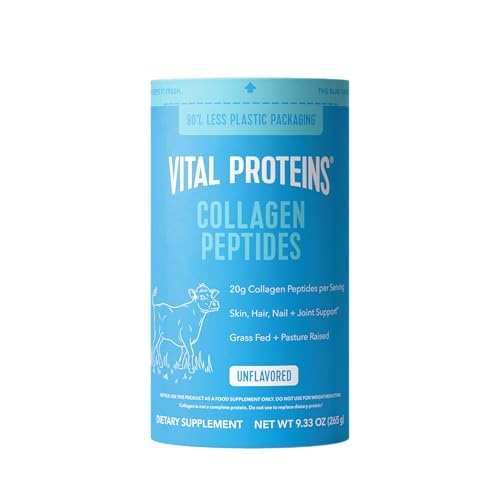


Collagen isn’t a single molecule either, which surprises people. There are at least 28 known types, though five of them (types I through V) do the heavy lifting for most of what we care about day to day. Type I is the one found in skin, tendons, and bone — it’s the most abundant by far. Type II shows up mostly in cartilage, which is why it gets so much attention in joint health conversations. Type III often works alongside Type I in skin and blood vessels. The differences matter more than most marketing copy lets on, because a supplement built around Type II collagen for joint support isn’t necessarily doing much for your skin, and vice versa.

What makes collagen unique on a molecular level is its triple-helix structure — three long protein chains wound around each other like a rope, which gives it that combination of flexibility and tensile strength you don’t get from other proteins. Your body builds this structure using specific amino acids, mainly glycine, proline, and hydroxyproline, and it needs vitamin C as a cofactor to stitch it all together properly. Skip the vitamin C, and collagen synthesis stalls — that’s not a wellness-industry talking point, it’s basic biochemistry, and it’s the reason sailors who ran out of citrus fruit centuries ago ended up with scurvy, a disease that’s fundamentally a collagen production failure.
Here’s the part that tends to catch people off guard: collagen production doesn’t stay steady throughout life. It peaks somewhere in your twenties, and from there it’s a slow, steady decline — somewhere in the neighborhood of one to one and a half percent per year, according to research summarized by Harvard’s Nutrition Source (Harvard T.H. Chan School of Public Health, 2024). That might not sound like much year to year, but stack thirty years of that decline on top of each other, and it explains a lot about what changes in our forties and fifties. Skin gets thinner and less elastic. Joints feel stiffer in the morning. Wounds take longer to close. None of this is dramatic on its own, but cumulatively, it’s collagen quietly stepping back from the job it’s been doing since you were a teenager.
This is also where the collagen supplement conversation gets interesting, because the industry exploded almost overnight — bone broths, collagen powders stirred into coffee, gummies, drinkable ampoules, you name it. Some of that enthusiasm is justified by real clinical evidence. Some of it is marketing riding on the coattails of legitimate science. Sorting out which is which is worth doing properly, because collagen isn’t cheap, and it isn’t harmless to blindly overconsume either, even though it’s generally considered a safe protein source.
What I want to do here is walk through what collagen actually does for skin and joints specifically, since those are the two areas where the evidence is strongest and most consistently replicated across independent research groups. I also want to get into where you can actually get collagen — both from food and from your body’s own production machinery — how much you realistically need, what happens when levels run low, and where the genuine risks sit versus the overblown ones. No fluff, no miracle-cure language. Just what the research actually supports, section by section, so you can make sense of your own choices around it.
If there’s one thing a decade of following this research has taught me, it’s that collagen rewards consistency far more than intensity. Nobody sees results from a week of bone broth. But people who understand how the protein works, feed it properly, and stay patient tend to notice real differences over months, not days. That’s the lens I want you to keep as we go through this.
Key Health Benefits
Let’s get into what collagen is actually shown to do, because this is where the noise-to-signal ratio in wellness content gets especially bad. I’ll be straightforward: the two areas with the most consistent, replicated clinical evidence are skin health and joint comfort. Everything else — hair, nails, gut lining, muscle mass — has some supporting research, but it’s thinner and more preliminary. So let’s start where the evidence is strongest.
Skin Elasticity and Hydration
Skin is roughly seventy-five percent collagen by dry weight, which tells you almost everything about why this protein gets so much attention in dermatology circles. A narrative review of clinical trials on oral collagen supplementation found consistent associations between collagen peptide intake and improvements in skin hydration, elasticity, and the appearance of wrinkles, with the strongest effects tied to low-molecular-weight, hydroxyproline-rich peptides rather than collagen source itself (MDPI Nutrients Review, 2026). That last part is worth sitting with for a second — it’s not really about whether your collagen came from cows, fish, or eggshells. It’s about how small the peptide fragments are, since smaller fragments absorb more efficiently through the gut.
A systematic review published in the Journal of Drugs in Dermatology looked at eleven studies covering more than eight hundred patients and found that oral collagen consistently increased skin elasticity, hydration, and dermal collagen density, with a favorable safety profile and no reported adverse events across the pooled data (Journal of Drugs in Dermatology Systematic Review, 2019). And in one of the more recent and comprehensive efforts to make sense of this field, researchers at Anglia Ruskin University combined sixteen systematic reviews and 113 randomized controlled trials — nearly 8,000 participants total — and confirmed measurable benefits for skin health, particularly with longer, more consistent use (Anglia Ruskin University Umbrella Review, 2026).
What does “measurable” actually mean here? In practice, most trials are tracking things like transepidermal water loss, skin hydration via corneometry, elasticity via cutometer readings, and wrinkle depth through standardized imaging. These aren’t subjective before-and-after selfies — they’re instrument-based measurements, which is part of why this particular research area holds up better than a lot of skincare science.
Joint Comfort and Mobility
If skin is where collagen research started gaining traction, joints are where it’s gotten the most rigorous scrutiny lately, mostly because osteoarthritis is such a massive, costly public health problem. A 2025 randomized, double-blind, placebo-controlled trial out of South Korea gave adults with early-stage knee osteoarthritis either 3,000 milligrams of low-molecular-weight collagen peptides daily or a placebo for 180 days. The collagen group showed significantly greater reductions in WOMAC pain scores and meaningful improvements in physical function compared to placebo, with no adverse events reported (Park et al., 2025).
A separate meta-analysis pooling multiple randomized controlled trials on collagen peptide use in knee osteoarthritis patients found consistent analgesic benefits across studies, though the authors were careful to note that study quality varies and larger, longer trials are still needed to nail down optimal dosing (Analgesic Efficacy Meta-Analysis, 2023). That kind of honesty is refreshing, honestly — a lot of supplement research overstates certainty, and this field, while promising, is still maturing.
There’s also a broader review of collagen’s clinical effects across a range of conditions — including bone defects, sarcopenia, and rheumatoid arthritis — that found consistent, if sometimes modest, benefits and floated the idea that many of these conditions share collagen deficiency as a common underlying thread (Wang, 2021). I find that framing genuinely useful: rather than treating skin aging and joint stiffness as unrelated problems, it’s worth considering them as two expressions of the same underlying decline in structural protein turnover.
Beyond Skin and Joints
A few other benefits show up in the literature, though with less consistency. Collagen supplementation has been linked to modest improvements in bone density and strength, likely because bone tissue itself relies on a collagen matrix as scaffolding for mineral deposition (ScienceDirect Literature Review, 2023). There’s also emerging interest in wound healing, hair thickness, and nail growth, though these areas need more robust trial data before I’d call the evidence settled. Anecdotally, I’ve talked to enough people managing slow-healing wounds or recovering from surgery who report feeling like their recovery moved a bit faster once collagen became a consistent part of their routine — but “feeling like” isn’t the same as a controlled trial, and I want to be upfront about that distinction rather than blur it the way a lot of blog content does.
Muscle mass is another area worth a brief mention, even though it doesn’t get nearly the attention that skin and joints do. Collagen is a relatively low-quality protein on its own when it comes to building muscle — it’s missing enough essential amino acids to function as a complete protein source the way whey or eggs do. But some research has explored pairing collagen peptides with resistance training in older adults and found modest improvements in muscle strength and fat-free mass compared to exercise alone, likely tied to collagen’s role in the connective tissue scaffolding that surrounds and supports muscle fibers rather than the muscle fibers themselves. It’s a supporting player here, not a headline act.
One area worth flagging honestly: despite what a lot of sports nutrition marketing implies, the same large umbrella review that confirmed skin and joint benefits found little meaningful effect of collagen on athletic performance or exercise recovery (Anglia Ruskin University Umbrella Review, 2026). If you’re taking collagen hoping it’ll shave time off your next race, the current evidence just doesn’t back that up. Skin and joints, though? That’s where collagen earns its reputation.


Dietary Sources
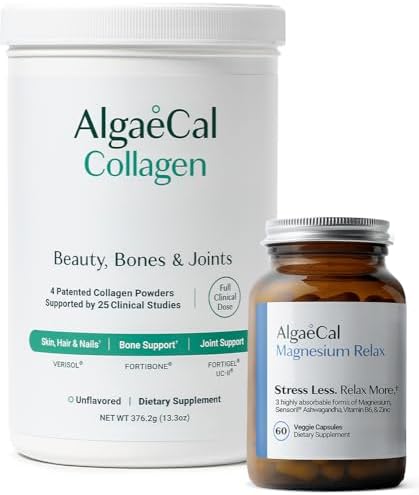
Collagen isn’t something plants produce — it’s an animal structural protein, full stop. That single fact trips up a lot of people browsing supplement aisles, especially anyone eating a plant-forward diet. But there’s more nuance here than “eat animals or miss out entirely,” so let’s break it down properly.
Direct Animal Sources
The most concentrated dietary sources of collagen come from the parts of animals people tend to throw away in modern cooking — skin, tendons, cartilage, and bones. This is exactly why traditional, nose-to-tail cooking cultures ended up with dishes that happen to be collagen powerhouses without anyone knowing the biochemistry behind it.
Bone broth sits at the top of most lists, and for good reason. Slow-simmering bones and connective tissue for hours breaks down collagen into gelatin, a form your digestive system can actually use (Harvard T.H. Chan School of Public Health, 2024). It’s not a magic elixir, but it is a legitimate, food-based collagen source, particularly when made with a mix of bones, skin, and cartilage rather than just meat.
Beyond broth, a handful of foods consistently show up as strong collagen sources:
- Chicken, especially the skin and cartilage-rich parts like wings and feet
- Fish and seafood, particularly the skin, which is often discarded
- Pork skin and pork rind, common in various global cuisines
- Egg whites, which contain proline and glycine that support the body’s own collagen assembly
- Organ meats like liver and heart, which contain notably higher collagen content than standard muscle meat cuts
Slow, moist cooking methods — braising, stewing, pressure cooking — break down tough connective tissue into more digestible forms, which is part of why a slow-cooked oxtail or pork shoulder tends to leave your lips feeling slightly sticky once it cools. That stickiness is gelatin, and it’s a decent visual cue that you’re eating something collagen-rich.
Vitamin C and Cofactors
Here’s the piece that gets left out of most “eat more collagen” content: eating collagen alone doesn’t guarantee your body will use it well. Collagen synthesis is an enzymatic process, and vitamin C is a non-negotiable cofactor in that process — without adequate vitamin C, the enzymes responsible for stabilizing collagen’s triple-helix structure simply can’t do their job properly (Harvard T.H. Chan School of Public Health, 2024).
Good vitamin C sources to pair with a collagen-focused diet include citrus fruits, bell peppers (red ones especially, which contain more vitamin C by weight than oranges), strawberries, kiwi, broccoli, and leafy greens. Zinc and copper play supporting roles too, activating specific enzymes involved in collagen cross-linking, and you’ll find those in shellfish, legumes, nuts, seeds, and whole grains (Harvard T.H. Chan School of Public Health, 2024).
I’ll be honest — this is the part people skip. They’ll drink collagen-loaded coffee every morning and never think twice about whether they’re getting enough vitamin C alongside it. If your diet is genuinely low in fruits and vegetables, you might be undermining your own collagen intake without realizing it.
Plant-Based Support
If you don’t eat animal products, you’re not entirely out of luck, though the picture looks different. Plants don’t contain collagen, but they can support the amino acid and micronutrient needs your body relies on to build its own. Protein-rich plant foods (legumes, tofu, seitan, quinoa) supply some of the building-block amino acids, though typically in lower concentrations of glycine and proline than animal sources. Pairing those proteins with vitamin C-rich produce and zinc sources like pumpkin seeds or lentils gives your body a better shot at maintaining its own collagen synthesis pathway.
There’s also a small but growing category of vegan collagen boosters — usually blends of amino acids, vitamin C, and antioxidants — designed to mimic the building-block effect of animal collagen without the animal source itself. The research on these is thinner than on hydrolyzed animal collagen, so I’d treat the category as promising rather than proven.
Interestingly, there’s also early-stage research into lab-grown, non-animal collagen produced through precision fermentation, using engineered yeast or bacteria to produce human-identical collagen proteins without any animal input at all. It’s not something you’ll find on a regular grocery shelf yet, and the clinical evidence is still catching up to the manufacturing technology, but it’s worth keeping an eye on if you’re following the space closely. For now, though, if you’re plant-based and specifically chasing collagen-level results, whole-food strategies paired with a genuinely balanced diet remain the most evidence-backed path.
Cooking and Absorption Matter
One thing that rarely gets mentioned is that how you prepare collagen-containing food affects how usable it actually is. Raw connective tissue is tough and largely indigestible — it’s the slow application of moist heat that unwinds collagen’s triple-helix structure into gelatin, the form your gut can actually break down and absorb. This is why a quick sear on a chicken wing does very little for collagen content, while a six-hour braise transforms the same cut into something genuinely rich in usable gelatin.
There’s also a practical takeaway worth mentioning for anyone trying to build more collagen-supportive habits without buying a tub of powder: saving vegetable scraps, bones, and skins that would otherwise go in the trash and turning them into a slow-simmered stock is one of the more sustainable, low-cost ways to work more collagen into a regular diet. It won’t replace a clinically dosed supplement if that’s your goal, but as a baseline habit, it adds up.
Dosage & Deficiency
This is the section where I see the most confusion, partly because supplement labels vary wildly and partly because clinical trials haven’t converged on one single “ideal” number. Still, there’s a workable range worth understanding.
How Much Is Enough
Across the clinical trials that have shown measurable skin and joint benefits, dosing generally falls somewhere between 2.5 and 15 grams of hydrolyzed collagen daily, with some joint-focused studies using up to 10 grams and skin-focused studies often landing closer to 2.5 to 10 grams over periods of eight to twelve weeks or longer (Journal of Drugs in Dermatology Systematic Review, 2019). The knee osteoarthritis trial mentioned earlier used 3,000 milligrams — 3 grams — of low-molecular-weight collagen peptides daily for a full six months before showing statistically significant improvements (Park et al., 2025).
A few practical patterns show up consistently across the literature:
- Duration matters as much as dose. Most positive skin outcomes appear after 8 to 12 weeks of consistent use, not days
- Joint benefits tend to take even longer to show up, often 3 to 6 months
- Higher doses (up to 60 grams daily) have been used safely in some studies, but there’s no strong evidence that more collagen produces proportionally more benefit past a certain point (Vital Women Wellness, 2026)
In other words, the “more is better” instinct doesn’t hold up well here. A modest, consistent daily dose sustained for months appears to outperform sporadic high-dose use, based on how the actual trials are designed and what they measure.
Signs Your Collagen Is Running Low
There’s no blood test you can casually order that says “your collagen levels are low,” which makes this trickier than, say, checking vitamin D. Collagen decline shows up functionally rather than through a single lab marker. Some patterns worth paying attention to:
- Skin that feels noticeably less firm or elastic than it did a few years ago, or that takes longer to “bounce back” after being pinched
- Joint stiffness, especially first thing in the morning or after periods of inactivity
- Slower wound healing than you remember from your twenties or thirties
- Increased tendon or ligament sensitivity during exercise
None of these symptoms are exclusively caused by low collagen — they overlap heavily with normal aging, hydration status, and general health — so I wouldn’t self-diagnose a collagen deficiency off of one symptom. But when several show up together, especially as you move through your late thirties and beyond, it’s a reasonable signal that your natural collagen turnover has slowed.
Age-Related Decline
The decline itself is well documented. Starting around the mid-twenties, collagen production drops by roughly 1 to 1.5 percent annually, accelerating further after menopause in women due to estrogen’s role in stimulating collagen synthesis (Harvard T.H. Chan School of Public Health, 2024). Lifestyle factors speed this up too — chronic sun exposure, smoking, high sugar intake (which drives a process called glycation that stiffens and damages existing collagen fibers), and poor sleep all contribute to faster collagen breakdown.
This is really the underlying reason collagen supplementation gained traction in the first place — not as a magic fix, but as a way to offset a decline that’s happening to everyone, gradually, whether or not they’re paying attention to it.
Genetics play a role too, and it’s worth acknowledging that nobody’s collagen decline curve looks identical. Some people carry genetic variants affecting collagen production and structure that show up as differences in skin thickness or joint laxity long before age becomes a factor. Conditions like Ehlers-Danlos syndrome represent an extreme version of this — a genetic collagen disorder affecting connective tissue throughout the body — but even outside of diagnosed conditions, there’s meaningful individual variation in how fast someone’s baseline collagen production slows down.
Building a Realistic Routine
If you’re deciding whether to actually start supplementing, I’d suggest thinking about it less as an all-or-nothing decision and more as a trial you run on yourself over a defined period. Pick a modest dose in the 2.5 to 10 gram range depending on whether skin or joints are your primary concern, commit to taking it daily for at least 8 to 12 weeks, and pair it consistently with a vitamin C source rather than taking it in isolation. Track something concrete rather than relying on vague impressions — a monthly photo under consistent lighting for skin, or a simple pain and stiffness rating for joints, gives you something more useful to look back on than “I think it’s helping.”
It’s also worth timing expectations honestly. Collagen isn’t fast-acting the way a pain reliever is. The trials showing meaningful joint improvements ran for months, not weeks, and the biology explains why — collagen turnover in cartilage and skin tissue is a slow process, and supplementation is working with that biological timeline rather than against it. Anyone promising visible results within days is either overselling the product or describing a placebo effect, and it’s worth being skeptical of both.
Toxicity & Risks
Collagen has one of the better safety profiles among popular supplements, and I don’t say that lightly, given how skeptical I tend to be of supplement industry safety claims in general. But “generally safe” doesn’t mean “risk-free for everyone,” and there are a few categories worth taking seriously.
Common Side Effects
The most frequently reported issues are mild and digestive. Bloating, a feeling of fullness, mild heartburn, and occasional changes in bowel habits show up in a portion of users, especially when someone jumps from zero collagen intake straight to a high dose rather than easing in gradually (Bubs Naturals Safety Overview, 2025). This tends to resolve as the digestive system adjusts, and starting with a smaller dose alongside adequate water and fiber intake generally minimizes it.
A lingering aftertaste or mild fishy smell is common with marine-sourced collagen specifically, which is more of an annoyance than a safety concern, but worth knowing if you’re sensitive to taste and smell. True allergic reactions are uncommon but possible, particularly in people with existing allergies to fish, shellfish, egg, or beef, since collagen supplements are derived directly from those source animals.
Quality and Contamination Concerns
This is where the real risk in the collagen category actually lives — not in the collagen protein itself, but in how it’s sourced and manufactured. Because collagen is extracted from animal skin, bone, and connective tissue, it can concentrate environmental contaminants present in the source animal, particularly heavy metals.
A 2020 study evaluating marine collagen supplements specifically flagged heavy metal contamination — including mercury, lead, and cadmium — as a genuine safety concern tied to sourcing and processing practices rather than to collagen as a molecule (Hwang et al., 2020). Independent testing efforts have found even broader contamination patterns across bovine and marine collagen products alike, with some products showing measurable levels of arsenic, lead, mercury, and cadmium. This isn’t unique to collagen — it’s a supplement industry-wide sourcing and testing issue — but it’s more relevant here because collagen is often consumed daily, in relatively large gram quantities, over long stretches of time.
Practical steps that meaningfully reduce this risk:
- Choose brands that publish third-party lab testing results for heavy metals, not just protein content
- Look for sourcing transparency — grass-fed bovine, wild-caught marine species from known, lower-contamination waters
- Be skeptical of unusually cheap collagen powders, since rigorous testing and clean sourcing both add real cost
- Favor products with single-ingredient labels over blends with unnecessary fillers, sweeteners, or proprietary mixes
Who Should Be Cautious
A handful of groups should talk to a healthcare provider before starting regular collagen supplementation rather than just adding it to their routine casually. This includes people with kidney disease or a history of kidney stones, since collagen is a concentrated protein source and kidney function affects how efficiently the body processes protein byproducts. People with a history of hypercalcemia, known allergies to the source animal (fish, shellfish, bovine, egg), or those who are pregnant or breastfeeding should also check in with a provider first, simply because the safety data in those specific populations is thinner than in general healthy adults.
None of this is meant to scare anyone off collagen. For the average healthy adult, the research consistently points to a wide margin of safety, especially compared to many other supplement categories. The real work is choosing a well-tested product and using it consistently rather than sporadically overloading on it.
Drug Interactions and Special Situations
Collagen doesn’t have a long list of known drug interactions the way some supplements do, which is part of why it’s generally considered low-risk from a pharmacological standpoint. That said, because it’s a concentrated protein source, anyone on a medically prescribed protein-restricted diet — often the case with certain kidney conditions — should treat collagen supplementation as something to run past a doctor or dietitian rather than adding on their own. The same goes for anyone managing gout, since purine and protein load can factor into flare management, even though collagen itself isn’t a particularly high-purine protein source.
There’s also a smaller, often-overlooked consideration around calcium content in some collagen products, particularly those derived from eggshell membrane or marketed as “bone broth protein” with added minerals. For most people this isn’t an issue, but anyone managing hypercalcemia or on calcium-restricted protocols should check labels carefully rather than assuming all collagen products are formulated identically.
Reading a Label Properly
A genuinely well-made collagen product will usually tell you more than just “collagen peptides” on the front of the label. Look for the specific source (bovine, marine, porcine, or a named fish species rather than a vague “marine collagen” blend), the collagen type if it’s relevant to your goal, and ideally a certificate of analysis or third-party testing seal you can actually verify rather than take on faith. Brands that are confident in their sourcing tend to make this information easy to find; brands that aren’t tend to bury it or leave it out entirely, and that gap alone tells you something.
I’d also gently push back on the idea that a higher price automatically means a safer or more effective product — it doesn’t, always. But rock-bottom pricing on a protein that requires careful extraction and rigorous contaminant testing should raise a reasonable question about what corners might have been cut to get there.
Where This Leaves Us
If you’ve made it this far, you’ve probably noticed a theme: collagen isn’t a miracle, but it’s also not the overhyped nothing that skeptics sometimes dismiss it as. It sits somewhere in the middle, which is honestly where most legitimate nutrition science lives. The evidence for skin hydration, elasticity, and joint comfort is genuinely solid — multiple independent research groups, hundreds of participants, measurable outcomes tracked with real instruments rather than self-reported vibes. The evidence for athletic performance, on the other hand, just isn’t there yet, and I’d rather tell you that plainly than let a supplement label oversell what the science actually supports.
What I keep coming back to is that collagen decline is universal. It’s happening to every single person reading this, quietly, starting in their mid-twenties, whether they think about it or not. The question isn’t really whether to worry about it — it’s what to actually do about it, if anything. And the honest answer is some combination of eating collagen-supportive foods, making sure vitamin C and zinc are actually part of your regular diet, considering a well-tested supplement if that fits your goals and budget, and being realistic about protecting the collagen you already have by managing sun exposure, sugar intake, and sleep.
A few practical takeaways worth holding onto:
- Consistency beats intensity — a modest daily dose over months outperforms sporadic high-dose use
- Vitamin C isn’t optional if you want your body to actually use the collagen you’re consuming or eating
- Skin and joint benefits are the best-supported outcomes; treat performance claims skeptically
- Sourcing and third-party testing matter more than the marketing on the front of the label
I’ll leave you with this: collagen isn’t going to reverse aging, and anyone promising that is selling you something other than science. But as a structural protein your entire body depends on, giving it a reasonable amount of support — through food, through smart supplementation if you choose it, and through basic lifestyle habits — is one of the more evidence-backed things you can do for how your skin and joints hold up over the decades. That’s not a flashy conclusion, but it happens to be an honest one.
If you’re deciding where to actually start, I’d resist the urge to overhaul everything at once. Pick one lever. Maybe that’s adding a vitamin C-rich food to breakfast so your body has what it needs to use the protein you’re already eating. Maybe it’s swapping a store-bought broth for a slow-simmered one on weekends. Maybe it’s committing to a modest, well-tested supplement for a full three months before judging whether it’s doing anything for you. Whatever you choose, give it enough time to actually work with your body’s biology rather than against your own impatience.
And if none of it seems to make a noticeable difference after a few honest months of consistent effort, that’s useful information too. Collagen responds differently across individuals depending on genetics, baseline diet, sun exposure history, and general health, and it’s not a universal fix for every skin or joint complaint. Persistent joint pain, in particular, deserves a proper conversation with a healthcare provider rather than an indefinite reliance on supplements alone. But for the average person looking to support what their body is already doing — slowly, imperfectly, the way biology tends to work — collagen remains one of the more reasonable, well-evidenced places to put your attention.
Article Sources
At AncientHerbsWisdom, our content relies on reputable sources, including peer-reviewed studies, to substantiate the information presented in our articles. Our primary objective is to ensure our content is thoroughly fact-checked, maintaining a commitment to accuracy, reliability, and trustworthiness.
- Anglia Ruskin University. (2026). Collagen supplementation for skin and musculoskeletal health: An umbrella review of meta-analyses on elasticity, hydration, and structural outcomes. Aesthetic Surgery Journal Open Forum. https://doi.org/10.1093/asjof/ojag018
- Harvard T.H. Chan School of Public Health. (2024). Collagen. The Nutrition Source. https://nutritionsource.hsph.harvard.edu/collagen/
- Hwang, E., Lee, D. G., Park, S. H., et al. (2020). Heavy metal contamination in marine collagen supplements: A safety concern. International Journal of Environmental Research and Public Health, 17(4), 1282. https://doi.org/10.3390/ijerph17041282
- Journal of Drugs in Dermatology. (2019). Oral collagen supplementation: A systematic review of dermatological applications. Journal of Drugs in Dermatology, 18(1), 9-16. https://jddonline.com/articles/oral-collagen-supplementation-a-systematic-review-of-dermatological-applications-S1545961619P0009X
- Park, S. Y., Lee, S. H., Kim, H. T., Park, H. J., Kim, D. U., Kim, S. U., & Heo, I. (2025). Efficacy and safety of low-molecular-weight collagen peptides in knee osteoarthritis: A randomized, double-blind, placebo-controlled trial. Frontiers in Nutrition, 12, 1644899. https://doi.org/10.3389/fnut.2025.1644899
- ScienceDirect. (2023). Collagen supplementation in skin and orthopedic diseases: A review of the literature. Nutrire. https://doi.org/10.1016/j.clnesp.2023.06.001
- MDPI Nutrients. (2026). Dietary collagen supplementation as a strategy for skin health: A narrative review of clinical effects on skin, hair, nails, and wound healing. Nutrients, 18(13), 2141. https://doi.org/10.3390/nu18132141
- Wang, H. (2021). A review of the effects of collagen treatment in clinical studies. Polymers, 13(22), 3868. https://doi.org/10.3390/polym13223868
- Analgesic Efficacy Meta-Analysis. (2023). Analgesic efficacy of collagen peptide in knee osteoarthritis: A meta-analysis of randomized controlled trials. Journal of Orthopaedic Surgery and Research. https://doi.org/10.1186/s13018-023-04182-w

- Phosphatidic Acid: Supporting Muscle Growth and Strength - July 31, 2026
- Ceramides: Supporting Healthy Skin From Within - July 31, 2026
- Synbiotics: Combining Prebiotics and Probiotics Together - July 31, 2026