
The Small Mineral Doing Enormous Work Behind the Scenes
If you asked ten people to name a mineral that keeps the body running, most would say calcium or iron before they ever thought of zinc. That’s a shame, honestly, because zinc might be the most underrated player on the entire roster of essential trace minerals. It doesn’t get the marketing budget that vitamin C or vitamin D enjoys, yet it’s involved in more biochemical processes than almost any other mineral you could name. We’re talking about a nutrient that touches DNA synthesis, immune cell development, taste perception, and the literal closing of a cut on your finger.
Zinc is what nutrition scientists call a trace mineral, meaning your body needs it in relatively small amounts compared to something like calcium or magnesium. But “small amount needed” doesn’t mean “small importance.” In fact, it’s almost the opposite. Trace minerals tend to work as cofactors, little molecular assistants that enzymes can’t function without. Zinc alone is estimated to be a required cofactor for hundreds of enzymes in the human body. Hundreds. That’s not an exaggeration for dramatic effect, that’s a well-documented biochemical fact backed by decades of research.
Table of Contents

I’ve spent a long time looking at nutrient interactions, and zinc keeps coming up in contexts that surprise people. Ask someone why their cold seems to drag on forever, or why a scrape on their knee is healing slower than it used to, or why their sense of taste feels muted, and zinc status is one of the first things worth examining. It’s not a magic bullet, and I want to be upfront about that. But it’s a foundational piece of the puzzle that gets overlooked constantly.
Here’s the thing about zinc that makes it fascinating from a physiological standpoint: your body has no dedicated storage system for it, unlike iron, which gets tucked away in ferritin, or vitamin D, which can be stored in fat tissue for months. Zinc has to be replenished regularly through diet because there isn’t a reservoir sitting around waiting to be tapped. This is part of why deficiency, even mild and subclinical deficiency, is more common globally than most people assume. Some estimates suggest that a meaningful percentage of the world’s population doesn’t get adequate zinc, particularly in regions where diets lean heavily on grains and legumes without much animal protein or shellfish.
There’s also a structural elegance to how zinc operates. It doesn’t behave the way most people picture minerals behaving, which is to say, it’s not just floating around doing one job. Zinc participates in what’s called zinc finger proteins, these little structural motifs that allow proteins to bind to DNA and regulate gene expression. It stabilizes cell membranes. It acts as an antioxidant in certain contexts, helping to neutralize the kind of oxidative stress that can damage tissue over time. And it plays a starring role in two areas that this article is going to dig into deeply: immune function and wound healing.
What I find compelling about zinc, and why I think it deserves more attention than it typically gets, is how directly its deficiency symptoms map onto things people already notice and complain about. Frequent colds. Slow-healing cuts. Skin that seems irritated or rash-prone. A blunted sense of taste or smell. These aren’t obscure, hard-to-detect symptoms. They’re everyday complaints, and zinc status is a plausible contributing factor in a lot of cases, especially among older adults, people with restrictive diets, and those with certain digestive conditions that impair absorption.
I also want to be clear that zinc isn’t a supplement to just start megadosing because an article told you it’s important. There’s a real risk of overdoing it, and we’ll get into the mechanics of that later on. Minerals operate in relationship with each other, not isolation, and zinc has a particularly interesting rivalry with copper that can cause real problems if intake gets out of balance. So this isn’t going to be a cheerleading piece that tells you more is always better. It’s going to be a grounded look at what zinc actually does, where you can get it from food, how much you probably need, what happens when you don’t get enough, and what happens when you get too much.
Minerals in general don’t get the storytelling treatment that vitamins do. Vitamin C has scurvy and sailors and citrus fruits, a whole dramatic historical narrative. Zinc’s story is quieter, built more on decades of clinical observation, wound care research, and immunology studies. But quiet doesn’t mean insignificant. If anything, the fact that zinc operates so unglamorously, just doing its job at the cellular level day after day, is exactly why it deserves a closer look.
There’s one more reason zinc deserves a fresh look right now specifically. In the years since the COVID-19 pandemic, zinc supplementation has surged in popularity, driven by a wave of public interest in immune support. That surge has been, in some ways, a good thing, since it’s put a genuinely important mineral back on people’s radar. But it’s also created a new problem, one that didn’t exist to the same degree a decade ago: casual, chronic overuse of zinc supplements without much thought given to dosage or duration. That’s part of why this article isn’t just going to tell you zinc is good and leave it there. Understanding zinc properly means understanding both ends of the intake spectrum, not just the deficiency side that usually gets top billing.
Let’s get into what the research actually shows, starting with the roles zinc plays that have earned it a genuine reputation among immunologists and wound care specialists alike.
Key Health Benefits
Zinc’s reputation rests heavily on two pillars: immune function and wound healing. But limiting the conversation to just those two areas would sell the mineral short. Let’s start with the two headline benefits, then widen the lens a bit.
Supporting a Responsive Immune System
Zinc is genuinely essential for a properly functioning immune system, and this isn’t a fringe claim, it’s backed by a substantial body of immunology research. Evidence for the importance of zinc for all immune cells and for mounting an efficient and balanced immune response to various environmental stressors has been accumulating for years. That’s not a small statement. It means zinc isn’t just tangentially related to immune health, it’s woven into how immune cells develop, differentiate, and respond to threats.
Zinc plays a role in the maturation of T-cells, the white blood cells responsible for coordinating a lot of the adaptive immune response. It’s involved in the function of natural killer cells, macrophages, and neutrophils, the frontline responders that identify and destroy pathogens. Zinc is an essential trace element that plays a critical role in the immune system and is necessary for immune cell function and cell signaling. When zinc status drops, this coordination starts to falter, and the immune response can become both weaker and, in some contexts, less balanced, meaning inflammation regulation suffers too.
One of the more talked-about applications of zinc’s immune role involves the common cold. This is an area with a genuinely interesting body of research behind it. High-dose zinc acetate lozenges, when taken within the first day of symptom onset, have shown a fairly consistent ability to shorten cold duration in multiple trials. A meta-analysis of seven randomized trials with 575 participants found the mean common cold duration was 33% shorter for the zinc groups, with zinc acetate lozenges showing a 40% reduction. Another individual patient data analysis found something even more striking: patients administered zinc lozenges recovered faster by a rate ratio of 3.1, an effect that wasn’t modified by age, sex, race, allergy status, smoking, or how severe the cold was at baseline.
I’ll be honest, I used to be skeptical of the zinc lozenge thing, it felt like the kind of folk remedy that gets repeated without evidence. But when you actually dig into the trial data, particularly the dosing specifics (we’re talking 80 to 92 milligrams per day in lozenge form, taken early), the effect holds up across multiple independent analyses. That said, this is specifically about acute, short-term therapeutic dosing for cold symptoms, not a recommendation to take that much zinc daily as a general supplement. Big difference, and I’ll come back to that distinction in the dosage section.
Beyond colds, zinc deficiency has been linked to broader immune dysfunction. Populations with chronic low zinc intake, particularly in developing regions, show higher susceptibility to respiratory infections and diarrheal disease. The World Health Organization and UNICEF actually recommend short-term zinc supplementation as part of standard treatment protocols for acute childhood diarrhea in many parts of the world, which tells you something about how seriously international health bodies take zinc’s role here.
Powering the Wound Healing Process
If immune function is zinc’s headline benefit, wound healing is a close second, and honestly, the two are deeply intertwined. Wound repair isn’t a single event, it’s a cascade of overlapping phases: clotting, inflammation, new tissue formation, and remodeling. Wound repair is an intricate and dynamic process involving coagulating fibrin clot formation within seconds to an hour, an inflammatory response within minutes to days, cell proliferation and angiogenesis beginning 18 to 24 hours after wounding, and matrix remodeling that can persist for months to years. Zinc is involved at nearly every one of these stages.
Zinc acts as a cofactor for the metalloenzymes that drive tissue repair. It serves as a cofactor in numerous transcription factors and enzyme systems, including zinc-dependent matrix metalloproteinases that support autodebridement and keratinocyte migration during wound repair. In plain language: zinc helps the skin cells at the wound edge move into position and helps clear away damaged tissue so new tissue can form in its place. Without adequate zinc, this process slows down noticeably.
There’s also a protective, almost antioxidant quality to zinc’s role in healing. Zinc confers resistance to epithelial apoptosis through cytoprotection against reactive oxygen species and bacterial toxins, likely through the antioxidant activity of cysteine-rich metallothioneins. Translation: zinc helps skin cells survive the oxidative chaos that happens around an open wound, which otherwise can kill off cells that would have contributed to closing the injury.
Clinically, this isn’t just theoretical. Topical zinc therapy has been found valuable in autodebridement, anti-infective action, and promoting epithelialization, and oral zinc supplementation may benefit zinc-deficient patients with leg ulcers. This is a big deal in wound care settings, especially for chronic wounds like pressure ulcers and diabetic foot ulcers, where healing can stall for weeks or months. Zinc deficiency is now recognized as a legitimate risk factor for delayed healing in these populations, and clinicians increasingly screen for it in patients with non-healing wounds.
I want to add a caveat here because it matters: having adequate zinc supports the healing machinery, it doesn’t override the underlying medical issue causing a wound to stall. If someone has a chronic wound that isn’t closing, zinc status is one piece of a much larger clinical picture that includes blood flow, infection control, nutrition overall, and underlying conditions like diabetes. Think of zinc as a necessary ingredient rather than the whole recipe.
Beyond Immunity and Healing
Zinc also touches areas that don’t get top billing but matter quite a bit day to day.
- Taste and smell. Zinc is required for the normal function of gustin, a protein involved in taste bud development. Deficiency has long been associated with a diminished or distorted sense of taste, something clinicians have observed for decades in zinc-deficient patients.
- Growth and development. During pregnancy, infancy, and adolescence, zinc demand rises because the body is actively building new tissue, and inadequate intake during these windows has been linked to growth retardation.
- Reproductive health. Zinc concentrations are notably high in reproductive tissues, and the mineral plays a role in hormone regulation and normal reproductive function in both men and women.
- Eye health. Zinc, alongside vitamins C and E and beta-carotene, was one of the nutrients studied in the well-known AREDS trials for age-related macular degeneration, with research suggesting a role in slowing disease progression in high-risk individuals.
- DNA synthesis and cell division. Every time a cell divides, zinc-dependent enzymes are involved in copying and repairing genetic material, which is part of why deficiency hits rapidly dividing tissues, like skin and the gut lining, particularly hard.
None of these secondary roles are as headline-grabbing as immunity or wound healing, but collectively they paint a picture of a mineral that’s genuinely load-bearing across multiple body systems, not a niche player relevant only in specific scenarios.
Dietary Sources
Getting enough zinc from food is entirely doable for most people eating a varied diet, but it does require a bit of intentionality, especially for those who avoid animal products. Zinc bioavailability, meaning how well your body actually absorbs and uses the zinc in a given food, varies quite a bit depending on the source, and that distinction matters more than most nutrition articles let on.
Animal-Based Sources
Animal proteins tend to be the most bioavailable and concentrated sources of zinc, largely because they lack the compounds that interfere with absorption in plant foods.
- Oysters are, without much competition, the single richest food source of zinc on the planet. A serving can provide several times the daily recommended intake in one sitting. If you like seafood, oysters are worth incorporating regularly, though I recognize they’re not everyone’s idea of a good time at dinner.
- Red meat, particularly beef, is a reliable and commonly consumed source. A modest portion of beef chuck or ground beef delivers a meaningful chunk of daily zinc needs.
- Poultry, especially dark meat like chicken thighs, contains respectable amounts, though somewhat less than red meat.
- Pork offers a decent contribution as well, particularly pork chops.
- Dairy products, including cheese and milk, contain zinc in smaller but still useful amounts, and the calcium and protein present don’t significantly hinder absorption the way plant compounds can.
- Eggs provide a modest amount of zinc and are a practical everyday source for people who eat them regularly.
Plant-Based Sources
Plant sources of zinc exist in real quantity, but there’s a catch worth understanding: many plant foods, particularly whole grains and legumes, contain phytates, compounds that bind to zinc and reduce how much your body can actually absorb. This doesn’t mean plant-based eaters can’t meet their zinc needs, it just means the numbers on a nutrition label don’t tell the whole story.
- Legumes like chickpeas, lentils, and beans contain meaningful zinc, though absorption is blunted by phytate content.
- Pumpkin seeds and other seeds are a favorite recommendation among plant-forward eaters, offering a concentrated dose of zinc along with healthy fats.
- Nuts, particularly cashews, contribute smaller but still useful amounts.
- Whole grains contain zinc, but again, phytate content limits absorption relative to what the raw numbers suggest.
- Fortified cereals are engineered specifically to help close nutritional gaps, including zinc, and can be a practical option for people who don’t eat much meat or seafood.
A practical tip that gets underused: soaking, sprouting, and fermenting grains and legumes (think sourdough bread, or soaked and cooked lentils) can meaningfully reduce phytate content and improve zinc absorption. It’s not a perfect fix, but it’s a genuinely useful technique if you’re relying heavily on plant sources.
Practical Eating Patterns
Rather than obsessing over milligram counts at every meal, it’s more sustainable to think in terms of patterns. Someone who regularly eats meat, poultry, or seafood a few times a week, along with some dairy and eggs, is very likely meeting their zinc needs without any special effort. Someone following a vegan or heavily plant-based diet needs to be a bit more deliberate, leaning on legumes, seeds, nuts, and fortified foods consistently, and possibly considering the soaking and fermenting techniques mentioned above.
I’ve noticed that a lot of people who struggle with zinc intake aren’t necessarily vegan or vegetarian, they’re just picky eaters or people who’ve fallen into a rotation of the same five or six meals that happen to be low in zinc-rich foods. If your diet consists mostly of pasta, bread, rice, and produce with minimal protein diversity, it’s worth taking an honest look at whether zinc-rich foods are actually making regular appearances on your plate.
Athletes and highly active individuals also deserve a mention here, since heavy sweating can increase zinc losses, and some research suggests endurance athletes may have elevated zinc needs compared to sedentary individuals. If you’re training intensely and eating a fairly restricted or repetitive diet, zinc status is worth paying attention to.
Cooking Methods and Absorption
A detail that rarely gets discussed is how preparation method influences how much zinc actually makes it into your bloodstream. Roasting or grilling meat doesn’t meaningfully change its zinc content, but the way plant foods are prepared absolutely matters. Beyond soaking and sprouting legumes, simple habits like choosing leavened bread over unleavened flatbreads can help, since the fermentation process involved in leavening naturally breaks down some of the phytate content that would otherwise block absorption. Sourdough, in particular, tends to have lower phytate levels than standard yeasted bread because of its longer fermentation time.
Pairing foods thoughtfully can also make a difference, though this is a subtler effect than the phytate issue. Protein-rich meals in general tend to support zinc absorption better than low-protein meals, which is part of why combining plant zinc sources with some form of protein, even plant protein, tends to work in your favor. On the flip side, very high-calcium meals taken alongside high-phytate plant foods can compound the absorption problem, since calcium and phytate together form even more stable complexes that bind zinc more tightly. This isn’t something to lose sleep over on a day-to-day basis, but for someone actively working to correct a deficiency, these small adjustments add up.
A Note on Supplements as a Food Gap-Filler
For people who genuinely can’t close the gap through food, whether due to restrictive diets, digestive conditions, or simply inconsistent eating patterns, a basic multivitamin or standalone zinc supplement providing somewhere around the recommended daily amount is a reasonable option. I’d stop short of recommending anyone go out and buy a zinc supplement reflexively, though. Food-based zinc comes packaged with dozens of other nutrients and compounds that work synergistically, something a supplement simply can’t replicate. Supplements are best thought of as a backstop for a specific, identified gap, not a replacement for building better eating habits in the first place.
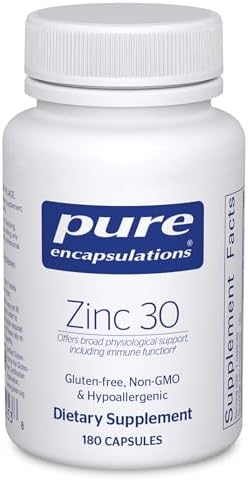
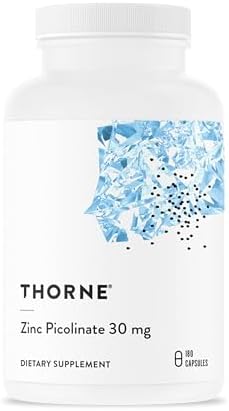
One thing worth flagging: not all supplemental forms of zinc are absorbed equally well. Zinc picolinate, zinc citrate, and zinc gluconate tend to have reasonably good bioavailability, while zinc oxide, despite being common and inexpensive, is less efficiently absorbed. If you do end up choosing a supplement, the form on the label is worth a quick glance.
Dosage and Deficiency
Zinc requirements aren’t one-size-fits-all, they shift based on age, sex, life stage, and even dietary pattern. Getting a general sense of the numbers helps put both deficiency and excess into context.
How Much Zinc You Actually Need
Recommended daily intakes vary by age and sex, generally landing somewhere in the range of 8 to 11 milligrams per day for most healthy adults, with slightly higher needs for adult men than women, and elevated requirements during pregnancy and lactation. Infants and young children have lower absolute requirements but need to hit those numbers consistently because zinc is so tied to growth. The amount of zinc needed each day depends on age, and average daily recommended amounts differ across life stages.
It’s worth noting that people eating primarily plant-based diets are sometimes advised to aim for the higher end of the recommended range, or even somewhat above it, to compensate for the reduced bioavailability from phytate-containing foods discussed earlier.
Recognizing Zinc Deficiency
Deficiency exists on a spectrum. Severe, clinical zinc deficiency is relatively rare in developed countries and tends to show up in specific populations: people with malabsorption disorders like Crohn’s disease or celiac disease, individuals who’ve had bariatric surgery, alcoholics, and people with certain genetic conditions. Zinc deficiency is characterized by growth retardation, loss of appetite, and impaired immune function, and in more severe cases causes hair loss, diarrhea, delayed sexual maturation, impotence, hypogonadism in males, and eye and skin lesions.
But mild, subclinical deficiency is a different story, and it’s far more common than people assume. This is the kind of deficiency that doesn’t produce dramatic, unmistakable symptoms but instead shows up as a subtle drag on immune resilience, slower recovery from minor illnesses, skin that seems more prone to irritation, and a wound or scrape that takes longer than it should to close up. Older adults are particularly susceptible here, partly due to reduced dietary intake and partly due to age-related changes in absorption.
Groups at elevated risk for zinc deficiency include:
- People with chronic gastrointestinal conditions affecting nutrient absorption
- Vegetarians and vegans, due to lower bioavailability from plant sources
- Pregnant and breastfeeding individuals, whose needs increase
- Older adults, due to a combination of dietary and absorption factors
- People with sickle cell disease
- Individuals with chronic alcohol use, which impairs absorption and increases urinary losses
If you suspect deficiency, the most reliable path forward is a conversation with a healthcare provider who can assess your diet, symptoms, and, if warranted, order testing. Serum or plasma zinc concentrations are commonly used to assess zinc status in clinical practice, with healthy ranges typically falling between 80 and 120 micrograms per deciliter, though these measurements have real limitations since they can be affected by age, sex, and time of day and don’t always correlate neatly with actual intake. This is a nuanced area that really benefits from professional guidance rather than self-diagnosis based on symptoms alone, since a lot of deficiency symptoms overlap with other nutritional gaps.
For anyone considering supplementation, standard multivitamin-level doses (typically in the range of the recommended daily intake) are generally considered a reasonable, low-risk approach for people with mild dietary gaps. Higher therapeutic doses, like the ones used in cold-shortening lozenge trials, are a different category entirely and shouldn’t be treated as an everyday maintenance strategy. That distinction leads directly into the next section, because zinc absolutely has a ceiling.
Why Testing Isn’t Always Straightforward
I want to spend a moment on why zinc testing is trickier than it sounds, because this trips people up. Unlike, say, checking vitamin D or iron levels, where a single blood draw gives a fairly clean picture, zinc status is harder to pin down with one number. Serum zinc reflects only a tiny fraction of total body zinc, most of which is tucked away inside cells and bone rather than circulating in blood. That means someone can have a mild tissue-level deficiency that doesn’t yet show up as a low serum reading, or conversely, a temporary dip in serum zinc during an infection or inflammatory episode that doesn’t actually reflect a true dietary shortfall, since inflammation itself can shift zinc out of the bloodstream and into tissues as part of the immune response.
This is why an experienced clinician tends to weigh bloodwork alongside a genuine dietary history and symptom pattern rather than leaning on a single lab value in isolation. If your diet includes regular sources of zinc and you’re not dealing with a malabsorption condition, a low-normal serum reading on its own usually isn’t cause for alarm. But if it’s paired with slow-healing wounds, recurring infections, or unexplained skin issues, that combination is worth pursuing further.
Life Stage Considerations Worth Knowing
A few life stages deserve specific mention because zinc requirements shift meaningfully during them. Pregnancy is one of the clearest examples, since the growing fetus draws on maternal zinc stores continuously, and inadequate maternal intake has been associated with complications including low birth weight and prolonged labor in some studies. Breastfeeding carries its own elevated demand, since zinc is actively transferred into breast milk, particularly in the earlier months of lactation.
Older adulthood is another window worth flagging, not just because of reduced dietary intake, which is common, but because aging itself appears to reduce the efficiency of zinc absorption and increase urinary losses in some individuals. Combine that with a higher likelihood of chronic medication use, several classes of which can interfere with zinc status, and it’s easy to see why zinc deficiency quietly creeps up on a meaningful portion of the elderly population without anyone specifically looking for it.
Toxicity and Risks
Here’s where I want to push back a little on the “if some is good, more is better” instinct that shows up constantly in the supplement world. Zinc is a textbook example of why that mindset can backfire.
Acute Toxicity Symptoms
At very high single doses, zinc can cause immediate, unpleasant gastrointestinal symptoms. Zinc is considered relatively nontoxic, particularly when taken orally, but manifestations of overt toxicity, including nausea, vomiting, epigastric pain, lethargy, and fatigue, occur with extremely high zinc intakes. These acute effects tend to resolve once the excess intake stops, and they’re generally more of an unpleasant inconvenience than a lasting health threat on their own.
The Copper Connection: A Bigger Concern
The more insidious risk with zinc isn’t acute poisoning, it’s chronic overuse leading to copper deficiency, and this is a topic that’s gained real attention in clinical literature over the past several years, partly fueled by increased zinc supplementation during and after the COVID-19 pandemic. Zinc supplementation is widely used, with one estimate suggesting nearly 37% of the elderly population in the United States uses it, and one of its under-recognized side effects is copper deficiency resulting from excessive gastrointestinal losses, since excess zinc in the gut competes with copper for absorption.
The mechanism here is genuinely interesting from a biochemistry standpoint. Both zinc and copper are ligands of metallothionein proteins in enterocytes that regulate their absorption, and as zinc exposure increases, it drives increased production of metallothionein, which preferentially binds copper over zinc due to a higher binding affinity, ultimately hampering copper absorption into systemic circulation. In plain terms, your gut cells produce a binding protein in response to zinc, and that protein ends up trapping copper instead, essentially starving your body of a mineral it also desperately needs.
The consequences of this induced copper deficiency aren’t trivial. If severe, hypocupremia can cause hematologic changes including anemia, leukopenia or neutropenia, and thrombocytopenia, with or without accompanying neurological deficits, and because the condition is often overlooked, there’s typically a lag of about 12 months between symptom onset and diagnosis. That lag time is genuinely concerning, it means people can be walking around with blood cell abnormalities for the better part of a year before anyone connects the dots back to zinc supplements or, in some documented cases, zinc-containing denture adhesive.
There have been real clinical cases where this went seriously wrong. Zinc-induced copper deficiency is a clinically significant, often underrecognized condition that can lead to a broad range of hematologic and neurologic abnormalities, and it’s driven by excessive intake through oral supplementation or zinc-containing denture adhesives disrupting normal copper homeostasis. There are documented cases of patients being worked up for suspected bone marrow disorders like myelodysplastic syndrome, undergoing extensive and invasive testing, before someone finally identified excessive zinc intake as the actual root cause. Patients presenting with neutropenia and anemia secondary to copper deficiency have, in real cases, been misdiagnosed with myelodysplastic syndrome and referred for stem cell transplant evaluation before the true cause was identified. That’s a sobering illustration of how a seemingly harmless immune-support supplement habit can spiral into a genuinely serious medical situation.
Upper Limits and Safe Thresholds
Health authorities have established upper limits specifically because of this copper interaction and other risks. Current FAO-WHO values set zinc upper limits at 35 to 50 milligrams per day for adults, and 23 to 28 milligrams per day for children, depending on age. Going meaningfully above these thresholds on a sustained, daily basis, not as a short therapeutic course for an acute cold, is where the real risk accumulates. At intakes well in excess of the recommended dietary allowance, in the range of 100 to 300 milligrams per day, evidence of induced copper deficiency with attendant anemia and neutropenia, impaired immune function, and adverse effects on cholesterol ratios have been documented, and even lower supplemental levels closer to the RDA have been suggested to interfere with copper and iron utilization.
There’s also a specific and somewhat alarming risk tied to intranasal zinc products, which were once marketed for cold prevention. Numerous case reports of anosmia, the loss of the sense of smell, some of them long-lasting or permanent, have been associated with zinc-containing nasal gels or sprays, prompting the FDA to warn consumers in 2009 to stop using several such products. That’s a good reminder that the delivery method matters, not just the dose, and it’s part of why I’d steer anyone away from nasal zinc products entirely regardless of claimed benefits.
Drug and Nutrient Interactions
Zinc doesn’t operate in isolation, and it can interfere with the absorption or effectiveness of certain medications, including some antibiotics, diuretics, and penicillamine, a drug used in rheumatoid arthritis and Wilson’s disease treatment. It’s also worth noting that in the specific context of Wilson’s disease, where zinc is sometimes used therapeutically to reduce copper absorption, monitoring becomes especially critical, since the very effect that makes zinc useful there is the same mechanism that causes problems in people who don’t need reduced copper levels.
The bottom line on toxicity is straightforward, even if the biochemistry underneath it is complex: zinc from food is essentially never a toxicity concern, the mineral’s natural presence in food doesn’t come close to the thresholds where problems start. The risk lives almost entirely in the supplement world, particularly with people who take moderate-to-high doses continuously rather than reserving higher doses for short, specific therapeutic windows like the onset of a cold. If you’re supplementing zinc regularly, pairing it with adequate copper intake, or at minimum getting periodic bloodwork if you’re on a higher dose long-term, is a genuinely sensible precaution.

Putting Zinc in Its Proper Place
After spending this much time in the weeds of zinc’s biochemistry, immune mechanisms, wound healing pathways, and toxicity thresholds, I keep landing on the same overarching thought: this is a mineral that rewards a balanced, informed approach far more than it rewards enthusiasm. Zinc isn’t a supplement to fear, and it isn’t one to worship either. It’s a nutrient that does quiet, essential work every single day, from helping your immune cells communicate properly to literally stitching your skin back together after an injury, and it deserves to be treated with the same measured respect you’d give any other foundational nutrient.
What strikes me most is how solvable most zinc concerns actually are through food alone. This isn’t a mineral that requires elaborate supplementation protocols for the average person eating a reasonably varied diet. A few servings of meat, poultry, seafood, or a thoughtfully constructed combination of legumes, seeds, and fortified foods for those avoiding animal products, and most people land in a perfectly healthy range without ever thinking about milligrams. The exceptions, older adults, people with absorption disorders, strict vegans, pregnant and breastfeeding individuals, deserve more deliberate attention, and ideally a conversation with a healthcare provider who can look at their specific situation rather than a generic recommendation pulled from an article.
If there’s one practical takeaway I’d want to leave you with, it’s this: think of zinc supplementation, when it’s warranted at all, as a targeted tool rather than a daily habit to stack indefinitely. The cold-lozenge research is compelling precisely because it involves a short, high-dose intervention at the first sign of symptoms, not months of continuous supplementation. Continuous high-dose zinc use is where the copper deficiency risk creeps in, quietly, over months, often without anyone connecting the dots until blood work comes back abnormal. That’s not meant to scare anyone away from zinc, it’s meant to encourage the kind of intentional, informed use that actually respects how the mineral behaves in the body.
Zinc has earned its place as one of the more consequential trace minerals in human physiology, not through flashy marketing, but through decades of unglamorous, methodical research into immune cells, enzyme systems, and wound repair pathways. Give it the attention it’s due, get it primarily from real food, understand the upper limits if you supplement, and it will keep doing what it’s been doing all along, quietly holding several critical systems together without asking for much credit.
I think about zinc now the way I think about a handful of other unglamorous but load-bearing habits, the ones that don’t make for exciting conversation but that quietly determine how well everything else functions. Nobody brags about eating oysters or pumpkin seeds the way they might brag about a new fitness routine, and nobody posts about their zinc intake on social media. But the mineral is doing its work regardless of whether it gets any recognition, and that’s honestly a pretty good argument for paying it a little more attention than it typically gets.
If you take one thing away from all of this, let it be a shift in framing rather than a specific number to chase. Zinc isn’t a supplement to reach for reflexively every time you feel a cold coming on, and it isn’t a mineral to fear either, despite the real risks that come with chronic overuse. It’s a nutrient that rewards steady, food-first habits, occasional attention during the specific windows where needs go up, like pregnancy, illness, or recovery from an injury, and a healthy respect for the fact that more isn’t automatically better. Treated that way, zinc will keep doing exactly what it’s built to do, supporting the immune system’s ability to respond, and giving your body what it needs to close a wound and move on.
Article Sources
At AncientHerbsWisdom, our content relies on reputable sources, including peer-reviewed studies, to substantiate the information presented in our articles. Our primary objective is to ensure our content is thoroughly fact-checked, maintaining a commitment to accuracy, reliability, and trustworthiness.
- National Institutes of Health, Office of Dietary Supplements. (2024). Zinc: Fact sheet for health professionals. https://ods.od.nih.gov/factsheets/Zinc-HealthProfessional/
- National Institutes of Health, Office of Dietary Supplements. (2022). Zinc: Fact sheet for consumers. https://ods.od.nih.gov/factsheets/Zinc-Consumer/
- Jin, D., Wei, X., He, Y., Zhong, L., Lu, H., Lan, J., Wei, Y., Liu, Z., & Liu, H. (2024). The nutritional roles of zinc for immune system and COVID-19 patients. Frontiers in Nutrition, 11, 1385591. https://doi.org/10.3389/fnut.2024.1385591
- Wessels, I., Fischer, H. J., & Rink, L. (2021). Dietary and physiological effects of zinc on the immune system. Annual Review of Nutrition, 41, 133–175. https://doi.org/10.1146/annurev-nutr-122019-120635
- Hemilä, H., & Chalker, E. (2015). The effectiveness of high dose zinc acetate lozenges on various common cold symptoms: A meta-analysis. BMC Family Practice, 16, 24. https://doi.org/10.1186/s12875-015-0237-6
- Hemilä, H., Fitzgerald, J. T., Petrus, E. J., & Prasad, A. (2017). Zinc acetate lozenges may improve the recovery rate of common cold patients: An individual patient data meta-analysis. Open Forum Infectious Diseases, 4(2), ofx059. https://doi.org/10.1093/ofid/ofx059
- Hemilä, H. (2017). Zinc lozenges and the common cold: A meta-analysis comparing zinc acetate and zinc gluconate, and the role of zinc dosage. JRSM Open, 8(5), 2054270417694291. https://doi.org/10.1177/2054270417694291
- Lin, P. H., Sermersheim, M., Li, H., Lee, P. H. U., Steinberg, S. M., & Ma, J. (2017). Zinc in wound healing modulation. Nutrients, 10(1), 16. https://doi.org/10.3390/nu10010016
- Lansdown, A. B. G., Mirastschijski, U., Stubbs, N., Scanlon, E., & Ågren, M. S. (2007). Zinc in wound healing: Theoretical, experimental, and clinical aspects. Wound Repair and Regeneration, 15(1), 2–16. https://doi.org/10.1111/j.1524-475X.2006.00179.x
- Fosmire, G. J. (1990). Zinc toxicity. The American Journal of Clinical Nutrition, 51(2), 225–227. https://doi.org/10.1093/ajcn/51.2.225
- Wahab, A., Mushtaq, K., Khan, A., Khakwani, M. S. K., Masood, A., Henderson, J., & Malik, F. (2021). Zinc-induced hypocupremia and pancytopenia, from zinc supplementation to its toxicity, a case report. Journal of Community Hospital Internal Medicine Perspectives, 11(6), 843–846. https://doi.org/10.1080/20009666.2021.1983319
- Igic, P. J., Lee, E., & Harper, W. (2002). Toxic effects associated with consumption of zinc. Mayo Clinic Proceedings, 77(7), 713–716. https://doi.org/10.4065/77.7.713
- Weiden, P. L. (2020). Agranulocytosis secondary to zinc excess: Clinically relevant observations, including response to G-CSF and oral copper. Clinical Case Reports, 8(12), 2894–2897. https://doi.org/10.1002/ccr3.3301
- Mims, M. H., Reid, E. S., Hash, M. G., & Maddux, A. (2025). A hematologic twist: Zinc-induced copper deficiency mimicking myelodysplastic syndrome. Cureus, 17(7), e87624. https://doi.org/10.7759/cureus.87624
- Duncan, A., Yacoubian, C., Watson, N., & Morrison, I. (2015). The risk of copper deficiency in patients prescribed zinc supplements. Journal of Clinical Pathology, 68(9), 723–725. https://doi.org/10.1136/jclinpath-2014-202837
- Duncan, A., Morrison, I., & Bryson, S. (2023). Iatrogenic copper deficiency: Risks and cautions with zinc prescribing. British Journal of Clinical Pharmacology, 89(11), 3208–3215. https://doi.org/10.1111/bcp.15749
- Ceballos-Rasgado, M., Lowe, N. M., Mallard, S., Clegg, A., Moran, V. H., Harris, C., Montez, J., & Xipsiti, M. (2022). Adverse effects of excessive zinc intake in infants and children aged 0–3 years: A systematic review and meta-analysis. Advances in Nutrition, 13(6), 2488–2519. https://doi.org/10.1093/advances/nmac088

- Phosphatidic Acid: Supporting Muscle Growth and Strength - July 31, 2026
- Ceramides: Supporting Healthy Skin From Within - July 31, 2026
- Synbiotics: Combining Prebiotics and Probiotics Together - July 31, 2026