

The Fat Your Skin Can’t Live Without
I want to start with a confession. For years, when friends asked me what actually keeps skin looking plump and feeling comfortable, I’d talk about hydration, about sunscreen, about not sleeping in your makeup. All true. All useful. But I was skipping over the one ingredient doing more quiet, structural work than almost anything else in your skin: ceramides.
Here’s the thing about ceramides that surprises people the first time they hear it. These aren’t some trendy skincare buzzword cooked up by a marketing team. They’re a family of waxy lipid molecules that make up roughly half the total lipid content of your stratum corneum, which is the outermost layer of your skin, by weight. Half. Not a supporting player. Not a minor character. Ceramides, alongside cholesterol and free fatty acids, are the mortar that holds the bricks of your skin cells together in what dermatologists like to call a “brick and mortar” structure. The corneocytes, dead flattened skin cells, are the bricks. The lipid matrix, dominated by ceramides, is the mortar packed between them.
Table of Contents

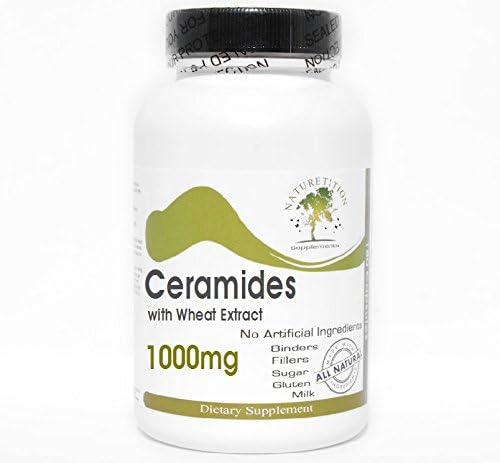
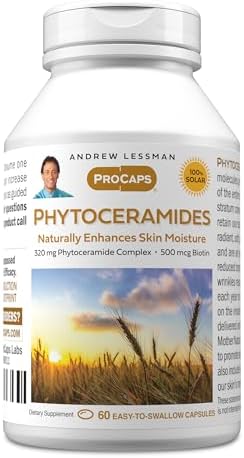
Why does that matter to you, sitting there reading this with maybe dry patches on your cheeks or a general sense that your skin isn’t holding moisture the way it used to? Because that mortar is what prevents water from evaporating out of your skin and keeps irritants, allergens, and microbes from getting in. When the mortar is intact, skin looks smooth, feels comfortable, and does its job as a barrier organ without you having to think about it. When ceramide levels drop, and they do drop for a whole host of reasons I’ll get into, that barrier develops gaps. Water escapes faster than it should, a process researchers measure as transepidermal water loss, or TEWL. Irritants sneak in more easily. Skin gets rough, flaky, sometimes itchy, sometimes inflamed.

I’ve spent a long time looking at the research on lipid biology, and one thing that keeps striking me is how ceramides aren’t a single molecule. There are at least twelve subclasses of ceramides in human skin, categorized by the type of sphingoid base and fatty acid that make them up, and different subclasses seem to behave differently. Some ceramide species, like ceramide NP, are associated with a healthy, well-organized barrier. Others, like ceramide NS, don’t hold water nearly as well when they dominate the mix. Molecular dynamics research published in 2025 actually modeled this directly, showing that membranes rich in ceramide NP had meaningfully lower water permeability than membranes built around ceramide NS. So it’s not just about having ceramides. It’s about having the right balance of them.
There’s also a second, entirely different side to this story, and it’s one I think gets left out of most skincare content because it doesn’t fit neatly into a “buy this serum” narrative. Ceramides aren’t only a skin structure. They circulate in your bloodstream too, as signaling lipids involved in inflammation, insulin sensitivity, and cardiovascular health. That dual identity, structural building block in the skin and metabolic signaling molecule in the blood, is part of what makes ceramides such a fascinating and occasionally confusing topic. A ceramide that’s protecting your skin barrier is doing a completely different job than a ceramide floating around your plasma affecting your heart disease risk. Same basic molecule family, wildly different context.
Part of why ceramides get overlooked, I think, is that they don’t fit the usual skincare narrative. We’re conditioned to think about active ingredients, the things that visibly do something, exfoliate, brighten, plump. Ceramides are quieter than that. They’re structural, not active in the flashy sense, which makes them easy to underestimate and easy to skip past on an ingredient label in favor of something with a more dramatic marketing story. But structural doesn’t mean unimportant. A house without a foundation doesn’t stay standing no matter how nice the paint job is, and skin without an intact lipid matrix doesn’t hold onto hydration no matter how many serums get layered on top.
There’s also a practical reason ceramides deserve more attention than they typically get: they sit at the intersection of two things people usually treat as separate categories, what you put on your skin and what you put in your body. Most of the ceramide conversation online focuses on topical products, creams and serums formulated with ceramide complexes. That’s a legitimate and well-researched approach. But ceramides are also something you eat, whether you realize it or not, and there’s a growing body of clinical research looking specifically at whether boosting dietary or supplemental ceramide intake changes how skin behaves from the inside. That’s the angle I find most underdiscussed, and it’s a meaningful part of what I want to cover here.
What I want to do here is walk through what the actual science says about ceramides: how they support skin health, where you can get them from food and supplements, how much matters and what happens when you don’t have enough, and yes, where the genuine risks and open questions lie. Not a sales pitch, not fear-mongering, just what over a decade of paying attention to lipid science and skin biology has taught me is actually worth knowing. Skin barrier health isn’t glamorous. It’s not the kind of thing that gets you compliments at a dinner party. But it’s foundational, and once you understand how ceramides work, a lot of skincare advice you’ve heard before starts making a lot more sense, including advice you may have followed for years without fully understanding why it worked, or why it sometimes didn’t.
Key Health Benefits of Ceramides
Let’s get into what ceramides actually do, because “skin barrier support” is a phrase that gets thrown around so often it’s practically lost meaning. I want to unpack it.
Locking In Moisture, Literally
The most well-documented role of ceramides is water retention. The stratum corneum lipid matrix, built primarily from ceramides, cholesterol, and free fatty acids, self-assembles into these tightly packed layered structures researchers call lamellae. Picture layers of fat sandwiched together in a specific, repeating geometric pattern. That structure is what physically blocks water molecules from just wicking out of your skin into the air. Studies quantifying stratum corneum ceramide content have consistently found that the amount of ceramide present correlates directly with how well skin holds onto water and how low its transepidermal water loss is. Less ceramide, more water lost. It’s about as direct a relationship as you’ll find in dermatology.
I find this genuinely useful to know because it reframes what “dry skin” even is. Dry skin isn’t just a lack of externally applied moisture. It’s frequently a structural problem, a barrier that’s lost some of its mortar and is letting water escape from the inside out. That’s why slathering on a heavy cream sometimes helps only temporarily. You’re patching a leak, not fixing the wall.
A Frontline Defense Against the Outside World
The same lipid matrix that keeps water in also keeps troublemakers out. Environmental pollutants, allergens, certain chemicals, and microorganisms all have to get past that lamellar lipid structure to cause problems. When ceramide levels are adequate and well-organized, that barrier does its job quietly, in the background, and you never think about it. When it’s compromised, you start noticing sensitivity, that stinging feeling when you apply a product that never used to bother you, or a tendency toward redness and irritation that seems to come out of nowhere.
This is part of why ceramide research is so tightly linked to atopic dermatitis, a condition characterized by chronic barrier dysfunction. Research going back decades, including a frequently cited 1991 study, found that ceramide content in the stratum corneum of people with atopic dermatitis was significantly reduced compared to healthy skin, and interestingly, this reduction showed up even in skin that looked clinically normal, not just the visibly affected patches. That tells you something important: ceramide deficiency isn’t just a symptom sitting on top of the disease, it may actually be part of what’s driving the dryness and reactivity in the first place.
Supporting Skin That’s Aging Well
Nobody loves talking about the fact that skin changes as we get older, but ceramides are a big part of that story too. Multiple studies tracking ceramide content across age groups have found that levels decline steadily over the decades, with some research suggesting the drop becomes especially noticeable from midlife onward. As ceramide content falls, the barrier becomes less efficient at holding water, and skin often responds by looking and feeling thinner, rougher, and more prone to fine lines associated with dehydration.
I don’t want to overstate this. Ceramide decline is one piece of the aging puzzle, not the whole picture, and plenty of other factors, sun exposure, collagen loss, reduced cell turnover, are happening simultaneously. But it’s a piece that’s genuinely modifiable, which is more than you can say for a lot of the aging process.
Where the Clinical Evidence Actually Points
This is the part I think people get impatient with, because they want a simple “yes it works” or “no it doesn’t.” The honest answer sits in between. Topical ceramide-containing formulations have a fairly solid evidence base. A 2021 qualitative review of clinical studies on ceramide-containing preparations found consistent improvement in dry skin and barrier function, including in people with atopic dermatitis, and importantly, noted no significant adverse events across the studies reviewed.
Oral, or dietary, ceramide supplementation is a newer and somewhat thinner body of research, but it’s grown substantially and the direction of the findings is consistent. Randomized, placebo-controlled trials using wheat-derived glucosylceramides have found measurable improvements in skin hydration and reductions in transepidermal water loss after a couple of months of daily supplementation. Similar patterns have shown up in trials using rice-derived and konjac-derived ceramides. None of these studies are enormous, and I’d stop short of calling oral ceramides a miracle intervention, but the consistency across different plant sources and different research groups is the kind of signal that makes me pay attention rather than dismiss it.
- Ceramides physically anchor water inside the stratum corneum
- They form part of the barrier that keeps irritants and pathogens out
- Deficiency is strongly associated with atopic dermatitis and chronic dry skin
- Levels decline with age, contributing to visible skin changes
- Both topical and oral ceramide interventions show measurable, if modest, benefits in clinical trials
None of this means ceramides are a cure for anything. Avoiding direct medical claims matters here, because skin conditions like eczema and psoriasis involve immune dysfunction and genetics that go well beyond lipid levels. But as a piece of the barrier health puzzle, the research on ceramides is some of the more consistent lipid science I’ve come across in skincare.
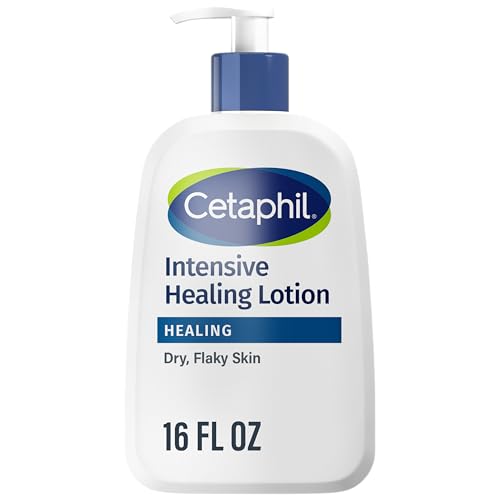
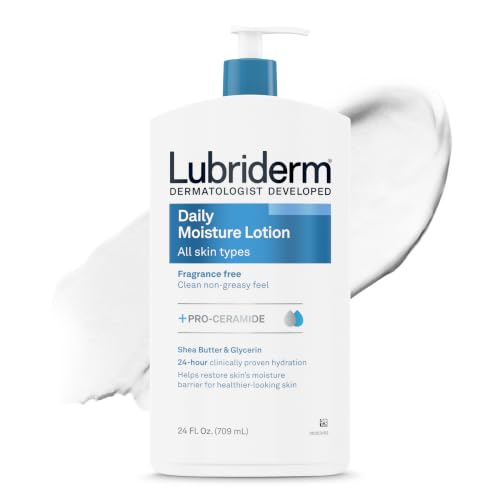
Dietary Sources of Ceramides
Here’s where things get genuinely interesting, because most people have no idea that ceramides are sitting in their fridge and pantry right now, quietly showing up in foods they eat every week.
The Everyday Foods That Carry Them
Ceramides belong to a broader family called sphingolipids, and dietary sphingolipids show up most abundantly in a handful of familiar food categories. Dairy products are consistently identified as one of the richest dietary sources, with sphingolipids making up a meaningful portion of the fat found in milk, cheese, and yogurt. Eggs, particularly the yolk, are another concentrated source. Soybeans and other legumes contribute plant-derived sphingolipids in fairly substantial amounts too.
Beyond those top three, you’ll find smaller but still relevant amounts in wheat and wheat germ, which is actually the source used in most of the oral supplement research I mentioned earlier, along with rice, brown rice specifically, oats, spinach, sweet potatoes, and a scattering of other vegetables. Meat and fish contribute some as well, though generally in smaller concentrations than dairy or eggs. Fruits, for what it’s worth, tend to be quite low in sphingolipid content compared to these other categories.
I think it’s worth pausing on wheat and rice specifically because they show up so often in the clinical trial literature. When researchers want to test whether dietary ceramide intake improves skin hydration, wheat-derived glucosylceramide extracts and rice-derived ceramide extracts are the most commonly studied interventions, and there’s a reasonably good reason for that: they’re relatively easy to isolate in concentrated, standardized form for a supplement capsule, which isn’t really true of, say, trying to standardize the ceramide content of a cheese sandwich.
How Much Are We Actually Eating
This is a question that doesn’t get asked nearly enough. Estimates of typical dietary sphingolipid intake in the United States put per capita consumption at roughly 0.3 to 0.4 grams per day, which sounds tiny until you remember these are extremely potent bioactive lipids working at a cellular level, not something you need in bulk quantities the way you’d need, say, protein or carbohydrates. For comparison, in dietary patterns with higher intake of ceramide-rich foods, particularly diets built around more dairy, eggs, and legumes, total sphingolipid consumption can run notably higher.
There’s no established recommended daily intake or nutritional requirement for sphingolipids, which is a detail that surprises people. Unlike vitamins or essential fatty acids, your body doesn’t strictly require dietary ceramides to survive, because it can synthesize its own ceramides internally through what’s called de novo synthesis. But “not essential” doesn’t mean “irrelevant.” The research on oral ceramide supplementation, using doses that are honestly not far off from what you could theoretically get by concentrating certain foods, suggests that boosting intake beyond your baseline may meaningfully support skin barrier function, particularly if your baseline diet happens to be low in these foods to begin with.
Whole Food Versus Supplement Form
I get asked a lot whether it’s better to just eat more ceramide-rich foods or take a supplement, and I’ll be straightforward: the clinical trials showing measurable skin benefits have almost all used concentrated, standardized extracts, not general dietary patterns. That’s partly a research design issue, it’s much easier to control and measure a defined daily dose of wheat glucosylceramide than to track someone’s overall dietary sphingolipid intake across a messy real-world diet. It doesn’t necessarily mean whole foods don’t work, it just means we have far less direct evidence for them specifically.
That said, I lean toward the whole food approach as a foundation for a simple reason: foods rich in ceramides tend to also be foods rich in other beneficial fats, proteins, and micronutrients that support skin health through completely separate mechanisms. A diet that includes regular dairy or eggs or legumes, alongside a good mix of colorful vegetables, is giving your skin more than just ceramides. If someone specifically wants to test whether ceramide supplementation helps their particular dry skin situation, a standardized wheat or rice-derived supplement, taken consistently for at least eight to twelve weeks based on how these trials are typically structured, is a reasonable, low-risk thing to try alongside, not instead of, a decent diet.
- Dairy, eggs, and soybeans are the most concentrated everyday dietary sources
- Wheat, rice, oats, and certain vegetables contribute smaller but real amounts
- Typical daily intake sits around 0.3 to 0.4 grams, with no formal requirement
- Your body also makes its own ceramides internally, regardless of diet
- Clinical evidence for skin benefits leans more heavily on concentrated extracts than general diet patterns
One more practical note before moving on. If you’re someone who avoids dairy and eggs for ethical, environmental, or digestive reasons, you’re not out of luck here. Soybeans, wheat, rice, oats, and a range of vegetables give you a genuinely plant-based route to meaningful sphingolipid intake, and the clinical trials showing skin hydration benefits from wheat and rice-derived ceramides prove that the plant-sourced versions work just as well in practice as anything derived from animal products. I mention this because I sometimes hear people assume ceramide support requires dairy or eggs specifically, and that’s simply not the case. The molecule matters more than where it came from.
Dosage and Deficiency
I want to be upfront about something before diving into numbers: there is no official recommended dietary allowance for ceramides, and there’s no blood test threshold that tells you “you are ceramide deficient” the way there is for, say, iron or vitamin D. This is a lipid category that operates a little differently than the nutrients most people are used to thinking about, so bear with me while I walk through what we actually do know.
What “Dosage” Even Means Here
Most of the clinical research on oral ceramide supplementation has tested doses in a fairly narrow range. Wheat-derived glucosylceramide trials have commonly used somewhere in the neighborhood of 30 to 60 milligrams per day, with some studies noting slightly better outcomes at the higher end of that range compared to the lower end. Rice-derived ceramide research has tested similar territory, often around 40 milligrams daily. These aren’t massive doses in absolute terms, which makes sense given how potent these lipid signaling molecules are at a cellular level, but they’re also not doses you’re likely to hit through casual dietary changes alone unless you’re deliberately restructuring your meals around ceramide-rich foods.
Study duration matters quite a bit too. The trials showing meaningful improvements in hydration and transepidermal water loss have generally run somewhere between six and twelve weeks of consistent daily supplementation. This isn’t a same-week fix. Skin barrier lipids turn over slowly, and if you’re trying to rebuild a depleted matrix through nutrition, you’re working on a timeline measured in weeks, not days.
Recognizing Topical Signs of Depletion
Since there’s no blood test for this, the practical signs of low ceramide status show up on your skin itself, and honestly, once you know what to look for, they’re pretty recognizable.
- Skin that feels tight or rough shortly after cleansing, even with a gentle product
- Visible flaking or scaling, particularly on the cheeks, hands, or lower legs
- A tendency toward stinging or redness when using products that never used to bother you
- Skin that looks dull or shows more fine lines than you’d expect for your age
- Chronic dryness that heavy moisturizers only partially or temporarily fix
None of these symptoms are exclusively caused by low ceramides, to be clear. Dry skin has plenty of other potential culprits, from low humidity environments to overzealous exfoliation to underlying medical conditions. But when someone describes a barrier that just won’t hold moisture no matter what they slather on top of it, ceramide depletion is genuinely one of the more likely explanations, especially if it’s paired with sensitivity or reactivity.
Who’s Most at Risk of Running Low
A few groups deserve special mention here. People with atopic dermatitis show significantly reduced stratum corneum ceramide levels compared to unaffected individuals, and this appears to be a meaningful contributor to their characteristic dry, barrier-compromised skin rather than just an incidental finding. Older adults are another group worth flagging, given the well-documented age-related decline in skin ceramide content that seems to accelerate from midlife onward.
Beyond those two, anyone dealing with chronic environmental stress on their skin, frequent sun exposure without protection, harsh soaps or over-cleansing, cold dry climates, is putting additional pressure on a lipid matrix that might already be under strain. And there’s a dietary angle too. If your typical eating pattern is genuinely low in dairy, eggs, legumes, and whole grains, categories that happen to overlap significantly with the richest dietary ceramide sources, you may simply be getting less baseline sphingolipid intake than someone eating a more varied diet, though I want to be careful not to overstate how much this alone drives skin outcomes given how much your body’s own internal synthesis contributes.
A Reasonable, Grounded Approach
If you suspect your skin’s ceramide status could use some support, I don’t think you need to overhaul your entire life. A sensible approach looks something like: make sure ceramide-containing foods show up reasonably often in your diet, be gentler with harsh cleansers and hot water that strip lipids off the skin’s surface, use topical products formulated with ceramides where appropriate, and if you want to test dietary supplementation specifically, give it the six to twelve week window the research suggests rather than judging it after a few days.
One thing I’d caution against is stacking every possible intervention at once and then trying to figure out what worked. If you switch your cleanser, start a supplement, and overhaul your diet simultaneously, you’ll have a hard time knowing which change actually mattered if your skin improves, or which one to troubleshoot if it doesn’t. I generally recommend picking one or two changes, giving them a real trial period, and paying attention along the way rather than treating this as an all-or-nothing intervention. Skin barrier repair rewards patience and consistency far more than it rewards intensity.
Toxicity and Risks
This is the section I think gets skipped over most often in ceramide content, and it’s the one I actually find most important to get right, because there are two genuinely different risk conversations happening under the same word “ceramide,” and conflating them does a disservice to anyone trying to make an informed decision.
The Skin Story: A Pretty Reassuring Safety Profile
Let’s start with what most people actually mean when they ask about ceramides: topical products and oral supplements aimed at skin health. Here, the safety data is genuinely reassuring. The 2021 qualitative review of clinical studies on ceramide-containing topical formulations that I referenced earlier explicitly noted that no clinical study in their review indicated any adverse events of note. That’s a pretty clean track record across more than a decade of published trials.
Oral supplementation studies tell a similar story. Trials testing wheat-derived and rice-derived ceramide supplements over periods of eight to twelve weeks have generally reported good tolerability, with no serious adverse events attributed to the supplements themselves. One caveat worth flagging clearly: wheat-derived ceramide extracts, even ones marketed as gluten-free, may retain trace wheat proteins, which could matter for anyone with celiac disease or significant gluten sensitivity. If that’s you, rice-derived or konjac-derived alternatives are the more sensible choice, and this is genuinely one of the only practical safety caveats I’d flag for topical or dietary ceramide use in an otherwise healthy person.
The Metabolic Story: Where “Ceramide” Means Something Different
Now here’s where I need you to shift gears completely, because this next part is not about the ceramides in your moisturizer or your supplement capsule. It’s about ceramides that your body produces and circulates internally as signaling lipids in your bloodstream, and the research here tells a genuinely different, more cautionary story.
Elevated levels of specific ceramide species circulating in plasma, particularly certain long-chain varieties, have been identified as biomarkers associated with cardiovascular disease risk, insulin resistance, and type 2 diabetes. Large cohort studies, including analysis from the PREDIMED trial examining plasma ceramide concentrations, found that individuals with higher baseline ceramide levels faced a greater risk of cardiovascular events, an association that held up even after accounting for traditional risk factors like LDL cholesterol. Other cohorts have found similar patterns linking specific ceramide species to coronary artery disease severity and mortality risk.
I want to be really careful about how I frame this, because it would be easy to read those two paragraphs back to back and panic about eating ceramide-rich foods or taking a ceramide supplement. That’s not what this research is describing. Elevated plasma ceramides in these cardiovascular studies primarily reflect your body’s internal metabolic production of ceramides, heavily influenced by factors like excess saturated fat intake, obesity, and insulin resistance, not the relatively small amount of ceramide you might consume directly from wheat extract or dairy. There’s no direct evidence I’m aware of connecting oral ceramide supplementation, at the doses studied for skin benefits, to elevated cardiovascular risk markers. In fact, some research has found that a Mediterranean-style dietary pattern, hardly a ceramide-restrictive diet, actually helped offset the cardiovascular risk associated with elevated plasma ceramides in the PREDIMED cohort.
Still, this dual identity is worth understanding rather than glossing over. It’s a good reminder that “ceramide” isn’t a monolithic, universally good or universally risky thing. Context, location in the body, specific molecular species, and overall metabolic health all matter enormously.
Genetic Conditions and Ceramide Metabolism
There’s a smaller, more specialized category of risk worth a brief mention: certain rare genetic skin disorders, including some forms of ichthyosis, involve disrupted ceramide metabolism or synthesis as part of their underlying pathology. These are inherited conditions, not something caused by diet or skincare choices, but they illustrate just how fundamentally ceramide processing is wired into normal skin barrier function. When the enzymatic machinery that builds or processes ceramides doesn’t work properly, the skin barrier consequences can be significant and lifelong, which really underscores how much heavy lifting these lipids are doing even when everything is working normally and you never notice them at all.
Practical Takeaways on Safety
- Topical and oral ceramide products for skin health have a strong safety track record in clinical research
- Watch for trace gluten in wheat-derived supplements if you have celiac disease or gluten sensitivity
- Elevated blood ceramide levels linked to cardiovascular risk reflect internal metabolic production, not dietary or supplemental ceramide intake
- Overall dietary pattern and metabolic health matter far more for that cardiovascular risk than ceramide-rich foods themselves
- Rare genetic disorders affecting ceramide metabolism exist but are unrelated to typical dietary or skincare use
The honest summary is that for the vast majority of people using ceramides for skin health, whether through diet, supplements, or topical products, the risk profile is low. The genuine caution flags live in a completely different context: systemic metabolic health and cardiovascular biomarkers, which is a conversation about your overall diet and metabolic status, not about whether you used a ceramide moisturizer last night.
What Your Skin Has Been Trying to Tell You All Along
If there’s one thing I hope sticks with you after all this, it’s that dry, sensitive, or aging skin often isn’t asking for more product. It’s asking for better mortar. Ceramides aren’t glamorous. They don’t have a dramatic before-and-after story the way some ingredients get marketed. What they have instead is a genuinely well-supported, unglamorous, structural role that makes almost everything else you do for your skin work better, or worse, depending on whether that barrier is intact.
I think about it a bit like the foundation of a house. Nobody posts photos of their foundation. Nobody gets excited about rebar and concrete. But when the foundation is solid, everything built on top of it, the paint, the furniture, the curb appeal, actually holds up. When it’s not, you can redecorate all you want and the cracks keep showing through. Ceramides are your skin’s foundation work, and treating them as an afterthought is, in my opinion, one of the more common mistakes people make when they’re frustrated with skincare that “isn’t working.”
What would I actually do with this information if I were you? I’d stop thinking about ceramides as a single product to buy and start thinking about them as a category to support from a few different angles at once. Eat reasonably often from the foods that naturally carry them, dairy, eggs, legumes, whole grains, without turning it into an obsessive tracking exercise. Be a little gentler with your skin day to day, since harsh cleansing routines strip lipids faster than your body can replace them. If you’re curious about a topical ceramide-containing moisturizer or an oral supplement, the research gives you reasonable grounds to try one, especially if you’re dealing with persistent dryness or sensitivity that hasn’t responded to the basics, and give it real time, six to twelve weeks, before deciding whether it’s doing anything.
And maybe most importantly, keep some perspective. Ceramides matter, genuinely, but they’re one piece of a much bigger picture that includes sun protection, hydration, sleep, stress, and yes, genetics you can’t control. I’ve seen people chase a single ingredient as though it’s the missing piece that will fix everything, and it rarely works that way. What ceramides deserve is a place at the table, not the whole table.
I’d also gently push back on the idea that you need to overhaul your routine or your grocery list overnight. Small, sustained changes tend to outperform dramatic short-lived ones when you’re dealing with something as slow-moving as lipid matrix repair. Swapping one harsh cleanser for a gentler one. Adding eggs or yogurt back into a diet that’s been missing them. Trying a ceramide-containing moisturizer for a full season rather than a week. None of that feels exciting in the moment, and that’s honestly fine. Skin barrier repair was never going to be exciting. It’s slow, unglamorous, cumulative work, the kind that pays off precisely because nobody’s rushing it.
If you take one thing away from all of this, let it be a shift in how you think about dry or reactive skin the next time it flares up. Instead of immediately reaching for a stronger product or a longer routine, ask yourself whether the barrier itself might need support first. Sometimes less really is more, provided the “less” is the right kind of support rather than just fewer steps. Give your skin’s mortar the attention it’s been quietly asking for, and I think you’ll notice the difference is less about a dramatic transformation and more about your skin simply feeling like it’s working the way it’s supposed to. That’s a quieter kind of win, but it’s the one that actually lasts, and honestly, it’s the only kind of win that ever really does when it comes to skin health.
Article Sources
At AncientHerbsWisdom, our content relies on reputable sources, including peer-reviewed studies, to substantiate the information presented in our articles. Our primary objective is to ensure our content is thoroughly fact-checked, maintaining a commitment to accuracy, reliability, and trustworthiness.
- Bizot, V., Cestone, E., Michelotti, A., & Nobile, V. (2017). Improving skin hydration and age-related symptoms by oral administration of wheat glucosylceramides and digalactosyl diglycerides: A human clinical study. Cosmetics, 4(4), 37. https://doi.org/10.3390/cosmetics4040037
- Calzada, C., Vors, C., Penhoat, A., Cheillan, D., & Michalski, M.-C. (2023). Role of circulating sphingolipids in lipid metabolism: Why dietary lipids matter. Frontiers in Nutrition, 9, Article 1108098. https://doi.org/10.3389/fnut.2022.1108098
- Feingold, K. R., & Elias, P. M. (2024). The role of ceramides in the disruption of the cutaneous permeability barrier, a common manifestation of skin disorders. Journal of Lipid Research, 65(8), 100593. https://doi.org/10.1016/j.jlr.2024.100593
- Imokawa, G., Abe, A., Jin, K., Higaki, Y., Kawashima, M., & Hidano, A. (1991). Decreased level of ceramides in stratum corneum of atopic dermatitis: An etiologic factor in atopic dry skin? Journal of Investigative Dermatology, 96(4), 523-526. https://doi.org/10.1111/1523-1747.ep12470233
- Kern, C., Dudonné, S., & Garcia, C. (2024). Dietary supplementation with a wheat polar lipid complex improves skin conditions in women with dry skin and mild-to-moderate skin aging. Journal of Cosmetic Dermatology, 23(4), 1320-1330. https://doi.org/10.1111/jocd.16130
- Kono, T., Miyachi, Y., & Kawashima, M. (2021). Clinical significance of the water retention and barrier function-improving capabilities of ceramide-containing formulations: A qualitative review. The Journal of Dermatology, 48(12), 1807-1816. https://doi.org/10.1111/1346-8138.16175
- Reuter, M., Joseph, E., Lian, G., & Lunter, D. J. (2025). Presence of different ceramide species modulates barrier function and structure of stratum corneum lipid membranes: Insights from molecular dynamics simulations. Molecular Pharmaceutics. https://doi.org/10.1021/acs.molpharmaceut.5c00580
- Schild, J., Kalvodová, A., Zbytovská, J., Farwick, M., & Pyko, C. (2024). The role of ceramides in skin barrier function and the importance of their correct formulation for skincare applications. International Journal of Cosmetic Science, 46(4), 526-543. https://doi.org/10.1111/ics.12972
- Vesper, H., Schmelz, E. M., Nikolova-Karakashian, M. N., Dillehay, D. L., Lynch, D. V., & Merrill, A. H., Jr. (1999). Sphingolipids in food and the emerging importance of sphingolipids to nutrition. The Journal of Nutrition, 129(7), 1239-1250. https://doi.org/10.1093/jn/129.7.1239
- Wang, D. D., Toledo, E., Hruby, A., Rosner, B. A., Willett, W. C., Sun, Q., Razquin, C., Zheng, Y., Ruiz-Canela, M., Guasch-Ferré, M., Corella, D., Gomez-Gracia, E., Fiol, M., Estruch, R., Ros, E., Lapetra, J., Fito, M., Aros, F., Serra-Majem, L., Lee, C. H., … Hu, F. B. (2017). Plasma ceramides, Mediterranean diet, and incident cardiovascular disease in the PREDIMED trial (Prevención con Dieta Mediterránea). Circulation, 135(21), 2028-2040. https://doi.org/10.1161/CIRCULATIONAHA.116.024261

- Phosphatidic Acid: Supporting Muscle Growth and Strength - July 31, 2026
- Ceramides: Supporting Healthy Skin From Within - July 31, 2026
- Synbiotics: Combining Prebiotics and Probiotics Together - July 31, 2026