
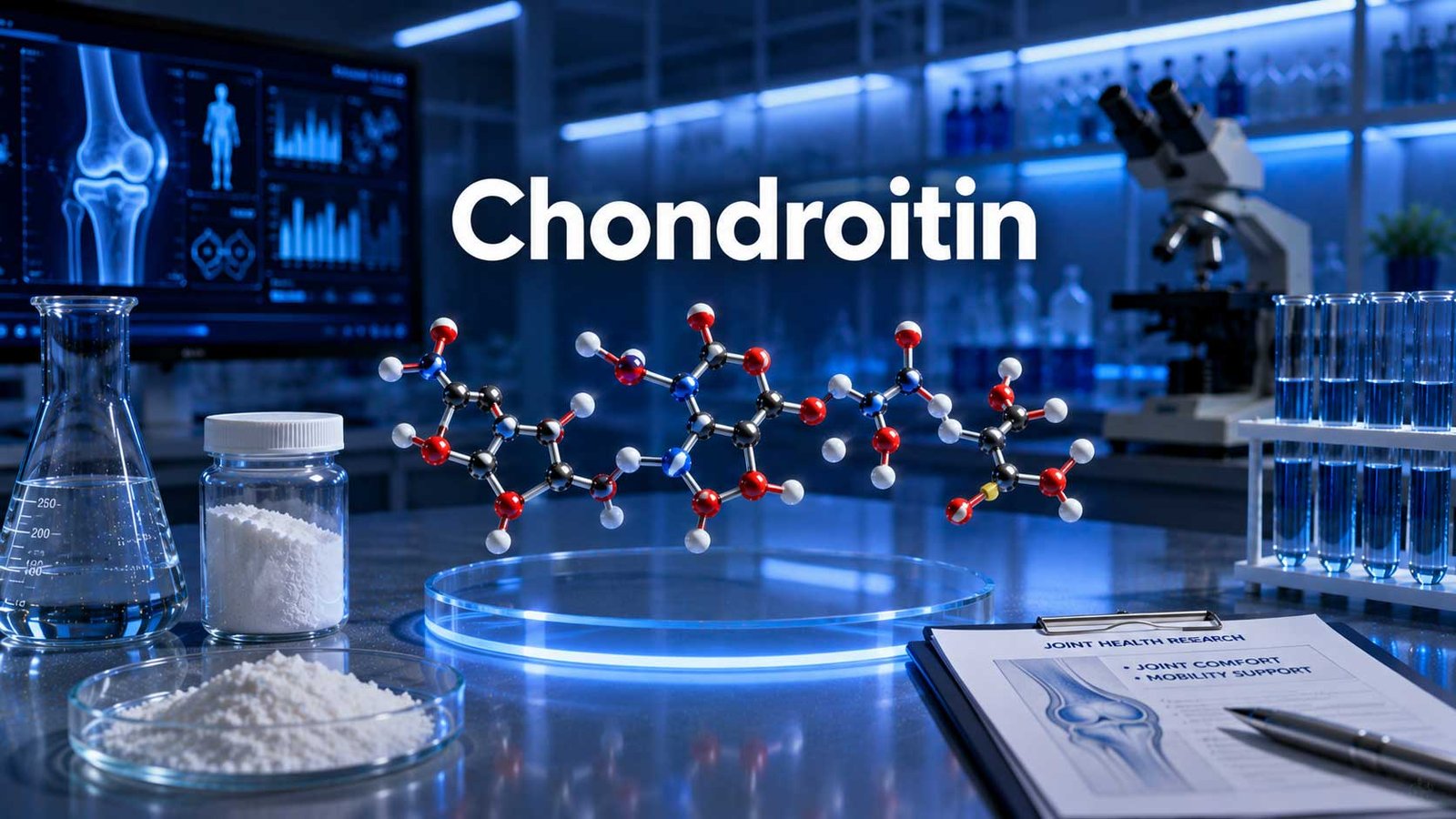
Why Your Joints Are Talking to You (And What Chondroitin Has to Do With It)
Somewhere between your thirties and your fifties, something shifts. Maybe it’s the way your knees announce themselves on a cold morning, or how a flight of stairs suddenly feels like a small negotiation with your own body. That creak, that stiffness, that dull ache after a weekend of gardening — it’s not your imagination, and it’s definitely not just “getting old” in some vague, unavoidable sense. There’s actual biology behind it, and a lot of it comes down to what’s happening inside your cartilage.
Chondroitin sits right at the center of that story. If you’ve spent any time in a supplement aisle, you’ve probably seen it sitting next to glucosamine on the shelf, the two of them practically inseparable, like an old married couple. But Chondroitin deserves its own conversation. It’s not a trend, not a fad ingredient dreamed up by a marketing team. It’s a naturally occurring compound your body has been manufacturing and relying on since before you could walk.
Table of Contents


Here’s the short version: Chondroitin is one of the primary building blocks of cartilage, that rubbery, shock-absorbing tissue that keeps your bones from grinding directly against each other every time you move. It’s technically classified as a glycosaminoglycan, which is a mouthful, but the function is simple enough to picture. Think of cartilage as a sponge. Chondroitin is part of what gives that sponge its ability to soak up water and resist being squished flat under pressure. Without enough of it, or without it functioning properly, cartilage loses its cushioning power, and that’s when things start to hurt.

I’ve followed the research on this compound for a long time, and if there’s one thing that stands out, it’s how polarizing it is in the scientific community. Ask five researchers about Chondroitin and you might get five different opinions, ranging from “modestly useful” to “not much better than placebo.” That inconsistency isn’t a reason to dismiss it, though. It’s actually one of the more interesting parts of the story, and we’ll get into exactly why the data looks so messy later on.
What’s not up for debate is the basic physiology. Cartilage doesn’t have its own blood supply. It doesn’t heal the way skin or muscle does. Once it starts breaking down, your body has a genuinely hard time rebuilding it from scratch. That’s a big part of why joint conditions like osteoarthritis are so stubborn and progressive. Osteoarthritis alone affects more than 32 million adults in the United States, and the numbers climb steadily with age. Knees, hips, and hands tend to bear the brunt of it, though honestly, no joint is entirely off-limits.
So where does Chondroitin fit into all of this? People take it hoping to support the structural integrity of their cartilage, ease joint discomfort, and maybe slow down the wear-and-tear process that comes with decades of use. Whether it delivers on all of that is a nuanced question, and I promise we won’t dodge the nuance. But before diving into benefits, sources, dosing, and safety, it helps to sit with this one idea for a second: joint health isn’t just about what happens when pain shows up. It’s about what’s been quietly happening in your cartilage for years before you ever felt a twinge.
I’ve talked to plenty of people who started taking Chondroitin only after their doctor mentioned osteoarthritis during a checkup, almost as an afterthought. “Oh, and you might want to look into glucosamine and Chondroitin too.” That casual mention undersells how much research has actually gone into this compound. Clinical trials stretching back to the late 1990s, meta-analyses combining data from thousands of participants, ongoing debates among orthopedic and rheumatology associations about whether to recommend it at all — this is not a fringe supplement. It’s one of the most studied joint-support compounds on the planet, which is exactly why it’s worth understanding properly instead of just tossing a bottle in your cart because the label promised “mobility support.”
There’s also a practical side to this. Chondroitin supplements aren’t cheap, especially the higher-quality, pharmaceutical-grade versions that tend to perform better in trials. If you’re going to spend money and time on something daily, for months at a stretch, you deserve to know what’s actually happening inside your joints and what the evidence genuinely supports, not just what sounds good on packaging.
What follows is a grounded look at Chondroitin: what the research says about its benefits, where you can actually get it, how much people typically take, and what the real risks look like. No fluff, no scare tactics, just the kind of information I wish more people had before they started their own joint health journey. Because at the end of the day, your knees and hips are going to carry you for a long time yet, and it’s worth knowing what you’re putting into that partnership.
Key Health Benefits
If you strip away the marketing language, Chondroitin’s reputation rests almost entirely on one thing: what it might do for osteoarthritis. That’s where the bulk of the research lives, and that’s where I’ll spend most of this section, though there are a few adjacent areas worth mentioning too.
Easing Joint Pain and Stiffness
The most consistent finding across decades of trials is a modest reduction in pain and improved joint function among people with osteoarthritis, particularly in the knee. A widely cited meta-analysis pooling data from eighteen studies and nearly 3,800 participants found a significant benefit from Chondroitin taken alone, though the results varied quite a bit from trial to trial. When researchers narrowed their focus to only the highest-quality studies, with the lowest risk of bias, a specific pharmaceutical-grade preparation of Chondroitin stood out as more effective than lower-quality formulations at reducing pain (Honvo et al., 2019).
That detail matters more than people realize. Not all Chondroitin supplements are created equal, and the difference between a well-manufactured product and a cheap one can be the difference between noticing an improvement and wondering why you bothered. One earlier pilot study followed people with knee osteoarthritis for a full year, giving them 800 milligrams of Chondroitin sulfate daily, and found meaningful reductions in pain along with improved mobility compared to placebo (Uebelhart et al., 1998). A separate multicenter trial using the same daily dose reported similar pain relief and functional gains over several months (Mazières et al., 2007).
Supporting Joint Structure Over Time
Beyond symptom relief, some researchers have looked at whether Chondroitin can influence the physical structure of the joint itself, specifically the rate at which joint space narrows as cartilage wears down. This is trickier territory. Some trials lasting two years found that Chondroitin slowed joint space narrowing compared to placebo. Others found no meaningful difference at all. A large Australian trial involving over 600 participants found that combining glucosamine and Chondroitin together reduced joint space narrowing, but neither ingredient alone produced that same structural benefit. Meanwhile, a comparably sized American study found no differences in joint space width between any treatment group and placebo.
I bring up this inconsistency not to undermine confidence in Chondroitin, but because pretending the science is unanimous would be dishonest. It isn’t. What seems to matter most is the quality and purity of the Chondroitin used, the dosage, and probably individual variation in how people respond, which almost never gets discussed in glossy supplement advertising.
Potential Benefits for Hand Osteoarthritis
Knees get most of the research attention, understandably, since they’re weight-bearing and prone to injury. But hands take a beating too, especially with age, repetitive strain, or a family history of arthritis. One trial involving over 160 participants with hand osteoarthritis found that those taking Chondroitin experienced greater reductions in hand pain and better hand function over six months compared to those on placebo. That evidence was compelling enough that current clinical guidelines from the American College of Rheumatology and the Arthritis Foundation conditionally recommend Chondroitin specifically for hand osteoarthritis, even while remaining more cautious about broader recommendations.
A Possible Role in Cartilage Metabolism
Mechanistically, Chondroitin is thought to do more than just cushion joints passively. Some research suggests it may help regulate the biochemical processes involved in cartilage breakdown and repair, potentially reducing the activity of enzymes that degrade cartilage tissue while supporting the cells responsible for producing new cartilage matrix. This is still an area of active investigation, and it’s important not to overstate what’s known. The mechanism isn’t fully mapped out, and much of this research has been conducted in laboratory or animal models rather than in large human trials.
Why the Research Feels Contradictory
If you’ve read conflicting headlines about Chondroitin over the years, you’re not imagining it. Clinical practice guidelines genuinely disagree with each other. Some organizations strongly discourage its use, citing inconsistent evidence and studies with design flaws. Others include it as a reasonable option for people with mild to moderate osteoarthritis. A Cochrane review, one of the more rigorous forms of scientific analysis available, concluded that Chondroitin appears well tolerated with no major safety concerns, while noting the quality of evidence for effectiveness varied depending on which trials were included (Singh et al., 2015).
My honest read, after following this literature for years, is that Chondroitin isn’t a miracle fix, and anyone who promises dramatic overnight relief is overselling it. But for a meaningful subset of people, particularly those using higher-quality, well-dosed formulations over a sustained period, there does appear to be a real, if modest, benefit for joint comfort and mobility. That’s not nothing, especially for a condition with genuinely limited treatment options.
It’s also worth remembering what the realistic alternative often looks like. Long-term reliance on nonsteroidal anti-inflammatory medication carries its own well-documented risks to the stomach lining, kidneys, and cardiovascular system, especially with years of daily use. Chondroitin’s benefit profile may be modest, but it’s modest with a comparatively gentle safety record, which changes the calculation for a lot of people managing chronic joint discomfort over the long haul rather than looking for a one-time fix.
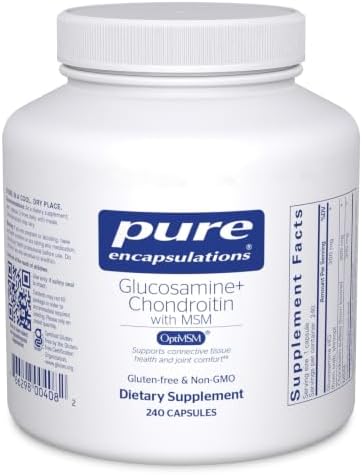

Dietary Sources
Here’s where things get a little less straightforward than people expect. Unlike vitamin C or calcium, you can’t really load up on Chondroitin through a well-planned grocery list. It’s not sitting around in leafy greens or citrus fruit. Chondroitin lives almost exclusively in the connective tissue of animals, which narrows the field considerably and explains why almost everyone who wants a therapeutic amount ends up reaching for a supplement bottle rather than a fork.
Where Chondroitin Naturally Occurs
Chondroitin is a structural component of cartilage, so wherever there’s cartilage, there’s Chondroitin. That means:
- Cartilage from cattle, pigs, and poultry, the gristly, chewy parts of meat that most people trim off and toss in the trash
- Fish and shark cartilage, historically a major commercial source for supplement manufacturers
- Bone broth and stock made by slowly simmering bones, joints, and connective tissue for extended periods
- Tendons and ligaments, particularly the tougher cuts of meat that require long, slow cooking to become palatable
If any of that sounds unappetizing, you’re not alone. Most modern diets have moved away from nose-to-tail eating, which is exactly the kind of eating pattern that would have delivered more Chondroitin naturally. Our grandparents, or great-grandparents depending on your family’s culinary habits, were far more likely to simmer down bones for soup, gnaw on cartilage, or eat organ meats. That’s not a coincidence. Traditional diets across many cultures leaned heavily on using the whole animal, connective tissue included, partly out of necessity and partly, it turns out, with some genuine nutritional logic behind it.
Bone Broth: The Closest Thing to a Real Food Source
If there’s a standout option for getting Chondroitin through food, it’s bone broth. Simmering bones, particularly joints like knuckles, feet, and necks, for many hours pulls collagen, gelatin, and glycosaminoglycans, including Chondroitin, out of the connective tissue and into the liquid. It’s become something of a wellness trend in recent years, sold in cartons at grocery stores for a price that would make your grandmother raise an eyebrow, but the underlying idea has legitimate roots.
That said, I’ll be straight with you: the exact amount of Chondroitin in a cup of homemade bone broth varies wildly depending on the bones used, cooking time, temperature, and even the age of the animal. There’s no standardized measurement the way there is with a supplement capsule. You might get a meaningful dose, or you might get very little, and there’s genuinely no reliable way to know without lab testing, which nobody is doing at home.
Why Supplements Became the Default Source
Given how inconsistent and limited dietary sources are, it’s not surprising that Chondroitin supplements became the go-to method for anyone hoping to reach the amounts used in clinical research, typically somewhere between 800 and 1,200 milligrams daily. You would need to eat an enormous, impractical quantity of cartilage-rich food every single day to come close to that, and even then, absorption and concentration would be a moving target.
Commercially, Chondroitin sulfate used in supplements is most commonly extracted from bovine cartilage, or from marine sources like shark cartilage, though some manufacturers have moved toward avian sources, using cartilage from poultry, or synthetic production methods to sidestep sourcing concerns and improve consistency. Each source has slightly different characteristics in terms of purity and molecular structure, which is part of why research results can vary between products.
A Note on Quality Variation
One thing worth flagging clearly: not all commercial Chondroitin is manufactured to the same standard. Because dietary supplements aren’t regulated with the same rigor as pharmaceuticals in most countries, including the United States, there have been documented cases of products containing far less active Chondroitin than their labels claim, sometimes filled out with cheaper substitutes. Research has consistently pointed toward pharmaceutical-grade Chondroitin performing better in clinical trials than lower-purity, poorly regulated versions. If you’re going the supplement route, and given the limitations of dietary sources, most people eventually do, looking for third-party testing or pharmaceutical-grade labeling isn’t just a nice-to-have. It genuinely seems to matter for whether you get any benefit at all.
The Bottom Line on Food Versus Supplements
I don’t want to discourage anyone from working more collagen-rich, cartilage-rich foods into their diet. Bone broth, slow-cooked meats with connective tissue left intact, even the occasional plate of chicken feet if that’s within your comfort zone, these are genuinely nourishing additions to a diet, and they bring more to the table than Chondroitin alone. But if your goal is specifically to reach the levels of Chondroitin studied for joint comfort and mobility, food alone is unlikely to get you there. That’s simply the practical reality of an obscure, unevenly distributed compound.
Vegetarians and vegans face an even narrower path here, since virtually all natural Chondroitin comes from animal connective tissue. Synthetic and, more recently, fermentation-derived Chondroitin have started appearing on the market as alternatives, though availability and third-party verification are still catching up to demand. If plant-based sourcing matters to you, it’s worth reading labels closely and reaching out to manufacturers directly, since this corner of the supplement world is still relatively young compared to the decades-old animal-derived supply chain.
Dosage & Deficiency
This is a section where I want to reset expectations a bit, because “deficiency” doesn’t quite work the same way for Chondroitin as it does for something like iron or vitamin D. Your body isn’t dependent on getting Chondroitin from outside sources to survive. It manufactures its own, synthesizing it as part of the normal process of building and maintaining cartilage. So there’s no official recommended daily intake, no established deficiency syndrome with a checklist of symptoms, and no blood test your doctor will order to check your “Chondroitin levels.”
Why Age Changes the Equation
What does change with age is your body’s overall efficiency at producing and maintaining healthy cartilage. As you get older, cartilage naturally becomes thinner, less hydrated, and slower to repair itself after everyday wear. This isn’t really a “deficiency” in the traditional sense, more like a gradual decline in structural resilience. It’s part of why joint discomfort tends to creep in during middle age and beyond, even in people who haven’t had any specific injury. The cartilage simply isn’t being replenished and maintained the way it was in your twenties.
This is the gap that supplemental Chondroitin is theoretically meant to help close, not by correcting a deficiency, but by providing additional raw material and, according to some research, potentially supporting the biochemical processes involved in cartilage maintenance.
Typical Dosing Used in Research
Clinical trials on Chondroitin have used a fairly consistent range, which gives us a decent picture of what’s practical:
- 800 milligrams daily, often split into two doses, was used in several of the earlier and still frequently cited trials, including a year-long pilot study and a multicenter European trial
- 1,200 milligrams daily has shown up in more recent research, with some analyses suggesting this higher dose produces greater pain reduction than lower amounts
- Doses are commonly split across two or three administrations per day, taken with food, rather than consumed all at once
If you’re comparing supplement labels, you’ll notice most commercial Chondroitin products cluster right around this range, usually landing somewhere between 800 and 1,200 milligrams for a full daily serving, sometimes combined with glucosamine.
Patience Is Part of the Dosage Strategy
Something that catches a lot of first-time users off guard is how slowly Chondroitin works, if it works at all for a given person. This isn’t ibuprofen. You’re not going to take it in the morning and feel different by lunch. Chondroitin is generally classified alongside other slow-acting compounds for joint conditions, meaning benefits, when they occur, tend to show up gradually over weeks to months of consistent use, not days.
I’ve seen people give up on Chondroitin after two or three weeks, frustrated that nothing seems to be happening, when the research protocols they’re loosely following actually ran for six months to two years. That’s a mismatch in expectations more than a failure of the compound itself. If you’re going to try it, going in with a realistic timeline, think months, not days, will save you a lot of unnecessary disappointment.
Absorption Considerations
Oral Chondroitin has relatively low bioavailability, meaning a meaningful portion of what you swallow doesn’t make it into your bloodstream intact. Estimates for absorption vary, generally landing somewhere in a fairly modest range, which is part of why consistent, sustained dosing matters more than any single dose. It’s also part of the reason researchers have gravitated toward higher milligram amounts in more recent trials, essentially compensating for the fact that not everything taken orally ends up where it needs to go.
Special Considerations for Certain Groups
A few groups deserve extra caution before starting Chondroitin, and I’ll cover the safety details more thoroughly in the next section. But worth flagging here: there’s limited data on Chondroitin use during pregnancy or breastfeeding, so most clinicians recommend avoiding it in those circumstances unless specifically advised otherwise. People on blood-thinning medication also need a conversation with their healthcare provider before adding Chondroitin to their routine, given documented interactions.
There’s No Universal “Right” Dose
I want to be honest about the limits of what research can tell any one individual. The 800 to 1,200 milligram range reflects what’s been studied in trials involving thousands of participants collectively, but your ideal amount, if there is one, depends on your specific joint condition, your body weight, the formulation you’re using, and frankly, some degree of individual variation that science hasn’t fully mapped out. Starting at the lower end and discussing your specific situation with a healthcare provider remains the most sensible approach, rather than assuming more is automatically better.
It’s also worth resisting the temptation to double up when results feel slow. Taking more Chondroitin than what’s been studied doesn’t appear to speed up results, given how the compound is absorbed and used by the body, and it simply adds unnecessary cost without a clear upside. Consistency at a sensible dose, sustained over months, has a stronger track record in the research than any short burst of higher-dose use.
Toxicity & Risks
I’ll say this upfront because it matters: Chondroitin has one of the better safety records among joint-support supplements. Large studies and systematic reviews have consistently found no major safety concerns associated with its use, which is reassuring, especially for something people often take daily for months or years at a stretch (Singh et al., 2015). That said, “generally safe” doesn’t mean “risk-free for everyone,” and there are specific situations worth understanding clearly.
Common, Mild Side Effects
Most people who experience side effects from Chondroitin describe them as mild and manageable, usually involving the digestive system. Reported issues include:
- Nausea or general stomach upset
- Bloating or mild indigestion
- Diarrhea or, less commonly, constipation
- Occasional headaches
These effects tend to be more of an annoyance than a genuine health concern, and many people find they resolve or lessen when Chondroitin is taken with food rather than on an empty stomach. Still, if digestive symptoms are persistent or bothersome, it’s worth mentioning to a healthcare provider rather than just pushing through.
The Bleeding Risk You Shouldn’t Ignore
This is probably the single most important safety consideration with Chondroitin, and it doesn’t get nearly enough attention in casual supplement marketing. Chondroitin, particularly when combined with glucosamine, has been associated with an increased risk of bleeding in people taking the anticoagulant medication warfarin. This isn’t a theoretical concern dredged up from a single obscure case report; it’s been documented consistently enough that major health organizations flag it explicitly.
If you’re on any blood-thinning medication, whether that’s warfarin or another anticoagulant, or if you have a bleeding disorder of any kind, this is a conversation to have with your doctor before starting Chondroitin, not after. The same caution applies if you have a surgery scheduled in the near future, since some clinicians recommend discontinuing Chondroitin in the weeks leading up to a procedure, given the theoretical bleeding risk.
Sourcing and Allergy Concerns
Because Chondroitin is typically derived from animal cartilage, most often bovine, though sometimes shark, fish, or poultry sources, people with shellfish allergies or specific animal-product sensitivities should pay close attention to sourcing before purchasing. Reactions aren’t extremely common, but they’re not impossible either, particularly with marine-derived formulations. Reading the label carefully, and choosing a source that matches your dietary restrictions or allergy profile, is a simple precaution that prevents an unpleasant surprise.
There’s also a less commonly discussed concern tied to animal-sourced supplements broadly: the theoretical risk of contamination with pathogens present in poorly processed animal tissue. Reputable, pharmaceutical-grade manufacturers follow processing standards designed to eliminate this risk, which is yet another reason product quality genuinely matters here, not just for effectiveness but for basic safety.
Blood Sugar Considerations
While this concern is more strongly associated with glucosamine, which is frequently paired with Chondroitin in combination supplements, some caution is warranted for people managing diabetes or blood sugar sensitivity, since combination products may carry effects beyond Chondroitin alone. If you’re taking a combined glucosamine-Chondroitin product and monitoring blood glucose, it’s reasonable to keep an eye on your readings when starting supplementation and flag anything unusual to your healthcare provider.
Pregnancy and Breastfeeding
Data on Chondroitin use during pregnancy and while breastfeeding remains limited. That’s not the same as evidence of harm, it simply means researchers haven’t accumulated enough information to confidently say it’s safe in these circumstances. Given that uncertainty, most healthcare providers recommend avoiding Chondroitin during pregnancy and lactation unless there’s a specific medical reason and guidance to do otherwise.
Quality Control Remains an Underlying Risk
Beyond the biological risks, there’s a structural one worth naming plainly: dietary supplements, including Chondroitin, aren’t subject to the same pre-market approval and rigorous manufacturing oversight as pharmaceutical drugs in most countries. That means product quality can vary significantly between brands, with some products containing less active Chondroitin than labeled, or containing fillers and contaminants that wouldn’t pass muster in pharmaceutical-grade manufacturing. This isn’t a direct toxicity concern in most cases, but it does mean the “safety profile” of Chondroitin as studied in clinical trials, using standardized, high-purity formulations, may not perfectly match what’s sitting in a random bottle on a store shelf. Looking for third-party testing certifications, or products explicitly labeled as pharmaceutical grade, is a reasonable way to close that gap.
Weighing It All Honestly
Taken together, Chondroitin’s risk profile is genuinely reassuring compared to many long-term medications used for joint pain, particularly nonsteroidal anti-inflammatory drugs, which carry well-documented risks to the stomach, kidneys, and cardiovascular system with extended use. That comparison matters, because it’s often the real-world alternative people are weighing. Chondroitin isn’t without any risk, especially for people on blood thinners or with specific allergies, but for most healthy adults, the safety data collected over more than two decades of research points toward a well-tolerated compound, provided you choose a quality product and have an honest conversation with your healthcare provider about your specific situation.
Putting It All Together for Your Joints
If you’ve made it this far, you’ve probably noticed I haven’t tried to sell you on anything. That’s intentional. Chondroitin doesn’t need hype, and frankly, hype has done it a disservice over the years, setting expectations that the actual research was never going to meet. What Chondroitin does offer, based on decades of studies, imperfect as some of them are, is a modest, reasonably well-supported option for people dealing with joint discomfort, particularly around osteoarthritis of the knee and hands.
It’s not a cure. It won’t regrow cartilage that’s already significantly worn down, and it’s certainly not going to replace physical therapy, weight management, or, in more advanced cases, the medical interventions your doctor might discuss with you. But as part of a broader approach to joint comfort and mobility, one that includes movement, strength work around the joint, and attention to overall health, Chondroitin has earned its place in the conversation. That’s more than can be said for a lot of things sold in the same aisle.
If I were talking to a friend about this, someone genuinely curious rather than just looking for a quick fix, I’d tell them a few things plainly. Don’t expect miracles. Don’t expect fast results, this is a slow-acting compound, and give it real time, several months at minimum, before deciding whether it’s working for you. Pay attention to where your Chondroitin comes from and how it’s made, because the quality gap between products is real and it shows up in the research. And if you’re on blood thinners, pregnant, or managing any complex health condition, have that conversation with your doctor before you start, not as an afterthought.
I’d also tell them to hold two ideas at once, because that’s really what the research demands. The first is that Chondroitin isn’t snake oil. It has a legitimate biological role, a genuine mechanism, and enough well-designed trials behind it that dismissing it outright would be its own kind of oversimplification. The second is that it isn’t a guarantee either. Some people take it faithfully for months and notice a real, tangible difference in how their knees feel climbing stairs. Others take the exact same dose, from the exact same brand, and notice nothing at all. That’s not a contradiction in the science so much as a reflection of how individual joint conditions actually are. Osteoarthritis in one person’s knee isn’t identical to osteoarthritis in another’s, even if the imaging looks similar on paper.
That variability is honestly one of the more underappreciated lessons in all of this. So much of supplement culture is built around universal promises, take this, get that result, as if joints were interchangeable machine parts rather than living tissue shaped by genetics, activity history, old injuries, and years of accumulated stress. Chondroitin works within that messy biological reality, not around it. Expecting it to override individual variation is setting yourself up for disappointment regardless of how good the underlying compound might be.
There’s also something worth saying about how joint comfort and mobility fit into the bigger picture of aging well. Supplements, Chondroitin included, tend to work best as one thread in a larger rope, not as a standalone solution. Maintaining a healthy weight reduces mechanical load on weight-bearing joints in a way no supplement can replicate. Regular, joint-appropriate movement, think swimming, cycling, or strength training rather than high-impact pounding, keeps the muscles around a joint strong enough to share the load cartilage would otherwise absorb alone. Sleep, inflammation management, and even stress levels all play quieter roles in how joints feel day to day. Chondroitin can be a meaningful part of that rope. It was never designed to be the whole thing.
I’ll leave you with this. Somewhere down the road, probably sooner than you’d like, your joints are going to ask something of you, whether that’s climbing a ladder, kneeling in a garden, or simply getting up off the floor without bracing yourself on the furniture. What you do now, the small, unglamorous decisions about diet, movement, and yes, whether a compound like Chondroitin has a reasonable place in your routine, shapes how that future conversation with your body goes. Not dramatically, not overnight, but cumulatively, the way most things that actually matter tend to work. Approach Chondroitin with clear eyes, realistic timelines, and a genuine conversation with your healthcare provider, and it becomes exactly what the research suggests it can be: a modest, well-earned ally in the long project of keeping your joints comfortable and mobile for as long as possible.
Article Sources
At AncientHerbsWisdom, our content relies on reputable sources, including peer-reviewed studies, to substantiate the information presented in our articles. Our primary objective is to ensure our content is thoroughly fact-checked, maintaining a commitment to accuracy, reliability, and trustworthiness.
- Honvo, G., Bruyère, O., Geerinck, A., Veronese, N., & Reginster, J. Y. (2019). Efficacy of chondroitin sulfate in patients with knee osteoarthritis: A comprehensive meta-analysis exploring inconsistencies in randomized, placebo-controlled trials. Advances in Therapy, 36(5), 1085-1099. https://doi.org/10.1007/s12325-019-00921-w
- Mazières, B., Hucher, M., Zaïm, M., & Garnero, P. (2007). Effect of chondroitin sulphate in symptomatic knee osteoarthritis: A multicentre, randomised, double-blind, placebo-controlled study. Annals of the Rheumatic Diseases, 66(5), 639-645. https://doi.org/10.1136/ard.2006.059899
- National Center for Complementary and Integrative Health. (2023). Glucosamine and chondroitin for osteoarthritis: What you need to know. National Institutes of Health. https://www.nccih.nih.gov/health/glucosamine-and-chondroitin-for-osteoarthritis-what-you-need-to-know
- Simental-Mendía, M., Sánchez-García, A., Vilchez-Cavazos, F., Acosta-Olivo, C. A., Peña-Martínez, V. M., & Simental-Mendía, L. E. (2018). Effect of glucosamine and chondroitin sulfate in symptomatic knee osteoarthritis: A systematic review and meta-analysis of randomized placebo-controlled trials. Rheumatology International, 38(8), 1413-1428. https://pubmed.ncbi.nlm.nih.gov/29947998/
- Singh, J. A., Noorbaloochi, S., MacDonald, R., & Maxwell, L. J. (2015). Chondroitin for osteoarthritis. Cochrane Database of Systematic Reviews, 1(1), CD005614. https://doi.org/10.1002/14651858.CD005614.pub2
- Uebelhart, D., Thonar, E. J., Delmas, P. D., Chantraine, A., & Vignon, E. (1998). Effects of oral chondroitin sulfate on the progression of knee osteoarthritis: A pilot study. Osteoarthritis and Cartilage, 6(Suppl A), 39-46. https://doi.org/10.1016/s1063-4584(98)80011-3

- Phosphatidic Acid: Supporting Muscle Growth and Strength - July 31, 2026
- Ceramides: Supporting Healthy Skin From Within - July 31, 2026
- Synbiotics: Combining Prebiotics and Probiotics Together - July 31, 2026