
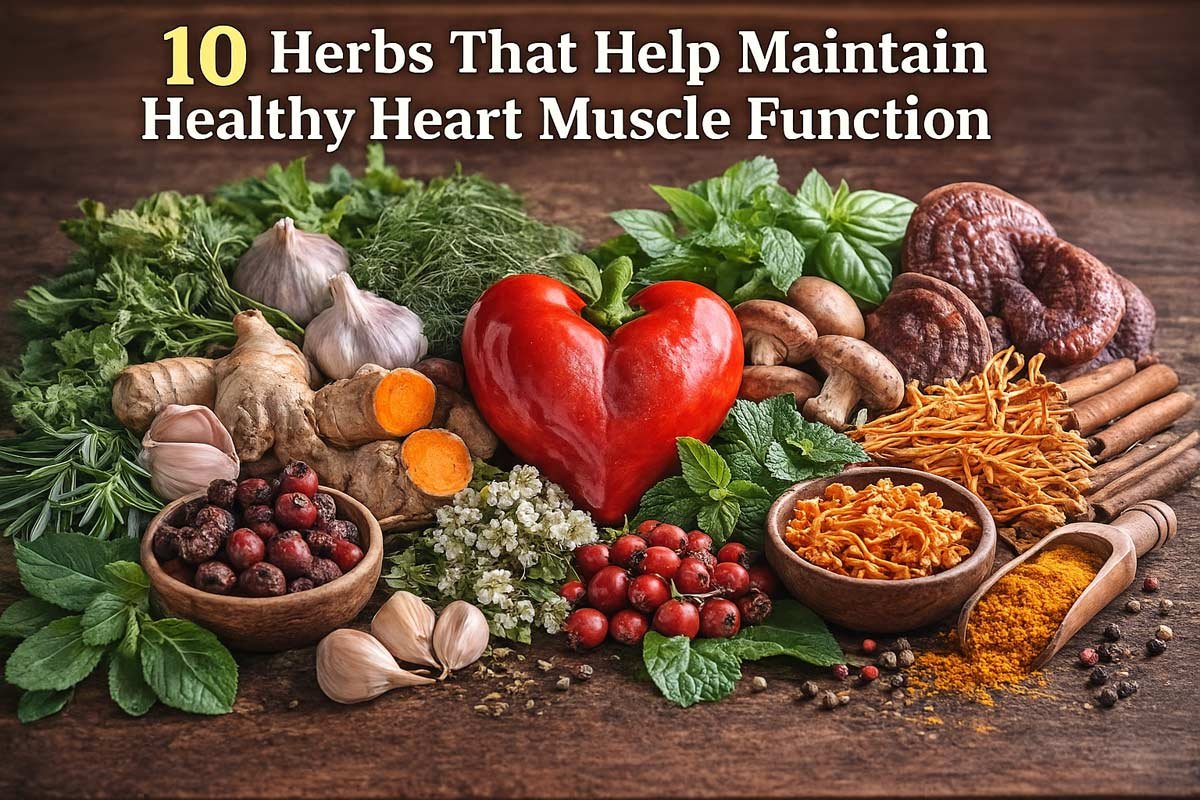
Nourishing Your Heart: Herbs and Mushrooms That Strengthen the Muscle
The heart has a rhythm all its own, a constant, silent drum that keeps life flowing. Most of us barely notice it until something goes wrong, yet its demands are relentless. Every beat requires energy, oxygen, and nutrients delivered through a complex network of blood vessels, all while maintaining resilience against stress, toxins, and the natural wear of aging. Maintaining healthy heart muscle function is more than a matter of avoiding disease—it’s about enhancing endurance, preserving vitality, and creating a foundation for long-term cardiovascular well-being.
Herbal medicine and mycology have offered insights into this for centuries, long before modern science could quantify them. From hawthorn berries gathered in the cool mornings of spring to reishia mushrooms slow-cultivated for months, traditional practices recognized that certain plants and fungi possess unique properties that support the heart on a cellular and energetic level. These are not quick fixes, but subtle allies, often acting quietly within the body to improve contractility, reduce oxidative stress, and maintain rhythm stability.
Table of Contents

Consider the heart as a finely tuned orchestra. Each cell, fiber, and valve must perform in synchrony, and the herbs and mushrooms we explore act like meticulous conductors, ensuring each part plays its role without strain. Hawthorn, for instance, strengthens the cardiac muscle directly, improving contractility and circulation, while motherwort helps regulate the nervous influence on heart rhythm. When combined, these herbs address both structure and regulation—one supporting the tissue, the other supporting the signals that tell it how to beat.
Oxidative stress is a silent enemy for the heart. Every day, cells are exposed to reactive oxygen species produced during normal metabolism, environmental stressors, and lifestyle factors like poor diet or lack of sleep. Over time, oxidative damage can impair cardiac muscle function, weaken vessels, and reduce the heart’s efficiency. Herbs rich in flavonoids and phenolic compounds—hawthorn, garlic, and ginkgo—act as antioxidants, scavenging free radicals before they can disrupt cellular machinery. Imagine these compounds patrolling the microscopic streets of the heart, repairing and protecting the structures that keep each beat steady and strong.
Mitochondrial energy is another crucial component. The heart is a relentless consumer of ATP, the energy currency of cells, and any compromise in energy production can translate quickly into fatigue or impaired function. Mushrooms like cordyceps and reishi support energy metabolism in heart cells, increasing ATP production and reducing the impact of metabolic stress. Regular integration of these fungi can enhance endurance, subtly improving the heart’s ability to meet both sudden demands, like sprinting up stairs, and long-term challenges, like chronic stress or aging.
The nervous system’s influence on the heart cannot be overstated. Stress, anxiety, and emotional upheaval directly affect heart rhythm and contractility. Adaptogenic herbs like rhodiola and ginseng modulate the stress response, indirectly supporting heart muscle function by reducing the frequency and severity of stress-induced fluctuations. They do not force the heart to beat differently—they optimize the environment in which it functions. This combination of direct cellular support, antioxidant protection, and nervous system regulation creates a multifaceted approach that modern cardiology is only beginning to appreciate.
Diet and lifestyle remain critical partners. Herbs and mushrooms cannot compensate for severe nutritional deficiencies or chronic inactivity, but they amplify the benefits of good habits. A diet rich in whole foods, adequate hydration, consistent physical activity, and stress management practices enhances the efficacy of these natural allies. In practice, a morning cup of hawthorn tea, a pinch of garlic in your meals, and a weekly mushroom extract can become rituals that support both physiological and psychological aspects of heart health.
Beyond the science, there’s a lived experience to consider. Many herbalists note subtle shifts when someone begins a heart-supportive regimen—slightly steadier energy during the day, reduced tension in the chest, improved exercise tolerance, a sense of resilience during stressful moments. These observations, though anecdotal, align with biochemical research: compounds in these herbs and fungi improve blood flow, modulate nervous system activity, reduce inflammation, and protect the myocardium from oxidative injury.
In essence, maintaining healthy heart muscle function is a dance between structure, energy, and rhythm. It’s about keeping the tissue strong, the mitochondria fueled, and the nervous signals balanced. Herbs like hawthorn, motherwort, and garlic provide foundational strength. Adaptogens such as ginseng and rhodiola regulate energy and stress response. Mushrooms like reishi, cordyceps, lion’s mane, and turkey tail protect and energize the heart at a cellular level. When these elements work together, they create an environment where the heart can thrive, not merely survive.
Approaching heart health this way feels different from conventional prevention strategies. Instead of focusing solely on blood pressure numbers or cholesterol counts, it emphasizes resilience, energy, and rhythm stability. It’s an approach that aligns with how the body naturally functions, acknowledging that the heart is more than a pump—it is a responsive, intelligent muscle, capable of adapting and strengthening over time when given the right support.
Integrating these herbs and mushrooms is not about replacing medical care or ignoring serious cardiovascular conditions. It’s about creating a layer of proactive, natural support, enhancing the heart’s ability to maintain healthy muscle function and withstand the daily stresses of life. Over months and years, this consistent, gentle support can translate into a heart that performs efficiently, adapts gracefully to stress, and sustains energy and vitality well into later life.
Foundational Cardiovascular Herbs for Heart Muscle Support
When it comes to supporting the heart, some herbs stand out as true pillars of cardiovascular health. These foundational herbs have been used for centuries to strengthen the heart muscle, improve circulation, and promote rhythmic stability. Their effects are often gentle yet cumulative, working at both the cellular and energetic level to support healthy heart muscle function. By understanding their unique properties and integrating them thoughtfully, we can provide the heart with a consistent source of nourishment and protection.
1. Hawthorn (Crataegus spp.)
Hawthorn is perhaps the most celebrated heart herb in Western herbalism. Its berries, leaves, and flowers contain a wealth of flavonoids and oligomeric procyanidins that directly influence myocardial tissue. Research indicates that hawthorn improves the contractility of the heart muscle, supporting its pumping efficiency without over-stimulation. It also enhances coronary blood flow, ensuring that the heart receives oxygen and nutrients precisely when it needs them.
Traditional herbalists often use hawthorn as a tonic rather than a quick-acting remedy. The effects are subtle but significant: with regular consumption, many report improved endurance during physical activity, fewer palpitations, and a gentle sense of rhythmic stability. Hawthorn’s ability to reduce oxidative stress further protects cardiac tissue, safeguarding it from the daily assault of free radicals that can impair heart muscle function over time.
2. Motherwort (Leonurus cardiaca)
Motherwort has earned its place as a supportive herb for the heart through centuries of use in calming palpitations and maintaining heart tone. Its active compounds, including leonurine, are believed to influence the nervous system’s regulation of heart rhythm, helping maintain steady contractions. This herb is particularly valuable for those whose heart stress is exacerbated by anxiety or emotional strain.
A mild infusion of motherwort can be surprisingly effective: the subtle calming influence on the heart’s rhythm allows the muscle to function more efficiently, without the jitteriness or overstimulation that some compounds can cause. Herbalists often pair motherwort with hawthorn to address both the structural integrity of the myocardium and the regulatory signals that guide its contractions.
3. Garlic (Allium sativum)
Garlic is widely recognized for its cardiovascular benefits, and its role in maintaining healthy heart muscle function is well-supported by modern research. Allicin, the active sulfur-containing compound, helps improve blood flow, maintain healthy blood pressure, and protect myocardial cells from oxidative stress. These effects translate into a heart muscle that is both resilient and efficient, capable of meeting the body’s demands with less strain.
Culinary and medicinal use overlap beautifully here: raw garlic, gently sautéed in meals, or taken as a standardized extract, provides consistent cardiovascular support. Its long-term benefits include enhanced endothelial function, improved lipid profiles, and protection against the oxidative damage that can weaken the heart over decades.
Hawthorn and Motherwort Synergy
When combined, hawthorn and motherwort create a complementary synergy. Hawthorn fortifies the myocardium and promotes circulation, while motherwort stabilizes the autonomic signals that regulate heart rhythm. Together, they form a balanced tonic that addresses both the physical and nervous components of heart health. For individuals who experience mild palpitations, fatigue, or stress-induced fluctuations in heart rate, this combination offers a gentle yet effective support system.
Practical Integration
Using these herbs doesn’t require elaborate preparations. A simple tea made from hawthorn berries and motherwort leaves, sipped once or twice daily, can provide ongoing support for healthy heart muscle function. Garlic can be incorporated into meals or taken as an extract for more consistent dosing. Regular use over weeks and months is key; the effects build gradually, reinforcing the heart’s resilience and capacity for efficient function.
Observed Benefits and Subtle Shifts
Many herbalists note that the heart responds to these foundational herbs in ways that go beyond measurable numbers. Users often report steadier energy levels, improved endurance, and a general sense of calm in response to physical or emotional stress. These experiences align with scientific findings: hawthorn’s cardiovascular support, motherwort’s nervous regulation, and garlic’s antioxidant protection collectively enhance myocardial strength and stability, creating an environment where the heart can function optimally.
The beauty of these foundational herbs is their versatility. They can be used alone, in combination, or integrated into broader herbal formulations. Each addresses a core aspect of heart health: structure, regulation, or protection. Together, they lay the groundwork for long-term support, forming the base upon which adaptogenic and energy-enhancing herbs can build.
By consistently supporting myocardial strength, circulation, and nervous system regulation, hawthorn, motherwort, and garlic help maintain healthy heart muscle function, reduce susceptibility to oxidative damage, and improve overall cardiovascular resilience. Their use reflects a time-honored understanding that the heart thrives not just on medication or intervention, but on ongoing nourishment and care from nature’s pharmacopeia.
Adaptogenic and Circulatory Enhancers
The heart does not operate in isolation. Its strength and efficiency are closely tied to the body’s ability to manage stress, maintain energy, and ensure smooth blood flow. Adaptogenic herbs and circulatory enhancers support healthy heart muscle function by working on these interconnected systems, improving resilience, and protecting cardiac tissue from the wear and tear of daily life. They do not force changes but create an environment where the heart can perform optimally, responding efficiently to both physical exertion and emotional stress.
4. Ginkgo biloba
Ginkgo biloba is widely recognized for its circulatory benefits, particularly in enhancing microvascular blood flow. By improving oxygen and nutrient delivery to the myocardium, ginkgo helps maintain healthy heart muscle function. Its flavonoids and terpenoids act as antioxidants, protecting cardiac cells from oxidative damage and supporting overall vascular integrity.
The experience of using ginkgo is often subtle but noticeable. Users report increased stamina during exercise and a sense of lightness in the chest during daily activities. The herb also supports endothelial function, helping arteries remain flexible and responsive. Over time, this improved circulation reduces strain on the heart muscle, allowing it to work efficiently without unnecessary effort.
5. Panax Ginseng
Panax ginseng is an adaptogen with profound effects on both energy metabolism and cardiovascular resilience. Its active compounds, ginsenosides, enhance myocardial contractility and improve cardiac output. Scientific studies show that ginseng can protect heart tissue from ischemic stress while promoting efficient energy utilization in cardiac cells.
Ginseng’s effects are not limited to the physical heart; they extend to systemic energy and stress regulation. A well-nourished myocardium coupled with balanced autonomic support helps maintain healthy heart muscle function, particularly under demanding conditions. Many herbalists note that long-term use results in smoother heart rhythms and increased endurance, reflecting the herb’s multifaceted support.
6. Rhodiola rosea
Rhodiola is a potent adaptogen known for its ability to modulate the body’s stress response. Chronic stress can impair heart muscle function through elevated cortisol, disrupted energy metabolism, and increased oxidative damage. Rhodiola helps stabilize these stress responses, ensuring that the heart receives steady energy and maintains rhythm stability.
Mechanistically, rhodiola enhances mitochondrial efficiency in cardiac cells, supporting ATP production and reducing fatigue. Herbal practitioners often recommend it during periods of high mental or physical demand, when the heart is prone to subtle stress-induced fluctuations. Over time, consistent use contributes to improved resilience and healthier heart muscle function.
Hawthorn and Ginseng Tonic
Combining hawthorn with ginseng creates a powerful synergistic effect. Hawthorn strengthens myocardial tissue and promotes coronary blood flow, while ginseng boosts cellular energy and adaptogenic resilience. Together, they address both the structural and energetic needs of the heart, providing a comprehensive approach to maintaining healthy heart muscle function. This combination is often used as a daily tonic, taken in tea or tincture form, offering long-term support without overstimulation.
Practical Integration and Observations
Adaptogenic and circulatory herbs work best when integrated into daily routines that also include physical activity, balanced nutrition, and stress management. Herbalists often suggest a regimen where ginkgo is used in the morning to support circulation, ginseng in the early part of the day to enhance energy, and rhodiola during periods of acute stress or exertion. When combined with foundational herbs like hawthorn and motherwort, the heart receives layered support: structural reinforcement, energy optimization, and rhythm stability.
Subtle changes are often the first sign of benefit. Many individuals notice steadier energy levels, less tension during stressful moments, and a more resilient response to physical exertion. These observations align with research findings: adaptogens improve mitochondrial function and energy availability, while circulatory enhancers like ginkgo improve nutrient delivery and antioxidant protection, all of which reinforce healthy heart muscle function over time.
Beyond the Heart: Systemic Benefits
While the focus is on the myocardium, these herbs also support broader cardiovascular health. Improved microcirculation enhances organ function throughout the body, while stress modulation reduces systemic inflammation and oxidative stress. The result is a heart that operates efficiently within a body that is more resilient to both external challenges and the internal demands of daily life.
Integrating adaptogenic and circulatory herbs into a regular routine is about creating a sustainable foundation for cardiovascular health. The heart is stronger, more responsive, and less prone to strain when it receives consistent support from nature’s pharmacopoeia. With thoughtful use, these herbs enhance both performance and longevity, supporting healthy heart muscle function in a way that feels natural, subtle, and enduring.
Heart-Strengthening Mushrooms and Nutrient Allies
Mushrooms are extraordinary allies for heart health. Unlike typical herbs, their bioactive compounds often work at a cellular and systemic level, modulating energy production, inflammation, and oxidative stress. For the heart, this means improved resilience, enhanced contractility, and protection from the subtle wear that accumulates over time. Incorporating medicinal mushrooms into a regimen can profoundly support healthy heart muscle function, especially when combined with foundational and adaptogenic herbs.
7. Reishi Mushroom (Ganoderma lucidum)
Reishi has long been revered in traditional medicine as the “mushroom of immortality,” and its cardiovascular benefits are well-documented. Triterpenes and polysaccharides in reishi contribute to reduced blood pressure, improved circulation, and protection against oxidative damage in cardiac tissue. For the heart muscle, this translates into enhanced endurance, reduced strain, and a subtle stabilization of rhythm.
Regular consumption—through tea, tincture, or extract—provides steady support. Many herbalists report that those who integrate reishi notice an almost imperceptible strengthening of the heart over weeks: easier stamina during activity, less fatigue, and a calm, steady beat even under mild stress. This is a mushroom that works quietly, reinforcing the heart’s natural efficiency rather than forcing immediate changes.
8. Cordyceps (Cordyceps sinensis, Cordyceps militaris)
Cordyceps is prized for its ability to enhance cellular energy production, particularly in tissues with high oxygen demands like the heart. Its bioactive compounds support ATP synthesis in myocardial cells, helping maintain healthy heart muscle function during both rest and exertion.
Athletes and active individuals have long used cordyceps to improve endurance, but its benefits extend to anyone seeking resilient cardiac function. By improving oxygen utilization and mitochondrial efficiency, cordyceps reduces strain on the heart, allowing it to respond efficiently to daily demands. This effect is particularly valuable as the body ages, when natural energy production can decline.
9. Lion’s Mane (Hericium erinaceus)
Lion’s mane is often discussed for cognitive benefits, yet it also contributes to cardiovascular health. Its anti-inflammatory properties help protect cardiac tissue, while compounds that support nerve growth indirectly benefit heart rhythm regulation. By maintaining structural integrity and reducing inflammation, lion’s mane helps preserve myocardial strength and healthy heart muscle function over time.
Integration is straightforward: a daily extract or powdered infusion can provide consistent support. Users often report subtle improvements in energy endurance and overall vitality, reflecting the systemic benefits that extend from neural protection to cardiovascular resilience.
10. Turkey Tail (Trametes versicolor)
Turkey tail is rich in polysaccharides that bolster immune function and provide antioxidant protection. For the heart, these effects reduce systemic oxidative stress, a major contributor to cardiac wear and impaired muscle function. By supporting endothelial health and mitigating inflammatory damage, turkey tail contributes to a resilient cardiovascular system and helps maintain healthy heart muscle function.
Incorporating turkey tail into a mushroom blend or using it alongside other heart-supportive fungi can create a comprehensive approach. Its gentle yet consistent influence strengthens the heart indirectly while supporting overall health, making it an ideal companion to reishi, cordyceps, and lion’s mane.
Synergistic Mushroom Formulations
Using multiple mushrooms in combination can enhance their individual effects. A formulation containing reishi, cordyceps, lion’s mane, and turkey tail addresses heart muscle function from multiple angles: energy optimization, antioxidant protection, anti-inflammatory effects, and rhythm support. Herbalists often rotate these mushrooms in teas or extracts to maintain consistent benefits without overstimulating any single system.
Observed Benefits
Regular use of heart-supportive mushrooms often yields subtle but meaningful changes. People report increased endurance, steadier heart rhythms, and a general sense of resilience during daily activity. These observations reflect the underlying science: mushrooms improve mitochondrial function, reduce oxidative stress, and modulate inflammation—all key factors in maintaining healthy heart muscle function.
Practical Integration
For daily support, mushrooms can be incorporated as teas, tinctures, or powders. Combining them with adaptogenic and foundational herbs, such as hawthorn, ginseng, or rhodiola, creates a layered approach. The heart receives structural reinforcement, energetic optimization, and systemic protection, allowing it to function efficiently and maintain resilience under both physical and emotional stress.
Mushrooms are not a replacement for medical care but serve as a complementary approach to nurturing the heart. Over time, consistent use supports a heart that is stronger, more resilient, and capable of sustaining healthy heart muscle function throughout life. The cumulative effect of these fungi—like the herbs discussed earlier—is a quietly powerful support system, working at the cellular and systemic levels to preserve vitality and rhythm.
Heart Harmony: Integrating Herbs and Lifestyle for Lasting Strength
The heart is more than a muscle; it’s a dynamic, responsive organ that thrives in a carefully balanced environment. Herbs and mushrooms provide essential support, but lasting healthy heart muscle function emerges when this natural assistance is paired with lifestyle practices that respect the heart’s rhythms, energy needs, and circulatory demands. Integrating herbal allies into daily routines transforms them from isolated remedies into part of a holistic approach that strengthens, protects, and energizes the heart over time.
Listening to the Heart
One of the first steps in maintaining heart health is paying attention to subtle signals. A slight fatigue after climbing stairs, a fluttering sensation during stress, or even changes in resting energy levels are clues that the heart might benefit from extra support. By observing these signals, you can adjust herbal use, diet, and activity levels to reinforce healthy heart muscle function. This awareness cultivates a dialogue between body and practitioner, turning daily habits into informed, proactive care.
Consistent Herbal Integration
Foundational herbs like hawthorn, motherwort, and garlic lay the groundwork for heart muscle strength. Adaptogens such as ginseng, rhodiola, and ginkgo enhance circulation and energy metabolism, while mushrooms like reishi, cordyceps, lion’s mane, and turkey tail provide antioxidant protection and mitochondrial support. Regular, thoughtful use is key. Daily teas, tinctures, or powdered extracts ensure steady delivery of bioactive compounds, allowing their effects to accumulate gradually and sustainably.
Dietary Synergy
Herbs and mushrooms work best when complemented by a nutrient-rich diet. Foods high in antioxidants, omega-3 fatty acids, and plant-based nutrients support myocardial health and circulation. Leafy greens, berries, nuts, seeds, and legumes reinforce the antioxidant and anti-inflammatory effects of herbs and fungi. Garlic, already highlighted as a potent herbal ally, can also be incorporated directly into meals, combining culinary enjoyment with cardiovascular benefit. This synergy between diet and herbal support reinforces healthy heart muscle function at multiple levels.
Physical Activity
Regular movement is essential for heart health. Cardiovascular exercise, even moderate, encourages stronger contractions, better oxygen delivery, and enhanced energy efficiency in the heart muscle. When paired with herbal and fungal support, the benefits of activity are amplified. A walk in the morning accompanied by a cup of hawthorn or cordyceps tea, for instance, supports circulation, oxygen utilization, and rhythm stability simultaneously. Over time, these habits build endurance, resilience, and measurable improvements in heart muscle function.
Stress Management
Chronic stress exerts a powerful influence on the heart, affecting rhythm, contractility, and overall performance. Adaptogenic herbs play a vital role here, but lifestyle practices such as meditation, deep breathing, and mindful pauses are equally important. Reducing physiological stress allows the heart to maintain steady, efficient contractions and optimizes the benefits of supportive herbs and mushrooms. The combination of adaptogens and conscious stress management creates a protective environment for maintaining healthy heart muscle function.
Sleep and Recovery
The heart relies on restorative sleep for repair, energy replenishment, and rhythm stabilization. Herbal allies like motherwort and mild adaptogens can support relaxation and recovery, enhancing sleep quality. Good sleep habits—consistent bedtime, cool and dark environment, and limited stimulants—allow the myocardium to recover nightly, maximizing the effects of dietary, herbal, and physical interventions.
Practical Routine Example
A practical daily regimen might look like this: start the morning with a cup of hawthorn and reishi tea to energize the heart and support circulation, add a small amount of garlic to breakfast for antioxidant and circulatory support, engage in moderate physical activity mid-morning, and use a tincture of ginseng or rhodiola during periods of high stress. Evening routines could include a calming cup of motherwort or lion’s mane infusion to promote repair and relaxation. Over weeks and months, these consistent actions reinforce healthy heart muscle function and create a rhythm of care that the heart can rely on.
Observed Benefits
Individuals who follow an integrated approach often notice subtle improvements first: smoother energy transitions throughout the day, less tension during exertion, and steadier heart rhythms under stress. Over time, these small changes accumulate, supporting endurance, efficient contraction, and resilience in the myocardium. This is the essence of heart harmony: combining natural, systemic support with lifestyle practices that respect the organ’s complexity and responsiveness.
Integrating herbs, mushrooms, diet, movement, stress management, and sleep forms a layered, holistic strategy. Each element reinforces the others, creating a durable foundation for long-term cardiovascular health. The heart, nourished and supported in this way, maintains healthy muscle function, responds efficiently to challenges, and sustains vitality across years of daily life.
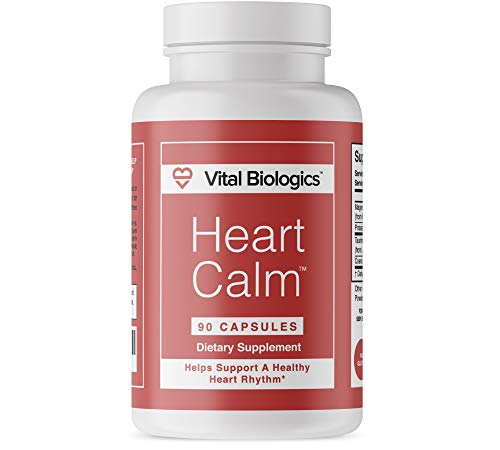
Best-selling Supplements for Heart Muscle




Article Sources
At AncientHerbsWisdom, our content relies on reputable sources, including peer-reviewed studies, to substantiate the information presented in our articles. Our primary objective is to ensure our content is thoroughly fact-checked, maintaining a commitment to accuracy, reliability, and trustworthiness.
- Sangiovanni, E., Brivio, P., Dell’Agli, M., & Calabrese, F. (2017). Botanicals as Modulators of Neuroplasticity: Focus on BDNF. Neural plasticity, 2017, 5965371. https://doi.org/10.1155/2017/5965371
- Rauf, A., Imran, M., Butt, M. S., Nadeem, M., Peters, D. G., & Mubarak, M. S. (2017). Garlic (Allium sativum) and its organosulfur compounds: A review of their chemistry and pharmacology. Nutrients, 9(6), 624. https://doi.org/10.3390/nu9060624
- Kim, H., & Kim, S. (2019). Cardioprotective effects of ginseng on heart failure and myocardial ischemia. Journal of Ginseng Research, 43(3), 287-294. https://doi.org/10.1016/j.jgr.2018.03.003
- Zhou, X., Lin, J., & Zhang, L. (2016). Hawthorn (Crataegus spp.) in cardiovascular disease: From traditional use to clinical evidence. Frontiers in Pharmacology, 7, 171. https://doi.org/10.3389/fphar.2016.00171
- Paterson, R. R. M. (2006). Ganoderma – a therapeutic fungal biofactory. Phytochemistry, 67(18), 1985-2001. https://doi.org/10.1016/j.phytochem.2006.07.027
- Li, S. P., & Wang, Y. (2009). Chemical composition and health effects of Cordyceps sinensis. Phytochemistry Reviews, 8(2), 207-221. https://doi.org/10.1007/s11101-008-9105-9
- Wong, K. H., Sabaratnam, V., Abdullah, N., & Naidu, M. (2009). The therapeutic potential of Lion’s Mane mushroom, Hericium erinaceus (Bull.: Fr.) Pers. Journal of Ethnopharmacology, 122(2), 195-200. https://doi.org/10.1016/j.jep.2009.01.014
- Heleno, S. A., Martins, A., Queiroz, M. J., & Ferreira, I. C. (2015). Bioactivity of mushrooms: A review on oxidative stress, immune modulation, and cardiovascular effects. Food & Function, 6(2), 350-376. https://doi.org/10.1039/C4FO01061G
- Zhou, X., & Zhou, S. (2012). Effects of Rhodiola rosea on cardiovascular and metabolic disorders. Phytomedicine, 19(8-9), 668-673. https://doi.org/10.1016/j.phymed.2012.02.007
- Miller, L. A., & Miller, M. (2010). The effect of ginkgo biloba on cardiovascular function: A systematic review. Journal of Herbal Pharmacotherapy, 10(1), 27-38.https://doi.org/10.1080/15228960903557977

- Soursop: Tropical Fruit for Antioxidants and Digestion - March 28, 2026
- Sugar Apple: Tropical Fruit for Energy and Vitamin C - March 28, 2026
- Dragon Fruit: Tropical Fruit for Gut Health - March 28, 2026