
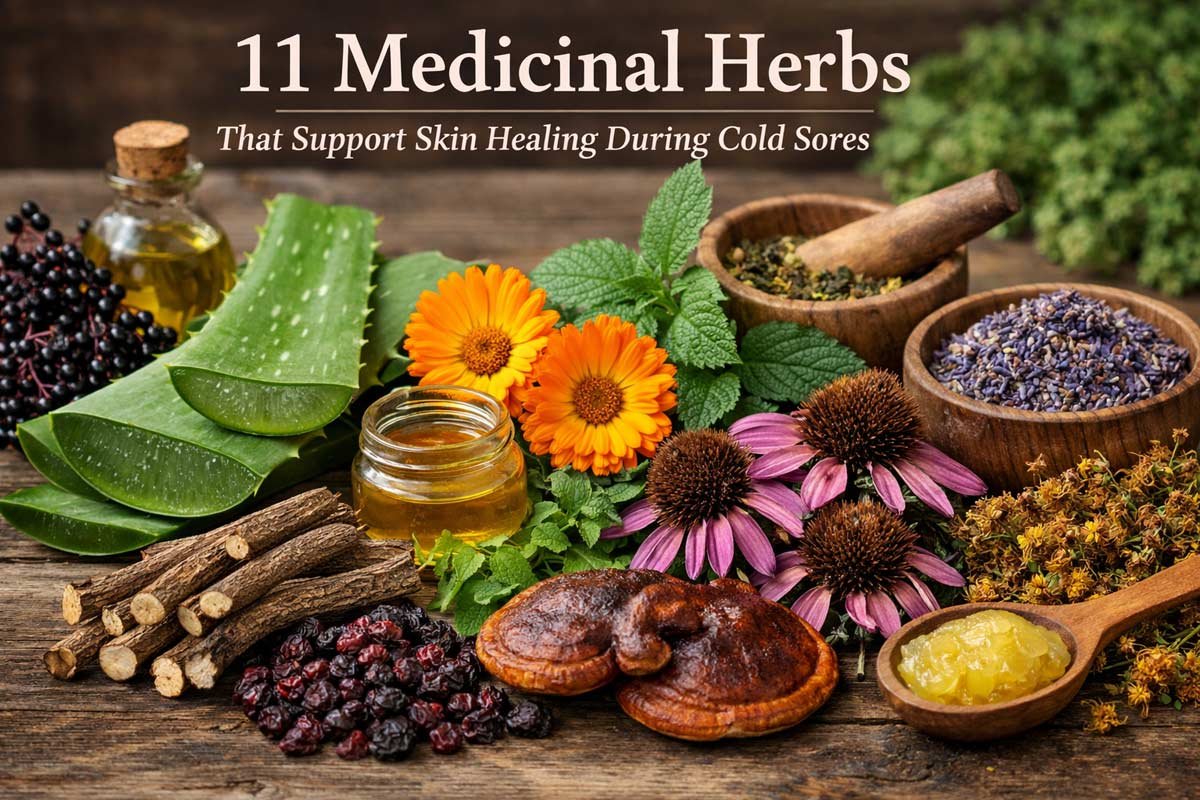
When Cold Sores Surface: Understanding Skin, Stress, and Viral Flares
Cold sores never arrive quietly. There is usually a warning. A faint tingling at the edge of the lip. A tight, itchy feeling that feels out of place. Sometimes a little heat. Sometimes nothing more than a sense that something is off. The skin knows before the mirror does. Anyone who has dealt with recurrent cold sores recognizes this moment instantly.
Cold sores are not random skin events. They are the visible expression of a long standing relationship between a virus, the immune system, the nervous system, and the skin itself. The herpes simplex virus type 1 does not come and go. It stays. It settles into nerve tissue and waits. What we see on the surface is only the end of a much deeper process.
Table of Contents

The skin around the mouth is delicate, highly innervated, and constantly exposed to stressors. Sun, wind, dryness, friction, emotional stress, lack of sleep. When the body is well regulated, the virus stays quiet. When internal balance shifts, the skin becomes the stage where that imbalance plays out. This is why cold sores so often appear during periods of exhaustion, emotional strain, illness, or intense sun exposure.
From a herbal perspective, this matters. Herbs for Cold Sores are not just about killing a virus or drying out a blister. That approach misses the point. The real work happens at the level of tissue resilience, immune signaling, inflammation control, and nervous system tone. The skin is not separate from the rest of the body. It reflects it.
Stress is one of the most reliable triggers for cold sore outbreaks. Not stress as a vague concept, but stress as a physiological state. Elevated cortisol alters immune response. It suppresses certain antiviral defenses while increasing inflammation. Blood flow to peripheral tissues shifts. Repair slows down. The virus senses opportunity. This is why people often say, “I get a cold sore every time I’m overwhelmed.” They are not imagining it.
The nervous system plays a central role here. Herpes viruses live in nerve ganglia. Emotional stress, sleep disruption, and mental overload all affect nerve signaling. When that signaling changes, viral activity can increase. This connection explains why calming herbs and mushrooms often help cold sores even when they are not traditionally labeled as antiviral. They work upstream.
Then there is the skin itself. During an outbreak, the skin barrier breaks down rapidly. Cells rupture. Fluid accumulates. Inflammation spikes. The area becomes vulnerable to secondary irritation and delayed healing. At this stage, harsh interventions can make things worse. Aggressive drying agents, repeated picking, or alcohol based products prolong damage. Herbs for Cold Sores shine here because many of them protect tissue while supporting repair.
It is also important to understand that cold sores are inflammatory lesions, not just viral ones. The redness, swelling, and pain are largely driven by the immune response. When inflammation is excessive or poorly regulated, healing slows and scarring becomes more likely. One of the quiet strengths of herbs for Cold Sores is their ability to modulate inflammation rather than simply suppress it.
Another often overlooked factor is nutrient status. The skin relies on adequate zinc, B vitamins, vitamin C, and amino acids to repair itself. During stress or illness, these nutrients are depleted faster. Some herbs help indirectly by improving absorption, circulation, or digestive efficiency. Others provide trace minerals and polyphenols that protect cells from oxidative stress during viral flares.
Timing also matters. Cold sores follow a predictable progression. Prodrome. Blister. Weeping. Crusting. Healing. Different stages call for different strategies. Early intervention focuses on calming nerve irritation and immune signaling. Active lesions require soothing, antimicrobial, and tissue protective support. Later stages benefit from herbs that encourage epithelial repair and reduce lingering inflammation. This is where experience with herbs for Cold Sores makes a difference. One size rarely fits all stages.
There is also a seasonal pattern many people notice. Cold sores appear more often during winter illness cycles or after intense summer sun exposure. Both scenarios tax the immune system, just in different ways. Sunlight can directly trigger viral activation in nerve tissue. Cold weather dries the skin and weakens the barrier. Herbs that support skin hydration and resilience can reduce outbreak frequency over time, not just soothe symptoms.
A common mistake is treating cold sores as a purely local problem. Apply something to the lip and hope for the best. Sometimes that works temporarily. Often it does not. Recurrent outbreaks are a sign that the internal terrain favors viral reactivation. Herbs for Cold Sores address this terrain. They influence immune tone, stress response, and tissue repair capacity simultaneously.
This is why people often notice fewer outbreaks after consistent herbal support, even if they started using herbs only to shorten healing time. The body learns a new rhythm. Inflammation becomes less extreme. The nervous system calms more easily. The skin recovers faster and stronger. Over time, the virus has fewer opportunities to express itself visibly.
It is also worth saying that cold sores carry emotional weight. They appear on the face. They are hard to hide. Many people feel embarrassment, frustration, or even shame when an outbreak appears. Stress about appearance can itself worsen inflammation. Gentle, supportive herbal care can help break this cycle by reducing discomfort and restoring a sense of agency. There is something grounding about working with plants and mushrooms that support the body rather than fight it.
Herbs for Cold Sores are not about perfection. Outbreaks may still happen. Life is not sterile. Stress exists. Viruses persist. The goal is resilience. Shorter outbreaks. Less pain. Faster skin recovery. Longer stretches of calm. When the skin heals well, it remembers. Each repair cycle builds stronger tissue if it is supported properly.
Understanding cold sores through this wider lens changes how we approach them. Instead of asking, “How do I get rid of this blister?” the better question becomes, “What does my skin need right now to heal well, and what does my body need to stay balanced?” Herbs for Cold Sores offer practical answers to both questions, grounded in physiology, not wishful thinking.
When you start seeing cold sores as a conversation between stress, immunity, nerves, and skin, herbal choices become clearer. The plants and mushrooms that matter most are the ones that listen to that conversation and respond gently but effectively. That is where real healing begins.
Herbs That Calm Inflammation and Protect Damaged Skin
Once a cold sore becomes visible, the skin enters a high stress state. Cells are inflamed, fluid accumulates, nerve endings are exposed, and the protective barrier breaks down quickly. This is the phase where discomfort peaks. Burning. Throbbing. That tight, shiny feeling that makes even smiling feel like too much. At this stage, the goal is not aggression. It is protection.
Herbs for Cold Sores that shine during active outbreaks share a few traits. They calm inflammation without shutting down healing. They protect fragile tissue rather than stripping it. They support repair while easing pain. Some work beautifully when applied directly. Others help from the inside by reducing systemic inflammation and stress signaling that keeps the lesion irritated.
This is where many conventional approaches go wrong. Over drying the blister, disinfecting repeatedly, or trying to force it to crust faster often prolongs healing and increases the risk of cracking and scarring. Inflamed skin heals best when it feels safe. These herbs create that environment.
1. Lemon Balm (Melissa officinalis)
Lemon balm has earned its place as one of the most trusted herbs for Cold Sores, and not by accident. It has a long history of use for nervous agitation, viral flares, and inflamed skin. What makes it special during outbreaks is how quickly it changes the feel of the tissue.
Applied early, lemon balm often reduces tingling and heat within minutes. The skin softens. Redness eases. That sharp, electric sensation settles. This is not just comfort. When nerve irritation decreases, inflammatory signaling often follows. The lesion tends to stay smaller and less angry.
Lemon balm works on multiple levels at once. It contains compounds that interfere with viral attachment, but just as importantly, it modulates inflammation and calms the nervous system locally. This dual action explains why people often report fewer blisters progressing to full rupture when lemon balm is used consistently at the first sign.
Topically, it works best in a simple infusion, glycerite, or cream. Strong alcohol extracts can be irritating on broken skin. Gentle preparations are more effective here. Internally, lemon balm can be taken as tea or tincture to reduce stress driven flares and support sleep, both of which matter more than most people realize during outbreaks.
Among herbs for Cold Sores, lemon balm is one of the few that feels almost conversational. The skin responds quickly, as if relieved to be understood.
2. Calendula (Calendula officinalis)
Calendula is the quiet healer in this group. It does not sting. It does not tingle dramatically. Instead, it creates the conditions for tissue to repair itself cleanly and efficiently. When skin is cracked, weeping, or slow to close, calendula steps in.
During cold sore outbreaks, calendula helps regulate inflammation while encouraging epithelial regeneration. It supports lymphatic flow in the area, which reduces swelling and that heavy, congested feeling around the lesion. Over time, this means less pressure, less splitting, and smoother healing.
Calendula is especially useful once a blister has opened. At this stage, the skin is vulnerable. Secondary irritation can prolong the process. Calendula protects without sealing the area shut too aggressively. It allows the lesion to breathe while still staying moist enough to heal properly.
Topical use is where calendula excels. Oil infusions, salves, and creams work well. A light calendula oil applied gently keeps the tissue supple and reduces crust formation that leads to cracking. For people prone to scarring or lingering redness, calendula often makes a visible difference.
Internally, calendula supports inflammatory balance and lymphatic drainage, though it is usually secondary to topical use in cold sores. Still, when paired with other herbs for Cold Sores, it contributes to a smoother recovery and less residual irritation.
Calendula does not rush healing. It supports it patiently, which is often exactly what damaged skin needs.
3. Chamomile (Matricaria recutita)
Chamomile is often underestimated because it is familiar. Tea bags. Bedtime rituals. Mild flavor. But chamomile has a deep affinity for inflamed, reactive tissue, especially when nerves are involved.
Cold sores are not just skin lesions. They are nerve driven inflammations. This is where chamomile shines. It calms both the tissue and the nervous system feeding into it. The result is less pain, less twitchy irritation, and a sense that the area can finally relax.
Topically, chamomile reduces redness and swelling while easing tenderness. It is particularly helpful when the surrounding skin feels sore, itchy, or overstimulated. A cooled chamomile infusion applied as a compress can be surprisingly effective during the height of discomfort.
Internally, chamomile supports sleep and reduces stress reactivity. This matters because poor sleep and heightened nervous tension often prolong outbreaks. When people add chamomile tea during a flare, they often notice that healing feels smoother and less dramatic.
Among herbs for Cold Sores, chamomile is not about speed. It is about comfort and regulation. When inflammation is driven by stress and sensitivity, chamomile helps reset the tone of the system.
One caution worth mentioning is allergy sensitivity in those reactive to plants in the daisy family. When tolerated, though, chamomile is a steady ally during the most uncomfortable phase of cold sores.
4. Plantain Leaf (Plantago major)
Plantain is one of the most practical skin herbs available, and yet it is often overlooked. It grows everywhere. It looks unassuming. But when it comes to damaged, inflamed skin, it performs.
Plantain has a strong affinity for injured tissue. It draws, soothes, and protects all at once. During cold sore outbreaks, plantain helps reduce heat, calm irritation, and support barrier repair. It is beneficial when lesions feel raw or overly sensitive to touch.
Fresh plantain leaf, when available, can be lightly crushed and applied as a poultice. This traditional approach works remarkably well for calming acute irritation. For everyday use, infused oils, salves, or glycerites are more practical.
Plantain contains mucilaginous compounds that coat and protect tissue. This creates a buffer over exposed nerve endings, reducing pain while preventing excessive dryness. Unlike occlusive products that trap moisture aggressively, plantain allows balanced healing.
Internally, plantain supports lymphatic movement and mild anti inflammatory effects. It can be useful when cold sores are accompanied by swollen lymph nodes or a general sense of congestion in the face and neck.
In the context of herbs for Cold Sores, plantain acts like a steady hand placed gently over damaged skin. It does not force change. It supports what the body is already trying to do.
Together, these herbs create a layered approach to active outbreaks. Lemon balm calms viral driven inflammation and nerve irritation. Calendula supports clean tissue repair. Chamomile regulates sensitivity and stress. Plantain protects and soothes exposed skin. Used thoughtfully, they reduce suffering and improve healing quality, which is ultimately what matters most when cold sores surface.
Antiviral and Immune-Modulating Herbs for Viral Balance
Cold sores force an uncomfortable truth into the open. The virus is already inside the body. What changes is the internal environment that allows it to act. This is where antiviral and immune-modulating herbs matter. Not as blunt weapons, but as regulators. They influence how aggressively the virus replicates, how the immune system responds, and how long the skin remains inflamed and vulnerable.
Herbs for Cold Sores in this category work more quietly than topical soothers, but their impact often shows up in shorter outbreaks, fewer secondary lesions, and longer stretches between flares. They are especially useful when cold sores appear frequently, heal slowly, or seem to follow every dip in energy or immunity.
The goal here is balance. An immune system that responds efficiently without overshooting. A viral presence that remains contained rather than expressive. These herbs help restore that equilibrium.
5. Licorice Root (Glycyrrhiza glabra)
Licorice root is one of the most studied herbs for Cold Sores, and for good reason. It contains glycyrrhizin, a compound shown to inhibit herpes virus replication and interfere with viral activity at multiple stages. But licorice is more than an antiviral. It is also a powerful immune modulator and anti inflammatory agent.
What makes licorice especially valuable during cold sore outbreaks is its dual action. On one hand, it directly affects viral behavior. On the other, it calms excessive inflammation that damages tissue and prolongs healing. This combination often translates to lesions that feel less angry and resolve more cleanly.
Internally, licorice supports adrenal function and stress resilience. This matters because stress driven cortisol spikes can suppress antiviral immune responses. By supporting hormonal balance, licorice indirectly reduces one of the most common outbreak triggers.
Topically, deglycyrrhizinated licorice extracts are sometimes used to soothe inflamed skin, though whole root preparations are more commonly used internally. Care is needed with long term internal use, especially for those with blood pressure concerns, but used appropriately, licorice remains a cornerstone among herbs for Cold Sores.
Licorice does not rush the body. It steadies it. And when the system steadies, viral expression often quiets.
6. Echinacea (Echinacea purpurea)
Echinacea has a complicated reputation. Some people swear by it. Others say it does nothing. Much of this confusion comes from how it is used. Echinacea is not a daily tonic. It is an acute phase immune signal amplifier.
During the early stages of a cold sore flare, echinacea can sharpen immune awareness. It increases macrophage activity, enhances cytokine signaling, and helps the immune system respond quickly rather than sluggishly. This can reduce outbreak intensity and duration when timing is right.
For cold sores, echinacea works best at the prodromal stage or at the very beginning of visible lesions. Taken later, it tends to be less effective. This timing specificity is often overlooked and leads to disappointment.
Echinacea also has mild antiviral effects and supports lymphatic movement, which helps reduce swelling and localized immune congestion around the mouth and jaw. When lymph flow improves, inflammatory byproducts clear more efficiently, and tissue irritation eases sooner.
Among herbs for Cold Sores, echinacea is not subtle. It pushes the immune system to pay attention. For people whose outbreaks follow illness, exhaustion, or immune suppression, this can be exactly what is needed.
It is less useful for cold sores driven primarily by chronic stress without immune depletion. In those cases, calming and adaptogenic herbs often matter more. Context always matters.
7. St. John’s Wort (Hypericum perforatum)
St. John’s wort is often discussed in the context of mood, but its relationship with cold sores runs deeper. This plant has a strong affinity for nerve tissue, viral activity, and inflamed skin. These three elements intersect directly in herpes outbreaks.
Hypericin and related compounds in St. John’s wort have demonstrated antiviral activity, including effects against herpes viruses. But beyond direct antiviral action, this herb calms irritated nerves and reduces neurogenic inflammation, a key driver of pain and delayed healing in cold sores.
Topically, St. John’s wort oil is one of the most effective preparations for cold sores that feel sharp, electric, or intensely painful. It penetrates deeply, soothes nerve endings, and supports tissue repair. Many people notice a rapid reduction in pain when it is applied consistently.
Internally, St. John’s wort supports emotional resilience and nervous system regulation. For those whose cold sores appear during periods of emotional overload, grief, or mental strain, this herb addresses a root trigger rather than just the symptom.
Caution is necessary with internal use due to medication interactions, but when used thoughtfully, St. John’s wort is one of the more nuanced herbs for Cold Sores. It recognizes that viral flares are not just immune events, but nervous system events as well.
This herb often shines when cold sores are recurrent, painful, and emotionally tied.
8. Sage Leaf (Salvia officinalis)
Sage does not get as much attention in cold sore discussions, but it deserves it. Sage has antiviral, antimicrobial, and astringent properties that make it particularly useful for oral and perioral infections.
Sage helps reduce viral activity while tightening and toning inflamed tissue. This can limit weeping and excessive moisture that slows healing. Its astringency is not harsh when used correctly, especially as a diluted infusion or gentle rinse.
Topically, sage infusions can be used as compresses around the affected area, not directly scrubbing broken skin. This helps reduce microbial load and inflammation without irritation. Internally, sage supports immune function and reduces excessive sweating and fluid loss, which can matter during illness related flares.
Sage also has an affinity for the throat and mouth, making it useful when cold sores accompany sore throat, swollen glands, or oral discomfort. In these cases, sage helps address the broader viral terrain rather than isolating the lip lesion.
Among herbs for Cold Sores, sage is practical and grounded. It brings containment. Less spread. Less oozing. Less lingering inflammation.
When combined thoughtfully, these antiviral and immune-modulating herbs shift the internal environment that cold sores depend on. Licorice steadies stress and viral behavior. Echinacea sharpens early immune response. St. John’s wort calms nerves and viral inflammation. Sage tones tissue and reduces microbial burden.
Together, they do not promise eradication. They offer regulation. And in the long run, regulation is what reduces outbreaks, shortens healing time, and restores confidence in the body’s ability to keep the virus quiet.
Medicinal Mushrooms and Restorative Herbs for Skin Repair
Once the active inflammation of a cold sore begins to settle, the focus shifts. The skin has been stressed. Nerves have been irritated. The tissue barrier is compromised. This is the moment where restorative herbs and medicinal mushrooms shine. Their role is not flashy or immediate, but deep and cumulative. They strengthen tissue, support collagen production, calm lingering nerve irritation, and enhance long-term skin resilience.
These herbs for Cold Sores are the slow builders. They don’t just soothe a blister—they help the body repair itself so the next outbreak is less severe and the skin recovers more fully each time.
9. Reishi Mushroom (Ganoderma lucidum)
Reishi is often called the “mushroom of immortality,” and for good reason. Its benefits extend to immune regulation, nervous system support, and tissue repair. For cold sores, reishi’s role is subtle but powerful.
Internally, reishi helps modulate the immune response. It supports antiviral defenses without provoking excessive inflammation. This means that when the immune system responds to a herpes flare, it does so efficiently, reducing tissue damage while still keeping viral activity in check.
Reishi also contains triterpenoids and polysaccharides that encourage collagen integrity and improve skin elasticity. After repeated outbreaks, lip and perioral skin can become fragile or prone to cracking. Regular use of reishi strengthens the dermis and epidermis, making the skin more resilient against mechanical stress and environmental factors.
Additionally, reishi calms the nervous system. By reducing systemic stress signaling, it indirectly lowers the likelihood of stress-triggered outbreaks. Users often report that after incorporating reishi into their routine, cold sores feel less intense and heal with smoother skin.
Preparation methods matter. Tinctures and powdered extracts allow for systemic support, while teas provide a gentler, hydrating form. Either way, consistency over time is key; this is a herb for foundation, not rapid flare suppression.
10. Chaga Mushroom (Inonotus obliquus)
Chaga is less well-known than reishi, but it is a potent ally for skin repair and immune balance. Its high antioxidant content combats oxidative stress in damaged tissue, which is particularly relevant for cold sores where free radical activity contributes to inflammation and delayed healing.
Topically, chaga extracts can soothe irritated skin and reduce residual redness. Internally, it supports systemic antioxidant defenses, helping the body manage both viral stress and the oxidative byproducts of inflammation. This dual action speeds the restoration of healthy skin tone and texture after a flare.
Chaga also contains betulinic acid and polyphenols that enhance cellular repair and modulate immune signaling. In practical terms, this means the surrounding tissue recovers more smoothly, the skin barrier strengthens, and post-lesion sensitivity decreases faster than without support.
Herbs for Cold Sores that work at this level do more than soothe—they change the baseline health of the skin and immune system. Chaga achieves this quietly, allowing the body to do its repair work more efficiently.
11. Marshmallow Root (Althaea officinalis)
Marshmallow root is a classic demulcent, meaning it forms a soothing protective layer over irritated mucous membranes and skin. During cold sore healing, this effect is especially valuable. The exposed, inflamed tissue benefits from a coating that reduces friction, irritation, and dryness.
Topical applications of marshmallow root infusions or glycerites can soften scabs, reduce cracking, and make healing less painful. It is especially helpful for outbreaks that persist in areas prone to mechanical stress, like the corners of the mouth or the lip vermillion.
Internally, marshmallow root hydrates and supports systemic tissue repair. Its mucilage content retains moisture in the skin and mucous membranes, helping prevent further dryness-induced irritation that can worsen lesions. This hydration effect, combined with anti-inflammatory properties, creates a favorable environment for collagen and tissue repair.
Unlike herbs that work primarily on viral replication, marshmallow root focuses on the structural and protective aspects of skin healing. It complements antiviral and immune-modulating herbs by ensuring that tissue repair keeps pace with viral suppression, resulting in smoother, less irritated recovery.
When combined, reishi, chaga, and marshmallow root provide a layered approach to recovery. Reishi strengthens underlying tissue and modulates the immune system. Chaga provides antioxidant and cellular support. Marshmallow root soothes and protects the surface, creating optimal conditions for repair. Together, they turn the aftermath of a cold sore from a period of fragility into an opportunity for reinforcing skin resilience and long-term health.
Herbs for Cold Sores in this category remind us that healing is not only about stopping the lesion. It is about restoring the environment that allows skin to resist future outbreaks, recover efficiently, and maintain its natural integrity. This restorative approach is what separates short-term relief from sustained resilience.
Supporting the Skin Beyond the Blister
Healing a cold sore is more than waiting for the crust to form and fall away. The skin, nerves, and underlying tissue continue to recover long after the visible lesion has disappeared. Supporting this phase is essential to reduce scarring, restore barrier function, and strengthen resilience against future outbreaks. Herbs for Cold Sores extend their value here, shifting from acute intervention to long-term care.
One of the first priorities is hydration. Even when the blister has healed, the surrounding skin can remain tight, dry, and sensitive. Herbal demulcents, like marshmallow root, continue to be valuable. Applying gentle infusions or glycerites keeps the tissue supple, preventing cracks and minimizing lingering discomfort. Hydration also supports collagen fibers and epidermal cell turnover, which accelerates smooth, even healing.
Antioxidant protection is another critical factor. Cold sores induce oxidative stress locally, and residual free radicals can prolong inflammation or weaken the tissue. Chaga mushroom, rich in polyphenols and betulinic acid, can be taken internally to neutralize these reactive molecules. Pairing this with topical antioxidant herbs, such as calendula or chamomile compresses, helps stabilize the healing environment from both inside and out.
Immune modulation remains relevant even after the visible lesion resolves. The virus itself has not vanished; it remains dormant in nerve tissue. Supporting balanced immunity reduces the likelihood of flare recurrence. Reishi mushroom, licorice root, and echinacea can be integrated thoughtfully at this stage to maintain immune vigilance without overstimulating the system. Subtle, ongoing regulation often translates to longer flare-free periods.
Nervous system support also plays a significant role. Many people notice residual tingling or sensitivity around healed areas. St. John’s wort and chamomile continue to calm neurogenic inflammation, while reishi provides broader systemic regulation. Addressing nerve irritation reduces post-lesion discomfort and supports smoother tissue recovery.
Nutrition complements herbal strategies. Collagen synthesis, skin repair, and antioxidant defense depend on adequate protein, vitamin C, zinc, and other micronutrients. Herbal approaches that enhance nutrient absorption or provide trace minerals, such as licorice and plantain leaf, help ensure the skin has the resources it needs to rebuild stronger than before.
Finally, creating a routine of gentle, mindful care reinforces resilience. Avoiding harsh chemical products, excessive sun exposure, and mechanical irritation allows the skin to stabilize. Using soothing herbs for Cold Sores during this period teaches the tissue how to respond to minor stressors without overreacting. Each healing cycle builds stronger, more resilient skin.
Supporting the skin beyond the blister is a commitment to restoration, not just symptom relief. Herbs and mushrooms work hand in hand with lifestyle choices to reinforce the integrity of the tissue, regulate immune and nerve activity, and create a more stable environment for long-term health. This approach reduces the severity and frequency of future outbreaks and promotes recovery that goes deeper than the surface, leaving the skin comfortable, resilient, and better prepared for whatever comes next.
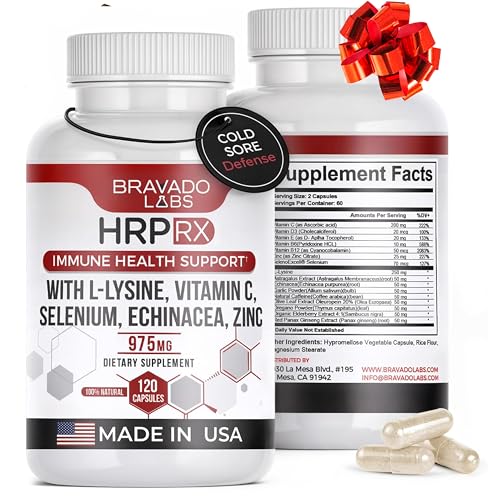
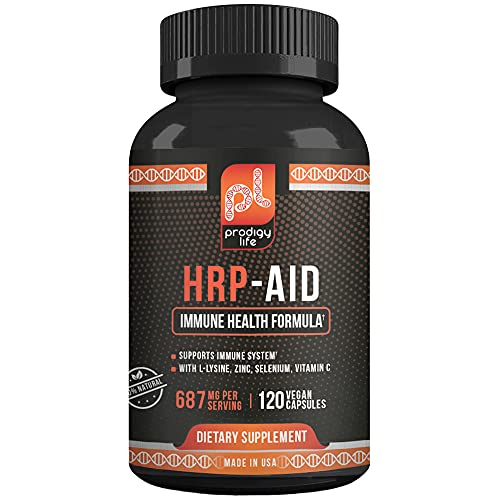
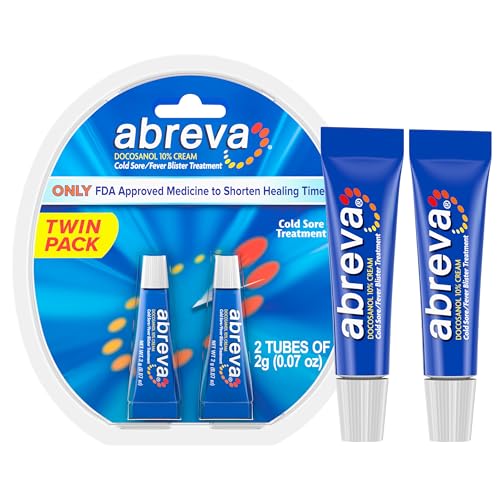
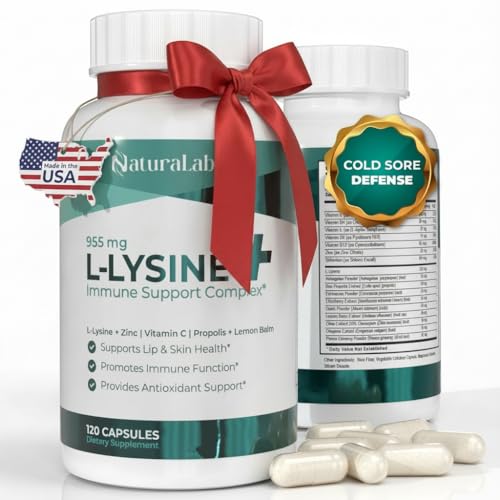
Best-selling Supplements for Cold Sores





Article Sources
At AncientHerbsWisdom, our content relies on reputable sources, including peer-reviewed studies, to substantiate the information presented in our articles. Our primary objective is to ensure our content is thoroughly fact-checked, maintaining a commitment to accuracy, reliability, and trustworthiness.
- Schnitzler, P., Schneider, S., Stintzing, F. C., Carle, R., & Reichling, J. (2008). Efficacy of an aqueous extract of Melissa officinalis against herpes simplex virus type 1 in cell culture. Phytomedicine, 15(9), 734–740. https://doi.org/10.1016/j.phymed.2008.06.003
- Astani, A., Reichling, J., & Schnitzler, P. (2011). Screening for antiviral activities of isolated compounds from essential oils. Evidence-Based Complementary and Alternative Medicine, 2011, 253643. https://doi.org/10.1093/ecam/nep187
- Gaby, A. R. (2006). Natural remedies for herpes simplex. Alternative Medicine Review, 11(2), 93–101. https://altmedrev.com/wp-content/uploads/2019/02/v11-2-93.pdf
- Arora, R., & Kaur, M. (2013). Antiviral potential of medicinal plants: An overview. International Research Journal of Pharmacy, 4(6), 8–16. https://irjponline.com/admin/php/uploads/1863_pdf.pdf
- Paterson, R. R. M. (2006). Ganoderma – A therapeutic fungal biofactory. Phytochemistry, 67(18), 1985–2001. https://doi.org/10.1016/j.phytochem.2006.07.005
- Shikov, A. N., Pozharitskaya, O. N., Makarov, V. G., Wagner, H., & Verpoorte, R. (2014). Medicinal plants of the Russian Pharmacopoeia; their history and applications. Journal of Ethnopharmacology, 154(3), 481–536. https://doi.org/10.1016/j.jep.2014.04.007
- Borchers, A. T., Krishnamurthy, A., Keen, C. L., & Gershwin, M. E. (2008). The immunobiology of Echinacea. International Immunopharmacology, 8(6), 705–718. https://doi.org/10.1016/j.intimp.2008.01.002
- Wölfle, U., Seelinger, G., & Schempp, C. M. (2014). Topical application of St. John’s wort (Hypericum perforatum). Planta Medica, 80(2–3), 109–120. https://doi.org/10.1055/s-0033-1351096
- Cao, S., & Zhang, Y. (2018). Bioactive compounds from Chaga mushroom (Inonotus obliquus) and their potential health benefits. Critical Reviews in Food Science and Nutrition, 58(12), 1949–1961. https://doi.org/10.1080/10408398.2017.1326381
- Wachtel-Galor, S., & Benzie, I. F. F. (2011). Herbal Medicine: Biomolecular and Clinical Aspects. 2nd Edition. CRC Press/Taylor & Francis.

- Zucchini: Hydrating Vegetable for Digestion and Heart - April 6, 2026
- Yams: Energy Rich Root for Fiber - April 6, 2026
- Turnip: Root Vegetable for Digestion and Vitamin C - April 6, 2026