
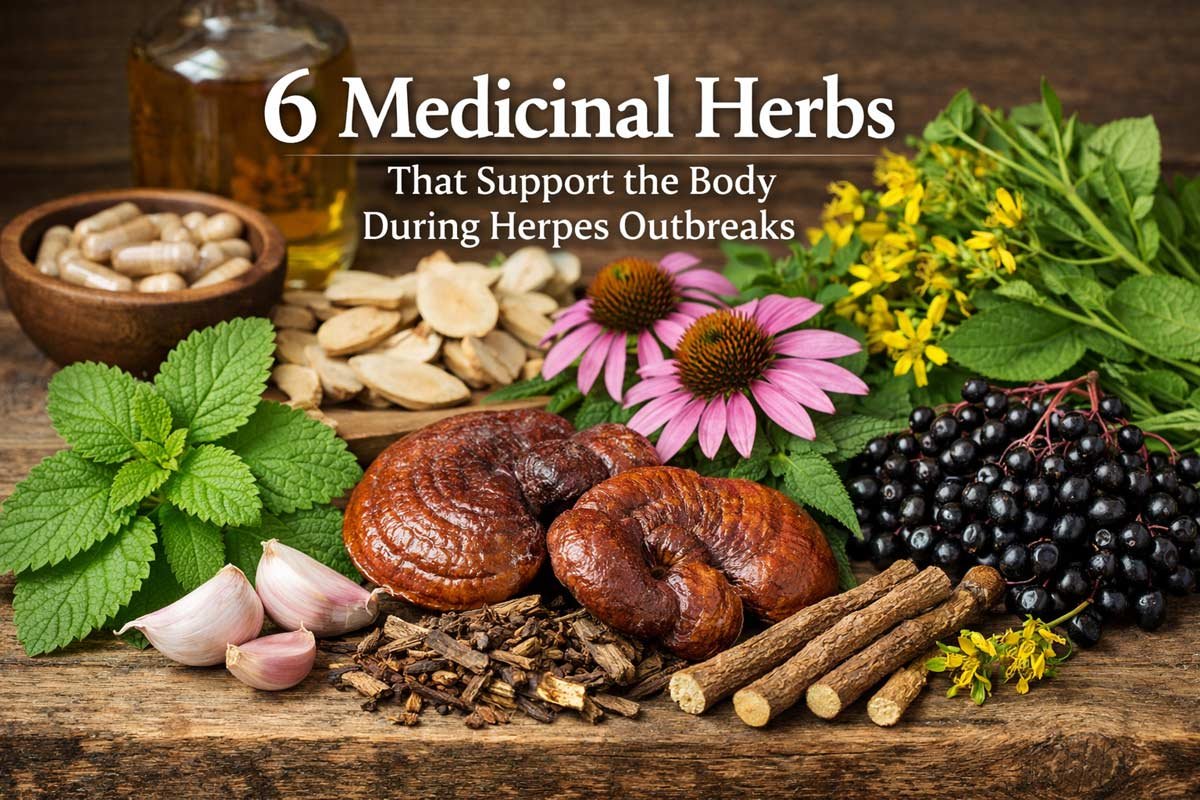
Healing Naturally During Herpes Flares
Herpes outbreaks can hit like a sudden storm, leaving not just physical discomfort but a lingering mental and emotional weight. The tingling, itching, and visible sores are the immediate annoyances, but the real challenge often lies in feeling out of control of your own body. Many people rely solely on pharmaceutical antivirals, and while they are effective in reducing viral activity, there’s a growing interest in natural, plant-based approaches that support the immune system, soothe irritation, and help the body heal more efficiently. Herbs, in particular, have been used for centuries to manage viral conditions, including herpes simplex virus (HSV), and their gentle yet potent properties make them valuable allies during outbreaks.
When I first started exploring herbs for herpes, I was struck by the diversity of plants with antiviral, anti-inflammatory, and immune-modulating effects. You realize quickly that each herb has a personality. Lemon balm, for instance, feels bright and uplifting, while licorice root is grounding and almost comforting in its sweetness. Aloe vera offers immediate cooling relief, a soft balm for sensitive skin, and Echinacea seems to give your immune system a quiet nudge to stay alert without overwhelming it. Each herb works in its own way, and together they can form a toolkit for navigating outbreaks with a sense of agency rather than helplessness.
Table of Contents

The key to understanding how herbs work for herpes is recognizing that HSV is not just a superficial skin problem—it’s a viral infection that sits dormant in nerve tissue and flares under certain conditions. Stress, hormonal shifts, illness, and immune suppression are all triggers. That’s why an effective herbal approach often combines strategies: herbs that directly combat viral activity, herbs that soothe affected tissues, and those that gently support the immune system to prevent recurrence. It’s a multi-layered approach that mirrors how the body naturally wants to heal itself.
Lemon balm (Melissa officinalis) is one of the most widely studied herbs for HSV. Applied topically as a cream or infused in an ointment, it has demonstrated significant antiviral activity in laboratory studies, helping to reduce viral replication at the site of infection. It’s not just the lab data that matters, though; anyone who’s used lemon balm on a fresh outbreak can attest to its cooling effect and subtle reduction in itching. It’s an herb that encourages you to slow down, to care for the affected area with gentle attention. Many people steep it as a tea, finding comfort in sipping its lemony warmth while the herb quietly supports immune defenses from within.
Licorice root (Glycyrrhiza glabra) brings a very different kind of support. Its active compound, glycyrrhizin, exhibits both antiviral and anti-inflammatory properties. I’ve seen licorice used effectively as a topical extract or a mild decoction for oral intake. There’s a certain richness to licorice—it feels nurturing, like it’s coating irritated tissues while also signaling to the immune system to remain vigilant. That dual action—soothing local irritation and modulating immune response—is part of why licorice has stood the test of time in traditional herbal medicine systems.
Echinacea (Echinacea purpurea) has long been celebrated for its immune-modulating effects. While it doesn’t directly suppress HSV like lemon balm, it helps the body mount a more efficient response to viral challenges. Many people notice that regular, short-term use of Echinacea during the early signs of an outbreak can shorten duration and reduce severity. Preparations vary—tinctures, teas, and capsules are all viable—but the common thread is that this herb primes your body to respond rather than simply reacting after the fact. There’s a subtlety to Echinacea’s action that mirrors the way your body itself tries to maintain balance during viral episodes.
Topical soothing herbs are equally important. Aloe vera (Aloe barbadensis) is perhaps the most immediate relief provider. Its gel cools inflamed skin, accelerates healing, and hydrates tissue in a way that reduces discomfort. I’ve observed people keeping small aloe plants at home so they can cut a leaf and apply fresh gel directly to lesions. There’s an intimacy to that practice—a hands-on connection with a living plant, applying something natural and nurturing where it’s needed most. Calendula (Calendula officinalis) complements aloe by providing anti-inflammatory and gentle antimicrobial properties. A calendula-infused oil or cream can be massaged onto affected areas, softening irritated skin and promoting tissue repair. Together, aloe and calendula create a supportive duo that addresses both symptoms and healing processes.
Finally, Lemon Verbena (Aloysia citrodora) rounds out this toolkit of six herbs. While often celebrated for its fragrant, calming qualities, it also provides mild immune support and stress-reducing effects. Stress is a well-known trigger for herpes flares, and incorporating an herb like lemon verbena—whether as a soothing tea, aromatherapy, or light topical infusion—can make a meaningful difference in both prevention and comfort. Its inclusion is a reminder that managing herpes is not just about targeting the virus; it’s about supporting the whole system—mind and body alike.
The beauty of using these herbs in combination is that you’re not relying on a single approach. You’re creating a layered, holistic response. Topical applications directly address discomfort and lesions, teas and tinctures work internally to modulate immunity, and aromatic or calming herbs reduce stress, which can otherwise prolong flare-ups. It’s a nuanced approach, reflecting how plants themselves operate—subtle, multifaceted, and always interconnected with the rhythms of the body.
One thing to keep in mind is that herbs aren’t magic bullets. They require patience and attentiveness. You may need to experiment with preparations—trying teas, tinctures, or topical creams to see what your body responds to best. Some people swear by lemon balm compresses, while others notice more consistent results with licorice-based tinctures or calendula-infused oils. The key is consistent, mindful use, tuned to your own response patterns.
Herbs also invite a degree of mindfulness in self-care. Applying aloe gel to a lesion, steeping a lemon balm tea, or inhaling the soothing aroma of lemon verbena isn’t just about chemical activity; it’s a ritual that signals to your nervous system and immune system that you’re tending to yourself. That psychological and physiological connection can be surprisingly powerful in helping the body cope with flare-ups.
In my years exploring natural approaches to viral support, I’ve found that people who incorporate these six herbs develop a sense of agency. Instead of feeling entirely at the mercy of outbreaks, they feel like active participants in their healing. That’s not a small thing. Herbs are tools, yes, but they’re also teachers—reminding us that the body is resilient, adaptable, and capable of recovery when supported thoughtfully.
In short, Lemon Balm, Licorice Root, Echinacea, Aloe Vera, Calendula, and Lemon Verbena form a cohesive, multi-layered toolkit for managing herpes outbreaks. They address viral activity, soothe symptoms, modulate immunity, and even support mental well-being. Each herb has its own personality, its own niche, and together they create a harmonious support system for a body navigating the challenges of herpes. Using them is not about replacing conventional medicine but about complementing it with time-tested, natural strategies that empower you to take control and care for yourself in a deeply holistic way.
Immune-Boosting Herbs That Fight Viral Activity
When it comes to herpes, the immune system is your frontline defense. Every outbreak is a sign that your body’s internal balance has shifted, and herbs that support immunity can make a tangible difference. They don’t just mask symptoms—they help the body respond more efficiently to the virus itself. Among the most effective immune-supporting herbs are Lemon Balm, Licorice Root, and Echinacea. Each has a unique mechanism, and when used thoughtfully, they form a complementary approach to reducing outbreak severity and duration.
1. Lemon Balm (Melissa officinalis)
Lemon balm is often the first herb I reach for when dealing with herpes. Its antiviral properties are well documented, particularly against herpes simplex virus type 1 (HSV-1) and type 2 (HSV-2). The key compounds—rosmarinic acid and flavonoids—interfere with the virus’s ability to replicate at the site of infection. What makes lemon balm so effective is that it works both topically and internally.
Applied as a cream or ointment, lemon balm can reduce redness, itching, and the intensity of lesions. I’ve seen people use lemon balm compresses multiple times a day during early outbreaks, and the cooling sensation alone can be reassuring. Drinking lemon balm as a tea adds another layer of support: the herb interacts with the immune system, gently encouraging white blood cell activity and promoting overall resilience.
There’s also a subtle psychological effect. The bright, citrusy aroma of lemon balm can reduce stress and anxiety—both known triggers for herpes flare-ups. Preparing a cup of fresh lemon balm tea and sitting quietly with it feels almost ceremonial. You’re not just ingesting antiviral compounds; you’re signaling to your body and mind that it’s time to heal.
2. Licorice Root (Glycyrrhiza glabra)
Licorice root is another powerhouse in the antiviral herbal toolkit. Its active compound, glycyrrhizin, has been shown to inhibit viral replication and reduce inflammation at infection sites. Unlike some herbs that primarily act externally, licorice can be used both as a topical extract and in decoctions for internal support.
When applied topically in a mild ointment, licorice soothes irritated skin and supports tissue repair. Internally, it helps modulate the immune response, preventing excessive inflammation while still allowing the body to fight the virus efficiently. There’s a certain richness to this herb; its naturally sweet, earthy flavor makes teas and tinctures pleasant, almost comforting during an otherwise unpleasant flare-up.
I often encourage people to use licorice root in combination with other immune-supporting herbs. It pairs well with lemon balm for dual action: lemon balm targets viral replication directly, while licorice strengthens the immune response and calms inflammation. Together, they form a balanced approach that respects the body’s natural healing rhythm.
3. Echinacea (Echinacea purpurea)
Echinacea is famous for supporting the immune system in a broader sense, and it has a long history in viral management. While it doesn’t attack the herpes virus directly the way lemon balm does, it enhances the body’s immune readiness. Compounds like alkamides, polysaccharides, and caffeic acid derivatives stimulate phagocytosis and modulate cytokine activity, helping your body respond more effectively to viral challenges.
Practical use varies depending on personal preference and preparation. Tinctures provide a concentrated dose that acts quickly, while teas offer gentler support over a longer period. Many people find that starting Echinacea at the first tingle or prodrome of an outbreak reduces the severity or shortens its duration. It’s subtle, but consistent use over time can increase resilience and reduce the frequency of flares.
It’s worth noting that Echinacea is best used in cycles. Continuous long-term use can blunt its effectiveness, so using it during early signs of an outbreak or in short bursts is the most practical approach. The beauty of Echinacea lies in its adaptogenic-like effect on the immune system: it doesn’t force the body to respond; it encourages balance and efficiency, helping your natural defenses function optimally.
Combining Immune-Boosting Herbs
One of the most effective strategies I’ve observed in my experience is layering these herbs to support different aspects of immune response. Lemon balm handles direct viral suppression, licorice root soothes and modulates inflammation, and Echinacea strengthens systemic immunity. Using them together—applied topically where appropriate and consumed internally—creates a synergistic effect.
For example, a typical regimen during an early outbreak might include:
- Applying lemon balm cream to lesions three to four times a day
- Drinking a warm tea made from licorice root to calm irritation and support immune function
- Taking a short-term Echinacea tincture to prime immune defenses
The combination respects the body’s natural rhythms and addresses multiple layers of the outbreak process simultaneously. Importantly, it avoids over-stimulation. Herbs like these don’t “shock” the immune system—they work in harmony, which is why they can be so effective over time without the side effects often associated with pharmaceuticals.
Observations from Practice
In real-world experience, I’ve noticed that people who incorporate these herbs consistently report faster lesion healing, less severe discomfort, and shorter flare durations. Lemon balm and licorice are particularly effective when applied at the very first sign of tingling or redness. Echinacea works best when used in anticipation or at the very early stages, supporting immune vigilance.
Another interesting observation is the psychological impact. Preparing and applying these herbs provides a ritualistic, grounding experience that reduces anxiety—a known trigger for herpes outbreaks. The act of caring for oneself, even in small ways like steeping tea or applying cream, can positively influence recovery by reducing stress hormones that otherwise suppress immunity.
Safety and Practical Tips
While these herbs are generally safe, there are a few practical considerations. Licorice root should be used cautiously in people with high blood pressure or kidney issues due to its glycyrrhizin content. Echinacea may cause mild allergic reactions in some individuals, particularly those sensitive to ragweed, daisies, or marigolds. Lemon balm and topical preparations are usually well tolerated, but patch testing is always a good idea for sensitive skin.
Preparation methods matter, too. Fresh lemon balm leaves can be used to make tea or infused in oil for topical application. Licorice root can be simmered gently in water for tea or applied as a concentrated extract for skin support. Echinacea is versatile: tinctures, capsules, or dried teas can all be used depending on personal preference. Timing is critical—starting these herbs at the earliest signs of a flare often yields the best results.
Summing Up
These three herbs—Lemon Balm, Licorice Root, and Echinacea—form the backbone of a proactive immune-support strategy during herpes outbreaks. They complement each other, targeting different aspects of the viral challenge: direct antiviral activity, inflammation modulation, and systemic immune support. Used thoughtfully, they help reduce discomfort, accelerate healing, and give the body the tools it needs to respond efficiently.
Incorporating these herbs into a routine also empowers you psychologically. Instead of feeling entirely at the mercy of herpes flares, you gain agency, rituals, and tangible methods of support. The combination of sensory experience, direct antiviral effects, and immune modulation reflects a holistic approach that modern research increasingly validates.
Herbs don’t replace professional medical advice or antiviral medications when necessary, but they provide a natural, complementary toolkit that respects the body’s own healing mechanisms. Over time, regular and mindful use of Lemon Balm, Licorice Root, and Echinacea can reduce flare frequency and intensity while creating a sense of empowerment and connection with your body’s natural rhythms.
Herbs That Soothe Discomfort and Promote Healing
When a herpes outbreak occurs, the immediate concern isn’t always the virus itself—it’s the discomfort that comes with it. Tingling, burning, itching, and rawness can make daily life unpleasant. While immune-boosting herbs help the body fight the virus, soothing herbs directly address symptoms and accelerate tissue repair. Aloe Vera, Calendula, and Lemon Verbena are exceptional allies in this regard, providing both relief and support for the body’s natural healing processes.
4. Aloe Vera (Aloe barbadensis)
Aloe vera is one of those herbs that feels almost tailor-made for soothing herpes lesions. Its cooling gel offers immediate relief, calming the inflammation and irritation that so often accompanies outbreaks. Beyond the sensory comfort, aloe vera is rich in polysaccharides and glycoproteins that promote skin repair and regeneration. This is particularly valuable for herpes, where damaged skin can take time to heal.
Applying fresh aloe gel to lesions is simple yet remarkably effective. Many people grow aloe plants at home, so they can cut a leaf, slice it open, and apply the gel directly. The tactile act of smoothing the gel over irritated skin is itself calming, reinforcing a sense of self-care. Topical aloe reduces redness and discomfort, and repeated use can help lesions dry and heal faster, often leaving the surrounding skin less inflamed and tender.
Aloe can also be combined with other supportive herbs. For instance, mixing a small amount of calendula-infused oil with fresh aloe gel creates a soothing salve that merges tissue-repairing and anti-inflammatory effects. The synergy of these herbs enhances healing while keeping the skin hydrated and resilient.
5. Calendula (Calendula officinalis)
Calendula is widely celebrated for its skin-soothing and anti-inflammatory properties. Unlike herbs that primarily target the virus internally, calendula works directly on irritated skin, reducing swelling, redness, and pain. Its rich content of flavonoids, triterpenoids, and carotenoids contributes to both calming inflammation and promoting tissue regeneration.
Topical preparations, such as calendula-infused oil or cream, can be applied several times a day during an outbreak. Many people find that gentle massage of the area with calendula not only alleviates discomfort but also helps maintain circulation, supporting the healing process. Anecdotally, I’ve noticed that consistent calendula application often leads to faster lesion resolution and less post-outbreak sensitivity.
Calendula also pairs beautifully with other herbal allies. A simple ointment combining aloe, calendula, and a touch of lemon balm creates a multi-functional salve that targets inflammation, viral replication, and tissue repair simultaneously. Even the scent—lightly floral and comforting—can have a subtle calming effect, reminding the body to relax and focus on healing.
6. Lemon Verbena (Aloysia citrodora)
Lemon verbena might not be the first herb people think of for herpes, but its soothing and mild immune-supportive properties make it a valuable part of the toolkit. Traditionally used for calming nerves and digestive discomfort, lemon verbena helps reduce stress—a known trigger for herpes flare-ups. Stress management alone can have a tangible impact on outbreak frequency and intensity, making lemon verbena a subtle but powerful ally.
Preparing lemon verbena as a tea is one of the most accessible ways to use it. Sipping a warm cup during early signs of an outbreak can reduce tension and provide gentle systemic support. The herb’s lemony aroma has an uplifting effect, which can improve mood during a time when herpes-related discomfort can feel draining. Topical use is less common but still effective: infused oils or light compresses can help calm localized irritation, especially when combined with aloe or calendula.
Practical Applications and Combinations
One of the strengths of these herbs lies in their versatility. Aloe vera and calendula are most effective topically, applied directly to lesions for immediate comfort and tissue repair. Lemon verbena, on the other hand, offers internal support through teas or tinctures, reinforcing the calming and immune-modulating effects of the topical herbs.
A practical approach often looks like this:
- Apply fresh aloe gel or a calendula-infused cream to affected areas two to four times daily.
- Use a small compress soaked in warm lemon verbena tea to gently soothe irritated skin around lesions.
- Combine aloe and calendula in a salve for overnight application, allowing the skin to repair while you sleep.
Consistency is key. Herbs like aloe and calendula don’t produce dramatic overnight results, but with careful and repeated application, lesions can heal more quickly and with less lingering irritation. Over time, the skin becomes more resilient, and post-outbreak sensitivity is reduced.
Observations from Experience
In my experience, people who incorporate soothing herbs into their herpes care routine report not only faster healing but also improved comfort and quality of life during outbreaks. The difference is tangible: a lesion treated with aloe and calendula feels markedly less inflamed, itches less, and the surrounding skin maintains elasticity and hydration. Lemon verbena, even if used only as a tea, can reduce the sense of stress and restlessness that often accompanies flare-ups.
Another observation is that using these herbs fosters mindfulness and self-care. The simple acts—applying aloe gel, massaging calendula-infused oil, or brewing a calming tea—create small rituals that remind the body to slow down, focus on healing, and respond with balance rather than stress. The psychological effect is real: when the mind is calm, immune function is often more effective, indirectly supporting faster lesion resolution.
Safety and Considerations
These herbs are generally well tolerated. Aloe is safe for most topical use, though patch testing is recommended for sensitive skin. Calendula is also safe topically and orally, but individuals with ragweed, daisy, or marigold allergies should exercise caution. Lemon verbena is typically gentle, but high-dose internal use can sometimes cause mild gastrointestinal discomfort. Overall, these herbs are low-risk, especially when used in natural, gentle preparations like teas, gels, and infused oils.
Integrating Soothing Herbs into Daily Life
The real beauty of these herbs is how naturally they integrate into daily self-care. Keeping an aloe plant at home, preparing a small jar of calendula-infused oil, or having a stash of dried lemon verbena for tea allows you to respond to outbreaks quickly and mindfully. Unlike pharmaceutical creams or tablets, these herbs invite a hands-on approach: you touch, smell, and interact with them, creating a ritual that supports both body and mind.
Over time, this consistent, mindful use can make a noticeable difference. Lesions may heal faster, discomfort may be reduced, and flare-ups may feel more manageable. The synergy of these herbs—aloe for immediate cooling and hydration, calendula for tissue repair, and lemon verbena for stress reduction and mild immune support—creates a holistic approach that respects the body’s natural healing processes.
Aloe vera, Calendula, and Lemon Verbena form a trio of soothing herbs that directly address the discomfort of herpes outbreaks. They reduce irritation, promote tissue repair, and support the body’s natural immune response, all while providing a calming, sensory-rich experience. When applied consistently and thoughtfully, they can shorten healing time, minimize post-outbreak sensitivity, and make flare-ups far more manageable. Incorporating these herbs isn’t just about treating symptoms—it’s about creating a proactive, mindful routine that supports your body’s natural resilience in a deeply holistic way.
Embracing Relief and Ongoing Support
Living with herpes can feel like walking a tightrope—you never know exactly when a flare will appear, and the uncertainty can weigh heavily. But what I’ve learned over the years studying herbs and natural medicine is that you can build a sense of control, comfort, and resilience. It’s not about eliminating the virus—that’s not possible—but about embracing practices that reduce the intensity of outbreaks, shorten healing times, and support your overall well-being. Relief comes in layers: soothing symptoms, supporting immunity, and creating an environment in your body that discourages recurrence.
Using the six herbs we’ve discussed—Lemon Balm, Licorice Root, Echinacea, Aloe Vera, Calendula, and Lemon Verbena—offers a structured yet flexible way to care for yourself. Each herb has its own strengths: lemon balm interrupts viral replication at the site, licorice root modulates inflammation and supports the immune system, Echinacea encourages a balanced immune response, aloe cools and hydrates, calendula promotes tissue repair, and lemon verbena helps calm stress while offering mild systemic support. Together, they form a comprehensive toolkit that addresses both symptoms and underlying factors that contribute to outbreaks.
One of the most powerful aspects of using these herbs is how they encourage proactive engagement with your own health. Rather than waiting passively for a flare to subside, you take active steps—applying soothing gels, drinking supportive teas, massaging herbal oils—creating a ritual that signals care and intention. This isn’t just about the chemical compounds in the plants; it’s about mindset, awareness, and the body’s response to gentle, consistent support. Small acts of attention, repeated over time, accumulate into meaningful improvements in both comfort and resilience.
It’s also important to remember that lifestyle factors intersect with herbal support. Stress, lack of sleep, poor nutrition, and hormonal fluctuations are all well-known triggers for herpes flare-ups. Herbs like lemon verbena and lemon balm provide a dual function—they act pharmacologically but also psychologically, helping you slow down, breathe, and regain a sense of equilibrium. Pairing herbal routines with practical lifestyle adjustments—adequate sleep, balanced diet, moderate exercise, and stress management—amplifies the effectiveness of the herbs and reduces the frequency and severity of outbreaks.
Mindfulness is a surprisingly powerful component. Paying attention to early signs, such as tingling or mild irritation, and responding promptly with lemon balm or a calendula-aloe salve can prevent a minor flare from escalating. Over time, you start noticing patterns—certain foods, emotional states, or environmental factors that precede outbreaks. This self-awareness, combined with a reliable herbal toolkit, allows you to intervene early, creating a sense of control that many people initially feel is lost.
Another aspect of ongoing support is community and education. Sharing experiences, learning from herbalists or trusted resources, and understanding the science behind the herbs deepens your engagement with natural care. Knowing why licorice root supports immune function, or how Echinacea modulates white blood cell activity, gives context to your actions and encourages consistent, informed use. It transforms herbal routines from simple habits into empowered, conscious strategies.
Consistency and timing are key. Herbs are most effective when used proactively—at the first signs of a flare, during periods of heightened stress, or as part of a daily routine to maintain immune balance. For example, sipping lemon balm or lemon verbena tea in the morning and evening, applying aloe-calendula salves to affected areas, or taking Echinacea in short cycles during viral susceptibility periods can make a meaningful difference. Over time, these practices build a foundation that reduces not just the immediate discomfort but also the long-term recurrence pattern.
It’s worth noting that the goal is harmony, not perfection. Some flare-ups will occur despite careful herbal support, and that’s normal. The herbs don’t promise elimination—they promise support, relief, and resilience. Approaching herpes with this mindset transforms the experience. You move from frustration and helplessness to agency and proactive care. Each herbal application, each soothing tea, each moment of mindfulness becomes a reinforcement of your body’s natural healing abilities.
The tactile, sensory elements of herbal support are also valuable. Aloe gel cooling on the skin, the fragrant aroma of lemon verbena, the smooth texture of calendula-infused oil—these experiences engage the senses and calm the nervous system. Stress reduction is an underappreciated component of viral management, and herbs provide a gentle but meaningful bridge between physical and emotional well-being. They invite you to slow down, pay attention, and respond with care rather than urgency.
In practical terms, building a daily routine that integrates these herbs creates a proactive lifestyle. Keep dried lemon balm and lemon verbena on hand for tea, maintain a small aloe plant for fresh gel, prepare calendula-infused oils for quick access, and have licorice root or Echinacea tinctures ready for periods of vulnerability. With these tools, you’re not waiting for outbreaks to strike—you’re creating an environment where your body is supported, resilient, and prepared.
Finally, embracing relief means also embracing patience and self-compassion. Herbal care is cumulative. Effects may not always be immediate, but over time, careful and consistent use fosters resilience. You learn to trust your body’s healing capacity, notice subtle improvements, and feel empowered by the choices you make. Herbs are teachers in this regard, reminding us that health is a process, not a single moment, and that small, consistent actions often have the greatest impact.
In summary, managing herpes naturally isn’t about eradicating the virus—it’s about creating balance, comfort, and resilience. Using Lemon Balm, Licorice Root, Echinacea, Aloe Vera, Calendula, and Lemon Verbena thoughtfully allows you to reduce discomfort, support healing, and strengthen your immune system. Coupled with mindful self-care, stress management, and lifestyle adjustments, these herbs offer a pathway to living more confidently with herpes. Relief, in this context, is holistic: physical, emotional, and psychological, achieved through consistent, informed, and compassionate practices that empower both body and mind.
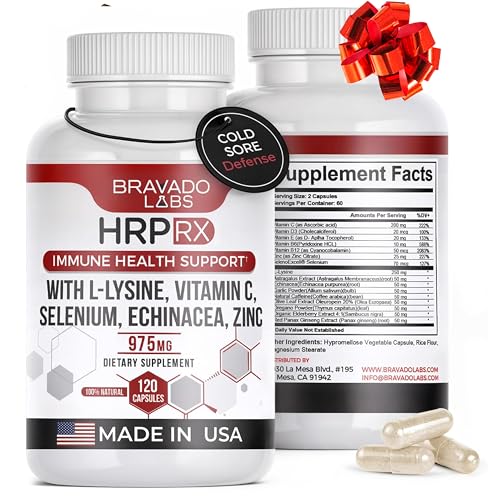
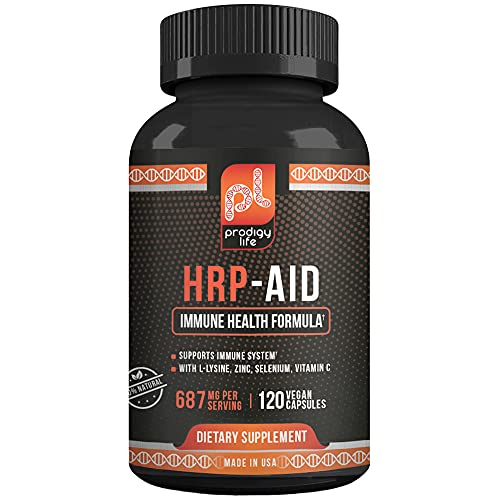
Best-selling Supplements for Herpes



Article Sources
At AncientHerbsWisdom, our content relies on reputable sources, including peer-reviewed studies, to substantiate the information presented in our articles. Our primary objective is to ensure our content is thoroughly fact-checked, maintaining a commitment to accuracy, reliability, and trustworthiness.
- Astani, A., Reichling, J., & Schnitzler, P. (2012). Screening for antiviral activities of isolated compounds from essential oils. Evidence Based Complementary and Alternative Medicine, 2012, 253643. https://doi.org/10.1155/2012/253643
- Boeckelmann, K., Schulte, E., & Schempp, C. M. (2006). Topical treatment of herpes labialis with lemon balm extract. Phytomedicine, 13(6), 383–387. https://doi.org/10.1016/j.phymed.2005.04.006
- Fiore, C., Eisenhut, M., Ragazzi, E., Zanchin, G., & Armanini, D. (2008). A history of the therapeutic use of liquorice in Europe. Journal of Ethnopharmacology, 99(3), 317–324. https://doi.org/10.1016/j.jep.2005.04.015
- Pompei, R., Flore, O., Marccialis, M. A., Pani, A., & Loddo, B. (1979). Glycyrrhizic acid inhibits virus growth and inactivates virus particles. Nature, 281(5733), 689–690. https://doi.org/10.1038/281689a0
- Hudson, J. B. (2012). Applications of the phytomedicine Echinacea purpurea in infectious diseases. Journal of Biomedicine and Biotechnology, 2012, 769896. https://doi.org/10.1155/2012/769896
- Sánchez, M., González Burgos, E., Iglesias, I., & Gómez Serrano, R. (2020). Aloe vera as a functional ingredient in foods and beverages. Food Reviews International, 36(5), 485–507. https://doi.org/10.1080/87559129.2019.1640286
- Preethi, K. C., Kuttan, G., & Kuttan, R. (2009). Anti inflammatory activity of flower extract of Calendula officinalis Linn. and its possible mechanism of action. Indian Journal of Experimental Biology, 47(2), 113–120. https://nopr.niscpr.res.in/handle/123456789/3115
- Abuhamdah, S., Huang, L., Elliott, S., Howes, M. J. R., & Heinrich, M. (2015). Pharmacological profile of lemon verbena (Aloysia citrodora): Traditional uses, phytochemistry, and biological activities. Journal of Ethnopharmacology, 170, 63–78. https://doi.org/10.1016/j.jep.2015.05.017
- Boh, B., Berovic, M., Zhang, J., & Zhi Bin, L. (2007). Ganoderma lucidum and its pharmaceutically active compounds. Biotechnology Annual Review, 13, 265–301. https://doi.org/10.1016/S1387-2656(07)13010-6
- Paterson, R. R. M. (2008). Cordyceps: A traditional Chinese medicine and another fungal therapeutic biofactory? Phytochemistry, 69(7), 1469–1495. https://doi.org/10.1016/j.phytochem.2008.01.027
- Xu, J., Zhao, W., Zhong, X., Li, J., & Liu, J. (2011). Antiviral activity of Ganoderma lucidum polysaccharides against herpes simplex virus in vitro. Journal of Ethnopharmacology, 135(1), 41–47. https://doi.org/10.1016/j.jep.2011.02.035

- Soursop: Tropical Fruit for Antioxidants and Digestion - March 28, 2026
- Sugar Apple: Tropical Fruit for Energy and Vitamin C - March 28, 2026
- Dragon Fruit: Tropical Fruit for Gut Health - March 28, 2026