
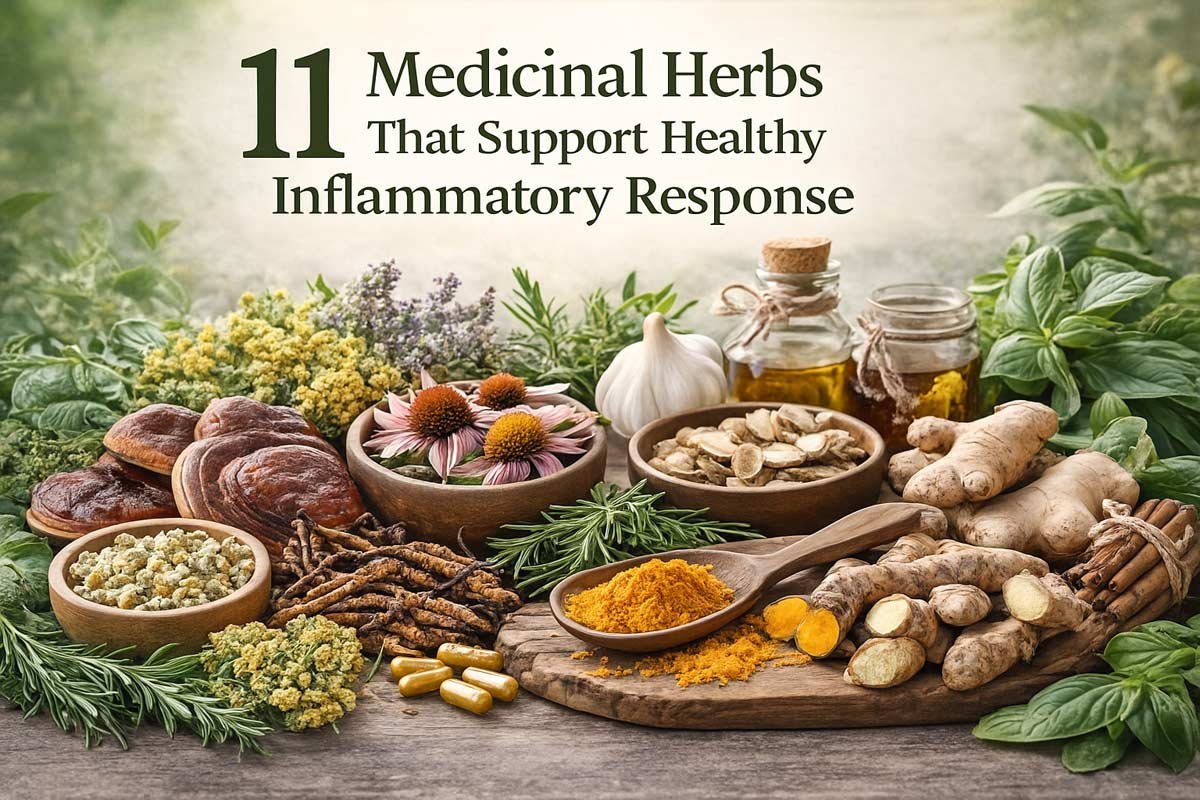
Understanding the Inflammatory Response and Herbal Support
Inflammation gets a bad reputation, and honestly, it doesn’t deserve all of it. Without an inflammatory response, you wouldn’t heal from a cut, fight off a cold, or recover from a hard workout. It’s one of the body’s oldest survival tools. The problem starts when that response never really shuts off. It simmers. It lingers. It turns from a short term защит mechanism into a long term stressor that quietly wears things down.
I’ve seen this pattern again and again over the years. Someone comes in talking about stiff joints in the morning, brain fog that won’t lift, digestion that feels off for no obvious reason, skin that’s suddenly reactive to everything. Blood work might look mostly normal. Nothing dramatic. But under the surface, the inflammatory response is stuck in high alert mode. Not raging, just constantly humming.
Table of Contents

From a biological standpoint, the inflammatory response is a cascade. Cells release signaling molecules like cytokines and prostaglandins. Blood vessels dilate. Immune cells move into tissues. All of this is tightly regulated in a healthy system. The issue is regulation. Modern life throws too many signals at once. Chronic psychological stress. Poor sleep. Ultra processed food. Environmental toxins. Repeated infections. Overtraining. Sometimes all of them stacked together. The body adapts the only way it knows how. It keeps the inflammatory machinery switched on.
This is where herbs and mushrooms earn their place. Not as blunt force anti inflammatory agents that shut everything down, but as modulators. That word matters. Traditional herbal medicine never aimed to silence inflammation completely. The goal was balance. A responsive immune system that knew when to act and when to step back.
Long before lab assays and inflammatory markers existed, people paid attention to patterns. Heat in the joints. Swelling. Redness. Pain that worsened with rest or improved with movement. Digestive fire that felt excessive or weak. Different systems used different language, but they were all observing the same thing. An inflammatory response that had lost its rhythm.
What plants and fungi do particularly well is influence signaling pathways gently and persistently. Some compounds reduce excessive cytokine production. Others support antioxidant defenses that calm downstream damage. Some herbs improve stress resilience, which indirectly lowers inflammatory load. Medicinal mushrooms, especially, interact with immune cells in a way that feels almost conversational. They don’t shout. They whisper instructions.
One thing I always emphasize is that inflammation is contextual. Acute inflammation after an injury is not the same as chronic low grade inflammation driven by stress hormones and metabolic dysfunction. Herbs reflect that nuance. Turmeric behaves differently in an overworked athlete than it does in someone sedentary with metabolic inflammation. Reishi feels calming to one person and subtly stimulating to another. These aren’t contradictions. They’re reflections of adaptability.
There’s also a timing element most people overlook. Herbal support for inflammatory response works best when used consistently, not reactively. Waiting until pain flares and then throwing a capsule at it misses the point. In traditional practice, herbs were part of daily life. Teas simmering on the stove. Roots chewed before meals. Mushrooms added to broths. Low dose. Long term. That approach trains the inflammatory response rather than suppressing it.
I remember harvesting wild mushrooms after a long, damp autumn. My hands were stiff from the cold, joints achy in that familiar way that tells you winter’s coming. A simple decoction with bitter roots and a chunk of reishi did more than warm me up. By morning, the stiffness had softened. Not vanished. Softened. That’s the kind of effect herbalists pay attention to. Subtle shifts that accumulate.
Modern research backs much of this traditional intuition. We now know that many herbs influence NF kappa B signaling, COX pathways, and oxidative stress markers tied to inflammatory response. But what science often isolates into single mechanisms, herbal medicine understands as patterns. You’re not just addressing inflammation in the knee or the gut. You’re addressing the terrain that allows inflammation to persist.
Another important point is individuality. There is no universal anti inflammatory herb. Some people run hot. Others cold. Some inflamed states are driven by excess, others by deficiency. An herb that cools and disperses may help one person and drain another. This is why formulas, not single ingredients, dominated traditional practice. Balance within balance.
As we move through the herbs and mushrooms in this article, keep that lens in mind. These aren’t magic bullets. They’re allies. Tools that support a healthy inflammatory response when used with respect, patience, and a bit of listening. If you pay attention, the body usually tells you when something fits.
And maybe that’s the most overlooked part. Herbs don’t just change chemistry. They change awareness. When inflammation quiets even slightly, you notice things again. How food makes you feel. How sleep actually restores you. How stress lands in your body. That feedback loop is where real healing starts.
Foundational Anti Inflammatory Herbs
When it comes to calming inflammation, some herbs are like the old reliable friends you call first. You don’t need fancy rituals or exotic preparations—just consistent use over time, and they do the heavy lifting quietly. These foundational herbs have been tested in kitchens, apothecaries, and labs for centuries. Let’s dive into four of the most influential players.
1. Turmeric (Curcuma longa)
Ah, turmeric. Golden, earthy, slightly bitter, and utterly transformative when used correctly. Most people know it as the spice that gives curry its color, but its real claim to fame is curcumin—the compound that has earned a staggering number of studies in modern anti-inflammatory research. Curcumin acts on multiple pathways, including NF-kB and COX-2, which are central players in inflammation signaling. In simple terms, it gently turns down the volume of the inflammatory conversation without shutting it off completely.
Traditional use is just as fascinating. In Ayurveda, turmeric is considered warming, blood-cleansing, and balancing for the doshas. I’ve seen it help reduce joint stiffness, improve digestion, and even brighten skin in subtle, cumulative ways. One tip from experience: turmeric works best with a bit of fat and black pepper. These enhance absorption and let the body truly make use of the magic happening at a cellular level.
2. Ginger (Zingiber officinale)
Ginger is like turmeric’s lively sibling—spicy, zesty, and full of personality. Its anti-inflammatory properties come from compounds called gingerols and shogaols. These molecules modulate inflammatory signaling in much the same way as turmeric, but with a slightly different emphasis. Where turmeric feels slow and steady, ginger works quickly, especially for digestive inflammation and joint discomfort.
Anecdotally, a warm cup of ginger tea can feel like a reset button for a tense, inflamed gut or an achy morning joint. In traditional Chinese medicine, ginger warms the body and supports the spleen and stomach, which indirectly supports inflammatory balance. Fresh ginger tends to be more potent than dried, so I always encourage keeping a fresh piece in the fridge or growing a small root if you can.
3. Boswellia (Boswellia serrata)
If turmeric and ginger are your kitchen heroes, Boswellia is your behind-the-scenes strategist. Also known as frankincense, Boswellia resin has been used for thousands of years, particularly in Ayurvedic medicine, for joint pain and inflammatory conditions. The active compounds, boswellic acids, inhibit 5-lipoxygenase, a key enzyme in leukotriene production, which is involved in chronic inflammatory responses.
One of the remarkable things about Boswellia is how selective it is—it targets inflammation pathways without the gastrointestinal side effects common to NSAIDs. I often recommend it for anyone with stubborn joint stiffness or mild arthritis flare-ups. The resin can be taken in capsule form, but traditionalists also chew it raw—its aroma is calming and almost resinous-sweet, like walking into a sunlit forest.
4. Willow Bark (Salix alba)
Before aspirin became a household name, willow bark was the go-to for pain and inflammation. It contains salicin, which the body converts to salicylic acid. This compound works to reduce prostaglandins, which are key mediators of inflammation and pain. Unlike synthetic aspirin, willow bark is slower acting and gentler on the stomach, making it suitable for long-term use under guidance.
I like to think of willow bark as a subtle, wise companion. It doesn’t blare its effects. It gently eases discomfort, allowing the body to regain balance on its own terms. Traditionally, it’s been used for headaches, joint pain, and fevers. In my experience, a warm infusion of willow bark, sipped slowly, is both soothing and effective—like a whisper from centuries of herbal knowledge.
These foundational herbs share a common philosophy: support the body’s natural processes instead of overriding them. Each one has a distinct flavor, character, and mechanism of action. When combined thoughtfully, they can create a baseline of anti-inflammatory support that is robust yet flexible, ready to work with your body wherever it’s struggling most.
Adaptogenic and Immune Modulating Plants
Some herbs don’t just calm inflammation directly—they work more like traffic controllers, managing how your body reacts when stress, immune challenges, or daily wear and tear threaten to tip the inflammatory balance. Adaptogens and immune-modulating plants help the body respond appropriately, reducing overreaction without suppressing normal defense. Let’s look at three remarkable examples.
5. Ashwagandha (Withania somnifera)
Ashwagandha is often described as a gentle powerhouse. Its roots and berries have been used in Ayurveda for thousands of years to bolster resilience, reduce stress, and support overall vitality. Modern research shows that ashwagandha can lower markers like C-reactive protein (CRP) and pro-inflammatory cytokines, subtly guiding the inflammatory response back toward equilibrium.
Using ashwagandha is like giving the nervous system a gentle nudge to relax while simultaneously sending calming instructions to immune cells. People often report improvements in sleep, reduced anxiety, and less joint stiffness over weeks of consistent use. I like to prepare it as a warm decoction or mix it into milk with a pinch of cardamom and a little honey—the ritual itself feels grounding, and there’s something to be said for that sensory component in inflammation management.
6. Holy Basil (Ocimum sanctum)
Holy basil, or tulsi, is both a sacred plant and a medicinal wonder. Its anti-inflammatory benefits come from compounds like eugenol, ursolic acid, and various flavonoids, which modulate stress and immune pathways. Unlike more blunt anti-inflammatory herbs, holy basil seems to “teach” the body how to respond appropriately, reducing hyperactive immune reactions that fuel chronic inflammation.
A few leaves steeped in hot water produce a fragrant, slightly peppery tea that’s comforting and clarifying. I’ve noticed that people who incorporate tulsi regularly report fewer flare-ups of skin irritation, smoother digestion, and even improved mood. In the context of inflammatory response, holy basil is like a calm mediator—working behind the scenes, not demanding attention, but ensuring conversations between immune cells stay civil.
7. Licorice Root (Glycyrrhiza glabra)
Licorice root is a complex character. Sweet, warm, and a touch earthy, it has a long history in both European herbalism and Traditional Chinese Medicine. The active compound glycyrrhizin has potent anti-inflammatory properties, modulating cortisol metabolism and affecting immune signaling. Licorice doesn’t just calm inflammation; it supports adrenal function, which is crucial when chronic stress drives low-grade inflammatory activity.
In practical use, licorice root can be brewed as a tea, taken as a tincture, or incorporated into decoctions with other herbs. Its sweetness masks bitterness, which makes it easy to combine with herbs like ashwagandha or holy basil. I often think of licorice as a stabilizer—softening the peaks and troughs of inflammation signals while allowing the immune system to operate with clarity.
These adaptogenic and immune-modulating plants illustrate a subtle yet profound principle: sometimes supporting a healthy inflammatory response isn’t about force—it’s about guidance. They don’t just reduce swelling or redness; they help the body discern when, how, and where to act. Combined thoughtfully with foundational anti-inflammatory herbs, they create a nuanced toolkit, capable of addressing both the symptoms and the underlying triggers of chronic inflammation.
Medicinal Mushrooms and Specialized Botanicals
This is where things get really interesting. Mushrooms are a different breed entirely—they don’t just act on the symptoms or gently nudge the immune system. They communicate with it. They influence signaling, prime defenses, and modulate inflammatory responses in ways that feel almost like a conversation at the cellular level. Add a few specialized botanicals into the mix, and you have a sophisticated team supporting your body’s balance.
8. Reishi Mushroom (Ganoderma lucidum)
Reishi, sometimes called the “mushroom of immortality,” is woody, bitter, and strangely comforting once you acquire the taste. Its triterpenes and polysaccharides are renowned for modulating immune activity and reducing chronic inflammatory markers. Unlike herbs that mainly target inflammation pathways directly, reishi works upstream, balancing immune signals so that the inflammatory response is strong when needed but doesn’t spiral out of control.
Reisi’s flavor is earthy, slightly varnishy, but there’s a smooth richness that feels grounding—almost like a forest in a cup. People often report calmer joints, steadier energy, and a sense of resilience that goes beyond the physical. Reishi isn’t instant gratification; it’s a long-game herb that shapes inflammatory response over time.
9. Chaga Mushroom (Inonotus obliquus)
Chaga looks unassuming—rough, blackened, almost like burnt charcoal—but inside, it’s a treasure trove of antioxidants and beta-glucans that influence inflammation. It’s particularly good at quelling oxidative stress, which often fuels low-grade chronic inflammation. Think of Chaga as a shield, protecting cells while gently guiding the immune system to respond appropriately.
I like to simmer Chaga chunks slowly, sometimes for an hour, to extract its full spectrum of compounds. The resulting brew is deep brown, almost coffee-like, with a subtle sweetness and an earthy aroma that hints at its northern forest origins. Regular sipping can support healthy inflammatory response in a way that feels nourishing rather than medicated—comforting for both body and mind.
10. Lion’s Mane Mushroom (Hericium erinaceus)
Lion’s Mane has a quirky, almost alien appearance—white, fluffy, cascading like icicles or a miniature waterfall—but its effects are surprisingly precise. Its bioactive compounds, including hericenones and erinacines, influence nerve growth factor production and exhibit anti-inflammatory activity, particularly in the brain and nervous system. This makes it ideal for neuroinflammation, cognitive support, and mood stability.
The flavor is mild, slightly seafood-like when cooked, and easy to incorporate into soups or teas. People often notice subtle improvements in mental clarity and reduced brain fog after consistent use. Lion’s Mane feels like a gentle, intelligent moderator—balancing inflammation without ever overwhelming the system.
11. Green Tea (Camellia sinensis)
Green tea might not feel exotic, but its polyphenols, especially epigallocatechin gallate (EGCG), are powerhouse anti-inflammatories. They reduce inflammatory cytokines, protect against oxidative stress, and even help regulate metabolic pathways associated with inflammation. Unlike mushrooms, green tea works fast and subtly, making it an excellent daily ritual for maintaining baseline inflammatory balance.
Steeping a good quality green tea, inhaling its fresh, grassy aroma, and sipping slowly isn’t just a pleasure—it’s a quiet intervention. Over weeks, it supports healthy inflammatory response in tissues ranging from joints to the cardiovascular system, and it does so without harsh side effects.
Combined, these mushrooms and specialized botanicals create a sophisticated toolkit. They influence both immune signaling and oxidative stress, which are central to chronic inflammation. They are nuanced, versatile, and above all, patient. Used consistently, they don’t just manage inflammation—they cultivate resilience, teaching the body how to respond effectively and gracefully.
Final Thoughts on Supporting a Healthy Inflammatory Response
After exploring these eleven remarkable herbs and mushrooms, one thing becomes clear: supporting a healthy inflammatory response is not about quick fixes or extreme measures. It’s a nuanced, layered process—more like tending a garden than flipping a switch. Each plant and fungus we’ve discussed plays a unique role, and together they form a balanced ecosystem of support for the body.
Think about it this way: foundational anti-inflammatory herbs like turmeric, ginger, Boswellia, and willow bark are your steady workhorses. They directly calm overactive pathways, ease discomfort, and provide tangible relief. They’re like the scaffolding you build first when you want to stabilize a structure—the backbone of any anti-inflammatory regimen.
Then there are the adaptogens and immune-modulating plants: ashwagandha, holy basil, and licorice root. They operate on a subtler level, tuning your body’s response to stress, helping your immune system act intelligently, and preventing overreactions that can escalate chronic inflammation. They remind us that inflammation is rarely a standalone problem—it’s deeply connected to stress, hormones, and lifestyle patterns. These herbs don’t just quiet the alarm; they help the body decide when to ring it in the first place.
Finally, the medicinal mushrooms and specialized botanicals—reishi, Chaga, Lion’s Mane, and green tea—bring sophistication to the mix. They modulate immune signaling, protect against oxidative stress, and, in some cases, support neurological and cognitive health. Their effects are slow, profound, and often cumulative. They teach the body how to respond gracefully, reinforcing resilience without aggressive interference.
In practical terms, supporting a healthy inflammatory response is as much art as science. Consistency matters more than intensity. Layering herbs thoughtfully—rather than taking the strongest doses of everything at once—yields results that feel natural and sustainable. Paying attention to how your body responds, adjusting dosages, and varying preparations can make a significant difference. A turmeric latte here, a tulsi tea there, a reishi decoction simmered slowly—all small interventions that add up over time.
It’s also worth noting that lifestyle factors cannot be ignored. Diet, sleep, stress management, and physical activity all influence inflammatory balance. Herbs and mushrooms amplify the benefits of good habits but cannot fully counteract poor ones. They are allies, not substitutes.
Ultimately, this approach is about cultivating awareness and respect for your body’s signals. Chronic inflammation is rarely about a single failing; it’s a conversation among systems, tissues, and cells that has become a little too loud. By using herbs and mushrooms intelligently, you create the environment for that conversation to normalize—gentle, responsive, and balanced.
This is why, when I think of supporting inflammatory response, I rarely imagine a quick fix. I think of a slow, intentional dance: herbs and mushrooms guiding, modulating, and teaching, while you listen, adjust, and nurture. Over time, the body regains a rhythm that is neither under-reactive nor overactive—a state that feels more like wellness and less like a battle.
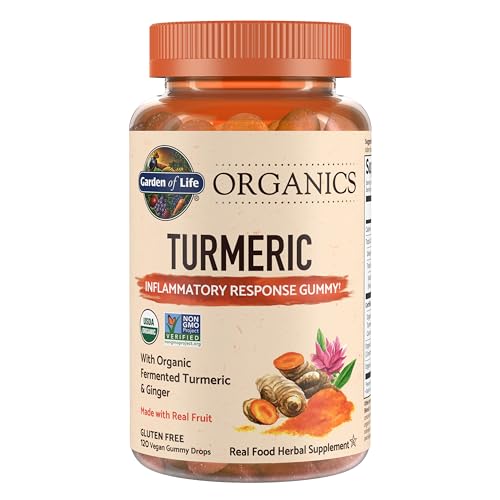
Best Selling Supplements for Inflammatory Response




Article Sources
At AncientHerbsWisdom, our content relies on reputable sources, including peer-reviewed studies, to substantiate the information presented in our articles. Our primary objective is to ensure our content is thoroughly fact-checked, maintaining a commitment to accuracy, reliability, and trustworthiness.
- Aggarwal, B. B., & Harikumar, K. B. (2009). Potential therapeutic effects of curcumin, the anti‑inflammatory agent, against chronic diseases. International Journal of Biochemistry and Cell Biology, 41(1), 40–59. https://www.sciencedirect.com/science/article/pii/S1357272508003388
- Basudkar, V., Gujrati, G., Ajgaonkar, S., Gandhi, M., Mehta, D., & Nair, S. (2024). Emerging vistas for the nutraceutical Withania somnifera in inflammaging. Pharmaceuticals, 17(5), 597. https://doi.org/10.3390/ph17050597
- Calabrese, E. J., et al. (2008). Adaptogens: history and definition. Medical Hypotheses, 71(3), 327–335. https://www.sciencedirect.com/science/article/pii/S0306987708002599
- Gupta, S. C., Sung, B., Kim, J. H., Prasad, S., Li, S., & Aggarwal, B. B. (2021). Experimental and clinical reports on anti‑inflammatory, antioxidant, and immunomodulatory effects of Curcuma longa and curcumin. International Union of Biochemistry and Molecular Biology Review (Abstract summary). https://pubmed.ncbi.nlm.nih.gov/33606322
- National Center for Complementary and Integrative Health. (2023). Herbs and supplements for inflammation. https://www.nccih.nih.gov/health/herbs‑at‑a‑glance
- Ríos, J. L., & Andújar, I. (2016). Anti‑inflammatory and analgesic properties of licorice. Food and Chemical Toxicology, 90, 100–115. https://www.sciencedirect.com/science/article/pii/S0278691516300330
- Systematic review authors. (2013). Plant food supplements with anti‑inflammatory properties: a systematic review (II). Critical Reviews in Food Science and Nutrition. https://www.ncbi.nlm.nih.gov/books/NBK159381
- Zingiber research authors. (2024). Immunomodulatory effects and mechanisms of the extracts and secondary compounds of Zingiber and Alpinia species: a review.PubMed abstract summary.https://pubmed.ncbi.nlm.nih.gov/37533631

- Soursop: Tropical Fruit for Antioxidants and Digestion - March 28, 2026
- Sugar Apple: Tropical Fruit for Energy and Vitamin C - March 28, 2026
- Dragon Fruit: Tropical Fruit for Gut Health - March 28, 2026