

When Collagen Breakdown Becomes a Problem, Not a Process
Collagen breakdown gets a bad reputation. People hear the phrase and immediately picture sagging skin, creaky joints, slow healing, things falling apart before their time. But collagen breakdown itself is not the enemy. It is a normal, necessary biological process. The body is constantly dismantling old, damaged collagen and replacing it with new fibers that actually work. The problem starts when breakdown outpaces repair, or when the signals that regulate the process get distorted.
I like to think of collagen as scaffolding that is always under renovation. Old beams need to come down so stronger ones can go up. When that rhythm is intact, tissues stay resilient. Skin rebounds. Tendons recover. Blood vessels remain flexible. When the rhythm breaks, collagen breakdown becomes excessive, chaotic, and poorly coordinated. That is when degeneration shows up faster than regeneration.
Table of Contents

From an herbal perspective, this distinction matters. The goal is not to block collagen breakdown outright. That usually backfires. The goal is to teach the body when to break down and when to rebuild. Plants and mushrooms have been doing exactly that kind of instruction for a very long time.
Collagen breakdown is driven by a mix of enzymes, inflammatory signals, oxidative stress, hormonal status, mechanical strain, and nutrient availability. Matrix metalloproteinases are often mentioned here, and for good reason. These enzymes cut collagen fibers apart. They are essential for wound healing and tissue remodeling, but they are also activated aggressively by chronic inflammation, UV exposure, smoking, metabolic stress, and unresolved injury. When these signals stay switched on, collagen breakdown becomes chronic rather than cyclical.
What I have seen again and again is that people try to fix this by chasing collagen intake. Powders, drinks, capsules, endless promises. Meanwhile the underlying drivers of collagen breakdown keep chewing through connective tissue faster than any supplement can replace it. Without addressing enzyme regulation, inflammation, and repair signaling, adding more raw material is like pouring water into a cracked vessel.
Herbal medicine approaches collagen breakdown from a different angle. Instead of forcing production, it works upstream. It cools excessive inflammatory heat. It buffers oxidative stress that damages collagen fibers before they even mature. It provides micronutrients and phytochemicals that enzymes require to build stable collagen, not brittle strands that snap under pressure. It also supports circulation and lymphatic movement so breakdown products are cleared efficiently rather than recycled into dysfunction.
Another piece that often gets overlooked is that collagen breakdown increases with psychological and physiological stress. Cortisol is catabolic by nature. It breaks tissue down to liberate fuel. Short bursts are adaptive. Chronic elevation quietly eats away at connective tissue. This is why people under long term stress often notice thinning skin, joint instability, slower recovery, and stubborn injuries. Adaptogenic herbs and medicinal mushrooms matter here not because they contain collagen, but because they shift the internal environment that determines how aggressively tissue is dismantled.
Age plays a role too, but not in the simplistic way it is often framed. Collagen breakdown does not suddenly accelerate because of a birthday. It accelerates because repair signaling weakens, nutrient absorption declines, inflammation creeps upward, and circulation becomes less efficient. Herbs that support digestion, liver clearance, and microcirculation indirectly slow collagen breakdown by improving the body’s ability to maintain balance.
Skin gets most of the attention in collagen conversations, but it is only one expression of a system wide process. Tendons, ligaments, cartilage, fascia, blood vessels, gut lining, even the cornea rely on healthy collagen turnover. Excessive collagen breakdown in one area usually means the same imbalance exists elsewhere. That is why joint pain, skin changes, and gut permeability often travel together. The connective tissue network is continuous.
This is also why single target thinking fails. Blocking one enzyme or megadosing one antioxidant rarely restores healthy collagen dynamics. The body does not operate that way. Plants rarely do either. Most medicinal herbs influence multiple pathways gently and simultaneously. That is their strength.
Take inflammation, for example. Inflammatory cytokines stimulate collagen degrading enzymes, but inflammation itself is influenced by blood sugar regulation, gut integrity, fatty acid balance, sleep quality, and micronutrient status. Herbs that calm inflammation often also support digestion, liver metabolism, and vascular tone. That layered action is exactly what collagen breakdown regulation requires.
There is also timing to consider. Collagen breakdown increases during fasting, intense exercise, illness, and acute stress. That is not pathological. It is adaptive. Problems arise when recovery is incomplete. Traditional herbal systems paid close attention to this rhythm. Tonics were not used continuously. They were rotated, adjusted seasonally, or paired with lifestyle changes that signaled safety and repair.
In modern life, those repair signals are often missing. People train hard, work late, sleep poorly, eat quickly, and live in a state of low grade alarm. Collagen breakdown never fully switches off. Over time, tissues thin, lose elasticity, and become injury prone. Herbs and mushrooms cannot override a lifestyle that constantly demands breakdown, but they can shift the baseline enough to restore some balance.
Another underappreciated factor is circulation. Collagen breakdown products need to be removed efficiently. Poor blood flow and lymphatic stagnation allow degraded collagen fragments to accumulate, perpetuating inflammation and impairing repair. This is why traditional formulas for joint health often include circulatory herbs even when pain is the main complaint. Movement of fluids equals movement of information.
Nutrition matters, but not just protein. Collagen synthesis depends on vitamin C, copper, zinc, silica, glycine availability, and proper enzymatic function. Deficiencies quietly impair repair while breakdown continues as usual. Mineral rich herbs have historically filled these gaps, especially in populations without constant access to diverse foods.
It is also worth mentioning that not all collagen breakdown is visible. Micro damage accumulates long before symptoms appear. By the time skin creases deepen or joints protest loudly, imbalance has been present for years. Herbs shine in this preventative space. They are slow, yes, but they are also patient. Used consistently, they nudge the system back toward equilibrium before collapse becomes obvious.
When people ask whether herbs can reverse collagen loss, I usually pause. Reverse is the wrong word. What they can do is restore the conditions that allow the body to repair itself at a pace that matches breakdown. When that happens, tissues feel younger not because time has been erased, but because the cycle is working again.
Throughout this article, collagen breakdown will be treated as a process to be guided, not suppressed. Some herbs calm destructive enzymes. Others supply building blocks and cofactors. Others improve stress resilience so the body feels safe enough to rebuild. Medicinal mushrooms add another layer by modulating immune activity and cellular communication in ways herbs alone cannot.
If there is one idea to hold onto, it is this. Healthy collagen is not about forcing growth. It is about balance. Breakdown and repair must stay in conversation with each other. Plants and fungi have always been skilled translators in that dialogue.
Herbs That Regulate Enzymes and Inflammatory Collagen Breakdown
Collagen breakdown is largely influenced by enzymes like matrix metalloproteinases and inflammatory mediators. When these systems go into overdrive, connective tissue deteriorates faster than it can repair. Certain herbs have a remarkable ability to modulate these pathways gently yet effectively. They don’t stop breakdown entirely, but they recalibrate it, reduce unnecessary enzyme activity, and dampen oxidative stress that would otherwise accelerate collagen degradation. Let’s explore four herbs that stand out in this category.
1. Gotu Kola (Centella asiatica)
Gotu Kola has a long history in traditional medicine as a healer of wounds and promoter of skin and connective tissue integrity. The plant contains triterpenoid saponins that have been shown to support collagen synthesis while regulating enzymes responsible for collagen degradation. Research indicates that these compounds can influence matrix metalloproteinase activity, helping prevent excessive breakdown while maintaining normal tissue remodeling.
Beyond enzyme regulation, Gotu Kola is rich in antioxidants that neutralize free radicals, reducing oxidative stress on collagen fibers. Regular use, whether as a tincture or infused tea, has been associated anecdotally with firmer skin, improved wound healing, and greater tissue resilience. It seems to guide the body’s repair processes, allowing collagen breakdown to proceed in a controlled, productive way rather than spiraling into unnecessary tissue loss.
2. Turmeric (Curcuma longa)
Turmeric is often praised for its anti-inflammatory properties, and its effects extend directly to connective tissue. The active compound, curcumin, inhibits several inflammatory signaling pathways that would otherwise stimulate collagen-degrading enzymes. By downregulating nuclear factor kappa B (NF-κB) and other pro-inflammatory mediators, turmeric helps create a tissue environment where repair can outpace damage.
Oxidative stress is a major trigger for collagen breakdown, and turmeric’s antioxidant properties neutralize free radicals before they can damage fibers. In addition, curcumin has been shown to modulate MMP activity, particularly in skin and joint tissue. Traditional herbalists often combine turmeric with black pepper or healthy fats to enhance absorption, ensuring the body receives enough of the active compounds to impact collagen dynamics meaningfully.
3. Green Tea (Camellia sinensis)
Green Tea is a potent polyphenol powerhouse, with epigallocatechin gallate (EGCG) being its most studied compound. EGCG has demonstrated the ability to inhibit the overactivity of matrix metalloproteinases, especially in connective tissues exposed to UV or inflammatory stress. This is critical because excessive enzyme activity is one of the primary drivers of collagen breakdown, particularly in the skin.
Regular consumption of green tea, either as a beverage or standardized extract, also provides antioxidant protection, buffering tissues against oxidative degradation. Interestingly, green tea appears to improve tissue repair indirectly by modulating inflammatory cytokines, creating a more favorable balance between collagen breakdown and synthesis. This makes it a subtle yet powerful ally in maintaining connective tissue resilience over time.
4. Boswellia (Boswellia serrata)
Boswellia, often referred to as frankincense, has a centuries-long history of supporting joint health and tissue integrity. Its active boswellic acids inhibit pro-inflammatory enzymes such as 5-lipoxygenase, which are often implicated in chronic inflammation and associated collagen breakdown. By tempering inflammatory signaling, Boswellia allows collagen-degrading enzymes to operate within normal bounds rather than in a chronic, destructive state.
Clinical studies have shown improvements in joint mobility and reductions in pain with Boswellia supplementation, likely reflecting reduced tissue degradation and better collagen balance. Its anti-inflammatory action is complemented by antioxidant properties, which together protect collagen fibers from enzymatic and oxidative damage. Taken regularly, Boswellia supports tissue longevity by addressing the root biochemical triggers of excessive collagen breakdown rather than simply masking symptoms.
These four herbs—Gotu Kola, Turmeric, Green Tea, and Boswellia—illustrate the principle that regulating collagen breakdown is not about halting it but guiding it. They influence enzymatic activity, modulate inflammatory signals, and reduce oxidative stress, creating a systemic environment where connective tissue can be repaired efficiently. Their effects are synergistic when combined with nutrient support and lifestyle practices, forming a foundational layer for maintaining tissue integrity, elasticity, and long-term resilience.
The common thread is subtlety and balance. Each herb encourages the body to perform its natural remodeling rhythm without forcing unnatural suppression of breakdown. This approach maintains healthy collagen turnover and protects against premature tissue degeneration, whether in skin, joints, or other connective tissues.
Nutrient Dense Herbs That Support Collagen Repair and Synthesis
While regulating collagen breakdown is crucial, repair and synthesis require specific nutrients and cofactors. Collagen is not built from nothing. Amino acids like glycine and proline, minerals such as silica, copper, and zinc, and vitamin C as an enzymatic cofactor are all essential. Certain herbs naturally supply these building blocks or enhance their bioavailability, making them powerful allies for connective tissue health. Unlike synthetic supplements that focus on isolated compounds, these herbs provide a complex matrix of nutrients, antioxidants, and phytochemicals that support collagen production in a balanced, synergistic way.
5. Horsetail (Equisetum arvense)
Horsetail is one of the richest natural sources of silica, a mineral critical for collagen cross-linking and connective tissue strength. Silica contributes to the structural integrity of skin, hair, nails, and tendons, making it a cornerstone for effective collagen repair. Beyond silica, horsetail contains flavonoids and phenolic acids that act as antioxidants, protecting newly synthesized collagen fibers from oxidative damage.
Traditionally, horsetail infusions or tinctures have been used for brittle bones, slow-healing wounds, and weak connective tissues. Modern studies support these uses, showing improvements in skin elasticity and bone mineral density with regular consumption. Horsetail not only supplies raw materials for collagen synthesis but also enhances tissue resilience, ensuring the repaired collagen is robust rather than fragile.
6. Rosehip (Rosa canina)
Rosehip is renowned for its vitamin C content, which is indispensable for collagen synthesis. Vitamin C acts as a cofactor for prolyl and lysyl hydroxylase, the enzymes responsible for stabilizing and cross-linking collagen fibers. Without sufficient vitamin C, collagen produced by the body is weak and prone to breakdown, no matter how well other nutrients are supplied.
In addition to vitamin C, rosehip provides polyphenols and carotenoids that offer antioxidant protection, reducing oxidative stress that can accelerate collagen degradation. Traditional medicine uses rosehip for wound healing, joint support, and skin health, aligning closely with modern biochemical understanding. Regular intake can support tissue repair processes and ensure collagen synthesis proceeds efficiently following breakdown.
7. Nettle Leaf (Urtica dioica)
Nettle leaf is a mineral powerhouse, supplying iron, calcium, magnesium, and silica, all of which are vital for tissue repair. It also contains chlorophyll, flavonoids, and other phytochemicals that provide antioxidant and anti-inflammatory support, indirectly preserving newly synthesized collagen from premature degradation.
Beyond its nutrient profile, nettle supports kidney and liver function, which can improve nutrient assimilation and systemic detoxification. Efficient clearance of metabolic byproducts prevents excessive inflammation that would otherwise interfere with collagen repair. In practice, herbalists have used nettle to strengthen joints, tendons, and skin, often in combination with other nutrient-rich herbs to create a supportive environment for collagen rebuilding.
8. Schisandra (Schisandra chinensis)
Schisandra is an adaptogenic herb that contributes indirectly to collagen repair by modulating stress and supporting liver function, both critical for efficient tissue rebuilding. Chronic stress elevates cortisol, a hormone that promotes tissue catabolism and accelerates collagen breakdown. Schisandra helps normalize this stress response, creating conditions in which collagen synthesis can catch up to breakdown.
Additionally, Schisandra contains lignans and antioxidants that reduce oxidative stress, protecting collagen from damage during the repair process. Traditional use emphasizes its role in vitality and longevity, with modern research confirming effects on cellular resilience and liver-mediated detoxification. By supporting internal balance, Schisandra allows the body to allocate resources to tissue repair rather than being trapped in catabolic stress cycles.
These nutrient-dense herbs collectively provide raw materials, cofactors, and systemic support essential for collagen repair. Horsetail supplies silica for structural strength, rosehip delivers vitamin C for enzymatic cross-linking, nettle provides minerals and antioxidants to protect newly formed fibers, and Schisandra ensures a physiological environment conducive to rebuilding. Using them together or in rotation allows the body to repair connective tissue efficiently, restoring balance between collagen breakdown and synthesis in a holistic, sustainable way.
The key insight is that collagen repair is more than a single nutrient or isolated pathway. It is a symphony of minerals, vitamins, antioxidants, and systemic support. These herbs orchestrate the process naturally, ensuring that collagen fibers are formed with resilience and longevity rather than weakly or haphazardly, helping tissues maintain flexibility, strength, and resistance to future stress.
Medicinal Mushrooms and Adaptogens for Structural Resilience
When we talk about collagen breakdown and repair, it’s easy to focus only on nutrients and enzymes. Yet the body’s connective tissue is part of a dynamic, integrated system where immune health, circulation, stress response, and cellular signaling all play critical roles. Medicinal mushrooms and adaptogenic herbs are uniquely positioned to support these processes, offering indirect yet powerful effects on collagen balance. They don’t supply raw collagen or even direct building blocks. Instead, they optimize the environment in which collagen turnover occurs, helping the body decide when to break down old tissue and when to rebuild it efficiently.
9.Reishi Mushroom (Ganoderma lucidum)
Reishi, often called the “mushroom of immortality,” has a long tradition of supporting resilience and longevity. One of its key contributions to collagen health is immune modulation. Chronic low-grade inflammation accelerates collagen breakdown by upregulating enzymes like matrix metalloproteinases. Reishi polysaccharides help normalize immune activity, reducing unnecessary inflammatory signaling that would otherwise erode connective tissue.
Additionally, Reishi supports circulation, ensuring that nutrients reach tissues efficiently and waste products are cleared, a process critical for healthy collagen repair. Its triterpenes also provide antioxidant protection, limiting oxidative damage to both existing collagen fibers and newly synthesized strands. Taken consistently, Reishi creates a systemic environment that favors repair over degradation, allowing collagen breakdown to occur in a balanced, controlled manner rather than unchecked.
10. Tremella Mushroom (Tremella fuciformis)
Tremella, sometimes referred to as the “beauty mushroom,” is notable for its ability to retain water in tissues. Hydration is essential for collagen integrity, as dry connective tissue is more prone to damage and slower to repair. Tremella’s polysaccharides attract and hold water, keeping skin, fascia, and other connective tissues plump and flexible, which indirectly reduces mechanical stress that accelerates collagen breakdown.
Beyond hydration, Tremella contains antioxidant compounds that protect both skin and deeper tissues from free radical damage. Traditional use emphasizes skin health, wound repair, and vitality, but the underlying mechanism aligns perfectly with modern understanding: well-hydrated, antioxidant-rich tissue resists excessive enzymatic degradation and supports efficient collagen synthesis.
11. Cordyceps (Cordyceps militaris, Cordyceps sinensis)
Cordyceps is an adaptogen that enhances energy metabolism, oxygen utilization, and endurance at the cellular level. These properties indirectly affect collagen balance by improving tissue resilience. When cells are metabolically efficient, they repair structural proteins like collagen more effectively, and tissues recover faster after mechanical stress or minor injury.
Cordyceps also supports adrenal health and modulates cortisol levels, which is critical because chronic cortisol elevation accelerates collagen breakdown. By stabilizing the body’s stress response, Cordyceps reduces catabolic pressure on connective tissues. Combined with its antioxidant and anti-inflammatory effects, this mushroom helps maintain a balanced turnover of collagen and other extracellular matrix components throughout the body.
12. Astragalus Root (Astragalus membranaceus)
Astragalus is a cornerstone adaptogen and tonic in traditional medicine, valued for its ability to bolster systemic resilience. Its polysaccharides and saponins have been shown to support immune function, protect against oxidative stress, and improve microcirculation. All of these functions contribute to a stable environment for collagen repair.
Additionally, Astragalus influences cellular signaling pathways related to tissue regeneration. By promoting healthy fibroblast activity and supporting endothelial function, it enhances the body’s natural capacity to rebuild connective tissue after breakdown. Astragalus doesn’t force collagen production; it ensures that the signals, nutrients, and microenvironment required for effective synthesis are present and optimized.
Together, these medicinal mushrooms and adaptogens form a network of support for connective tissue health. Reishi regulates immune signaling and reduces inflammation, Tremella preserves hydration and antioxidant protection, Cordyceps enhances metabolic efficiency and stress resilience, and Astragalus strengthens circulation and cellular repair pathways. When used consistently, they create systemic conditions that allow collagen breakdown and repair to proceed in a balanced, resilient manner, supporting long-term structural integrity across skin, joints, fascia, and vascular tissues.
By integrating these fungi and adaptogens into a broader herbal strategy, the body is better able to maintain collagen homeostasis, not by forcing production or blocking breakdown, but by creating the optimal environment for natural remodeling and repair processes to function efficiently.
Teaching the Body When to Break Down and When to Rebuild
Collagen health is not a matter of simple addition—more collagen in, better tissue out. It is a living cycle, a rhythm between breakdown and repair that the body orchestrates quietly, continuously, and with remarkable precision. Understanding this cycle is essential for supporting connective tissue long term. When breakdown occurs too aggressively or repair lags behind, tissue becomes fragile, prone to injury, and slow to recover. The goal of herbs and medicinal mushrooms is to guide this rhythm rather than override it, nudging the body toward balance.
Think of connective tissue as a constantly evolving scaffold. Old or damaged fibers must be dismantled before new ones can take their place. This is where enzymes like matrix metalloproteinases are critical—they selectively remove weakened collagen. Inflammation, oxidative stress, and mechanical strain dictate how aggressively these enzymes act. Herbs like Gotu Kola, Turmeric, Green Tea, and Boswellia gently modulate these signals, preventing excessive collagen breakdown without halting normal turnover. They teach the body to differentiate between necessary remodeling and destructive degradation.
At the same time, nutrient-dense herbs supply the raw materials and cofactors for repair. Horsetail delivers silica for structural integrity, Rosehip provides vitamin C for enzymatic cross-linking, Nettle Leaf offers minerals and antioxidants, and Schisandra optimizes stress adaptation and liver function. Together, they ensure that when breakdown occurs, repair mechanisms have the resources and systemic conditions needed to rebuild robust, resilient collagen fibers. This is not a short-term intervention; it is an ongoing, layered approach that mirrors the natural cycles of tissue maintenance.
Medicinal mushrooms and adaptogens add another dimension. Reishi and Astragalus fine-tune immune responses and circulation, Tremella maintains tissue hydration, and Cordyceps stabilizes energy metabolism and cortisol levels. By enhancing the internal environment, they ensure repair processes operate efficiently, even under stress or environmental challenges. They do not supply collagen directly, yet their systemic effects are indispensable for maintaining the balance between breakdown and rebuilding.
Lifestyle context cannot be overlooked. Sleep, movement, stress management, and nutrition all influence how connective tissue remodels. Herbs and mushrooms work best in concert with these factors, amplifying the body’s natural capacity to balance collagen turnover. Consistent, thoughtful use of botanicals creates conditions where tissues receive signals to repair promptly after breakdown, where inflammation is tempered, and where antioxidant defenses are sufficient to prevent excessive oxidative damage.
The beauty of this approach lies in its subtlety. Collagen homeostasis is not forced; it is guided. Over time, connective tissue becomes more resilient, skin maintains elasticity, joints support movement without pain, and injuries recover more quickly. The cycle of breakdown and repair continues, but it does so in a controlled, adaptive, and sustainable manner.
Ultimately, supporting collagen breakdown and repair is about listening to the body and responding intelligently. Herbs and medicinal mushrooms act as partners in this process, providing modulation, nourishment, and systemic balance. They do not work in isolation; they interact with lifestyle, diet, stress levels, and circulatory health to create the optimal conditions for tissue maintenance. When applied consistently, this integrated approach teaches the body when to break down and when to rebuild, ensuring long-term connective tissue health, functional resilience, and the structural integrity that underpins vitality throughout life.
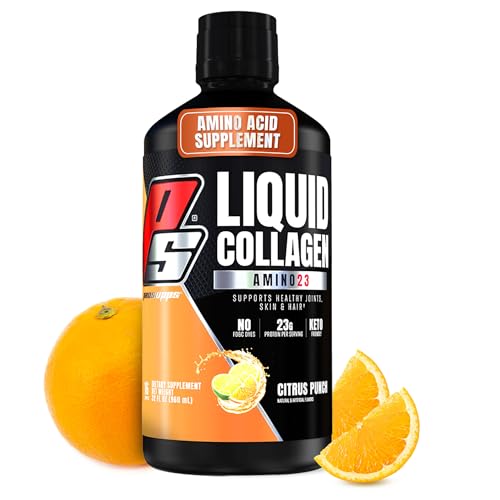
Best-selling Supplements for Collagen Breakdown



Article Sources
At AncientHerbsWisdom, our content relies on reputable sources, including peer-reviewed studies, to substantiate the information presented in our articles. Our primary objective is to ensure our content is thoroughly fact-checked, maintaining a commitment to accuracy, reliability, and trustworthiness.
- Sangiovanni, E., Brivio, P., Dell’Agli, M., & Calabrese, F. (2017). Botanicals as modulators of neuroplasticity: Focus on BDNF. Neural Plasticity, 2017, 5965371. https://doi.org/10.1155/2017/5965371
- James, J. T., & Dubery, I. A. (2009). Pentacyclic triterpenoids from the medicinal herb, Centella asiatica. Molecules, 14(10), 3922–3941. https://doi.org/10.3390/molecules14103922
- Hussain, T., Tan, B., Yin, Y., Blachier, F., Tossou, M. C. B., & Rahu, N. (2016). Oxidative stress and inflammation: What polyphenols can do for us. Oxidative Medicine and Cellular Longevity, 2016, 7432797. https://doi.org/10.1155/2016/7432797
- Ammon, H. P. T. (2016). Boswellic acids in chronic inflammatory diseases. Planta Medica, 82(08), 691–705. https://doi.org/10.1055/s-0042-103025
- Bhattacharyya, S., & Ahluwalia, B. (2012). Vitamin C in the synthesis of collagen. International Journal of Cosmetic Science, 34(5), 401–408. https://doi.org/10.1111/j.1468-2494.2012.00718.x
- Cohen, M. M. (2014). Tulsi Ocimum sanctum: A herb for all reasons. Journal of Ayurveda and Integrative Medicine, 5(4), 251–259. https://doi.org/10.4103/0975-9476.146554
- Paterson, R. R. M. (2006). Ganoderma a therapeutic fungal biofactory. Phytochemistry, 67(18), 1985–2001. https://doi.org/10.1016/j.phytochem.2006.07.004
- Hyde, K. D., Bahkali, A. H., & Moslem, M. A. (2010). Fungi an unusual source for cosmetics. Fungal Diversity, 43, 1–9. https://doi.org/10.1007/s13225-010-0039-1
- Li, S., Wu, B., & Liang, Y. (2015). Tremella fuciformis polysaccharides: A review of extraction, structures, bioactivities and applications. Carbohydrate Polymers, 117, 457–468. https://doi.org/10.1016/j.carbpol.2014.10.035
- Zhang, Y., Li, X., & Zhang, L. (2014). Cordyceps militaris: Review of its therapeutic potential. Journal of Ethnopharmacology, 151(1), 1–11. https://doi.org/10.1016/j.jep.2013.10.053
- Block, K. I., Mead, M. N., & Gyllenhaal, C. (2003). Astragalus: A review of its biological activity and potential clinical applications. Alternative Medicine Review, 8(1), 13–33.

- Soursop: Tropical Fruit for Antioxidants and Digestion - March 28, 2026
- Sugar Apple: Tropical Fruit for Energy and Vitamin C - March 28, 2026
- Dragon Fruit: Tropical Fruit for Gut Health - March 28, 2026