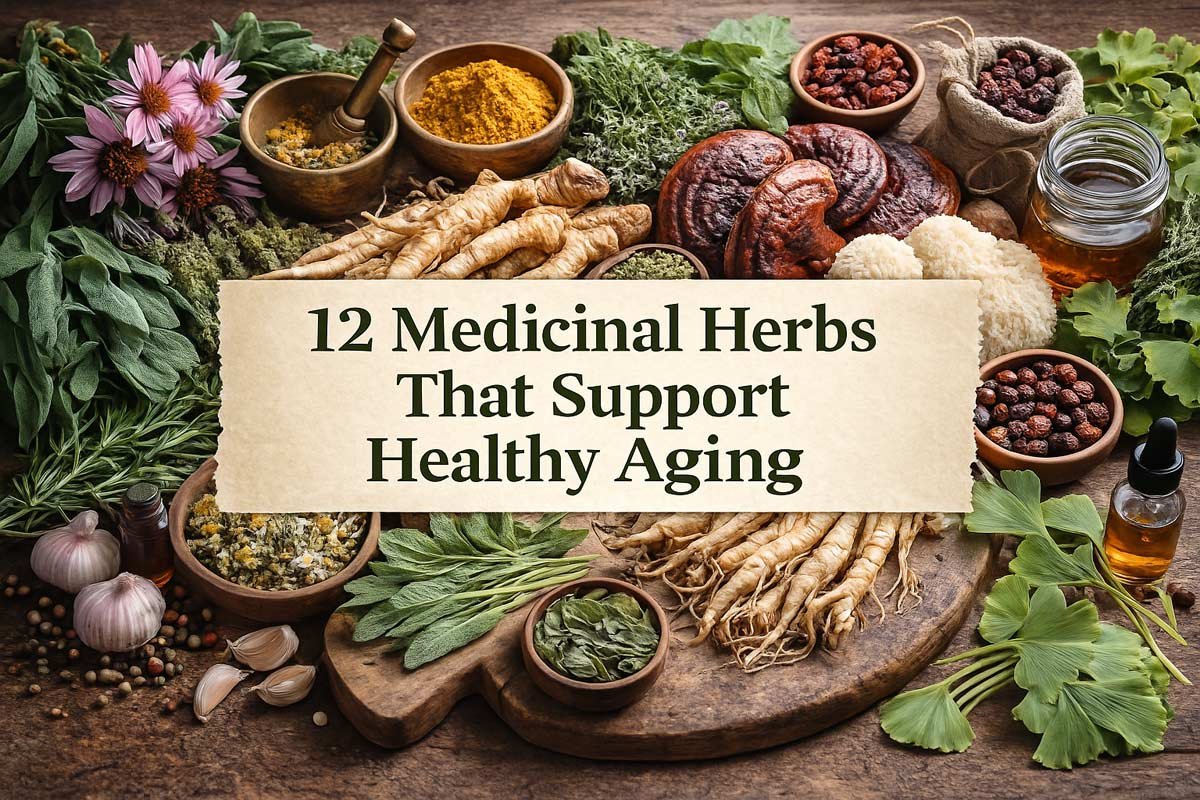
Medicinal Herbs and Mushrooms for Healthy Aging
Healthy Aging is one of those phrases that sounds tidy on paper and messy in real life. I have yet to meet anyone who wakes up one morning and says, well, today I shall age poorly. Most people want strength that sticks around, a mind that stays sharp enough to follow a complicated conversation, joints that do not announce the weather before the forecast does. That is the heart of Healthy Aging. Not chasing youth. Supporting function. Keeping the system working with fewer breakdowns and less drama.
In traditional herbal medicine and mycology, aging has never been treated as a problem to be fixed. It is a long process of wear, repair, adaptation, and sometimes neglect. Herbs and mushrooms fit into this picture because they work quietly. They do not override the body. They remind it how to regulate itself again. That is why so many classic longevity plants are adaptogens, tonics, or slow builders rather than stimulants.
Table of Contents


From a biological standpoint, Healthy Aging revolves around a few repeating themes. Chronic inflammation creeps in. Oxidative stress accumulates at the cellular level. Mitochondria get sluggish. Hormonal signaling loses its rhythm. Detoxification slows, especially in the liver. Circulation becomes less efficient. None of this happens overnight. It unfolds over decades, which is why short term thinking does not work here.
Medicinal herbs and mushrooms address these processes from different angles. Some calm the nervous system and improve stress tolerance, which matters more than most people realize. Cortisol does not just affect mood. It accelerates tissue breakdown, impairs immune surveillance, and disrupts sleep, all enemies of Healthy Aging. Other plants focus on circulation and oxygen delivery, feeding the brain and peripheral tissues. Mushrooms, especially the medicinal species, tend to shine in immune modulation and cellular repair. They talk directly to immune receptors in a way few herbs can.
I often explain it like this. Imagine the body as an old house that is still structurally sound. You do not tear it down. You fix the wiring, reinforce the beams, improve airflow, and stop the small leaks before they rot the floors. Herbs and mushrooms are maintenance tools. Not cosmetic upgrades. Not emergency repairs. Maintenance.
One thing that surprises people is how strongly digestion and metabolism influence Healthy Aging. If nutrients are not absorbed properly, even the best diet and supplements fall flat. Several traditional herbs were prized not because they were dramatic, but because they helped older bodies extract more value from food. Better digestion leads to better blood quality, better energy, better resilience. Ancient practitioners understood this intuitively, long before biochemistry caught up.
Another overlooked factor is immune balance. Aging immune systems tend to drift toward two extremes. Either they become sluggish and under responsive, or they stay chronically activated, simmering with low grade inflammation. Both states accelerate decline. Medicinal mushrooms in particular have a reputation for restoring communication within the immune system rather than simply boosting it. That distinction matters for Healthy Aging.
There is also the mental and emotional side, which herbalists have always included whether modern language acknowledges it or not. Memory, focus, emotional flexibility, motivation. These are not luxuries. They shape daily habits, social engagement, and physical activity. Once cognitive decline or emotional flattening sets in, people move less, isolate more, and age faster as a result. Herbs that support circulation to the brain or nerve growth indirectly support Healthy Aging in very real ways.
I want to be clear about something. No herb or mushroom stops aging. Anyone promising that is selling fantasy. What these plants can do, when used correctly and consistently, is slow the speed of decline and widen the window of functional years. That is a meaningful goal. Adding life to years, not just years to life.
Quality and context matter more than lists. A stressed, sleep-deprived person taking adaptogens inconsistently will see less benefit than someone who pairs herbs with basic lifestyle changes. Traditional systems always combined plant medicine with daily routines, seasonal awareness, and moderation. Healthy Aging is a pattern, not a pill.
In this article, the focus is on thirteen medicinal herbs and mushrooms with long histories and modern research backing their role in Healthy Aging. Some are roots pulled from the soil after years of growth. Some are mushrooms that break down wood and recycle forests, then quietly support human immune systems. Each one earned its place through observation, tradition, and increasingly, clinical data.
You will notice that many of these plants overlap in function. That is not redundancy. That is resilience. Nature builds systems with backups. When multiple herbs support inflammation control or cellular protection through different pathways, the body responds more smoothly. Herbalism has always favored synergy over single-target intervention.
Healthy Aging is not about doing everything perfectly. It is about consistency, curiosity, and respect for the long game. These herbs and mushrooms have been walking that long road with humans for centuries. They are patient allies. If you listen closely, they teach patience too.
Adaptogens and Longevity Builders
If there is one category of plants that consistently shows up in conversations about Healthy Aging, it is adaptogens. I have a complicated relationship with that word. It gets abused in marketing. Still, when used properly, it describes something very real. These are herbs and mushrooms that help the body adapt to stress over time without forcing it in one direction. Stress, unmanaged and chronic, is one of the fastest accelerants of aging I have ever seen.
Adaptogens work upstream. They influence the hypothalamic pituitary adrenal axis, immune signaling, and mitochondrial output. That sounds technical, but in practice it feels simple. People sleep better. They recover faster. Energy becomes steadier instead of spiky. That steadiness is a cornerstone of Healthy Aging.
1. Ashwagandha
Ashwagandha has been used for centuries in Ayurveda, and not as a trendy fix. Traditionally it was given to people who were worn down, anxious, underweight, or aging faster than their years suggested. I still see the same pattern today. Long term stress drains tissue. Ashwagandha helps rebuild it.
What makes ashwagandha interesting for Healthy Aging is its dual nature. It calms the nervous system while supporting endocrine balance. Cortisol tends to run high in midlife and beyond, especially in people who push through fatigue. Chronically elevated cortisol breaks down muscle, impairs memory, and interferes with immune repair. Ashwagandha nudges cortisol toward a healthier rhythm rather than suppressing it outright.
I often notice improved sleep depth within a few weeks. Not sedation. Depth. That matters. Deep sleep is when growth hormone is released and tissues repair. Miss enough of it, and aging accelerates quietly. Ashwagandha also supports muscle tone and strength retention, which becomes increasingly important after the fourth decade of life.
2. Rhodiola rosea
Rhodiola grows in cold, harsh environments, and you can almost feel that toughness when you work with it. This is not a calming herb in the traditional sense. It sharpens. It improves endurance and mental clarity under pressure. For Healthy Aging, that translates into maintaining drive and cognitive stamina.
One of the earliest signs of aging I see is not weakness. It is hesitation. People tire mentally before they tire physically. Rhodiola supports neurotransmitter balance and mitochondrial efficiency, especially in brain tissue. That makes it useful for people who feel mentally dull, overwhelmed, or burned out but still want to stay engaged with work and life.
Used correctly, rhodiola improves stress resilience without overstimulation. Used poorly, it can feel too activating. Dosage and timing matter. I prefer it earlier in the day, especially for older adults who struggle with morning inertia but crash by afternoon.
3. Panax ginseng
Panax ginseng has earned its reputation the hard way. It takes years to mature. Traditional cultures valued older roots more highly, which already tells you something about how it was viewed in relation to aging. This is a deep tonic, not a quick boost.
Ginseng supports Healthy Aging by improving glucose metabolism, circulation, and immune responsiveness. Blood sugar dysregulation is a major aging accelerator. Over time it damages blood vessels, nerves, and connective tissue. Panax ginseng helps tissues respond to insulin more effectively, which protects long term metabolic health.
There is also a noticeable effect on physical stamina and sexual vitality, both of which tend to decline quietly as people age. I have seen ginseng restore a sense of physical confidence in people who thought that chapter was closed. Not exaggerated energy. Functional energy.
It is not for everyone, and I am cautious with people who run hot or have uncontrolled hypertension. Still, when matched well, it is one of the most complete longevity herbs available.
4. Reishi mushroom
Reishi is where mycology truly shines in Healthy Aging work. Known traditionally as the mushroom of immortality, not because it makes you live forever, but because it supports systems that determine how well you age.
Reishi works primarily through immune modulation and inflammation control. Chronic low grade inflammation is a defining feature of aging. It damages blood vessels, accelerates neurodegeneration, and exhausts immune reserves. Reishi calms that background noise without suppressing immune defense.
What I appreciate most about reishi is its effect on emotional resilience. People often report feeling more grounded, less reactive, more able to handle stress without spiraling. That emotional steadiness has real physiological consequences. Reduced sympathetic overdrive means better digestion, better sleep, and better repair.
Reishi also supports liver detoxification, which becomes increasingly important with age as the body accumulates metabolic waste and environmental toxins. A sluggish liver shows up as fatigue, hormonal imbalance, and inflammatory skin issues. Supporting it gently contributes to Healthy Aging in ways people do not always connect right away.
Taken together, these adaptogens and tonics form a foundation. They do not target one symptom. They improve how the system responds to life over time. That is why they belong at the core of any serious approach to Healthy Aging.
Cellular Protection and Cognitive Support
When people talk about Healthy Aging, they often jump straight to wrinkles or joints. I tend to look higher up. The brain, the nervous system, and the integrity of cells themselves. Once cognitive sharpness starts slipping or cellular damage outpaces repair, everything else follows. You can exercise religiously, eat clean, and still feel like you are slowly dimming from the inside if those systems are neglected.
Cellular protection is about defending structures while also supporting renewal. Neurons, in particular, are demanding. They burn a lot of energy, generate oxidative waste, and rely heavily on good circulation. Herbs and mushrooms that support Healthy Aging at this level tend to work quietly but deeply. You do not feel a jolt. You notice, over time, that words come easier, focus lasts longer, and mental fatigue does not hit as hard.
5. Ginkgo biloba
Ginkgo is one of the oldest living tree species on Earth. That alone earns some respect. Medicinally, it has been used for circulation and memory for a very long time, and modern research has mostly confirmed what traditional practitioners observed.
The primary role of ginkgo in Healthy Aging is improving blood flow, especially to the brain and extremities. Aging blood vessels stiffen. Microcirculation declines. Neurons suffer first. Ginkgo helps keep capillaries flexible and improves oxygen delivery to brain tissue. That matters more than people realize. A well oxygenated brain performs better and ages slower.
I have seen ginkgo help with forgetfulness that feels fuzzy rather than severe. Losing your train of thought mid sentence. Walking into a room and forgetting why. Those moments can feel unsettling. Ginkgo does not turn anyone into a genius, but it often sharpens recall and mental clarity enough to restore confidence.
There is also evidence for antioxidant protection at the cellular level. Neurons are especially vulnerable to oxidative damage. By reducing free radical stress, ginkgo supports long term cognitive resilience, which is a core pillar of Healthy Aging.
6. Gotu kola
Gotu kola does not get the attention it deserves. In traditional systems, it was considered a rejuvenative herb, especially for the brain and connective tissue. It has a gentle, almost nurturing quality. Not flashy. Persistent.
What makes gotu kola valuable for Healthy Aging is its effect on collagen synthesis, circulation, and nerve tissue repair. It supports the integrity of blood vessels and connective tissue, which indirectly benefits brain health. Healthy vessels mean better nutrient delivery and waste removal.
Cognitively, gotu kola supports memory and mental calm at the same time. That combination is rare. Many cognitive enhancers stimulate. Gotu kola steadies. I often describe it as helping the mind breathe a little deeper. Thoughts organize themselves more easily.
There is also something subtle but important about its effect on emotional processing. Anxiety and mental agitation accelerate aging by keeping the nervous system in a constant low level alarm state. Gotu kola gently cools that state without sedation. Over time, this contributes to better sleep, better mood regulation, and better cognitive longevity.
7. Lion’s mane mushroom
Lion’s mane is one of the most exciting medicinal mushrooms for Healthy Aging, especially from a neurological perspective. Unlike many herbs that protect neurons, lion’s mane actively supports nerve growth factor production. That is not a small thing.
Nerve growth factor is involved in the maintenance and regeneration of neurons. As we age, its production declines. Lion’s mane helps stimulate pathways associated with neural repair and plasticity. In plain language, it supports the brain’s ability to adapt and repair itself.
I have seen people describe the effect as a clearing of mental fog. Others notice improved focus, mood, or memory recall. What I find most compelling is its long term potential. This is not about feeling sharper for a few hours. It is about supporting brain structure over years.
Lion’s mane also interacts with the gut brain axis. Many people overlook this, but gut health and cognition are deeply linked. Inflammation in the gut sends inflammatory signals to the brain. By supporting gut lining integrity and reducing inflammation, lion’s mane indirectly supports cognitive Healthy Aging as well.
It is one of the few mushrooms I consider almost essential once people start thinking seriously about maintaining cognitive vitality into later decades.
8. Turmeric
Turmeric has become almost too popular for its own good, but popularity does not erase value. When used properly, turmeric remains one of the most powerful tools for cellular protection in Healthy Aging.
Its primary compound, curcumin, influences inflammation at the cellular signaling level. Chronic inflammation damages DNA, mitochondria, and cellular membranes. Over time, this leads to tissue degeneration and cognitive decline. Turmeric helps interrupt that process.
In the brain, turmeric supports neuroprotection by reducing inflammatory cascades and oxidative stress. It also supports circulation and may help reduce amyloid accumulation, which has implications for long term cognitive health.
I always emphasize that turmeric is not a stand alone miracle. Absorption matters. Consistency matters. It works best as part of a broader approach that includes healthy fats, proper digestion, and stress management.
From a Healthy Aging perspective, turmeric shines because it addresses a root driver of decline rather than masking symptoms. Less inflammation means better cellular communication. Better communication means slower aging.
Taken together, these herbs and mushrooms form a protective network. They support circulation, defend cells, and nourish the nervous system. Cognitive clarity is not a luxury of youth. It is a skill and a state that can be maintained much longer than most people expect, when the right allies are involved.
Metabolic, Cardiovascular, and Immune Aging
This is where Healthy Aging becomes very real, very physical. Blood sugar. Blood pressure. Energy production. Immune vigilance. These systems tend to fray together, not separately. Someone develops metabolic issues, then circulation suffers. Immune response weakens or becomes erratic. Fatigue sets in. Recovery slows. It is a familiar pattern, and it rarely starts with a single dramatic symptom.
What I have learned over the years is that supporting these systems early changes the entire aging trajectory. Once metabolic flexibility is lost and immune function becomes chaotic, it is much harder to reverse course. Herbs and mushrooms in this category work like quiet engineers. They stabilize. They strengthen infrastructure. They reduce strain on systems that are already doing a lot of heavy lifting.
9. Astragalus
Astragalus has been used as a longevity tonic in traditional Chinese medicine for a very long time. It was never meant for acute illness. It was given to people who wanted to age well, maintain vitality, and resist frequent infections. That alone tells you where it belongs in a Healthy Aging conversation.
Astragalus supports immune resilience by improving the body’s ability to respond appropriately to stressors. Not by overstimulation, but by improving communication between immune cells. This matters as immune systems age. Over time, they either overreact or underperform. Astragalus helps restore balance.
Metabolically, astragalus supports glucose regulation and mitochondrial function. It improves how cells produce energy, which directly affects stamina and recovery. I have seen people describe a subtle return of endurance. Not explosive energy, but the ability to get through the day without feeling drained.
There is also growing interest in astragalus for its potential role in cellular aging mechanisms, including telomere maintenance. While this area is still evolving, the traditional reputation of astragalus as a deep longevity herb aligns well with modern observations.
10. Holy basil
Holy basil, also known as tulsi, is one of those plants that seems to touch everything gently. In Ayurvedic tradition, it was considered sacred, and not just symbolically. It supports metabolic balance, cardiovascular health, and emotional resilience all at once.
For Healthy Aging, holy basil shines in stress related metabolic dysfunction. Chronic stress disrupts blood sugar regulation, increases abdominal fat accumulation, and drives inflammation. Holy basil helps buffer the physiological impact of stress on metabolism.
It also supports cardiovascular health by influencing lipid profiles and blood pressure regulation. These effects tend to be mild but cumulative. Over time, they reduce strain on the heart and blood vessels.
What I appreciate most about holy basil is its effect on mood and clarity. People often feel more emotionally steady and mentally clear without feeling sedated. That emotional balance feeds back into metabolic health. When stress hormones calm down, the body ages more slowly. It is that simple.
11. Cordyceps mushroom
Cordyceps occupies a unique space in Healthy Aging because it directly supports energy production at the cellular level. It influences how efficiently mitochondria generate ATP. As we age, mitochondrial efficiency declines. Energy output drops. Fatigue increases. Recovery slows.
Cordyceps helps reverse some of that decline by improving oxygen utilization and energy metabolism. Athletes use it for endurance, but its real value shows up in aging populations who feel winded by daily tasks. Climbing stairs. Carrying groceries. These small efforts add up.
There is also a cardiovascular component. Cordyceps supports healthy circulation and may improve oxygen delivery to tissues. Better oxygenation means less strain on the heart and better tissue repair.
Immune wise, cordyceps supports balanced immune activity rather than blunt stimulation. That is important for Healthy Aging because immune systems need to stay alert without becoming inflammatory. Cordyceps seems to help maintain that balance, especially in people who feel chronically run down.
12. Milk thistle
Milk thistle does not usually get framed as a longevity herb, but it should. The liver is one of the most overworked organs in the aging body. It processes medications, hormones, metabolic waste, and environmental toxins. When liver function declines, everything else feels heavier.
Milk thistle supports liver cell regeneration and protects hepatocytes from oxidative damage. This has direct implications for metabolic and immune health. A healthier liver regulates blood sugar more effectively, clears inflammatory byproducts, and maintains hormonal balance.
I often notice improved digestion, clearer skin, and more stable energy when milk thistle is used consistently. These are not cosmetic changes. They reflect improved internal detoxification and metabolic efficiency.
From a Healthy Aging perspective, supporting the liver is like clearing the filters in an engine. The system runs cleaner. Less strain accumulates. Immune function improves because inflammatory waste is cleared more efficiently.
Together, astragalus, holy basil, cordyceps, and milk thistle form a practical framework for aging well at the metabolic and immune level. They support energy, circulation, detoxification, and resilience. These are not optional systems. They determine how long the body remains capable, responsive, and strong.
Final Thoughts on Healthy Aging With Medicinal Plants
Healthy Aging is not a finish line. It is a relationship. One that changes tone over time. What worked at thirty often needs adjustment at fifty. What felt optional at forty becomes non negotiable later on. Medicinal herbs and mushrooms fit into this reality because they are flexible tools, not rigid protocols.
One of the biggest misconceptions I see is the idea that Healthy Aging requires chasing every new supplement or stacking endless formulas. In practice, less usually works better. A few well chosen plants, taken consistently and with attention, tend to outperform complicated regimens that change every few months. The body responds to familiarity. It learns patterns. Herbal medicine respects that.
Another hard truth is that no herb can outwork a lifestyle that constantly undermines it. Poor sleep, unmanaged stress, erratic eating, chronic inflammation. These things blunt even the best plant allies. Traditional systems never separated herbs from daily habits. They were woven together. Tea in the morning. Roots in food. Mushrooms in broths. Small acts repeated daily.
What I appreciate most about working with medicinal herbs and mushrooms for Healthy Aging is how they teach patience. You do not always feel immediate effects. Sometimes the first sign is simply the absence of decline. Fewer bad days. Quicker recovery. Less stiffness in the morning. A clearer head during long conversations. These are quiet victories, but they compound over years.
Healthy Aging also requires honesty. There comes a point where pushing harder stops working. The body asks for different kinds of support. Nervous system regulation becomes as important as physical strength. Recovery matters more than intensity. Herbs like ashwagandha or reishi shine here, not because they make you stronger overnight, but because they help you stop leaking energy through stress and inflammation.
Cognitive aging deserves special attention. Memory, focus, and mental flexibility shape everything else. Once people stop trusting their minds, they withdraw. They move less. They engage less. Herbs and mushrooms that support circulation, nerve growth, and inflammation control protect more than brain tissue. They protect identity. That may sound dramatic, but anyone who has watched cognitive decline up close knows it is not.
Another theme that repeats itself is balance. Immune balance. Metabolic balance. Emotional balance. Aging rarely fails because of one missing nutrient. It fails because systems fall out of conversation with each other. Medicinal plants are remarkable communicators. They influence signaling pathways, feedback loops, and rhythms rather than forcing outcomes.
There is also something grounding about working with plants and fungi that have been used for centuries. They carry cultural memory. People trusted them long before clinical trials existed. Modern research does not replace that wisdom. It refines it. When tradition and science overlap, confidence grows.
I often remind people that Healthy Aging is not about feeling young. It is about feeling capable. Capable of adapting. Capable of enjoying food, movement, conversation, solitude. Capable of healing from small setbacks without spiraling into long declines. Medicinal herbs and mushrooms support that capability by reducing friction in the system.
Consistency matters more than enthusiasm. Taking a mushroom extract for two weeks and forgetting about it does little. Building a relationship with a few core allies over years changes outcomes. The body responds to repetition. It rewards steadiness.
There is room for intuition here too. How a plant makes you feel matters. Subtle shifts count. Herbal medicine is not just biochemical. It is experiential. A sense of grounding. A clearer breath. A calmer response to stress. These experiences reflect real physiological changes even if they are hard to quantify.
Healthy Aging also means knowing when to stop adding and start listening. Sometimes the most supportive thing is simplifying. Removing what burdens the liver. Supporting digestion. Sleeping deeper. Herbs like milk thistle or holy basil often shine when the goal is not more stimulation, but less strain.
If there is one principle I would leave you with, it is this. Aging is inevitable. Decline is negotiable. Not entirely preventable, but negotiable. Medicinal herbs and mushrooms give us leverage. They slow processes that would otherwise accelerate unchecked. They widen the window of vitality.
Used with respect, patience, and a bit of humility, these plants become companions rather than tools. They do not promise perfection. They offer support. And in the long arc of Healthy Aging, support is often exactly what makes the difference.
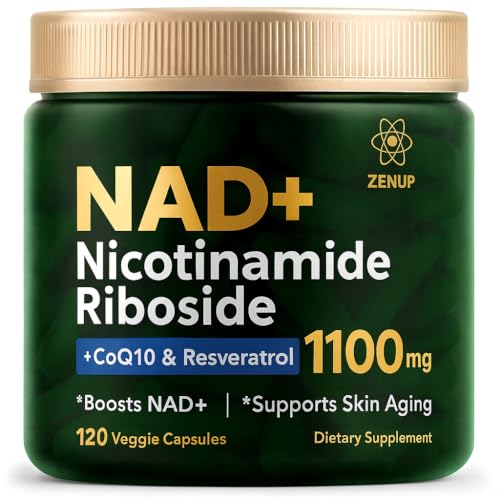
Best Selling Supplements for Healthy Aging




Article Sources
At AncientHerbsWisdom, our content relies on reputable sources, including peer-reviewed studies, to substantiate the information presented in our articles. Our primary objective is to ensure our content is thoroughly fact-checked, maintaining a commitment to accuracy, reliability, and trustworthiness.
- Benzie, I. F. F., & Wachtel Galor, S. (2011). Herbal medicine: Biomolecular and clinical aspects (2nd ed.). CRC Press. https://www.ncbi.nlm.nih.gov/books/NBK92773/
- Mori, K., Inatomi, S., Ouchi, K., Azumi, Y., & Tuchida, T. (2009). Improving effects of the mushroom Hericium erinaceus on mild cognitive impairment. Phytotherapy Research, 23(3), 367–372. https://pubmed.ncbi.nlm.nih.gov/18844328/
- Seely, D., Dugoua, J. J., Perri, D., Mills, E., Koren, G., & Shaughnessy, A. F. (2008). Safety and efficacy of Panax ginseng during pregnancy and lactation. Canadian Journal of Clinical Pharmacology, 15(1), e87–e94. https://pubmed.ncbi.nlm.nih.gov/18332441/
- National Center for Complementary and Integrative Health. (2022). Turmeric. https://www.nccih.nih.gov/health/turmeric
- National Center for Complementary and Integrative Health. (2023). Ashwagandha. https://www.nccih.nih.gov/health/ashwagandha
- National Center for Complementary and Integrative Health. (2022). Ginkgo. https://www.nccih.nih.gov/health/ginkgo
- National Center for Complementary and Integrative Health. (2023). Milk thistle. https://www.nccih.nih.gov/health/milk-thistle
- European Medicines Agency. (2016). Assessment report on Centella asiatica (L.) Urb., herba. https://www.ema.europa.eu/en/documents/herbal-report/final-assessment-report-centella-asiatica-l-urb-herba_en.pdf
- European Medicines Agency. (2014). Assessment report on Rhodiola rosea L., rhizoma et radix. https://www.ema.europa.eu/en/documents/herbal-report/final-assessment-report-rhodiola-rosea-l-rhizoma-et-radix_en.pdf
- World Health Organization. (1999). WHO monographs on selected medicinal plants, Volume 1. https://apps.who.int/iris/handle/10665/42052

- Children and Plant-Based Herbal Use Safety: Tradition and Common Sense - January 25, 2026
- Sustainability in Vegan Herbal Sourcing: Why Popular Plants Are at Risk - January 25, 2026
- Vegan Herbal Rituals: Simple Daily Practices Rooted in Tradition - January 24, 2026