
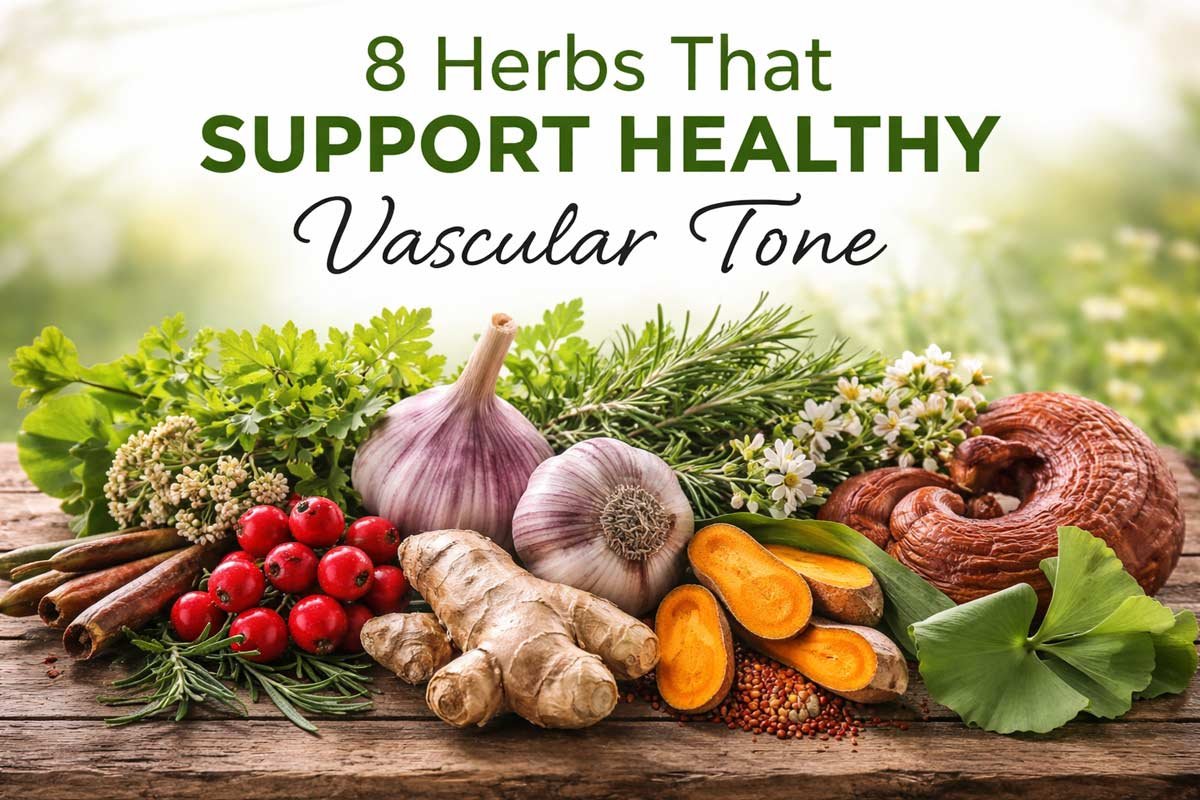
The Pulse of Your Circulatory Health: Why Vascular Tone Matters
Vascular tone—what a deceptively simple phrase for something so crucial. It’s the subtle tension in your blood vessels that determines how effectively blood flows to every corner of your body. Think of it as the background rhythm of your circulatory system, quietly adjusting the width of your arteries and veins to match your body’s needs. When it’s working well, you rarely notice it. But when it falters, everything from energy levels to organ function can be affected.
At its core, vascular tone reflects the health of your endothelium—the delicate inner lining of your blood vessels. This layer isn’t just a passive barrier; it’s a biochemical powerhouse, producing nitric oxide, prostacyclins, and other signaling molecules that control vessel relaxation and contraction. A resilient endothelium keeps vessels supple, responsive, and ready to manage pressure changes without stress. Once it starts losing function, arteries stiffen, blood pressure can spike, and tissues can go undernourished.
Table of Contents

Modern lifestyles challenge vascular tone more than ever. Stress triggers adrenaline and cortisol surges that constrict vessels. Diets high in processed foods and low in antioxidants promote inflammation and oxidative damage. Sedentary behavior slows circulation and weakens vessel elasticity. Even something as subtle as poor sleep can ripple through your vascular system, reducing nitric oxide availability and compromising endothelial function. Over time, these factors compound, quietly eroding your circulatory resilience.
Herbs and medicinal mushrooms provide a natural counterbalance to these pressures. Some herbs, like hawthorn, enhance microcirculation, opening tiny capillaries to ensure tissues get oxygen and nutrients efficiently. Others, like garlic and cayenne, stimulate nitric oxide production or gently relax vessel walls, maintaining healthy tone. Adaptogenic mushrooms, such as reishi and cordyceps, work more subtly, modulating inflammatory pathways and supporting overall cardiovascular endurance. Taken together, these plants and fungi help vessels maintain their flexibility, responsiveness, and structural integrity, often without the side effects associated with pharmaceuticals.
Vascular tone isn’t just a cardiovascular concern—it affects the whole body. When vessels are flexible and responsive, blood reaches extremities more efficiently, reducing cold hands and feet. Organs receive consistent oxygenation, supporting energy production, cognition, and metabolic function. Even the skin benefits, glowing more readily when capillaries respond effectively. Poor vascular tone, conversely, can create a cascade of issues: fatigue, dizziness, slow wound healing, and higher risk of long-term cardiovascular complications.
There’s an elegance to using herbs for vascular support. Unlike single-molecule pharmaceuticals, botanical compounds work in synergy. Flavonoids, polyphenols, and terpenes interact with endothelial cells, smooth muscle, and platelets, promoting balanced vascular tone. Some herbs act as gentle vasodilators, others as antioxidants, and some provide microcirculatory benefits that are only now being understood in scientific research. It’s a holistic approach: supporting the vessels themselves, nurturing the blood they carry, and maintaining the body’s natural rhythm.
When considering herbs for vascular tone, it’s helpful to remember that their effects are often subtle but cumulative. Regular use, in the context of a balanced lifestyle, can strengthen your circulatory foundation. Unlike medications that can create abrupt changes, herbs often nudge the system gently, allowing your body to respond naturally and sustainably. Over weeks and months, you can feel the difference in energy, warmth, and resilience—small indicators that your vessels are thriving.
Many traditional practices across cultures have long recognized the importance of vascular health. Traditional Chinese Medicine and Ayurveda both emphasize herbs that “move the blood” or “strengthen vessels,” focusing on circulation and vessel tone rather than isolated symptoms. This ancient wisdom aligns remarkably well with modern understandings of endothelial function, oxidative stress, and nitric oxide signaling. When we combine these traditions with contemporary research, we see a compelling case for integrating herbs and mushrooms into daily routines as a cornerstone for vascular health.
Ultimately, vascular tone is about balance—the dynamic interplay of contraction and relaxation, resilience and flexibility, flow and pressure. By understanding its significance and supporting it with the right herbs and mushrooms, you’re not just preserving your circulation; you’re enhancing your vitality from the inside out. Your vessels are living tissues, responding to what you feed them, the stress you expose them to, and the remedies you provide. Treat them well, and they will carry the lifeblood of health through every part of your body with efficiency and grace.
Maintaining vascular tone is a proactive choice. It’s about cultivating a daily practice that nurtures circulation, protects endothelial health, and supports systemic resilience. Herbs and medicinal mushrooms are allies in this endeavor, offering centuries of experience distilled into potent, natural compounds. They work quietly but powerfully, keeping your vessels flexible, your blood flowing smoothly, and your body ready to respond to whatever demands life places upon it.
Healthy vascular tone is the pulse beneath the pulse, the invisible yet vital rhythm that sustains life. Paying attention to it, and supporting it with nature’s tools, can transform not just how your body functions, but how it feels every day—energized, resilient, and alive.
Circulation-Boosting Herbs That Keep Vessels Flexible
When it comes to vascular tone, circulation is king. Flexible vessels aren’t just about being able to expand or contract—they’re about delivering oxygen and nutrients efficiently, reducing strain on the heart, and protecting tissues from stress-induced damage. Certain herbs have a remarkable ability to support this delicate balance, working at the microcirculatory level and providing systemic benefits. Let’s explore four herbs that have stood the test of time and research, each offering unique ways to keep vessels resilient and responsive.
1. Hawthorn (Crataegus spp.)
Hawthorn is often called the heart’s herbal guardian, and for good reason. Its leaves, berries, and flowers contain a rich mix of flavonoids, oligomeric proanthocyanidins, and polyphenols, compounds known to support vascular tone and circulation. These molecules interact directly with endothelial cells, enhancing nitric oxide production, which in turn relaxes arterial walls and improves blood flow.
Traditionally, hawthorn has been used to support weak circulation and improve endurance in both heart and peripheral tissues. Research shows that hawthorn extract can enhance microcirculation, especially in extremities like hands and feet, where poor blood flow is often first noticed. Anecdotally, people using hawthorn tincture report a subtle warmth in their extremities and a sense of cardiovascular ease—a gentle reminder that your vessels are responsive and healthy.
Beyond circulation, hawthorn also provides antioxidant protection, guarding vessels against oxidative stress. Oxidative damage is a major contributor to arterial stiffness, so by neutralizing free radicals, hawthorn helps maintain the flexibility of the vascular wall. Integrating hawthorn into daily herbal routines—through teas, capsules, or tinctures—offers cumulative benefits, nurturing the circulatory system over time rather than forcing sudden changes.
2. Garlic (Allium sativum)
Garlic’s reputation in both culinary and medicinal circles is legendary, and its effects on vascular tone are equally impressive. Garlic contains sulfur compounds such as allicin, which stimulate nitric oxide production in endothelial cells. Nitric oxide acts as a natural vasodilator, relaxing the smooth muscle lining arteries and enhancing overall flexibility.
Regular garlic consumption has been shown to support healthy blood pressure and improve blood flow, reducing vascular resistance. It also exerts mild antiplatelet effects, preventing excessive clot formation while maintaining healthy circulation. Some studies suggest that consistent intake of garlic extracts can improve arterial elasticity, directly influencing vascular tone.
Garlic is versatile. Raw cloves, powdered supplements, or aged extracts all offer benefits, though bioavailability and potency differ. Anecdotally, many people notice a lightness in their limbs and improved energy with routine use, indicating enhanced microcirculation. When paired with other circulation-supporting herbs, garlic helps establish a foundation for vascular health that feels both subtle and tangible.
3. Cayenne Pepper (Capsicum annuum)
Cayenne pepper may be best known for its culinary kick, but its cardiovascular benefits are profound. The active compound, capsaicin, stimulates the release of nitric oxide and enhances blood flow, contributing to both vessel flexibility and peripheral circulation.
Cayenne’s effects are particularly noticeable in the extremities, where circulation can slow due to age, stress, or sedentary habits. A pinch of cayenne in meals or herbal formulations can warm the hands and feet, signaling improved microvascular perfusion. Beyond warming, capsaicin also supports endothelial function and has mild anti-inflammatory properties, both of which contribute to maintaining healthy vascular tone.
Regular use of cayenne, even in small amounts, can create cumulative benefits for vascular health. Traditional herbalists often recommend integrating it into teas, soups, or tinctures to subtly enhance circulation without overstimulating the system. Its fiery nature is balanced by its ability to support vessel responsiveness naturally, keeping arteries supple and responsive.
Together, hawthorn, garlic, and cayenne form a foundational quartet for circulation and vascular flexibility. They work at multiple levels: enhancing nitric oxide production, protecting endothelial cells, promoting microcirculation, and reducing oxidative stress. When incorporated thoughtfully into daily routines, they create a supportive environment for vessels to remain responsive, resilient, and healthy, laying the groundwork for strong vascular tone.
Anti-Inflammatory and Endothelial-Supportive Botanicals
Inflammation is a silent, persistent adversary when it comes to vascular tone. Even low-grade, chronic inflammation can stiffen vessels, impair endothelial function, and gradually undermine circulation. Addressing this at the source with botanicals that modulate inflammation and protect the endothelium is a key strategy for maintaining healthy vascular tone. Among these, turmeric, rosemary, and green tea stand out as powerful allies, each bringing a unique set of compounds that support circulation and vessel resilience.
4. Turmeric (Curcuma longa)
Turmeric’s golden hue isn’t just beautiful—it signals a treasure trove of bioactive compounds, primarily curcuminoids. Curcumin, the most studied of these, has potent anti-inflammatory and antioxidant properties. In the context of vascular tone, curcumin works on multiple fronts: it reduces endothelial inflammation, promotes nitric oxide availability, and protects vessel walls from oxidative stress.
Chronic oxidative stress damages the endothelium, making vessels less responsive to changes in pressure and flow. By scavenging free radicals, curcumin helps maintain elasticity, allowing arteries to contract and expand as needed. Research indicates that turmeric supplementation can improve endothelial function and reduce markers of vascular inflammation, translating to smoother blood flow and improved microcirculation.
In practice, turmeric can be incorporated into daily life in many ways. Fresh turmeric root in cooking, powdered turmeric in teas, or concentrated extracts in capsules can all contribute to vascular support. Anecdotally, people who use turmeric regularly report a sense of warmth and improved circulation in extremities, subtle indicators that vessels are functioning more efficiently. Its gentle action is cumulative, making it an ideal botanical for long-term support of vascular tone.
5. Rosemary (Rosmarinus officinalis)
Rosemary is often celebrated for its aromatic, culinary charm, but its cardiovascular benefits run deep. Its primary bioactive compounds—rosmarinic acid, carnosic acid, and various flavonoids—have demonstrated antioxidant and anti-inflammatory activity. These compounds protect endothelial cells from oxidative damage, helping vessels maintain their flexibility and responsiveness.
Rosemary also influences circulation more directly. Studies suggest it can stimulate peripheral blood flow and enhance microcirculation, supporting tissues that are often the first to suffer from reduced vascular tone. Its action is subtle yet noticeable: improved warmth in the hands and feet, a lighter sensation in the limbs, and a general feeling of cardiovascular support.
Traditional herbalists have long used rosemary as a “blood mover,” a concept that aligns with modern understanding of its ability to improve endothelial function and microvascular perfusion. Whether brewed as a tea, infused in oils, or incorporated in culinary preparations, rosemary provides consistent, gentle support to maintain vessel health and vascular tone over time.
6. Green Tea (Camellia sinensis)
Green tea is more than a comforting beverage; it is a botanical powerhouse for vascular health. Its catechins, particularly epigallocatechin gallate (EGCG), have been extensively studied for their antioxidant and endothelial-protective properties. EGCG promotes nitric oxide synthesis, enhancing vessel relaxation and maintaining vascular tone, while simultaneously reducing oxidative stress.
Regular consumption of green tea has been associated with improved arterial flexibility and better endothelial function. It also helps reduce low-grade inflammation, which is critical for maintaining smooth, responsive blood vessels. Microcirculation benefits are notable as well—small capillaries remain more supple and efficient, ensuring tissues receive oxygen and nutrients consistently.
Green tea’s advantages extend beyond the vascular system, supporting overall cardiovascular resilience. Drinking a few cups daily or using concentrated extracts can provide a steady flow of catechins, reinforcing the endothelium’s ability to respond to physiological demands. Paired with other anti-inflammatory herbs like turmeric and rosemary, green tea helps create a holistic approach to maintaining healthy vascular tone naturally.
Combining turmeric, rosemary, and green tea provides a triple layer of protection: anti-inflammatory support, antioxidant defense, and endothelial enhancement. These botanicals work synergistically, calming inflammation that stiffens vessels, protecting the delicate inner lining of arteries, and promoting microcirculatory efficiency. Used consistently, they help preserve vascular elasticity, optimize blood flow, and support the dynamic balance required for robust vascular tone.
Medicinal Mushrooms and Adaptogens for Vascular Resilience
Medicinal mushrooms offer a different kind of support for vascular tone. Unlike many herbs, which act primarily on the endothelium or microcirculation, mushrooms bring adaptogenic qualities and unique polysaccharides that modulate systemic inflammation, enhance circulation, and support cardiovascular endurance. Two mushrooms stand out for their effects on vascular resilience: reishi and cordyceps. Both have centuries of traditional use, and modern research is increasingly validating their roles in maintaining healthy blood vessels.
7. Reishi Mushroom (Ganoderma lucidum)
Reishi, often called the “mushroom of immortality,” has a long history in traditional Chinese medicine for supporting heart and vascular health. Its triterpenes, polysaccharides, and ganoderic acids provide a multifaceted approach to circulation and vessel integrity.
One of reishi’s key effects is its ability to modulate inflammation. Chronic inflammation in blood vessels contributes to stiffness and endothelial dysfunction, reducing vascular tone. Reishi polysaccharides help regulate inflammatory pathways, promoting a more balanced vascular environment. At the same time, triterpenes in reishi support nitric oxide production and smooth muscle relaxation, helping vessels maintain flexibility and respond efficiently to changes in blood flow.
Reishi also has mild anticoagulant properties, improving blood fluidity without causing excessive thinning. This helps prevent sluggish circulation in peripheral tissues and supports microcirculatory function. Regular consumption—whether as a tea, tincture, or extract—can create a cumulative effect, enhancing vascular responsiveness and resilience over time. Many who integrate reishi into their daily routines notice subtle changes: warmer extremities, more consistent energy, and a general sense of cardiovascular ease.
8. Cordyceps (Cordyceps sinensis)
Cordyceps is celebrated for its ability to improve oxygen utilization and endurance. Traditionally used to support lung and kidney function, it also has profound effects on circulation and vascular tone. Its active compounds, including cordycepin and various polysaccharides, enhance nitric oxide production, which relaxes blood vessels and improves blood flow.
Cordyceps also supports cardiovascular performance indirectly by increasing oxygen delivery to tissues. When tissues receive oxygen efficiently, vascular stress is reduced, and vessels can maintain their tone without excessive strain. Additionally, cordyceps has adaptogenic properties, helping the body respond to physiological stressors—whether exercise, temperature changes, or mild inflammatory triggers—while preserving vascular flexibility.
Studies suggest that cordyceps supplementation can improve arterial compliance and enhance endothelial function, two critical factors for healthy vascular tone. Incorporating cordyceps in teas, extracts, or powdered forms offers a subtle but meaningful boost to circulation, especially when paired with other vascular-supportive botanicals. Many people notice increased stamina, improved peripheral warmth, and a sense of cardiovascular lightness after regular use.
Together, reishi and cordyceps create a powerful mushroom-based foundation for vascular resilience. They work on both micro and macro levels: regulating inflammation, supporting endothelial function, improving blood flow, and enhancing systemic endurance. Their adaptogenic qualities allow vessels to respond dynamically to daily stresses, maintaining tone without overexertion. For anyone seeking natural support for their circulatory system, these mushrooms complement herbal interventions beautifully, adding depth and subtlety to a vascular health routine.
By combining circulation-boosting herbs like hawthorn and garlic with anti-inflammatory botanicals such as turmeric, rosemary, and green tea, and rounding it out with reishi and cordyceps, you are supporting your vessels from multiple angles. This integrated approach encourages flexible, resilient arteries and veins, promotes smooth blood flow, and strengthens the underlying mechanisms that maintain vascular tone, creating a system that feels both robust and responsive in daily life.
Nourishing Your Vessels: Practical Takeaways
Supporting healthy vascular tone isn’t just about addressing a single symptom or taking a quick supplement—it’s about cultivating a lifestyle that encourages your vessels to stay flexible, responsive, and resilient. After exploring herbs like hawthorn, garlic, ginkgo, and cayenne, anti-inflammatory botanicals such as turmeric, rosemary, and green tea, and mushrooms like reishi and cordyceps, it’s clear that nature offers a rich toolkit for maintaining vascular health. But how can you translate all this into daily practice without feeling overwhelmed?
First, think of your approach in layers. Circulation-boosting herbs address the mechanics of blood flow. They ensure that arteries, veins, and capillaries can contract and relax appropriately, moving blood efficiently through your system. Anti-inflammatory and endothelial-supportive botanicals work more subtly, protecting the lining of your vessels, reducing oxidative stress, and keeping inflammation in check. Finally, medicinal mushrooms bring adaptogenic resilience, supporting your vessels’ response to everyday physiological stress. Using all three layers together creates synergy, enhancing vascular tone naturally and sustainably.
Practical application can be surprisingly simple. Hawthorn and ginkgo can be taken as tinctures or capsules, allowing you to integrate them consistently without major lifestyle disruption. Garlic is versatile: raw in cooking, aged in extract form, or even lightly roasted, it maintains its vasoprotective compounds. Cayenne is easy to sprinkle into soups, sauces, or herbal blends, offering subtle stimulation of circulation without overwhelming the system.
Turmeric and rosemary lend themselves well to daily meals or teas. Turmeric’s curcuminoids are more bioavailable when paired with a pinch of black pepper, a tip that enhances absorption and maximizes vascular benefits. Green tea is another practical tool; a few cups throughout the day supply catechins that reinforce endothelial function and reduce oxidative stress. The ritual of brewing or sipping can also serve as a mindful pause, supporting stress reduction—a factor that itself influences vascular tone.
Medicinal mushrooms require slightly more attention, but the effort is worth it. Reishi can be steeped into a deep, earthy tea or taken as a concentrated extract, offering anti-inflammatory and endothelial support. Cordyceps, traditionally powdered or extracted, supports oxygen delivery and vascular responsiveness, particularly useful for anyone with active lifestyles or occasional fatigue. Incorporating these mushrooms consistently builds resilience over time, helping vessels adapt to both internal and external stressors.
Lifestyle factors amplify the benefits of herbs and mushrooms. Regular movement—whether walking, yoga, or light resistance training—stimulates nitric oxide production, enhances arterial flexibility, and encourages microcirculation. Stress management practices such as meditation, breathwork, or even a mindful cup of green tea can prevent chronic vessel constriction triggered by cortisol. Adequate sleep ensures that endothelial repair processes are active, reinforcing the work done by your botanical allies. Nutrition rich in antioxidants, omega-3 fatty acids, and fiber complements the vascular support offered by these plants and fungi, creating an environment where vessels can thrive.
Consistency is key. Vascular tone doesn’t respond instantly to herbal or mushroom interventions; it improves gradually as endothelial function, inflammation levels, and circulation adapt. You might notice subtle changes first: warmer hands and feet, improved stamina, or a feeling of lightness in your limbs. Over weeks and months, these small indicators reflect deeper improvements in vessel flexibility and responsiveness. Integrating herbs, mushrooms, and lifestyle practices in a gentle, sustainable way ensures that vascular tone remains resilient throughout life.
Finally, listen to your body. Everyone’s circulation and vascular needs are slightly different, influenced by genetics, diet, stress, and activity level. Observing how you respond to specific herbs or mushrooms allows you to fine-tune dosages and combinations. Some people may thrive on higher doses of hawthorn and garlic, while others notice more benefits from green tea and cordyceps. The goal isn’t rigid adherence, but creating a rhythm that naturally supports your circulatory system.
Nourishing your vessels is about layered support, consistency, and attentiveness. Circulation-boosting herbs move blood efficiently, anti-inflammatory botanicals protect the endothelium, and adaptogenic mushrooms enhance resilience. Coupled with movement, stress management, and mindful nutrition, these interventions offer a comprehensive, natural approach to maintaining healthy vascular tone. Over time, this holistic strategy translates into flexible vessels, smoother circulation, and a cardiovascular system that functions with both strength and adaptability. Your body feels lighter, your energy more stable, and your vessels better equipped to respond to the demands of daily life—all evidence that vascular tone is being supported thoughtfully and effectively.
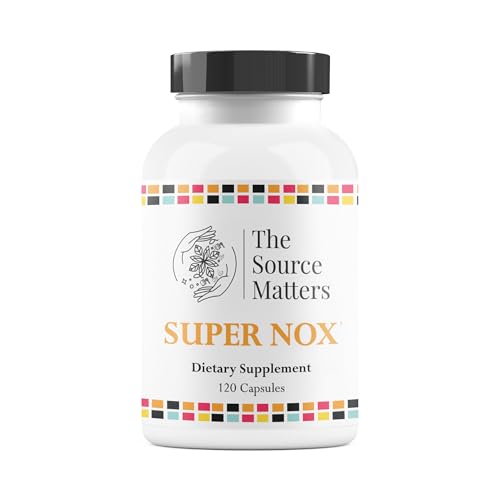
Best-selling Supplements for Vascular Tone


Article Sources
At AncientHerbsWisdom, our content relies on reputable sources, including peer-reviewed studies, to substantiate the information presented in our articles. Our primary objective is to ensure our content is thoroughly fact-checked, maintaining a commitment to accuracy, reliability, and trustworthiness.
- Sangiovanni, E., Brivio, P., Dell’Agli, M., & Calabrese, F. (2017). Botanicals as Modulators of Neuroplasticity: Focus on BDNF. Neural plasticity, 2017, 5965371. https://doi.org/10.1155/2017/5965371
- Steiner, M., & Wurglics, M. (2016). Herbal medicine for cardiovascular disease: Evidence and mechanisms. Phytomedicine, 23(11), 1089–1102. https://doi.org/10.1016/j.phymed.2016.09.009
- Liu, X., & Wang, Y. (2019). Ginkgo biloba extract and cardiovascular protection: Clinical perspectives. Journal of Ethnopharmacology, 244, 112123. https://doi.org/10.1016/j.jep.2019.112123
- Chaiyasit, K., & Patumraj, S. (2018). Effects of garlic on endothelial function and vascular health. Nutrition Research, 51, 1–10. https://doi.org/10.1016/j.nutres.2017.12.003
- Miller, A. L. (2015). Cardiovascular benefits of green tea catechins: A review. Integrative Medicine, 14(2), 28–34. https://www.ncbi.nlm.nih.gov/pubmed/25987987
- Wachtel-Galor, S., & Benzie, I. F. F. (2011). Herbal Medicine: Biomolecular and Clinical Aspects (2nd edition). CRC Press.
- Patel, S., & Goyal, A. (2011). Recent developments in mushrooms as anti-cancer therapeutics: A review. 3 Biotech, 1, 1–15. https://doi.org/10.1007/s13205-011-0009-6
- Gao, J., et al. (2016). Cordyceps sinensis improves cardiovascular function through endothelial nitric oxide modulation. Journal of Ethnopharmacology, 192, 227–234. https://doi.org/10.1016/j.jep.2016.06.023
- Zhang, L., et al. (2019). Reishi mushroom (Ganoderma lucidum) and cardiovascular health: Mechanistic insights and clinical perspectives. Phytotherapy Research, 33(10), 2588–2602.https://doi.org/10.1002/ptr.6498

- Nectarine: Stone Fruit for Heart Health and Antioxidants - March 8, 2026
- Peach: Hydrating Fruit for Skin Health and Digestion - March 8, 2026
- Plum: Fiber-Rich Fruit for Digestion and Heart Health - March 8, 2026
