
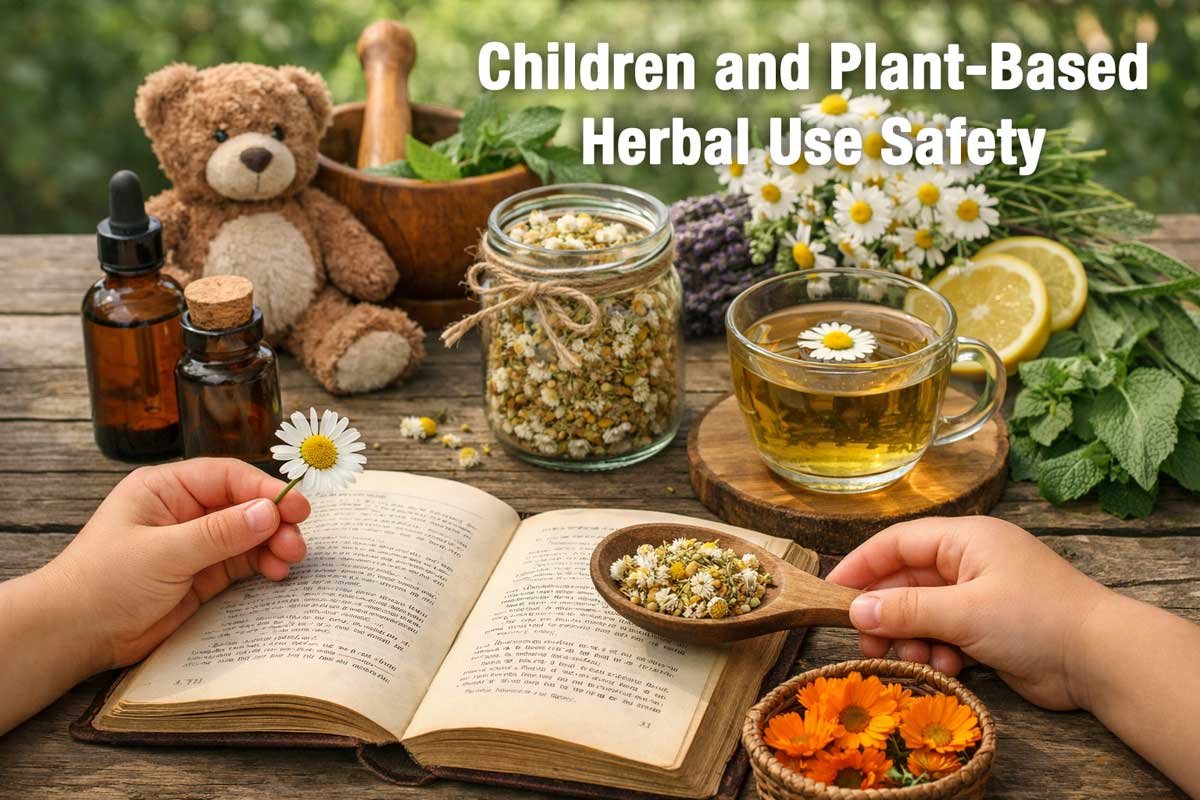
Why Herbal Use Safety Matters for Children
When it comes to children, herbal use safety isn’t just a nice-to-have—it’s essential. Kids are not just small adults. Their bodies are in constant development: their livers and kidneys, which process compounds in plants, are still maturing, and their digestive and immune systems are learning how to respond to the world. A tea or syrup that is harmless for an adult can be too strong or too concentrated for a child. Yet, many parents reach for herbs daily, hoping for gentle support with sleep, digestion, or mild discomfort. The challenge lies in balancing centuries of traditional knowledge with a clear-eyed understanding of how children’s bodies differ from adults.
Think about chamomile, for example. Generations of parents have brewed it for upset tummies or restless nights, and it is generally considered mild and safe. But even chamomile can trigger allergies in sensitive children, particularly those prone to hay fever or eczema. Peppermint tea, another household staple, can soothe digestion but may exacerbate reflux in infants if not properly diluted. These examples illustrate why herbal use safety requires attention to detail, observation, and moderation.
Table of Contents

Safety also involves timing and form. The same herb can behave differently depending on whether it’s given as a tea, tincture, syrup, or infusion. A concentrated extract can deliver several times the active compounds found in a standard cup of tea, which can be overwhelming for a child’s developing system. Preparation matters as much as selection. Knowing how to adjust dosage and form according to age, weight, and sensitivity is the first line of defense against unintended effects.
The conversation around herbal safety for children is further complicated by the rise of plant-based and vegan lifestyles. Parents often choose herbs that align with vegan principles, which is commendable, but it sometimes narrows options or introduces unfamiliar plants. Without careful consideration, even plant-based herbs can interact with medications, nutrients, or each other. For example, a child taking iron supplements may not absorb the mineral efficiently if consuming large amounts of tannin-rich herbs like rosemary or sage in concentrated forms. Understanding these interactions is a key component of herbal use safety.
Tradition provides a wealth of insight, but it is not infallible. Historical use offers a baseline of experience, highlighting which herbs have been given safely over generations. But modern research sometimes uncovers new considerations, such as potential allergens, toxic compounds in high concentrations, or developmental sensitivities previously unrecorded. Combining traditional knowledge with current evidence allows parents to make informed, cautious decisions rather than relying solely on anecdote.
Observation and responsiveness are central to safety. Children vary widely in how they react to herbs, influenced by genetics, gut microbiota, diet, and even emotional state. Introducing one herb at a time, noting any reactions, and adjusting accordingly is more effective than assuming what works for one child will work for all. Practical monitoring—checking for rashes, changes in sleep, digestion, or mood—is an essential skill for parents using plant-based support.
Herbal use safety is also about the larger context of a child’s lifestyle. A balanced, plant-based diet can provide nutrients that support resilience, such as vitamin C from fruits or zinc from legumes. Herbs can complement this foundation, not replace it. Safety comes from seeing herbs as one piece of a broader wellness puzzle, rather than a quick fix for discomfort. In this sense, “herbal use safety” is less about fear and more about respect: respect for the potency of plants, respect for the uniqueness of each child, and respect for the balance between tradition and evidence.
Finally, common sense cannot be overstated. Start with the mildest options, keep preparations simple, and never ignore signals from the child’s body. Herbs that are effective for adults often need to be scaled down significantly for children, and some should be avoided entirely in early years. Even something as seemingly benign as a lavender-infused oil or an oatstraw tea should be observed for tolerance and reaction. In practice, this approach is less restrictive and more empowering: it allows families to explore plant-based wellness safely while learning to recognize what works for their child.
Herbal use safety for children is about more than avoiding adverse reactions. It’s about thoughtful selection, careful preparation, responsive observation, and integrating traditional wisdom with modern knowledge. It is about giving children the benefits of plant-based wellness while protecting their unique, developing systems. Parents and caregivers who approach herbs with curiosity, caution, and attention to detail are practicing not just herbal use—they are practicing mindful care that respects both the potency of plants and the sensitivity of growing bodies.
Common Plant-Based Herbs Used With Children
Herbs can feel like old friends in a family kitchen—chamomile steeping on the stove, a sprig of mint in a warm water cup, or a gentle syrup made from elderflowers. But when we talk about children, familiarity must be paired with careful attention. Understanding which plant-based herbs are commonly used, how they work, and how to prepare them safely is central to herbal use safety. In this section, we’ll explore three main areas: mild digestive support, herbs that encourage calm and sleep, and immune-supporting herbs.
Mild Digestive Support Herbs
Digestive discomfort is one of the most common reasons parents turn to herbs. Children’s digestive systems are still maturing, which makes them sensitive to both diet and the strength of herbal preparations. Certain herbs, used with care, can help soothe the tummy and support gentle digestion.
Chamomile (Matricaria recutita) is perhaps the most well-known. Traditionally, it has been used to ease gas, bloating, and mild stomach upset. The flavonoids and essential oils in chamomile have mild antispasmodic and calming effects on the digestive tract. For children, a weak infusion—steeping one teaspoon of dried flowers in a cup of hot water for five minutes—is usually sufficient. A small amount before meals or at bedtime can be soothing. Observing for allergies is important, particularly in children sensitive to ragweed, as chamomile is part of the same plant family.
Fennel (Foeniculum vulgare) seeds are another gentle option. Fennel can relieve gas and cramping, and its slightly sweet flavor is usually well-tolerated by children. A typical preparation is a mild infusion: one teaspoon of crushed seeds per cup of hot water, strained after five minutes. Fennel should be introduced gradually, especially for infants under one year, to ensure tolerance.
Peppermint (Mentha × piperita) can soothe mild digestive discomfort, such as bloating or mild nausea. It should always be offered as a weak tea for children, as concentrated peppermint oil can be too strong and may worsen reflux. Peppermint can be a flavorful addition to family herbal routines, provided parents pay attention to age and concentration.
These mild digestive herbs demonstrate a key principle: effectiveness often comes from simplicity, moderation, and careful observation.
Herbs Supporting Calm and Sleep
Sleep challenges are common in children, and herbs can provide gentle support. Nervines—plants that help calm the nervous system—can promote relaxation without the need for harsh chemicals.
Lemon Balm (Melissa officinalis) has a long history of use for calming restlessness and mild anxiety. Its subtle citrus aroma and gentle flavor make it appealing to children. Preparing a mild tea with one teaspoon of dried leaves per cup of hot water is generally considered safe. Parents can offer it in the evening or before quiet time, observing the child’s reaction to ensure it’s not overly sedating.
Lavender (Lavandula angustifolia) is frequently used in aromatherapy, but small amounts in teas or infused oils can also encourage calm. The taste is slightly floral, so combining it with chamomile or honey alternatives like maple syrup can make it more palatable. Though typically mild, lavender should always be introduced slowly and monitored for any signs of sensitivity.
Oatstraw (Avena sativa) provides gentle nervous system support. Rich in minerals, it has a soothing effect on children who are anxious or overstimulated. A simple infusion of one teaspoon of dried oatstraw per cup of hot water, offered in the evening, can help establish a calming bedtime ritual. Its mild taste usually makes it easy to integrate into a plant-based routine.
These herbs exemplify the concept of using plants as quiet companions rather than strong interventions. They work best in small doses, with attention to timing, preparation, and individual tolerance.
Immune Support Herbs
Children’s immune systems are constantly learning to respond to environmental challenges. Certain plant-based herbs, used mindfully, can provide supportive nutrients and gentle immune modulation.
Elderflower (Sambucus nigra) has a long tradition in teas and syrups to support seasonal wellness. Elderflower infusions are mild and palatable for children, and they can be incorporated into plant-based syrups sweetened with alternatives like maple syrup or agave. Elderflowers should be used in moderation and only after ensuring correct identification and preparation, as other parts of the plant can be toxic if raw.
Rosehips (Rosa canina) are rich in vitamin C and antioxidants. They can be steeped as a mild tea, offering both flavor and nutritional support. For children, rosehip tea is usually well-tolerated, with a naturally sweet and tangy flavor.
Echinacea (Echinacea purpurea) is more potent and should be approached cautiously. Evidence shows potential for supporting immune response, but sensitivity and allergic reactions are possible. If used, small, infrequent doses in children over the age of two, and preferably in consultation with a healthcare professional, is recommended. Preparations should be mild and monitored carefully.
These immune-supporting herbs illustrate that plant-based wellness is not about overwhelming a child’s system with strong compounds. It’s about using mild, age-appropriate preparations and observing reactions over time, integrating them naturally into daily routines.
In practice, families often combine these approaches—digestive teas after meals, calming infusions in the evening, and gentle immune teas during seasonal transitions. The key is moderation, attentiveness, and understanding that even mild herbs are biologically active. Using these common plant-based herbs safely requires thought, observation, and respect for each child’s unique response.
When used carefully, these herbs can create a supportive, plant-based environment for children, fostering wellness without over-reliance on strong interventions. They show that herbal use safety is not restrictive—it is empowering, giving families tools to nurture comfort, calm, and resilience naturally.
Practical Principles for Herbal Use Safety
Herbal use with children can feel both empowering and intimidating. On one hand, herbs offer gentle, plant-based support for digestion, calm, and overall wellness. On the other, children’s developing bodies require a careful, thoughtful approach. Herbal use safety is built on principles that guide preparation, dosage, observation, and integration with lifestyle choices. When approached mindfully, these principles help families use herbs confidently, without fear or guesswork.
Age-Appropriate Dosing and Preparation
The first and most critical principle is adjusting herbal use to the child’s age and developmental stage. Children metabolize herbal compounds differently at various ages, which makes both dose and preparation method key factors in safety. Infants, for example, are far more sensitive to even mild herbs. Simple teas with very low concentrations—one teaspoon of dried herb per cup of water, steeped briefly—are often sufficient. Strong decoctions, tinctures, or concentrated extracts may overwhelm the immature digestive and hepatic systems.
Toddlers and school-age children can tolerate slightly stronger preparations, but moderation remains crucial. For example, chamomile or lemon balm teas can be offered once or twice daily in small amounts. For older children, mild syrups or teas with slightly higher herb concentrations can be introduced gradually. A practical approach is “start low, go slow”: begin with the weakest effective preparation, observe the child’s response for several days, and adjust slowly if needed.
Preparation also affects potency. Herbal teas, infusions, and decoctions differ in strength. Infusions—steeping delicate flowers and leaves—tend to be gentler, whereas decoctions of roots or tougher plant material extract more potent compounds. For children, infusions are usually preferable. Syrups, particularly when sweetened with vegan-friendly alternatives like maple syrup or date syrup, offer a palatable way to administer herbs but require careful attention to dosage and frequency. Parents should always label homemade preparations clearly to avoid accidental overuse.
Avoiding Overstimulation or Adverse Effects
Even mild herbs can produce overstimulation or unintended effects if misused. Digestive herbs in high concentration may cause cramping or loose stools. Calming herbs like lemon balm or oatstraw may induce sleepiness if offered too late in the day or in larger doses than needed.
A key principle is observation. Children should be monitored for changes in sleep, digestion, mood, and skin reactions. Keep notes on reactions, which helps identify patterns over time. Introducing one herb at a time reduces the risk of confusing responses and makes it easier to pinpoint the cause of any adverse effect. Parents should also be aware of known allergenic plants, such as chamomile (linked to ragweed allergies), and discontinue use immediately if any unusual reaction occurs.
Preparation strength, frequency, and form are also tools to minimize overstimulation. Mild infusions and occasional small doses often suffice. Avoid concentrated tinctures or repeated strong decoctions unless there is clear guidance from evidence-based sources or a healthcare professional. Even seemingly innocuous herbs like peppermint or rosemary can interact with supplements or medications, so careful moderation is essential.
Integration With a Vegan or Plant-Based Lifestyle
For families following a vegan or plant-based approach, herbal use safety includes selecting appropriate preparations that align with lifestyle choices. Traditional syrups often use honey, which vegan families typically avoid. Plant-based alternatives such as agave nectar, maple syrup, or date syrup can make herbal preparations both appealing and ethical without compromising safety.
Herbs can also complement a plant-based diet nutritionally. For example, rosehip tea contributes natural vitamin C, while oatstraw infusions provide trace minerals. Integrating herbs into daily meals, snacks, or drinks encourages consistent, gentle use rather than large, concentrated doses. This approach supports both wellness and habit formation in children, turning herbal routines into enjoyable rituals rather than interventions.
Furthermore, careful selection of herbs ensures compatibility with plant-based meals. Some herbs may interact with iron absorption or other nutrients; pairing thoughtfully—for instance, offering mild herbal teas away from iron-rich meals—helps maximize both nutritional intake and herbal safety. Observing how the child responds to these combinations is part of the practical wisdom of plant-based herbal care.
Ultimately, practical principles for herbal use safety combine moderation, observation, and thoughtful integration. Age-appropriate dosing ensures that children receive safe and effective levels of herbal compounds. Avoiding overstimulation minimizes the risk of adverse effects. And integrating herbs into a plant-based lifestyle allows families to support wellness naturally, ethically, and consistently. These principles transform herbal use from a source of anxiety into a mindful, intentional part of daily life.
Recognizing When to Seek Professional Guidance
Even with careful attention, herbs are biologically active substances, and children’s responses can be unpredictable. Recognizing when to involve a healthcare professional is a key part of herbal use safety. This awareness protects children while allowing families to explore plant-based wellness thoughtfully. Understanding how to monitor reactions, identify warning signs, and combine traditional knowledge with modern research empowers parents to act confidently and responsibly.
Monitoring Reactions and Adjusting Use
Observation is the cornerstone of safe herbal use. Children may respond differently to the same herb, depending on age, weight, digestion, and sensitivity. Keeping a simple log of what is given, the amount, the form, and the child’s reaction can provide invaluable insights over time. For example, a small chamomile infusion may soothe one child’s upset stomach but cause mild drowsiness or an allergic rash in another. Recording these subtle changes allows caregivers to adjust preparation, dosage, or timing safely.
Introducing one herb at a time is a practical strategy. This reduces the risk of overlapping effects and makes it easier to identify the cause of any reaction. Gradual introduction also allows parents to notice delayed responses, such as mild digestive discomfort appearing several hours after consumption. Adjustments can then be made by reducing the concentration, shortening steeping times, or spacing out administration. Consistent monitoring ensures that herbal use remains safe and supportive rather than overwhelming.
Red Flags for Medical Attention
Despite best efforts, certain reactions signal that professional guidance is needed immediately. Allergic reactions—rash, swelling, or respiratory difficulty—require prompt medical evaluation. Persistent digestive issues, severe or prolonged sleep disturbances, unexplained behavioral changes, or symptoms that worsen rather than improve are also red flags. Even herbs considered “mild” can interact with medications, underlying health conditions, or nutrient absorption, making timely professional input essential.
It’s important to remember that herbal support complements, but does not replace, conventional healthcare when necessary. Families should maintain open communication with pediatricians, particularly when using concentrated herbal extracts, introducing new herbs during illness, or combining herbs with medications. Recognizing the limits of home herbal care is part of a practical, safe approach and aligns with the principle of cautious, evidence-informed practice.
Combining Tradition With Modern Research
Traditional herbal knowledge offers guidance honed over generations, indicating which plants have been used safely and for what purposes. Recipes, preparations, and observed effects from centuries of practice provide a valuable framework for introducing herbs to children. However, modern research adds critical safety context, identifying potential allergens, toxic compounds, and interactions with medications or nutrients.
By combining tradition with current evidence, parents can make informed decisions. For instance, chamomile may have centuries of safe use, but research highlighting ragweed-related cross-reactivity informs monitoring practices. Similarly, elderflower teas are traditionally used for seasonal wellness, but scientific studies remind caregivers to avoid raw berries and follow proper preparation methods. Blending these approaches maximizes the benefits of herbs while minimizing risk.
This combined approach also encourages thoughtful exploration. Families can experiment safely with mild plant-based herbs, guided by observation, traditional experience, and scientific knowledge. It instills confidence without relying on assumption or guesswork, ensuring herbal practices remain both effective and safe for children.
Ultimately, recognizing when to seek guidance is less about fear and more about mindfulness. By monitoring reactions, knowing the red flags, and using both tradition and research as tools, parents create a protective, informed environment. Herbal use safety becomes an ongoing process of attentive observation, thoughtful adjustment, and respectful integration of knowledge, giving children the benefits of plant-based wellness while safeguarding their health.
Growing Up With Herbs: A Common-Sense Approach
Children naturally explore the world through taste, touch, and curiosity, and herbs can become part of that exploration when approached thoughtfully. Growing up with herbs isn’t about creating strict routines or rigid dosages; it’s about cultivating familiarity, respect, and an understanding of how plants interact with the body. A common-sense approach allows families to integrate herbal wellness into everyday life while prioritizing safety and mindfulness.
One key principle is simplicity. Herbs do not need to be complicated or highly concentrated to be effective or enjoyable. A cup of chamomile tea after school, a few rosehip berries steeped in water, or a tiny sprig of mint in a smoothie can become small rituals that teach children about flavors, nourishment, and self-care. These rituals are more meaningful when they are consistent, gentle, and age-appropriate, rather than overly structured or overwhelming. Children respond to repetition and subtlety, which helps them develop both tolerance and appreciation for herbal flavors and benefits.
Observation remains central to common-sense herbal use. Even mild herbs can have subtle effects, and children vary in sensitivity. Watching for reactions—digestive changes, mood shifts, or sleep patterns—provides valuable feedback. Adjusting preparations, timing, or doses based on these observations demonstrates respect for each child’s individuality. Parents quickly learn which herbs are universally well-tolerated in their family and which require caution, creating a dynamic, responsive approach to herbal wellness.
Another important aspect is context. Herbs should complement, not replace, broader wellness practices. A plant-based, balanced diet, adequate hydration, sleep, and physical activity form the foundation of a child’s health. Herbs become supportive allies within this context. For instance, mild nervines like lemon balm or oatstraw can encourage calm before bedtime, but they are most effective when paired with a predictable evening routine, dim lighting, and quiet activities. Similarly, digestive herbs such as fennel or peppermint work best when meals are balanced, mindful, and paced, rather than relying on herbs as a fix for overeating or processed foods.
Integrating herbs into a vegan or plant-based lifestyle is another practical layer. Many families choose plant-based syrups, teas, and infusions over traditional honey-based preparations, ensuring that herbal use aligns with broader ethical and dietary choices. This integration also provides opportunities for children to learn about plant-based nutrition, sustainability, and the ethical sourcing of ingredients. Preparing herbal teas together, tasting different flavors, or observing plants growing in a garden can make herbal use an educational and enjoyable part of daily life.
Practicality and flexibility are vital. Children’s schedules, appetites, and preferences change frequently. A rigid herbal routine may create resistance or unnecessary stress. Instead, offering herbs as options—small cups of tea, a few berries steeped in water, or an herbal infusion before quiet time—lets children participate without pressure. Over time, these small, consistent exposures build familiarity and trust, creating a culture of wellness that feels natural rather than forced.
A common-sense approach also involves recognizing limits. Not every child will respond the same way to every herb, and some may be allergic or sensitive. Understanding that herbal use is a supportive practice, not a cure-all, helps maintain realistic expectations. Families who embrace this mindset are more likely to introduce herbs safely, observe responses carefully, and adjust practices appropriately.
Finally, growing up with herbs fosters curiosity and empowerment. Children learn to pay attention to their bodies, recognize how different flavors and preparations affect them, and develop a relationship with plants that is both practical and respectful. It encourages mindful choices rather than passive consumption. These lessons extend beyond herbal use, teaching children observation, discernment, and an understanding of the subtle interactions between diet, wellness, and environment.
A common-sense approach combines simplicity, observation, context, flexibility, and mindful integration with lifestyle. It encourages children to experience herbs safely, enjoyably, and ethically, building habits that can last a lifetime. Herbs become part of the rhythm of daily life rather than a clinical intervention, creating a natural bridge between plant-based wellness, family tradition, and thoughtful self-care. By focusing on moderation, attention, and respect for each child’s uniqueness, families can provide gentle support while fostering curiosity, resilience, and an intuitive understanding of how plants can nurture growing bodies.
Best-selling Vegan Products


Article Sources
At AncientHerbsWisdom, our content relies on reputable sources, including peer-reviewed studies, to substantiate the information presented in our articles. Our primary objective is to ensure our content is thoroughly fact-checked, maintaining a commitment to accuracy, reliability, and trustworthiness.
- Sangiovanni, E., Brivio, P., Dell’Agli, M., & Calabrese, F. (2017). Botanicals as Modulators of Neuroplasticity: Focus on BDNF. Neural plasticity, 2017, 5965371. https://doi.org/10.1155/2017/5965371
- Bone, K., & Mills, S. (2013). Principles and Practice of Phytotherapy: Modern Herbal Medicine. Churchill Livingstone. https://www.sciencedirect.com/book/9780702043799/principles-and-practice-of-phytotherapy
- World Health Organization. (2021). WHO Traditional Medicine Strategy 2014–2023. World Health Organization. https://www.who.int/publications/i/item/9789241506090
- Caceres, A., et al. (1991). Pharmacological properties of Matricaria recutita (chamomile): Part II—Experimental studies. Planta Medica, 57(5), 331–336. https://doi.org/10.1055/s-2006-959480
- European Medicines Agency. (2017). Community Herbal Monograph on Melissa officinalis L., folium. https://www.ema.europa.eu/en/documents/herbal-monograph/final-community-herbal-monograph-melissa-officinalis-l-folium_en.pdf
- Christensen, L. P., & Brandt, K. (2006). Bioactive compounds in herbs and spices: effects on human health and potential applications. Critical Reviews in Food Science and Nutrition, 46(6), 523–539. https://doi.org/10.1080/10408390500468435
- Halliwell, B. (2007). Biochemistry of oxidative stress. Biochemical Society Transactions, 35(5), 1147–1150. https://doi.org/10.1042/BST0351147
- European Food Safety Authority. (2012). Scientific Opinion on the safety of herbal preparations in food supplements. EFSA Journal, 10(2), 2593. https://doi.org/10.2903/j.efsa.2012.2593

- Nectarine: Stone Fruit for Heart Health and Antioxidants - March 8, 2026
- Peach: Hydrating Fruit for Skin Health and Digestion - March 8, 2026
- Plum: Fiber-Rich Fruit for Digestion and Heart Health - March 8, 2026
