
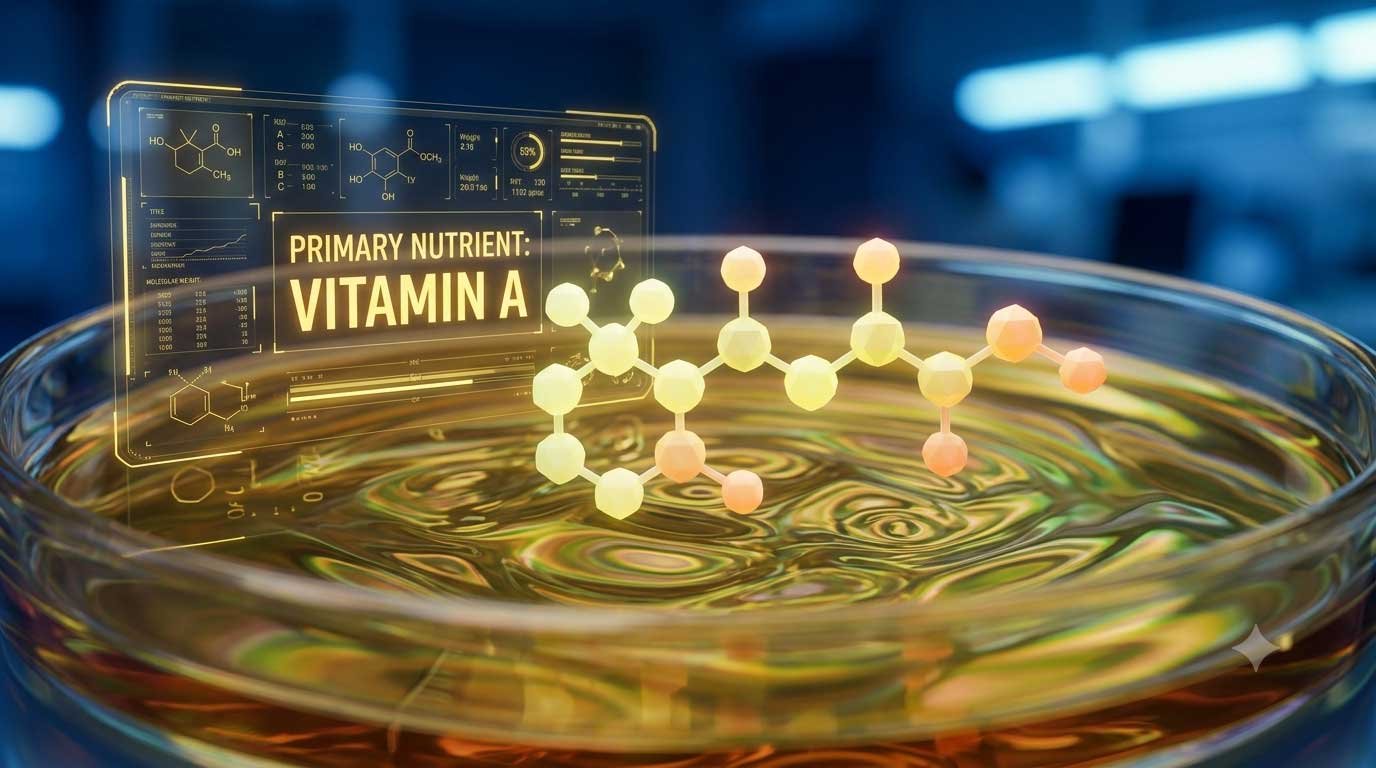
Why Vitamin A Still Matters in Modern Nutrition
Walk into any grocery store and you’ll see shelves packed with foods claiming to support wellness. Protein powders, greens powders, functional beverages, fortified cereals, and supplements promising everything from energy to healthy aging compete for attention. Yet among all the modern nutrition trends, one nutrient has quietly maintained its place as one of the most important vitamins for human health: Vitamin A.
It is easy to overlook Vitamin A because it has been around forever. Unlike newer compounds that cycle through headlines every few years, Vitamin A rarely enjoys a moment in the spotlight. That familiarity can make people underestimate its significance. The reality is that Vitamin A participates in an astonishing number of biological processes that affect everyday health.
Most people first hear about Vitamin A in connection with vision. Parents have been telling children to eat carrots for generations, often with promises of better eyesight. While there is some truth behind that advice, the story of Vitamin A extends far beyond seeing clearly in dim light. This nutrient helps maintain healthy skin, supports immune function, contributes to cellular communication, and plays a role in normal growth and development.

Table of Contents

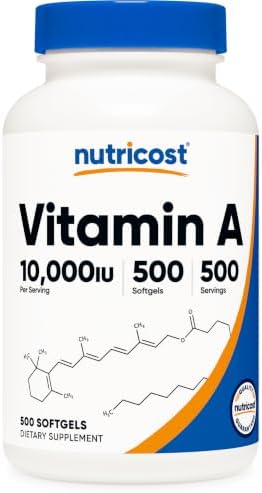

One reason Vitamin A remains relevant today is that it exists in several forms. When people use the term Vitamin A, they are actually referring to a group of fat soluble compounds with related biological activity.
The two primary categories are:
- Preformed Vitamin A, commonly known as retinol and its derivatives, found mainly in animal based foods
- Provitamin A carotenoids, including beta-carotene, found primarily in fruits and vegetables
This distinction matters because the body handles these forms differently. Retinol is already in a usable form and can be absorbed directly. Beta-carotene, on the other hand, must be converted into active Vitamin A after consumption. The conversion process is remarkably efficient for some individuals and less efficient for others, which helps explain why nutritional needs and responses can vary from person to person.
The discovery of Vitamin A itself is an interesting chapter in nutritional science. In the early twentieth century, researchers began identifying specific dietary factors required for normal growth and survival. Before scientists understood the concept of vitamins, many deficiency diseases were widespread and often mysterious. As evidence accumulated, Vitamin A emerged as one of the first recognized essential nutrients.
Historical records show that Vitamin A deficiency was once a major public health challenge across many parts of the world. Night blindness, impaired immune function, and severe eye disorders affected millions of people. In some regions, deficiency remains a concern today despite significant progress in public health initiatives and food availability.
That history offers an important lesson. Essential nutrients tend to fade from public discussion when they become readily available. The disappearance of a deficiency problem often creates the illusion that the nutrient itself is no longer important. In reality, the nutrient remains just as essential as ever.
What has changed is the environment in which people obtain it.
Modern diets create an interesting paradox. Food is more abundant than at any point in human history, yet nutrient quality can vary dramatically. A person can consume plenty of calories while falling short on certain vitamins and minerals. This phenomenon sometimes surprises people who assume nutritional deficiencies belong exclusively to the past.
Consider a typical day built around convenience foods. Breakfast might consist of a pastry and coffee. Lunch could be a fast food meal. Dinner may involve heavily processed packaged products. Such a diet can provide sufficient energy while offering relatively little in the way of nutrient density.
Vitamin A is one example of a nutrient that benefits from dietary variety. Colorful vegetables, dairy products, eggs, fish, and organ meats have traditionally contributed to intake. When those foods become less common, overall consumption may decline.
Another factor that keeps Vitamin A relevant is its relationship with fat. Unlike water soluble vitamins that dissolve easily in water, Vitamin A requires dietary fat for optimal absorption. This is one reason nutrition rarely works as a collection of isolated nutrients. Foods interact with one another in ways that influence how effectively the body can use them.
For example, a spinach salad contains valuable beta-carotene. Add a small amount of olive oil, avocado, nuts, or another source of fat, and absorption improves. These simple interactions highlight why dietary patterns often matter more than individual foods.
The popularity of supplementation has also changed how people think about Vitamin A. Many consumers assume that if a little is good, more must be better. Nutrition rarely follows that logic. Vitamin A occupies an unusual position because both deficiency and excessive intake can create problems.
This balance is especially important with supplemental retinol. While obtaining Vitamin A through food is generally straightforward, high dose supplements may contribute to excessive intake when used unnecessarily. At the same time, avoiding nutrient rich foods out of fear of overconsumption can lead people in the opposite direction.
Finding the middle ground tends to produce the best results.
There is also growing appreciation for the broader family of compounds associated with Vitamin A. Researchers continue exploring how carotenoids such as beta-carotene function within foods and dietary patterns. While beta-carotene is often discussed simply as a precursor to Vitamin A, it is also valued for its role within colorful plant foods that contribute to overall nutritional quality.
Think about the vibrant orange of sweet potatoes, the deep green of kale, or the rich color of pumpkin. Those visual cues often signal the presence of beneficial plant compounds, including carotenoids. Nature has a surprisingly effective way of advertising nutrient density.
From a practical standpoint, Vitamin A remains important because it sits at the intersection of several major health priorities. People want to maintain healthy vision as they age. They want resilient immune function. They want healthy skin. They want diets that support long term wellness rather than merely satisfying hunger.
Vitamin A contributes to each of those goals.
Perhaps the most compelling reason Vitamin A still matters is that it reminds us of a simple truth about nutrition. Progress in nutritional science has revealed thousands of compounds, pathways, and mechanisms. Yet many of the most important health principles remain remarkably consistent. A varied diet rich in nutrient dense foods continues to provide benefits that no trend can fully replace.
In a world constantly searching for the next breakthrough, Vitamin A stands as a reminder that some of the most valuable nutrients are the ones we have known about all along.
Key Health Benefits of Vitamin A
Vitamin A has earned its reputation as an essential nutrient for a reason. Few vitamins participate in as many fundamental biological processes. While many people associate Vitamin A primarily with eyesight, its influence extends into multiple systems throughout the body. From helping maintain normal vision to supporting immunity, skin integrity, growth, and reproductive function, Vitamin A works behind the scenes in ways that often go unnoticed until intake becomes inadequate.
One of the fascinating aspects of Vitamin A is that its effects are not limited to a single organ or tissue. Instead, it acts more like a coordinator, helping cells communicate, mature, and perform specialized functions. This broad influence explains why Vitamin A has remained a major focus of nutritional research for more than a century.
Supporting Healthy Vision
If there is one health benefit most closely associated with Vitamin A, it is vision. The connection is so well established that Vitamin A deficiency has historically been linked to some of the most recognizable vision related symptoms in nutrition.
At the center of this relationship is the retina, the light sensitive tissue located at the back of the eye. Within the retina are specialized cells known as rods and cones. Rods are particularly important for seeing in low light conditions, while cones help distinguish colors and fine details.
Vitamin A contributes directly to the formation of rhodopsin, a light sensitive pigment found in rod cells. Rhodopsin allows the eye to adapt when moving from bright environments into darker settings. Anyone who has stepped into a dimly lit room after spending time outdoors has experienced this adjustment process.
When Vitamin A intake becomes insufficient, one of the earliest signs can be difficulty adapting to darkness. This phenomenon, often called night blindness, has been recognized for centuries and remains one of the classic indicators of deficiency.
Healthy vision depends on far more than simply reading an eye chart. The visual system continuously performs complex tasks such as:
- Detecting contrast
- Adjusting to changing light conditions
- Processing movement
- Supporting spatial awareness
- Maintaining the health of surface tissues within the eye
Vitamin A contributes to the maintenance of epithelial tissues that line various structures of the eye. These tissues help preserve normal moisture and function. Their health is an important part of overall visual comfort.
An interesting historical example comes from early seafaring communities. Long voyages often involved limited access to fresh foods, increasing the risk of nutritional deficiencies. Records suggest that certain foods rich in Vitamin A were valued because sailors noticed improvements in vision related symptoms after consuming them. Long before scientists understood retinol or beta-carotene, practical observations pointed toward the importance of this nutrient.
Modern diets generally provide more reliable access to Vitamin A rich foods, yet vision remains one of the most compelling reasons to maintain adequate intake throughout life.
Immune System Support
The immune system is often described as the body’s defense network, but that phrase barely captures its complexity. Every day, immune cells communicate, identify potential threats, coordinate responses, and help maintain balance within the body.
Vitamin A plays a significant role in supporting these processes.
One of its most important functions involves maintaining the integrity of epithelial tissues. These tissues form protective surfaces throughout the respiratory tract, digestive system, urinary tract, and other areas that interact with the outside world.
Think of these tissues as the body’s front line. Before the immune system even needs to respond to a challenge, these physical barriers help create a protective boundary.
Vitamin A helps support the normal structure and function of these tissues, contributing to their ability to perform this role effectively.
Researchers have also examined the relationship between Vitamin A and immune cell activity. Retinoic acid, a metabolite derived from Vitamin A, participates in cellular signaling pathways that influence immune function. This interaction highlights how nutrition and immunity are closely connected rather than operating as separate systems.
One reason scientists continue studying Vitamin A is that immune function requires constant maintenance. Unlike a machine that can simply be switched on or off, the immune system depends on continuous regulation. Nutrients provide some of the raw materials and signaling support necessary for that process.
Several observations have emerged repeatedly in nutritional research:
- Adequate Vitamin A intake supports normal immune function
- Deficiency can impair protective barriers
- Nutritional status influences how effectively tissues maintain their integrity
- Balanced intake appears more beneficial than excessive supplementation
A useful way to think about immunity is as a team effort rather than the responsibility of a single nutrient. Vitamin A works alongside other vitamins, minerals, proteins, and lifestyle factors. Sleep, stress management, physical activity, and overall dietary quality all contribute to the larger picture.
Still, Vitamin A remains one of the key players in that network.
Skin Health and Cellular Renewal
Healthy skin often reflects much more than skincare products. Nutrition, hydration, genetics, environmental exposure, and lifestyle choices all contribute to skin appearance and function.
Vitamin A occupies a unique place in this discussion because it plays a direct role in cellular growth and differentiation.
The outermost layer of skin is constantly renewing itself. New cells are produced, older cells migrate toward the surface, and eventually those cells are shed. This cycle occurs continuously throughout life.
Vitamin A helps regulate aspects of this process.
In fact, some of the most widely recognized dermatological compounds are derived from Vitamin A. Retinol and related retinoids have become familiar names in skincare because of their connection to skin renewal and appearance.
However, the relationship between Vitamin A and skin health extends beyond cosmetic concerns.
Skin serves several critical functions:
- Acts as a protective barrier
- Helps regulate temperature
- Supports hydration balance
- Provides sensory information
- Contributes to overall physical resilience
Vitamin A supports the maintenance of epithelial tissues throughout the body, including the skin. When intake is inadequate, changes in skin texture and appearance may occur.
Many people have experienced periods when their diet slipped due to travel, stress, demanding work schedules, or other life events. The skin is often one of the first places where nutritional imbalances become noticeable. While no single nutrient determines skin quality, Vitamin A contributes to the broader foundation that supports healthy tissue maintenance.
The connection between nutrition and appearance sometimes receives less attention than it deserves. People often search for external solutions while overlooking the role of dietary patterns. Foods rich in vitamins, minerals, healthy fats, and antioxidants provide resources that skin cells can utilize every day.
Vitamin A remains an important part of that nutritional foundation.
Growth, Development and Reproductive Health
Among all the functions associated with Vitamin A, its role in growth and development may be one of the most fundamental.
Every second, the body relies on highly coordinated cellular activity. Cells divide, mature, communicate, and specialize to perform specific tasks. Vitamin A participates in the regulation of these processes through mechanisms related to cell differentiation.
Cell differentiation refers to the process by which immature cells develop into specialized cells with unique functions. This process is essential throughout life but is particularly important during periods of growth and development.
Researchers have identified roles for Vitamin A in:
- Embryonic development
- Tissue formation
- Cellular specialization
- Normal growth processes
- Reproductive function
The importance of Vitamin A during pregnancy illustrates how critical nutrient balance can be. Adequate intake supports normal physiological processes, while excessive supplemental intake can present concerns. This delicate balance underscores why nutrition often focuses on meeting needs rather than maximizing intake.
Reproductive health also involves numerous biological systems working together. Hormonal signaling, tissue maintenance, cellular communication, and nutrient availability all contribute to normal function. Vitamin A participates in several of these pathways, helping support the body’s natural processes.
What makes Vitamin A particularly interesting is that its influence begins before birth and continues throughout the lifespan. Children require it during periods of rapid growth. Adults depend on it for tissue maintenance and normal physiological function. Older adults continue relying on it to support vision, immunity, and cellular health.
This lifelong relevance separates Vitamin A from many nutrition trends that rise and fall with changing public interest. Scientific understanding evolves, new research emerges, and recommendations may be refined, yet the fundamental importance of Vitamin A remains remarkably consistent.
Whether supporting healthy vision in a dimly lit room, helping maintain protective barriers, contributing to skin renewal, or participating in growth and developmental processes, Vitamin A continues to demonstrate why it is considered one of the most essential vitamins in human nutrition.

Dietary Sources of Vitamin A
Understanding where Vitamin A comes from is often more useful than memorizing intake recommendations. Most people do not calculate their daily nutrient consumption with precision, nor do they need to. In practice, obtaining adequate Vitamin A is usually a matter of building meals around a variety of nutrient dense foods.
What makes Vitamin A somewhat unique among vitamins is that it arrives in two primary forms. Some foods contain active Vitamin A, known as retinol, while others provide compounds that the body can convert into Vitamin A when needed. This dual source system gives people multiple ways to meet their nutritional requirements, whether they consume animal products, plant foods, or a combination of both.
The challenge is not necessarily finding foods that contain Vitamin A. The challenge is understanding which sources are most concentrated, how efficiently the body uses them, and what factors influence absorption.
Animal Based Sources of Retinol
Animal foods provide preformed Vitamin A, commonly referred to as retinol. This is the biologically active form that the body can use directly without requiring conversion.
From a nutritional standpoint, retinol offers a straightforward advantage. Once consumed and absorbed, it is readily available for the body to utilize in various physiological processes.
Among all food sources, liver stands out as the most concentrated source of Vitamin A by a significant margin.
Common examples include:
- Beef liver
- Chicken liver
- Lamb liver
- Cod liver oil
Historically, liver occupied a much more prominent place in traditional diets. Many cultures considered it one of the most valuable foods available. While modern eating habits have shifted away from organ meats, liver remains one of the richest natural sources of retinol.
A single serving can contain far more Vitamin A than the average person requires in a day.
That nutritional density explains why liver has long been associated with supporting healthy nutrient intake. It also explains why moderation is important. Extremely frequent consumption of large amounts of liver may contribute to excessive Vitamin A intake over time.
Fish liver oils represent another concentrated source. Cod liver oil, in particular, has a long history of use in traditional nutrition. Before the widespread availability of supplements and fortified foods, it was often used as a practical way to increase intake of both Vitamin A and vitamin D.
Beyond these highly concentrated foods, several commonly consumed animal products contribute meaningful amounts of Vitamin A.
Examples include:
- Whole eggs
- Cheese
- Milk
- Yogurt
- Butter
The amount varies depending on factors such as animal feed, production methods, and processing. Even so, these foods can collectively contribute a substantial portion of daily intake in balanced diets.
One interesting observation is that many traditional cuisines naturally pair vitamin A-rich foods with dietary fats. This combination likely improved absorption long before scientists understood the mechanisms involved.
A breakfast containing eggs, cheese, and whole milk may not seem like a lesson in nutritional biochemistry, yet it naturally provides both retinol and the fats needed for effective absorption.
Nutrition often works that way. Many traditional food combinations were developed through experience rather than scientific knowledge.
Plant-Based Sources of Beta Carotene
While animal foods provide retinol directly, plants offer a different pathway. Many fruits and vegetables contain carotenoids, a family of naturally occurring pigments responsible for vibrant yellow, orange, and deep green colors.
Among these compounds, beta-carotene is the best known provitamin A carotenoid.
The body can convert beta-carotene into active Vitamin A according to its needs. This built in regulatory mechanism helps explain why plant sources are generally associated with a lower risk of excessive Vitamin A intake compared with high dose retinol supplements.
Some of the richest sources of beta-carotene include:
- Carrots
- Sweet potatoes
- Pumpkin
- Butternut squash
- Kale
- Spinach
- Collard greens
- Swiss chard
- Red peppers
- Cantaloupe
Carrots tend to dominate public discussions about Vitamin A, perhaps because they are easy to recognize and widely available. Yet many leafy green vegetables actually contain substantial amounts of beta-carotene as well.
This surprises people because green vegetables do not appear orange.
The explanation is simple. Chlorophyll, the green pigment in plants, masks the presence of carotenoids. Remove the chlorophyll and the underlying yellow and orange pigments become much more apparent.
Anyone who has watched autumn leaves change color has seen this process firsthand.
One of the advantages of obtaining Vitamin A through colorful produce is that these foods contribute far more than a single nutrient. A serving of sweet potato or spinach also provides fiber, potassium, polyphenols, and numerous other beneficial compounds.
This is one reason nutrition experts often emphasize dietary patterns rather than isolated nutrients. Foods rarely deliver a single benefit. They tend to bring entire packages of complementary compounds.
A practical strategy is to use color as a guide.
Meals that regularly include:
- Deep orange vegetables
- Dark leafy greens
- Bright red produce
- Yellow fruits and vegetables
often provide meaningful amounts of beta-carotene while simultaneously increasing dietary diversity.
Nature frequently signals nutritional value through color, and Vitamin A rich foods are a good example of that principle.
Factors That Affect Absorption
Consuming Vitamin A rich foods is only part of the equation. The body must also absorb and utilize the nutrient effectively.
Several factors influence this process.
One of the most important is dietary fat.
Vitamin A is a fat soluble vitamin, meaning it dissolves in fat rather than water. Without adequate dietary fat, absorption efficiency may decline.
Fortunately, only modest amounts are needed.
Examples of foods that can support absorption include:
- Olive oil
- Avocados
- Nuts
- Seeds
- Full fat dairy products
- Fatty fish
A simple example illustrates this concept well. A plain spinach salad contains beta-carotene, but adding olive oil based dressing can improve absorption substantially.
Food preparation methods also matter.
Cooking can soften plant cell walls and make carotenoids more accessible. While raw vegetables certainly contribute nutrients, lightly cooking carrots, pumpkin, or sweet potatoes may increase the availability of beta-carotene.
This challenges the common assumption that raw foods are always nutritionally superior.
Sometimes cooking enhances nutrient accessibility. Sometimes it reduces it. The outcome depends on the specific nutrient and food involved.
Individual genetics may also influence Vitamin A status. Research suggests that some people convert beta-carotene into retinol more efficiently than others. As a result, two individuals consuming similar diets may not obtain identical amounts of active Vitamin A.
Digestive health can play a role as well.
Conditions that affect fat absorption may reduce the body’s ability to absorb fat soluble vitamins, including Vitamin A. This is one reason nutritional status often depends on the interaction of multiple physiological systems rather than food intake alone.
Food First vs Supplementation
The discussion surrounding Vitamin A eventually leads to supplements.
Walk through any supplement aisle and you will find products containing retinol, beta-carotene, or combinations of various vitamins. Marketing often creates the impression that nutritional goals can be achieved through a bottle.
Reality is usually more nuanced.
For most healthy individuals, obtaining Vitamin A from food offers several advantages.
Food sources provide:
- A mixture of nutrients
- Naturally balanced amounts
- Dietary fiber in plant foods
- Additional bioactive compounds
- Lower likelihood of excessive intake
Consider the difference between eating a baked sweet potato and taking a capsule containing isolated beta-carotene. The sweet potato delivers fiber, minerals, phytonutrients, and satiety alongside its carotenoid content. The supplement delivers a single concentrated compound.
Neither approach is inherently right or wrong, but they serve different purposes.
Supplementation may be considered in specific situations where dietary intake is insufficient or nutritional needs are increased. Decisions regarding supplementation are best based on individual circumstances rather than assumptions.
One of the most common misconceptions is that more Vitamin A automatically produces greater benefits. The science does not support that view. Nutrients generally follow a curve where too little can be problematic, adequate intake supports normal function, and excessive intake may introduce risks.
Vitamin A is a textbook example of this principle.
The goal is not to maximize intake. The goal is to achieve sufficient intake consistently.
In practical terms, that often means building meals around a variety of nutrient dense foods. Eggs at breakfast, leafy greens at lunch, roasted sweet potatoes at dinner, and colorful vegetables throughout the week can collectively provide substantial amounts of Vitamin A without requiring complicated calculations.
Nutrition rarely needs to be perfect to be effective. Consistency matters far more than chasing extremes. When it comes to Vitamin A, a diverse diet rich in colorful produce and quality animal foods remains one of the most reliable strategies for meeting the body’s needs.
Dosage, Requirements and Deficiency Concerns
Vitamin A occupies an interesting position in nutrition because both inadequate intake and excessive intake can create challenges. Many nutrients follow this pattern to some degree, but Vitamin A is one of the clearest examples. The body requires enough to support normal physiological functions, yet there is little advantage in consuming amounts far beyond established recommendations.
This balance is one reason why discussions about Vitamin A often focus on requirements and deficiency rather than chasing increasingly higher intake levels. The goal is not to maximize consumption. The goal is to maintain an intake that consistently meets the body’s needs.
Understanding recommended intake levels, recognizing signs of deficiency, identifying risk factors, and knowing how Vitamin A status is evaluated can help place this nutrient into proper perspective.
Recommended Daily Intake
Nutritional requirements for Vitamin A vary according to age, sex, and life stage. Scientists use a measurement known as Retinol Activity Equivalents (RAE) to account for differences between retinol and carotenoid sources.
This system helps create a more accurate estimate of how much usable Vitamin A the body ultimately receives from different foods.
Current recommendations for adults are:
- Adult men: 900 mcg RAE per day
- Adult women: 700 mcg RAE per day
Requirements differ for children and adolescents because nutrient needs change as the body grows and develops.
Pregnancy and breastfeeding also influence Vitamin A requirements.
During pregnancy, nutritional demands increase as maternal tissues and fetal development require additional resources. During lactation, Vitamin A contributes to the nutrient content of breast milk, resulting in somewhat higher recommendations compared with non pregnant adults.
What often surprises people is how achievable these intake levels can be through a balanced diet.
For example, a serving of sweet potato, several eggs, a portion of spinach, or dairy products can contribute meaningful amounts of Vitamin A. Consistent dietary variety typically plays a larger role than obsessively tracking nutrient totals.
At the same time, it is important to recognize that Vitamin A recommendations are based on maintaining normal physiological function, not optimizing a specific outcome.
Nutrition science sometimes suffers from an “if some is good, more must be better” mindset. With Vitamin A, that approach can be particularly problematic because the body stores excess amounts in the liver and other tissues. Unlike certain water soluble vitamins that are readily excreted, Vitamin A requires more careful balance.
Another consideration involves the source of Vitamin A.
Meeting requirements through foods rich in beta-carotene may have different implications than consuming high dose retinol supplements. The body has regulatory mechanisms that influence how much beta-carotene is converted into active Vitamin A, helping prevent excessive accumulation from plant sources.
This built in control system is one reason colorful fruits and vegetables are often emphasized as part of a balanced dietary pattern.
Recognizing Vitamin A Deficiency
Vitamin A deficiency rarely develops overnight.
The body maintains stores of Vitamin A, primarily within the liver, which can help buffer periods of lower intake. As a result, deficiency tends to emerge gradually when intake remains inadequate for an extended period or when absorption is impaired.
One reason deficiency can be difficult to recognize is that early symptoms may appear subtle.
People might attribute them to stress, aging, poor sleep, seasonal changes, or unrelated factors.
Among the earliest recognized signs is impaired adaptation to darkness.
An individual may notice:
- Increased difficulty seeing in low light
- Slower adjustment when entering dark environments
- Reduced comfort while driving at night
- Difficulty navigating poorly lit spaces
Historically, night blindness was one of the hallmark indicators of Vitamin A deficiency and remains an important clinical clue today.
As deficiency progresses, additional effects may emerge.
The eyes rely on Vitamin A to help maintain healthy epithelial tissues. When Vitamin A status becomes compromised, changes affecting ocular comfort and tissue integrity can occur.
The skin may also reflect inadequate intake.
Possible observations can include:
- Dryness
- Rough texture
- Increased skin fragility
- Altered appearance of epithelial tissues
Because Vitamin A contributes to normal cellular differentiation, insufficient intake may influence how certain tissues maintain themselves over time.
The immune system may also be affected.
Vitamin A supports the maintenance of protective barriers throughout the body, including tissues within the respiratory and digestive systems. When nutritional status declines, these barriers may not function as effectively as intended.
One challenge is that none of these signs automatically confirm Vitamin A deficiency.
Many factors can contribute to similar symptoms. This is why deficiency assessment typically considers dietary patterns, medical history, physical findings, and laboratory data rather than relying on a single observation.
Populations at Greater Risk
Although severe Vitamin A deficiency has become less common in many developed nations, certain groups remain more vulnerable than others.
The risk often depends on dietary habits, health status, geographic location, and physiological factors.
Individuals with conditions that impair fat absorption may face increased challenges because Vitamin A is a fat soluble vitamin.
Examples include disorders that affect:
- Digestive function
- Bile production
- Fat metabolism
- Nutrient absorption
Even when dietary intake appears adequate, absorption difficulties can influence overall Vitamin A status.
Certain restrictive dietary patterns may also increase risk if food choices become overly limited.
For example, someone who avoids most animal products while consuming very few colorful vegetables may reduce both retinol and beta-carotene intake. Plant based diets can absolutely provide sufficient Vitamin A, but they typically require thoughtful inclusion of carotenoid rich foods.
Children represent another population of interest.
Periods of rapid growth increase nutrient demands, making adequate intake especially important. Public health programs in various parts of the world continue addressing Vitamin A deficiency because it remains a significant concern in some low resource regions.
Limited access to diverse foods can increase vulnerability.
Regions where diets depend heavily on staple grains with relatively little dietary variety may experience higher rates of deficiency. This is one reason international health organizations continue monitoring Vitamin A status globally.
Older adults may also face unique challenges.
Factors such as reduced appetite, medication use, digestive changes, and lower overall food intake can influence nutrient consumption. In some cases, individuals simply eat less than they once did, making nutrient density increasingly important.
Lifestyle factors occasionally contribute as well.
Long periods of highly restrictive dieting, chronic alcohol misuse, or persistent dietary imbalance can influence Vitamin A intake and utilization.
The common theme across these risk groups is that deficiency rarely results from a single factor. More often, it reflects the interaction of diet, health status, absorption, and overall nutritional quality.
Assessing Vitamin A Status
Evaluating Vitamin A status is more complicated than many people realize.
Unlike nutrients that fluctuate dramatically after meals, Vitamin A is stored in the body, particularly within the liver. These reserves help maintain stable physiological function during periods of variable intake.
As a result, detecting early or marginal deficiency can be challenging.
Assessment generally begins with a review of several factors:
- Dietary habits
- Medical history
- Medication use
- Digestive health
- Clinical symptoms
- Risk factors for deficiency
A healthcare professional may look for patterns rather than isolated findings.
For example, an individual reporting poor dietary variety, difficulty seeing in dim light, and a condition affecting fat absorption presents a different picture than someone with only one of those factors.
Laboratory testing can provide additional information.
Serum retinol measurements are commonly used, although interpretation requires context. Blood concentrations may not always reflect total body stores accurately, particularly when liver reserves remain relatively stable.
Researchers continue investigating biomarkers that may improve the assessment of Vitamin A status across different populations.
One reason this work remains important is that Vitamin A exists within a broader nutritional landscape. Deficiencies rarely occur in complete isolation. People with low Vitamin A intake may also have inadequate intake of other nutrients, making comprehensive nutritional evaluation more informative than focusing on a single vitamin.
From a practical standpoint, the best assessment often combines multiple sources of information.
Dietary patterns help identify potential concerns.
Clinical observations provide context.
Laboratory measurements add objective data.
Together, these pieces create a more complete picture of Vitamin A status than any single measurement could provide on its own.
Ultimately, understanding dosage, requirements, deficiency risk, and assessment methods reinforces a central principle of nutrition. Vitamin A is neither a nutrient to ignore nor one to pursue in excess. Consistent intake from a balanced diet remains the most reliable way to support the body’s ongoing needs while minimizing the risk of both deficiency and overconsumption.
Toxicity, Safety and Potential Risks
Vitamin A sits in a narrow nutritional corridor where both deficiency and excess can create problems. That balance is not unique in nutrition, but Vitamin A is one of the clearest examples of why “more” does not automatically mean “better.”
The body stores Vitamin A efficiently, mainly in the liver. This storage system is useful because it helps maintain stable levels during periods of lower intake. The same system also explains why excessive intake can accumulate over time when large doses are consumed repeatedly.
Safety around Vitamin A depends strongly on the form, the dose, and the duration of intake.
Understanding Hypervitaminosis A
Hypervitaminosis A refers to a condition caused by excessive Vitamin A accumulation in the body. It is most often associated with high intake of preformed Vitamin A, also known as retinol, rather than plant based carotenoids.
This condition can occur in two general patterns.
Acute toxicity develops after a very large intake over a short period of time. Chronic toxicity develops gradually when high intake continues over weeks or months.
The difference is important because chronic exposure is more likely to occur through habitual supplement use or frequent consumption of highly concentrated sources.
Food based intake alone rarely leads to toxicity in typical diets. The concern mainly arises from concentrated forms such as high dose supplements or unusually frequent consumption of liver.
Liver contains very high levels of Vitamin A, which makes it nutritionally valuable but also something that benefits from moderation rather than daily consumption in large portions.
Symptoms of Excess Intake
Excess Vitamin A affects multiple systems because it is involved in cellular regulation throughout the body. When levels become too high, normal processes can become disrupted.
Reported symptoms associated with excessive intake may include:
- Headaches
- Nausea
- Dizziness
- Fatigue
- Irritability
- Blurred vision
- Dry skin or skin changes
- Joint or bone discomfort
These symptoms are not specific to Vitamin A alone, which means they cannot be used in isolation to confirm toxicity. They may overlap with many other conditions.
Chronic excessive intake can place strain on the liver, since this organ is responsible for storing and metabolizing Vitamin A. Over time, this can contribute to more serious health concerns if intake remains high.
One important concept in nutrition is cumulative exposure. Unlike nutrients that are rapidly excreted, Vitamin A builds up. A pattern of repeated high intake is more relevant than a single dietary event.
This is why long term habits matter more than occasional consumption.
Pregnancy Considerations
Pregnancy is a period where nutritional balance becomes especially important.
Vitamin A supports normal development and physiological processes, but intake must remain within appropriate ranges. Both deficiency and excessive intake can be concerning during this stage of life.
Preformed Vitamin A from retinol sources requires particular attention because of its storage and accumulation characteristics.
Excess intake during pregnancy has been associated in scientific literature with potential risks to fetal development when very high supplemental doses are consumed. This is why many health authorities emphasize caution with high dose Vitamin A supplements during pregnancy unless specifically recommended by a qualified healthcare professional.
At the same time, Vitamin A is still necessary during pregnancy. It contributes to normal cellular differentiation and supports maternal and fetal needs.
The practical challenge is maintaining adequate intake without exceeding safe upper limits.
Food based sources, especially those rich in beta carotene, are generally considered a more controlled way to support intake because conversion to active Vitamin A is regulated by the body.
This natural regulation does not eliminate the need for balance, but it does provide a buffering mechanism that reduces the risk of excessive accumulation from plant foods.
Beta Carotene and Safety Profile
Beta carotene, found in colorful fruits and vegetables, behaves differently from preformed Vitamin A.
The body converts beta carotene into retinol based on physiological need. This means conversion tends to slow down when Vitamin A levels are sufficient.
This regulatory mechanism is one reason plant based sources are generally considered safer with respect to toxicity risk compared with high dose retinol intake.
However, safety does not mean absence of all concerns.
Very high intake of isolated beta carotene supplements has been studied in specific populations, particularly among smokers. Research in controlled trials has shown that high dose supplementation in these groups is not appropriate for general use.
These findings highlight an important distinction between whole foods and concentrated supplements.
Foods like carrots, spinach, sweet potatoes, and pumpkin provide beta carotene in a matrix of fiber, water, and other phytonutrients. This natural structure influences absorption and utilization in ways that differ from isolated compounds.
From a nutritional standpoint, whole food sources remain the most balanced approach for most individuals.
Practical Safety Guidelines
Maintaining safe Vitamin A intake is largely a matter of dietary awareness rather than strict monitoring.
Several practical principles help reduce risk while maintaining adequate intake:
- Favor food sources over high dose supplements when possible
- Be mindful of liver consumption frequency and portion size
- Avoid combining multiple high dose Vitamin A supplements unless medically indicated
- Pay attention to total intake from all sources, including fortified foods and multivitamins
- Emphasize a varied diet rich in both animal and plant based sources
One of the most common misunderstandings is the assumption that nutritional supplements are inherently harmless because they are sold without a prescription. In reality, nutrients like Vitamin A have biologically active effects at relatively small doses compared with many other compounds.
This makes dosage awareness important.
Another useful perspective is to think in terms of dietary patterns rather than isolated intake events. A diet that regularly includes eggs, dairy, fish, and colorful vegetables typically provides Vitamin A in a balanced range. Problems are more likely to arise when intake becomes heavily concentrated through supplements or repeated consumption of highly enriched foods.
It is also worth considering that nutrition does not exist in isolation from the rest of physiology. Liver function, fat absorption, overall dietary quality, and metabolic health all influence how Vitamin A is processed and stored.
This interconnectedness means safety is not determined by a single number alone. It depends on the broader context of health and lifestyle.
In practical terms, Vitamin A does not require extreme caution for most people eating varied diets. The main risk emerges when concentrated sources are used without attention to cumulative intake.
Balanced nutrition remains the most reliable safeguard. It allows the body’s natural regulatory systems, especially those governing beta carotene conversion, to function as intended while minimizing the risk of excessive accumulation from preformed Vitamin A sources.

The Lasting Value of Vitamin A in Everyday Health
Vitamin A has a way of revealing how simple nutrition can become complicated when it is viewed only through numbers and labels. In real life, most people do not experience Vitamin A as a nutrient on a spreadsheet. They experience it through meals, habits, and long term patterns that slowly shape how the body functions over time.
What stands out after looking at Vitamin A from multiple angles is not just its biological importance, but its consistency. It is not a nutrient that rises and falls with dietary trends. It has remained central to human health for as long as nutrition science has been able to study it in detail.
The body does not treat Vitamin A as optional. It participates in processes that run continuously in the background, from maintaining vision in changing light conditions to supporting normal tissue maintenance and immune function. These roles are not occasional. They are ongoing.
That is where its lasting value becomes clear.
Vitamin A works best when it is part of a stable dietary foundation rather than something pursued in isolated bursts. Meals that include a mix of animal and plant based sources tend to naturally cover a wide nutritional range. Eggs in the morning, leafy greens during the day, and orange or deep green vegetables in the evening are not elaborate nutritional strategies. They are simple food patterns that quietly support adequacy.
One of the more practical lessons from Vitamin A is that balance matters more than intensity. The body is designed to handle a range of intake levels through storage and conversion systems. Retinol can be stored and released as needed. Beta carotene can be converted when required. These mechanisms work together to maintain internal stability when diet is reasonably varied.
Problems tend to appear when that balance is disrupted. Too little variety can limit intake over time. Excessive reliance on concentrated forms can push intake beyond what is needed. Neither extreme aligns well with how the body is built to function.
Another important point is that Vitamin A does not act alone. Its effects are shaped by broader nutritional context. Dietary fat influences absorption. Overall diet quality affects how consistently it is consumed. Other vitamins and minerals contribute to related processes in vision, immunity, and tissue maintenance. This interconnected system means that focusing on a single nutrient in isolation rarely reflects how health actually works.
In everyday terms, this translates into something very practical. A varied diet built around whole foods is usually enough to support Vitamin A needs without constant tracking or adjustment. Color on the plate becomes a useful guide. Orange vegetables, dark leafy greens, dairy products, eggs, and fish naturally bring different forms of Vitamin A into the diet in complementary ways.
There is also a long term perspective to consider. Vitamin A is stored in the body, which means short fluctuations in intake are not necessarily problematic for healthy individuals. The body smooths out variability to a degree. This buffering system is part of what allows humans to survive periods of dietary change or limited food availability.
At the same time, storage is not infinite. It reflects the importance of moderation and consistency over time rather than sporadic extremes.
Modern nutrition discussions often focus heavily on supplements, optimization, and precision. Vitamin A reminds us that the foundation still lies in basic dietary patterns. Supplements have their place in specific situations, but they do not replace the complexity of food. Whole foods bring structure, balance, and additional compounds that isolated nutrients cannot fully replicate.
There is also something practical in how Vitamin A connects to everyday experiences. Vision in dim environments, skin texture, and general resilience are all functions people notice indirectly rather than consciously tracking. When intake is adequate, these systems operate without drawing attention. When imbalance occurs, the effects tend to become more noticeable.
That quiet background role is part of its importance. It supports functions that are easy to take for granted until something changes.
The value of Vitamin A is not in novelty. It is in reliability. It is a nutrient that continues to demonstrate why consistent, varied, and minimally processed food choices remain central to long term health.
Not through extremes. Not through optimization. Through steady presence in everyday meals that the body recognizes and uses in its own regulated way.
Article Sources
At AncientHerbsWisdom, our content relies on reputable sources, including peer-reviewed studies, to substantiate the information presented in our articles. Our primary objective is to ensure our content is thoroughly fact-checked, maintaining a commitment to accuracy, reliability, and trustworthiness.
- World Health Organization. (2023). Vitamin A deficiency. https://www.who.int/data/nutrition/nlis/info/vitamin-a-deficiency
- National Institutes of Health, Office of Dietary Supplements. (2025). Vitamin A and carotenoids fact sheet for health professionals. https://ods.od.nih.gov/factsheets/VitaminA-HealthProfessional/
- Institute of Medicine. (2001). Dietary reference intakes for vitamin A, vitamin K, arsenic, boron, chromium, copper, iodine, iron, manganese, molybdenum, nickel, silicon, vanadium, and zinc. National Academies Press. https://nap.nationalacademies.org/catalog/10026/dietary-reference-intakes-for-vitamin-a-vitamin-k-arsenic
- Tanumihardjo, S. A., Russell, R. M., Stephensen, C. B., Gannon, B. M., Craft, N. E., Haskell, M. J., Lietz, G., Schulze, K., Raiten, D. J., & Raiten, D. J. (2016). Biomarkers of nutrition for development (BOND): Vitamin A review. The Journal of Nutrition, 146(9), 1816S–1848S. https://doi.org/10.3945/jn.115.229708
- Sommer, A. (2008). Vitamin A deficiency and clinical disease: An historical overview. The Journal of Nutrition, 138(10), 1835–1839. https://doi.org/10.1093/jn/138.10.1835
- Ross, A. C. (2012). Vitamin A and retinoic acid in T cell related immunity. The American Journal of Clinical Nutrition, 96(5), 1166S–1172S. https://doi.org/10.3945/ajcn.112.034637
- Stephensen, C. B. (2001). Vitamin A, infection, and immune function. Annual Review of Nutrition, 21, 167–192. https://doi.org/10.1146/annurev.nutr.21.1.167
- Gilbert, C. (2013). What is vitamin A and why do we need it? Community Eye Health Journal, 26(84), 65. https://www.ncbi.nlm.nih.gov/pmc/articles/PMC3936685/
- World Health Organization. (2011). Guideline: Vitamin A supplementation in infants and children 6–59 months of age. https://www.who.int/publications/i/item/9789241501767
- Mason, J. B., Greiner, T., Shrimpton, R., Sanders, D., & Yukich, J. (2015). Vitamin A policies need rethinking. International Journal of Epidemiology, 44(1), 283–292. https://doi.org/10.1093/ije/dyu194

- Phosphatidic Acid: Supporting Muscle Growth and Strength - July 31, 2026
- Ceramides: Supporting Healthy Skin From Within - July 31, 2026
- Synbiotics: Combining Prebiotics and Probiotics Together - July 31, 2026