

The Sunshine Molecule Hiding in Plain Sight
Ask most people what vitamin D does and you’ll probably hear something about bones. That’s fair, it’s the headline act, but it’s only part of the story. After spending years digging through nutrition research and watching patients’ lab results swing wildly between winter and summer, I’ve come to think of vitamin D less like a vitamin and more like a quiet supervisor working behind the scenes of almost every system in the body. It shows up to calcium metabolism, sure, but it also has a seat at the table for immune regulation, muscle function, and a handful of processes scientists are still mapping out.
Here’s the part that surprises people: vitamin D isn’t technically a vitamin at all. A true vitamin is something your body cannot make on its own and must get exclusively from food. Vitamin D breaks that rule. Your skin, given enough sunlight, manufactures it from a cholesterol derivative called 7-dehydrocholesterol. So really, we’re talking about a prohormone, a precursor that your liver and kidneys convert into the active hormone calcitriol. That’s a mouthful, but it explains why vitamin D behaves so differently from vitamin C or the B-complex vitamins. It’s not just passing through your bloodstream doing one job. It’s being manufactured, transported, activated, and used as a signaling molecule that talks to genes in nearly every tissue type researchers have looked at.
Table of Contents
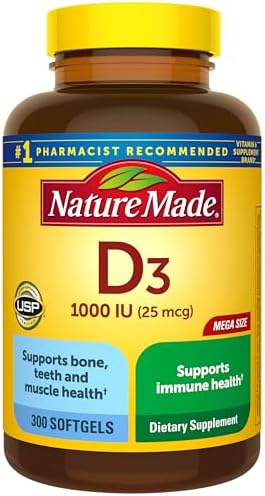


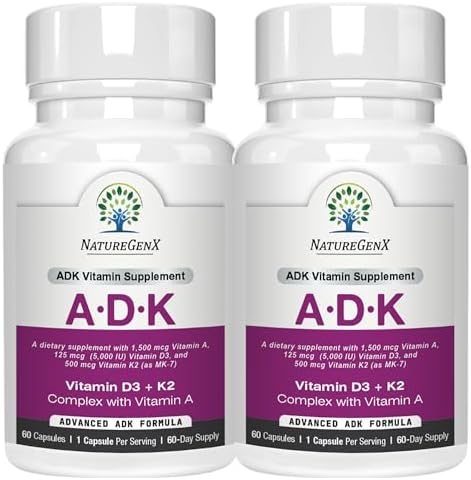
There are two main forms you’ll encounter on supplement labels: vitamin D2 (ergocalciferol), which comes from irradiated yeast and some plant sources, and vitamin D3 (cholecalciferol), which is what your skin produces and what’s found in animal-based foods. They both raise blood levels of vitamin D, but D3 tends to be somewhat more effective at doing so and is generally the preferred form in most supplements sold today.
I think the reason vitamin D has become such a hot topic over the last two decades comes down to a mismatch between our biology and modern life. Humans evolved outdoors, under direct sun, with a lot of skin exposed. Now most of us spend our days indoors, under office lighting, driving cars with UV-blocking glass, and slathering on sunscreen the moment we do step outside (which, to be clear, you should keep doing for skin cancer prevention). The result is that a huge portion of the global population walks around with lower vitamin D levels than their ancestors would have had. That’s not fear-mongering, it’s just a documented shift in lifestyle that nutrition scientists have been tracking for years.
What makes vitamin D worth understanding, rather than just supplementing blindly, is that its effects ripple outward. Low vitamin D status has been linked to weakened bone density over time, and researchers have found associations between vitamin D deficiency and a higher susceptibility to certain infections. Whether vitamin D supplementation reliably prevents these outcomes in otherwise healthy people is still being debated in the scientific literature, and I’ll get into that nuance later in this piece rather than oversimplifying it.
There’s also a seasonal, geographic, and even skin-tone dimension to this that doesn’t get discussed enough. If you live north of about 37 degrees latitude (roughly the line running through San Francisco, or the southern half of Italy), the angle of the sun during winter months means your skin can’t synthesize meaningful amounts of vitamin D no matter how long you stand outside. Darker skin, which contains more melanin, requires significantly more sun exposure to produce the same amount of vitamin D as lighter skin. None of this is a flaw in anyone’s biology, it’s just how the chemistry works, but it does mean that blanket advice like “just get outside more” doesn’t apply evenly to everyone.
It’s worth pausing on the history here, because it explains a lot about why vitamin D occupies such a strange cultural space today, somewhere between “essential nutrient” and “trendy supplement.” In the early twentieth century, rickets was rampant in industrialized cities, where smog blocked UVB rays and children spent long hours indoors in factories or crowded tenements. Researchers eventually connected the dots between cod liver oil, sunlight, and bone health, and by the 1930s, food fortification programs, especially in milk, had dramatically reduced rickets rates across much of the developed world. That early public health win is a big part of why vitamin D got baked into so many national nutrition guidelines. It wasn’t a marketing invention, it was a genuine response to a widespread, visible disease.
Fast forward to today, and the conversation has shifted from “how do we prevent rickets” to “what’s the optimal level for long-term health,” which is a much fuzzier question with a lot more scientific disagreement attached to it. Part of what I want to do in this article is separate the well-established parts of the vitamin D story, the bone health piece, the basic biochemistry, from the newer areas that are still being actively researched and sometimes overstated in popular health media.
I want this article to walk you through what vitamin D actually does for your body, where you can realistically get enough of it, how much you need at different life stages, and what happens if you get too little or, less commonly but still worth knowing, too much. Vitamin D sits at an interesting intersection of nutrition and endocrinology, and once you understand how it operates, decisions about sunlight, diet, and supplements start to feel a lot less like guesswork and a lot more like informed choices you’re making for your own long-term health.
Key Health Benefits
Vitamin D’s reputation rests primarily on two pillars: bone health and immune function. But once you start reading the research, you realize the story branches out in directions that are still being actively studied. Let’s take these one at a time, because lumping them together does a disservice to how differently vitamin D operates in each system.
Bone Health and Calcium Absorption
This is the original, best-documented role of vitamin D, and it’s the reason the medical community started paying attention to it in the first place, back when rickets in children and osteomalacia in adults were common enough to be a public health crisis. Vitamin D’s active form, calcitriol, essentially acts as the gatekeeper for calcium absorption in your gut. Without adequate vitamin D, your intestines absorb only a small fraction of the calcium you eat, no matter how much dairy, leafy greens, or calcium-fortified juice you’re consuming. It’s a bit like having a beautifully stocked pantry with a locked door. Calcium can be sitting right there in your digestive tract, but if vitamin D isn’t around to help transport it across the intestinal wall, most of it just passes through unused.
When vitamin D and calcium intake are both adequate, the body can properly mineralize bone tissue, which is the process that keeps bones dense and resistant to fracture. Interestingly, research suggests the relationship between vitamin D supplementation alone and bone density is more complicated than early assumptions suggested. A narrative review of recent clinical trials found that vitamin D supplementation by itself, without added calcium, often produced minimal or inconsistent changes in bone mineral density, while combined calcium and vitamin D supplementation showed more consistent, though still variable, improvements, particularly at the hip and lumbar spine. That’s an important nuance. Taking a vitamin D pill in isolation isn’t a guaranteed shortcut to stronger bones unless your calcium intake is also on point.
There’s also a hormonal piece worth understanding. When vitamin D is low, the body compensates by ramping up parathyroid hormone (PTH) production, which pulls calcium out of bone tissue to keep blood calcium levels stable. Over years, this chronic borrowing from the skeletal “bank account” contributes to bone thinning. This is part of why vitamin D deficiency is considered a modifiable risk factor for osteoporosis, alongside low dietary calcium, sedentary habits, and hormonal changes like menopause.
Immune System Support
If bone health is vitamin D’s classic role, immune modulation is its rising one. Nearly every cell involved in your immune response, including T-lymphocytes, B-lymphocytes, macrophages, and dendritic cells, carries a vitamin D receptor. That’s a strong biological hint that vitamin D isn’t just hanging around passively in immune tissue, it’s actively influencing how those cells behave.
Mechanistically, vitamin D appears to shift the immune system toward a more balanced, less inflammatory state. It downregulates some of the more aggressive pro-inflammatory signals (things like interleukin-6 and tumor necrosis factor-alpha) while simultaneously boosting the production of antimicrobial peptides that help the innate immune system fend off pathogens. One review described this as vitamin D nudging the immune system toward tolerance rather than aggression, which sounds abstract until you consider what that means practically: fewer overzealous inflammatory responses, potentially better-regulated defenses against certain respiratory pathogens, and a possible protective association against some autoimmune conditions where the immune system mistakenly attacks the body’s own tissue.
I want to be careful here, because this is where a lot of vitamin D enthusiasm outpaces the evidence. In vitro studies (meaning cells in a lab dish) show dramatic immune effects from vitamin D exposure. Translating that into “take vitamin D and you won’t get sick” doesn’t hold up nearly as cleanly in human clinical trials. A comprehensive review on vitamin D and immune function pointed out that while deficiency is clearly linked to worse immune outcomes, correcting that deficiency with supplements hasn’t consistently produced the dramatic clinical benefits that lab studies would predict. The honest takeaway is this: avoiding vitamin D deficiency appears to matter quite a bit for immune health, but piling on extra vitamin D beyond sufficiency likely doesn’t buy you additional immune protection.
That said, some associations are hard to ignore. Lower vitamin D status has repeatedly shown up in studies of people with autoimmune conditions like multiple sclerosis, type 1 diabetes, and rheumatoid arthritis, independent of season or geography, which suggests the relationship isn’t purely coincidental, even if cause and effect haven’t been definitively nailed down.
Beyond Bones and Immunity
There’s a growing, though less settled, body of research looking at vitamin D’s role in muscle function, cardiovascular health, and mood regulation. Muscle cells also carry vitamin D receptors, and some studies associate low vitamin D status with reduced muscle strength, particularly in older adults, which has implications for fall risk. The mood connection gets a lot of media attention, especially around “seasonal” dips in wellbeing during darker months, but the research here is genuinely mixed, and I’d encourage skepticism toward any product or article that promises vitamin D as a mood fix. What we can say with more confidence is that vitamin D’s reach extends well past the skeleton, even if some of those extended roles are still being clarified.

Dietary Sources
Getting enough vitamin D is trickier than getting enough of almost any other nutrient, mostly because so few foods naturally contain meaningful amounts. This is genuinely unusual in the nutrition world. Most vitamins show up reliably across a wide variety of foods. Vitamin D is concentrated in a small handful of sources, which is exactly why sunlight exposure and fortified foods carry so much weight in most people’s overall intake.
Sunlight: The Original Source
Before food fortification existed, sunlight was essentially the only meaningful source of vitamin D for most humans. UVB rays trigger a chemical reaction in your skin that converts a cholesterol-based compound into previtamin D3, which your body then processes further in the liver and kidneys. It’s an elegant system, honestly, one that ties your vitamin D status directly to something as simple as stepping outside.
The catch is that a lot of variables affect how much vitamin D your skin actually produces: time of day, season, latitude, cloud cover, skin pigmentation, age (older skin synthesizes less efficiently), and how much skin is exposed. Someone with fair skin standing in direct midday sun for fifteen minutes in summer might synthesize a substantial amount of vitamin D. That same fifteen minutes in December, at a northern latitude, through a window, wearing long sleeves, might produce essentially none. This is precisely why relying purely on “getting outside more” as vitamin D strategy tends to fall apart for a lot of people, especially those living farther from the equator or those who, for good reason, are diligent about sun protection.
I’ll say this plainly because I think it gets muddled sometimes: sunscreen use is not something you should abandon in pursuit of vitamin D. Skin cancer risk is a serious, well-documented consequence of unprotected sun exposure, and the trade-off isn’t worth it when food and supplements can fill the gap safely.
Foods Naturally Rich in Vitamin D
The short list of vitamin D-rich whole foods looks something like this:
- Fatty fish, including salmon, mackerel, sardines, and trout, which contain some of the highest naturally occurring concentrations
- Cod liver oil, a traditional supplement that remains one of the most concentrated natural sources
- Egg yolks, though the amount varies depending on the hen’s diet and outdoor access
- Beef liver, in smaller but still notable amounts
- Certain mushrooms, particularly those exposed to UV light during growing or processing, which can produce vitamin D2 similarly to how human skin produces D3
That’s genuinely close to the full list of foods that naturally contain vitamin D in appreciable quantities. Everything else that shows up in your diet with vitamin D on the label got there through fortification, not nature.
To put some real numbers on this, a 3.5-ounce serving of cooked salmon might provide somewhere in the ballpark of 450 to 990 IU depending on whether it’s wild-caught or farmed, with wild salmon generally coming out ahead. Canned sardines and canned salmon, which a lot of people overlook in favor of fresh fillets, actually hold onto a solid portion of their vitamin D content through the canning process, making them a genuinely practical, budget-friendly option. A single egg yolk from a conventionally raised hen typically contributes somewhere around 40 IU, which sounds modest until you consider that a couple of eggs at breakfast a few times a week adds up over the course of a month.
Mushrooms deserve a special mention because they’re the one plant-based whole food capable of contributing meaningful vitamin D, but only under specific conditions. Regular button or cremini mushrooms grown in the dark contain very little. Mushrooms deliberately exposed to UV light during or after harvesting, something you’ll sometimes see labeled explicitly on packaging, can rival or even exceed the vitamin D content of some animal sources per serving. If you’re building a plant-forward diet and trying to maximize natural vitamin D intake without animal products, UV-treated mushrooms are genuinely one of the better tools available, alongside fortified plant milks.
Fortified Foods and Supplements
Because natural dietary sources are so limited, many countries mandate or encourage fortification of common staple foods. In the United States, this typically includes milk, many plant-based milk alternatives, some orange juices, and various breakfast cereals. Fortification programs were actually developed specifically because rickets was such a widespread problem in children decades ago, and public health officials realized that relying on sunlight and natural food sources alone wasn’t cutting it.
Even with fortification, though, hitting adequate vitamin D intake through diet alone is genuinely difficult for a lot of people, which is part of why supplements have become so common. Vitamin D3 supplements are widely available and generally considered the more effective option compared to D2 for raising and maintaining blood levels over time. Doses vary enormously depending on individual needs, which I’ll get into in the next section, but it’s worth knowing that a basic multivitamin often contains a modest amount of vitamin D, sometimes not enough on its own to correct a real deficiency, which is why standalone vitamin D supplements exist as a separate product category entirely.
One thing I’d encourage anyone reading this to consider: supplement quality and dosing accuracy matter more with vitamin D than with a lot of other nutrients, partly because it’s fat-soluble and stored in the body rather than excreted quickly, and partly because manufacturing errors, while rare, have led to documented cases of accidental overdosing from mislabeled products. Buying from reputable manufacturers and checking third-party testing certifications isn’t overkill, it’s just sensible.
Dosage & Deficiency
This is where things get genuinely contentious among researchers and health organizations, and I think being upfront about that disagreement serves readers better than pretending there’s one universally agreed-upon number.
How Much Vitamin D Do You Actually Need
Different organizations have landed on somewhat different recommendations, which understandably confuses people trying to figure out a simple daily target. The Institute of Medicine (now the National Academy of Medicine) set the Recommended Dietary Allowance at 600 IU per day for most adults up to age 70, and 800 IU per day for adults over 70. The Endocrine Society, a professional organization of hormone specialists, recommends a somewhat broader range of 600 to 2,000 IU per day for adults, acknowledging that individual needs vary based on sun exposure, body weight, and baseline vitamin D status.
Both groups also agree on an upper tolerable intake level, generally set at 4,000 IU per day for long-term use in adults, above which the risk of adverse effects starts climbing without corresponding health benefits. That’s not a hard ceiling in every clinical context (doctors sometimes prescribe higher short-term doses to correct severe deficiency under supervision), but it’s a reasonable ceiling for unsupervised, everyday supplementation.
Blood testing, specifically for a metabolite called 25-hydroxyvitamin D, or 25(OH)D, is how vitamin D status gets measured clinically. Here’s where the disagreement really shows up: the Endocrine Society defines deficiency as levels below 20 ng/mL and insufficiency as 21 to 29 ng/mL, while the Institute of Medicine takes a more conservative stance, defining deficiency as below 12 ng/mL and considering levels above 20 ng/mL adequate for most people. That’s a meaningful gap in interpretation, and it explains why two different doctors might look at the same lab result and give you different advice.
Research into optimal dosing suggests that at intakes up to roughly 1,000 to 2,000 IU per day, there’s a fairly linear relationship between how much vitamin D you take and how much your blood levels rise, an effect that flattens out at higher doses. One frequently cited calculation found that correcting a genuine deficiency required around 1,040 IU per day, while maintaining sufficiency once you’ve gotten there required closer to 400 IU daily, though these are population averages rather than personalized prescriptions.
Life stage matters quite a bit here too, and it’s worth breaking out rather than treating everyone as one undifferentiated adult population. Infants under twelve months generally need around 400 IU daily, which is why pediatricians so consistently recommend supplement drops for breastfed babies. Children and teenagers typically fall into that same 600 IU range as adults. Pregnant and breastfeeding women are often advised to stay within the standard adult range as well, though this is an area where individualized medical guidance matters more than a generic number, given how directly maternal vitamin D status can influence a newborn’s own levels at birth. Older adults, as already mentioned, get a modest bump to 800 IU in most official guidelines, reflecting both reduced skin synthesis and higher fracture risk.
Who’s at Risk of Deficiency
Certain groups face meaningfully higher odds of running low on vitamin D, and recognizing yourself in this list is worth a conversation with a healthcare provider rather than blind supplementation:
- Older adults, whose skin becomes less efficient at synthesizing vitamin D from sunlight as it ages
- People with darker skin tones, since higher melanin content reduces UVB absorption
- Anyone who spends most of their time indoors, whether due to work, illness, or lifestyle
- People living at higher latitudes, especially during fall and winter months
- Individuals with obesity, since vitamin D is fat-soluble and can become sequestered in adipose tissue, lowering its circulating availability
- People with conditions affecting fat absorption, such as Crohn’s disease or those who’ve had gastric bypass surgery, since vitamin D absorption depends on dietary fat
- Exclusively breastfed infants, since breast milk alone typically doesn’t provide adequate vitamin D, which is why pediatric supplementation is commonly recommended
Signs Your Levels Might Be Low
Mild to moderate vitamin D deficiency is frequently silent, which is part of the problem. Many people walk around insufficient for years without any obvious symptoms, only discovering it through routine bloodwork. When symptoms do show up, they tend to be vague: fatigue, bone or muscle aches, and in more severe or prolonged cases, an increased susceptibility to fractures. In children, severe untreated deficiency can lead to rickets, characterized by soft, weakened bones and skeletal deformities, though this is now relatively rare in developed countries thanks to food fortification programs. In adults, the equivalent severe deficiency condition is called osteomalacia.
Because symptoms are so nonspecific, I’d steer people away from trying to self-diagnose deficiency based on how tired they feel and toward an actual blood test if there’s genuine concern, particularly for anyone falling into the higher-risk categories listed above.
Toxicity & Risks
Vitamin D toxicity is rare, genuinely rare, especially compared to how often deficiency comes up in conversation. But rare doesn’t mean nonexistent, and I think it deserves honest coverage rather than being glossed over the way some wellness content tends to do.
Can You Really Get Too Much Vitamin D
Because vitamin D is fat-soluble, your body stores excess amounts in fat tissue rather than flushing it out through urine the way it would with water-soluble vitamins like vitamin C. That storage capability is actually useful under normal circumstances, it’s part of why a single sunny afternoon or one large weekly supplement dose can sustain your levels for a while. But it also means that sustained overdosing accumulates rather than washing away, which is the underlying mechanism behind toxicity.
Here’s something that surprises people: you cannot get vitamin D toxicity from sun exposure. Your skin has a built-in regulatory mechanism that breaks down excess previtamin D3 into inactive compounds once you’ve made enough, so unlimited sunbathing won’t push you into toxic territory (though it absolutely can give you sunburn and increase skin cancer risk, which is a separate concern entirely). Toxicity essentially only happens through oral intake, typically from supplements, and usually from doses far beyond what any standard recommendation suggests.
Genuine vitamin D toxicity, referred to clinically as hypervitaminosis D, generally requires sustained intake well above 10,000 IU per day over weeks or months, or in documented case reports, single or repeated megadoses in the hundreds of thousands to millions of IU range, often resulting from manufacturing errors, prescribing mistakes, or misuse of concentrated injectable formulations. A review of published toxicity case reports found that affected patients had blood 25(OH)D levels ranging from 150 to over 1,000 ng/mL, dramatically higher than the 20 to 50 ng/mL range considered normal or optimal by most clinical standards.
Symptoms of Vitamin D Toxicity
The danger in vitamin D toxicity isn’t the vitamin itself directly, it’s what excessive vitamin D does to calcium regulation. Too much vitamin D drives excessive calcium absorption from the gut and pulls additional calcium from bone, leading to a condition called hypercalcemia, which is where the actual symptoms originate. These can include:
- Nausea, vomiting, and loss of appetite
- Excessive thirst and frequent urination
- Fatigue, weakness, and in severe cases, confusion or altered mental status
- Constipation
- Kidney problems, including kidney stones or, in severe documented cases, acute kidney injury
- Bone pain, somewhat counterintuitively, since chronic hypercalcemia disrupts normal bone metabolism
Case reports documenting real instances of vitamin D toxicity consistently point back to one of three root causes: manufacturing or labeling errors that resulted in supplements containing far more vitamin D than stated, inappropriate self-administration where people took doses vastly exceeding recommendations, or prescribing errors, sometimes involving injectable formulations, intended to treat other conditions but administered in doses that overshot the therapeutic target. In nearly every documented case, this wasn’t the result of someone eating fortified cereal and taking a standard daily multivitamin. It was the result of a serious, identifiable dosing mistake.
There’s also a smaller category of people whose bodies handle vitamin D differently and who face elevated risk even at doses that would be perfectly safe for the general population. Certain granulomatous diseases, like sarcoidosis and some lymphomas, cause immune cells to produce active vitamin D independently of the normal kidney-regulated pathway, bypassing the body’s usual feedback controls and pushing calcium levels up even with modest supplementation. People with primary hyperparathyroidism or certain kidney conditions also need closer monitoring, since their calcium regulation is already compromised before vitamin D even enters the picture. This is exactly the kind of nuance that a routine physical or blood panel can catch, which is another argument for periodic testing rather than purely guess-based supplementation, especially for anyone with a known underlying condition.
How to Supplement Safely
None of this is meant to scare anyone away from vitamin D supplementation, which remains a reasonable and often necessary strategy for a huge portion of the population. It’s meant to underscore that “more is better” doesn’t apply here the way it might with, say, vitamin C. A few practical principles worth following:
- Stick to established upper limits (generally 4,000 IU per day for unsupervised adult use) unless a healthcare provider has specifically recommended and is monitoring a higher therapeutic dose
- Get blood levels checked periodically if you’re taking a moderate to high dose long-term, rather than assuming more supplementation is automatically better
- Buy supplements from reputable manufacturers, ideally ones that participate in third-party testing programs, given the documented history of labeling errors in this specific product category
- Be cautious about stacking multiple vitamin D sources unknowingly, since some multivitamins, calcium supplements, and fortified foods all contribute to your total daily intake, and it’s easy to underestimate the cumulative total

Getting Your Vitamin D Right, Without Overthinking It
After walking through the biology, the food sources, the dosing debates, and the toxicity data, I think the honest summary is this: vitamin D deserves attention, but it doesn’t deserve panic in either direction, whether that’s fear of deficiency or fear of supplementing at all.
For most people, a reasonable approach looks something like this. Get some sensible sun exposure when you can, without abandoning sunscreen for longer stretches outdoors. Eat fatty fish, eggs, and fortified foods regularly if they fit your diet and preferences. If you fall into a higher-risk category, whether that’s older age, darker skin, limited sun exposure, or a fat-malabsorption condition, consider a standard daily supplement in the 600 to 2,000 IU range, and don’t be afraid to ask your doctor for an actual blood test if you’re unsure where you stand rather than guessing.
What I appreciate about vitamin D, from a nutrition-science perspective, is that it’s a genuinely good example of how something can be both critically important and easy to overcorrect on if you’re not paying attention. The research is clear that deficiency carries real consequences for bone density and, increasingly, for immune regulation. The research is equally clear that megadosing doesn’t provide proportional extra benefit and, past a certain threshold, introduces its own risks through hypercalcemia. Vitamin D lives most comfortably in that middle zone, sufficiency rather than either extreme, and getting there usually takes less effort than people assume once they understand where it actually comes from.
I also think it’s worth resisting the urge to treat vitamin D as a solo act. So much of the marketing around it, and around supplements generally, encourages this idea that one nutrient, taken in isolation, will meaningfully transform your health on its own. Vitamin D doesn’t work that way, and neither does calcium, magnesium, or really any single nutrient pulled out of the broader context of your diet and lifestyle. Calcium and vitamin D lean on each other. Vitamin K2 plays a supporting role in directing calcium toward bone rather than soft tissue. Physical activity, particularly weight-bearing exercise, stimulates bone remodeling in ways that no supplement can replicate. Treating vitamin D as one input among several, rather than a standalone fix, tends to produce better outcomes and a much more realistic set of expectations.
It’s also worth remembering that individual variation is real and significant. Two people can take the exact same 2,000 IU daily dose and end up with meaningfully different blood levels months later, depending on body fat percentage, baseline status, genetics affecting vitamin D metabolism, and even gut health, since absorption depends on adequate dietary fat. This is precisely why generic dosing charts, while useful as a starting point, shouldn’t be treated as gospel for your specific situation. A blood test costs relatively little and removes almost all of the guesswork, which makes it one of the more cost-effective health checks available if you have any reason to suspect your levels are off.
If there’s one thing I’d want a reader to walk away with, it’s this: don’t treat vitamin D as an afterthought, but don’t treat it as a miracle cure either. It’s one piece, an important piece, of a much larger picture that includes calcium intake, overall diet quality, physical activity, and yes, a reasonable relationship with sunlight. Get your levels checked if you have reason to be concerned, adjust intake sensibly based on real data rather than guesswork, and let the rest of your health habits carry their fair share of the load too. Vitamin D has earned its reputation as an essential nutrient, not through hype, but through decades of solid research on what happens when the body doesn’t have enough of it. Respect that history, apply it sensibly to your own life, and you’ll get most of the benefit without any of the unnecessary anxiety.
None of this needs to feel complicated day to day. A short walk outside, a piece of salmon on your plate a couple of times a week, a glass of fortified milk, and a modest daily supplement if your circumstances call for one, that combination covers the vast majority of what your body actually needs. The people who tend to run into trouble are almost always at one extreme or the other: total neglect, where sun exposure, diet, and supplementation are all absent for years at a stretch, or well-intentioned excess, where someone reads a headline about vitamin D and immunity and decides more must be better. Both extremes are avoidable with a bit of basic awareness, and awareness is really all this article has been trying to build. Vitamin D isn’t mysterious once you understand where it comes from and what it’s actually doing in your body, it’s just a nutrient that happens to require a little more intentionality than most.
Article Sources
At AncientHerbsWisdom, our content relies on reputable sources, including peer-reviewed studies, to substantiate the information presented in our articles. Our primary objective is to ensure our content is thoroughly fact-checked, maintaining a commitment to accuracy, reliability, and trustworthiness.
- Charoenngam, N., & Holick, M. F. (2020). Immunologic effects of vitamin D on human health and disease. Nutrients, 12(7), 2097. https://doi.org/10.3390/nu12072097
- Galior, K., Grebe, S., & Singh, R. (2018). Development of vitamin D toxicity from overcorrection of vitamin D deficiency: A review of case reports. Nutrients, 10(8), 953. https://doi.org/10.3390/nu10080953
- Martens, P.-J., Gysemans, C., Verstuyf, A., & Mathieu, C. (2020). Vitamin D’s effect on immune function. Nutrients, 12(5), 1248. https://doi.org/10.3390/nu12051248
- National Institutes of Health, Office of Dietary Supplements. (2024). Vitamin D: Fact sheet for health professionals. https://ods.od.nih.gov/factsheets/VitaminD-HealthProfessional/
- Voulgaridou, G., Papadopoulou, S. K., Detopoulou, P., Tsoumana, D., Giaginis, C., Kondyli, F. S., Lymperaki, E., & Pritsa, A. (2023). Vitamin D and calcium in osteoporosis, and the role of bone turnover markers: A narrative review of recent data from RCTs. Diseases, 11(1), 29. https://doi.org/10.3390/diseases11010029

- Phosphatidic Acid: Supporting Muscle Growth and Strength - July 31, 2026
- Ceramides: Supporting Healthy Skin From Within - July 31, 2026
- Synbiotics: Combining Prebiotics and Probiotics Together - July 31, 2026