
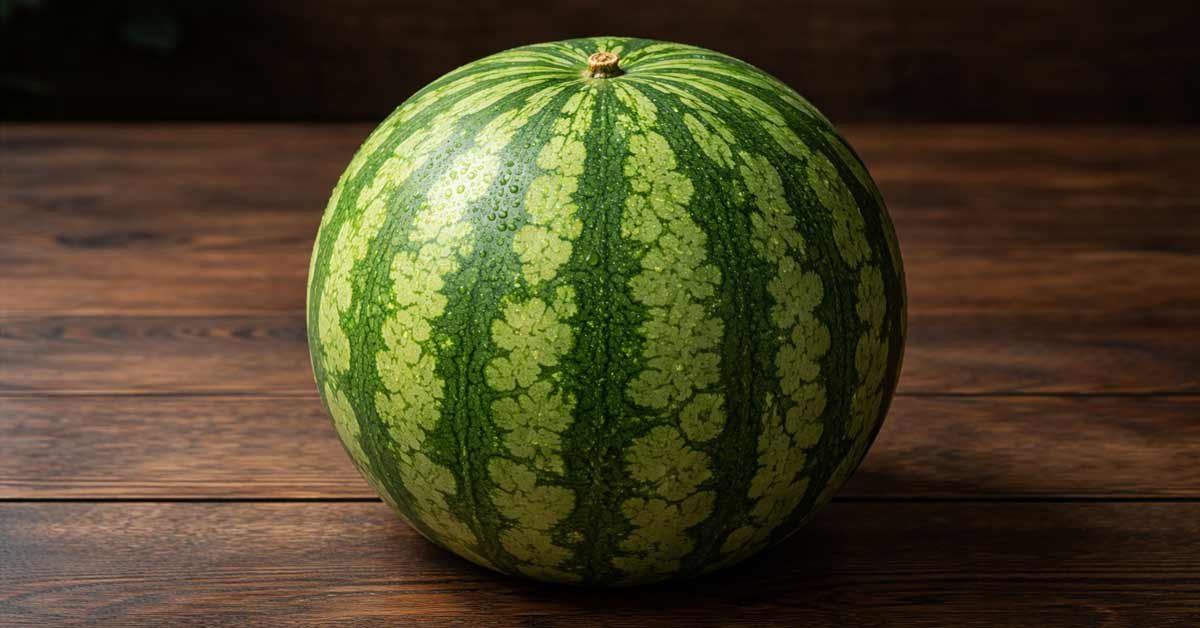
Sweet Hydration: Why Watermelon Deserves Your Attention
Imagine a hot summer afternoon. The sun is relentless, your water bottle is empty, and all you want is something refreshing that feels like a reward. That’s where watermelon steps in—juicy, vibrant, and deceptively simple. At first glance, watermelons might seem like just another seasonal fruit, a sweet snack to pass the time. But they carry a quiet complexity, one that blends hydration, natural sugars, and subtle nutrients into a package that’s both delicious and surprisingly supportive of overall wellness.
Watermelon is over 90% water, which makes it more than just tasty—it’s hydrating in a way that feels immediate. Every bite releases a burst of moisture that goes straight to quenching thirst, and for many people, eating watermelon can feel more satisfying than just drinking plain water. That combination of flavor and hydration is what keeps it on summer tables, at picnics, and in lunchboxes around the world. But beyond the immediate refreshment, watermelons carry compounds that interact with the body in gentle but meaningful ways.
Table of Contents
One reason this fruit has gained attention in health circles is its connection to heart health. While no fruit is a magic bullet, watermelons contain nutrients and plant compounds that support cardiovascular wellness. For instance, they are a source of antioxidants, such as lycopene, which are linked in research to vascular health and reduced oxidative stress. Their natural sugars provide quick energy without overwhelming the system, and the fiber content contributes to a feeling of fullness, encouraging balanced eating patterns.
Culturally, watermelon has long been associated with joy and ease. Think of backyard gatherings, neighborhood barbecues, or a picnic blanket spread under a tree. It’s hard not to smile while eating a wedge of watermelon, its bright red flesh and black seeds a stark contrast against the green rind. That sensory experience—the taste, the sound of a crisp bite, the coolness against the tongue—makes consuming watermelons almost effortless, and that ease is key. People are more likely to maintain habits they enjoy, which means incorporating watermelon regularly is simpler than it sounds.
The fruit is versatile, too. Cubed in a bowl, blended into smoothies, or paired with fresh herbs like mint or basil, watermelon adapts to a variety of preparations while keeping its core benefits intact. Even when pre-cut and packaged for convenience, it retains much of its hydrating potential, making it easy to reach for, no matter how busy the day is. And for those who pay attention to ripeness, a perfectly red, firm, and fragrant watermelon can feel like nature’s own refreshment station, ready to provide hydration, energy, and satisfaction in a single slice.
It’s also worth noting how watermelons interact with your body subtly over time. The hydration effect, combined with electrolytes like potassium and magnesium, helps maintain fluid balance, which influences energy levels and circulation. And while it’s easy to dismiss fruits as trivial compared to more “serious” foods, watermelons demonstrate how something enjoyable and simple can fit into a daily routine without feeling like a chore.
In short, watermelons are more than just a sweet bite. They are an approachable, hydrating fruit that invites people to care for their body in a small but meaningful way. Each wedge delivers water, natural sugars, and a host of compounds that quietly support wellness, all while tasting like summer itself. The more you pay attention to how it nourishes and refreshes, the clearer it becomes why this humble fruit has earned a place in both kitchens and hearts around the world.
Watermelon is easy to eat, easy to love, and easy to integrate into everyday life. Its impact might not be flashy or dramatic, but small habits—like enjoying a slice after lunch or blending it into a morning smoothie—can accumulate into real, tangible benefits for hydration and overall well-being. And as we start looking more closely at its connection to heart health and circulation, it becomes clear that this fruit deserves more than just seasonal attention—it deserves a regular spot in your diet, for both pleasure and subtle support.
Watermelon and Hydration: Quenching Your Body’s Needs
Few things in summer feel as satisfying as biting into a cold, juicy wedge of watermelon. Beyond its immediate refreshment, watermelon is a genuine contributor to hydration, blending water content with natural compounds that support fluid balance and overall wellness. Its impact might feel subtle at first, but for anyone who has enjoyed a slice after a workout, or on a sweltering afternoon, the relief is tangible—and backed by its nutritional profile.
How Watermelon Fuels Hydration
Watermelon is approximately 92% water, which makes it one of the most hydrating foods available. Each bite delivers moisture directly to your body, complementing plain water intake in a way that feels more enjoyable than drinking alone. Unlike beverages, eating watermelon engages multiple senses—crunch, flavor, and temperature—which can make the hydration experience more satisfying.
In practical terms, consuming watermelons can help maintain hydration during daily activities, particularly in warmer climates or after physical exertion. For example, after a run or a long walk, having a few cubes of watermelon provides immediate fluid replenishment along with a small amount of naturally occurring sugars for energy. Unlike sugary sports drinks, watermelon delivers hydration without added artificial ingredients, keeping the experience simple and clean.
Hydration is more than just quenching thirst; it supports energy levels, mental focus, and overall circulation. Regularly incorporating watermelon into meals or snacks can subtly boost daily water intake, especially for those who struggle to drink enough fluids. Because it tastes good, people are naturally drawn to eat it consistently, making hydration less of a conscious effort and more of an effortless habit.
Electrolytes and Fluid Balance
Watermelon contains electrolytes such as potassium and magnesium, which play a role in fluid balance, muscle function, and cellular health. Potassium helps regulate the movement of fluids in and out of cells, supporting circulation and maintaining blood pressure within a healthy range. Magnesium contributes to muscle relaxation and nerve function, which can become strained when the body is dehydrated.
The combination of water and electrolytes in watermelon makes it a practical option for supporting hydration in everyday life. Even small portions, such as a cup of cubed watermelon, provide electrolytes that complement a well-rounded diet. It’s a natural way to support your body’s internal balance without relying solely on supplements or sports drinks.
Beyond the numbers, the way electrolytes interact with water highlights an important point: hydration is more than drinking—it’s about how your body absorbs and uses fluids. Watermelon’s natural composition allows it to deliver water efficiently while also providing compounds that help your body retain and regulate it effectively.
Sensory Enjoyment That Encourages Consumption
One of watermelon’s greatest strengths is its appeal to the senses. Its sweet aroma, vibrant red color, and juicy texture make it irresistible to many people, creating a positive feedback loop: you enjoy eating it, so you do it more often, which naturally supports hydration and nutrient intake.
Simple presentation ideas—like cutting it into cubes for a snack tray, blending it into a chilled smoothie, or pairing it with fresh mint—make eating watermelon enjoyable without requiring effort or planning. Even the act of spitting out black seeds can feel playful, connecting a sensory experience with consumption. These small, often overlooked details make watermelon a fruit that people return to season after season.
Moreover, enjoying watermelon is an experience that goes beyond the mouth. The cool, hydrating juice can refresh the palate after a hot meal, and the bright color adds visual appeal to any dish. This combination of taste, texture, and visual stimulation encourages regular consumption, which indirectly supports consistent hydration.
By integrating watermelon into daily routines, whether as a snack, side dish, or part of a blended beverage, people can maintain hydration in a way that feels natural rather than forced. It’s a subtle form of self-care that doesn’t require measuring glasses of water or tracking intake meticulously—simply enjoying a fruit you like can support your body’s fluid needs.
Watermelon’s role in hydration demonstrates that eating for enjoyment and eating for wellness aren’t mutually exclusive. Each bite delivers water, electrolytes, and sensory satisfaction, creating a simple, effective way to nourish the body and maintain balance throughout the day. In this way, watermelons provide more than refreshment—they quietly support a fundamental aspect of health: keeping your body hydrated, comfortable, and functioning at its best.
Watermelon and Heart Health: What the Evidence Suggests
Watermelon isn’t just a summer treat—it’s a fruit that quietly supports aspects of heart-friendly nutrition. While no single food can guarantee cardiovascular health, watermelons contain compounds that research suggests may play a role in circulation, vascular function, and overall cardiovascular wellness. Their appeal lies in being both enjoyable and functional, blending taste, hydration, and nutrients in a way that feels effortless to include in daily eating.
Lycopene and Cardiovascular Support
One of the most notable compounds in watermelon is lycopene, a carotenoid responsible for the fruit’s vivid red color. Lycopene has been extensively studied for its antioxidant properties, which help reduce oxidative stress in the body. Oxidative stress can contribute to damage in blood vessels over time, so antioxidants like lycopene act as a gentle defense.
Several studies link lycopene intake to markers of vascular health, including improved arterial flexibility and reduced inflammation. While the exact effect can vary between individuals, including lycopene-rich foods like watermelon in the diet is associated with supporting cardiovascular wellness as part of an overall balanced eating pattern. For instance, incorporating watermelon into a morning smoothie or afternoon snack can provide a natural source of lycopene alongside hydration and natural sugars, making it an enjoyable, multidimensional addition to a heart-conscious lifestyle.
Lycopene isn’t only limited to watermelons—it’s also found in tomatoes and pink grapefruit—but watermelon offers a hydrating alternative with a naturally sweet flavor, making it easier to consume regularly. Regular intake, even in modest amounts, allows you to enjoy its benefits without overthinking portions or preparation.
Citrulline and Circulation
Watermelon is also rich in citrulline, an amino acid that plays a role in supporting blood flow. Once ingested, citrulline can be converted in the body to arginine, which contributes to nitric oxide production. Nitric oxide helps blood vessels relax and dilate, which can aid healthy circulation and support efficient delivery of oxygen and nutrients throughout the body.
While citrulline isn’t a substitute for medical intervention or treatment, consuming watermelon as part of a varied diet allows you to access this naturally occurring compound. Research indicates that citrulline from watermelon may have subtle benefits in circulation, making the fruit more than just hydrating—it has the potential to support vascular function in a holistic, diet-based approach. For practical application, even a few slices of watermelon after a meal or blended into a juice can provide a meaningful amount of citrulline without requiring supplementation.
Integrating Watermelons Into Heart-Friendly Eating
The beauty of watermelon lies in its versatility. It’s easy to integrate into meals and snacks in ways that feel natural rather than forced. Here are a few practical ideas:
- Combine cubed watermelon with other fruits, like berries or citrus, to create a colorful, antioxidant-rich salad.
- Blend watermelon with leafy greens or cucumber for a refreshing, nutrient-dense smoothie that balances hydration and heart-supportive compounds.
- Pair watermelon with lightly salted nuts or seeds to add a touch of protein and healthy fats, creating a snack that satisfies multiple nutritional goals.
- Use watermelon as a natural dessert after meals, replacing sugary processed treats while still providing sweetness and hydration.
Consistency is key. Incorporating watermelon into daily or weekly routines—whether as a snack, breakfast addition, or part of a meal—makes it more likely that the beneficial compounds, like lycopene and citrulline, are consumed regularly. Its enjoyment factor helps maintain these habits without feeling like a chore.
Watermelon demonstrates that heart-friendly eating doesn’t have to be complicated or joyless. By combining hydration, antioxidants, and naturally occurring amino acids, it offers a simple, pleasurable way to support cardiovascular wellness as part of a balanced diet. Regular inclusion, paired with a variety of other fruits, vegetables, and whole foods, allows watermelon to contribute meaningfully to your overall heart-conscious eating pattern, all while tasting like summer in every bite.
Making Watermelon a Delicious Daily Habit
Watermelon is easy to love in theory, but turning it into a daily habit requires a little planning and awareness of how to keep it fresh, enjoyable, and convenient. The good news is that the fruit’s natural sweetness, hydrating qualities, and visual appeal make it almost effortless to include in everyday eating—if you know a few simple strategies.
Fresh vs Pre-Cut: What Changes Nutritionally
Buying a whole watermelon and slicing it at home versus choosing pre-cut, packaged cubes can make a subtle difference in taste and nutrient retention. Freshly cut watermelon often has the advantage of optimal flavor, crisp texture, and slightly higher levels of antioxidants like lycopene, which can degrade over time when exposed to air and light.
Pre-cut watermelon offers undeniable convenience—grab-and-go cubes are perfect for busy mornings, office snacks, or packing for outings. Nutritional differences are minimal if the fruit is handled properly and stored at the right temperature, but flavor and texture can be affected. For instance, packaged watermelon may be softer or less crisp after a few days, which could slightly reduce the sensory satisfaction that encourages consistent eating.
The takeaway is simple: if time allows, slicing watermelon fresh maximizes flavor and nutrient retention, but pre-cut watermelon is still a valid option for keeping it easy to eat regularly. Consistency matters more than perfection—having watermelon available in any form is better than skipping it entirely.
Creative Ways to Eat More Watermelon
Variety keeps habits interesting, and watermelon’s versatility makes it easy to integrate in creative ways:
- Cubed in salads: Combine watermelon with cucumbers, feta cheese, or fresh mint for a refreshing side dish. The combination of flavors balances sweet and savory, keeping you engaged with your food.
- Smoothies and juices: Blend watermelon with other fruits, such as berries or citrus, to make hydrating beverages that feel indulgent but nutritious.
- Frozen treats: Freeze cubes or puree for a naturally sweet ice pop—perfect for warm days or post-workout refreshment.
- Snack bowls: Pair watermelon with a sprinkle of chia seeds, a handful of nuts, or a dash of lime to add texture and subtle nutrient boosts.
- Unexpected pairings: Try watermelon with herbs like basil or a light drizzle of balsamic vinegar. These small twists can make the fruit feel special, increasing the likelihood of regular consumption.
Experimenting with preparation not only makes watermelon more enjoyable, it also allows you to subtly integrate it into different meals throughout the day. The easier and more fun it is to eat, the more likely you are to maintain the habit.
Storage, Ripeness, and Portion Consistency
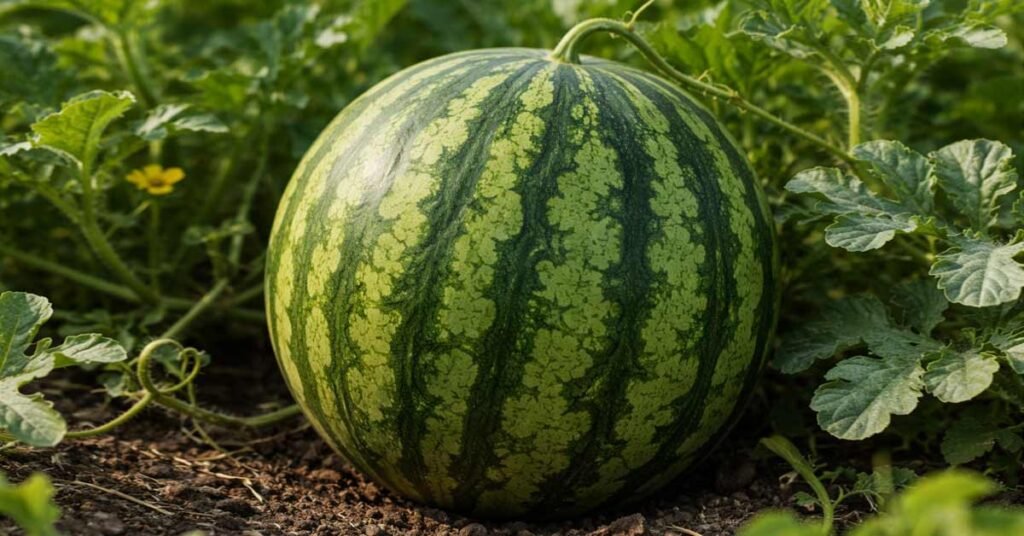
Knowing how to choose, store, and portion watermelon is key to keeping the habit sustainable. A ripe watermelon is firm, symmetrical, and has a creamy yellow spot where it rested on the ground while ripening. Smell can also guide selection—a faintly sweet aroma indicates readiness.
Once cut, watermelon should be stored in an airtight container in the refrigerator. Ideally, consume it within three to four days for optimal taste and nutrient retention. For pre-cut varieties, check the packaging date and smell for freshness before eating.
Portion consistency matters for convenience and habit formation. Having pre-measured servings—like a cup of cubed watermelon for snacks or half a wedge at a meal—reduces decision fatigue and makes it easier to eat regularly without overthinking. Consistency in portions also helps maintain hydration and nutrient intake steadily, reinforcing the benefits of watermelon as part of a daily routine.
By balancing convenience, creativity, and proper handling, watermelon can become more than just a seasonal treat—it can be a staple that adds flavor, hydration, and gentle nutrient support to everyday life. Small, sustainable strategies make it easy to turn this beloved fruit into a reliable habit without feeling like work.
Best Selling Watermelon Related Products





Hydrating Your Heart Without Overthinking It
There’s something deceptively simple about watermelon: it invites you to care for your body without making it feel like a chore. Unlike rigid dietary routines or complicated health trends, adding watermelon to your day doesn’t require measuring powders, counting calories, or planning elaborate meals. It’s a small, enjoyable act that quietly supports hydration and heart-conscious eating, simply because you want to enjoy it.
Part of watermelon’s appeal lies in its sensory qualities. Its sweetness, juiciness, and bright color naturally draw people in. One bite on a hot afternoon can feel like instant refreshment, a small reward that doesn’t feel like “doing health.” That’s important—sustainable habits are often built on enjoyment rather than discipline. The more pleasurable the experience, the more likely you are to repeat it.
Integrating watermelon doesn’t have to be complicated. A few cubes after lunch, a slice alongside breakfast, or a blended smoothie mid-morning can become automatic, effortless parts of your day. Because the fruit contains both water and electrolytes like potassium and magnesium, it provides subtle support for circulation and fluid balance, reinforcing what the body already needs. Over time, these small additions accumulate into a pattern that feels natural rather than forced.
The beauty of this habit is its flexibility. You don’t need to pair watermelon with other “superfoods” to gain benefits. Its presence in your diet alone—regular, enjoyable consumption—helps maintain hydration, introduces antioxidants like lycopene, and offers compounds such as citrulline that are associated with circulation. This low-effort approach removes the mental burden often associated with health-conscious eating, making it easier to sustain over weeks, months, and years.
Another advantage of embracing watermelon is its adaptability. It fits seamlessly into almost any meal or snack, can be prepped in advance, and doesn’t require strict timing or complex combinations. That makes it ideal for busy lifestyles, spontaneous snacks, or family-friendly meals. By turning it into a habit based on pleasure rather than obligation, it becomes a dependable ally for everyday wellness.
Ultimately, hydrating your heart doesn’t need to be complicated. Watermelon embodies the principle that small, consistent, and enjoyable choices can support body and wellness quietly but effectively. Each slice is more than a sweet treat—it’s a simple, practical way to stay hydrated, nourish your body, and build a lasting pattern of heart-conscious eating without overthinking every bite. The secret lies in consistency, enjoyment, and allowing a fruit as approachable as watermelon to become a natural part of your routine.
Article Sources
At AncientHerbsWisdom, our content relies on reputable sources, including peer-reviewed studies, to substantiate the information presented in our articles. Our primary objective is to ensure our content is thoroughly fact-checked, maintaining a commitment to accuracy, reliability, and trustworthiness.
- Sangiovanni, E., Brivio, P., Dell’Agli, M., & Calabrese, F. (2017). Botanicals as Modulators of Neuroplasticity: Focus on BDNF. Neural Plasticity, 2017, 5965371. https://doi.org/10.1155/2017/5965371
- Bergouignan, A., Rudwill, F., Simon, C., & Blanc, S. (2016). Physical inactivity as the culprit of metabolic inflexibility: Evidence from bed-rest studies. Journal of Applied Physiology, 120(4), 354–371. https://doi.org/10.1152/japplphysiol.00645.2015
- National Institutes of Health. (2023). Watermelon: Nutrition and Health Benefits. https://www.nhlbi.nih.gov/health/watermelon
- World Health Organization. (2021). Diet, nutrition, and the prevention of chronic diseases. WHO Technical Report Series, 916. https://www.who.int/publications/i/item/924120916X
- Ravichandran, K., & Ramakrishnan, G. (2020). Lycopene: An overview of its antioxidant properties and role in cardiovascular health. Journal of Food Biochemistry, 44(12), e13464. https://doi.org/10.1111/jfbc.13464
- Figueroa, A., Sanchez-Gonzalez, M. A., & Wong, A. (2012). Watermelon supplementation improves arterial function in adults. American Journal of Hypertension, 25(2), 232–237. https://doi.org/10.1038/ajh.2011.198

- Soursop: Tropical Fruit for Antioxidants and Digestion - March 28, 2026
- Sugar Apple: Tropical Fruit for Energy and Vitamin C - March 28, 2026
- Dragon Fruit: Tropical Fruit for Gut Health - March 28, 2026