
A Fragrant Introduction
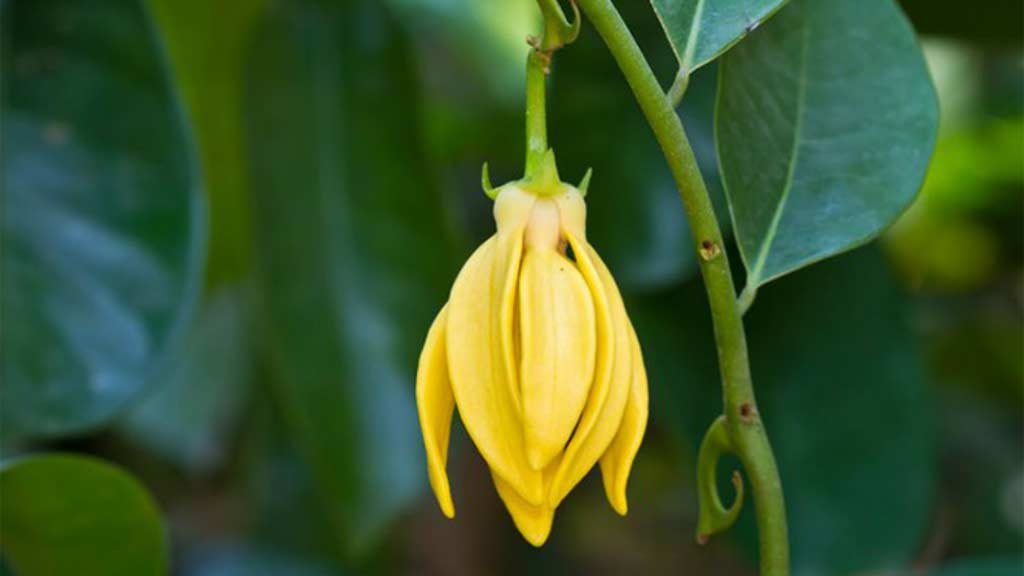
Imagine walking through a tropical garden at dawn. The air is thick with the perfume of blooming flowers, a scent so rich it seems to wrap around you like silk. That’s ylang ylang. The Cananga odorata tree produces delicate, star-shaped flowers whose essential oil has been treasured for centuries in aromatherapy, perfumery, and traditional medicine.
Ylang ylang is more than a pretty smell. It’s a multi-purpose botanical ally, offering benefits for relaxation, skin health, and even sexual vitality. There’s something almost paradoxical about it: soft yet powerful, intoxicating yet soothing. Once you encounter ylang ylang, it tends to linger—both in memory and in subtle bodily effects.
Table of Contents

Origins and Cultural Significance
Native to the Philippines and Indonesia, ylang ylang has long been used in Polynesian and Southeast Asian rituals. Its name means “flower of flowers,” a nod to its fragrance and exalted status. In traditional uses, petals were woven into garlands, applied to the skin, and distilled into oil for ceremonies.
Colonial trade spread ylang ylang to Madagascar, Reunion, and beyond. Today, Madagascar is a major producer of essential oil, prized for its therapeutic and aromatic qualities. Its historical use ranges from perfumery to calming anxieties and enhancing intimate experiences.
The Science Behind Ylang Ylang Oil
Ylang ylang essential oil contains a rich mix of compounds:
- Linalool – promotes relaxation and reduces stress
- Geranyl acetate – supports antimicrobial and anti-inflammatory activity
- Caryophyllene – contributes to mood stabilization and mild analgesic effects
- Benzyl benzoate – aids in soothing the skin and hair
This combination explains why it’s so versatile. Aromatherapists use it to lower heart rate and blood pressure, while skincare experts value its ability to balance sebum production.
Calming the Mind and Body
Stress has a sneaky way of creeping in, doesn’t it? A whiff of ylang ylang can make tension melt just a little. Several studies on aromatherapy show that inhaling ylang ylang oil reduces cortisol levels and promotes parasympathetic nervous system activity—the “rest and digest” state your body craves.
How to Use for Relaxation
- Diffusion: Add a few drops to an essential oil diffuser to fill a room with its calming fragrance.
- Massage: Blend with carrier oils like jojoba or almond for a soothing massage.
- Bath: Drop a few oils in warm water for a sensory escape.
People often describe the effect as gentle euphoria, a soft lifting of mood rather than a jarring change. Perfect for unwinding after a hectic day.
Skin Benefits and Beauty Applications
Ylang ylang is a surprisingly potent ally for skin. It helps regulate sebum, making it useful for both oily and combination skin types. It also has mild antimicrobial properties that can help reduce acne-causing bacteria.
Practical Skin Uses
- Facial serums: Mix a drop or two with carrier oil for balancing skin.
- Toners: Dilute in distilled water for a fragrant facial mist.
- Body oils: Combines soothing fragrance with skin nourishment.
I once spoke with someone who swore that a daily ylang ylang face massage reduced her breakouts and left her skin glowing. That’s anecdotal, sure, but it aligns with what studies suggest about its sebum-regulating properties.
Ylang Ylang and Libido
This oil has a storied history as an aphrodisiac. Polynesians used flower garlands to attract lovers, and aromatherapy today continues to honor this tradition. Its calming effect reduces anxiety that can interfere with intimacy, while its fragrance may stimulate arousal through sensory pathways.
Ways to Enhance Libido
- Massage blends: Combine with sandalwood or jasmine in a carrier oil.
- Diffuser blends: Inhaling during romantic settings can subtly enhance mood.
- Bath rituals: Warm water, calming light, and ylang ylang oil can set a relaxed, receptive tone.
It’s subtle, never overpowering. You’re not chasing instant sparks; you’re creating an atmosphere conducive to connection.
Hair Care with Ylang Ylang
Ylang ylang isn’t just for skin. It’s a traditional remedy for hair health as well. Its oil strengthens hair follicles, promotes shine, and may reduce breakage. Some cultures even use it to support scalp health and manage mild dandruff.
How to Use for Hair
- Scalp massage: Mix with coconut oil for a nourishing treatment.
- Shampoo additive: Add a drop or two to your shampoo for scent and scalp support.
- Hair mask: Combine with avocado or aloe for deep conditioning.
The scent lingers pleasantly, adding an aromatic bonus to your haircare routine.
How to Choose and Store Ylang Ylang Oil
Ylang ylang oil is graded by distillation time:
- Extra (First) Grade: Light, floral, top notes—ideal for perfumery.
- Complete (All Grade): Heavier, richer scent—better for therapeutic uses.
Store in dark glass bottles, away from sunlight and heat. Essential oils are sensitive, and improper storage can degrade their potency.
Safety Considerations
Ylang ylang is generally safe for topical and aromatic use. However:
- May cause mild skin irritation in sensitive individuals—always patch test.
- Can lower blood pressure; people with hypotension should use cautiously.
- Avoid undiluted oil on skin; mix with carrier oils.
Pregnant or breastfeeding women should consult a healthcare provider before using essential oils, including ylang ylang.
Combining Ylang Ylang with Other Herbs and Oils
For aromatherapy or massage, it blends beautifully with:
- Lavender: Enhances relaxation.
- Bergamot: Uplifts mood and complements floral notes.
- Sandalwood: Deepens grounding, sensual effect.
- Rose: Creates a luxurious, heart-opening combination.
Blending is both art and science, adjusting for personal scent preferences while considering synergistic therapeutic effects.
Beyond the Senses: Emotional and Psychological Effects
Ylang ylang is more than a fragrant accessory; it interacts with your senses in ways that affect your nervous system. Inhaling its aroma can:
- Reduce stress and tension
- Promote feelings of happiness and calm
- Support a sense of emotional balance
It’s fascinating how a simple flower can influence body and mind, bridging herbalism and aromatherapy in one elegant package.
Growing Ylang Ylang
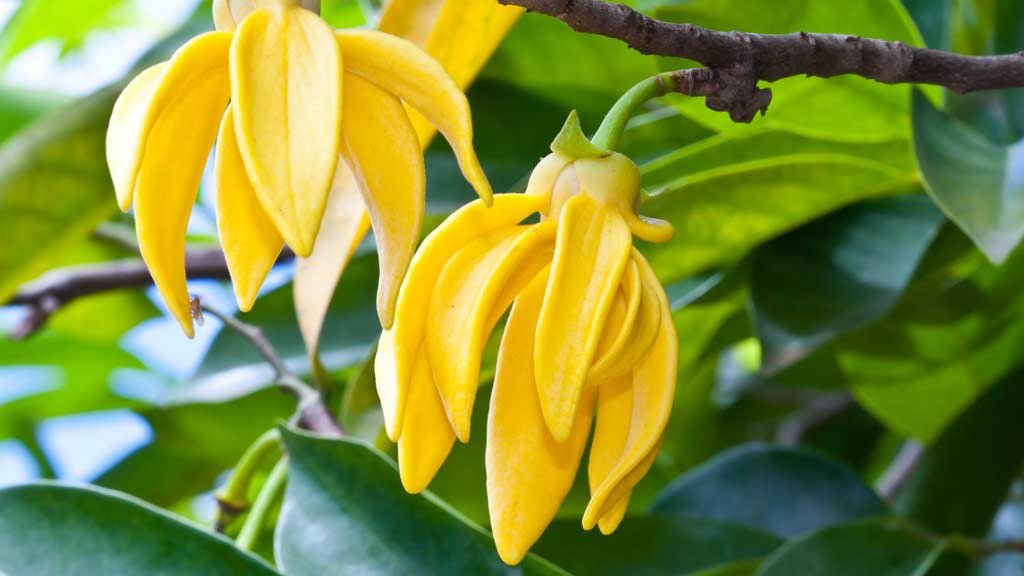
The Cananga tree thrives in tropical climates, with long, pendulous flowers that produce the valuable oil. While most of us won’t grow it at home, knowing about its cultivation helps appreciate the care and effort behind every bottle of essential oil. Harvesting requires gentle handling of flowers to preserve their fragrance.
Best Selling Ylang Ylang Supplements



Closing Thoughts
Ylang ylang embodies a balance: calming yet uplifting, sensual yet nurturing, delicate yet potent. It’s an essential oil that invites mindfulness, whether inhaled, massaged, or applied to skin. Using it isn’t just about aroma—it’s about creating moments, supporting wellness, and enjoying a sensory ritual that has been cherished across cultures for centuries.
It’s exotic, yes—but accessible in its effects. Once you experience ylang ylang, you understand why perfumers, herbalists, and everyday users alike hold it in such high regard.
Article Sources
At AncientHerbsWisdom, our content relies on reputable sources, including peer-reviewed studies, to substantiate the information presented in our articles. Our primary objective is to ensure our content is thoroughly fact-checked, maintaining a commitment to accuracy, reliability, and trustworthiness.
- Tisserand, R., & Young, R. (2014). Essential Oil Safety: A Guide for Health Care Professionals (2nd ed.). Elsevier Health Sciences. https://www.elsevier.com
- Lis-Balchin, M. (2006). Aromatherapy Science: A Guide for Healthcare Professionals. Pharmaceutical Press. https://www.pharmpress.com
- Dharmaratne, H. R., & Gunawardena, P. D. (2017). Ylang-ylang (Cananga odorata) essential oil: A review of pharmacological properties and potential applications. Journal of Essential Oil Research, 29(5), 399–408. https://doi.org/10.1080/10412905.2017.1342420
- Sharma, S., Singh, S., & Thakur, R. (2012). Pharmacological and therapeutic potential of ylang-ylang: A review. International Journal of Pharmaceutical Sciences and Research, 3(12), 4541–4546. https://www.ijpsr.com
- Buchbauer, G., Jirovetz, L., Jäger, W., Dietrich, H., & Plank, C. (1993). Fragrance compounds and essential oils with sedative effects upon inhalation. Journal of Pharmaceutical Sciences, 82(6), 660–664. https://doi.org/10.1002/jps.2600820615

- Nectarine: Stone Fruit for Heart Health and Antioxidants - March 8, 2026
- Peach: Hydrating Fruit for Skin Health and Digestion - March 8, 2026
- Plum: Fiber-Rich Fruit for Digestion and Heart Health - March 8, 2026
