

A Flower You’ve Probably Overlooked
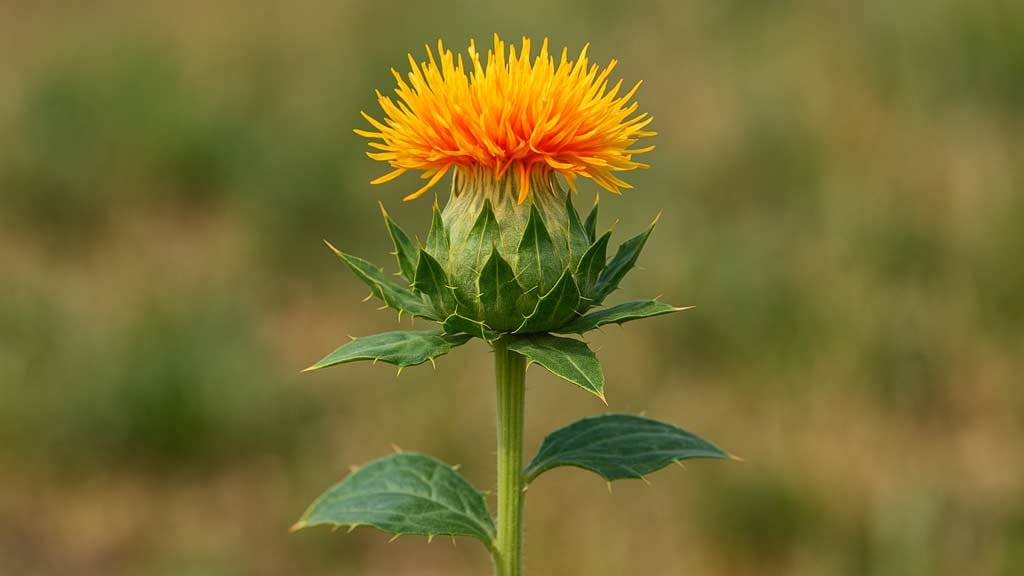
If you’ve ever walked past a safflower field in bloom, you’d remember it. Bright orange-red blossoms, like little bursts of fire scattered over a green landscape. But despite its beauty, safflower (Carthamus tinctorius) often goes unnoticed. It doesn’t have the same cultural fame as roses or lavender. And yet, tucked into those spiky petals and seeds is a long story of medicine, ritual, and everyday nourishment.
Most people know safflower as an oil—something you grab at the supermarket when olive oil feels too fancy or expensive. But for centuries before it became a kitchen staple, safflower was valued as a herbal remedy. Traditional healers used it for circulation, menstrual health, and even fevers. Today, science is starting to validate some of those uses, particularly its role in heart health and inflammation.
Table of Contents

Safflower Through the Ages
Safflower is old. Really old. Archaeologists have found its remains in Egyptian tombs, suggesting it was used for dyes and perhaps even cosmetics thousands of years ago. In China, safflower petals appeared in traditional formulas for “moving the blood”—a poetic way of describing improved circulation and relief from stagnation.

Traders carried safflower across the Silk Road. In Europe, it was a cheaper stand-in for saffron, coloring foods and fabrics with its bright pigments. And in Ayurveda, safflower was recognized as warming, stimulating, and useful for sluggish systems. This isn’t a trendy superfood with a short history—it’s been woven into human culture for millennia.
What’s Inside Safflower?
The seeds and petals of safflower are where the magic happens.
Active Compounds
- Linoleic acid: An omega-6 fatty acid that supports cholesterol balance.
- Oleic acid: A monounsaturated fat linked to heart health.
- Flavonoids: Antioxidants that reduce oxidative stress.
- Carthamin: The pigment responsible for safflower’s striking color, also tied to circulation benefits.
That combination makes safflower more than just a neutral cooking oil. It’s a plant that actively participates in our health when used wisely.
Safflower Oil and the Heart
This is probably the biggest modern claim: safflower oil may support cardiovascular health. By lowering LDL (bad cholesterol) and increasing HDL (good cholesterol), it helps keep arteries clearer. Some studies suggest it may also improve blood sugar control in people with type 2 diabetes, which indirectly benefits the heart.
I’ll admit—oil is oil. Overdo it, and you won’t get healthier, no matter the type. But replacing saturated fats with safflower oil seems to tilt the balance toward better cardiovascular outcomes. Think of it as a nudge in the right direction, not a free pass to slather it on everything.
Safflower and Circulation
Traditional Chinese medicine considered safflower a blood mover. That phrase might sound vague, but when you translate it into Western terms, it aligns with increased circulation and reduced clotting.
Reported Benefits of Safflower for Circulation
- Eases menstrual cramps by promoting blood flow
- Reduces bruising and swelling
- May help with cold extremities caused by poor circulation
If you’ve ever had safflower tea, you’ll notice a mild warmth spreading through the body. It’s not fiery like ginger, but it carries a subtle, steady heat that seems to loosen tension in the vessels.
Women’s Health and Safflower
Here’s an area where safflower shines. Herbal traditions across Asia used the petals to support menstruation. By encouraging uterine contractions, safflower was thought to bring on delayed periods and relieve painful ones. Some modern herbalists still recommend safflower tea for PMS-related stagnation.
But with that comes a clear caution: safflower is not considered safe in pregnancy. Its stimulating effect on the uterus could be risky. This is one of those herbs where dosage and timing really matter.
Safflower for Inflammation and Pain
Inflammation is a buzzword these days, but it’s also the root of so many chronic conditions. Safflower, thanks to its flavonoids and fatty acids, has shown promise in calming inflammatory responses. Traditionally, poultices of safflower petals were applied to sprains, wounds, and painful joints.
Modern research suggests safflower extracts may reduce markers of inflammation in conditions like arthritis. Again, it’s not a magic bullet. But when you look at how inflammation accumulates quietly in the body, plants like safflower provide gentle, supportive ways to push back.
Culinary Uses Beyond the Oil
We can’t ignore safflower’s role in the kitchen. While the oil gets most of the spotlight, the petals themselves are still used as a saffron substitute—sometimes called “poor man’s saffron.” It doesn’t taste the same, but it gives a golden hue to rice, soups, or breads.
Safflower oil is prized for its high smoke point, making it useful for frying or roasting. But the cold-pressed version, rich in unsaturated fats, is best kept for salad dressings or drizzled on finished dishes to preserve its health benefits.
Comparing Safflower with Other Herbs and Oils
Safflower doesn’t exist in a vacuum.
- Like olive oil, it’s high in heart-healthy fats.
- Like flaxseed, it may help balance cholesterol.
- Unlike coconut oil, it’s low in saturated fat.
- Unlike ginger or turmeric, its anti-inflammatory effects are milder but more versatile.
This comparison helps put safflower in perspective. It’s not the strongest at any one thing, but it’s a well-rounded ally.
Growing Safflower Yourself
If you’re curious, safflower can be grown at home. It likes dry climates, lots of sun, and doesn’t need pampering. The plant grows tall—up to three feet—and produces thistle-like blossoms that turn from yellow to vivid red-orange.
Harvest the seeds for oil pressing or roasting, and gather the petals for teas and dyes. It’s surprisingly rewarding to watch this ancient plant thrive in modern soil.
Safety Considerations
We’ve touched on pregnancy, but let’s expand.
Precautions with Safflower
- May thin the blood, so avoid if you’re on anticoagulant medication.
- Can cause allergic reactions in people sensitive to ragweed or daisies.
- Overconsumption of oil can lead to weight gain and imbalances in omega-6 intake.
Moderation, as always, is the golden rule.
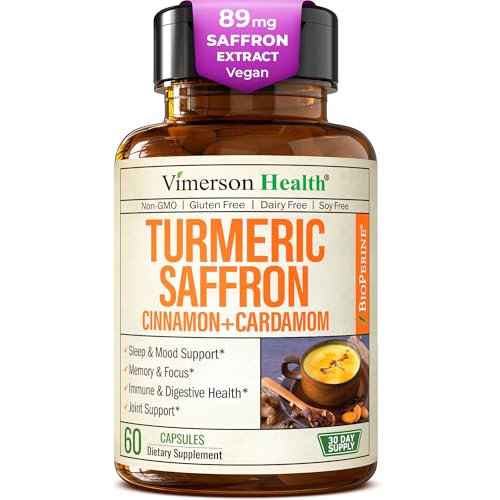
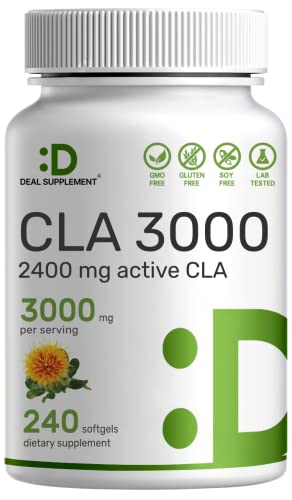
Best Selling Safflower Supplements





Why Safflower Still Matters
In a world of exotic “superfoods” marketed with wild promises, safflower feels refreshingly grounded. It’s not glamorous. It’s not rare. It doesn’t demand hype. But it delivers steady, tangible support for the heart, circulation, and inflammatory balance.
To me, safflower is a reminder that health doesn’t always come from the flashiest herb on the shelf. Sometimes, it comes from a humble thistle-flowered plant that’s been with us since the time of the Pharaohs, quietly nourishing and healing in ways both simple and profound.
Article Sources
At AncientHerbsWisdom, our content relies on reputable sources, including peer-reviewed studies, to substantiate the information presented in our articles. Our primary objective is to ensure our content is thoroughly fact-checked, maintaining a commitment to accuracy, reliability, and trustworthiness.
- Cui, H., Liu, R., Liu, Y., Meng, Y., & Wang, X. (2019). Advances in the pharmacological activities and mechanisms of safflower (Carthamus tinctorius L.). Chinese Medicine, 14(1), 1-13. https://cmjournal.biomedcentral.com/articles/10.1186/s13020-019-0227-2
- Goyal, R., Sharma, P. L., & Singh, M. (2012). Role of safflower oil in human health: A critical review. Journal of Food Science and Technology, 49(5), 587–597. https://doi.org/10.1007/s13197-011-0473-8
- Li, C., Li, Q., Mei, Q., & Lu, T. (2018). Safflower yellow and its main component hydroxysafflor yellow A: Research advances in pharmacological activities and applications. Evidence-Based Complementary and Alternative Medicine, 2018, 1–15. https://doi.org/10.1155/2018/7541983
- Mori, T. A., Burke, V., Puddey, I. B., Watts, G. F., O’Neal, D. N., Best, J. D., & Beilin, L. J. (2001). Purified safflower oil, but not fish oil, reduces plasma fibrinogen in hyperlipidemic subjects. Atherosclerosis, 156(1), 179–187. https://doi.org/10.1016/S0021-9150(00)00604-6
- Rahman, M. J., & Punam, R. (2021). Nutritional and health benefits of safflower (Carthamus tinctorius L.): An overview. Journal of Medicinal Plants Studies, 9(2), 100–105. http://www.plantsjournal.com/archives/2021/vol9issue2/PartB/9-2-23-509.pdf

- Phosphatidic Acid: Supporting Muscle Growth and Strength - July 31, 2026
- Ceramides: Supporting Healthy Skin From Within - July 31, 2026
- Synbiotics: Combining Prebiotics and Probiotics Together - July 31, 2026