
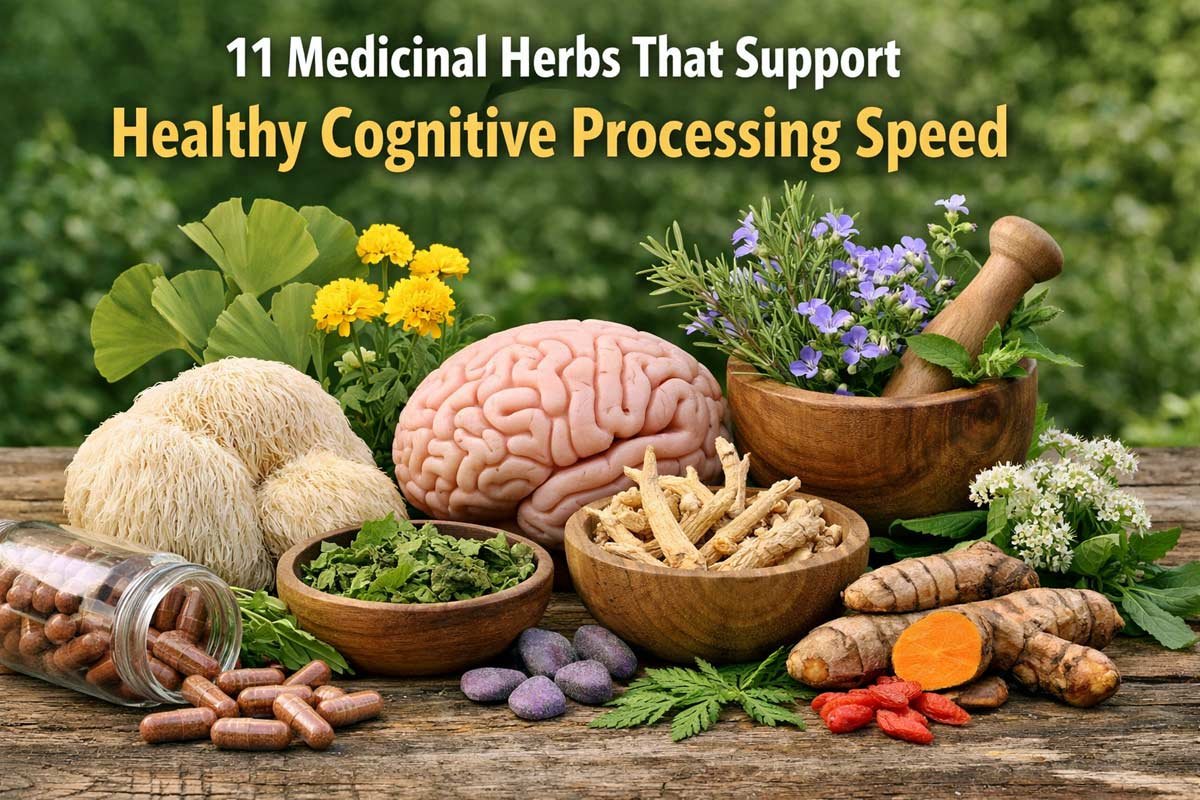
When the Mind Feels Fast, Clear, and Alive
There is a very particular feeling when cognitive processing speed is working the way it should. Thoughts arrive cleanly. Words come out without hunting for them. You read a sentence once and it lands. Someone asks you a question and the answer forms almost instantly, without strain or delay. It feels fluid, almost playful. Not wired. Not overstimulated. Just clear.
Cognitive processing speed is not about intelligence. It is not about how much you know. It is about how quickly your brain can take in information, interpret it, decide what matters, and respond. That includes reading, listening, problem solving, memory recall, reaction time, and even emotional responses. In daily life, it shows up when you follow a conversation without zoning out, switch between tasks without mental drag, or make decisions without that heavy foggy pause.
Table of Contents

When cognitive processing speed slows down, people often describe it as feeling stuck in molasses. Thoughts feel delayed. You know the answer is there, but it takes longer to surface. Multitasking becomes exhausting. Conversations feel harder to follow. This does not happen only with age. I have seen it in students under pressure, professionals running on caffeine and stress, parents who have not slept properly in years, and athletes recovering from burnout. Cognitive processing speed fluctuates constantly. It responds to sleep, blood flow, glucose availability, stress hormones, inflammation, nutrient status, and the overall health of neurons and their connections.

At the biological level, cognitive processing speed depends on a few core systems working together. Neurons need energy. That energy comes from mitochondria doing their job efficiently. Nerve signals need to travel quickly along axons, which means healthy myelin and proper electrolyte balance. Neurotransmitters need to be synthesized, released, and cleared without friction. Blood needs to deliver oxygen and glucose without restriction. The nervous system needs to feel safe enough to stay out of chronic fight or flight mode.
When any of these systems falter, cognitive processing speed pays the price.
Stress is one of the biggest disruptors. Acute stress can sharpen attention for a short burst, but chronic stress slows processing speed over time. Cortisol alters glucose metabolism in the brain. It interferes with hippocampal function. It changes how efficiently neurons communicate. This is why people under long term pressure often complain that their brain feels slower, even if they are still performing at a high level.
Sleep deprivation does something similar. Reaction time drops. Error rates increase. Memory retrieval slows down. These effects are measurable after even one night of poor sleep. Over months or years, the nervous system adapts to functioning in a half exhausted state, and slower cognitive processing speed becomes the new normal.
Inflammation is another quiet factor. Low grade neuroinflammation does not usually cause pain. It causes dullness. Slower thinking. Reduced mental flexibility. This is where diet, gut health, immune signaling, and oxidative stress quietly influence how fast the mind feels.
Aging plays a role too, but not in the simplistic way it is often described. Some slowing of cognitive processing speed is normal with age, largely due to changes in white matter integrity and cerebral blood flow. But the degree of slowing varies wildly. I have seen people in their seventies with faster mental tempo than people in their thirties. Lifestyle, stress load, metabolic health, and long term nervous system support matter more than the calendar.
This is where medicinal herbs and mushrooms enter the conversation, not as stimulants that whip the brain into temporary overdrive, but as long term allies that support the systems underlying cognitive processing speed.
Traditional herbal medicine never framed this in modern neurological terms, but the observations were there. Herbs that improved memory, sharpened perception, enhanced circulation, reduced mental fatigue, or helped the mind stay clear under stress were prized across cultures. Some were used before study or debate. Others were taken daily to preserve mental clarity into old age. Mushrooms were consumed to nourish the nerves, calm the spirit, or restore vitality after illness.
What makes herbs and mushrooms uniquely suited to supporting cognitive processing speed is that they tend to work systemically. Instead of forcing neurotransmitter release like many synthetic stimulants, they modulate pathways. They improve blood flow rather than spiking heart rate. They support mitochondrial efficiency instead of borrowing energy from tomorrow. They help the nervous system adapt to stress rather than pretending stress is not there.
Take cerebral circulation as an example. Adequate blood flow ensures neurons receive oxygen and glucose exactly when they need it. When circulation is sluggish, processing speed slows. Certain herbs have a long history of use for improving peripheral and cerebral circulation, and modern research has helped clarify how they influence endothelial function, nitric oxide signaling, and blood viscosity. Better circulation does not feel like a jolt. It feels like ease.
Then there is neuroplasticity. Cognitive processing speed depends not only on individual neurons but on the efficiency of networks. The faster and more coordinated the network, the quicker information moves. Some plants and mushrooms influence neurotrophic factors, support synaptic density, or protect neurons from oxidative damage. These effects accumulate slowly, which is why people often say an herb did nothing for the first few weeks and then suddenly notice that their mind feels smoother, faster, more reliable.
Adaptogens play a different role. They help stabilize cognitive processing speed under variable conditions. When stress spikes, sleep drops, or workload increases, processing speed often collapses first. Adaptogenic herbs buffer this drop by supporting adrenal signaling, mitochondrial resilience, and glucose regulation. They do not make you smarter. They help you stay yourself when life gets loud.
It is also important to say what herbs and mushrooms do not do. They do not replace sleep. They do not override poor nutrition indefinitely. They do not compensate for chronic overwork without consequences. Used that way, they disappoint people. Used intelligently, they support the nervous system so that good habits actually translate into better cognitive processing speed.
Another misconception is that faster is always better. Cognitive processing speed is valuable when paired with clarity and accuracy. Anyone who has experienced anxiety driven racing thoughts knows that speed without regulation is not helpful. The goal is not mental jitteriness. The goal is responsiveness. Clean input. Clean output. The sense that your brain is keeping up with your life.
In practice, supporting cognitive processing speed with herbs and mushrooms often looks like layering. One plant to support circulation. Another to nourish neurons. A mushroom to support long term nerve health. An adaptogen to stabilize stress responses. Over time, this creates a different baseline. People often describe it as feeling more present, less mentally fatigued, quicker on their feet without being edgy.
I have always found that when cognitive processing speed improves naturally, people stop thinking about their brain altogether. They stop monitoring themselves. They stop worrying about keeping up. The mind just works. That, to me, is the clearest sign that the support is doing what it should.
The sections that follow will dig into specific herbs and mushrooms that have earned their place in this conversation, not because they promise miracles, but because they consistently support the foundations of healthy cognitive processing speed when used with patience and respect.
Foundational Herbs That Sharpen Mental Tempo
When people think about improving cognitive processing speed, they often reach for stimulation. Coffee. Energy drinks. Synthetic nootropics that promise faster thinking right now. What these approaches miss is that mental tempo depends far more on efficiency than force. The foundational herbs that support cognitive processing speed do so by improving how information moves through the system, not by shouting louder signals.
These plants have been used for centuries to support alertness, memory, clarity, and mental stamina. Modern research has helped explain why. They influence cerebral blood flow, neurotransmitter balance, synaptic signaling, and protection against oxidative stress. None of them work like a switch. They work like tuning a well built instrument so it plays cleanly again.
1. Ginkgo biloba
Ginkgo biloba is one of the most studied herbs for cognitive function, and for good reason. Few plants demonstrate such a consistent relationship with cerebral circulation. Ginkgo leaves contain flavonoids and terpene lactones that improve blood flow by supporting endothelial function and reducing platelet aggregation. In practical terms, this means oxygen and glucose reach neurons more efficiently.
Cognitive processing speed is extremely sensitive to circulation. When blood flow to the brain is compromised, reaction time slows and information processing becomes effortful. Ginkgo’s traditional use for memory and mental clarity aligns closely with this mechanism. People often notice that tasks requiring quick perception and response feel smoother after consistent use.
What I appreciate most about ginkgo is that its effects feel mechanical rather than emotional. It does not push the nervous system. It removes friction. Reading becomes easier. Listening comprehension improves. Mental fatigue sets in later. These are all real world expressions of improved cognitive processing speed.
Ginkgo also shows protective effects against oxidative stress in neural tissue. Oxidative damage slows synaptic signaling and interferes with neurotransmitter efficiency. By reducing this burden, ginkgo helps preserve processing speed over time, especially in aging brains or under high cognitive demand.
2. Bacopa monnieri
Bacopa monnieri works on a different layer of cognition. Where ginkgo improves delivery, bacopa improves processing itself. This small creeping herb has a long history in Ayurvedic medicine as a tonic for intellect, memory, and learning. Its influence on cognitive processing speed is subtle but deep.
Bacopa supports synaptic communication and modulates neurotransmitters involved in learning and memory, including acetylcholine. It also appears to enhance nerve signal transmission by supporting dendritic branching and synaptic density. Faster and more reliable signaling between neurons translates directly into better cognitive processing speed.
One thing bacopa teaches patience. It rarely feels dramatic in the first few weeks. Then, almost without warning, people realize they are reading faster, recalling information more easily, and switching between tasks with less mental drag. This delayed effect reflects structural and functional changes rather than stimulation.
Bacopa also reduces stress related cognitive interference. When anxiety or mental noise slows processing speed, bacopa tends to quiet the background. Thoughts line up. Focus narrows naturally. The mind feels organized rather than pushed.
3. Gotu Kola (Centella asiatica)
Gotu kola is often misunderstood. It is not a sedative. It is not a stimulant. It is a nerve trophorestorative. Traditional systems used it to support longevity, mental clarity, and calm alertness, especially in people who felt mentally scattered or depleted.
From a cognitive processing speed perspective, gotu kola supports connective tissue health, microcirculation, and neuroprotection. It improves capillary integrity and blood flow at the microvascular level, which matters enormously for consistent brain performance. Tiny disruptions in microcirculation may not cause obvious symptoms, but they slow processing speed quietly.
Gotu kola also influences collagen synthesis and tissue repair, including in neural structures. Healthy connective tissue supports efficient nerve conduction and structural integrity of the nervous system. Over time, this contributes to a more resilient cognitive baseline.
Subjectively, gotu kola often makes thinking feel smoother rather than faster. But smoothness is speed. When the brain does not have to compensate for weakness or noise, responses come quicker. People often describe feeling more mentally present, with fewer gaps or hesitations in thought.
4. Rosemary (Rosmarinus officinalis)
Rosemary is one of those herbs whose effects are immediately recognizable if you pay attention. The aroma alone sharpens alertness. Traditionally associated with memory and remembrance, rosemary has both circulatory and neurochemical effects that support cognitive processing speed.
Rosemary enhances cerebral circulation and has mild stimulating properties without exhausting the nervous system. It also influences acetylcholinesterase activity, helping maintain healthy acetylcholine levels, which are critical for attention, memory, and processing speed.
This herb shines in situations of mental fatigue and dullness. When the brain feels sluggish rather than overwhelmed, rosemary often brings clarity back online quickly. It is particularly useful for people who experience afternoon cognitive slowdown or difficulty sustaining focus during mentally demanding tasks.
Rosemary also contains potent antioxidants that protect neural tissue from oxidative stress. Over time, this preservation supports long term cognitive processing speed by maintaining the integrity of signaling pathways.
What I find fascinating is how rosemary bridges sensory and cognitive experience. Taste, smell, and mental clarity are intertwined here. When used regularly, rosemary tends to keep the mind engaged with the present moment, which is a quiet but powerful contributor to faster processing.
Together, these foundational herbs form the base layer of herbal support for cognitive processing speed. They do not force the brain to perform. They make performance easier. They improve delivery, communication, protection, and resilience. When these foundations are in place, more targeted or adaptive strategies can build on something stable instead of compensating for deficits.
Adaptogenic Plants for Mental Endurance and Signal Efficiency
Cognitive processing speed rarely fails in calm, ideal conditions. It falters when life applies pressure. Deadlines stack up. Sleep shortens. Emotional load increases. Under these conditions, the brain does not suddenly forget how to think. It reallocates resources toward survival. Processing speed slows because energy, attention, and neurotransmitters are being diverted elsewhere.
This is where adaptogenic plants earn their reputation. They do not target cognition directly in the way circulatory or nootropic herbs do. Instead, they stabilize the internal environment so the nervous system can keep functioning efficiently when conditions are far from perfect. Cognitive processing speed under pressure depends on metabolic flexibility, stress hormone regulation, mitochondrial output, and the ability to recover quickly after demand. Adaptogens work quietly in these spaces.
What separates true adaptogens from simple stimulants is sustainability. They do not burn through reserves. They help the system respond appropriately and return to baseline without collapse. Over time, this translates into a more reliable mental tempo, even on difficult days.
5. Rhodiola rosea
Rhodiola rosea is one of the most reliable herbs for preserving cognitive processing speed under stress. Traditionally used in cold, harsh environments to improve endurance and mental clarity, rhodiola has a distinct relationship with fatigue related cognitive slowdown.
Stress reduces cognitive processing speed partly by disrupting mitochondrial energy production. When neurons struggle to meet energy demand, signal transmission slows. Rhodiola supports mitochondrial efficiency and cellular energy metabolism, which helps maintain fast signal processing when workload increases.
One of rhodiola’s most noticeable effects is its ability to reduce mental fatigue without sedation. People often report that tasks requiring rapid decision making feel less draining. Reaction time improves. Errors decrease. This is not because rhodiola pushes attention harder, but because it reduces the cost of sustained cognitive effort.
Rhodiola also modulates stress hormone responses. Excess cortisol interferes with memory retrieval and slows processing speed by altering glucose availability in the brain. Rhodiola helps blunt excessive cortisol spikes while preserving the alertness needed for performance. This balance is critical. Too much suppression dulls the mind. Too little leaves it overwhelmed.
In practice, rhodiola is especially useful during periods of acute demand. Tight schedules. Heavy workloads. Travel. It helps cognitive processing speed remain consistent instead of swinging wildly between sharp and exhausted. Over time, this consistency builds confidence in one’s own mental reliability, which further reduces cognitive drag caused by anxiety.
6. Panax ginseng
Panax ginseng works deeper and slower than rhodiola. Where rhodiola excels at acute stress adaptation, ginseng builds long term resilience. Traditionally valued as a tonic for vitality and mental strength, ginseng influences multiple systems tied directly to cognitive processing speed.
One of ginseng’s key actions is improving glucose regulation and utilization. The brain consumes a disproportionate amount of glucose, and inefficient glucose handling slows processing speed quickly. Ginseng supports insulin sensitivity and glucose uptake, ensuring neurons have steady access to fuel during cognitive demand.
Ginseng also influences neurotransmitter systems involved in attention and motivation. Rather than overstimulating, it tends to normalize signaling. In states of depletion, this feels energizing. In states of excess, it feels stabilizing. This adaptability is why ginseng supports cognitive processing speed across a wide range of conditions.
Another often overlooked aspect is ginseng’s effect on blood flow and nitric oxide signaling. Improved circulation supports oxygen delivery, which directly affects processing speed. Combined with its antioxidant and neuroprotective properties, ginseng helps preserve neural efficiency over the long term.
Subjectively, ginseng does not always feel dramatic. Its effects show up in endurance. Long meetings feel manageable. Learning new information feels less taxing. Mental clarity holds later into the day. These are all expressions of sustained cognitive processing speed supported by better energy economy.
7. Eleuthero (Eleutherococcus senticosus)
Eleuthero, often called Siberian ginseng though botanically distinct from Panax species, is one of the most underrated adaptogens for cognitive processing speed. Its strength lies in improving stress tolerance without altering personality or emotional tone.
Eleuthero supports adrenal function and stress adaptation in a way that feels neutral. It does not stimulate. It does not sedate. It simply raises the floor. When stress would normally slow thinking, eleuthero helps maintain baseline mental function.
From a neurological perspective, eleuthero supports endurance signaling and reduces stress induced interference in cognitive tasks. This makes it particularly useful for people whose cognitive processing speed drops during long periods of responsibility or repetitive demand rather than acute stress.
Eleuthero also supports immune modulation and reduces inflammatory signaling associated with chronic stress. Low grade inflammation quietly degrades cognitive speed by disrupting neurotransmission and increasing neural noise. By calming this background interference, eleuthero allows clearer and faster signal processing.
Many people underestimate eleuthero because it feels subtle. But subtle is often what the nervous system needs most. Over weeks of use, people often notice fewer mental crashes, steadier focus, and less variability in processing speed from day to day.
Adaptogens are rarely about peak performance. They are about preserving function when conditions are not ideal. Cognitive processing speed that only exists on perfect days is fragile. Adaptogenic plants help build a mental tempo that holds under pressure, fatigue, and uncertainty.
When these plants are layered thoughtfully with circulatory and neurotrophic herbs, the effect is cumulative. Stress stops stealing speed. Energy becomes more predictable. The mind remains responsive without being forced. That is the real value of adaptogens in cognitive processing speed support.
Medicinal Mushrooms and Neurotrophic Allies
When cognitive processing speed changes for the better over months rather than hours, mushrooms are usually involved. They work slowly, structurally, and with a long memory. Instead of chasing alertness, they support the biological scaffolding that allows information to move quickly and cleanly through the nervous system. Nerve growth, myelin integrity, mitochondrial output, immune signaling, and stress recovery all intersect here.
Medicinal mushrooms have been used for centuries to nourish the nervous system after illness, exhaustion, or prolonged stress. In traditional contexts, they were not taken to feel sharp today. They were taken so the mind would still be sharp years from now. That perspective matters, especially when the goal is long term cognitive processing speed rather than temporary stimulation.
What makes mushrooms unique is their ability to influence neurotrophic factors, protect neurons from oxidative damage, and stabilize energy production at the cellular level. These effects accumulate quietly. People often notice that their thinking feels more reliable, less effortful, and less fragile under load. That reliability is a hallmark of healthy cognitive processing speed.
8. Lion’s Mane Mushroom (Hericium erinaceus)
Lion’s Mane is the clearest example of a mushroom that supports cognitive processing speed by addressing nerve structure itself. It contains compounds known to stimulate nerve growth factor synthesis, which plays a central role in the growth, repair, and maintenance of neurons.
Cognitive processing speed depends on how efficiently signals travel through neural networks. When connections are weak, damaged, or poorly maintained, information slows down. Lion’s Mane supports the regeneration and integrity of these pathways. This is not abstract. Over time, better maintained neural connections mean faster signal transmission and smoother integration of information.
Many people first notice Lion’s Mane through changes in memory or verbal fluency. Words come faster. Names surface without strain. Reading comprehension improves. These experiences reflect improved cognitive processing speed at the network level rather than a burst of attention.
Lion’s Mane also supports myelination indirectly. Myelin acts as insulation for nerve fibers, allowing electrical impulses to travel rapidly and efficiently. Healthier myelin means less signal loss and faster processing. While myelin repair is a slow process, consistent support makes a noticeable difference over months.
Another underappreciated aspect of Lion’s Mane is its effect on mood related cognitive drag. Low mood and subtle anxiety slow processing speed by fragmenting attention. By supporting neuroplasticity and emotional regulation, Lion’s Mane often creates a mental environment where speed emerges naturally instead of being forced.
9. Cordyceps (Cordyceps militaris, Cordyceps sinensis)
Cordyceps supports cognitive processing speed through energy. Not the jittery kind, but the deep cellular kind. Neurons are energy hungry cells. When mitochondrial output falters, signal transmission slows, reaction time drops, and mental fatigue sets in quickly.
Cordyceps enhances ATP production and improves oxygen utilization at the cellular level. This has obvious implications for physical endurance, but the cognitive effects are just as important. When neurons have steady energy, processing speed remains stable even during prolonged mental effort.
One of the most noticeable effects of Cordyceps is its impact on mental stamina. Tasks that require sustained attention and rapid information processing feel less draining. Cognitive processing speed does not collapse halfway through the day. This endurance is especially valuable for people whose minds slow down under prolonged demand rather than acute stress.
Cordyceps also supports cerebral blood flow and respiratory efficiency. Better oxygen delivery supports faster neural firing and reduces the subtle hypoxic stress that slows processing speed. Combined with its mitochondrial effects, this creates a state where the brain can maintain pace without borrowing energy from recovery reserves.
Unlike stimulants, Cordyceps does not override fatigue signals aggressively. It improves capacity. Over time, this leads to a more trustworthy sense of mental energy and a steadier cognitive processing speed across different contexts.
10. Reishi Mushroom (Ganoderma lucidum)
Reishi’s relationship with cognitive processing speed is indirect but profound. It works through regulation rather than enhancement. Chronic stress, inflammation, and immune dysregulation quietly degrade processing speed by increasing neural noise and diverting resources away from cognition.
Reishi modulates immune signaling and supports parasympathetic nervous system activity. When the nervous system spends less time in defensive mode, more resources become available for higher cognitive functions. Processing speed improves not because the brain is pushed harder, but because it is no longer bracing itself constantly.
Inflammation is one of the most underestimated factors in cognitive slowdown. Low grade neuroinflammation interferes with neurotransmission and synaptic efficiency. Reishi’s anti inflammatory and antioxidant properties help reduce this background interference, allowing signals to move faster and more cleanly.
Reishi also supports sleep quality and recovery. Sleep is where much of the maintenance work for cognitive processing speed happens. Synaptic pruning, myelin maintenance, and metabolic waste clearance all depend on deep, regular sleep. By supporting restorative sleep, Reishi indirectly protects long term processing speed.
People often describe Reishi as making their thinking calmer rather than faster. But calmness and speed are not opposites. When the mind is not busy managing stress signals, it responds more quickly to what actually matters.
11. Sage (Salvia officinalis)
Sage sits at the crossroads between herb and neurotrophic ally. Traditionally associated with memory and mental clarity, sage has a well documented relationship with neurotransmitter regulation, particularly acetylcholine.
Acetylcholine plays a central role in attention, learning, and cognitive processing speed. When acetylcholine signaling is inefficient, information processing becomes sluggish and fragmented. Sage supports acetylcholine availability by modulating acetylcholinesterase activity, helping sustain efficient signaling.
Sage also improves cerebral circulation and offers strong antioxidant protection for neural tissue. These effects support faster processing by preserving the physical and chemical environment neurons need to function efficiently.
One of sage’s strengths is its immediacy compared to mushrooms. While Lion’s Mane and Reishi work slowly, sage often produces noticeable clarity relatively quickly. This makes it useful as a bridge between short term cognitive demands and long term nervous system support.
Sage also has a grounding quality. It sharpens attention without overstimulation, which is critical for clean cognitive processing speed. Speed paired with distraction is not useful. Sage helps maintain focus so speed translates into accuracy.
Taken together, these mushrooms and neurotrophic allies address the deeper layers of cognitive processing speed. They support nerve growth, energy production, immune balance, and neurotransmitter efficiency. They protect the nervous system from the slow erosion caused by stress, inflammation, and metabolic strain.
This kind of support does not announce itself loudly. It shows up as fewer bad brain days. Faster recovery after mental fatigue. A sense that the mind is dependable again. Over time, cognitive processing speed becomes something you stop worrying about, because it is simply there when you need it.
Thinking Faster Without Forcing the Mind
Supporting cognitive processing speed naturally requires a shift in mindset. Most people are taught to chase sharpness by pushing harder, stimulating more, compressing rest, and expecting the brain to behave like a machine that can be overclocked indefinitely. That approach works briefly, then fails. The nervous system always collects its debt. What remains after years of forcing is slower cognitive processing speed, not faster.
Herbs and mushrooms invite a different strategy. They work by restoring conditions under which speed emerges on its own. When circulation improves, neurons fire more efficiently. When mitochondria produce energy without strain, processing speed becomes stable. When stress signaling quiets down, attention stops fragmenting. None of this feels aggressive. It feels like friction being removed.
One of the most important expectations to reset is timing. Cognitive processing speed does not rebuild overnight when the underlying issue is structural, metabolic, or stress related. Circulatory herbs may be noticed quickly. Neurotrophic mushrooms take months. Adaptogens show their value when life becomes difficult rather than when everything is calm. Expecting immediate transformation leads people to abandon tools that would have worked beautifully if given time.
A practical way to think about herbal strategy is layering by function rather than chasing novelty. One element supports blood flow and delivery. Another supports neurotransmitter efficiency. Another stabilizes energy production. Another reduces stress interference. This layered approach mirrors how cognitive processing speed actually functions in the body. No single pathway controls it. It is an emergent property of many systems working well together.
Consistency matters more than intensity. Smaller daily doses taken over time outperform sporadic large doses aimed at fixing a bad day. Cognitive processing speed responds to patterns. Neurons adapt to what is present regularly, not to occasional extremes. This is especially true for mushrooms like Lion’s Mane and Reishi, which influence slow biological processes such as nerve maintenance and immune signaling.
Lifestyle choices quietly amplify or undermine everything herbs and mushrooms try to do. Sleep is non negotiable. Cognitive processing speed is rebuilt during deep sleep through synaptic maintenance, waste clearance, and myelin support. No plant compensates for chronic sleep loss without consequences. Herbs may soften the damage, but they cannot replace the repair work that happens at night.
Nutrition plays a similar role. The brain runs on glucose, oxygen, fats, amino acids, and micronutrients. Highly variable blood sugar slows processing speed by destabilizing energy supply. Chronic under eating does the same. Herbal support works best when the brain receives steady fuel. This does not require perfection. It requires regularity.
Movement matters more than most people realize. Cerebral circulation responds directly to physical activity. Even modest daily movement improves blood flow, oxygen delivery, and insulin sensitivity, all of which support cognitive processing speed. Herbs like Ginkgo or Rosemary work better in a body that actually moves blood efficiently.
Stress management deserves special attention. Chronic psychological stress is one of the fastest ways to lose cognitive processing speed. It narrows attention, impairs memory retrieval, and increases error rates. Adaptogens help, but they work best when paired with realistic boundaries. No herb cancels out a life that never allows recovery.
It is also worth addressing the emotional side of speed. Anxiety about performance slows processing speed by adding internal noise. People who constantly monitor how fast they are thinking tend to think more slowly. When herbal support improves baseline function, this anxiety often fades on its own. The mind stops checking itself. Speed returns naturally.
A useful marker of progress is not how fast you feel at your best, but how functional you remain on average days. Stable cognitive processing speed shows up as fewer mental crashes, quicker recovery after fatigue, and less variability from day to day. You may still have off days, but they no longer derail everything.
Another overlooked point is that faster cognitive processing speed should feel clean. If speed comes with jitteriness, irritability, or scattered attention, something is off. That usually means stimulation without support. True improvement feels grounded. Thoughts arrive quickly and leave cleanly. Decisions feel easier, not rushed.
Over time, many people notice that their relationship with effort changes. Tasks that once required concentration now feel lighter. Multistep thinking becomes easier to hold. Conversations flow without lag. These shifts are subtle but cumulative. They reflect a nervous system that no longer has to fight itself to function.
Herbs and mushrooms do not make the brain superhuman. They restore what stress, depletion, and neglect slowly take away. In that sense, supporting cognitive processing speed is less about enhancement and more about recovery. Recovery of circulation. Recovery of energy efficiency. Recovery of neural integrity. Recovery of trust in one’s own mind.
The real success of this approach is when cognitive processing speed stops being a project. You stop tracking it. You stop worrying about keeping up. The mind feels responsive again, like it used to before it became burdened. At that point, herbs and mushrooms fade into the background where they belong, quietly maintaining the conditions for clarity, speed, and ease.
Thinking faster without forcing the mind is not about doing more. It is about removing what slows you down and supporting what allows the nervous system to do its job. When that balance is restored, cognitive processing speed becomes a natural expression of a well supported brain rather than something you have to chase.
Best-selling Supplements for Cognitive Processing Speed





Article Sources
At AncientHerbsWisdom, our content relies on reputable sources, including peer-reviewed studies, to substantiate the information presented in our articles. Our primary objective is to ensure our content is thoroughly fact-checked, maintaining a commitment to accuracy, reliability, and trustworthiness.
- Kennedy, D. O. (2014). Plants and the human brain. Oxford University Press. https://academic.oup.com/book/9094
- Sangiovanni, E., Brivio, P., Dell’Agli, M., & Calabrese, F. (2017). Botanicals as modulators of neuroplasticity: Focus on BDNF. Neural plasticity, 2017, 5965371. https://doi.org/10.1155/2017/5965371
- Howes, M. J. R., Perry, E., & Houghton, P. J. (2003). Plants with traditional uses and activities, relevant to the management of Alzheimer’s disease and other cognitive disorders. Phytotherapy Research, 17(1), 1–18. https://onlinelibrary.wiley.com/doi/10.1002/ptr.1280
- Mori, K., Inatomi, S., Ouchi, K., Azumi, Y., & Tuchida, T. (2009). Improving effects of the mushroom Yamabushitake (Hericium erinaceus) on mild cognitive impairment. Phytotherapy Research, 23(3), 367–372. https://onlinelibrary.wiley.com/doi/10.1002/ptr.2634
- Panossian, A., & Wikman, G. (2010). Effects of adaptogens on the central nervous system and the molecular mechanisms associated with their stress protective activity. Pharmaceuticals, 3(1), 188–224. https://www.mdpi.com/1424-8247/3/1/188
- Geng, J., Dong, J., Ni, H., Lee, M. S., Wu, T., Jiang, K., & Wang, G. (2010). Ginseng for cognition. Cochrane Database of Systematic Reviews, 2010(12), CD007769. https://www.cochranelibrary.com/cdsr/doi/10.1002/14651858.CD007769.pub2
- Moss, M., Cook, J., Wesnes, K., & Duckett, P. (2003). Aromas of rosemary and lavender essential oils differentially affect cognition and mood in healthy adults. International Journal of Neuroscience, 113(1), 15–38. https://www.tandfonline.com/doi/abs/10.1080/00207450390161903
- Wightman, E. L. (2019). Potential benefits of sage (Salvia officinalis) on cognitive function and well being. Nutrition Reviews, 77(9), 637–646. https://academic.oup.com/nutritionreviews/article/77/9/637/5539551

- Phosphatidic Acid: Supporting Muscle Growth and Strength - July 31, 2026
- Ceramides: Supporting Healthy Skin From Within - July 31, 2026
- Synbiotics: Combining Prebiotics and Probiotics Together - July 31, 2026