
The Quiet Compound Behind Your Brain’s Chemistry
There’s a strange kind of nutrient that never quite gets its due. It doesn’t show up on the front of cereal boxes. Nobody’s selling gummies shaped like it at the checkout counter, at least not with the same swagger as vitamin C or magnesium. And yet, inositol has been sitting in the background of neuroscience research for decades, quietly showing up in study after study on mood, cell signaling, and the biochemistry of the brain. If you’ve never heard of it, you’re in good company. Most people haven’t, even though their bodies are making it right now, in the kidneys, in modest but steady amounts, every single day.
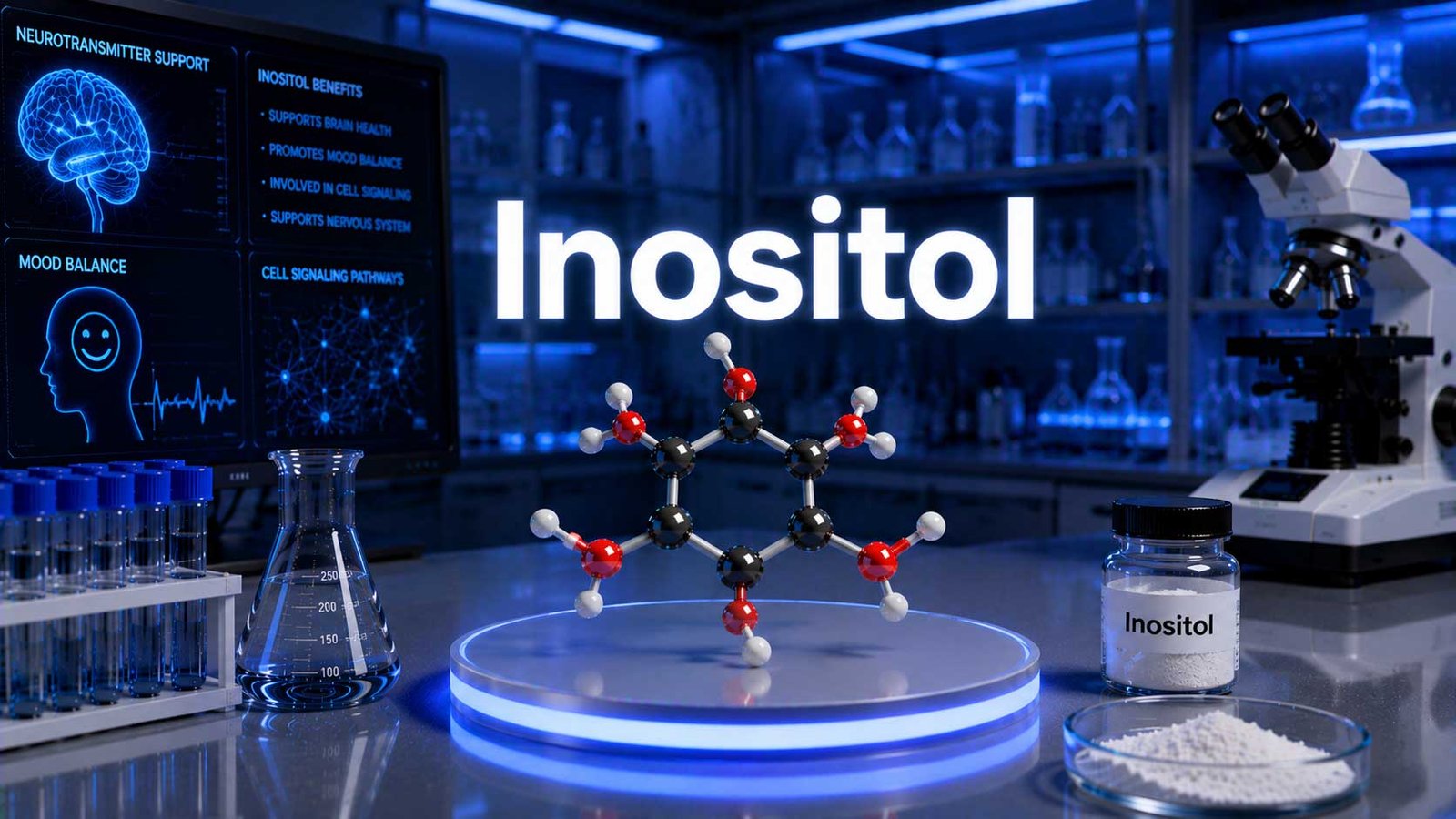
Inositol is technically a carbohydrate, though it doesn’t behave like the sugars we usually think about. Structurally, it’s a sugar alcohol, sometimes grouped loosely with the B vitamins because of how it was discovered and because of its role in cellular metabolism, even though it isn’t officially classified as a vitamin since the body can manufacture its own supply. It exists in nine different stereoisomeric forms, but two matter most for human physiology: myo-inositol, the dominant and most studied form, and D-chiro-inositol, which shows up in smaller amounts and plays its own distinct metabolic role. Inside cells, particularly brain cells, inositol becomes a structural building block for phosphoinositides, a family of membrane lipids that participate in one of the body’s most important internal communication systems.
Table of Contents


That communication system is worth pausing on, because it’s the reason inositol keeps appearing in mood-related research. When a neurotransmitter like serotonin binds to certain receptors on a neuron, the cell needs some way of translating that outside signal into an internal response. This is where the phosphatidylinositol signaling pathway comes in, generating what scientists call second messengers, specifically inositol trisphosphate (IP3) and diacylglycerol (DAG), which regulate calcium flow and downstream neuronal activity. This pathway is involved in calcium signaling and synaptic activity that’s essential for maintaining neuronal health, and inositol also acts as a precursor for neurotransmitter systems tied to mood and stress regulation. Put plainly, inositol isn’t a neurotransmitter itself. It’s more like the wiring that lets neurotransmitters actually do their job once they arrive.
This mechanistic role is what first got researchers curious back in the 1970s and 80s, when scientists noticed that cerebrospinal fluid levels of inositol tended to run lower in people experiencing depressive episodes. That observation sparked a wave of clinical trials, many of them small, some more rigorous than others, testing whether raising inositol levels through supplementation might influence mood, anxiety, or obsessive thought patterns. The results, as you’ll see throughout this article, have been genuinely mixed. Some studies found meaningful improvement. Others found no difference from placebo at all. That inconsistency is actually one of the more interesting parts of the inositol story, because it says something honest about how complicated brain chemistry really is, and how a single compound is rarely a magic key to something as layered as mood regulation.
There’s also a metabolic side to inositol that’s impossible to ignore, especially in women’s health research, where it’s become closely associated with insulin sensitivity and conditions like polycystic ovary syndrome. That metabolic angle isn’t separate from the mood conversation either. Hormonal fluctuations, insulin resistance, and mood symptoms tend to travel together, which is part of why inositol research spans such a wide range of conditions, from panic disorder to premenstrual symptoms to blood sugar regulation.
What follows is a closer look at what the science actually says, not what supplement marketing wants you to believe. We’ll walk through the health benefits that have some research behind them, where you can actually find inositol in food, what dosages have been studied in clinical settings, and where the risks and open questions still sit. Some of this will feel reassuring. Some of it will feel like a shrug, because that’s genuinely where the evidence lands on certain points. Either way, it’s worth understanding this nutrient on its own terms, without the hype and without pretending the science is more settled than it is.
If there’s one thing worth carrying into the next section, it’s this: inositol sits at an unusual intersection of nutrition, endocrinology, and psychiatry, and that’s precisely why it keeps showing up in research conversations that, at first glance, seem to have nothing to do with each other.
Key Health Benefits
Talking about inositol’s benefits requires a certain amount of restraint, because the research landscape here isn’t a straight line of positive results stacking neatly on top of each other. It’s more like a patchwork, with some conditions showing consistent signal and others showing results that flatten out once you look at the full body of evidence. Still, there are areas where inositol has earned genuine scientific attention, and it’s worth walking through them honestly.
Mood and Depressive Symptoms
The earliest and probably most cited work on inositol and mood comes from a series of trials conducted in the 1990s. In one double-blind, controlled trial, patients with depression received either 12 grams per day of inositol or a placebo for four weeks, and the group taking inositol showed significantly greater improvement on the Hamilton Depression Rating Scale compared to placebo. That same research group later expanded on these findings, noting that the overall body of controlled work up to that point suggested a measurable benefit at that same 12-gram dose over a similar timeframe, with no meaningful changes in blood work, kidney function, or liver function during the trial period.
That’s the encouraging side. But depression research doesn’t stop at one or two positive trials, and this is where the picture gets more complicated. A 2014 meta-analysis pooling together randomized, placebo-controlled trials across depression and anxiety disorders found something less clean-cut. Looking across seven trials in depression, spanning bipolar depression, major depressive disorder, and premenstrual dysphoric disorder, along with four trials in anxiety disorders including obsessive-compulsive disorder, panic disorder, and post-traumatic stress disorder, the researchers found no statistically significant effects of inositol on depressive, anxiety, or obsessive-compulsive symptoms when the data was pooled together. That’s a meaningful counterweight to the earlier, smaller trials, and it’s the kind of finding that a person with a decade of reading this research learns not to brush aside just because it’s less exciting.
A more recent narrative review from 2023 tried to reconcile these mixed signals, and its conclusion is probably the most balanced summary available right now. The reviewers noted that imaging and biomolecular studies have pointed to a role for inositol levels in the pathogenesis of mood disorders, but when administered as a standalone treatment or added on top of conventional medications, inositol didn’t appear to meaningfully change clinical outcomes in either mood disorders or psychotic disorders.
Panic and Anxiety-Related Symptoms
Here’s where things shift a little. Unlike the depression research, the data on panic disorder has been more consistently favorable. In a crossover trial involving patients with panic disorder, with or without agoraphobia, the frequency and severity of panic attacks, along with the severity of agoraphobia, declined significantly with inositol compared to placebo, and side effects were minimal. That same 2023 narrative review echoed this pattern, pointing out that more encouraging results have specifically emerged around panic disorder treatment compared to other psychiatric applications, even while cautioning that the overall evidence base remains too inconsistent to support routine clinical use.
Hormonal and Reproductive Health
Outside of psychiatry, inositol’s best-documented benefit territory is probably reproductive endocrinology, particularly for women with polycystic ovary syndrome. PCOS involves insulin resistance in a large percentage of cases, and inositol’s role as an insulin-signaling molecule has made it a frequent subject of clinical trials in this space. A systematic review of randomized controlled trials found that myo-inositol supplementation showed salutary effects on several of the hormonal and reproductive disturbances associated with PCOS, and the analysis pointed to inositol as a safe and effective option that improved oocyte and follicular development, along with pregnancy outcomes during fertility treatment. Since hormonal imbalance and mood symptoms so often travel together, particularly in conditions like PCOS and PMDD, this metabolic benefit is part of why inositol keeps intersecting with mood-balance conversations, even when the mechanism isn’t purely psychiatric.
What This Means in Practice
So where does that leave a person trying to figure out if inositol actually does anything for brain function or mood balance? Honestly, somewhere in the middle. The research supports:
- A biologically plausible mechanism through second-messenger signaling that genuinely matters for neuronal communication
- Some positive, though dated and small-scale, trials on depressive symptoms
- More consistent, if still limited, support for panic-related symptoms specifically
- Solid evidence for metabolic and hormonal benefits, especially in PCOS
- A meta-analysis that pulls the depression and anxiety picture back toward “inconclusive” rather than “proven”
None of that amounts to inositol being a guaranteed mood fix. But it does explain why researchers keep circling back to it decade after decade. There’s something real happening biochemically, even if the clinical translation isn’t as tidy as anyone would like.

Dietary Sources
One of the more underappreciated facts about inositol is that most people are already eating it, probably every day, without realizing it. Unlike some of the more exotic compounds that show up in supplement aisles, inositol occurs naturally and abundantly across ordinary foods. You don’t need anything imported or specialty-sourced to get a baseline intake. The challenge, if there is one, is that food alone typically won’t get you anywhere near the amounts used in clinical trials, which matters if you’re trying to understand the gap between “dietary nutrient” and “therapeutic supplement.”
Where Inositol Naturally Occurs
The foundational research on this topic comes from a 1980 analysis that measured myo-inositol content across nearly 500 different foods using gas-liquid chromatography, a level of thoroughness that hasn’t really been repeated since. That analysis found the greatest amounts of myo-inositol concentrated in fruits, beans, grains, and nuts, and it also noted that fresh vegetables and fruits contained more myo-inositol than their frozen, canned, or salt-free counterparts. That last detail is easy to miss but genuinely useful: freshness and processing both seem to matter for how much of this compound actually makes it into your food.
Breaking that down into practical categories, here’s roughly where inositol shows up most:
- Fresh fruits, particularly cantaloupe, oranges, and other citrus, which tend to carry the compound in a readily absorbable, non-phosphorylated form
- Legumes, including beans, lentils, and chickpeas
- Whole grains, especially unrefined varieties like bran, brown rice, and whole wheat, though much of the inositol here exists bound up as phytic acid rather than free inositol
- Nuts and seeds
- Certain vegetables, including leafy greens, peppers, and tomatoes, in smaller amounts
Kiwifruit deserves a specific mention, since it’s one of the more concentrated fruit sources studied. Ripe kiwifruit has been measured containing over 100 milligrams of myo-inositol per 100 grams of fresh weight, with even higher concentrations found in kiwifruit juice compared to other fresh fruit juices tested. If you’re someone who already reaches for kiwi as a snack, you’re getting more than just vitamin C out of the deal.
The Whole Grain Complication
There’s a nuance worth sitting with here, and it’s one that a lot of casual nutrition content glosses over. Grains and legumes are rich in inositol, yes, but a large portion of that inositol exists as phytic acid, also called myo-inositol hexakisphosphate, rather than as free, immediately usable inositol. Phytic acid has historically been labeled an “antinutrient” because it can bind minerals like iron, zinc, and calcium, reducing their absorption. That said, more recent research has pushed back on the purely negative framing, pointing to potential benefits from phytic acid itself, including effects on blood cholesterol and starch digestion. Preparation methods, like soaking, sprouting, or fermenting grains and legumes, can reduce phytic acid content and make the underlying inositol more bioavailable, which is part of why traditional food preparation techniques (think sourdough fermentation, or soaking beans overnight) aren’t just about texture or taste.
Animal-Based Sources
Inositol isn’t exclusively a plant compound. It’s also found in meats and eggs, though the research base here is thinner compared to plant sources. Organ meats in particular tend to carry higher concentrations, consistent with inositol’s role in cellular metabolism across animal tissue generally, not just plants.
How Much You’re Actually Getting
Here’s the part that puts everything into perspective. Typical dietary intake of myo-inositol through food is estimated at up to around 1 gram per day. Compare that to the 12 to 18 grams per day used in some of the clinical trials discussed earlier, and you start to see the gap clearly. Diet alone, even a genuinely inositol-rich one built around fruit, legumes, whole grains, and nuts, isn’t going to replicate what’s been tested in a clinical setting. That doesn’t make food sources pointless, not remotely. A diet built around these foods supports general metabolic and nutritional health regardless of inositol content specifically. But it does mean the conversation about therapeutic dosing and the conversation about everyday nutrition are, in a practical sense, two different conversations.
Worth noting too: the body isn’t relying on diet alone in the first place. Endogenous synthesis, primarily in the kidneys, contributes a meaningful daily supply on top of whatever comes from food, which is part of why inositol deficiency in the classic sense is uncommon in generally healthy people eating a varied diet.
Dosage & Deficiency
Dosage is where inositol research starts to feel less like a tidy nutrition fact sheet and more like an evolving clinical conversation, because the amounts studied vary enormously depending on what condition researchers were investigating. There isn’t a single, universally agreed-upon recommended daily amount the way there is for something like vitamin C, and that’s partly because inositol isn’t classified as an essential vitamin in the first place. The body makes its own supply, which changes how researchers and clinicians think about “how much is enough.”
What’s Actually Been Studied
Clinical trials on inositol have used a genuinely wide dosage range. Supplementation studies have tested amounts ranging anywhere from 28 milligrams up to 18,000 milligrams, or 18 grams, daily, with the most commonly studied dosage for general use falling between 1,000 and 4,000 milligrams per day. That’s a massive spread, and it reflects how differently inositol has been used depending on the target condition.
For context on where the higher end came from:
- Depression trials historically used around 12 grams per day, administered over roughly four weeks
- Panic disorder research also centered around the 12-gram mark
- PCOS and metabolic research has typically used lower doses, often in the 2 to 4 gram range, sometimes combined with D-chiro-inositol at a specific ratio
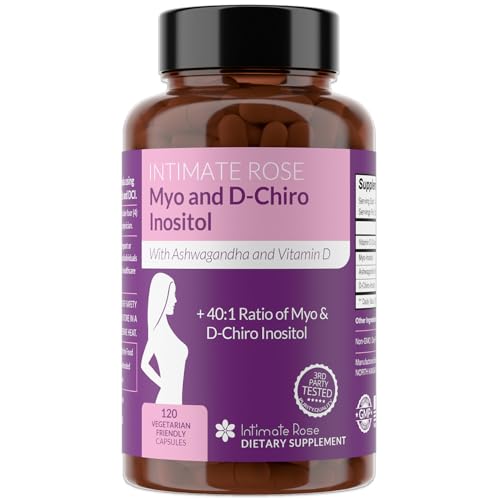
- When D-chiro-inositol is paired with myo-inositol, it’s generally used at a ratio of about 1 to 40, meaning roughly 1 milligram of D-chiro-inositol for every 40 milligrams of myo-inositol, a ratio that’s thought to reflect the natural proportion found in human tissue
It’s worth being upfront here: these are the amounts used in research settings, not a personal recommendation. Anyone considering inositol supplementation for a specific health concern is better served talking with a healthcare provider who can weigh their individual situation, current medications, and health history, rather than working backward from a study dosage found in an article.
Endogenous Production and the Deficiency Question
This is one of the more genuinely interesting aspects of inositol physiology. The body doesn’t just absorb inositol from food, it manufactures a substantial amount on its own, primarily through the kidneys. Endogenous synthesis produces roughly 4 grams of inositol per day, dwarfing the roughly 1 gram typically obtained through diet. That internal production is a big part of why classic nutrient deficiency, the kind you’d see with something like vitamin B12 or iron, isn’t really a documented phenomenon with inositol in otherwise healthy people.
That said, “deficiency” in a strict clinical sense isn’t quite the right lens for inositol anyway. The more relevant research angle has been altered inositol metabolism or localized depletion in specific tissues, rather than a whole-body shortage. This shows up in a few specific contexts:
- Diabetic neuropathy, where impaired inositol metabolism has been studied in relation to nerve conduction issues, going back to research from the 1970s on insulin and dietary myo-inositol’s effects on nerve function
- Certain mood disorder research, where reduced cerebrospinal fluid inositol levels have been observed in some depressed patients, though this is a localized brain-fluid finding rather than evidence of a systemic deficiency
- Lithium treatment, where the medication is understood to interfere with the phosphatidylinositol cycle, part of the reason the “inositol depletion hypothesis” became a serious area of bipolar disorder research
None of this means the average person needs to worry about running low on inositol. For most people eating a reasonably varied diet with fruits, whole grains, legumes, and vegetables, combined with normal endogenous production, intake sits at a level that supports ordinary cellular signaling needs. The dosage conversation really only becomes relevant when someone is looking at inositol from a therapeutic or supplemental angle, tied to a specific condition being researched, rather than as a baseline nutritional concern.
Toxicity & Risks
If there’s good news buried in the inositol research, it’s this: across decades of clinical trials, including some using genuinely high doses, inositol has consistently shown up as one of the better-tolerated compounds in the supplement world. That doesn’t mean risk-free, and it doesn’t mean appropriate for everyone, but the safety data is reassuring compared to a lot of what gets sold under the “natural mood support” umbrella.
What the Safety Research Actually Shows
A dedicated review examining inositol’s safety profile across clinical and non-clinical settings found that only the highest studied dose, 12 grams per day, was associated with mild gastrointestinal side effects such as nausea, flatus, and diarrhea, and importantly, the severity of these side effects didn’t increase as the dosage climbed further. That’s a somewhat unusual finding in toxicology terms, since side effects typically scale upward with dose. Here, the ceiling effect suggests the gastrointestinal symptoms are more about how inositol interacts with the gut, as a sugar alcohol pulling water into the digestive tract, rather than a systemic toxic response building with exposure.
Practically speaking, the side effect profile tends to include:
- Nausea, particularly when starting supplementation or increasing dose quickly
- Bloating and flatulence
- Loose stools or diarrhea at higher intakes
- Occasional headaches or mild dizziness, reported less consistently across studies
These effects are generally described as mild and tend to improve with time, or by splitting doses across the day and taking inositol alongside food, both of which reduce the osmotic load hitting the gut at once.
No Established Organ Toxicity
One of the more notable points across this research base is the absence of documented organ toxicity. Trials monitoring kidney function, liver function, and hematological markers alongside inositol supplementation, including the original depression trials using 12 grams daily, consistently reported no significant changes in these systems. That’s a meaningful data point, especially for a compound that’s been tested at doses well above typical dietary intake for extended periods in some studies.
Who Should Be More Cautious
That said, “generally well tolerated” isn’t the same as “appropriate for everyone without a second thought.” A few groups warrant extra caution:
- People with bipolar disorder, since some research has raised questions about mood destabilization or manic switching in this population, tied to inositol’s role in the same signaling pathway that lithium, a first-line bipolar treatment, is understood to act on
- People managing blood sugar closely, particularly those on insulin or insulin-sensitizing medications, since inositol has documented effects on insulin signaling and could theoretically compound blood sugar lowering
- Pregnant or breastfeeding individuals, where research specifically on pregnancy has generally been reassuring at studied doses, but data during lactation remains comparatively thin
- Anyone currently taking psychiatric medications, simply because inositol’s mechanism overlaps with several neurotransmitter signaling pathways, and combination effects haven’t been extensively mapped out
A Reasonable Way to Think About It
Compared to many pharmaceutical options used for the same conditions inositol has been studied for, its risk profile looks favorable on paper. It doesn’t appear to cause the withdrawal effects associated with certain psychiatric medications, and no lethal dose has been established in human research, largely because excess amounts are water-soluble and cleared through urine rather than accumulating in tissue. But “favorable compared to pharmaceuticals” isn’t the same as “harmless for everyone in every context,” and the honest answer is that anyone with an existing health condition, particularly a psychiatric or endocrine one, or anyone taking medication, should treat inositol supplementation as a conversation to have with a healthcare provider rather than a decision to make solo based on an internet search. This isn’t medical advice, and it isn’t meant to replace an actual conversation with someone who knows your full health picture.
Where the Research Leaves Us
After spending real time in this literature, what strikes me most isn’t a dramatic conclusion in either direction. It’s the honesty of the uncertainty. Inositol isn’t a scam, and it isn’t a miracle. It’s a naturally occurring compound with a genuinely important job inside every one of your neurons, sitting at the center of a signaling system that’s been studied since the 1980s without ever quite resolving into a clean, universal answer.
What we can say with reasonable confidence: the biochemistry checks out. Inositol is structurally embedded in how neurons translate outside signals into internal responses, and that’s not speculative, it’s basic cell biology. What we can say with less confidence: whether taking inositol as a supplement reliably shifts mood or anxiety symptoms for the average person. The early depression and panic disorder trials were genuinely promising, but the larger meta-analytic picture pulls the reins back on some of that optimism, particularly for depression and generalized anxiety. Panic disorder specifically has held up a bit better across the research, which is worth remembering the next time you see inositol marketed as a blanket mood solution rather than something with more nuanced, condition-specific evidence.
On the nutrition side, the picture is more settled. Inositol shows up reliably across fruits, legumes, whole grains, and nuts, and your body is already making a meaningful supply on its own through the kidneys. For most people, dietary deficiency in the classic sense simply isn’t a realistic concern, which reframes the entire conversation. This isn’t a nutrient most people need to worry about “getting enough of.” It’s more that certain therapeutic doses studied in clinical trials, particularly the 12 to 18 gram range used in psychiatric research, sit well beyond what food alone could ever provide, and that gap is exactly where the supplement conversation lives.
If I had to boil this down into something actionable, it would be this: eating a varied diet with fruit, legumes, whole grains, and nuts gives you a reasonable, low-risk baseline of inositol intake as part of overall nutrition, independent of any mood claims. If someone is specifically interested in inositol for a documented condition, whether that’s PCOS, panic symptoms, or something else the research has actually examined, that’s a conversation worth having with a healthcare provider who can look at dosage, interactions, and personal health history together, rather than extrapolating from a supplement label or a well-meaning article. The safety profile is reassuring, genuinely so, but reassuring isn’t the same as universally appropriate.
Inositol earns its place in the conversation about brain function and mood, not because the science has delivered a tidy verdict, but because the mechanism is real, the research is ongoing, and the compound itself has decades of relatively safe use behind it. That’s a solid foundation. It’s just not the whole house yet, and anyone telling you otherwise is probably selling something.
Article Sources
At AncientHerbsWisdom, our content relies on reputable sources, including peer-reviewed studies, to substantiate the information presented in our articles. Our primary objective is to ensure our content is thoroughly fact-checked, maintaining a commitment to accuracy, reliability, and trustworthiness.
- Carlomagno, G., & Unfer, V. (2011). Inositol safety: Clinical evidences. European Review for Medical and Pharmacological Sciences, 15(8), 931-936. https://pubmed.ncbi.nlm.nih.gov/21845803/
- Clements, R. S., Jr., & Darnell, B. (1980). Myo-inositol content of common foods: Development of a high-myo-inositol diet. The American Journal of Clinical Nutrition, 33(9), 1954-1967. https://doi.org/10.1093/ajcn/33.9.1954
- Concerto, C., Chiarenza, C., Di Francesco, A., Natale, A., Privitera, I., Rodolico, A., Trovato, A., Aguglia, A., Fisicaro, F., Pennisi, M., Bella, R., Petralia, A., Signorelli, M. S., & Lanza, G. (2023). Neurobiology and applications of inositol in psychiatry: A narrative review. Current Issues in Molecular Biology, 45(2), 1762-1778. https://doi.org/10.3390/cimb45020113
- Levine, J. (1997). Controlled trials of inositol in psychiatry. European Neuropsychopharmacology, 7(2), 147-155. https://doi.org/10.1016/S0924-977X(97)00409-4
- Levine, J., Barak, Y., Gonzalves, M., Szor, H., Elizur, A., Kofman, O., & Belmaker, R. H. (1995). Double-blind, controlled trial of inositol treatment of depression. The American Journal of Psychiatry, 152(5), 792-794. https://doi.org/10.1176/ajp.152.5.792
- Mukai, T., Kishi, T., Matsuda, Y., & Iwata, N. (2014). A meta-analysis of inositol for depression and anxiety disorders. Human Psychopharmacology: Clinical and Experimental, 29(1), 55-63. https://doi.org/10.1002/hup.2369
- Unfer, V., Nestler, J. E., Kamenov, Z. A., Prapas, N., & Facchinetti, F. (2016). Effects of inositol(s) in women with PCOS: A systematic review of randomized controlled trials. International Journal of Endocrinology, 2016, 1849162. https://doi.org/10.1155/2016/1849162

- Phosphatidic Acid: Supporting Muscle Growth and Strength - July 31, 2026
- Ceramides: Supporting Healthy Skin From Within - July 31, 2026
- Synbiotics: Combining Prebiotics and Probiotics Together - July 31, 2026