
The Mineral Your Body Never Stops Asking For
Ask most people what calcium does and you’ll get the same answer every time: it’s for bones. Milk, cheese, maybe a chalky supplement your grandmother swore by. And sure, that’s part of the story. But it’s such a small slice of it that I sometimes wonder how this mineral got reduced to a single-note nutrient in the public imagination.
Here’s the thing that changed how I think about this mineral years ago. Only about 1% of it in your body is actually doing the flashy, visible work of keeping your skeleton upright. The other 99% is locked away in bone tissue too, but that tiny 1% floating around in your blood and soft tissue is arguably more urgent to your survival than the whole skeletal reserve. That sliver of circulating calcium controls whether your heart beats in rhythm, whether your muscles contract when you tell them to, and whether nerve signals fire the way they should. Run short on that circulating pool, and your body will pull calcium straight out of your bones to keep it topped up, no questions asked, no negotiation. Bone becomes a bank account the body raids in a crisis.
Table of Contents


That’s the part that doesn’t get talked about enough. It isn’t just a structural mineral. It’s a signaling mineral. It’s involved in blood clotting, in the release of hormones, in the way cells communicate with each other. If you’ve ever wondered why a low intake can leave someone feeling twitchy, fatigued, or oddly anxious, this is why. The body’s demand for stable levels is non-negotiable, and it will sacrifice long-term bone density to protect short-term function every single time.
I’ve spent a long time looking at how people approach minerals in general, and this one tends to fall into one of two camps. Either people ignore it entirely until a doctor mentions bone density in their 50s or 60s, or they overcorrect and start popping supplements without much thought to dose, timing, or what else is happening in their diet. Neither extreme serves you well. It’s one of those nutrients where more isn’t automatically better, and less isn’t automatically fine — a mineral that rewards a bit of actual understanding.
There’s also a generational blind spot here. Bone mass isn’t built in your 40s or 50s. It’s built, largely, before age 30, with the steepest climb happening during adolescence. Peak bone mass is basically a savings account you fill early in life and then slowly draw down for the rest of your years. Miss that window and no amount of supplementation later will fully make up for it. That’s a sobering thought, and it’s one reason I get a little exasperated when calcium conversations only start once someone’s already worried about fractures.
It also doesn’t work alone, and that’s another point that gets lost. Calcium needs vitamin D to be absorbed properly in the gut. It interacts with magnesium and phosphorus in ways that affect how it’s used and stored. It has a relationship with sodium and protein intake that can either protect bone or quietly erode it over years. Treating it as a standalone fix — just eat more dairy, take a pill — misses how deeply it’s woven into a broader nutritional system involving other minerals, hormones like parathyroid hormone and calcitonin, and even kidney function.
What I want to do in this piece is give this mineral its proper due. Not the oversimplified dairy-aisle version, but the fuller picture: what it actually does for your muscles and nerves as well as your bones, where you can realistically get it from food, how much you actually need at different life stages, what deficiency looks like when it creeps in slowly, and where the real risks of overdoing it lie. Because toxicity is possible, and it’s not talked about nearly enough given how casually supplements get recommended.
If you’ve ever felt a muscle cramp during a hard workout, or wondered why some people seem to bruise or clot differently, or just want to understand why your doctor keeps mentioning bone density scans as you get older, it is quietly behind a lot of it. It’s not a glamorous mineral. It doesn’t have the buzz of magnesium or the trendiness of vitamin D right now. But pound for pound, it might be doing more unseen work in your body than almost anything else you eat.
Let’s get into what that actually looks like.
Key Health Benefits
Building and Maintaining Bone Structure
The obvious one first, because it deserves real attention even if it’s not the whole story. Roughly 99% of the body’s calcium is stored in bones and teeth, where it provides the rigid framework that everything else hangs on. Bone isn’t static tissue — it’s constantly being broken down and rebuilt in a process called remodeling, and this mineral is the raw material for that reconstruction. Osteoblasts build new bone, osteoclasts break old bone down, and it moves in and out of that tissue based on what the rest of your body needs at any given moment.
This matters most acutely during three life stages: childhood and adolescence, when peak bone mass is being established; pregnancy and lactation, when a mother’s needs shift to support fetal skeletal development; and older adulthood, when bone density naturally declines and the risk of osteoporosis climbs. Women in particular face a sharper drop in bone density after menopause due to falling estrogen levels, which is part of why postmenopausal women are so often the focus of calcium and bone health research.
Muscle Contraction and Function
Every time a muscle contracts, this mineral is involved at the cellular level. When a nerve signal reaches a muscle fiber, calcium ions are released from storage within the muscle cell and bind to proteins that allow the contractile filaments to slide past each other. No calcium, no contraction. This applies to skeletal muscles you consciously control and to the smooth muscle lining your blood vessels and digestive tract.
It also applies to cardiac muscle. Your heartbeat depends on a precise, rhythmic flow of it in and out of heart muscle cells. This is part of why severe imbalances, in either direction, can cause dangerous heart rhythm disturbances. It’s not an exaggeration to say that this mineral is directly involved in every heartbeat you’ll ever have.
Nerve Signal Transmission
Calcium plays a central role in neurotransmitter release at the junctions between nerve cells. When an electrical signal reaches the end of a nerve, calcium channels open, calcium flows in, and that influx triggers the release of neurotransmitters that carry the signal to the next cell. This process underlies everything from reflexes to conscious movement to sensory perception.
Low levels can manifest as tingling in the fingers, muscle spasms, or a general sense of neuromuscular irritability. Some people describe it almost like their nerves feel “on edge” — twitchy, easily triggered. That’s not imagination. It’s a physiological response to instability affecting how nerve cells fire.
Blood Clotting
Calcium is one of the clotting factors involved in the coagulation cascade, the sequence of reactions that allows blood to form a stable clot after injury. Without adequate calcium, this process doesn’t proceed efficiently, which is part of why severe deficiency can show up as excessive bleeding or bruising in extreme cases, though this is relatively rare compared to bone and muscle-related effects.
Hormonal Regulation and Cellular Signaling
Beyond the more visible roles, calcium acts as a second messenger inside cells, helping regulate the release of hormones and enzymes. Insulin secretion, for example, depends partly on calcium signaling within pancreatic cells. This is a quieter function that doesn’t get much press but underscores how calcium threads through systems well beyond the skeleton.
A Few Things to Keep in Perspective
A quick note here, because I think it matters: supplementation has been studied for cardiovascular effects, and the research is genuinely mixed. Some studies have raised questions about high-dose supplements and cardiovascular risk, while dietary intake from food sources hasn’t shown the same pattern. This is one of those areas where blanket statements do a disservice — food-based and supplement-based sources don’t necessarily behave identically in the body, and the dose, form, and individual health context all matter.
- Supports bone density across the lifespan
- Enables muscle contraction, including the heart
- Facilitates nerve signal transmission
- Participates in blood clotting
- Acts as a cellular signaling molecule for hormone release
None of these functions exist in isolation. They’re all drawing from the same circulating pool, which is exactly why the body regulates calcium so tightly and why deficiency, even mild and chronic, tends to show up in more than one system at once.
Dietary Sources
Dairy Still Deserves Its Reputation
I’ll say this upfront because it’s unfashionable in some wellness circles right now: dairy products remain one of the most efficient, bioavailable sources available. A single cup of milk provides around 300 mg, and yogurt and cheese offer comparable or higher amounts depending on the type. Part of what makes dairy so effective isn’t just the calcium content but the fact that it comes packaged with other nutrients, like protein and often vitamin D in fortified products, that support absorption and bone health together.
That said, dairy isn’t the only option, and it’s not the right option for everyone. Lactose intolerance, dairy allergies, and personal or ethical dietary choices mean a huge number of people need reliable alternatives. The good news is that those alternatives genuinely exist, even if they require slightly more intention to hit the same numbers.
Leafy Greens and Plant-Based Sources
Certain leafy greens are surprisingly rich in this mineral, though there’s an important caveat: not all of it from plants is absorbed equally well. Kale, bok choy, and collard greens have relatively low oxalate content, which means what’s in them is fairly bioavailable — your body can actually use a good chunk of what’s there. Spinach, on the other hand, is often cited as a good source, but it’s high in oxalates, which bind to it and significantly reduce how much your body actually absorbs. It’s not that spinach doesn’t count at all, it’s that relying on it as a primary calcium source is a less efficient strategy than people assume.
Other solid plant sources include:
- Fortified plant milks (soy, almond, oat) — often fortified to match or exceed dairy milk’s calcium content
- Tofu processed with calcium sulfate, which can be surprisingly calcium-dense
- White beans and chickpeas, in more modest amounts
- Almonds and sesame seeds, including tahini
- Figs, particularly dried figs
Fish With Edible Bones
Canned salmon and sardines, when eaten with their soft, edible bones, are among the more underrated sources out there. A single serving of canned sardines can deliver a meaningful percentage of daily needs, along with omega-3 fatty acids and vitamin D, which as I mentioned earlier plays a direct role in calcium absorption. It’s a two-for-one nutritionally, even if it’s not the most popular pantry staple.
Fortified Foods
Because so many people don’t hit their targets through traditional sources alone, fortification has become common in cereals, orange juice, and various plant-based products. This isn’t a lesser source — fortified calcium is typically just as bioavailable as naturally occurring calcium, sometimes more so depending on the compound used. If you’re checking labels, look for calcium carbonate or calcium citrate on ingredient lists, as these are the most commonly used fortification compounds.
What About Supplements?
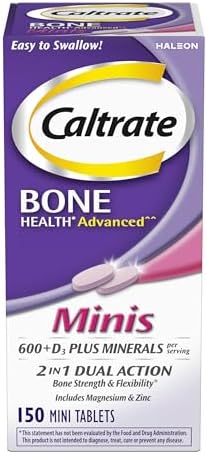
Supplements have their place, particularly for people who genuinely struggle to meet needs through diet — older adults with reduced appetite, people with dietary restrictions that limit relevant foods, or those recovering from conditions affecting absorption. But I’d push back gently on the instinct to reach for a supplement bottle before really looking at what’s already on the plate.
A few practical notes if supplementation does make sense for your situation:
- Calcium carbonate is more concentrated but requires stomach acid for absorption, so it’s best taken with food
- Calcium citrate is absorbed well with or without food, which makes it a better choice for people on medications that reduce stomach acid
- The body can only absorb so much calcium at once, generally topping out around 500 mg per dose, so splitting a larger daily amount into two doses tends to work better than one large one
Absorption Matters as Much as Intake
This is a point I really want to underline because so much messaging stops at “eat more of this food” without addressing whether your body will actually use it. Vitamin D status has a massive influence on absorption efficiency. Age matters too — absorption efficiency tends to decline as people get older, which is part of why calcium recommendations often increase for adults past 50. Certain medications, high sodium intake, and excessive caffeine can also modestly reduce retention over time.
Building a genuinely sufficient diet isn’t about obsessing over one food group. It’s closer to layering: a base of naturally calcium-containing foods, some fortified products to fill gaps, adequate vitamin D to support absorption, and a general awareness of what might be working against you. It’s less about perfection and more about consistency over months and years, since bone health is a long game, not a weekly fix.
Dosage & Deficiency
How Much Calcium Do You Actually Need
Recommended intake shifts quite a bit depending on age and life stage, and I think this is where a lot of confusion comes from — people latch onto one number they heard once and apply it to themselves regardless of whether it actually fits their situation. General guidance from health authorities places adult needs somewhere between 1,000 and 1,200 mg per day, with the higher end typically recommended for women over 50 and men over 70, reflecting the natural decline in absorption and bone density that comes with age.
Adolescents, interestingly, often need more than adults — up to 1,300 mg per day during the peak bone-building years of early to mid-teens. This is the window I mentioned earlier, where the skeleton is laying down the bulk of its lifetime bone mass. Pregnant and breastfeeding individuals have needs that are broadly similar to non-pregnant adults, though the body becomes notably more efficient at absorbing calcium during pregnancy to support fetal development, which is a fairly elegant physiological adaptation.
Rough benchmarks look something like this:
- Children ages 1–3: around 700 mg per day
- Children ages 4–8: around 1,000 mg per day
- Adolescents ages 9–18: around 1,300 mg per day
- Adults 19–50: around 1,000 mg per day
- Women 51 and older: around 1,200 mg per day
- Men 51–70: around 1,000 mg per day, rising to 1,200 mg after 70
These numbers are general reference points, not rigid prescriptions, and individual needs can be shaped by health conditions, medications, and absorption capacity.
What Deficiency Actually Looks Like
Deficiency, medically referred to as hypocalcemia when it shows up as a measurable blood abnormality, doesn’t usually announce itself dramatically. It tends to creep in slowly, especially when it’s driven by chronic low dietary intake rather than an acute medical event. Because the body prioritizes maintaining stable blood calcium levels by pulling from bone stores, someone can have genuinely low calcium intake for years without obvious symptoms, all while their bone density quietly declines in the background.
When symptoms do show up, they often reflect the nerve and muscle functions calcium is so central to:
- Muscle cramps or spasms, sometimes in the hands or feet
- Numbness or tingling, particularly around the mouth or extremities
- Fatigue that doesn’t have an obvious explanation
- Brittle nails and dry skin in more prolonged deficiency
- In more severe or acute cases, irregular heart rhythms
Long-term, low calcium intake is strongly associated with reduced bone density and an elevated risk of osteoporosis and fractures later in life. This is the slow-burn consequence that doesn’t show up on any symptom checklist in the short term but becomes very real when someone in their 60s or 70s experiences a fracture from a fall that wouldn’t have been serious with denser bones.
Who’s Most at Risk
Certain groups face a higher likelihood of falling short on calcium, and it’s worth naming them plainly rather than assuming deficiency is evenly distributed across the population:
- Postmenopausal women, due to the accelerated bone loss that follows declining estrogen
- People with lactose intolerance or dairy allergies who haven’t adjusted their diet to compensate
- Individuals following vegan diets without deliberate attention to calcium-rich plant foods or fortified products
- People with gastrointestinal conditions affecting nutrient absorption, such as Crohn’s disease or celiac disease
- Older adults generally, due to reduced dietary intake and less efficient absorption
- People with vitamin D deficiency, since inadequate vitamin D undermines calcium absorption regardless of intake
Why This Isn’t Just About Eating More Calcium
Here’s where I think a lot of well-intentioned advice falls short. Simply telling someone in a high-risk group to “eat more calcium” without addressing vitamin D status, kidney function, or absorption issues is treating a symptom without understanding the mechanism. Deficiency is rarely just about insufficient intake in isolation — it’s usually intake combined with one or more factors that impair how well that calcium actually gets used.
This is part of why healthcare providers often check vitamin D levels alongside calcium when investigating bone health concerns. Fixing one without addressing the other tends to produce disappointing results. If someone is diligently consuming calcium-rich foods but is also vitamin D deficient, they may still end up with suboptimal bone density because the calcium simply isn’t being absorbed efficiently enough to matter.
Getting dosage right, in other words, isn’t a matter of hitting a number on a label. It’s a matter of understanding your own risk factors, life stage, and what else might be working against your absorption, and adjusting accordingly rather than assuming a one-size-fits-all target applies to you.
Toxicity & Risks
Yes, You Can Get Too Much
This is the part of the conversation that gets skipped most often, and I think that’s a genuine oversight given how casually calcium supplements get recommended. The tolerable upper intake level for most adults sits around 2,500 mg per day, dropping to about 2,000 mg for adults over 50. Getting anywhere near that ceiling through food alone is genuinely difficult — this is almost always a supplement-driven issue, particularly when someone is stacking a calcium supplement on top of an already calcium-rich diet without doing the math on total intake.
Excess intake, known as hypercalcemia when it shows up as an elevated blood level, isn’t a benign “just pee it out” situation the way people sometimes assume with water-soluble nutrients. Calcium regulation is tightly controlled by the body, and when that system gets overwhelmed, the consequences show up in several organ systems at once.
Kidney Stones
This is probably the most well-documented risk associated with excess intake, particularly from supplements rather than food. High supplemental calcium intake has been associated with an increased risk of kidney stones in several studies, likely related to how quickly and in what form that calcium enters the bloodstream compared to the slower, more gradual absorption from food. Interestingly, dietary calcium from food sources doesn’t carry the same association, and some research even suggests adequate dietary calcium may help reduce stone risk by binding oxalate in the gut before it can be absorbed. It’s a good example of how the source and delivery method of a nutrient can matter just as much as the total amount.
Cardiovascular Considerations
I mentioned earlier that this area is genuinely mixed in the research, and it deserves more than a passing mention here. Some studies have suggested a possible association between high-dose calcium supplementation and increased cardiovascular risk, potentially related to calcium’s role in vascular calcification — the hardening of blood vessels through mineral deposits. Other research hasn’t found the same association, and the picture is complicated by differences in study design, populations, and whether vitamin D was co-administered.
What seems reasonably consistent is that dietary calcium from food doesn’t carry this same signal. This is one of those situations where I’d encourage genuine caution rather than alarm — it’s not a reason to avoid calcium, but it is a reason to be thoughtful about supplementing beyond what your diet and actual needs justify, rather than treating supplements as a harmless insurance policy.
Impaired Absorption of Other Minerals
Excess intake can interfere with the absorption of other essential minerals, particularly iron and zinc, when consumed in large amounts at the same time. This is part of why it’s often recommended to space out iron and calcium supplements rather than taking them together, since they compete for the same absorption pathways in the gut.
Milk-Alkali Syndrome
This is a less common but historically notable condition involving the combination of excessive calcium intake, often alongside certain antacids, leading to hypercalcemia, alkalosis, and potential kidney impairment. It became less prevalent once treatment approaches for conditions like peptic ulcers changed, but it still shows up occasionally in people consuming very high amounts of calcium-containing antacids over long periods.
Symptoms of Hypercalcemia
When calcium levels climb too high, the symptoms can be surprisingly nonspecific at first, which makes it easy to miss:
- Nausea, vomiting, or loss of appetite
- Excessive thirst and frequent urination
- Abdominal pain or constipation
- Fatigue, confusion, or difficulty concentrating in more pronounced cases
- Bone pain, somewhat ironically, in chronic or severe cases
Severe hypercalcemia is uncommon from diet or typical supplementation alone and is more often linked to underlying conditions like hyperparathyroidism or certain cancers, but it underscores that calcium is not a nutrient where the instinct of “more must be better” holds up.
A More Balanced Way to Think About Risk
None of this is meant to scare anyone away from calcium-rich foods, which remain broadly protective and beneficial for the vast majority of people. The caution is specifically aimed at unsupervised, high-dose supplementation, particularly when someone is combining multiple sources of supplemental calcium without tracking total intake, or when supplementation happens without any real assessment of whether it’s actually needed.
If you’re considering calcium supplements, particularly at doses that would push your total daily intake close to or above the upper limit, it’s worth having that conversation with a healthcare provider who can look at your full picture, including kidney function, other medications, and existing calcium intake from food. Calcium is a mineral that rewards a measured, informed approach far more than an aggressive one.
The Mineral That Never Really Rests
If there’s one thing I hope sticks after all of this, it’s that calcium doesn’t deserve the flat, one-dimensional reputation it’s been handed. It’s not just a bone nutrient you think about once you’re worried about fractures decades from now. It’s working constantly, in the background, keeping your heart beating in rhythm, letting your muscles fire when you need them to, carrying nerve signals from one cell to the next, and quietly regulating a dozen processes most people never think about until something goes wrong.
What strikes me most, looking at this mineral after years of paying attention to it, is how much calcium rewards a kind of quiet consistency rather than dramatic intervention. Nobody fixes a lifetime of low intake with a single high-dose supplement, and nobody protects their bones by panicking about calcium in their 60s after ignoring it for decades. The people who tend to do well with this mineral are the ones who built reasonably solid habits early — dairy or fortified alternatives, a rotation of calcium-friendly plant foods, enough vitamin D to actually use what they’re eating — and just kept at it without overthinking every single day.
The flip side matters too, and I don’t want to undersell it. Piling on supplements because a headline made calcium sound like a magic bullet for bone density is its own kind of mistake. This is a nutrient where the dose genuinely makes the difference between benefit and risk, where food sources and supplement sources don’t behave identically in the body, and where more is not a safe default assumption.
If you take one practical thing away from this, let it be this: think about calcium the way you’d think about a long-term savings account rather than a quick fix. Feed it steadily through food where you reasonably can, pay attention to vitamin D since it’s doing more of the heavy lifting than most people realize, be honest with yourself about whether you fall into a higher-risk group, and treat supplementation as a considered decision rather than an automatic habit. Your bones, your muscles, your nerves, and honestly your heart are all quietly counting on you to get this one right, even if none of them ever say so directly.
Article Sources
At AncientHerbsWisdom, our content relies on reputable sources, including peer-reviewed studies, to substantiate the information presented in our articles. Our primary objective is to ensure our content is thoroughly fact-checked, maintaining a commitment to accuracy, reliability, and trustworthiness.
- National Institutes of Health, Office of Dietary Supplements. (2024). Calcium: Fact sheet for health professionals. https://ods.od.nih.gov/factsheets/Calcium-HealthProfessional/
- National Institutes of Health, Office of Dietary Supplements. (2024). Calcium: Fact sheet for consumers. https://ods.od.nih.gov/factsheets/Calcium-Consumer/
- National Institute of Arthritis and Musculoskeletal and Skin Diseases. (2023). Calcium and vitamin D: Important at every age. https://www.bones.nih.gov/health-info/bone/bone-health/nutrition/calcium-and-vitamin-d-important-every-age
- Cormick, G., & Belizán, J. M. (2019). Calcium intake and health. Nutrients, 11(7), 1606. https://doi.org/10.3390/nu11071606
- Institute of Medicine. (2011). Dietary reference intakes for calcium and vitamin D. National Academies Press. https://doi.org/10.17226/13050
- World Health Organization. (2020). Healthy diet. https://www.who.int/news-room/fact-sheets/detail/healthy-diet
- Weaver, C. M., Alexander, D. D., Boushey, C. J., Dawson-Hughes, B., Lappe, J. M., LeBoff, M. S., Liu, S., Looker, A. C., Wallace, T. C., & Wang, D. D. (2016). Calcium plus vitamin D supplementation and risk of fractures: An updated meta-analysis from the National Osteoporosis Foundation. Osteoporosis International, 27(1), 367–376. https://doi.org/10.1007/s00198-015-3386-5
- Harvard T.H. Chan School of Public Health. (2023). Calcium. The Nutrition Source. https://www.hsph.harvard.edu/nutritionsource/calcium/
- Reid, I. R., Bristow, S. M., & Bolland, M. J. (2015). Calcium supplements: Benefits and risks. Journal of Internal Medicine, 278(4), 354–368. https://doi.org/10.1111/joim.12394
- Curhan, G. C., Willett, W. C., Speizer, F. E., Spiegelman, D., & Stampfer, M. J. (1997). Comparison of dietary calcium with supplemental calcium and other nutrients as factors affecting the risk for kidney stones in women. Annals of Internal Medicine, 126(7), 497–504. https://doi.org/10.7326/0003-4819-126-7-199704010-00001
- Peacock, M. (2010). Calcium metabolism in health and disease. Clinical Journal of the American Society of Nephrology, 5(Suppl 1), S23–S30. https://doi.org/10.2215/CJN.05910809

- Phosphatidic Acid: Supporting Muscle Growth and Strength - July 31, 2026
- Ceramides: Supporting Healthy Skin From Within - July 31, 2026
- Synbiotics: Combining Prebiotics and Probiotics Together - July 31, 2026