
The Mineral That Turns Every Breath Into Fuel
Take a breath right now. Feel your chest rise, your lungs fill, that little pause before you exhale. Simple, right? Except it isn’t simple at all. That oxygen you just pulled in has to get from your lungs to literally every cell in your body, and it can’t travel there on its own. It needs a ride. That ride is iron.
I’ve spent more years than I care to admit reading about minerals, watching trends come and go, and if there’s one nutrient that never loses its relevance, it’s iron. Zinc has its moment. Magnesium gets its viral TikTok spotlight every few months. But iron just sits there, unglamorous and essential, quietly running the show. Without it, hemoglobin — the protein packed inside your red blood cells — simply cannot bind oxygen and carry it where it needs to go. No iron, no oxygen delivery. No oxygen delivery, no energy, no clear thinking, no functioning muscles. It really is that foundational.
Table of Contents


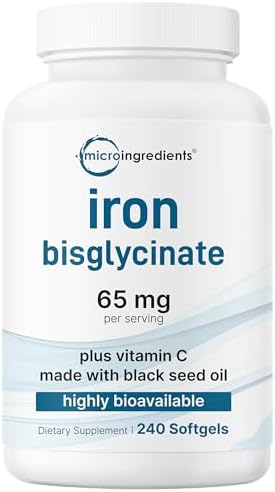
Here’s what makes iron fascinating from a biological standpoint: it’s a trace mineral, meaning your body only needs it in small amounts, yet the consequences of getting it wrong — in either direction — are anything but small. Too little iron and you’re looking at fatigue that no amount of coffee fixes, brain fog, a heart working overtime just to keep up. Too much iron, especially over years, and you’re looking at organ damage that can be genuinely dangerous. It’s a mineral that demands respect, not because it’s exotic or hard to find, but because the margin between “just right” and “problematic” is narrower than people assume.
I think what gets lost in a lot of nutrition conversations is the sheer elegance of how iron actually works inside the body. It’s not just floating around doing a vague, generic “supporting oxygen” job. It’s embedded directly into the structure of hemoglobin, forming the core of a molecule called heme, where a single iron atom sits at the center and grabs onto an oxygen molecule like a tiny magnetic hook. Multiply that by the roughly 25 trillion red blood cells circulating in an adult body, each carrying around 270 million hemoglobin molecules, and you start to appreciate the scale of what’s happening every second you’re alive. Iron isn’t a bit player in this story. It’s the whole mechanism.
And it’s not only about the blood traveling through your veins. Iron also shows up in myoglobin, a cousin protein that lives inside your muscle tissue and stores oxygen locally so your muscles have a reserve to draw on during exertion. That’s part of why iron deficiency hits athletes and physically active people so hard — their muscles are constantly demanding oxygen, and if the iron supply chain is broken, performance craters fast. I’ve talked to runners who couldn’t figure out why their times were slipping, who assumed it was training load or sleep, only to find out a simple blood panel revealed low ferritin, the protein that stores iron in the body. It’s a common enough story that I stopped being surprised by it years ago.
Beyond oxygen transport, iron is a cofactor for a surprising number of enzymes involved in energy production, DNA synthesis, and immune defense. Minerals in general tend to get pigeonholed into one job — calcium for bones, iodine for thyroid — but iron is more of a generalist, showing up in dozens of biochemical pathways that keep the body’s engine running smoothly. That versatility is exactly why deficiency symptoms can look so scattered: fatigue, pale skin, brittle nails, hair thinning, restless legs at night, even unusual cravings for ice or starch, a condition called pica that still puzzles researchers.
There’s also a historical angle here that I find genuinely interesting. Humans have been aware, in some form, that iron and blood were connected for a very long time — ancient physicians noticed that pale, weak patients sometimes improved when given iron-rich preparations, long before anyone understood hemoglobin or red blood cells at a molecular level. It wasn’t until the twentieth century that scientists actually mapped out the mechanism, but the intuition that “iron and vitality are linked” predates modern biochemistry by centuries. I mention this because it says something about how observable iron’s effects are. You don’t need a lab to notice when someone’s iron-deficient. The fatigue, the paleness, the breathlessness climbing a single flight of stairs — these are visible, tangible signs that something fundamental in the oxygen supply chain has broken down.
What I want to do in this article is walk through iron the way I’d explain it to a friend who just got a lab result flagging low iron and has no idea what that actually means for their day-to-day life. We’ll get into the real health benefits, the foods that actually deliver meaningful amounts, how much you genuinely need at different life stages, what deficiency looks like when it creeps up on you, and — because this part matters and gets skipped too often — what happens when there’s too much iron in the system. This isn’t a mineral to fear, but it is one worth understanding properly, because so much of how you feel day to day traces back to whether this one trace element is doing its job.
One more thing worth sitting with before we get into specifics: iron status isn’t a fixed trait, it’s a moving target that shifts with age, sex, activity level, diet, and even seasons of life like pregnancy or recovery from illness. Someone can have perfectly adequate iron levels for years and then find themselves deficient after a period of heavy menstrual bleeding, a shift toward a plant-based diet without adjusting intake, or a stretch of intense endurance training. That fluidity is exactly why it’s worth understanding the mechanics rather than just memorizing a single “correct” number. Once you understand how iron moves through the body — how it’s absorbed, stored, used, and occasionally lost — the specific numbers make a lot more sense, and so does the advice that follows.
Key Health Benefits of Iron
Iron’s reputation rests almost entirely on oxygen transport, and for good reason, but reducing it to just “the oxygen mineral” undersells how many systems actually depend on it. Let me break down where iron earns its keep, because the benefits stack up in ways that surprise people who’ve only ever thought of it as the thing in spinach.
Oxygen Transport and Cellular Energy
This is the headline function, and it deserves the spotlight. Hemoglobin, the oxygen-carrying protein in red blood cells, is roughly 70 percent of the iron in your body. Every time your heart beats, it’s pushing blood loaded with iron-bound oxygen out to your tissues, and every time you exhale, you’re releasing the carbon dioxide that iron helped shuttle back. This cycle happens tens of thousands of times a day without you thinking about it once. When iron stores run low, the body compensates by producing red blood cells that are smaller and paler than normal, carrying less oxygen per cell. The downstream effect is a kind of systemic energy drought. Cells that don’t get enough oxygen can’t produce adequate ATP, the molecule that powers basically everything your body does, from blinking to sprinting.
Cognitive Function and Brain Development
The brain is an oxygen-hungry organ, consuming a disproportionate share of the body’s energy relative to its size, and iron plays a role that goes beyond simple oxygen delivery. It’s also involved in the synthesis of neurotransmitters like dopamine and serotonin, and in the formation of myelin, the insulating sheath around nerve fibers that allows signals to travel quickly and efficiently. This is a big reason why iron status during pregnancy and early childhood gets so much attention from researchers — the developing brain is particularly sensitive to iron availability during specific windows, and deficits during those windows have been associated with effects on cognitive and psychological development that may not fully reverse later, according to research summarized by the National Institutes of Health’s Office of Dietary Supplements (National Institutes of Health, Office of Dietary Supplements, 2025). That’s not a small detail. It’s part of why prenatal care so consistently includes iron monitoring.
Immune System Support
Iron is involved in the proliferation and maturation of immune cells, particularly lymphocytes, which play a central role in your body’s ability to mount a defense against pathogens. Interestingly, iron metabolism itself shifts during infection — the body actually sequesters iron away from circulation as a defensive strategy, since many bacteria also need iron to multiply. It’s a reminder that iron status isn’t static; it’s dynamic and responsive to what’s happening in the body at any given moment. Chronically low iron, though, tends to leave the immune system underprepared, contributing to a pattern of getting sick more often or recovering more slowly than expected.
Physical Performance and Muscle Function
I touched on this earlier, but it’s worth expanding. Myoglobin, iron’s other major protein home, stores oxygen directly inside muscle tissue, giving muscles an on-demand reserve during exercise. Athletes, particularly endurance athletes and menstruating women who train intensely, are at meaningfully higher risk of iron deficiency because of a combination of increased iron losses through sweat and gastrointestinal microbleeding during hard training, plus increased iron demand for expanding blood volume. Coaches who understand nutrition tend to screen for this proactively rather than waiting for performance to tank.
Hormone Production and Metabolic Function
Iron-dependent enzymes are involved in synthesizing certain hormones and in supporting normal thyroid function. The thyroid gland relies on an enzyme called thyroid peroxidase, which needs iron to function properly, to produce thyroid hormones. This connection is one reason why some people dealing with sluggish thyroid symptoms are told to get their iron levels checked alongside their thyroid panel — the two systems are more intertwined than most people realize.
A Quick Rundown of the Core Benefits
To make this easier to hold onto, here’s the short version:
- Central component of hemoglobin, enabling oxygen transport from lungs to tissues
- Supports myoglobin function, giving muscles a local oxygen reserve
- Contributes to neurotransmitter synthesis and myelin formation in the brain
- Plays a role in immune cell development and infection response
- Involved in energy metabolism at the cellular level through enzyme cofactor activity
- Supports normal thyroid hormone production
None of these functions happen in isolation. They’re all downstream of the same basic reality: iron makes oxygen usable by the body, and oxygen is the currency nearly every cell spends to get its work done. That’s why deficiency doesn’t just cause one symptom — it ripples outward into fatigue, mood, cognition, immunity, and physical capacity all at once. People sometimes ask me why a “small” deficiency can feel so disruptive, and this is the answer: iron isn’t a niche mineral with a niche job. It’s load-bearing.
Dietary Sources of Iron
Getting enough iron through food is entirely doable for most people, but it does require understanding a distinction that trips a lot of people up: not all dietary iron is created equal. There are two forms — heme iron and non-heme iron — and your body treats them very differently.
Heme Iron: The More Absorbable Form
Heme iron comes from animal sources — meat, poultry, and seafood — and it’s absorbed at a notably higher rate than non-heme iron, generally somewhere in the range of 15 to 35 percent depending on the person’s overall iron status. Good sources include:
- Beef, especially cuts like liver, which is exceptionally iron-dense
- Poultry, including dark meat cuts
- Seafood, particularly oysters, clams, and sardines
- Pork
Liver deserves a special mention here because it’s genuinely one of the most concentrated iron sources available, though I recognize it’s not everyone’s favorite thing to eat. If you can tolerate it even occasionally, it’s a nutritional powerhouse, not just for iron but for a handful of other micronutrients too.
Non-Heme Iron: The Plant-Based Form
Non-heme iron comes from plant foods and fortified products, and while it’s absorbed less efficiently, it’s still a meaningful contributor to overall iron intake, especially for vegetarians and vegans who need to be more intentional about how they combine foods. Sources include:
- Beans and lentils, including kidney beans, chickpeas, and white beans
- Spinach and other dark leafy greens
- Fortified breakfast cereals and enriched breads
- Tofu and other soy products
- Nuts and seeds, particularly pumpkin seeds and cashews
- Dried fruits like raisins and apricots
According to the National Institutes of Health’s Office of Dietary Supplements, foods that provide meaningful amounts of dietary iron include lean meat, seafood, poultry, iron-fortified breakfast cereals and breads, white beans, lentils, spinach, kidney beans, peas, nuts, and certain dried fruits (National Institutes of Health, Office of Dietary Supplements, 2025).
The Absorption Game: What Helps and What Hurts
This is where it gets genuinely interesting, and honestly where most people are leaving iron “on the table,” so to speak. Absorption isn’t fixed — it’s influenced heavily by what you eat alongside your iron source.
Vitamin C is the single most reliable enhancer of non-heme iron absorption. Pairing a plant-based iron source with something like citrus, bell peppers, tomatoes, or strawberries can meaningfully boost how much iron actually gets absorbed. This is why a classic combination like lentils with a squeeze of lemon, or spinach salad with orange segments, isn’t just a flavor choice — it’s functional nutrition. The National Institutes of Health’s Office of Dietary Supplements notes that your body absorbs iron from plant sources better when it’s consumed alongside meat, poultry, seafood, and foods that contain vitamin C (National Institutes of Health, Office of Dietary Supplements, 2025).
On the flip side, several common foods and compounds inhibit non-heme iron absorption:
- Tannins in tea and coffee, which can significantly reduce absorption if consumed close to a meal
- Phytates found in whole grains, legumes, and nuts
- Calcium, which can compete with iron for absorption when taken in high doses at the same time
- Certain polyphenols in some vegetables and herbs
None of this means you need to avoid your morning coffee or stop eating whole grains. It means timing matters. If you’re actively working on your iron status, having tea or coffee an hour or two away from your main iron-containing meal, rather than right alongside it, can make a real difference over weeks and months.
Building a Practical Iron-Rich Plate
If I were sketching out a day of eating with iron intake genuinely in mind, it would look something like this: a fortified cereal or eggs with some fruit in the morning, a lunch built around beans or lean meat paired with a vitamin C-rich vegetable, and a dinner featuring poultry, fish, or a lentil-based dish alongside something like roasted peppers or a citrus-dressed salad. It’s not complicated or restrictive. It’s mostly about pairing intentionally rather than eating iron sources in isolation and hoping for the best.
Fortified foods deserve a mention too, because in many countries, fortification programs have meaningfully reduced population-level iron deficiency. Breakfast cereals in particular can be a surprisingly significant iron source — some brands provide close to 100 percent of a full day’s recommended intake in a single serving, which is worth knowing if you or someone in your household relies on cereal as a breakfast staple.
Small Kitchen Habits That Add Up
A few practical habits can nudge your iron intake upward without any major dietary overhaul. Cooking in cast iron cookware, for instance, has been shown to increase the iron content of acidic foods like tomato sauce, sometimes fairly significantly, simply through trace amounts leaching from the pan into the food during cooking. It’s not a replacement for eating iron-rich foods, but it’s a quiet bonus for anyone already using cast iron for other reasons.
Soaking beans and lentils before cooking, and allowing bread to properly ferment (as with traditional sourdough), can also reduce phytate content, improving the bioavailability of the non-heme iron already present in those foods. These are small, almost invisible adjustments, but over months and years of consistent eating patterns, they genuinely contribute to better overall iron status, particularly for people leaning heavily on plant-based sources.
I’d also add that variety matters more than people expect. Relying on a single iron source, even a good one, tends to be less effective than rotating through several. A week that includes lentils one day, poultry another, a spinach and citrus salad another, and fortified cereal for breakfast most mornings adds up to a far more resilient iron intake than betting everything on one “iron food” eaten repeatedly.
Dosage & Deficiency
Iron needs aren’t one-size-fits-all, and honestly, this is one of the more nuanced areas of mineral nutrition because the recommended amount shifts dramatically depending on age, sex, and specific life circumstances like pregnancy.
Recommended Daily Amounts
According to the National Institutes of Health’s Office of Dietary Supplements, recommended iron intake varies considerably across life stages, ranging from roughly 0.27 mg for infants under six months up to 27 mg per day for pregnant individuals (National Institutes of Health, Office of Dietary Supplements, 2025). Adult men generally need around 8 mg daily, while women between 19 and 50 need considerably more, around 18 mg daily, largely to offset iron losses through menstruation. Once women reach post-menopausal age, that requirement drops back down closer to the male range, since regular blood loss is no longer a factor.
One detail that catches a lot of vegetarians and vegans off guard: because non-heme iron from plant sources is absorbed less efficiently than heme iron, those following a mostly or entirely plant-based diet may need to aim for close to double the standard recommended amount to achieve the same functional iron status as someone eating a mixed diet.
Recognizing Iron Deficiency
Deficiency tends to develop gradually, which is part of why it’s so often missed or dismissed as “just being tired.” The progression generally follows a pattern: iron stores (measured as ferritin) deplete first, often with no noticeable symptoms at all. As stores continue to drop, the body starts struggling to produce adequate hemoglobin, eventually leading to iron deficiency anemia, the more advanced and symptomatic stage.
Common signs and symptoms include:
- Persistent fatigue and weakness that doesn’t improve with rest
- Pale skin, especially noticeable in the inner eyelids and nail beds
- Shortness of breath during activities that previously felt easy
- Dizziness or lightheadedness
- Cold hands and feet
- Brittle nails and hair thinning
- Restless legs, particularly at night
- Difficulty concentrating, sometimes described as brain fog
- Unusual cravings for non-food substances like ice, dirt, or starch
Iron deficiency remains a significant global public health issue. The World Health Organization identifies iron deficiency as the most common nutritional cause of anaemia worldwide, with contributing factors including inadequate dietary intake, poor absorption, increased physiological demand, and blood loss from causes such as menstruation or parasitic infection (World Health Organization, 2025).
Who’s Most at Risk
Certain groups face a disproportionately higher risk of developing iron deficiency, and it’s worth knowing if you fall into one of these categories:
- Menstruating women and girls, particularly those with heavy periods
- Pregnant women, due to increased blood volume and fetal iron demands
- Infants and young children, especially those weaned onto diets low in iron-rich foods
- Frequent blood donors
- People with gastrointestinal conditions affecting absorption, such as celiac disease or inflammatory bowel disease
- Endurance athletes, due to increased losses and turnover
- People following strict vegetarian or vegan diets without careful planning
- Individuals who’ve had bariatric surgery, which alters absorption
If you recognize a cluster of these symptoms and risk factors together, a simple blood test measuring hemoglobin and ferritin can clarify what’s actually going on. Guessing based on symptoms alone is unreliable, since fatigue and brain fog overlap with so many other conditions.
Correcting a Deficiency
When deficiency is confirmed, dietary adjustments alone are sometimes enough for mild cases, particularly when paired with better absorption strategies like vitamin C pairing and spacing out inhibitors like coffee and tea. More significant deficiencies often require supplementation, typically in the form of ferrous sulfate or similar compounds, guided by a healthcare provider who can monitor levels and adjust dosing appropriately. Self-supplementing at high doses without testing isn’t a good idea, partly because it can mask other underlying issues and partly because, as we’ll get into next, iron isn’t a mineral where more is automatically better.
What the Numbers Actually Mean
If you’ve had bloodwork done, you’ve probably seen terms like hemoglobin, ferritin, and transferrin saturation on the results without much explanation of what they represent. Hemoglobin gives a snapshot of your current oxygen-carrying capacity, but it’s a relatively late indicator — it often stays within a normal range even after iron stores have started dropping. Ferritin is the more sensitive marker, reflecting how much iron is actually stored in reserve. A low ferritin reading can show up well before hemoglobin does, which is why some clinicians consider it the earliest reliable warning sign. Transferrin saturation, meanwhile, reflects how much of the iron-transport protein in your blood is actually carrying iron at that moment, and it becomes especially relevant on the other end of the spectrum, when overload rather than deficiency is the concern.
How Long Correction Takes
One thing people are rarely told, and then get frustrated by, is that correcting iron deficiency isn’t fast. Even with consistent supplementation and dietary changes, it typically takes several weeks to notice meaningful improvements in energy and other symptoms, and it can take three to six months of consistent effort to fully rebuild depleted iron stores, not just normalize hemoglobin. Patience matters here. Stopping supplementation the moment you start feeling a bit better, before stores are actually replenished, is one of the most common reasons deficiency symptoms creep back within a few months.
Toxicity & Risks
This is the part of the iron conversation that gets far less airtime than it deserves, probably because deficiency is more common and more visible in day-to-day life. But iron toxicity is real, it’s serious, and understanding it changes how you should think about supplementation.
Acute Iron Toxicity
Iron overdose, particularly in young children who accidentally consume adult iron supplements, is one of the more dangerous forms of accidental poisoning tracked by poison control centers. Iron supplements often look like candy, especially the sugar-coated or colorful varieties, which makes accidental ingestion by children a genuine hazard. Symptoms of acute toxicity can include nausea, vomiting, abdominal pain, and in severe cases, damage to the gastrointestinal lining, liver failure, and shock. This is exactly why iron-containing supplements should always be stored well out of reach of children, in childproof containers, and why parents are consistently warned about this specific risk during pediatric visits.
Chronic Iron Overload: Hemochromatosis
The more common long-term concern, particularly in adults, is chronic iron overload, most notably a genetic condition called hereditary hemochromatosis. Unlike most minerals, the body has no efficient mechanism to actively excrete excess iron once absorbed — it’s regulated almost entirely at the point of intestinal absorption. In people with hereditary hemochromatosis, a mutation disrupts this regulation, causing the body to absorb more iron than it needs over years and even decades, with excess iron gradually depositing into organs including the liver, heart, pancreas, and joints.
According to a rapid evidence review published in American Family Physician, hereditary hemochromatosis is an autosomal recessive disorder that disrupts iron homeostasis, leading to systemic iron overload, and it’s considered the most common inherited disorder among people of northern European ancestry (Kane et al., 2021). The same review notes that clinical manifestations typically don’t appear until a person’s forties or fifties, since the condition progresses slowly and the body has to accumulate a substantial iron burden before symptoms show up (Kane et al., 2021). That slow, silent progression is exactly what makes it dangerous — by the time symptoms like joint pain, fatigue, abdominal discomfort, or skin discoloration show up, meaningful organ damage may already be underway.
Organs Most Affected by Iron Overload
Excess iron doesn’t distribute evenly. It tends to concentrate in specific organs, and the damage pattern reflects that:
- The liver, where chronic iron deposition can progress to fibrosis and cirrhosis over time
- The heart, where iron accumulation is associated with arrhythmias and, in advanced cases, heart failure
- The pancreas, where iron overload can impair insulin production and contribute to diabetes
- The joints, causing a form of arthritis that’s often one of the earlier noticeable symptoms
- The pituitary gland and reproductive organs, sometimes leading to hormonal disruption
Diagnosis and Management
The good news, if there’s a silver lining here, is that hemochromatosis is manageable once identified. Diagnosis generally involves blood tests measuring transferrin saturation and serum ferritin, sometimes followed by genetic testing to confirm the specific mutation involved. Treatment traditionally centers on therapeutic phlebotomy — essentially regular, controlled blood removal — which reduces the body’s total iron burden over time by forcing it to use stored iron to produce new red blood cells. It’s a strikingly low-tech solution for a genetic condition, but it’s remarkably effective when started before significant organ damage occurs.
Why Casual Iron Supplementation Isn’t a Great Idea
I want to be direct about this: taking iron supplements “just in case,” without a confirmed deficiency, isn’t a harmless habit. Because the body has limited ability to eliminate excess iron, unnecessary supplementation can slowly contribute to elevated iron stores over time, particularly in people who carry hemochromatosis-related gene variants without realizing it, since the condition can remain silent for years. This is different from a nutrient like vitamin C, where excess is generally just excreted. Iron accumulates.
This doesn’t mean iron supplements are dangerous when they’re actually needed and properly dosed under guidance. It means they’re not a default wellness add-on the way some other supplements have been marketed. If you’re not sure whether you need iron, testing first is a far better approach than supplementing blindly and hoping for the best.
There’s also a common misconception worth clearing up: people sometimes assume that because a supplement is sold over the counter, it must be gentle by default. Iron doesn’t really fit that assumption. Even at doses well below what would be considered an emergency overdose, unnecessary iron supplementation can cause uncomfortable gastrointestinal side effects like constipation, nausea, and dark stools, and over years, it can quietly push iron stores higher than they need to be in people who weren’t deficient to begin with. None of this is meant to scare anyone away from a supplement they genuinely need. It’s meant to reframe iron as a mineral that deserves the same “confirm before you correct” mindset you’d apply to any prescription-strength intervention, rather than something to add to a daily stack on a hunch.
A Note on Interactions and Special Populations
People undergoing frequent blood transfusions, those with certain chronic liver conditions, and individuals with a family history of hemochromatosis should be particularly cautious about iron intake and should ideally have their levels monitored periodically. Iron can also interact with certain medications, including some antibiotics and thyroid medications, reducing the effectiveness of both when taken together, which is another reason spacing and timing matter even with medically necessary supplementation.
Why This Small Mineral Deserves a Permanent Spot on Your Radar
If there’s one thing I hope sticks after reading through all of this, it’s that iron isn’t a mineral you think about once and forget. It’s not a seasonal concern or a trend that fades. It’s foundational, quietly running one of the most essential processes in the human body every single second, whether you’re paying attention to it or not.
What strikes me most, after spending real time thinking through the research on this, is how iron sits at this unusual intersection of being both commonly deficient and potentially dangerous in excess. That’s not true of most nutrients. Vitamin C, magnesium, even most B vitamins — you’d have a hard time overdoing them through normal eating and reasonable supplementation. Iron demands a bit more attention and a bit more respect. It rewards intentionality: eating a variety of iron sources, pairing plant-based iron with vitamin C, being mindful of tea and coffee timing, and getting tested rather than guessing when something feels off.
For most people, most of the time, a varied diet covers iron needs without much fuss. But life stages change that equation — pregnancy, heavy menstrual cycles, endurance training, a shift toward a plant-based diet, aging into a stage where absorption naturally declines. Each of these moments is worth a quick mental check-in: am I still meeting my needs here, or is it time to look a little closer?
And on the flip side, if you’re someone with a family history of hemochromatosis, or you’ve noticed joint pain, unexplained fatigue, or abnormal liver enzymes on a routine panel, iron overload deserves consideration too, not just deficiency. It’s easy to assume more of a “good” nutrient is always better, but iron is a clear example of why that assumption doesn’t hold up.
I also think it’s worth pushing back a little on how iron gets talked about in casual wellness spaces. It’s often reduced to a single, simplistic message — “eat more spinach if you’re tired” — which flattens a genuinely nuanced mineral into a throwaway tip. The reality is richer than that, and honestly more useful once you understand it. Iron status depends on what you eat, how you combine it, how much you’re losing through normal physiological processes, and whether your body’s regulatory mechanisms are working the way they’re supposed to. Treating it as a one-line fix does a disservice to how much is actually happening biochemically every time your heart sends another wave of oxygen-carrying blood out to your tissues.
There’s also a broader lesson buried in the iron story about trace minerals generally: the body operates within fairly narrow windows for a lot of these nutrients, and both directions of imbalance carry real consequences. It’s tempting, in a culture saturated with supplement marketing, to assume that adding more of something is inherently protective. Iron is one of the clearest counterexamples to that instinct. The body’s inability to actively excrete excess iron means that unnecessary, unmonitored supplementation isn’t a neutral act — it’s a slow accumulation that only becomes a visible problem years down the line, often after damage has already begun. That’s a sobering thought, and I think it’s one worth carrying into how you approach any mineral or vitamin supplementation, not just iron specifically.
My practical takeaway, after all this: don’t fear iron, and don’t ignore it either. Treat it the way you’d treat any resource that’s essential but not unlimited — with a bit of planning, some basic awareness of your own risk factors, and a willingness to get an actual blood test rather than relying on guesswork when something feels persistently off. If you’re tired all the time and you’ve ruled out the obvious culprits like poor sleep or stress, ask your doctor for a ferritin check, not just a basic hemoglobin reading. If you’re eating mostly plant-based, get intentional about pairing iron sources with vitamin C rather than assuming volume alone will cover it. If iron overload runs in your family, don’t wait for symptoms to bring it up at your next physical.
Oxygen has to get from your lungs to every corner of your body, thousands of times a day, every single day of your life, and iron is what makes that journey possible. It’s easy to overlook something that works this quietly and this consistently, but that quiet reliability is exactly what makes it worth understanding. Iron has earned its place as one of the most essential minerals in human biology, not through hype or trend cycles, but through decades of research confirming what physicians noticed empirically long before the biochemistry was mapped out. It’s worth treating it with the attention it’s quietly demanded all along.
Article Sources
At AncientHerbsWisdom, our content relies on reputable sources, including peer-reviewed studies, to substantiate the information presented in our articles. Our primary objective is to ensure our content is thoroughly fact-checked, maintaining a commitment to accuracy, reliability, and trustworthiness.
- National Institutes of Health, Office of Dietary Supplements. (2025). Iron: Fact sheet for health professionals. U.S. Department of Health and Human Services. https://ods.od.nih.gov/factsheets/Iron-HealthProfessional/
- National Institutes of Health, Office of Dietary Supplements. (2025). Iron: Fact sheet for consumers. U.S. Department of Health and Human Services. https://ods.od.nih.gov/factsheets/Iron-Consumer/
- World Health Organization. (2025). Anaemia. https://www.who.int/news-room/fact-sheets/detail/anaemia
- Kane, S. F., Roberts, C., & Paulus, R. (2021). Hereditary hemochromatosis: Rapid evidence review. American Family Physician, 104(3), 263-270. https://www.aafp.org/afp/2021/0900/p263

- Phosphatidic Acid: Supporting Muscle Growth and Strength - July 31, 2026
- Ceramides: Supporting Healthy Skin From Within - July 31, 2026
- Synbiotics: Combining Prebiotics and Probiotics Together - July 31, 2026