

Why This Little Fat Molecule Runs the Show in Your Head
If you’ve spent any time reading about nutrition, you’ve probably tripped over the word DHA a dozen times without really stopping to ask what it is doing in your body. I get it. Fatty acid names are a mouthful, and most of us glaze over the moment a label says “docosahexaenoic acid” and just accept it’s “one of those good fats.” But here’s the thing that changed how I think about nutrition years ago: DHA isn’t just another entry on a supplement label. It’s structural. It’s not floating around doing a background job, it is quite literally part of the architecture of your brain and your eyes.
DHA, short for docosahexaenoic acid, is a long-chain omega-3 fatty acid, and it happens to be the most abundant omega-3 fat in the human brain. Roughly 40 percent of the polyunsaturated fat in your brain’s gray matter is DHA. In the retina, that number climbs even higher, DHA makes up a huge share of the fatty acid content in the photoreceptor membranes that let you see color, contrast, and light. So when people say “fish oil is good for your brain,” what they usually mean, whether they know it or not, is DHA.
Table of Contents


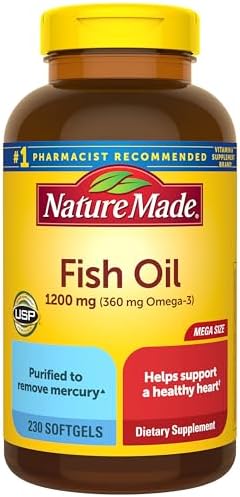
I’ve always found it kind of remarkable that a single fat molecule gets so much attention from researchers, obstetricians, pediatricians, and even food manufacturers who now fortify infant formula with it. That’s not marketing hype, by the way, that’s a direct response to decades of research showing that DHA accumulates rapidly in the fetal brain during the third trimester and continues building up through the first two years of life. Miss that window, or come up short on it, and the consequences show up in ways that are hard to reverse later.

But DHA isn’t only a story about babies and pregnant women, even though that’s where most of the loudest conversations happen. Adults need it too, and so do older adults, arguably even more so as the brain starts to change with age. Omega-3, and DHA specifically, has been studied endlessly in the context of cognitive health, mood regulation, and eye function across the entire lifespan. It’s one of those nutrients that quietly does its job in the background until you don’t have enough of it, and then you start noticing.
What makes DHA unique among fats is where it lives. Cell membranes, especially in neurons and photoreceptors, are unusually fluid and flexible, and DHA is largely responsible for that fluidity. Think of a cell membrane like a dance floor. Saturated fats make the floor stiff and rigid, like it’s covered in wet concrete. DHA, with its long chain and multiple double bonds, makes the floor loose, bendy, and easy to move across. That flexibility matters enormously for how signals travel between neurons, how neurotransmitters get released, and how the retina responds to changing light.
Here’s something I find genuinely fascinating: your body can technically make small amounts of DHA from a shorter omega-3 called alpha-linolenic acid (ALA), which you get from foods like flaxseed and walnuts. But the conversion rate is embarrassingly low, often less than 5 percent, and in some people it’s practically negligible. This means that for most of us, relying on ALA alone to meet our DHA needs is like trying to fill a bathtub with an eyedropper. You need direct sources of DHA, primarily from fatty fish and certain algae, if you want your levels to actually reflect what your brain and eyes require.
I want to be upfront that DHA is not a miracle nutrient, and I get uncomfortable when I see it marketed that way. It won’t single-handedly make your kid a genius or reverse cognitive decline on its own. But when you look at the weight of evidence across pregnancy outcomes, visual development in infants, and general brain health, DHA earns its reputation. It’s foundational, not magical. And that distinction matters because it changes how you should think about getting enough of it: not as a quick fix, but as a consistent, ongoing part of how you eat.
Over the next several sections, I want to walk through what DHA actually does for your health, where you can realistically get it from food, how much you actually need, what happens if you fall short, and where the line sits between “getting enough” and “overdoing it.” This is one of those nutrients where nuance matters, and I’d rather give you the real picture than a simplified one.
Key Health Benefits of DHA
Let’s get into what DHA actually does, because the benefits attributed to it are wide-ranging, and some are backed by much stronger evidence than others. I want to separate the well-established stuff from the areas that are still being worked out, because that distinction is honestly where most nutrition content falls short.
Brain Structure and Cognitive Function
Starting with the obvious one. DHA is a major structural component of neuronal membranes, particularly in the gray matter and the synapses where communication between brain cells happens. During fetal development and infancy, DHA accumulates rapidly in the brain, and researchers have long linked adequate maternal DHA intake with better neurodevelopmental outcomes in children, including improvements in problem-solving tasks and visual attention measured in early childhood.
In adults, the research shifts focus toward maintenance rather than construction. Several studies have associated higher DHA status, meaning how much DHA is actually present in red blood cell membranes, with better performance on certain memory and cognitive tasks, particularly in older adults. The Framingham Heart Study and other observational cohorts have found associations between omega-3 index and measures of brain volume, especially in regions tied to memory. I want to be careful here though, because association isn’t causation, and not every clinical trial supplementing DHA in healthy adults has shown dramatic cognitive improvements. The strongest, most consistent signal remains around development and aging, not necessarily peak adult performance.
Vision and Retinal Health
This is one area where the evidence is genuinely compelling. DHA makes up a substantial portion of the fatty acids in the outer segments of photoreceptor cells in the retina, the parts of the eye responsible for converting light into the electrical signals your brain interprets as vision. Adequate DHA during infancy has been repeatedly linked to better visual acuity development, which is why it’s now a standard addition to many infant formulas worldwide.
Beyond infancy, DHA continues to play a role in maintaining retinal health throughout life. Some observational research has connected higher dietary intake of DHA and EPA with reduced risk markers associated with age-related macular degeneration, though I want to be clear that supplementation trials for established macular degeneration have produced mixed results. The takeaway I’d give a friend: DHA supports the biological machinery of vision from the ground up, but it’s not a treatment for existing eye disease.
Pregnancy and Infant Development
If there’s one life stage where DHA gets the most attention, it’s pregnancy. During the third trimester, the fetal brain undergoes a massive growth spurt, and DHA is preferentially transferred from mother to baby across the placenta during this window. This is why organizations like the World Health Organization and various perinatal nutrition guidelines recommend that pregnant and breastfeeding women prioritize adequate omega-3 intake, with DHA singled out specifically.
Research has associated maternal DHA intake with:
- Longer gestation length in some populations, potentially reducing preterm birth risk
- Improved visual and cognitive outcomes measured in early childhood
- Better birth weight outcomes in certain deficient populations
I’ll be honest, the preterm birth data is one of the more debated areas, with some large trials showing modest benefits and others showing none, largely depending on the baseline omega-3 status of the population studied. Women who start out with low DHA levels tend to see more benefit from supplementation than those who are already getting plenty from diet.
Heart and Cardiovascular Support
DHA doesn’t work alone here, it’s usually studied alongside EPA, its omega-3 cousin, but there’s reasonable evidence that DHA specifically contributes to healthy triglyceride levels and supports normal blood vessel function. Some research suggests DHA may have a slightly stronger triglyceride-lowering effect compared to EPA, though both fatty acids appear to work together in most cardiovascular contexts. I’d frame this as a supportive role rather than a headline benefit, since the cardiovascular research base for omega-3s as a whole has produced more mixed results in the last decade than earlier studies suggested.
Mood and Mental Wellbeing
There’s an ongoing body of research exploring the relationship between omega-3 status, DHA specifically, and mood regulation. Some studies have found associations between lower DHA levels and higher rates of depressive symptoms, and certain clinical trials using omega-3 supplementation, often combinations of EPA and DHA, have shown modest improvements in mood outcomes as an adjunct approach. This is an area I’d describe as promising but not settled. The brain is simply too complex for any single nutrient to be a complete answer, and I’d never suggest DHA as a substitute for appropriate mental health care.
Inflammatory Balance
DHA, like other omega-3 fatty acids, serves as a precursor to specialized molecules called resolvins and protectins, which play a role in resolving inflammation rather than simply blocking it. This is a subtler mechanism than people often assume, it’s not that DHA is “anti-inflammatory” in a blunt sense, it’s that it helps the body’s inflammatory response wind down appropriately once it’s done its job. That matters for everything from joint comfort to general recovery from physical stress.
Taken together, these benefits paint a picture of DHA as a nutrient that supports structure and function rather than acting like a drug that produces an immediate, dramatic effect. It’s a slow burn, cumulative kind of nutrient, and that’s exactly why consistency in your intake matters more than any single high dose.
Dietary Sources of DHA
Now let’s talk about where you actually get DHA, because this is where a lot of people get tripped up. Unlike some nutrients that are scattered generously across dozens of foods, DHA has a fairly short list of meaningful sources, and understanding that list changes how you plan meals.
Fatty Fish: The Gold Standard
If you eat seafood, this is your best and most efficient route to adequate DHA. Cold-water, fatty fish accumulate DHA and EPA in their tissue because they eat marine algae or smaller fish that have already concentrated it. The standouts include:
- Salmon, particularly wild-caught varieties, though farmed salmon still provides meaningful amounts
- Mackerel, one of the richest sources per serving
- Sardines, which come with the added bonus of being lower on the food chain and generally lower in contaminants
- Anchovies, often overlooked but genuinely dense in DHA
- Herring
- Trout, particularly lake trout
A single serving of salmon, roughly 3.5 ounces, can provide well over a gram of combined DHA and EPA, which is a substantial contribution toward daily needs in one sitting. I always tell people that if you can realistically get two servings of fatty fish into your week, you’re doing more for your DHA status than any pill is likely to do.
Algae-Based Sources
Here’s something worth knowing: fish don’t actually make DHA themselves. They accumulate it by eating marine microalgae that produce it in the first place. This is why algae oil has become such an important option, particularly for people who don’t eat fish, whether for ethical, religious, environmental, or taste-related reasons.
Algae-derived DHA supplements have become increasingly common and are generally well absorbed, making them a legitimate alternative source rather than a consolation prize. This matters a lot for vegetarians and vegans, since plant foods themselves don’t naturally contain meaningful DHA. If you’re avoiding fish entirely, algae oil is really the only direct route to DHA that doesn’t rely on your body’s inefficient internal conversion process from ALA.
Fortified Foods
Food manufacturers have caught onto DHA’s importance, and you’ll now find it added to a range of products, including:
- Certain eggs from hens fed a DHA-enriched diet
- Some brands of milk and yogurt
- Infant formula, which is now standard practice in most developed countries
- Certain orange juices and bread products, though these tend to provide smaller amounts
Fortified foods can help fill gaps, but I wouldn’t rely on them as a primary strategy. The amounts added are often modest compared to what you’d get from an actual serving of fatty fish.
Indirect Sources: ALA-Rich Foods
Foods like flaxseed, chia seeds, walnuts, and hemp seeds provide ALA, the plant-based omega-3 precursor that your body can convert, in small amounts, into DHA. I mentioned earlier that this conversion is inefficient, generally under 5 percent, and it can be influenced by factors like sex hormones, genetics, and overall diet quality. Women of reproductive age tend to convert ALA to DHA somewhat more efficiently than men, likely due to estrogen’s influence on the enzymes involved, but even that improved rate rarely comes close to matching direct DHA intake.
That said, ALA-rich foods still matter as part of an overall omega-3 strategy, and they shouldn’t be dismissed just because the conversion rate is low. Every bit helps, particularly for people building a diet that leans plant-forward.
What About Supplements?
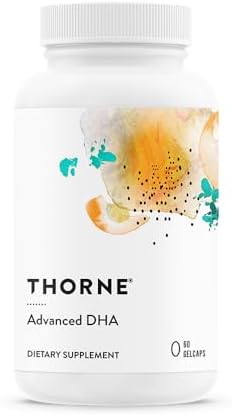
Fish oil and algae oil supplements remain a practical option for people who can’t or don’t want to eat enough fatty fish regularly. Quality varies quite a bit though. Look for products that specify the actual DHA content per serving, not just “fish oil” or “omega-3” as a vague total, since some products are heavier on EPA and lighter on DHA, or vice versa, depending on the formulation.
One thing I always mention to people: check for third-party testing or purity certifications, especially given ongoing concerns about contaminants like mercury and PCBs in fish-derived products. Algae-based DHA supplements tend to sidestep this issue entirely, since algae sit lower on the marine food chain and don’t bioaccumulate contaminants the way larger predatory fish do.
Practical Meal Planning
If you’re trying to actually build DHA into your week rather than just reading about it, here’s how I’d approach it practically:
- Aim for two servings of fatty fish weekly if your diet allows it
- Rotate between salmon, sardines, and mackerel to vary contaminant exposure and micronutrient profile
- If you’re vegetarian or vegan, consider an algae-based DHA supplement rather than relying solely on ALA-rich plant foods
- Use fortified foods as a supplementary boost, not your main strategy
- Pay attention to how fish is prepared, since heavy frying or overcooking can degrade some of the delicate polyunsaturated fat structure
Getting enough DHA isn’t complicated once you understand the landscape, it’s really about consistency and making a couple of realistic swaps rather than overhauling your entire diet.
Dosage & Deficiency
This is the section people usually skip to first, so let’s get right into it. How much DHA do you actually need, and what happens if you don’t get enough?
General Intake Recommendations
There isn’t a single universally mandated Recommended Dietary Allowance for DHA specifically in the way there is for something like vitamin C, but multiple health authorities have issued adequate intake guidance. Broadly speaking, expert bodies including the World Health Organization and the Food and Agriculture Organization have suggested combined EPA and DHA intake of roughly 250 to 500 milligrams per day for general adult health, with somewhat different figures depending on the specific organization and population being addressed.
Pregnant and breastfeeding women are typically advised to aim higher, often in the range of 200 to 300 milligrams of DHA specifically per day, reflecting the increased demand from fetal and infant brain development. This isn’t an arbitrary number, it’s based on estimates of how much DHA is transferred to the fetus and later through breast milk during lactation.
Infants have their own considerations entirely, which is why DHA is now added to most infant formulas at levels intended to approximate what a breastfed baby would receive from a mother with adequate omega-3 status.
Recognizing Inadequate Intake
DHA deficiency doesn’t usually show up as one dramatic symptom, which honestly makes it trickier to notice than something like an iron deficiency with its telltale fatigue and pale skin. Instead, low DHA status tends to show up more subtly, and researchers often rely on the omega-3 index, a blood test measuring the percentage of EPA and DHA in red blood cell membranes, to assess someone’s actual status rather than depending on symptoms alone.
That said, some patterns have been associated with low DHA status in research, including:
- Dry skin and issues with skin barrier function
- Difficulty concentrating or subtle cognitive fog
- Mood disturbances, particularly in populations already at risk
- In infants and children, potential impacts on visual and cognitive development if maternal or dietary intake was chronically low
I want to stress that these signs are nonspecific and could point to a dozen other things, so I’d never suggest self-diagnosing a DHA deficiency based on symptoms alone. If you’re concerned, an omega-3 index test through a healthcare provider gives you actual data rather than guesswork.
Who’s Most at Risk
Certain groups face a higher likelihood of running low on DHA:
- People who eat little to no fish or seafood, including many vegetarians and vegans
- Pregnant and breastfeeding women, given the increased physiological demand
- Populations in regions where fatty fish isn’t a dietary staple
- People with conditions affecting fat absorption, since DHA is fat-soluble and requires adequate dietary fat and proper digestive function to be absorbed
- Older adults, particularly those with reduced dietary variety or appetite changes
I’ve noticed that a lot of people assume they’re getting enough DHA just because they occasionally eat fish, but “occasionally” often translates to well below the levels associated with meaningful omega-3 status in blood testing. It’s one of those nutrients where good intentions don’t always match actual intake.
Bridging the Gap
If dietary intake isn’t cutting it, supplementation is a reasonable and well-studied approach. Fish oil and algae oil supplements are widely available, and dosing typically ranges based on the goal, general maintenance versus addressing a specific concern like pregnancy support. I’d always recommend having a conversation with a healthcare provider before starting any supplement regimen, particularly during pregnancy or if you’re on blood-thinning medication, since omega-3 fatty acids can have mild effects on blood clotting at higher doses.
The bottom line here is that DHA needs aren’t static. They shift with life stage, dietary pattern, and individual physiology, and the smartest approach is matching your intake to where you actually are, rather than following a one-size-fits-all number pulled from a supplement bottle.
Toxicity & Risks
Most conversations about DHA focus entirely on the benefits, and understandably so, but I think it’s worth spending real time on the other side of the coin, because more isn’t always better, and there are legitimate considerations worth understanding.
Is DHA Toxic in High Doses?
DHA itself, as a naturally occurring fat found in food, doesn’t have a well-established toxicity threshold in the way that fat-soluble vitamins like vitamin A do. However, that doesn’t mean unlimited intake is automatically fine, especially when it comes from concentrated supplements rather than whole food sources. Some health authorities have suggested an upper limit of around 3 grams per day of combined EPA and DHA from supplements for general adult use, though this figure varies by organization, and food-based intake is generally considered safer and self-limiting compared to concentrated supplemental doses.
Blood Clotting Considerations
This is probably the most clinically relevant risk to understand. Omega-3 fatty acids, including DHA, can have a mild blood-thinning effect at higher doses, which is part of why they’re studied in cardiovascular contexts in the first place. For most healthy people, typical dietary and supplemental doses don’t pose a meaningful bleeding risk. But if you’re taking anticoagulant or antiplatelet medications, scheduled for surgery, or have a bleeding disorder, high-dose omega-3 supplementation deserves a conversation with your healthcare provider before you start.
Mercury and Contaminant Exposure
This risk isn’t really about DHA itself, it’s about the delivery vehicle. Larger predatory fish, think swordfish, king mackerel, shark, and certain types of tuna, accumulate mercury and other contaminants as they move up the food chain. Since these same fish are often high in DHA, there’s an inherent tension between getting your omega-3s from fish and minimizing contaminant exposure.
Pregnant women in particular are advised to be selective about fish choices for exactly this reason, favoring lower-mercury options like salmon, sardines, and trout while limiting or avoiding higher-mercury species. This is one of the reasons algae-based DHA supplements have gained popularity, since they sidestep the mercury issue entirely by sourcing DHA directly from algae rather than through the marine food chain.
Oxidation and Supplement Quality
DHA is a polyunsaturated fat, and polyunsaturated fats are inherently more prone to oxidation than saturated fats. Poorly stored or low-quality fish oil supplements can oxidize, which not only reduces their effectiveness but can produce compounds that may be irritating to the digestive system, sometimes described as that unpleasant “fishy burp” side effect. I always suggest looking for supplements stored in dark, airtight packaging, checking expiration dates carefully, and considering refrigeration after opening to slow oxidation.
Digestive Side Effects
At higher doses, some people experience mild digestive discomfort from omega-3 supplementation, including nausea, loose stools, or that fishy aftertaste I mentioned. This tends to be dose-dependent and often improves by taking supplements with food, splitting doses throughout the day, or switching to an enteric-coated formulation designed to bypass stomach breakdown.
Interactions Worth Knowing About
Beyond blood-thinning medications, omega-3 fatty acids including DHA may interact with certain blood pressure medications, given omega-3’s mild blood pressure lowering effect in some individuals. This is generally considered a modest, favorable interaction rather than a dangerous one, but it’s still worth flagging to a healthcare provider, particularly if you’re already on antihypertensive medication and considering higher-dose supplementation.
Putting Risk in Perspective
I don’t want this section to read as alarmist, because for the vast majority of people, DHA from food or moderate supplementation is remarkably safe, arguably one of the better-tolerated nutrients in the entire supplement aisle. The risks that do exist are mostly relevant at higher supplemental doses, in specific medical circumstances, or tied to contaminant exposure from certain fish species rather than DHA itself. Used sensibly, and sourced thoughtfully, DHA remains one of the more well-supported nutrients you can prioritize, but sensible dosing and quality sourcing are what keep it that way.


The Takeaway on a Fat That Actually Matters
After spending this much time walking through DHA, I hope what comes through most is that this isn’t a trendy nutrient riding a wave of hype, it’s one with a genuinely deep and consistent evidence base tied to how your brain and eyes are literally built and maintained. That’s a different kind of importance than something that just makes you feel a little better in the short term.
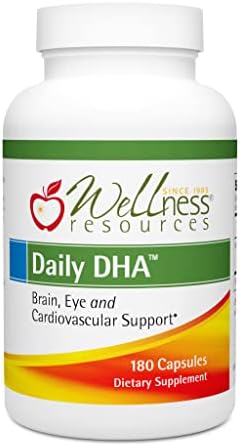
If I had to boil this down to what actually matters day to day, it comes down to a few practical truths. Fatty fish remains the most efficient and well-rounded source, and if you can work two servings into your week, you’re doing more for your DHA status than most supplements will achieve. If fish isn’t part of your life, algae-based DHA is a legitimate, well-absorbed alternative, not a consolation prize. Pregnancy and early childhood represent windows where DHA adequacy carries outsized importance, given how rapidly the brain and retina develop during those stages. And like most nutrients, more isn’t automatically better, sensible dosing, quality sourcing, and awareness of your own health circumstances matter more than chasing the highest number on a supplement label.
What I’d encourage you to walk away with isn’t a rigid checklist, but a shift in how you think about this fat. DHA isn’t a nutrient you take to fix something quickly. It’s one you build into your life steadily, the same way you’d think about consistent sleep or regular movement, because its benefits show up cumulatively over months and years, not overnight. Whether you’re pregnant, raising young kids, managing your own cognitive health as you age, or just trying to eat in a way that supports your brain and eyes for the long haul, DHA deserves a real seat at the table, not as a miracle, but as a foundational piece that’s worth getting right.
Article Sources
At AncientHerbsWisdom, our content relies on reputable sources, including peer-reviewed studies, to substantiate the information presented in our articles. Our primary objective is to ensure our content is thoroughly fact-checked, maintaining a commitment to accuracy, reliability, and trustworthiness.
- Innis, S. M. (2007). Dietary (n-3) fatty acids and brain development. The Journal of Nutrition, 137(4), 855-859. https://doi.org/10.1093/jn/137.4.855
- SanGiovanni, J. P., & Chew, E. Y. (2005). The role of omega-3 long-chain polyunsaturated fatty acids in health and disease of the retina. Progress in Retinal and Eye Research, 24(1), 87-138. https://doi.org/10.1016/j.preteyeres.2004.06.002
- Swanson, D., Block, R., & Mousa, S. A. (2012). Omega-3 fatty acids EPA and DHA: health benefits throughout life. Advances in Nutrition, 3(1), 1-7. https://doi.org/10.3945/an.111.000893
- Koletzko, B., Lien, E., Agostoni, C., Böhles, H., Campoy, C., Cetin, I., Decsi, T., Dudenhausen, J. W., Dupont, C., Forsyth, S., Hoesli, I., Holzgreve, W., Lapillonne, A., Putet, G., Secher, N. J., Symonds, M., Szajewska, H., Willatts, P., & Uauy, R. (2008). The roles of long-chain polyunsaturated fatty acids in pregnancy, lactation and infancy: review of current knowledge and consensus recommendations. Journal of Perinatal Medicine, 36(1), 5-14. https://doi.org/10.1515/JPM.2008.001
- World Health Organization & Food and Agriculture Organization of the United Nations. (2010). Fats and fatty acids in human nutrition: Report of an expert consultation. FAO Food and Nutrition Paper 91. https://www.fao.org/3/i1953e/i1953e00.pdf
- National Institutes of Health, Office of Dietary Supplements. (2023). Omega-3 fatty acids: Fact sheet for health professionals. https://ods.od.nih.gov/factsheets/Omega3FattyAcids-HealthProfessional/
- Harris, W. S., & Von Schacky, C. (2004). The Omega-3 Index: a new risk factor for death from coronary heart disease? Preventive Medicine, 39(1), 212-220. https://doi.org/10.1016/j.ypmed.2004.02.030
- Grosso, G., Galvano, F., Marventano, S., Malaguarnera, M., Bucolo, C., Drago, F., & Caraci, F. (2014). Omega-3 fatty acids and depression: scientific evidence and biological mechanisms. Oxidative Medicine and Cellular Longevity, 2014, 313570. https://doi.org/10.1155/2014/313570
- Serhan, C. N., & Petasis, N. A. (2011). Resolvins and protectins in inflammation resolution. Chemical Reviews, 111(10), 5922-5943. https://doi.org/10.1021/cr100396c
- U.S. Food and Drug Administration & U.S. Environmental Protection Agency. (2021). Advice about eating fish for those who might become or are pregnant or breastfeeding and children ages 1-11 years. https://www.fda.gov/food/consumers/advice-about-eating-fish
- Arterburn, L. M., Hall, E. B., & Oken, H. (2006). Distribution, interconversion, and dose response of n-3 fatty acids in humans. The American Journal of Clinical Nutrition, 83(6), 1467S-1476S. https://doi.org/10.1093/ajcn/83.6.1467S

- Phosphatidic Acid: Supporting Muscle Growth and Strength - July 31, 2026
- Ceramides: Supporting Healthy Skin From Within - July 31, 2026
- Synbiotics: Combining Prebiotics and Probiotics Together - July 31, 2026