
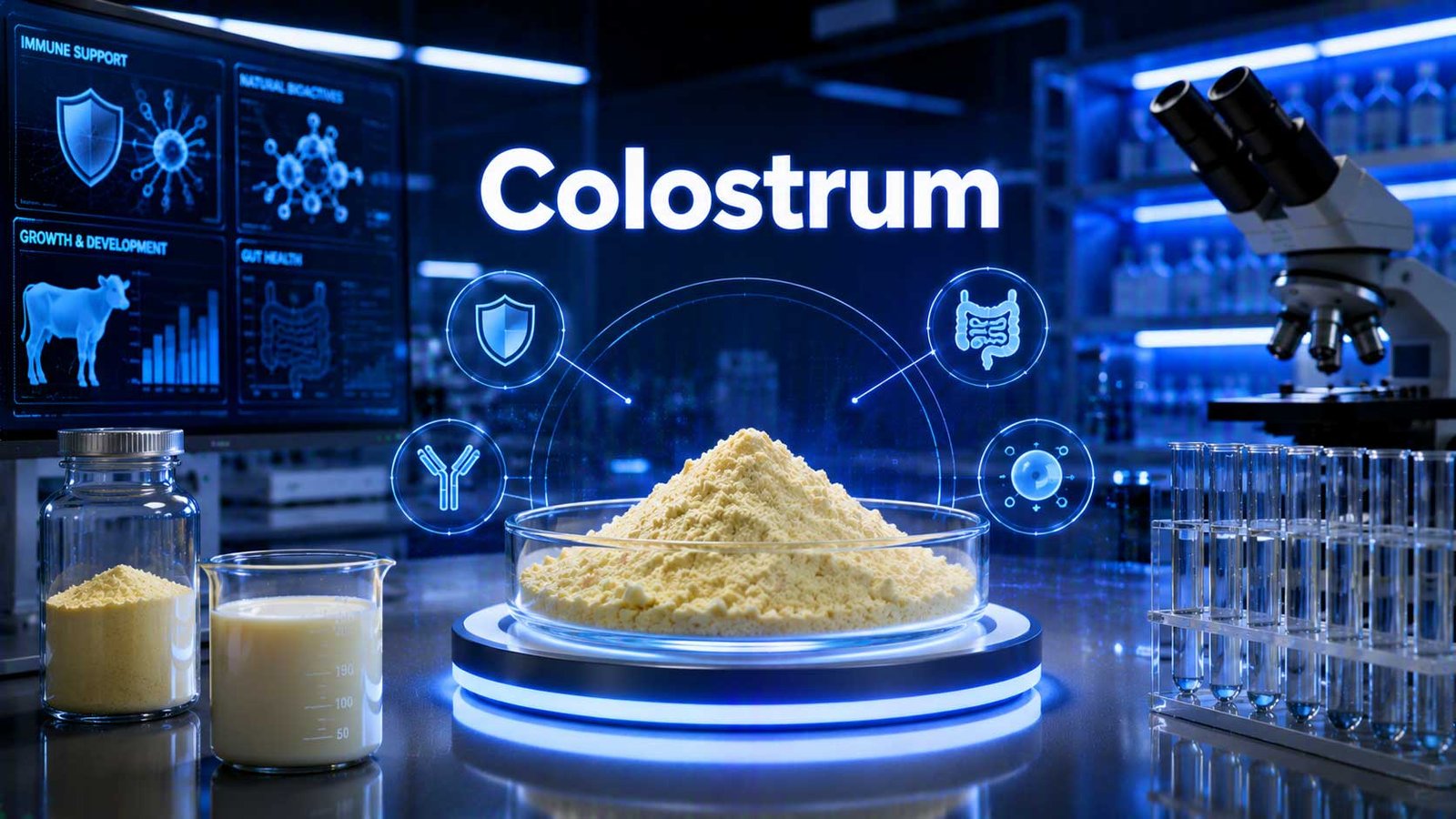
The First Meal Every Mammal Gets, and Why It Still Matters
There’s something almost poetic about the fact that before any of us drank a drop of “regular” milk, we were fed something entirely different. Thicker. Yellower. Loaded with compounds our tiny, brand-new immune systems desperately needed. That substance is colostrum, and if you’ve spent any time in the supplement aisle lately, you’ve probably noticed it’s having a moment. Powders, capsules, even flavored “shots” marketed to everyone from new parents to CrossFit enthusiasts.
I’ve been following the research on colostrum for a long time now, long enough to remember when it was mostly a topic confined to veterinary science and neonatal nutrition journals. Dairy farmers have always known that a calf who doesn’t get colostrum in the first hours of life is a calf in trouble. That urgency, that biological non-negotiability, is what makes colostrum such a fascinating substance to study. It’s not a “nice to have” for a newborn calf. It’s survival.
Table of Contents


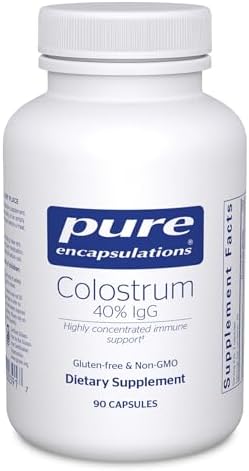
So what exactly is colostrum? In the simplest terms, it’s the first secretion produced by the mammary glands of any mammal in the hours and days immediately following birth, before the transition to what we’d normally call milk. Every mammal produces it, humans included, and while it looks and behaves somewhat like milk, its composition is genuinely distinct. It contains less lactose and dramatically more protein, immunoglobulins, growth factors, cytokines, vitamins, and minerals than the milk that follows a few days later.
Most of the colostrum you’ll find in stores, though, isn’t human. It’s bovine colostrum, harvested from dairy cows within the first day or two after calving, after the calf’s own nutritional needs have been met. This distinction matters because nearly all of the research we’ll be referencing throughout this article is specifically on bovine colostrum, not the human variety, and that’s an important nuance that a lot of marketing copy glosses over.
Why the sudden surge of interest? Part of it is the broader wellness culture’s fascination with anything “ancestral” or “natural.” Part of it is genuine, if still developing, scientific interest in how the bioactive compounds in colostrum might support immune function, gut integrity, and recovery, particularly in people under physical stress like endurance athletes. A recent critical review in the Annual Review of Food Science and Technology described bovine colostrum as having a strong safety profile and a genuinely diverse array of bioactive components suitable for functional foods and nutraceuticals, which is a fairly bold statement for an academic publication to make about a supplement ingredient.
I want to be upfront about something before we go further: colostrum is not a miracle substance, and anyone who tells you it cures illness or replaces a functioning immune system is overselling it. What the actual research shows is more nuanced, more interesting in some ways, and definitely more honest. Some of the immune claims hold up reasonably well under scrutiny. Others, especially around infectious disease prevention in vulnerable populations, don’t have the strong human evidence you might expect given how confidently they’re marketed.
There’s also a practical side to this conversation that rarely gets enough attention. Where does colostrum actually come from as a consumable product? How much do people typically take? Is there such a thing as a colostrum deficiency, or is that a marketing invention? And what about the flip side, the safety concerns nobody wants to bring up when they’re trying to sell you a tub of powder?
That’s really what this article sets out to do. Not to hype colostrum up, and not to dismiss it either, but to walk through what a decade-plus of paying attention to nutrition science has taught me about this genuinely unusual substance. We’ll look at the immune and gut-related benefits that have decent research behind them, where you can actually find colostrum as a dietary source, how much people commonly use and what “deficiency” even means in this context, and finally, the risks and safety considerations that deserve just as much airtime as the benefits.
If you’ve ever wondered whether that jar of colostrum powder on your friend’s kitchen counter is worth the hype, or whether it’s just another supplement industry trend riding on the coattails of a buzzword like immunity, you’re in the right place. Let’s get into it, honestly and without the sales pitch.
One more thing worth sitting with before we move on. Colostrum occupies a strange space in the supplement world because, unlike a lot of trendy ingredients, it isn’t a novel discovery. It isn’t some obscure root extract that someone stumbled onto in a rainforest and decided to bottle. It’s something every mammal on the planet, humans absolutely included, has already encountered firsthand in the earliest hours of life. That familiarity, ironically, is part of why the marketing around it can feel so persuasive. It taps into something that sounds inherently trustworthy, almost primal. “Nature’s first food” has a nice ring to it, and it’s not inaccurate. But familiarity and biological importance in infancy don’t automatically translate into the same importance, or the same benefits, for a fully grown adult decades removed from that early developmental window.
I think that’s really the tension worth holding onto as we go through the rest of this piece. Colostrum’s role in a newborn’s survival is not up for debate; it’s well established, extensively documented in veterinary and pediatric literature, and biologically essential. What’s still being worked out, actively and in real time by researchers around the world, is how much of that same biological magic carries over when an adult scoops a spoonful of dried bovine colostrum into a protein shake decades after their own infancy. That’s the honest, occasionally uncomfortable question sitting underneath a lot of the marketing enthusiasm, and it’s exactly the question this article is going to try to answer as clearly as the current science allows.
Key Health Benefits of Colostrum
Immune Modulation, Not Immune Magic
Let’s start where most of the interest in colostrum actually begins: the immune system. Colostrum is dense with immunoglobulins, primarily IgG, along with lactoferrin and a collection of antimicrobial peptides. These aren’t just passive nutrients sitting there for calories. They’re bioactive molecules that interact directly with immune cells.
A 2021 review published in Nutrients looked specifically at how bovine colostrum affects immune function in humans and found that its immune effects are mediated through immunoglobulins, lactoferrin, and casein, along with certain growth factors, and that ingestion can influence the behavior of lymphocytes, macrophages, and dendritic cells, as well as increase regulatory cytokines such as interleukin 10. That’s a real, measurable physiological interaction, not just a marketing claim pulled from thin air.
Here’s where I’ll push back on some of the more enthusiastic marketing you’ll see, though. That same review was refreshingly candid in stating that clear evidence for preventing infectious diseases in vulnerable populations, like preterm infants facing conditions such as necrotizing enterocolitis or neonatal sepsis, is still lacking in human studies. Most of what we know comes from cell studies and animal models, and translating that into confident claims about disease prevention in people is a leap the current evidence doesn’t fully support yet.
I think this distinction, immune modulation versus immune protection against specific illness, is one of the most important things to understand about colostrum. It appears capable of nudging immune activity in a favorable direction. Whether that translates into fewer colds, faster recovery, or meaningfully better immunity for an otherwise healthy adult is a much harder question to answer with the data available today.
Gut Barrier Support, Especially Under Physical Stress
If there’s one area where colostrum research has genuinely impressed me, it’s gut permeability, sometimes referred to informally as “leaky gut,” particularly in athletes. Intense, prolonged exercise is known to increase intestinal permeability, essentially loosening the tight junctions between intestinal cells and allowing things to pass through the gut lining that normally wouldn’t.
A systematic review published in Nutrients in 2022 examined this specifically and found that vigorous exercise profoundly increases intestinal permeability, and that bovine colostrum supplementation appears to help reverse or mitigate that increase. A separate systematic review in PLOS ONE looking at dietary supplements and exercise-associated gut damage reached a similar conclusion, noting that bovine colostrum, with or without added zinc carnosine, along with glutamine, showed a reduction in markers of gut cell damage and permeability compared to placebo, especially in running-based endurance activities and in moderately warm conditions.
This is genuinely useful information if you’re someone who trains hard, especially in heat, and deals with gastrointestinal distress during long runs or endurance events. It’s one of the more consistently replicated findings in the colostrum literature, even if the researchers themselves are careful to point out that study designs vary widely and more standardized protocols are needed.
Digestive and Gastrointestinal Health More Broadly
Beyond the athlete-specific gut permeability research, colostrum has a longer history of being studied for general gastrointestinal support. A systematic review in Nutrients that assessed bovine colostrum across both healthy and sick populations found emerging, though not entirely consistent, evidence supporting benefits for reducing intestinal permeability across various subject groups, while also noting conflicting results in pediatric populations and a real shortage of data on its use in older adults.
I appreciate reviews like this one because they don’t try to smooth over the inconsistencies. Gastrointestinal research is messy. People’s baseline gut health varies enormously, dosing protocols differ from study to study, and outcome measures aren’t always comparable. What we can say with reasonable confidence is that colostrum contains compounds, including growth factors and antimicrobial proteins, that have a plausible biological mechanism for supporting gut lining integrity. Whether that consistently translates into noticeable digestive benefits for the average person taking a scoop of powder in their smoothie is still being worked out.
Recovery and Tissue Support
There’s a growing, if still relatively young, body of research looking at colostrum’s growth factors and their role in tissue repair and recovery. This ties back to its original biological purpose: helping a newborn’s tissues mature and develop rapidly in those first critical days. Some researchers have started exploring whether these same growth factor properties might extend to wound healing and recovery contexts in adults, though this remains an area where the science is still catching up to the interest.
What I’d encourage you to take away from this section isn’t a tidy list of guaranteed benefits. It’s a more honest picture: colostrum has real, biologically plausible mechanisms for supporting immune regulation and gut barrier function, with the strongest current evidence sitting in the exercise and gut permeability space, and comparatively weaker, still-developing evidence for broader infection prevention or generalized immunity claims.

Dietary Sources of Colostrum
Where Colostrum Actually Comes From
Unlike most of the nutrients we talk about in nutrition articles, colostrum isn’t something you’ll find naturally occurring across a wide variety of foods. It’s not like vitamin C, where you have dozens of fruits and vegetables to choose from. Colostrum comes from exactly one place: the mammary secretions of a mammal in the earliest window after giving birth. For commercial and dietary purposes, that almost always means dairy cows.
Dairy operations that produce colostrum for human consumption collect it from cows within the first milkings after calving, typically within the first 24 to 48 hours, after ensuring the calf’s own nutritional needs have already been prioritized. This is worth pausing on, because ethical sourcing is a genuine consideration in this industry. Reputable producers are transparent about the fact that calves receive their required colostrum first, with any surplus collected for human products afterward.
Supplement Forms You’ll Actually Encounter
Because whole, unprocessed colostrum isn’t something most people are going to drink straight from the source, the vast majority of what’s available to consumers comes in processed forms:
- Powdered colostrum, typically freeze-dried or spray-dried and sold in tubs, meant to be mixed into water, smoothies, or other beverages
- Capsules or tablets, which offer a more precise, portion-controlled way to take it
- Liquid colostrum concentrates, less common but available through some specialty retailers
- Colostrum-fortified products, including some protein powders, bars, and functional foods that include it as one ingredient among several
A 2023 critical review in the Annual Review of Food Science and Technology went into detail on the processing side of this industry, describing how novel technologies have allowed manufacturers to preserve more of the bioactive compounds during drying and processing, which matters quite a bit because heat-sensitive proteins like immunoglobulins can degrade if processing isn’t handled carefully. If you’re comparing products, this is genuinely one of the more important quality differentiators, even though it rarely shows up prominently on packaging.
What to Actually Look for on a Label
I’ll be honest, this is an area where quality varies enormously between brands, and price doesn’t always correlate with quality the way you’d hope. A few things worth paying attention to when you’re evaluating a colostrum product:
- IgG concentration, since immunoglobulin G content is one of the more commonly used markers of colostrum quality and potency
- Sourcing transparency, meaning the company can tell you where the colostrum comes from and how it’s collected
- Third-party testing for contaminants, since dairy products can carry risks around pathogens, antibiotic residues, or heavy metals if quality control isn’t rigorous
- Processing method, with lower-heat processing generally better at preserving bioactive proteins
A systematic review published in Nutrients that looked at bovine colostrum applications specifically flagged quality control as an ongoing concern in this space, noting that composition can vary substantially based on factors like the individual cow, breed, time post-calving, and even seasonal or dietary factors affecting the animal. This isn’t a standardized, one-size-fits-all product the way, say, a bottle of vitamin C tablets might be.
Human Colostrum, Briefly
It’s worth mentioning, even briefly, that human colostrum exists too, and it’s what every breastfeeding infant receives in the first few days after birth before mature breast milk comes in. This isn’t something adults are consuming as a supplement, obviously, but understanding that the biological template for commercial bovine colostrum products is rooted in something every one of us experienced firsthand as newborns does help contextualize why researchers find this substance so compelling to study. It’s not some exotic, invented supplement ingredient. It’s a fundamental part of mammalian biology that’s been repurposed and commercialized.
The Bottom Line on Sourcing
If you’re looking to add colostrum to your routine through diet, you’re realistically choosing between powders, capsules, or fortified products, almost all of which are bovine-derived. There isn’t a whole-food equivalent sitting in the produce aisle. That makes sourcing quality and transparency even more important than it might be for a more common nutrient, since you’re relying almost entirely on the manufacturer’s practices, testing, and honesty about what’s actually in the container.
A Note on Freshness and Shelf Stability
Something that doesn’t get discussed enough is how quickly raw colostrum changes after it’s collected. The concentration of immune-active compounds, particularly immunoglobulins, is highest in the very first milking after birth and drops off sharply within the first day or two, then continues declining as the cow transitions toward producing mature milk. This is why timing of collection matters so much to producers who care about potency, and why two products both labeled “colostrum” can genuinely differ in their bioactive content depending on exactly when in that narrow window the raw material was gathered.
Freeze-drying, when done properly, is generally considered gentler on these heat-sensitive compounds than spray-drying at higher temperatures, though both methods are used commercially. If a brand is transparent about its processing method, that’s usually a reasonably good sign they understand, and care about, the science behind what makes their product effective in the first place. If that information is nowhere to be found, it’s worth wondering why.
Comparing Bovine and Human Colostrum Composition
Researchers have spent a fair amount of time comparing the nutritional makeup of bovine colostrum to human colostrum and to mature milk from both species, largely because bovine colostrum has historically been considered as a possible fortifier for infant nutrition in situations where human milk isn’t available. What these comparisons generally show is that bovine colostrum, while not identical to the human version, shares a broadly similar profile of being protein-dense, lower in lactose than mature milk, and rich in growth factors and immune compounds relative to standard dairy products. That said, using it as a substitute for human breast milk in infants is a clinical decision that belongs entirely in the hands of pediatric professionals, not something to be inferred from a supplement label.
For the average adult simply trying to understand where their supplement is coming from, the practical takeaway is simpler: you’re consuming a processed, concentrated dairy product harvested from a very specific, narrow window in a cow’s lactation cycle, and the quality of that end product depends heavily on how carefully the collection, testing, and processing were handled along the way.
Dosage & Deficiency
Is There Even Such a Thing as a Colostrum Deficiency?
Let’s tackle this one directly, because I see it framed in misleading ways fairly often. Colostrum deficiency, in the clinical sense, really only applies to newborn mammals who don’t receive adequate colostrum in that critical early window after birth. In calves, this is a well-documented and serious problem called failure of passive transfer, where the animal doesn’t absorb enough maternal immunoglobulins and becomes significantly more vulnerable to infection and illness in early life.
For adult humans, there’s no equivalent condition. You don’t have a “colostrum deficiency” the way you might have an iron deficiency or a vitamin D deficiency, because colostrum isn’t a nutrient your body needs to maintain ongoing supply of throughout life. It served its biological purpose in your first days of life, if you were breastfed, and your body doesn’t require external colostrum intake afterward to function normally. Any marketing that implies otherwise, framing adult colostrum supplementation as correcting some kind of deficiency, isn’t grounded in how human physiology actually works.
That said, this doesn’t mean colostrum supplementation in adulthood is pointless. It just means we should be precise about what we’re actually doing: supplementing with a bioactive substance for its potential functional benefits, not correcting a deficiency state.
What Doses Have Actually Been Studied
This is where things get genuinely interesting, and where I think a lot of consumers are being underserved by vague label instructions. Commercial colostrum products commonly recommend somewhere in the range of 500 milligrams to 1 gram per day. That’s a fairly modest amount.
Here’s the catch, though. A systematic review and meta-analysis referenced in the Nutrients review on bovine colostrum’s immune effects specifically pointed out that the studies showing measurable impact on immune markers used doses considerably higher than that, typically in the range of 10 to 25 grams per day. The review noted, somewhat pointedly, that this gap between commercially recommended doses and research-validated doses is significant enough to call into question whether many commercial products are actually providing enough colostrum to replicate the effects seen in clinical studies.
I find this discrepancy worth flagging because it’s exactly the kind of detail that gets lost in supplement marketing. A product might genuinely contain colostrum, and that colostrum might genuinely have research behind it, but if the dose per serving is a fraction of what studies actually used to see an effect, you’re not necessarily getting a proportional benefit. This is a pattern that shows up across the supplement industry more broadly, not just with colostrum, but it’s worth being aware of here specifically.
For the gut permeability and exercise-related research, dosing protocols in studies have varied, generally ranging from a few grams up to around 20 grams daily, often taken for a period of weeks leading up to and during an athletic event or training block, rather than as a single acute dose.
Practical Considerations Around Timing and Use
A few practical patterns show up repeatedly in how colostrum has been studied and used:
- Athletes in gut permeability studies often begin supplementation several weeks before a significant exercise event, rather than taking it only on the day of competition
- Powdered forms are commonly mixed into cold liquids, since excessive heat can potentially degrade some of the heat-sensitive proteins
- Consistency over time appears more relevant in the research than any single large dose, which tracks with how most bioactive supplements tend to work
Why More Isn’t Automatically Better
I want to gently push back against the instinct, which I understand completely, to assume that if 1 gram is good, 10 grams must be even better. The relationship between dose and benefit in colostrum research isn’t linear or fully mapped out. Higher research doses were used because researchers were trying to establish whether an effect existed at all, not necessarily because that’s the optimal amount for every individual, every goal, and every context. If you’re considering adding colostrum to your routine, this is genuinely a conversation worth having with a healthcare provider who can factor in your specific health picture, rather than defaulting to whatever number looks most impressive on a label.
Why Dosing Research Is Still Catching Up
Part of the reason this dosing picture feels murkier than it probably should is that colostrum research, as a field, is still relatively young compared to something like protein supplementation or vitamin D. Most of the well-designed randomized controlled trials we have are working with fairly small sample sizes, short durations, and specific populations, often trained athletes rather than the general public. That makes it genuinely difficult to translate findings into a universal, confident dosing recommendation the way you might for something with decades of accumulated research behind it.
I’d also point out that “dose” in colostrum research isn’t always just about the total grams consumed. IgG concentration varies from batch to batch and brand to brand, so two products offering the same gram amount on the label could be delivering meaningfully different amounts of the actual bioactive immunoglobulins researchers are most interested in. This is another reason why comparing colostrum products purely by serving size, without considering IgG content or sourcing quality, can be a bit like comparing coffee by cup size rather than caffeine content.
Listening to Your Own Response
Because individual responses to colostrum supplementation can vary, and because the research base, while growing, still has real gaps, I think the most sensible approach for most people is a fairly conservative one. Start low, pay attention to how your digestion responds over the first week or two, and adjust gradually rather than jumping straight into research-level territory. This isn’t overly cautious advice for the sake of being cautious; it’s simply consistent with how any new concentrated dietary protein source should reasonably be introduced into your routine, colostrum included.
Toxicity & Risks
The General Safety Profile
I’ll start with some reassurance here, because it’s earned. The 2023 critical review in the Annual Review of Food Science and Technology specifically described bovine colostrum as having a strong safety profile across a wide range of age groups and health applications. This isn’t a substance associated with the kind of acute toxicity concerns you might see with, say, certain herbal extracts or high-dose fat-soluble vitamins. For most healthy adults, colostrum supplementation at commonly recommended doses appears to be well tolerated.
That said, “generally safe” is not the same thing as “risk-free for everyone,” and there are a handful of considerations worth taking seriously.
Dairy Allergy and Sensitivity
This is, in my opinion, the single most important safety consideration and the one most often glossed over. Colostrum is a dairy product. It comes from cows. If you have a diagnosed milk protein allergy, colostrum supplementation is not something to experiment with casually, since it does contain casein and other milk proteins that can trigger allergic reactions in sensitive individuals.
Lactose intolerance is a somewhat separate issue. Colostrum does contain less lactose than mature milk, which is sometimes cited as a reason it might be better tolerated by people with mild lactose sensitivity, but “less lactose” isn’t the same as “lactose-free,” and individuals with more significant lactose intolerance should approach it cautiously and pay attention to how their body responds.
Gastrointestinal Symptoms
Even setting aside allergies specifically, some people report mild gastrointestinal symptoms like bloating, cramping, or changes in bowel habits when starting colostrum supplementation, particularly at higher doses. This tracks with what we’d expect from introducing any new concentrated protein source into your diet. Starting with a lower dose and gradually increasing it, rather than jumping straight to research-level amounts of 10 or more grams daily, is a reasonable and cautious approach if you’re trying it for the first time.
Sourcing and Contamination Concerns
Because colostrum is an animal-derived product harvested very early in the lactation cycle, quality control during production genuinely matters. Contamination risks that have been discussed in the research literature include the potential presence of pathogenic bacteria, antibiotic residues, or other contaminants if the sourcing and processing standards aren’t rigorous. This is precisely why the systematic review on bovine colostrum applications emphasized quality control as an important, ongoing consideration in this product category, given how much natural variability exists in raw colostrum depending on the individual animal and farming practices.
Choosing products from manufacturers who conduct third-party testing and can speak transparently about their sourcing practices isn’t just a nice-to-have here. Given the biological nature of the raw material, it’s a genuinely meaningful safety consideration.
Populations Who Should Be More Cautious
A few groups deserve extra caution or, at minimum, a conversation with a healthcare provider before starting colostrum supplementation:
- People with diagnosed dairy or milk protein allergies
- Individuals who are immunocompromised, since introducing any new bioactive supplement in this context deserves professional oversight
- Pregnant or breastfeeding individuals, simply because robust safety data specific to these populations is limited
- Older adults, since as the Nutrients systematic review pointed out, research on colostrum’s effects in this age group remains sparse compared to younger and pediatric populations
- Anyone currently taking immunosuppressive medications, given colostrum’s immune-modulating properties, warranting a conversation with their prescribing physician
The Honest Summary on Risk
Colostrum isn’t a substance that keeps toxicologists up at night. There’s no established pattern of serious acute toxicity in the research, and the safety profile described across multiple reviews is genuinely reassuring for the average healthy adult. The real risks here are more mundane and more practical: allergic reactions in susceptible individuals, mild digestive discomfort at higher doses, and the ever-present supplement industry concern of inconsistent sourcing and quality control between brands. None of these should be dismissed, but none of them should be blown out of proportion into fear-based marketing either. As with most things in nutrition, informed, moderate, and personalized decision-making serves you far better than either blind enthusiasm or unnecessary alarm.
Medication Interactions Deserve More Attention
One area I think gets underdiscussed is the possibility of colostrum interacting with medications, particularly for people managing chronic conditions. Because colostrum contains bioactive compounds that influence immune signaling and gut permeability, there’s at least a theoretical basis for it interacting with drugs that are absorbed through the gastrointestinal tract or that themselves modulate immune activity. The research specifically addressing drug interactions with colostrum supplementation is thin, which isn’t the same as saying interactions definitely happen, but it does mean this is genuinely uncharted territory in a lot of cases. If you’re on regular prescription medication, particularly anything immunosuppressive or anything with a narrow therapeutic window, this is exactly the kind of supplement decision that benefits from a quick conversation with a pharmacist or physician rather than a solo decision based on an online product review.
Product Variability as a Safety Issue, Not Just a Quality Issue
It’s tempting to file “inconsistent product quality” under the same category as buying a slightly less effective vitamin. With colostrum, I’d argue it’s a bit more than that. Because it’s a raw animal secretion collected under real-world farm conditions, variability isn’t just about potency, it’s also about what else might be present in a poorly processed batch. This is exactly why the systematic review on bovine colostrum applications placed real emphasis on quality control processes, since the difference between a well-regulated, well-tested product and a poorly sourced one isn’t cosmetic. It can meaningfully affect both safety and whether you’re getting a product that resembles what was actually used in the clinical research at all.
When to Simply Skip It
Sometimes the most useful safety guidance is the simplest. If you have a known dairy allergy, colostrum isn’t worth the risk, full stop, regardless of how promising the broader research looks for other people. If you’re pregnant, managing an autoimmune condition, or taking medication that suppresses or heavily modulates your immune system, this is a supplement to discuss with your care team before adding it in, not one to quietly introduce and hope for the best. None of this is meant to scare you away from colostrum broadly. It’s meant to make sure the enthusiasm some of the earlier sections in this article might have generated gets tempered with the same rigor the actual researchers apply to their own conclusions.
What Colostrum Can and Can’t Do for You
After spending real time with this research, I keep coming back to the same conclusion: colostrum is a legitimately interesting, biologically rich substance that deserves more nuance than it typically gets in either direction. It’s not the immune cure-all that some corners of the wellness industry make it out to be, and the human evidence for preventing infections or serious illness in vulnerable populations simply isn’t there yet, no matter how compelling the underlying biology sounds. At the same time, dismissing it entirely would ignore some genuinely solid findings, particularly around gut barrier support in athletes dealing with exercise-induced permeability, an area where the research has been reasonably consistent across multiple independent reviews.
What strikes me most is how much colostrum’s story mirrors the broader pattern in nutrition science generally. A substance with real, mechanistically plausible benefits gets discovered, then gets swept up into marketing that outpaces the evidence, and somewhere in that gap between biology and branding, consumers lose the ability to make genuinely informed decisions. That gap between the modest doses on most commercial labels and the considerably higher doses used in clinical research is a perfect example of exactly this problem, and it’s the kind of detail that only becomes visible when you actually dig into the primary literature instead of the marketing summary.
If you’re someone who trains hard, especially in endurance sports where gut distress is a real, recurring problem, colostrum is genuinely worth researching further and discussing with a sports nutritionist or physician who understands your specific training demands. If you’re looking at it as a general immune booster to ward off every cold this winter, temper your expectations accordingly, because the current evidence simply doesn’t support that level of confidence yet.
What I’d encourage you to walk away with isn’t a verdict, exactly, but a framework. Ask about sourcing. Pay attention to actual IgG content and dosing relative to what’s been studied, not just what’s marketed. Consider your own health context, particularly around dairy sensitivity and any immune-related conditions, before adding it to your routine. And keep an eye on this research area going forward, because colostrum science is still actively evolving, with newer studies continuing to refine exactly where its benefits are strongest and where the hype has simply gotten ahead of the data. That kind of grounded curiosity, rather than either blind adoption or reflexive skepticism, is really the healthiest way to approach any supplement, colostrum very much included.
I’ll also say this, because I think it’s easy to lose sight of amid all the label-reading and dose comparisons: there’s something worth appreciating about colostrum simply as a case study in how nutrition science actually works. It’s rarely a straight line from “interesting compound” to “proven benefit for everyone.” It’s closer to what we’ve walked through here, a substance with a clear, essential biological purpose in one specific context, infant survival, that researchers are now carefully, methodically testing for relevance in an entirely different context, adult health and performance. Some of that testing confirms real value. Some of it complicates the simpler story the marketing wants to tell. Both outcomes are useful, and both deserve equal weight when you’re deciding what actually belongs in your own routine.
If you do decide to give colostrum a try, treat it the way you’d treat any other functional supplement worth its price tag: start conservatively, choose a manufacturer that’s transparent about sourcing and testing, pay attention to how your own body responds over a few weeks rather than expecting an overnight transformation, and keep your expectations tethered to what the actual research supports rather than what a product page promises. Nature’s first food earned its reputation honestly, in the biology of every newborn mammal that’s ever depended on it. What it does for the rest of us, decades removed from that first meal, is still being written, one carefully designed study at a time, and that ongoing story is exactly what makes it worth continuing to pay attention to.
Article Sources
At AncientHerbsWisdom, our content relies on reputable sources, including peer-reviewed studies, to substantiate the information presented in our articles. Our primary objective is to ensure our content is thoroughly fact-checked, maintaining a commitment to accuracy, reliability, and trustworthiness.
- Arslan, A., Kaplan, M., Duman, H., Bayraktar, A., Ertürk, M., Henrick, B. M., Frese, S. A., & Karav, S. (2021). Bovine Colostrum and Its Potential for Human Health and Nutrition. Frontiers in Nutrition, 8, 651721. https://doi.org/10.3389/fnut.2021.651721
- Chantler, S., Griffiths, A., Matu, J., Davison, G., Holliday, A., & Jones, B. (2022). A Systematic Review: Role of Dietary Supplements on Markers of Exercise-Associated Gut Damage and Permeability. PLOS ONE, 17(4), e0266379. https://doi.org/10.1371/journal.pone.0266379
- Dziewiecka, H., Buttar, H. S., Kasperska, A., Ostapiuk-Karolczuk, J., Domagalska, M., Cichoń, J., & Skarpańska-Stejnborn, A. (2022). A Systematic Review of the Influence of Bovine Colostrum Supplementation on Leaky Gut Syndrome in Athletes: Diagnostic Biomarkers and Future Directions. Nutrients, 14(12), 2512. https://doi.org/10.3390/nu14122512
- Ghosh, S., & Iacucci, M. (2021). Diverse Immune Effects of Bovine Colostrum and Benefits in Human Health and Disease. Nutrients, 13(11), 3798. https://doi.org/10.3390/nu13113798
- Guberti, M., Botti, S., Capuzzo, M. T., Nardozi, S., Fusco, A., Cera, A., Dugo, L., Piredda, M., & De Marinis, M. G. (2021). Bovine Colostrum Applications in Sick and Healthy People: A Systematic Review. Nutrients, 13(7), 2194. https://doi.org/10.3390/nu13072194
- Linehan, K., Ross, R. P., & Stanton, C. (2023). Bovine Colostrum for Veterinary and Human Health Applications: A Critical Review. Annual Review of Food Science and Technology, 14, 387–410. https://doi.org/10.1146/annurev-food-060721-014650

- Phosphatidic Acid: Supporting Muscle Growth and Strength - July 31, 2026
- Ceramides: Supporting Healthy Skin From Within - July 31, 2026
- Synbiotics: Combining Prebiotics and Probiotics Together - July 31, 2026