

The Unassuming Fiber Doing More Than You’d Expect
Walk down the supplement aisle and you’ll see beta glucans mentioned on everything from oat milk cartons to mushroom capsules to “daily immunity” gummies. It’s one of those ingredients that seems to be everywhere once you start noticing it, and yet most people couldn’t tell you what it actually is. I’ve spent a good chunk of my career looking at fiber compounds and their effects on the body, and beta glucans are, honestly, one of the more interesting ones. Not because they’re flashy or trendy — they’re neither — but because the science behind them is unusually solid for a dietary fiber.
So what are we actually talking about? Beta glucans are a type of soluble fiber, a long chain of glucose molecules linked together in a specific pattern. That pattern matters more than you’d think. Depending on the source, the glucose units connect in different arrangements — beta-(1,3)(1,4) linkages in oats and barley, beta-(1,3)(1,6) linkages in yeast, mushrooms, and some bacteria. These aren’t just chemistry footnotes. The linkage type changes how your body interacts with the fiber, which is part of why oat beta glucan gets talked about mostly in the context of cholesterol, while mushroom and yeast beta glucans get discussed in terms of immune function.
Table of Contents
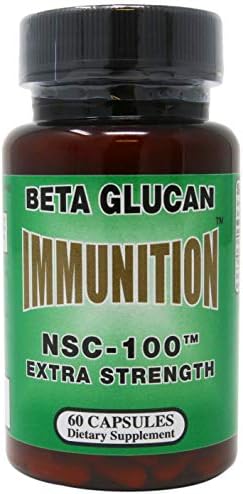


You’ll find beta glucans naturally in oats, barley, certain mushrooms (shiitake, maitake, reishi, and others), baker’s yeast, seaweed, and even some bacteria. Humans can’t produce beta glucans on our own — we have to get them from food or supplements, which puts them in a similar category to other beneficial plant fibers we rely on daily. What makes them stand apart from your average fiber, though, is the sheer breadth of research interest. Cardiologists study them for cholesterol. Immunologists study them for how they interact with white blood cells. Food scientists study them because they change the texture of oatmeal and bread. That’s a fairly unusual spread of attention for a fiber.

I think part of the reason beta glucans have earned this reputation is that they don’t behave like a passive bulking agent the way some fibers do. When oat beta glucan hits your gut, it forms a viscous, gel-like substance that physically interferes with how cholesterol and bile acids get absorbed. That’s a mechanical effect, not some vague “may support wellness” claim. Meanwhile, yeast and mushroom-derived beta glucans take an entirely different route — they get recognized by receptors on your immune cells, essentially handing those cells a signal that says “pay attention.” Two totally different structures, two totally different jobs, one shared name.
There’s also a regulatory angle here that’s worth mentioning early, because it tells you something about how seriously beta glucans have been vetted. Both the U.S. Food and Drug Administration and the European Food Safety Authority allow specific health claims tied to beta glucans and blood cholesterol, something that isn’t handed out casually. Health claims like that require a mountain of clinical evidence before regulators sign off, so when you see “beta glucan” and “cholesterol” mentioned together on a cereal box, that’s not just marketing flourish — there’s a genuine evidentiary trail behind it.
I’ll be upfront about something before we go further: this isn’t a miracle molecule, and I get a little wary when I see beta glucans marketed as some kind of cure-all. It isn’t. What it is, though, is a well-studied, naturally occurring fiber with a couple of specific, evidence-backed roles — heart support and immune support being the two headline acts. Depending on which type you’re consuming (cereal-based or fungal/yeast-based), you’re tapping into different mechanisms entirely, and that distinction gets lost in a lot of the marketing copy out there.
Something else worth sitting with for a second: beta glucans aren’t a modern discovery dressed up in new packaging. Oats and barley have been dietary staples for thousands of years, and mushrooms have a long history in traditional medicine systems across Asia and Europe long before anyone had isolated the specific polysaccharide responsible for their effects. What’s changed is our ability to actually explain why these foods seemed to do something. We can now point to a specific molecule, trace its path through the digestive system or the immune system, and measure the outcome in a lab. That’s a meaningful shift from “this food seems good for you” to “here’s the mechanism, and here’s the clinical trial data backing it up.”
I also think it’s worth addressing why beta glucans get lumped together as a single ingredient when, functionally, they’re closer to a family of related compounds than one uniform substance. Molecular weight, degree of branching, solubility, and the specific ratio of linkages all vary depending on the source, and every one of those variables can shift how the fiber behaves once it’s inside you. A high molecular weight oat beta glucan forms a thicker, more viscous gel than a lower molecular weight version, and that viscosity is directly tied to how effectively it interferes with cholesterol absorption. Similarly, particulate versus soluble forms of yeast beta glucan seem to engage immune receptors somewhat differently. None of this is meant to overwhelm you with technical detail for its own sake — it’s meant to explain why you’ll see some studies report stronger effects than others, and why “beta glucan” as a blanket term can be a little misleading if you’re trying to compare two different products or foods.
Over the course of this piece, we’re going to unpack where beta glucans come from, what the actual research says about their benefits, how much you’d realistically need to get a meaningful effect, and where the safety concerns genuinely lie versus where they’re overblown. I want this to read less like a supplement pitch and more like the conversation I’d have with a friend who asked me over coffee, “hey, should I actually care about beta glucans?” Short answer: probably, yes, but the details matter a lot here, and that’s where we’re headed next.
Key Health Benefits
Beta glucans have accumulated a genuinely impressive body of research, though it’s worth separating what’s well-established from what’s still emerging. Let’s go through the areas where the evidence is strongest.
Heart Support and Cholesterol Management
This is the best-documented benefit of beta glucans, full stop. Oat and barley beta glucan form a viscous gel in the small intestine that binds to bile acids and interferes with cholesterol absorption. Your liver, sensing lower circulating bile acids, pulls more cholesterol out of your bloodstream to make new bile acids, and that’s the basic mechanism behind the LDL-lowering effect you’ll see cited everywhere.
The numbers here aren’t hand-wavy either. A comprehensive nutrition science review found that daily oat beta glucan intake of at least 3 grams was consistently linked to total and LDL cholesterol reductions in the range of 5 to 10 percent, and this pattern held up across more than a decade of accumulating research since the FDA first approved a cholesterol-lowering health claim for oat beta glucan soluble fiber in 1997. That’s not a fringe finding — it’s been replicated across dozens of randomized controlled trials over the years, which is part of why regulators in both the U.S. and Europe have been comfortable putting their names behind the claim.
I want to be precise about what this 3-gram threshold actually means, because it comes up constantly and gets misquoted. It’s not “eat a bowl of oatmeal and you’re covered.” A regulatory review of the claim structure notes that eligible food products need to provide at least 1 gram of beta glucan per serving, with the expectation that a person hits roughly 3 grams total across the day as part of a broader diet lower in saturated fat — the eligibility criteria require food products to contain oat bran, whole grain oats, or whole grain barley, provide at least 1 gram of beta glucan per serving, and be accompanied by a dietary context statement about reaching 3 grams of beta glucan daily as part of a balanced diet. In practical terms, that’s roughly a cup and a half of cooked oatmeal, or about a cup of cooked pearl barley plus a smaller oat serving. It adds up, but it’s not effortless.
Immune System Support
Here’s where things get genuinely interesting, and where I think a lot of people underestimate what’s going on. Yeast and mushroom-derived beta glucans work through an entirely different pathway than the cereal-based ones. Instead of a gut-level mechanical effect, these beta glucans get picked up by pattern-recognition receptors on immune cells — dendritic cells, macrophages, and neutrophils in particular — which then prime those cells to respond more efficiently to actual threats.
The upper respiratory infection research is probably the most convincing real-world evidence for this. A systematic review and meta-analysis pooling thirteen randomized controlled trials found that yeast beta glucan supplementation meaningfully reduced the odds of developing an upper respiratory infection compared to placebo, and it also cut down the average number of infection episodes people experienced with the odds ratio for infection incidence coming in at 0.345, a statistically significant reduction. That’s not a subtle effect. A lot of this research has been done in athletes and people under heavy physical stress, groups that tend to see immune dips after intense training, which makes sense given that’s where researchers have had the clearest signal to detect.
There’s also compelling work on natural killer cells, which are your body’s first responders against infected or abnormal cells. A 2024 study looking specifically at yeast-derived beta glucan found that it significantly increased the proliferation of natural killer cells and boosted their ability to target and destroy cancer cell lines in laboratory models , concluding that yeast-derived beta glucan could contribute to cancer treatment by enhancing natural killer cell immune response alongside directly inhibiting the growth of breast cancer cells. I want to be careful here — this is cell-line research, not a clinical trial in people with cancer, so it’s a mechanistic insight rather than a treatment recommendation. But it does help explain why mushroom and yeast beta glucans have drawn so much attention in oncology-adjacent research circles.
Metabolic and Blood Sugar Support
Beyond cholesterol, oat beta glucan slows gastric emptying and blunts the rate at which glucose enters your bloodstream after a meal. This isn’t as headline-grabbing as the cholesterol story, but it’s a real, measurable effect tied to the same viscous-gel mechanism. If you’ve ever noticed that steel-cut oats keep you fuller longer than a bowl of cornflakes, the beta glucan content is a big part of that story — the gel slows digestion, which means a slower, steadier glucose curve rather than a sharp spike and crash.
Gut Microbiota Support
One benefit that doesn’t get nearly enough attention is what beta glucans do for your gut bacteria. As a non-digestible fiber, beta glucan travels largely intact to the colon, where it becomes food for beneficial bacteria through fermentation. A review focused specifically on this relationship described beta glucans as having significant, wide-ranging effects on gut microbiota composition, with downstream effects that extend into metabolic and immune health since beta glucans interact with the immune system via gut-associated lymphoid tissue, and their fermentation by gut bacteria yields short-chain fatty acids that help maintain metabolic balance and immune regulation. This is one of those slow-burn benefits — it’s not going to show up on a lab test after a week, but over months, a healthier gut environment has ripple effects on everything from digestion to systemic inflammation.
Taken together, what strikes me about beta glucans is how the benefits split cleanly along source lines. If cholesterol is your concern, you want the cereal-based beta glucans from oats and barley. If immune resilience is the goal, yeast and mushroom sources are where the research points. It’s rarely one-size-fits-all, and I’ll get into exactly how to source each type in the next section.
Dietary Sources
If you want to actually get meaningful amounts of beta glucan into your diet, it helps to know that not all sources are created equal — both in terms of concentration and in terms of which biological effect you’re targeting. Let’s walk through where beta glucans actually come from.
Oats and Barley
These two are the workhorses of dietary beta glucan and the sources with by far the most robust cholesterol research behind them. Whole grain oats typically contain somewhere between 6 and 8 percent beta glucan by weight in the bran layer, while barley runs a slightly wider range, roughly 4 to 10 percent depending on the variety , with the daily consumption of 3 grams of beta glucan shown to significantly lower blood cholesterol and reduce circulating LDL cholesterol, both key risk factors for cardiovascular disease. Oat bran, specifically, is the most concentrated everyday source you’ll find in a regular grocery store — more concentrated than rolled oats, which is itself more concentrated than steel-cut or instant varieties depending on processing.
A quick practical note: processing matters more than people realize. Heavily processed oat products (think instant oatmeal packets loaded with sugar) can still deliver beta glucan, but you’re often getting it alongside a lot of added sugar you don’t need. I’d rather see someone eat old-fashioned rolled oats or steel-cut oats, which retain more of the grain’s structure and, in some research, seem to preserve beta glucan’s molecular weight better — and molecular weight actually affects how well the fiber forms that all-important viscous gel in your gut.
Barley shows up less often in Western diets outside of soups and some baked goods, which is a shame because pearl barley is an easy, inexpensive way to diversify your beta glucan intake. Cooked barley added to a soup or grain bowl a few times a week is a simple habit that adds up.
Mushrooms
This is where things shift toward the immune-support side of the beta glucan story. Shiitake, maitake, reishi, turkey tail, and oyster mushrooms all contain notable amounts of beta glucan, though usually in the beta-(1,3)(1,6) configuration rather than the cereal-type linkage. A review on medicinal fungi noted that mushroom-derived beta glucans affect essentially every branch of the immune system, from innate responses through macrophages and natural killer cells all the way through more targeted adaptive immunity , and that these compounds form a heterogeneous group of glucose polymers found across fungi, plants, bacteria, and seaweed that have slowly emerged as an important target for pathogen recognition by the immune system.
Culinarily, these mushrooms are easy enough to work into a rotation — shiitake in stir-fries, maitake roasted or sautéed, reishi more commonly consumed as a tea or extract given its tougher, woodier texture. If you’re using dried mushrooms, rehydrate them properly and use the soaking liquid in soups or sauces, since some of the beta glucan content leaches into the water.
Baker’s and Brewer’s Yeast
Saccharomyces cerevisiae, the yeast species used in bread-making and brewing, is one of the most heavily studied sources of immune-active beta glucan, and it’s the source behind most of the commercial “immune support” supplements you’ll see marketed with names like Wellmune or similar branded extracts. This isn’t something you’ll get in meaningful quantities from actually eating bread or drinking beer — the beta glucan needs to be extracted from the yeast cell wall through a specific process, which is why it shows up as a standalone supplement rather than a food you’d naturally consume in bulk.
Seaweed and Algae
Less commonly discussed but worth a mention — certain seaweeds and algae contain beta glucans, generally in the beta-(1,3) linkage family. This isn’t a major dietary source for most people outside of certain Asian culinary traditions, but if you’re already incorporating seaweed into your diet for other reasons (iodine, minerals, general nutrient density), you’re picking up some beta glucan along the way as a side benefit.
Building a Realistic Intake Pattern
Here’s the thing about beta glucan sourcing that I think gets oversimplified in a lot of articles: you don’t need to pick one source and stick with it religiously. A genuinely practical approach looks something like oatmeal or barley a few mornings a week for the cardiovascular angle, mushrooms worked into dinners a couple times a week for variety and the immune-modulating angle, and maybe a yeast beta glucan supplement during cold and flu season if you’re someone prone to getting sick during high-stress periods or intense training blocks. That’s not an all-or-nothing proposition — it’s stacking small, sustainable habits that compound over months.
One thing I’d push back on is the assumption that more sources automatically means more benefit. The research on cholesterol specifically points to oats and barley; loading up on mushroom beta glucan won’t move your LDL numbers the way oat beta glucan will, because the mechanisms are genuinely different. Match the source to the outcome you’re actually after, and you’ll get a lot more out of the effort than randomly grabbing “high beta glucan” foods off a list.
Dosage & Deficiency
Dosage is where a lot of the nuance in beta glucan research either gets flattened into an oversimplified number or lost entirely in vague “take as directed” supplement labeling. Let’s get specific.
Effective Dosage for Heart Health
For cardiovascular benefits, the research is remarkably consistent: 3 grams per day of oat or barley beta glucan is the threshold most closely tied to measurable LDL cholesterol reduction. This figure comes up across regulatory bodies, meta-analyses, and individual clinical trials with unusual consistency , and further meta-analyses of randomized controlled trials have consistently demonstrated that around 3 grams of beta glucan a day reduces total cholesterol by roughly 0.25 to 0.66 mmol/L and LDL cholesterol by 0.24 to 0.6 mmol/L. Some research suggests going higher, up to 5 or even 10 grams daily, produces a somewhat larger effect, but the returns start to diminish, and 3 grams remains the figure regulators and clinicians point to as the practical, evidence-backed target.
To translate that into food terms: a cup and a half of cooked oatmeal gets you there, as does roughly a cup of cooked pearl barley combined with a smaller oat serving. If you’re using a concentrated oat bran product, you’ll hit that threshold with noticeably less volume, which is worth knowing if a big bowl of oatmeal every single day isn’t realistic for your routine.
Effective Dosage for Immune Support
This is genuinely murkier territory, and I think it’s important to be honest about that rather than pretend there’s a clean consensus number. Unlike the cholesterol research, there isn’t an officially recognized daily target for immune-related beta glucan intake. That said, the clinical trial data gives us a workable range. Research on gut microbiota and immune interactions has found that even relatively small amounts — in the range of 250 to 500 milligrams daily of yeast-derived beta glucan — were enough to measurably enhance markers like natural killer cell and macrophage activity , with studies showing that even small amounts of 250 to 500 milligrams per day of yeast-derived beta glucans can enhance immune parameters such as natural killer cell and macrophage activity. That’s a notably small dose compared to the gram-level intakes needed for cholesterol effects, which underscores just how different these two mechanisms really are.
Commercial supplements tend to land somewhere between 250 milligrams and 500 milligrams per day for general immune maintenance, occasionally scaling up during periods of known high exposure risk (travel, cold and flu season, intense athletic training blocks). I’d treat anything marketed at multi-gram immune-support doses with a bit of skepticism unless there’s a specific clinical reason behind it, since the research supporting benefit tends to cluster in that lower milligram range for day-to-day immune maintenance.
Is There Such a Thing as a Beta Glucan Deficiency?
Not in the clinical sense, no. Beta glucan isn’t classified as an essential nutrient the way vitamin C or certain amino acids are — your body doesn’t have a defined minimum requirement, and there’s no recognized deficiency syndrome tied to insufficient intake. That said, I don’t think this means intake doesn’t matter. A diet essentially devoid of soluble fiber sources like oats, barley, mushrooms, and legumes is going to show up in other ways — higher LDL cholesterol on average, less favorable gut microbiota diversity, potentially less resilient immune baseline function. It’s less “you’re deficient in beta glucan specifically” and more “you’re missing out on a fiber source that does measurable, specific work your diet would otherwise be lacking.”
If I’m being straightforward about it, most people in typical Western dietary patterns are getting nowhere near the 3-gram cholesterol-relevant threshold on a regular basis. Standard breakfast cereals, white bread, and low-fiber convenience foods simply don’t deliver much beta glucan, and it’s the kind of gap that doesn’t announce itself with obvious symptoms the way, say, an iron deficiency might. It shows up slowly, in lab values and long-term cardiovascular risk trends rather than anything acute.
Timing and Consistency Matter More Than Perfection
One practical point worth raising: beta glucan’s cholesterol-lowering effect is dose-dependent and requires consistent daily intake, not occasional large servings. The gel-forming mechanism needs to be present in your gut regularly to keep interfering with bile acid reabsorption meal after meal. A big bowl of oatmeal on Monday and nothing beta-glucan-related for the rest of the week isn’t going to move the needle much. This is a “small daily habit over months” intervention, not a “big dose occasionally” one, and I think that distinction gets lost in how a lot of these fiber trends get marketed.
Toxicity & Risks
Beta glucans have one of the more reassuring safety profiles among dietary supplements, but “very safe” isn’t the same as “no considerations whatsoever,” and I’d be doing you a disservice if I glossed over the parts that genuinely deserve attention.
General Safety Standing
Both oat and barley beta glucan, along with yeast-derived beta glucan, have been reviewed extensively by regulatory bodies and have a long history of safe dietary and supplemental use. Baker’s yeast beta glucan specifically received Generally Recognized as Safe status from the FDA, and toxicology studies using doses substantially higher than typical supplemental amounts haven’t turned up meaningful safety red flags. This isn’t a compound with a history of acute toxicity or organ damage concerns at realistic intake levels, which is part of why it’s found its way into such a wide range of food products without much regulatory friction.
Common, Mild Side Effects
The most frequently reported issues are gastrointestinal — bloating, gas, mild stomach discomfort, occasionally loose stools, particularly when someone jumps into a higher dose too quickly without giving their gut time to adjust. This is a pattern you see with basically any soluble fiber increase, not something unique to beta glucan specifically. If you’re adding oat bran or a beta glucan supplement to your routine, easing in over a week or two rather than going straight to the full target dose tends to sidestep most of this discomfort. Staying adequately hydrated helps too, since soluble fiber draws water into the gut to form that gel-like consistency.
The Autoimmune and Immunosuppressant Question
This is the piece I think deserves the most careful, honest treatment, because it’s genuinely more nuanced than either the “totally safe for everyone” camp or the “dangerous immune stimulant” camp tends to present it. Since yeast and mushroom-derived beta glucans work by activating immune cells through specific receptors, there’s a theoretical concern for people with autoimmune conditions — rheumatoid arthritis, lupus, multiple sclerosis, and similar conditions where the immune system is already operating in an overactive state. A recent review examining beta glucan’s immunomodulatory applications noted this directly, pointing out that the immunostimulatory nature of beta glucans raises concerns in patients with autoimmune diseases such as rheumatoid arthritis, lupus, and multiple sclerosis, where excessive immune activation could exacerbate disease pathology.
I want to be precise about the word “theoretical” here, because it matters. This isn’t a well-documented pattern of adverse events pouring in from clinical use — it’s a mechanistically plausible concern based on how beta glucan interacts with immune receptors, extrapolated from what we know about immune-activating compounds more broadly. If you have an autoimmune condition, this is exactly the kind of thing worth bringing up with your doctor before adding a beta glucan supplement, particularly the yeast and mushroom varieties, rather than a reason for blanket avoidance without any conversation at all. Oat and barley beta glucan, which work primarily through the gut rather than direct immune receptor activation, carry considerably less theoretical concern in this regard.
The same logic extends to anyone on immunosuppressant medication, particularly organ transplant recipients. If your medication regimen is specifically designed to dial down immune activity, introducing a compound that does the opposite — even mildly — deserves a conversation with the prescribing physician first. There isn’t a documented case series of beta glucan supplements interfering with transplant medications that I’m aware of, but the theoretical mechanism is different enough from a typical vitamin or mineral that I’d rather flag it clearly than leave it out.
Blood Sugar and Medication Interactions
Because oat beta glucan slows carbohydrate absorption and modestly affects post-meal blood glucose, there’s a secondary consideration for people taking insulin or other glucose-lowering medications. The added blood-sugar-lowering effect from beta glucan is generally mild and beneficial for most people, but if you’re already tightly managing blood sugar with medication, stacking another glucose-lowering variable into the mix is worth discussing with whoever manages your diabetes care, simply so your dosing stays properly calibrated.
Who Should Pay Closer Attention
Pulling this together, the people who genuinely warrant a conversation with a healthcare provider before adding beta glucan supplements are those with diagnosed autoimmune conditions, anyone on immunosuppressant therapy following an organ transplant, and people managing diabetes with insulin or other glucose-active medications. For everyone else, the evidence points toward a fiber with a strong safety margin, mild and self-limiting digestive side effects at worst, and a genuinely favorable risk-to-benefit ratio for both heart and immune support. That’s not something I say lightly about supplements in general — a lot of them come with murkier safety pictures than the marketing suggests — but beta glucan’s track record holds up reasonably well under scrutiny.
Why This Unassuming Fiber Deserves a Spot on Your Radar
If there’s one thing I hope sticks after all of this, it’s that beta glucans aren’t a trend chasing relevance — they’re a genuinely well-researched fiber doing two distinct, evidence-backed jobs depending on where you get them from. Oats and barley work the cholesterol angle through a straightforward, mechanical gut process. Yeast and mushrooms work the immune angle through direct receptor activation on your immune cells. Neither of these is speculative wellness marketing dressed up in scientific language; both are backed by regulatory bodies, systematic reviews, and a genuinely deep well of clinical trial data spanning decades.
What I appreciate most about beta glucans, honestly, is how unglamorous the actual intervention is. Nobody’s asking you to buy an exotic superfood flown in from somewhere remote. A bowl of oatmeal, some barley in your soup rotation, mushrooms worked into a couple of dinners a week, maybe a modest yeast beta glucan supplement during cold season if that’s a pattern you deal with — that’s genuinely most of what the research supports. It’s boring in the best possible way. Boring, sustainable habits tend to be the ones that actually stick and actually move the needle over years rather than weeks.
If cardiovascular health is your priority, the actionable takeaway is straightforward: aim for roughly 3 grams of oat or barley beta glucan daily, consistently, not sporadically, and give it months rather than days to show up in your lipid panel. If immune resilience is more your concern — maybe you’re someone who catches every cold that goes around your office, or you’re pushing through demanding training cycles — a modest daily yeast or mushroom beta glucan intake, in the 250 to 500 milligram range for supplemental forms, has real data behind it, particularly around reducing the frequency and severity of upper respiratory infections.
And if you fall into one of the groups I flagged with caution — autoimmune conditions, immunosuppressant therapy, tightly managed diabetes — that’s not a reason to write beta glucans off entirely. It’s a reason to loop in your healthcare provider before diving in, which is honestly good practice with any supplement that has a genuine mechanism of action rather than just filler ingredients.
I’d also gently push back on the instinct to treat beta glucans as an either/or choice between food and supplement. There’s real value in getting your beta glucan primarily through whole foods, where you’re also picking up fiber diversity, micronutrients, and the general benefits of a varied diet, rather than trying to hit a number purely through a capsule. That said, supplements have a legitimate place too, particularly for the immune-focused, milligram-level doses of yeast beta glucan that would be genuinely hard to get from food alone. The two approaches aren’t competing with each other; they’re just suited to different goals, and knowing which one you’re actually after makes the whole decision a lot simpler.
One more thing I’d leave you with: don’t expect beta glucans to feel like anything in the short term. This isn’t caffeine or a pre-workout supplement where you notice an effect within the hour. The cholesterol benefit shows up over weeks to months of consistent intake, visible mainly through a lipid panel rather than how you feel day to day. The immune benefit is even harder to notice directly — you’re essentially trying to measure the absence of something, fewer sick days, milder symptoms when you do catch something, which is inherently difficult to track without a controlled comparison. That’s part of why the research matters so much here. You’re not going to intuit whether this is working for you the way you might with, say, a stimulant or a sleep aid. You’re trusting the data, applying it consistently, and checking in periodically through bloodwork or just noticing patterns over a full season rather than a single week.
If I had to boil this whole piece down to a single piece of advice, it would be this: pick your beta glucan source based on the outcome you actually care about, take it consistently rather than sporadically, and don’t expect drama. The compounds that tend to hold up best under scientific scrutiny, in my experience, are rarely the flashy ones. They’re the quiet, consistent performers that do one or two specific things well, backed by data that’s been poked and prodded by researchers for years without falling apart. Beta glucans fit that description about as well as any fiber I’ve come across, and that’s exactly why they’ve earned a permanent spot on my own shopping list, oatmeal and all.
At the end of the day, beta glucans earn their reputation the old-fashioned way: through replicated research, regulatory scrutiny, and a mechanism of action that actually makes biological sense. That’s rarer than it should be in the supplement world, and it’s worth recognizing when it shows up.
Article Sources
At AncientHerbsWisdom, our content relies on reputable sources, including peer-reviewed studies, to substantiate the information presented in our articles. Our primary objective is to ensure our content is thoroughly fact-checked, maintaining a commitment to accuracy, reliability, and trustworthiness.
- Boulifa, A., Raftery, M. J., Franzén, A. S., Radecke, C., Stintzing, S., Blohmer, J.-U., & Pecher, G. (2024). Role of beta-(1→3)(1→6)-D-glucan derived from yeast on natural killer (NK) cells and breast cancer cell lines in 2D and 3D cultures. BMC Cancer, 24(1), 339. https://doi.org/10.1186/s12885-024-11979-3
- Hughes, J., & Grafenauer, S. (2021). Oat and Barley in the Food Supply and Use of Beta Glucan Health Claims. Nutrients, 13(8), 2556. https://doi.org/10.3390/nu13082556
- Jayachandran, M., Chen, J., Chung, S. S. M., & Xu, B. (2018). A critical review on the impacts of β-glucans on gut microbiota and human health. Journal of Nutritional Biochemistry, 61, 101-110. https://doi.org/10.1016/j.jnutbio.2018.06.010
- Kiran, N. S., Subramaniam, D., Yashaswini, C., Chatterjee, A., Prajapati, B., Alsaidan, O. A., Alzarea, S. I., & Bhattacharya, S. (2026). Advancing β-Glucan-Based Immunomodulation and Nanotherapeutic Strategies for Cancer Biotherapy. Cancer Biotherapy and Radiopharmaceuticals, 41(2), 135-156. https://doi.org/10.1177/10849785251396324
- Othman, R. A., Moghadasian, M. H., & Jones, P. J. H. (2011). Cholesterol-lowering effects of oat β-glucan. Nutrition Reviews, 69(6), 299-309. https://doi.org/10.1111/j.1753-4887.2011.00401.x
- Vetvicka, V., Teplyakova, T. V., Shintyapina, A. B., & Korolenko, T. A. (2021). Effects of Medicinal Fungi-Derived β-Glucan on Tumor Progression. Journal of Fungi, 7(4), 250. https://doi.org/10.3390/jof7040250
- Zhong, K., Liu, Z., Lu, Y., & Xu, X. (2021). Effects of yeast β-glucans for the prevention and treatment of upper respiratory tract infection in healthy subjects: a systematic review and meta-analysis. European Journal of Nutrition, 60(8), 4175-4187. https://doi.org/10.1007/s00394-021-02566-4

- Phosphatidic Acid: Supporting Muscle Growth and Strength - July 31, 2026
- Ceramides: Supporting Healthy Skin From Within - July 31, 2026
- Synbiotics: Combining Prebiotics and Probiotics Together - July 31, 2026