
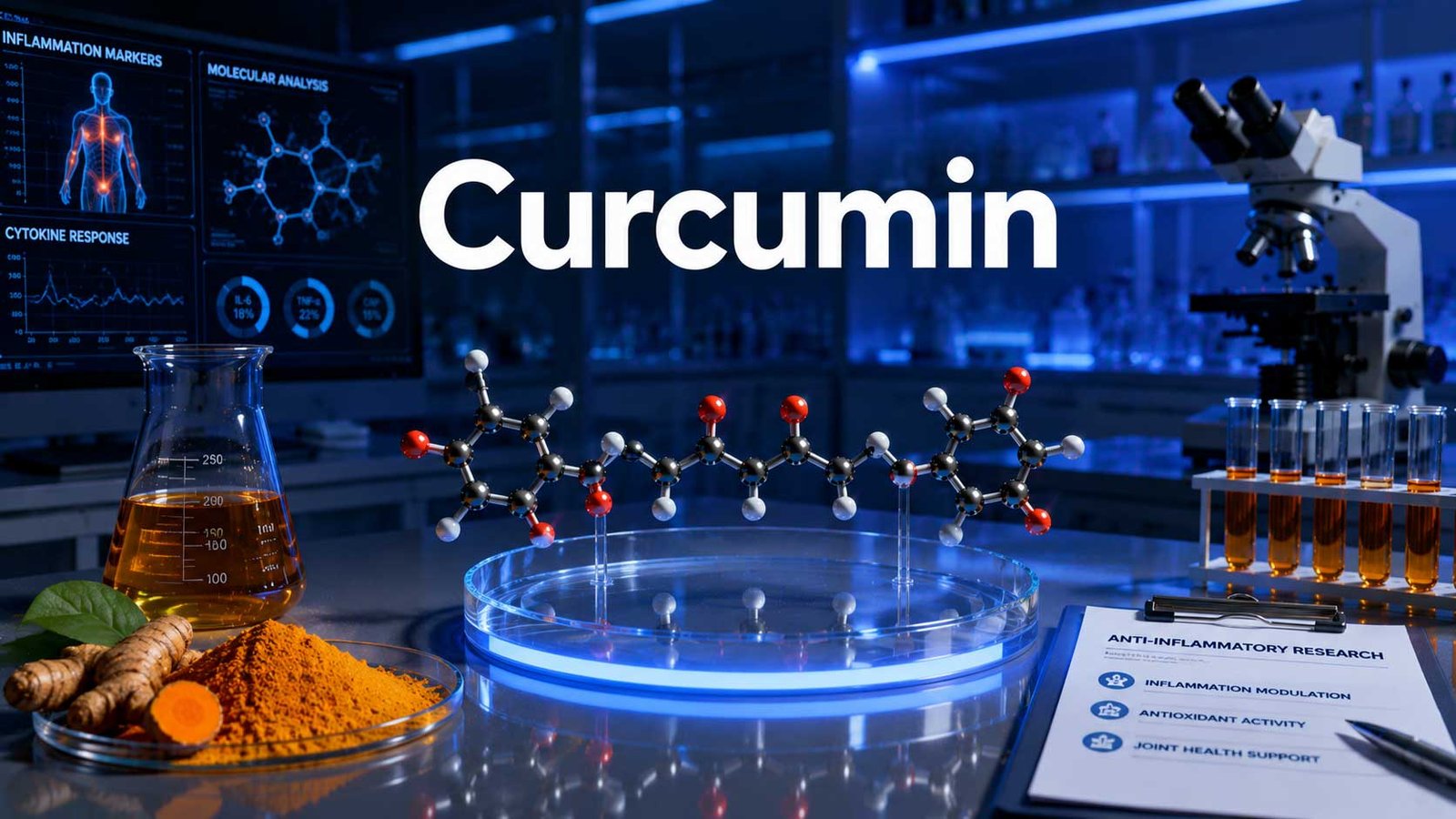
The Golden Compound Hiding in Your Spice Rack
Walk into almost any kitchen in South Asia and you’ll find a tin of turmeric within arm’s reach of the stove. It’s the spice that turns curry golden, stains cutting boards for weeks, and shows up in everything from lentil stews to warm milk before bed. But tucked inside that unassuming orange powder is a compound that has quietly become one of the most studied natural substances in modern nutrition science: curcumin.
If you’ve spent any time browsing supplement shelves or scrolling wellness forums, you’ve probably seen curcumin mentioned as a kind of miracle molecule. It’s not quite that simple, and I’ll be upfront about it – curcumin has real, measurable biological activity, but it also has real limitations that most marketing copy conveniently skips over. That’s the version of this story I want to tell you.
Table of Contents
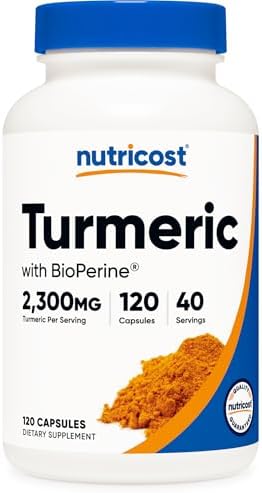
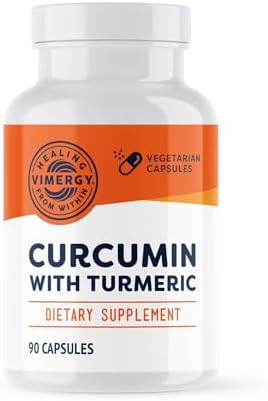

Curcumin is the primary curcuminoid found in the rhizome of Curcuma longa, the turmeric plant, and it belongs to a family of ginger relatives that have been used in Ayurvedic and traditional Chinese medicine for centuries. What makes curcumin interesting to researchers today isn’t tradition, though – it’s the growing body of laboratory and clinical evidence pointing to its role in modulating inflammation at a cellular level. Scientists have traced curcumin’s anti-inflammatory activity to its influence on several major signaling pathways in the body, including NF-κB, a master switch that turns on hundreds of genes involved in the inflammatory response, along with MAPK and JAK-STAT pathways that regulate how immune cells communicate and respond to stress Curcumin reduces the level of JAK1/2 and STAT1/3 phosphorylation, thereby inhibiting the expression of pro-inflammatory factors mediated by the JAK-STATs signaling pathway. That’s a mouthful, I know. In plainer terms: curcumin seems to interrupt some of the internal messaging that keeps inflammation running longer or hotter than it needs to.
I’ve been following the curcumin research for a while now, and what strikes me most is how consistent the findings are across such wildly different conditions. You’ll see curcumin studied in the context of joint pain, digestive issues, skin conditions, metabolic disorders, and even mood. That breadth is part of what makes it fascinating, and also part of why it’s so easy to oversell. A compound that touches multiple inflammatory pathways at once is genuinely interesting from a research standpoint, but it doesn’t mean curcumin is a cure-all, and I’d be doing you a disservice if I implied otherwise.
There’s also a wrinkle that anyone serious about curcumin needs to understand early: it’s notoriously difficult for your body to absorb. You could eat turmeric by the spoonful and still end up with barely detectable curcumin in your bloodstream. This single fact – poor bioavailability – shapes almost every conversation about how to actually get value from this compound, whether you’re getting it from food or a supplement bottle. We’ll come back to that.
For now, think of curcumin less as a magic bullet and more as a genuinely promising piece of a larger anti-inflammatory picture – one that includes diet, sleep, movement, and stress management. Turmeric and curcumin have earned their reputation, but understanding how they actually work, where they come from in your diet, how much makes sense to take, and where the risks lie is what separates useful information from hype. That’s exactly what I want to walk through with you here, section by section, without the fluff.
One more thing before we dig in: curcumin isn’t a nutrient your body requires to survive, unlike vitamin C or iron. It’s what’s sometimes called a bioactive compound – something that isn’t essential but can still meaningfully influence how your body functions. That distinction matters, and it’s going to come up again when we talk about dosage and so-called deficiency later on.
I also think it’s worth pausing on why this particular spice, out of the hundreds sitting in a typical pantry, became such a research darling in the first place. Part of it is historical – turmeric has thousands of years of documented traditional use, which gave scientists a long list of anecdotal claims to actually go test. Part of it is chemical curiosity – curcumin’s molecular structure is unusually reactive, which makes it a fascinating subject for lab work even before you get to whether it does anything meaningful in a living person. And part of it, honestly, is timing. Interest in natural anti-inflammatory strategies has grown alongside a broader cultural shift toward preventive health, and curcumin landed right in the middle of that wave.
That popularity has been a double-edged sword. On one hand, it’s funded an enormous volume of research – by some estimates, curcumin is among the most frequently studied natural compounds in the medical literature, with clinical trials spanning everything from cancer prevention to depression. On the other hand, that same popularity has led to a flood of oversimplified health claims that don’t always reflect what the studies actually found. I’ve read plenty of curcumin research over the years, and one thing that stands out is how often the nuance gets stripped away by the time information reaches a supplement label or a social media post. A study showing modest improvement in one narrow inflammatory marker becomes “cures inflammation.” A trial with promising but preliminary results becomes settled science. That gap between what’s actually known and what’s being marketed is exactly the space I want this article to live in – somewhere honest, grounded, and genuinely useful.
So let’s get into what curcumin actually does, starting with the benefits that have the most research behind them, and being upfront about where the evidence is strong versus where it’s still developing.
Key Health Benefits
Taming Chronic Inflammation
The anti-inflammatory reputation is where curcumin’s story starts, and for good reason. Chronic, low-grade inflammation is now understood to sit at the root of an uncomfortable number of modern health issues – joint degeneration, metabolic syndrome, cardiovascular strain, even certain mood disturbances. Curcumin’s ability to dial down several inflammatory signaling cascades at once is what makes it such a frequent subject of study curcumin exerted its core anti-inflammatory effects mainly by inhibiting the activation of nuclear factor-κB signaling pathway, regulating the mitogen-activated protein kinase extracellular signal-regulated kinase phosphorylation cascade, and regulating the Janus kinase/signal transducer and activator of transcription pathway. Researchers have connected these mechanisms to a range of inflammation-related conditions, from inflammatory bowel disease to atherosclerosis and neurodegenerative disease Pharmacological studies have confirmed the therapeutic value of curcumin in a variety of inflammation-related diseases, including neurodegenerative diseases, inflammatory bowel disease, atherosclerosis, diabetes and tumors. That’s a wide net, and it’s exactly why curcumin keeps showing up across so many different corners of nutrition research.
Joint Comfort and Mobility
If there’s one area where curcumin has genuinely strong human trial data, it’s joint health, particularly knee osteoarthritis. In one well-designed trial, adults with knee osteoarthritis who took a standardized curcumin extract twice daily for eight weeks reported meaningfully less pain than those on placebo, along with better performance on walking and mobility tests. Compared to the placebo, curcumin significantly reduced knee pain scores, and pain-relieving medication use dropped in over a third of participants taking curcumin, versus just 13% in the placebo group. That’s not a trivial difference – it’s the kind of result that makes clinicians sit up and pay attention, even while acknowledging that more research across diverse populations is still needed.
- Reduced knee pain scores on validated assessment tools
- Improved performance on timed walking and mobility tests
- Lower reliance on standard pain medication during the trial period
I find this particular area of research compelling because it isn’t relying on self-reported “I feel better” surveys alone – it includes objective functional testing, which tends to strip out a lot of the placebo noise that plagues supplement research.
Antioxidant Activity
Inflammation and oxidative stress are close cousins – one tends to feed the other. Curcumin’s molecular structure allows it to neutralize reactive oxygen species directly while also triggering the body’s own antioxidant defense systems, particularly the Nrf2 pathway, which acts like an internal alarm system that ramps up your cells’ natural protective enzymes. This dual action – direct scavenging plus indirect activation of your own defenses – is part of why curcumin keeps appearing in oxidative stress research well beyond the inflammation literature.
Cardiovascular and Metabolic Support
Dyslipidemia, elevated blood sugar, and vascular inflammation often travel together, and curcumin has been studied as a potential modifier of each. The mechanisms tie back to the same inflammatory pathways discussed above, since chronic vascular inflammation is now recognized as a meaningful contributor to cardiovascular risk, not just cholesterol numbers alone. I want to be careful here, though – this is an area where the evidence is promising but still developing, and curcumin should never be framed as a substitute for established cardiovascular care.
Cognitive and Mood-Related Interest
This is a newer, more exploratory branch of curcumin research, but it’s growing quickly. Because neuroinflammation is now understood to play a role in mood regulation and cognitive aging, researchers have begun examining whether curcumin’s anti-inflammatory action extends into the brain. Early findings are interesting enough to justify continued study, particularly around attention, working memory, and general mood measures, though this remains one of the less mature areas of the curcumin evidence base compared to joint health.
Skin and Wound Support
Traditional use of turmeric paste for minor skin irritation and wound care has some biological logic behind it now. Curcumin’s anti-inflammatory and antioxidant properties may support the skin’s natural repair processes, and it’s one of the reasons turmeric-based topical products have grown in popularity well beyond their traditional roots. This remains a smaller research area compared to joint or metabolic studies, but it’s a natural extension of curcumin’s core mechanisms.
Digestive Comfort
Turmeric has a long culinary and traditional history tied to digestive wellness, often used to support a settled stomach after a heavy meal. The connective thread here, again, is inflammation – the digestive tract is lined with immune tissue, and low-grade inflammatory activity in the gut lining has been linked to everything from occasional bloating to more chronic digestive discomfort. Curcumin’s influence on inflammatory signaling pathways in the gastrointestinal system is part of why it continues to be studied specifically in the context of inflammatory bowel conditions, alongside its long-standing traditional use for general digestive comfort.
A Broader Pattern Worth Noticing
What I keep coming back to, reading through this research over the years, is that curcumin’s benefits don’t cluster around one isolated system – they show up in joints, in blood vessels, in the gut, in skin, occasionally in mood and cognition. That’s unusual for a single compound, and it’s a big part of why researchers keep circling back to it. The common denominator in nearly every one of these studies is inflammation, whether it’s the visible kind you feel in a stiff knee or the invisible, low-grade kind quietly ticking away in blood vessels or brain tissue.
I’ll say this plainly, though, because I think it matters: not every one of these benefit areas carries the same weight of evidence. Joint health and general inflammatory markers have the deepest bench of human trials behind them. Cardiovascular and metabolic effects are promising but still maturing. Cognitive and mood-related benefits are the most exploratory of the group. If you’re deciding where to focus your expectations, weighting them according to the strength of evidence – rather than treating every claim as equally proven – is the more honest way to approach it.
Taken together, what I appreciate about curcumin’s benefit profile is that it isn’t built on one flashy study – it’s built on a pattern that keeps repeating across different tissues and conditions. That consistency is meaningful, even as individual results vary and even as researchers continue working out exactly how much benefit translates from lab settings into everyday life. It’s also a good reminder that supplements, curcumin included, tend to work best as part of a broader pattern of habits rather than as a standalone fix – something to keep in mind as we move into where curcumin actually shows up in your diet.


Dietary Sources
Turmeric: The Obvious Starting Point
Turmeric is, unsurprisingly, the dominant dietary source of curcumin, but here’s something that surprises a lot of people: the amount of curcumin in turmeric powder is actually pretty modest. Analyses of commercial turmeric powders found that pure turmeric had the highest curcumin concentration among tested spice products, averaging roughly 3% by weight Pure turmeric powder had the highest curcumin concentration, averaging 3.14% by weight. That means a teaspoon of ground turmeric in your curry is delivering a relatively small dose of actual curcumin – useful, but nowhere near what’s used in most clinical research.
Curry Powder and Blended Spices
Curry powder blends contain turmeric alongside other spices, and their curcumin content varies enormously depending on the brand and formulation. In the same analysis of commercial spice products, curry powder samples generally showed much lower and far more inconsistent curcumin levels than pure turmeric, with one notable exception among the tested products The curry powder samples, with one exception, had relatively small amounts of curcumin present, and the variability in content was great. If you’re eating curry as a source of curcumin, you genuinely don’t know how much you’re getting without lab testing, which is a frustrating but honest reality of relying on blended products.
Fresh Turmeric Root
Fresh turmeric root, the kind you might find at an Asian grocery store or farmer’s market, offers a slightly different experience – a more vivid, almost citrusy bite compared to the dusty flavor of the dried powder. Nutritionally, fresh and dried turmeric contain curcumin in similar proportions relative to their water content, though the moisture in fresh root means you need a larger volume by weight to match the curcumin found in an equivalent amount of dried powder.
Why Cooking Habits Matter
- Pairing turmeric with black pepper meaningfully improves absorption, since piperine, the compound responsible for pepper’s bite, interferes with how quickly your body breaks curcumin down
- Cooking turmeric in oil or fat-based dishes helps because curcumin is fat-soluble, meaning it dissolves and transports better alongside dietary fats than in a purely water-based preparation
- Combining turmeric with acidic ingredients like lemon or tomato can also aid stability during cooking, since curcumin tends to degrade in highly alkaline environments
The pairing of turmeric and black pepper isn’t just a kitchen folk tale – it has real pharmacokinetic backing. In a landmark human study, participants who took curcumin alongside a small amount of piperine showed a dramatically higher and longer-lasting presence of curcumin in their bloodstream than those who took curcumin alone, with researchers noting piperine, a known inhibitor of hepatic and intestinal glucuronidation, was evaluated on the bioavailability of curcumin in rats and healthy human volunteers. That single study is part of why so many turmeric supplements now include black pepper extract on their label.
I think about this every time I make a curry from scratch – a splash of oil to bloom the turmeric, a few fresh cracks of black pepper, maybe a squeeze of lime at the end. It’s not a conscious biohacking exercise, it’s just how the dish tastes better, and it happens to line up almost perfectly with what the absorption research recommends. There’s something satisfying about that overlap between traditional cooking wisdom and modern pharmacokinetics – it suggests that a lot of what got passed down through generations of home cooks wasn’t accidental.
Other Culinary Sources Worth Knowing
Turmeric isn’t the only place curcumin shows up, though it’s overwhelmingly the dominant one. Certain traditional golden milk preparations, turmeric teas, and pickled turmeric root used in some Southeast Asian cuisines all contribute small additional amounts. None of these come close to matching supplement-level doses, but if you’re building an anti-inflammatory-leaning diet in general, layering in these smaller sources alongside a broader pattern of colorful vegetables, fatty fish, and minimally processed foods tends to matter more than obsessing over curcumin milligrams from food alone.
Turmeric Extracts and Fortified Foods
Beyond the raw spice, you’ll increasingly find turmeric extract used in golden lattes, fortified snack bars, and functional beverages. These products often use concentrated extracts standardized to a specific curcuminoid percentage, which brings the conversation closer to supplement territory than traditional food. It’s worth reading labels carefully here, since “turmeric” and “curcumin extract” are not interchangeable terms, and the curcumin content can differ by an order of magnitude between the two.
A Realistic Take on Food-Based Intake
Here’s the honest picture: getting a clinically meaningful dose of curcumin from food alone is genuinely difficult. Traditional daily turmeric consumption in parts of the Indian subcontinent has been estimated at levels well under a gram, without any documented adverse effects, but that’s still a fraction of what’s used in many research trials. If you love the flavor of turmeric and want to build it into your regular cooking, absolutely do that – it’s a nutrient-dense, flavorful spice with its own merits beyond curcumin alone. But if you’re specifically chasing the anti-inflammatory effects studied in clinical trials, food alone is unlikely to get you there, and that reality shapes the next section of this conversation.
Dosage & Deficiency
There’s No Such Thing as a Curcumin Deficiency
Let’s clear something up right away: you cannot be “deficient” in curcumin the way you can be deficient in iron or vitamin D. Curcumin isn’t classified as an essential nutrient – your body doesn’t require it to carry out basic physiological functions, and there’s no established biomarker for insufficient curcumin status. What people usually mean when they ask about curcumin “deficiency” is really a question about whether their typical diet provides enough to produce the effects they’ve read about. Given how little curcumin most Western diets actually contain, the honest answer for most people is: probably not much, if any at all.
What Research Doses Actually Look Like
Clinical trials investigating curcumin’s effects have used a fairly wide dosage range, and the right number really depends on what you’re trying to address. In arthritis research specifically, one systematic review found that curcumin and Curcuma longa extract were administered in doses ranging from 120 mg to 1500 mg for a duration of 4-36 weeks, with generally favorable safety outcomes across that range. In the knee osteoarthritis trial mentioned earlier, participants took 500 mg of a standardized curcumin extract twice daily, totaling 1,000 mg per day, over eight weeks.
- Joint-related research commonly uses doses in the 500 to 1,500 mg per day range
- General wellness or maintenance-style use tends toward the lower end of that spectrum
- Higher-dose, short-term research trials have gone well beyond typical supplement labels, though these are supervised clinical settings, not everyday guidance
The Bioavailability Problem, Revisited
This is where dosage gets genuinely complicated. Because curcumin is metabolized so quickly and absorbed so poorly on its own, the number on a supplement label doesn’t tell you much about what actually reaches your bloodstream. This is exactly why formulation matters as much as milligram count. Products combining curcumin with piperine, or using enhanced delivery systems like liposomal or phytosomal formulations, are specifically designed to work around this absorption bottleneck. If you’re comparing two curcumin supplements with identical milligram amounts but different formulations, you could genuinely be looking at a meaningfully different real-world dose.
High-Dose Tolerability Research
Interestingly, curcumin has shown a fairly wide margin of tolerability even at doses far beyond what’s used in most supplements. In a dose-escalation study, healthy volunteers took single doses ranging all the way up to 12,000 mg, and researchers found that only a minority experienced mild, non-dose-related side effects, concluding that the tolerance of curcumin in high single oral doses appears to be excellent. That said, tolerating a single high dose in a controlled research setting is a different question from what makes sense for regular, long-term use, and I wouldn’t recommend extrapolating those numbers into a daily routine without professional guidance.
A Sensible Starting Point
If you’re new to curcumin supplementation and don’t have a specific condition you’re targeting under medical supervision, most of the research supporting general anti-inflammatory or joint benefits clusters somewhere in the 500 to 1,000 mg per day range, ideally taken with food and paired with a bioavailability enhancer like piperine or a lipid-based formulation. Anything beyond that, especially for extended periods, is a conversation worth having with a healthcare provider rather than something to self-direct based on internet dosage charts, including this one.
Reading Labels Without Getting Fooled
Supplement labels can be genuinely confusing when it comes to curcumin, and I say that as someone who has spent an unreasonable amount of time squinting at ingredient panels in the vitamin aisle. A few things worth checking before you buy:
- Whether the label lists “turmeric” or “curcumin extract” – these are not the same thing, and turmeric powder alone will contain far less curcumin than a standardized extract
- The standardization percentage, often listed as “95% curcuminoids,” which tells you how concentrated the extract actually is
- Whether a bioavailability enhancer is included, and if so, what it is – piperine is common, but lipid-based, phytosomal, and micellar formulations are increasingly popular alternatives
- The total daily dose across all capsules, not just the amount per capsule, since serving sizes vary widely between brands
None of this needs to become an obsessive ritual every time you restock a supplement. But a quick label check the first time you choose a product can save you from paying supplement-grade prices for something that delivers a fraction of the curcumin you think you’re getting.
Timing and Consistency
Because curcumin clears the body relatively quickly, splitting a daily dose into two smaller servings – morning and evening, roughly – tends to maintain steadier levels than one large single dose, at least based on how the pharmacokinetics typically play out in trial settings. Taking it with a meal that includes some fat also supports absorption, given curcumin’s fat-soluble nature. None of this is complicated, but consistency tends to matter more than perfect timing – a curcumin supplement taken irregularly, skipped for days at a time, is unlikely to produce the kind of steady anti-inflammatory support that most research trials are actually measuring.
Toxicity & Risks
A Generally Favorable Safety Profile – With Caveats
Curcumin has earned a reputation as a low-toxicity compound, and that reputation is largely supported by the research. Regulatory bodies including major food safety agencies have long recognized turmeric extracts as generally safe when used appropriately. But “generally safe” isn’t the same as “risk-free,” and there are specific situations where curcumin deserves more caution than the wellness-aisle marketing usually admits.
Digestive Discomfort
The most commonly reported side effect across curcumin research is mild gastrointestinal upset – things like bloating, nausea, or loose stools, particularly at higher doses or on an empty stomach. This tends to be dose-dependent and often resolves by taking curcumin with meals or reducing the dose slightly.
The Liver Concern
This is the one that deserves real attention. In recent years, a small but notable number of liver injury cases have been reported in people using highly bioavailable curcumin formulations, prompting official caution from health authorities. According to the National Institutes of Health’s complementary health division, many curcumin products with increased bioavailability are on the market, and liver damage has been reported in some people who have consumed these bioavailable formulations. The same guidance recommends stopping use immediately and consulting a healthcare provider if symptoms like fatigue, nausea, poor appetite, dark urine, or jaundice appear. This doesn’t mean curcumin is inherently dangerous to your liver – most people tolerate it without issue – but it does mean that the newer, highly enhanced formulations designed to boost absorption may carry a different risk profile than traditional turmeric, and that’s worth taking seriously rather than dismissing.
Medication Interactions
Curcumin can interact with several categories of medication, and this is an area where self-directed supplementation gets risky without medical input.
- Blood thinners and antiplatelet medications, since curcumin may have mild effects on platelet function
- Medications metabolized through liver enzyme pathways, since curcumin and especially piperine can alter how quickly your body processes certain drugs
- Diabetes medications, given curcumin’s potential mild effects on blood sugar regulation
If you’re taking any prescription medication regularly, this is genuinely one of the more important conversations to have with your pharmacist or doctor before starting curcumin, not an optional footnote.
Pregnancy and Breastfeeding Caution
Turmeric used as a cooking spice in typical culinary amounts is a different story from concentrated curcumin supplementation. Health authorities have specifically flagged that supplemental use during pregnancy may carry risks that aren’t fully understood, and the safety picture during breastfeeding remains similarly unclear. This is a case where “natural” doesn’t automatically mean “cautious use isn’t warranted” – if you’re pregnant or nursing, this is a supplement decision to make with your provider, not on your own.
Contamination Concerns
A less discussed but genuinely important risk involves quality control rather than the compound itself. Turmeric products, particularly those sourced internationally, have occasionally been found contaminated with lead or unauthorized dyes used to enhance color. This underscores something that applies to supplements generally: sourcing from reputable, third-party-tested manufacturers isn’t just a nice-to-have, it’s a meaningful part of using curcumin safely.
High-Dose Tolerance Doesn’t Mean High-Dose Wisdom
As mentioned earlier, research has shown curcumin can be tolerated at very high single doses in controlled settings. But tolerability data from a short-term clinical trial isn’t the same as a green light for casual long-term megadosing. The people running those trials were monitoring participants closely for signs of trouble; you, taking a supplement at home, are not operating under the same safety net. Respecting that distinction is, in my opinion, one of the more overlooked pieces of curcumin safety advice out there.
Who Should Be Extra Cautious
A few groups in particular deserve a more conservative approach to curcumin, or at minimum, a conversation with a healthcare provider before starting:
- People with a history of gallbladder issues, since curcumin can stimulate bile production and may aggravate certain gallbladder conditions
- Anyone scheduled for surgery in the near future, given the mild effects on blood clotting
- People managing iron deficiency, since some research suggests curcumin may interfere with iron absorption when taken in large amounts alongside iron-rich meals
- Individuals with existing liver conditions, given the emerging concerns around bioavailable formulations discussed above
None of this is meant to scare you away from curcumin altogether – for most healthy adults without these specific concerns, curcumin used sensibly carries a favorable risk profile. But “most people” isn’t “everyone,” and if you fall into one of these categories, that’s worth acknowledging honestly rather than glossing over in the interest of a tidier article.
The Bottom Line on Risk
I don’t think curcumin deserves the fear-based headlines that occasionally pop up around liver injury cases, but I also don’t think it deserves the blanket “completely safe, take as much as you want” framing that so much of the supplement industry leans on. The truth sits in the middle, as it usually does: a compound with a long track record of general safety, a few specific and identifiable risk factors worth respecting, and a strong recommendation to buy from reputable sources and stay within researched dosage ranges rather than experimenting on your own.
Turning Golden Science Into Everyday Habits
If you’ve made it this far, you’ve got a much more complete picture of curcumin than most of what circulates online – not a miracle cure, not a scam, but a genuinely interesting bioactive compound with real research behind some of its claims and real limitations that deserve honest acknowledgment. The anti-inflammatory mechanisms are well documented at the cellular level, the joint health data is some of the strongest human evidence available, and the safety profile is favorable for most people when used sensibly.
What I’d want you to walk away with is this: curcumin isn’t something to fear or something to worship. It’s a tool, and like most tools, it works best when you understand its shape. That means recognizing that food-based turmeric intake alone probably won’t replicate clinical trial results, that formulation and bioavailability enhancers genuinely matter if you’re taking a supplement, and that the liver and medication interaction risks – while relatively rare – are real enough to warrant a conversation with your healthcare provider rather than a blind leap based on an influencer’s morning routine video.
It’s easy, in a category this crowded with marketing noise, to swing between two extremes – either dismissing curcumin entirely as another overhyped supplement fad, or treating it as some kind of cure-all that can replace medical care. Neither extreme reflects what the research actually shows. Somewhere in that middle ground is a compound with genuine, mechanistically plausible anti-inflammatory activity, meaningful human trial data in specific areas like joint health, a favorable but not flawless safety record, and a set of practical considerations around absorption and formulation that actually determine whether you get any benefit at all. That’s a more complicated story than a five-word supplement bottle claim, but it’s the honest one.
If you’re dealing with joint discomfort, general inflammatory concerns, or you’re simply curious about adding more turmeric into your cooking, there’s a reasonable, evidence-informed path forward. Start with food if that feels approachable – a curry with black pepper, a golden latte, a soup finished with fresh turmeric root. If you’re considering a supplement for a more targeted purpose, look for products that address the bioavailability issue directly, respect the dosage ranges actually used in research, and come from manufacturers willing to disclose third-party testing. And if you’re on medication, pregnant, nursing, or managing a liver condition, loop in your healthcare provider before you start, not after something feels off.
I think the most practical way to use everything covered here is to treat curcumin as one deliberate piece of a larger anti-inflammatory lifestyle, not the centerpiece of it. Sleep quality, regular movement, a diet built around whole foods, and stress management all influence inflammation just as meaningfully – in many cases more so – than any single supplement possibly could. Curcumin can complement that foundation, and for some people, particularly those managing joint discomfort, it may offer a genuinely noticeable difference. But it works within a system, not around one.
It’s also worth remembering that individual response to curcumin, like most bioactive compounds, varies. Some people notice a difference within weeks; others find the effect is subtle enough that they can’t say for certain whether it’s the curcumin or simply other lifestyle changes happening at the same time. That ambiguity isn’t a failure of the compound – it’s just how nutrition and supplementation tend to work in real bodies, outside the controlled conditions of a clinical trial. Giving it a reasonable, consistent trial period, paying attention to how you actually feel, and adjusting based on your own response and your provider’s guidance is a far more useful approach than chasing a universal “right” answer that doesn’t really exist.
Curcumin earned its spotlight honestly, through decades of accumulating research rather than a single viral claim. That’s rare in the supplement world, and it’s worth respecting that history by using it thoughtfully rather than carelessly.
Article Sources
At AncientHerbsWisdom, our content relies on reputable sources, including peer-reviewed studies, to substantiate the information presented in our articles. Our primary objective is to ensure our content is thoroughly fact-checked, maintaining a commitment to accuracy, reliability, and trustworthiness.
- Lao, C. D., Ruffin, M. T., Normolle, D., Heath, D. D., Murray, S. I., Bailey, J. M., Boggs, M. E., Crowell, J., Rock, C. L., & Brenner, D. E. (2006). Dose escalation of a curcuminoid formulation. BMC Complementary and Alternative Medicine, 6, 10. https://doi.org/10.1186/1472-6882-6-10
- Liu, M., Wang, J., Song, Z., & Pei, Y. (2025). Regulation mechanism of curcumin mediated inflammatory pathway and its clinical application: a review. Frontiers in Pharmacology, 16, 1642248. https://doi.org/10.3389/fphar.2025.1642248
- Lopresti, A. L., Smith, S. J., Jackson-Michel, S., & Fairchild, T. (2021). An investigation into the effects of a curcumin extract (Curcugen®) on osteoarthritis pain of the knee: A randomised, double-blind, placebo-controlled study. Nutrients, 14(1), 41. https://doi.org/10.3390/nu14010041
- National Center for Complementary and Integrative Health. (2024). Turmeric. U.S. Department of Health and Human Services. https://www.nccih.nih.gov/health/turmeric
- Nelson, K. M., Dahlin, J. L., Bisson, J., Graham, J., Pauli, G. F., & Walters, M. A. (2017). The essential medicinal chemistry of curcumin. Journal of Medicinal Chemistry, 60(5), 1620-1637. https://doi.org/10.1021/acs.jmedchem.6b00975
- Shoba, G., Joy, D., Joseph, T., Majeed, M., Rajendran, R., & Srinivas, P. S. (1998). Influence of piperine on the pharmacokinetics of curcumin in animals and human volunteers. Planta Medica, 64(4), 353-356. https://doi.org/10.1055/s-2006-957450
- Tayyem, R. F., Heath, D. D., Al-Delaimy, W. K., & Rock, C. L. (2006). Curcumin content of turmeric and curry powders. Nutrition and Cancer, 55(2), 126-131. https://doi.org/10.1207/s15327914nc5502_2
- Zeng, L., Yang, T., Yang, K., Yu, G., Li, J., Xiang, W., & Chen, H. (2022). Efficacy and safety of curcumin and Curcuma longa extract in the treatment of arthritis: A systematic review and meta-analysis of randomized controlled trial. Frontiers in Immunology, 13, 891822. https://doi.org/10.3389/fimmu.2022.891822

- Phosphatidic Acid: Supporting Muscle Growth and Strength - July 31, 2026
- Ceramides: Supporting Healthy Skin From Within - July 31, 2026
- Synbiotics: Combining Prebiotics and Probiotics Together - July 31, 2026