
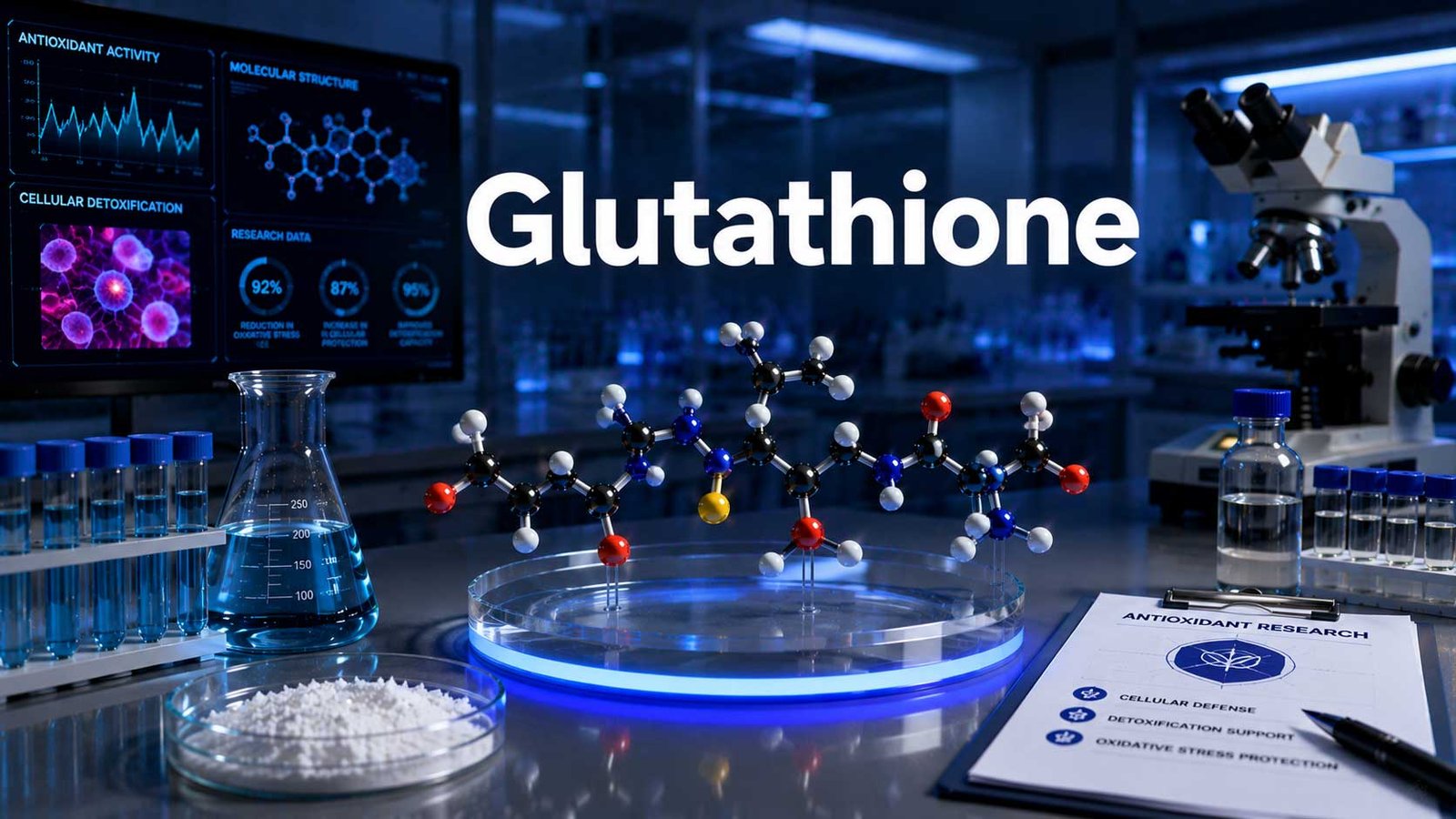
Meet the Molecule Running the Show Behind the Scenes
I still remember the first time someone asked me, half-joking, “if glutathione is so important, why hasn’t anyone put it on a cereal box?” Fair question. Vitamin C gets the glory. Vitamin D gets the sunshine headlines. Glutathione just quietly clocks in every single day, in every cell you own, doing work nobody applauds for.
Here’s the thing worth sitting with for a second: glutathione isn’t something you eat in meaningful amounts and isn’t something you’re told to “get more of” at the pharmacy counter, at least not in the way vitamins are marketed. It’s mostly made inside you, by you, from three ordinary amino acids — cysteine, glutamine, and glycine — stitched together into a small tripeptide that behaves like a Swiss army knife for cellular defense. Cysteine is the picky one; because it’s less abundant in the diet, it tends to be the bottleneck that determines how much glutathione your body can churn out on any given day.
Table of Contents

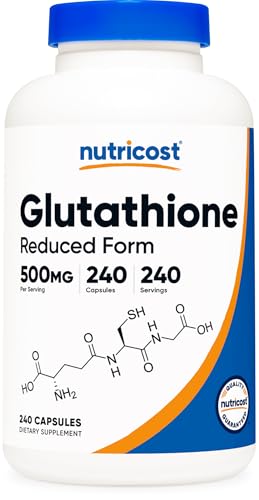

What makes glutathione earn the “master antioxidant” title isn’t that it’s the strongest antioxidant on paper. Vitamin C and vitamin E both have their own claims to fame. It’s that glutathione sits at the center of the whole antioxidant network, recycling other antioxidants back into active form after they’ve spent themselves neutralizing free radicals. Think of it less like a single soldier and more like the quartermaster resupplying everyone else on the front line. Without adequate glutathione, vitamin C and vitamin E can’t be regenerated efficiently, and the entire defense system starts to sputter.
There’s a reason researchers keep circling back to this molecule decade after decade. It exists in two forms inside your cells: the reduced, active form (GSH) and the oxidized form (GSSG) that results after it’s done its job scavenging a reactive molecule. The ratio between these two forms is often used as a shorthand for how much oxidative stress a cell is under. A healthy, well-functioning cell keeps that ratio heavily tilted toward the reduced form. When illness, aging, pollution, or chronic stress pile on, that ratio starts shifting, and it’s one of the more reliable internal signals that something is asking more of your antioxidant systems than they’re built to give without support.
Glutathione’s fingerprints show up almost everywhere in human physiology. In the liver, it partners with detoxification enzymes to help neutralize and clear everything from medications to environmental toxins, tagging harmful compounds so they can be safely escorted out of the body. In the immune system, it helps regulate how aggressively white blood cells respond to threats. In the lungs, it helps manage inflammation and keeps a substance called surfactant functioning properly. In the brain, where oxidative damage is thought to play a role in several neurodegenerative conditions, glutathione appears to be one of the primary lines of chemical defense protecting delicate neural tissue.
None of this happens because glutathione is flashy. It happens because it’s foundational. I’ve spent enough time reading through the research on this molecule to notice a pattern: almost every chronic disease researchers study — diabetes, cardiovascular disease, neurodegeneration, chronic lung conditions — shows up hand in hand with lower-than-expected glutathione levels or a disrupted GSH-to-GSSG ratio. That doesn’t automatically mean low glutathione causes these conditions. Correlation and causation are different animals, and the research community is still working out exactly where glutathione sits in that chain of cause and effect for many of these conditions. But it does mean this molecule deserves a lot more attention than it typically gets outside of specialist circles.
So that’s the setup. Over the next several sections, we’re going to walk through what glutathione actually does for your health, where you can find its building blocks in real food, how much you plausibly need and what happens when you’re running low, and where the risks and open questions actually lie. No hype, no miracle-molecule language — just an honest look at one of the most quietly essential compounds in human biology.
Key Health Benefits of Glutathione
Cellular Defense Against Oxidative Stress
Free radicals are a normal byproduct of simply being alive — your mitochondria generate them constantly as a side effect of producing energy. The problem isn’t that free radicals exist; it’s what happens when they outnumber the antioxidants available to neutralize them. That imbalance, called oxidative stress, has been linked to accelerated cellular aging and tissue damage across nearly every organ system researchers have studied. Glutathione carries out important physiological functions, including protection against reactive oxygen and nitrogen species and antioxidant defense. Because it can be regenerated back into its active form after neutralizing a free radical, it functions less like a single-use shield and more like a reusable one, which is part of why cells invest so much metabolic energy in keeping glutathione stores replenished.
Supporting Liver Detoxification
Ask any biochemist which organ leans on glutathione the hardest, and the liver usually tops the list. Detoxification in the liver happens in phases, and glutathione plays a starring role in what’s often called phase II, where it conjugates with toxic compounds — including certain drugs, pollutants, and heavy metals — to make them water-soluble enough to be excreted through bile or urine. This is precisely why glutathione precursors like N-acetylcysteine are used clinically as the go-to antidote for acetaminophen overdose; when glutathione stores are overwhelmed by a toxic drug load, restoring the precursor supply can be the difference between recovery and severe liver injury.
Immune System Regulation
Your immune cells are some of the most metabolically active cells in your body, and that activity generates a lot of oxidative byproducts. Glutathione helps keep those cells functioning properly by supporting lymphocyte proliferation and modulating how aggressively certain immune pathways fire. Interestingly, research on oral glutathione supplementation found measurable immune effects alongside increases in tissue stores; in one trial, natural killer cell activity more than doubled in participants taking the higher glutathione dose compared with placebo. That’s a meaningful finding, because natural killer cells are part of your body’s frontline surveillance against infected or abnormal cells.
Brain and Nervous System Protection
The brain is particularly vulnerable to oxidative damage. It consumes a disproportionate share of the body’s oxygen, it’s rich in the kind of fats that are especially susceptible to oxidative attack, and it has comparatively limited antioxidant reserves relative to its metabolic demand. Glutathione plays several physiological roles in the brain, including antioxidant defense, and researchers studying neurodegenerative conditions have paid close attention to glutathione depletion patterns in the brain as a possible contributor to disease progression. This is one of those areas where the research is genuinely still evolving, but the biological rationale for glutathione mattering to brain health is about as solid as it gets in nutrition science.
Skin Health and Appearance
This is the benefit most people have actually heard of, mostly because of glutathione’s popularity in certain skin-brightening products and supplements marketed for complexion. The underlying biology is real enough — oxidative stress contributes to visible skin aging, and glutathione’s role in managing melanin production has made it a subject of interest in dermatological research. That said, I’d encourage some healthy skepticism toward the more dramatic skin-lightening claims attached to glutathione supplements; the mechanistic story is more nuanced than most marketing copy lets on, and this is an area where over-promising is common.
Metabolic and Blood Sugar Support
One of the more interesting threads in recent glutathione research involves metabolic health. A clinical trial in elderly adults with type 2 diabetes found that six months of oral glutathione supplementation, alongside standard anti-diabetic treatment, was associated with reduced markers of oxidative DNA damage and improvements in HbA1c and fasting insulin, particularly in patients over 55. Separately, researchers have shown that people with poorly controlled diabetes tend to have diminished glutathione synthesis, and that supplying the precursor amino acids cysteine and glycine can restore that synthesis rate. None of this makes glutathione a diabetes treatment on its own — it’s an adjunct, not a replacement for medical care — but the pattern is consistent enough to take seriously.
Respiratory Health
Glutathione is present in high concentrations in the fluid lining the lungs, where it helps manage local inflammation and oxidative stress from inhaled particles, pollutants, and pathogens. This is part of why glutathione precursors like NAC have a long clinical history as mucolytic agents, used to thin mucus in conditions like chronic bronchitis. People with certain chronic lung conditions have been shown to have lower glutathione levels in lung fluid compared with healthy individuals, which has kept this an active area of pulmonary research.
Taken together, these benefits paint a picture of a molecule that isn’t targeting one organ or one disease process. It’s woven into the basic maintenance systems that keep tissues functioning under everyday stress, which is exactly why so many different fields of medicine keep circling back to it independently.
Dietary Sources of Glutathione
Why Food-Based Glutathione Is Only Part of the Story
Here’s something that surprises a lot of people: eating foods that contain glutathione directly isn’t nearly as important as most supplement marketing implies. The tripeptide bonds in dietary glutathione get broken down substantially by digestive enzymes before much of it reaches your bloodstream intact. Estimates of typical dietary glutathione intake in Western diets land somewhere in the range of roughly 35 to 150 milligrams per day depending on the study and population, which is a small fraction compared to the several grams of glutathione circulating in body tissues at any given time. So while food matters, it’s less about eating glutathione directly and more about eating the raw materials — cysteine, glycine, and glutamic acid — that your cells use to manufacture their own supply.
Foods That Contain Glutathione Directly
That said, direct dietary glutathione isn’t irrelevant, and some foods contain meaningfully more than others. The most detailed analysis of glutathione content across common foods was conducted using the National Cancer Institute’s food frequency questionnaire database, and it found some genuinely useful patterns.
- Fresh, uncooked meats tend to have the highest glutathione content among animal foods, with levels dropping noticeably once meat is cooked or processed.
- Asparagus stands out among vegetables, containing more glutathione than nearly any other produce item measured.
- Avocado is another standout, with notably high glutathione concentrations compared to most fruit.
- Spinach, okra, broccoli, cauliflower, and tomatoes all contain moderate, useful amounts, especially when eaten raw or lightly cooked.
- Grains, cereals, and pasteurized dairy products are generally low in glutathione, with much of what little they contain lost during processing.
Cooking, storage, and processing all chip away at glutathione content, which is one reason nutrition researchers who study this compound often note that fresher, less processed versions of these foods retain more of it.
Precursor-Rich Foods That Fuel Your Own Production
If direct dietary glutathione is a relatively minor player, precursor availability is where the real leverage sits. Cysteine is the rate-limiting amino acid in glutathione synthesis, meaning your body’s production capacity is often bottlenecked by how much cysteine you’re taking in, so foods rich in sulfur-containing amino acids deserve real attention.
- Whey protein is one of the more studied precursor sources. Its cysteine-rich amino acid profile, particularly from a component called alpha-lactalbumin, has been shown in research to support glutathione status, which is part of why it’s a common recommendation among people focused on antioxidant nutrition.
- Eggs, poultry, fish, and lean meats all supply solid amounts of both cysteine and methionine, the two sulfur amino acids most relevant to glutathione production.
- Cruciferous vegetables — broccoli, Brussels sprouts, cauliflower, cabbage, and kale — don’t just supply sulfur compounds; they also activate a cellular pathway called Nrf2, which upregulates the body’s own antioxidant enzyme production, including enzymes involved in glutathione synthesis and recycling.
- Allium vegetables like garlic, onions, and leeks bring their own sulfur-containing compounds to the table and have a long history in traditional diets associated with antioxidant support.
- Legumes and nuts, particularly Brazil nuts and sunflower seeds, offer plant-based methionine and cysteine, useful for anyone building a more plant-forward diet.
The Vitamin C and Selenium Connection
It’s worth mentioning two nutrients that don’t directly build glutathione but are essential to keeping it functional. Vitamin C helps regenerate oxidized glutathione back into its active reduced form, effectively extending the working life of whatever glutathione you already have. Selenium, meanwhile, is a required cofactor for glutathione peroxidase, the enzyme family that actually carries out much of glutathione’s antioxidant work at the cellular level. A diet that’s rich in glutathione precursors but poor in vitamin C or selenium is a bit like having a great recycling system with no truck to run it — citrus fruits, bell peppers, strawberries, and kiwi cover the vitamin C side, while Brazil nuts, seafood, and eggs are reliable selenium sources.
Putting It Into Practice
If you’re trying to eat in a way that genuinely supports your glutathione status, the pattern that keeps showing up in the research isn’t complicated: prioritize minimally processed protein, include cruciferous and allium vegetables regularly, don’t overcook everything into oblivion, and make sure vitamin C and selenium aren’t afterthoughts on your plate. It’s less about chasing one specific “glutathione food” and more about building a diet that gives your body everything it needs to keep manufacturing its own supply, day after day, without you having to think about it too hard.
Dosage & Deficiency
How Much Glutathione Does the Body Actually Need
Unlike vitamins with an established Recommended Dietary Allowance, there’s no official RDA for glutathione, largely because your body is designed to produce most of what it needs internally rather than relying on dietary intake. That makes “how much do I need” a trickier question to answer than it would be for, say, vitamin C. What research has focused on instead is how much supplemental glutathione is needed to meaningfully raise body stores, and here the data is more concrete.
A landmark six-month randomized, double-blinded, placebo-controlled trial tested oral glutathione at 250 milligrams per day and 1,000 milligrams per day in healthy adults. Both doses increased glutathione levels in blood, red blood cells, plasma, and lymphocytes over time, with the higher dose producing considerably larger increases — around 30 to 35 percent in blood compartments and a striking 260 percent increase in cells lining the cheek, a tissue researchers use as an accessible proxy for tissue-level glutathione status. The lower dose still worked, just less dramatically, with 17 to 29 percent increases in blood measures. Interestingly, when participants stopped supplementing, glutathione levels drifted back toward baseline within about a month, which tells you something important: this isn’t a “take it once and you’re set for life” situation. It behaves more like a nutrient you maintain, not one you top up permanently.
For context on precursor supplementation, N-acetylcysteine has been studied extensively across a wide dose range, with clinical and supplement use commonly falling somewhere between 600 and 1,800 milligrams daily depending on the purpose, and doses used in respiratory or exercise research trials sometimes reaching higher without triggering serious safety concerns in the study populations involved.
Recognizing Glutathione Deficiency
True, isolated glutathione deficiency in the classic sense — like a vitamin deficiency disease — is rare and usually tied to specific genetic enzyme defects affecting glutathione synthesis. What’s far more common, and far more relevant to most people reading this, is a relative or functional depletion: a situation where oxidative demand outpaces your body’s ability to keep glutathione stores replenished. This tends to show up gradually rather than announcing itself.
Several patterns are worth knowing:
- Aging is consistently associated with declining glutathione synthesis capacity, even in otherwise healthy older adults, which researchers believe contributes to increased oxidative damage seen with advancing age.
- Chronic disease states, particularly poorly controlled diabetes, HIV infection, and chronic obstructive pulmonary disease, are repeatedly linked to lower glutathione levels and a shifted GSH-to-GSSG ratio.
- Chronic stress, poor sleep, heavy alcohol use, smoking, and high pollutant exposure all place additional oxidative burden on the body, which can outstrip glutathione production over time.
- Inadequate protein or sulfur amino acid intake, particularly in restrictive diets, can limit the raw materials available for glutathione synthesis in the first place.
There isn’t a single home test for this the way there is for, say, vitamin D, though clinical labs can measure blood glutathione and the GSH-to-GSSG ratio when there’s a specific medical reason to investigate. For most people without a diagnosed condition, the more practical approach is supporting the systems that maintain glutathione production — diet, sleep, stress management, and limiting unnecessary oxidative exposures — rather than fixating on a specific number.
Populations Who May Need More Support
Certain groups show up repeatedly in the research as having elevated glutathione demand or reduced production capacity: older adults, people managing chronic metabolic conditions like type 2 diabetes, people with chronic respiratory conditions, and individuals under significant physiological stress from illness or intensive physical training. For these groups, the research on both direct glutathione and precursor supplementation (particularly the amino acid combination glycine and N-acetylcysteine, sometimes called GlyNAC) has shown some of the most consistent benefits, including improvements in oxidative stress markers and, in some studies, measures of physical function. This is exactly the kind of situation where a conversation with a healthcare provider about individual needs makes more sense than a one-size-fits-all recommendation.
Toxicity & Risks
Is Glutathione Safe to Supplement With
Broadly speaking, yes — the research record on both direct glutathione supplementation and its precursors shows a favorable safety profile, with serious adverse events being uncommon in the clinical trials that have been conducted. That’s reassuring, but “generally safe” doesn’t mean “risk-free for everyone in every form,” and it’s worth walking through the nuances rather than treating this as a blanket green light.
Oral Supplementation
The trials examining oral glutathione at doses up to 1,000 milligrams per day in healthy adults, and up to 500 milligrams per day in people with type 2 diabetes over six months, did not report serious safety concerns. The most commonly reported issues across glutathione and precursor research tend to be mild gastrointestinal discomfort — some bloating, occasional nausea — rather than anything more severe. That said, “well-tolerated in a clinical trial” is a different statement than “appropriate for everyone,” particularly for people on multiple medications or managing complex health conditions, where any new supplement should be run past a physician first.
N-Acetylcysteine Specifics
Because NAC is one of the most common ways people attempt to raise glutathione levels, it deserves its own mention. It has decades of clinical use behind it, most notably as the standard treatment for acetaminophen overdose, and is generally described as well tolerated even at higher doses used in respiratory and research settings. There are a few genuine interaction concerns worth knowing about, though: NAC combined with nitroglycerin has been associated with severe drops in blood pressure and intense headaches, and intravenous formulations carry a meaningfully higher risk of allergic-type reactions than oral forms. Oral NAC’s risk profile is considerably gentler than its IV counterpart, but it’s still a compound with real pharmacological activity, not an inert nutrient.
Intravenous and High-Dose Use
A lot of the more concerning anecdotal reports around glutathione involve intravenous administration, particularly in the unregulated cosmetic skin-lightening context, where high-dose IV glutathione has been associated with case reports of kidney impairment, skin reactions, and thyroid dysfunction in some individuals. This is a meaningfully different risk category than oral supplementation at studied doses, and the two shouldn’t be lumped together when weighing safety. If someone is considering IV glutathione for any purpose, that’s a conversation that belongs firmly in a licensed medical setting, not a spa.
The Antioxidant Paradox
There’s a broader principle in redox biology worth sitting with here: antioxidants aren’t automatically “the more the better.” Reactive oxygen species aren’t purely destructive — at normal physiological levels, they serve as signaling molecules involved in immune defense, cell growth regulation, and adaptive responses to exercise. Chronically suppressing oxidative signaling with very high-dose antioxidant supplementation has, in some research contexts unrelated specifically to glutathione, been associated with blunting some of the beneficial adaptations the body would otherwise make. This isn’t a reason for alarm about reasonable glutathione support, but it’s a good argument against the mindset of “if some is good, more must be better,” which shows up constantly in supplement culture.
Who Should Be Cautious
People with significant kidney or liver impairment, pregnant or breastfeeding individuals, and anyone on complex medication regimens should treat glutathione and precursor supplementation as a decision to make with medical guidance rather than a supplement aisle impulse buy. This isn’t because the research suggests outright danger in these groups specifically — much of it simply hasn’t been studied carefully enough in these populations to make confident claims either way, and that gap in the evidence is itself worth respecting.
Why This Quiet Molecule Deserves a Permanent Spot in the Conversation
If there’s one thing I hope sticks after all this, it’s that glutathione doesn’t need exaggeration to be impressive. It’s not a miracle cure, and anyone selling it to you as one is skipping past a lot of nuance the research simply doesn’t support yet. But strip away the marketing noise, and what’s left is still remarkable: a small molecule your own cells build from scratch, recycling itself thousands of times over, quietly propping up your liver’s detox machinery, your immune system’s responsiveness, your lungs’ resilience, and your brain’s defenses against the slow chemical wear of everyday living.
What I keep coming back to is how unglamorous the actual path to supporting it is. It isn’t a single supplement or a dramatic IV drip. It’s decent protein intake with real attention to sulfur amino acids, a plate that regularly includes cruciferous and allium vegetables, enough vitamin C and selenium to keep the recycling system humming, sleep that isn’t chronically shortchanged, and a reasonable relationship with alcohol and other oxidative stressors. None of that sounds exciting. All of it works, because it’s exactly what your body’s own production system was built to run on.
For the people who do have elevated needs — those managing chronic conditions, those further along in age, those under real physiological strain — the evidence for targeted supplementation, whether direct glutathione or precursors like NAC and glycine, is genuinely encouraging without being overstated. It’s an area where I’d rather see someone have an informed conversation with a healthcare provider about their specific situation than pick a dose off a supplement label and hope for the best.
Glutathione isn’t going to show up on a cereal box anytime soon, and honestly, that’s fine. Some of the most important players in human physiology have always worked in the background, unnoticed until something goes wrong. The most useful thing you can do with that knowledge isn’t to obsess over a single molecule — it’s to treat your body in a way that lets its own maintenance systems, glutathione included, do the job they were already built to do.
Article Sources
At AncientHerbsWisdom, our content relies on reputable sources, including peer-reviewed studies, to substantiate the information presented in our articles. Our primary objective is to ensure our content is thoroughly fact-checked, maintaining a commitment to accuracy, reliability, and trustworthiness.
- Atkuri, K. R., Mantovani, J. J., Herzenberg, L. A., & Herzenberg, L. A. (2007). N-Acetylcysteine—a safe antidote for cysteine/glutathione deficiency. Current Opinion in Pharmacology, 7(4), 355-359. https://doi.org/10.1016/j.coph.2007.04.005
- Dwivedi, D., Megha, K., Mishra, R., & Mandal, P. K. (2020). Glutathione in brain: Overview of its conformations, functions, biochemical characteristics, quantitation and potential therapeutic role in brain disorders. Neurochemical Research, 45(7), 1461-1480. https://doi.org/10.1007/s11064-020-03030-1
- Forman, H. J., Zhang, H., & Rinna, A. (2009). Glutathione: overview of its protective roles, measurement, and biosynthesis. Molecular Aspects of Medicine, 30(1-2), 1-12. https://doi.org/10.1016/j.mam.2008.08.006
- Jones, D. P., Coates, R. J., Flagg, E. W., Eley, J. W., Block, G., Greenberg, R. S., Gunter, E. W., & Jackson, B. (1992). Glutathione in foods listed in the National Cancer Institute’s Health Habits and History Food Frequency Questionnaire. Nutrition and Cancer, 17(1), 57-75. https://doi.org/10.1080/01635589209514173
- Kalamkar, S., Acharya, J., Kolappurath Madathil, A., Gajjar, V., Divate, U., Karandikar-Iyer, S., Goel, P., & Ghaskadbi, S. (2022). Randomized clinical trial of how long-term glutathione supplementation offers protection from oxidative damage and improves HbA1c in elderly type 2 diabetic patients. Antioxidants, 11(5), 1026. https://doi.org/10.3390/antiox11051026
- Lushchak, V. I. (2012). Glutathione homeostasis and functions: potential targets for medical interventions. Journal of Amino Acids, 2012, 736837. https://doi.org/10.1155/2012/736837
- Richie, J. P., Nichenametla, S., Neidig, W., Calcagnotto, A., Haley, J. S., Schell, T. D., & Muscat, J. E. (2015). Randomized controlled trial of oral glutathione supplementation on body stores of glutathione. European Journal of Nutrition, 54(2), 251-263. https://doi.org/10.1007/s00394-014-0706-z
- Sekhar, R. V., McKay, S. V., Patel, S. G., Guthikonda, A. P., Reddy, V. T., Balasubramanyam, A., & Jahoor, F. (2011). Glutathione synthesis is diminished in patients with uncontrolled diabetes and restored by dietary supplementation with cysteine and glycine. Diabetes Care, 34(1), 162-167. https://doi.org/10.2337/dc10-1006

- Phosphatidic Acid: Supporting Muscle Growth and Strength - July 31, 2026
- Ceramides: Supporting Healthy Skin From Within - July 31, 2026
- Synbiotics: Combining Prebiotics and Probiotics Together - July 31, 2026