
Healthy Sleep Cycles and Herbal Support
Healthy sleep cycles are not just about falling asleep fast or staying unconscious for eight hours straight. They’re about rhythm. Flow. That gentle rise and fall between light sleep, deep sleep, and dreaming that lets the body repair itself without drama. When those cycles are intact, you wake up feeling human again. When they’re not, everything feels slightly off. Your mood. Your appetite. Your patience. Even your sense of time gets blurry.
I’ve seen this pattern repeat for years. People don’t usually come asking for help with healthy sleep cycles right away. They come saying they’re wired at night and exhausted by noon. Or that their mind won’t shut up once the lights go off. Or that they sleep, technically, but wake up feeling like they fought something all night. These are not random complaints. They’re signs that the sleep cycle itself has lost coherence.
Table of Contents

Modern life is very good at breaking that coherence. Artificial light after sunset. Screens inches from the face. Stress hormones that never quite stand down. Caffeine timed poorly. Meals eaten late and fast. Add emotional strain on top of that, and the nervous system starts acting like night is just another work shift. The body forgets when it’s safe to let go.
Here’s where medicinal herbs and mushrooms earn their place. Not as sedatives. Not as knock you out solutions. The goal is not force. The goal is cooperation. Healthy sleep cycles return when the nervous system feels supported enough to move through its natural phases without interruption. Herbs work best when they nudge rather than shove.
One of the biggest misunderstandings I still run into is the idea that sleep support equals drowsiness. That’s a short term view. A plant that simply makes you sleepy may help once or twice, but it doesn’t necessarily rebuild the underlying rhythm. The herbs and mushrooms that truly support healthy sleep cycles do something subtler. They calm overstimulation. They reduce nighttime cortisol. They soften anxiety without flattening emotion. They help the body remember how to transition from alertness into rest, then into deep repair.
Think of sleep like a river. When it flows smoothly, you don’t notice it much. When there are rocks, debris, or sudden drops, the water gets loud and chaotic. Herbal medicine doesn’t dam the river. It clears obstructions. Sometimes slowly. Sometimes unevenly. But when it works, the flow returns.
Another thing worth saying out loud. Not everyone’s sleep problem looks the same. Some people struggle to fall asleep. Others fall asleep instantly but wake at two or three in the morning with a racing mind. Some wake too early and can’t drop back into deeper stages. These patterns matter because different plants support different phases of healthy sleep cycles. A nervine that calms evening tension won’t necessarily help someone whose issue is stress driven early waking. Context is everything.
There’s also a timing element that gets overlooked. Herbs don’t exist in a vacuum. When you take them. How consistently you use them. What your evenings look like around them. All of this shapes the outcome. I’ve watched people dismiss a perfectly suited herb because they took it like a pill instead of like a ritual. Ten minutes earlier. A little quiet. A cup of warm water instead of gulping it down. These details add up.
Medicinal mushrooms deserve special mention here. They don’t act like classic sleep herbs, and that confuses people. Most are not sedating at all. What they do instead is support nervous system resilience and hormonal balance over time. That’s why they’re so valuable for restoring healthy sleep cycles long term. They work in the background, adjusting the terrain rather than the immediate sensation.
This article isn’t about chasing unconsciousness. It’s about restoring trust between the brain and the body. When that trust is broken, sleep becomes a battleground. When it’s restored, sleep happens almost by accident. Herbs and mushrooms can’t replace good sleep hygiene or resolve deep emotional stress on their own, but they can make the body receptive again. And that’s often the missing piece.
I also want to be clear about expectations. Plant medicine is not instant gratification. Sometimes the first thing that improves is not sleep length but sleep quality. Fewer micro awakenings. More vivid dreams. A feeling of depth even if the clock says you slept less. These are signs healthy sleep cycles are reorganizing. That process can feel subtle, even strange, before it feels good.
Over the years, I’ve learned to listen closely to how someone describes their nights. The language matters. Restless. Wired. Heavy. Shallow. Fragmented. These words point toward different herbal strategies. There’s no universal sleep herb, despite what marketing likes to claim. There is only the right support at the right moment for the right system.
What follows in this article is a practical, experience based look at eleven medicinal herbs and mushrooms that I’ve seen repeatedly help restore healthy sleep cycles when used thoughtfully. Some calm the nervous system directly. Some regulate stress chemistry. Some strengthen the body’s ability to move through sleep phases without interruption. Each one has a personality. Each one works best when respected.
If you’re reading this late at night, half tired, half alert, you’re not alone. Sleep struggles have become strangely normal. They shouldn’t be. Healthy sleep cycles are not a luxury. They’re a foundation. And with the right support, they’re often far more recoverable than people think.
Calming Nervines for Restful Nights
When healthy sleep cycles break down, the nervous system is usually the first place to look. Most people I meet are not suffering from a lack of sleep drive. They’re suffering from too much stimulation that never shuts off. Thoughts loop. Muscles hold tension long after the day ends. The body stays alert even when the mind wants rest. This is classic nervous system overload, and this is where calming nervines shine.
Nervines don’t force sleep. They soothe the signal noise. They tell the body it’s safe to downshift. Used well, they help reestablish healthy sleep cycles by smoothing the transition from wakefulness into deeper stages of rest. Used poorly, they can feel dull or ineffective. The difference is dosage, timing, and choosing the right plant for the right kind of wired.
1. Valerian Root (Valeriana officinalis)
Valerian has a reputation, and honestly, it deserves a more nuanced one. It’s often described as strong or even harsh, mostly because people expect it to act like a sleeping pill. It doesn’t. Valerian works best when the nervous system is overstimulated but exhausted underneath. That paradoxical state where you’re tired yet buzzing.
The root has a heavy, earthy smell that puts some people off. I’ve come to see that as part of its personality. Valerian grounds. It pulls energy downward. For people whose thoughts race at night, who feel jittery or restless rather than anxious, valerian can be a reset button. Not a knockout. A reset.
What it tends to do well is reduce sleep latency. Falling asleep becomes less of a negotiation. Over time, it can also reduce nighttime awakenings, which is crucial for restoring healthy sleep cycles. The key is low to moderate dosing and consistency. Too much, especially at first, can feel groggy or mentally foggy the next morning. Valerian rewards patience.
2. Chamomile (Matricaria chamomilla)
Chamomile is often underestimated because it’s gentle and familiar. That’s a mistake. Chamomile is one of the best herbs for sleep that’s disrupted by emotional tension. Worry. Irritability. That subtle chest tightness that doesn’t quite qualify as anxiety but still keeps you awake.
Chamomile works more on the emotional layer of the nervous system than the muscular one. It softens edges. It brings a sense of okayness that makes sleep feel accessible again. For people who say their body is tired but their feelings are unsettled, chamomile is often the missing piece.
It also pairs beautifully with ritual. Warm cup. Dim lights. Slow breathing without trying too hard. This matters because healthy sleep cycles respond strongly to cues. Chamomile amplifies those cues. It doesn’t override stress. It helps you step out of it.
3. Passionflower (Passiflora incarnata)
Passionflower is for the mind that won’t let go. Circular thinking. Replaying conversations. Planning tomorrow at midnight. It’s one of the best nervines for mental overactivity without sedation. That balance is rare.
What I appreciate about passionflower is how it supports the descent into deeper sleep stages without flattening dreams. In fact, many people report clearer, more coherent dreaming when using it regularly. That’s a good sign. Dreaming is part of healthy sleep cycles, not a distraction from them.
Passionflower also helps with middle of the night waking caused by mental stimulation. You fall asleep fine, then wake with thoughts firing. This herb gently quiets that surge so the cycle can continue. It doesn’t erase thinking. It lowers the volume.
4. Lemon Balm (Melissa officinalis)
Lemon balm sits at an interesting crossroads between calm and clarity. It’s calming, yes, but it also lifts mental heaviness. That makes it especially useful for people whose sleep issues come with mild low mood or mental fatigue layered on top of stress.
Lemon balm works well when nervous tension shows up as digestive discomfort or a fluttery feeling in the chest or stomach. It has an affinity for the gut brain connection, which plays a larger role in healthy sleep cycles than most people realize.
What surprises people is that lemon balm doesn’t always feel sleepy. Sometimes it feels gently energizing at first. That’s not a flaw. It’s a sign the nervous system is rebalancing. Once that balance settles, sleep tends to follow naturally. Especially when lemon balm is taken consistently in the early evening rather than right at bedtime.
How These Nervines Restore Healthy Sleep Cycles
Each of these plants works a little differently, but they share a common thread. They reduce unnecessary alertness. Healthy sleep cycles depend on the nervous system knowing when to stand down. When that signal is blurred, sleep fragments. You drift in and out. You miss deeper stages. You wake unrefreshed.
Calming nervines help reeducate that signal. Over time, the body relearns the rhythm of evening, night, and rest. This doesn’t always happen overnight. Sometimes the first improvement is simply feeling less tense in the evening. Then falling asleep becomes easier. Then sleep deepens.
I’ve also noticed that people who respond well to nervines often describe their nights differently after a few weeks. Fewer sharp awakenings. Less clock watching. More continuity. These are markers of healthy sleep cycles returning, even if total sleep time hasn’t changed dramatically yet.
One final thing I’ll say, because it matters. Nervines are not about numbing. If a plant makes you feel disconnected or dull, it’s probably not the right one for you, or not the right dose. The best calming herbs leave you feeling more present, not less. Sleep should feel like a natural next step, not an escape hatch.
When used thoughtfully, these nervines don’t just help you sleep. They help you remember how to rest.
Adaptogenic Herbs That Regulate Sleep Rhythms
If calming nervines quiet the noise, adaptogens rebuild the timing. This distinction matters. Many people technically sleep but still wake up exhausted, foggy, or oddly tense. That’s usually not a falling asleep problem. It’s a rhythm problem. Healthy sleep cycles depend on a predictable rise and fall of stress hormones, body temperature, and nervous system tone across the day and night. When that rhythm is off, no amount of bedtime calm fixes it.
Adaptogenic herbs work upstream. They help the body respond to stress more intelligently, not just less intensely. Over time, they support the natural cortisol curve that tells your system when it’s time to be alert and when it’s time to shut things down. This is why adaptogens are so effective for people whose sleep problems feel systemic rather than situational.
These are not quick fixes. They’re slow teachers. When they work, you don’t just sleep better. Your whole day feels more coherent, and that coherence carries into the night.
5. Ashwagandha (Withania somnifera)
Ashwagandha is one of the most misunderstood herbs in sleep support. People hear it described as calming and assume it’s sedating. It isn’t. Ashwagandha regulates stress. That distinction explains why it helps some people sleep profoundly better and keeps others awake if used incorrectly.
Where ashwagandha shines is in stress driven insomnia. The kind where you’re exhausted but your body won’t fully stand down. Cortisol stays elevated into the evening. Muscles don’t soften. Sleep cycles fragment. Ashwagandha helps lower that nighttime stress tone gradually, which allows healthy sleep cycles to reassert themselves.
Timing matters here. Taken earlier in the evening or even late afternoon, ashwagandha supports the downward slope of stress hormones. Taken too late by someone who is already depleted, it can feel mildly stimulating. This isn’t a flaw. It’s feedback.
What I appreciate about ashwagandha is how it improves sleep quality before sleep quantity. People often report fewer awakenings, deeper rest, and more stable energy in the morning, even if total hours don’t change much at first. That’s real progress.
6. Magnolia Bark (Magnolia officinalis)
Magnolia bark doesn’t get enough attention in modern herbal conversations, which is strange given how effective it can be for nighttime stress. It works directly on the stress response, particularly the kind that shows up as physical tension and mental agitation at night.
This is the herb I think of when someone says they feel keyed up in the evening without being anxious in the classic sense. Their body just won’t let go. Magnolia bark helps quiet that internal pressure. It’s especially useful for people who wake during the night with a sudden surge of alertness.
Unlike some calming herbs, magnolia doesn’t dull awareness. It creates a sense of internal spaciousness. That space allows the nervous system to move more smoothly through sleep stages instead of snapping back to alertness.
In terms of healthy sleep cycles, magnolia supports continuity. Fewer stress spikes. Fewer abrupt awakenings. A smoother night overall. It’s not flashy. It’s reliable.
7. Jujube Seed (Ziziphus jujuba)
Jujube seed has a long history in traditional systems for good reason. It’s one of the most balanced herbs for sleep cycle regulation. Not too stimulating. Not too sedating. It works on both the nervous system and emotional restlessness in a very grounded way.
This is the herb I reach for when sleep issues come with irritability, emotional sensitivity, or a feeling of being worn thin. Jujube seed nourishes rather than suppresses. Over time, it helps the nervous system hold stress without becoming reactive, which is essential for healthy sleep cycles.
One thing I’ve noticed repeatedly is that jujube seed improves dream quality. Not more dreams, but more settled ones. Less chaotic. Less emotionally charged. That’s a sign the nervous system is processing rather than fighting during sleep.
It’s subtle. Some people don’t feel much at first. Then they realize they’re sleeping through the night more often. Or waking with less emotional residue from the day before. That’s jujube doing its quiet work.
8. Lavender (Lavandula angustifolia)
Lavender is often pigeonholed as a scent rather than a serious herb, which does it a disservice. Lavender’s strength lies in its ability to regulate the emotional nervous system, especially where stress shows up as tension, irritability, or overstimulation.
Lavender doesn’t force relaxation. It gently shifts the nervous system toward parasympathetic dominance, which is exactly what healthy sleep cycles require. This is why it works so well for people whose evenings feel overstimulated rather than anxious.
What makes lavender unique is how quickly it can change the tone of the evening. Even before sleep, people often feel less reactive, less sharp around the edges. That change sets the stage for deeper rest later in the night.
Lavender also plays well with other herbs. It smooths transitions. If someone is using adaptogens that feel slightly activating, lavender can help round them out and bring balance back toward rest.
Adaptogens and the Bigger Picture of Healthy Sleep Cycles
Adaptogenic herbs don’t work in isolation. They work in context. They assume the body is capable of regulating itself if given the right support. That’s why they’re so effective for long term restoration of healthy sleep cycles and so disappointing when used like sedatives.
The changes they bring are often gradual but meaningful. Falling asleep without effort. Sleeping deeper without heaviness. Waking up feeling oriented rather than dragged out of sleep. These are signs the internal clock is finding its rhythm again.
I’ve also noticed that people using adaptogens often stop obsessing over sleep. That mental shift matters. When sleep becomes less of a performance and more of a background process, cycles normalize. Stress drops. The body does what it’s designed to do.
If calming nervines help you cross the bridge into sleep, adaptogens rebuild the road underneath it. They don’t promise instant relief. They offer something better. Stability.
And in the long run, stable rhythms are what make healthy sleep cycles sustainable, not just possible.
Medicinal Mushrooms and Sleep Cycle Balance
Medicinal mushrooms enter the sleep conversation sideways. They don’t announce themselves with drowsiness or that heavy eyelid feeling people expect. In fact, when someone tells me they tried a mushroom and it didn’t make them sleepy, I usually nod. That’s normal. Mushrooms don’t push you into sleep. They strengthen the system that allows healthy sleep cycles to happen on their own.
This difference matters. If herbs often work on the nervous system’s surface layer, mushrooms work deeper, more slowly, and more structurally. They support immune signaling, neuroendocrine balance, and stress resilience. All of those shape sleep quality, even if they don’t feel like sleep support at first.
I’ve watched people dismiss medicinal mushrooms too early because they were looking for a sensation. Mushrooms don’t offer fireworks. They offer scaffolding. Over time, that scaffolding supports deeper, more stable sleep cycles that don’t collapse under stress.
9. Reishi Mushroom (Ganoderma lucidum)
Reishi is often called the mushroom of calm, but that label doesn’t quite capture what it does. Reishi doesn’t calm like a sedative. It calms by increasing the body’s tolerance for stress. When stress stops hijacking the system, healthy sleep cycles have space to reemerge.
Reishi is especially useful for people whose sleep problems come with chronic stress, immune dysregulation, or long term fatigue. These are the folks who say they’re always tired but never rested. Their system is stuck in low grade alert mode, day and night.
What reishi tends to do first is deepen sleep rather than extend it. People report heavier, more grounded sleep, even if the number of hours stays the same initially. Over time, nighttime awakenings often decrease. Dreams may become more vivid or emotionally meaningful. That’s not a side effect. It’s a sign of deeper sleep architecture restoring itself.
Reishi also supports emotional regulation. I’ve seen people describe feeling less reactive at night, less prone to spiraling thoughts. That emotional steadiness carries into sleep, smoothing transitions between cycles instead of triggering abrupt awakenings.
It’s not a mushroom for impatience. Reishi asks for consistency. Weeks, not days. But when it settles in, the effect on healthy sleep cycles can be profound and durable.
10. Lion’s Mane Mushroom (Hericium erinaceus)
Lion’s mane surprises people in the sleep context. It’s better known for cognitive support, memory, and focus. So why include it here? Because sleep cycles are deeply tied to brain health. When neural signaling is strained or inflamed, sleep suffers in subtle but persistent ways.
Lion’s mane supports nerve growth and brain resilience. For people whose sleep issues come with mental fatigue, brain fog, or a feeling of cognitive overdrive that never quite shuts off, lion’s mane can help restore balance.
This is not a mushroom for immediate bedtime use. It’s better taken earlier in the day or in the morning. Over time, it improves daytime mental clarity, which reduces nighttime mental overflow. When the brain processes information efficiently during the day, it doesn’t have to keep working through it at night.
I’ve noticed that lion’s mane often improves dream coherence. Not necessarily more dreams, but dreams that feel organized, less fragmented. That suggests healthier REM cycles, which are a critical part of healthy sleep cycles overall.
Lion’s mane is subtle, and that’s its strength. It doesn’t sedate. It rehabilitates. For people whose sleep problems feel tied to mental strain rather than anxiety, it can quietly shift the terrain.
11. Cordyceps (Cordyceps militaris)
Cordyceps seems like an odd choice for sleep support at first glance. It’s often associated with energy, stamina, and performance. But energy regulation is exactly why it belongs in this conversation.
Many sleep problems come from mismanaged energy. Too little during the day. Too much at night. Cordyceps helps normalize that curve. It supports adrenal function and cellular energy production in a way that makes daytime energy more available and nighttime rest more accessible.
For people who crash in the afternoon and then get a second wind late at night, cordyceps can be transformative. It helps stabilize energy so the body doesn’t need to manufacture alertness at the wrong time.
Cordyceps also supports oxygen utilization and metabolic efficiency. That matters because poor sleep is often linked to shallow breathing and subtle nighttime stress responses. When the body feels energetically supported, it doesn’t cling to alertness as a survival strategy.
Like lion’s mane, cordyceps is not a bedtime mushroom. It’s a daytime ally that indirectly restores healthy sleep cycles by fixing the upstream energy imbalance that disrupts them.
How Mushrooms Rebuild Healthy Sleep Cycles Over Time
Medicinal mushrooms don’t work like switches. They work like soil amendments. They change the conditions under which sleep happens. That’s why they’re so valuable for chronic sleep issues that haven’t responded to calming herbs alone.
What I’ve observed repeatedly is that mushrooms reduce fragility. Sleep becomes less sensitive to stress, late meals, emotional fluctuations. People stop feeling like one bad day will ruin their night. That resilience is a hallmark of healthy sleep cycles.
Another thing mushrooms do well is reduce variability. Fewer great nights followed by terrible ones. More consistency. Even if sleep isn’t perfect, it’s predictable. That predictability lowers anxiety around sleep, which in itself improves sleep quality.
It’s also worth noting that mushrooms tend to pair well with herbs. Nervines calm the immediate nervous system. Adaptogens regulate stress rhythms. Mushrooms strengthen the foundation. Together, they address sleep from multiple angles without forcing the body into submission.
One caution from experience. Mushrooms are powerful, but they’re not fast. If someone expects an immediate change, they often miss the slow improvements happening underneath. Better morning energy. Fewer nighttime awakenings. More emotional steadiness. These shifts signal that healthy sleep cycles are reorganizing themselves.
I’ve come to trust mushrooms most with people who’ve tried everything else. The ones who say, nothing knocks me out anymore. That’s the wrong goal anyway. What they need isn’t knockout power. They need restoration.
Medicinal mushrooms don’t chase sleep. They restore the conditions that make sleep inevitable. And when those conditions are right, healthy sleep cycles don’t need to be forced. They return on their own, quietly, steadily, like something remembered rather than learned.
Working With Herbs to Restore Healthy Sleep Cycles
By the time someone starts looking seriously at herbs and mushrooms for sleep, they’re usually tired in a deeper way than missing a few hours of rest. They’re tired of thinking about sleep. Tired of trying to control it. Tired of doing all the right things and still waking up unrestored. That frustration is important to acknowledge because it feeds the very imbalance that keeps healthy sleep cycles from settling back in.
Sleep doesn’t respond well to pressure. The harder you chase it, the more it retreats. I’ve seen this again and again. People tracking every minute, adjusting supplements nightly, changing routines every few days. It looks proactive, but physiologically it keeps the nervous system on alert. Herbs and mushrooms work best when they’re part of a slower, steadier approach. One that trusts the body’s intelligence instead of micromanaging it.
The most useful shift I’ve seen is when people stop asking, what will make me sleep tonight, and start asking, what will help my system remember how to sleep. That’s a very different question. Healthy sleep cycles are not a switch you flip. They’re a pattern you rebuild. Sometimes unevenly. Sometimes with small wins that don’t look dramatic at first.
One thing I wish more people understood is that improvement often shows up sideways. You might notice your evenings feel less tense before your nights get longer. Or your dreams change before your sleep deepens. Or your mornings feel clearer even if you still wake once or twice at night. These are not failures. They’re signs the internal architecture of sleep is reorganizing.
Herbs and mushrooms don’t all move in the same direction at the same speed. Nervines often work first, calming the immediate overstimulation that blocks sleep onset. Adaptogens take longer, regulating stress rhythms that affect sleep timing and depth. Medicinal mushrooms work slowest of all, strengthening the systems that make healthy sleep cycles resilient rather than fragile. Expecting them to behave like pharmaceuticals sets you up for disappointment.
Consistency matters more than intensity. A moderate dose taken regularly, paired with a predictable evening routine, almost always outperforms sporadic high dosing. The body learns through repetition. That’s how rhythms are restored. When people bounce from herb to herb chasing instant relief, the system never gets a clear signal.
Timing is another quiet factor that makes a big difference. Some plants belong in the late afternoon. Some in the early evening. Some earlier in the day even though they’re part of a sleep strategy. Healthy sleep cycles begin long before bedtime. They’re shaped by how stress is handled at noon, how energy is spent in the afternoon, how stimulation winds down after sunset. Herbs amplify those patterns. They don’t replace them.
I’ve also learned to pay attention to how people talk about their bodies when sleep improves. They stop using words like fight and battle. Sleep becomes something that happens again, not something they have to engineer. That language shift tells me the nervous system is relaxing its grip.
There’s also a deeper layer to this work that doesn’t get discussed enough. Sleep is when the body processes not just physical fatigue but emotional residue. When people finally start sleeping more deeply, old feelings can surface. Vivid dreams. Unexpected memories. Emotional release. This can be unsettling if you’re not expecting it. It’s also a sign that healthy sleep cycles are doing their job. Processing. Integrating. Clearing.
This is where patience really matters. If someone stops an herb the moment things feel unfamiliar, they miss the adaptation phase. That doesn’t mean pushing through discomfort blindly. It means distinguishing between disruption and reorganization. That discernment comes with listening, not forcing.
Another thing worth saying plainly. No herb works for everyone. Bodies differ. Histories differ. Stress loads differ. When something doesn’t help, that’s information, not failure. It points you toward a different strategy. Sleep work is diagnostic by nature. The way your body responds tells a story.
I’ve also noticed that the best results come when people stop treating herbs as emergency tools and start treating them as allies. You wouldn’t shout at an ally or demand instant results. You’d work with them. Learn their timing. Respect their strengths and limits. That mindset alone changes outcomes.
Healthy sleep cycles are remarkably resilient once they start to stabilize. People often worry that one bad night means everything is unraveling again. In reality, once the system remembers the pattern, it’s much harder to fully lose it. Occasional disruptions happen. Travel. Stress. Illness. The difference is recovery. When cycles are healthy, the body finds its way back without panic.
If there’s one principle that guides all of this, it’s gentleness paired with consistency. Strong interventions are rarely the answer for fragile systems. Support, rhythm, and time do more than force ever could.
Herbs and mushrooms don’t override your biology. They collaborate with it. They remind the body of pathways it already knows but has forgotten under pressure. When that reminder lands, sleep stops being a problem to solve and becomes a process that unfolds again, night after night, mostly on its own.
That’s what restored healthy sleep cycles feel like. Not perfect. Not rigid. Just reliable enough that you stop worrying about them. And that, in the end, might be the clearest sign that the work has done what it needed to do.
Best Selling Supplements for Healthy Sleep Cycles



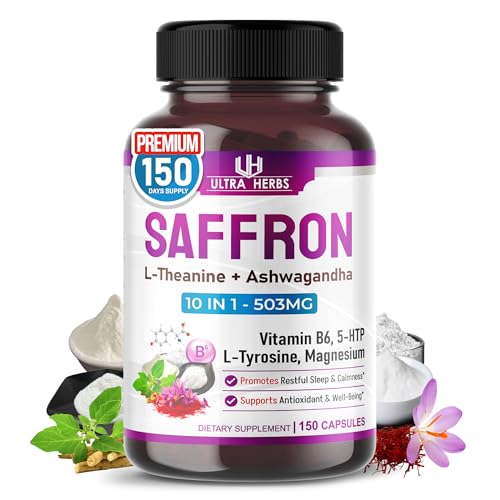


Article Sources
At AncientHerbsWisdom, our content relies on reputable sources, including peer-reviewed studies, to substantiate the information presented in our articles. Our primary objective is to ensure our content is thoroughly fact-checked, maintaining a commitment to accuracy, reliability, and trustworthiness.
- Bent, S., Padula, A., Moore, D., Patterson, M., & Mehling, W. (2006). Valerian for sleep: A systematic review and meta-analysis. American Journal of Medicine, 119(12), 1005–1012. https://www.amjmed.com/article/S0002-9343(06)00465-5/fulltext
- National Center for Complementary and Integrative Health. (2023). Valerian. https://www.nccih.nih.gov/health/valerian
- National Center for Complementary and Integrative Health. (2023). Chamomile. https://www.nccih.nih.gov/health/chamomile
- Miyasaka, L. S., Atallah, A. N., & Soares, B. G. O. (2006). Passiflora for anxiety disorder. Cochrane Database of Systematic Reviews, 2006(1), CD004518. https://www.cochranelibrary.com/cdsr/doi/10.1002/14651858.CD004518.pub2/full
- Cases, J., Ibarra, A., Feuillère, N., Roller, M., & Sukkar, S. G. (2011). Pilot trial of Melissa officinalis L. leaf extract in the treatment of volunteers suffering from mild-to-moderate anxiety disorders and sleep disturbances. Mediterranean Journal of Nutrition and Metabolism, 4, 211–218. https://link.springer.com/article/10.1007/s12349-010-0045-4
- Langade, D., Kanchi, S., Salve, J., Debnath, K., & Ambegaokar, D. (2019). Clinical evaluation of the efficacy and safety of ashwagandha root extract in the treatment of insomnia and anxiety. Cureus, 11(9), e5797. https://www.cureus.com/articles/23045
- Shen, Y., & Chen, J. (2012). Pharmacology and toxicology of Magnolia officinalis bark extract. Phytotherapy Research, 26(9), 1303–1310. https://onlinelibrary.wiley.com/doi/10.1002/ptr.3716
- Chen, C. Y., & Chen, Y. F. (2013). Ziziphus jujuba and sleep modulation: A review of clinical and pharmacological evidence. Journal of Ethnopharmacology, 149(2), 553–561. https://www.sciencedirect.com/science/article/pii/S0378874113004267
- National Center for Complementary and Integrative Health. (2023). Lavender. https://www.nccih.nih.gov/health/lavender
- Wachtel-Galor, S., & Benzie, I. F. F. (2011). Ganoderma lucidum (Lingzhi or Reishi). In Herbal Medicine: Biomolecular and Clinical Aspects (2nd ed.). CRC Press. https://www.ncbi.nlm.nih.gov/books/NBK92757/
- Li, I. C., Lee, L. Y., & Tzeng, C. Y. (2018). Neurohealth properties of Lion’s Mane mushroom. International Journal of Medicinal Mushrooms, 20(12), 1121–1130. https://www.ncbi.nlm.nih.gov/pmc/articles/PMC5987239/
- Huang, Y., Wang, J., & Luo, L. (2020). Cordyceps militaris improves sleep and fatigue through neuroendocrine regulation. Evidence-Based Complementary and Alternative Medicine, 2020, 1–9. https://www.hindawi.com/journals/ecam/2020/9518349/

- Children and Plant-Based Herbal Use Safety: Tradition and Common Sense - January 25, 2026
- Sustainability in Vegan Herbal Sourcing: Why Popular Plants Are at Risk - January 25, 2026
- Vegan Herbal Rituals: Simple Daily Practices Rooted in Tradition - January 24, 2026