
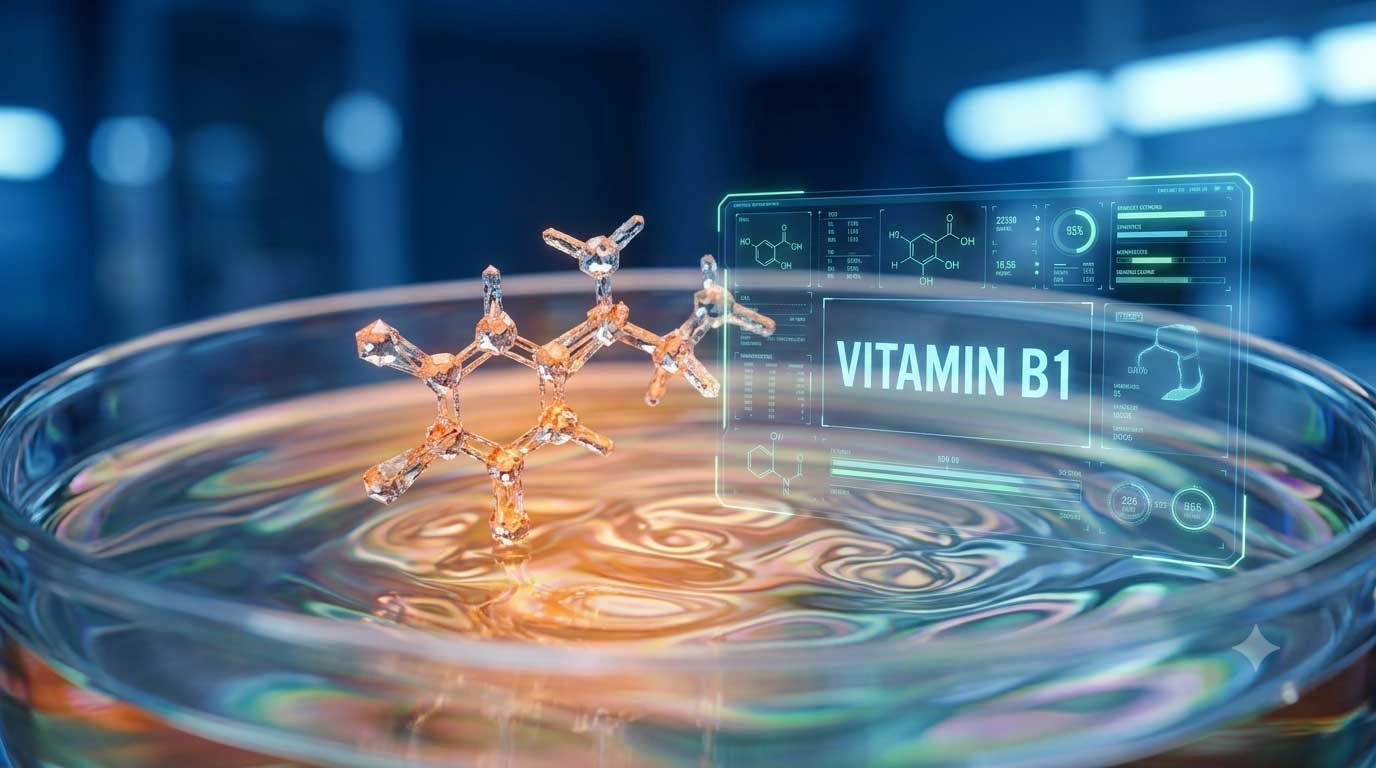
Why Vitamin B1 Still Matters More Than Most People Realize
Vitamin B1 does not get much attention. It is not glamorous, it is not trendy, and it is definitely not the vitamin people brag about taking. Ask someone to name a vitamin tied to energy and they will usually jump straight to B12, maybe iron, maybe magnesium if they spend too much time on supplement forums. Vitamin B1 rarely makes the first cut. That is a mistake.
Vitamin B1, also known as thiamine or thiamin, sits in a category of nutrients that are easy to underestimate precisely because they are so fundamental. It does not work like caffeine. You do not “feel” it in a dramatic, cinematic way. It is quieter than that. Thiamine helps your body do one of the most basic jobs it has: take the food you eat, especially carbohydrates, and turn it into usable energy. If that process starts to wobble, the effects can spread further than most people expect. Energy dips. Mental sharpness can feel blunted. Nerves do not perform as smoothly. Muscles can feel flat, weak, or strangely uncooperative. In more serious cases, the consequences are not subtle at all.
That is the thing about Vitamin B1. It is small, but it is sitting in the control room.
Table of Contents


From a nutrition standpoint, Vitamin B1 is one of the eight B vitamins and it is water soluble, which matters more than it sounds. Water soluble vitamins are not stored in the body in large, comfortable reserves the way some fat soluble vitamins are. Thiamine, in particular, is present in the body in relatively limited amounts, and its half life is short. In plain English, you need a regular supply. This is not a nutrient your body can casually ignore for weeks and then sort out later. If intake drops, absorption is poor, or demand goes up, thiamine status can slide faster than people realize. The body does not have much patience here.
What makes Vitamin B1 especially important is the kind of work it does. Its active form, thiamine diphosphate, acts as a cofactor for enzymes involved in energy metabolism. That sounds technical, but the practical meaning is simple: thiamine helps keep the machinery of fuel conversion moving. It is involved in pathways that allow carbohydrates to be broken down and used for ATP production, which is the basic energy currency of the cell. If you rely on glucose, and your brain certainly does, thiamine matters. If your muscles need to contract, recover, and keep pace with daily life, thiamine matters. If your nerves need to send clean signals without turning every task into static and delay, thiamine matters.
The brain, heart, and nervous system are especially sensitive to this because they are metabolically expensive tissues. They burn through energy constantly. They do not get to take the afternoon off because your lunch was nutritionally flimsy. That is one reason thiamine deficiency can create such a strange mix of symptoms. It can look neurological, cardiovascular, cognitive, or just vaguely exhausting. Sometimes it shows up as weakness, poor appetite, irritability, and brain fog. Sometimes it progresses into something far more serious. Either way, it is not a niche vitamin problem. It is a basic physiology problem.
And yet, Vitamin B1 is still oddly easy to dismiss in modern nutrition conversations. Part of that is historical success. In many countries, thiamine deficiency became less common after food fortification programs expanded. Enriched grains, breads, cereals, and other staple foods helped reduce the classic deficiency diseases that used to be more visible. That public health success was real and important. But it also created a false sense that thiamine is no longer worth thinking about unless someone is severely malnourished. That is where the conversation gets lazy.
The truth is messier. Severe deficiency may be less common in affluent countries than it once was, but marginal intake, poor status in higher risk groups, and missed clinical signs are still very much on the table. Chronic alcohol use is a major example because it can reduce thiamine absorption, interfere with its activation, and often coexists with poor dietary intake. Older adults can also be vulnerable, partly because of reduced food intake, chronic illness, medication use, and lower absorption. People with persistent vomiting, malabsorption, bariatric surgery, poorly planned restrictive diets, or certain medical conditions can run into trouble as well. Even someone who technically eats enough calories may not be eating in a way that reliably supplies enough thiamine.
This is where I think the conversation around Vitamin B1 needs to mature a bit. There is a big difference between avoiding catastrophic deficiency and being genuinely well supplied. Those are not the same standard. You can eat enough to stay out of the emergency textbook while still running a diet that is heavy on refined calories, low on nutrient density, and patchy in the exact nutrients that support normal energy metabolism. That does not mean every tired person has a thiamine problem. It does mean we should stop acting as if “I’m not starving, so I’m fine” is a serious nutritional assessment.
There is also a cultural blind spot here. Modern health advice often splits people into two camps: either you are clinically deficient and need treatment, or you are perfectly fine and do not need to think about the nutrient at all. Real life is not that tidy. Nutrient status exists on a spectrum. You can have intake that is technically adequate on paper and still less than ideal in context. Maybe your diet quality is poor. Maybe you drink heavily on weekends. Maybe you are under chronic stress, skipping meals, living on convenience food, and training hard at the gym while assuming your multivitamin is doing all the heavy lifting. None of that automatically creates a deficiency, but it absolutely changes the conversation.
Vitamin B1 also matters because it reminds us that energy is not an abstract wellness concept. It is biochemistry. It is not just about how many hours you slept or whether you had coffee. The body has to extract usable energy from food, shuttle it through metabolic pathways, and deliver it where it is needed. When a nutrient like thiamine is central to that process, it deserves more respect than it usually gets.
If I had to reduce the whole case for Vitamin B1 into one practical idea, it would be this: some nutrients are important because they are exciting, and some are important because everything starts to wobble when they are missing. Vitamin B1 belongs in the second category. It supports normal nerve function, helps drive energy metabolism, and quietly underpins the performance of tissues that do not tolerate inefficiency very well. You do not need to romanticize it. You just need to stop overlooking it.
That is why Vitamin B1 still matters more than most people realize. Not because it is magical. Because it is foundational. And foundational nutrients have a habit of becoming visible only when they have been neglected for too long.
What Vitamin B1 Actually Does in the Body
Vitamin B1 has a branding problem. It is usually introduced with a one-line summary like “helps convert food into energy,” which is true, but it also undersells the whole story. That description makes thiamine sound like a polite background assistant, the sort of nutrient that tidies up after a meal and quietly disappears. In reality, Vitamin B1 is woven into some of the most important metabolic steps in the body. It helps determine whether carbohydrates are turned into usable cellular energy or left half processed. It influences how well nerve cells fire, how efficiently the brain uses fuel, and how resilient high demand tissues are when energy supply gets shaky.
If you strip away the supplement marketing and the vague wellness language, thiamine is fundamentally about metabolic competence. It helps the body take fuel and do something useful with it. That matters a lot more than people think.
Thiamine’s Role in Energy Metabolism
The most important thing to understand about Vitamin B1 is that it does not “give” you energy in the way a stimulant does. It does something more basic and more valuable. It helps your cells unlock energy from the food you eat, especially carbohydrate-rich foods.
Once absorbed, thiamine is converted into its main active form, thiamine diphosphate, sometimes called thiamine pyrophosphate. This is the form that acts as a cofactor for several enzymes involved in carbohydrate and amino acid metabolism. If that sentence sounds like biochemistry class trying to ruin your afternoon, here is the practical version: thiamine helps key enzymes do their jobs in the pathways that feed the Krebs cycle and support ATP production.
A few of those enzymes are worth mentioning because they explain why Vitamin B1 matters so much:
- Pyruvate dehydrogenase helps convert pyruvate, the end product of glycolysis, into acetyl CoA so it can enter the Krebs cycle
- Alpha-ketoglutarate dehydrogenase is part of the Krebs cycle itself
- Transketolase works in the pentose phosphate pathway, which helps generate compounds needed for antioxidant defense and cellular maintenance
- Branched-chain alpha-keto acid dehydrogenase helps metabolize branched-chain amino acids
That may sound like a list built for exam prep, but it explains a lot. If thiamine is low, these pathways do not hum along smoothly. Pyruvate is less efficiently processed, ATP production drops, and the body starts paying a price for what looks like a small nutritional gap. In deficiency states, lactate can build up because pyruvate is not being handled normally. Cells become less efficient at extracting energy from glucose. High demand tissues feel that first.
This is why Vitamin B1 is so tightly linked with carbohydrate metabolism. If your diet is built around grains, fruit, starchy foods, or anything else that provides a meaningful glucose load, you need the machinery to process that fuel properly. The point is not that carbohydrates are bad or that thiamine somehow “fixes” them. The point is simpler: when glucose is a major fuel source, thiamine becomes part of the basic operating system.
It also helps explain why low thiamine status can feel weirdly nonspecific at first. People do not walk around saying, “I suspect my pyruvate dehydrogenase complex is underperforming.” They say they feel tired, flat, mentally slower than usual, oddly weak, or less tolerant of exercise and long workdays. Those symptoms are common enough to be blamed on almost anything, which is one reason Vitamin B1 deficiency has a habit of hiding in plain sight.
Why Vitamin B1 Matters for Nerve Function
Energy metabolism is only half the story. Vitamin B1 also matters because nerves are not passive wires. They are living tissue with steep energy demands, constant membrane activity, and a need for tightly regulated signaling. If cellular energy production starts slipping, nerves notice.
Thiamine supports normal nerve function in a few overlapping ways. First, nerve cells depend heavily on glucose metabolism, and as we just established, thiamine is central to that process. Second, thiamine appears to play a role in nerve conduction and membrane function, which helps explain why deficiency is so often associated with neurological symptoms. Third, thiamine is involved in pathways that affect oxidative stress and cellular maintenance, which matters because nerve tissue is not particularly forgiving when metabolism goes sideways.
This is why classic thiamine deficiency can produce peripheral neuropathy. In dry beriberi, one of the classic deficiency syndromes, people can develop numbness, tingling, burning sensations, weakness, reduced reflexes, and difficulty walking. That is the dramatic end of the spectrum, not the starting point, but it illustrates something important: Vitamin B1 is not just about “energy” in the vague lifestyle sense. It is about whether nerve tissue can maintain normal function under real physiological demands.
There is also a more subtle layer here. Nerve issues do not always announce themselves with textbook clarity. Sometimes the picture is messier. A person may feel mentally foggy, unusually irritable, less coordinated, or physically off in a way they cannot quite describe. I think that is one reason thiamine problems are easy to miss. They do not always walk in wearing a name tag. Sometimes they look like stress, burnout, poor sleep, under-fueling, or just a rough month. Sometimes they are those things. Sometimes there is a nutritional piece tangled into the mess.
That does not mean every case of tingling or fatigue is a Vitamin B1 problem. It means thiamine belongs in the conversation because the nervous system is one of the tissues most vulnerable to its absence.
The Brain, Heart, and Muscles: High Demand Tissues
Some tissues can tolerate metabolic inefficiency better than others. The brain, heart, and muscles are not especially patient.
The brain is a perfect example. It uses a disproportionate amount of the body’s energy relative to its size, and under normal conditions it relies heavily on glucose as a fuel source. If thiamine dependent enzymes are not working properly, the brain’s energy economy gets less efficient. That is one reason early thiamine deficiency can involve irritability, confusion, poor concentration, and short-term memory problems. In more severe deficiency, especially in high-risk settings such as chronic alcohol misuse or prolonged malnutrition, thiamine depletion can contribute to Wernicke encephalopathy, a serious neurological emergency. That is the extreme end of the story, but the underlying lesson is simple: the brain does not like unstable fuel handling.
The heart is another organ that deserves more attention in this conversation. Cardiac tissue works continuously and burns through energy without pause. It needs reliable ATP production, and thiamine plays a role in making that possible. Severe thiamine deficiency has long been linked to wet beriberi, a form of deficiency that affects the cardiovascular system and can involve tachycardia, edema, and heart failure. Again, that is not where most people start, but it shows how quickly a “small” vitamin issue can stop feeling small once it reaches a high demand organ.
Muscle tissue falls into the same broad category. Muscles need energy to contract, relax, recover, and adapt. When thiamine intake is poor or metabolic demand is high, muscle weakness and low exercise tolerance can show up as part of the clinical picture. This is one of those areas where symptoms are annoyingly easy to misread. Someone feels weak, assumes they need more sleep or more protein, and never thinks about the micronutrient piece. Sometimes they are right. Sometimes they are only seeing half the picture.
What ties the brain, heart, and muscles together is not that they are identical tissues. It is that they are all expensive tissues. They consume energy constantly, and they are sensitive to disruptions in the pathways that produce it. Vitamin B1 matters to them because it matters to metabolism itself.
Why Vitamin B1 Requirements Are Not Identical for Everyone
One of the laziest habits in nutrition writing is treating nutrient requirements like fixed numbers carved into stone tablets. In reality, official intake recommendations are useful baselines, not magical guarantees. Vitamin B1 is a good example of why context matters.
Thiamine needs are influenced in part by energy intake, especially carbohydrate intake. That makes intuitive sense once you know the biochemistry. If thiamine is involved in carbohydrate metabolism, then a diet that leans heavily on carbohydrate increases the need for the machinery that processes it. Historically, thiamine recommendations have often been linked to calorie intake for this reason. It is not just about body size or age. It is about what kind of metabolic workload the diet creates.
Then there is absorption and utilization, which complicate the picture fast. Alcohol is the classic example. Chronic alcohol use can reduce thiamine absorption in the gut, impair storage, interfere with phosphorylation into active forms, and often comes bundled with poor diet quality. That combination is exactly why alcohol-related thiamine deficiency can become so serious. It is not one insult. It is several at once.
Other situations can raise risk too:
- Persistent vomiting or prolonged poor appetite
- Malabsorption disorders
- Bariatric surgery
- Older age with low food intake or chronic illness
- Long-term diuretic use in some cases
- Severe illness, infection, or other states of increased metabolic stress
- Diets that are high in refined calories but low in nutrient density
This is why I do not love simplistic advice that says, “Just hit the RDA and you’re covered.” Covered for whom? Under what circumstances? A healthy adult eating a varied diet, absorbing nutrients normally, and not dealing with unusual metabolic stress is one thing. A person with chronic gastrointestinal issues, heavy alcohol intake, poor appetite, and a diet built on low nutrient convenience foods is another story entirely.
Even food preparation can matter. Thiamine is water soluble and sensitive to heat, so prolonged cooking in water, heavy processing, and refinement can reduce content. That does not mean you need to panic over every pot of soup. It means the quality of the overall dietary pattern matters more than people like to admit. A plate full of refined starch and empty calories can look generous in calories while still being nutritionally thin.
So when we talk about Vitamin B1 requirements, the most honest answer is that there is the official number, and then there is the real life context that determines whether that number is enough to keep the system running well. Those are related, but they are not interchangeable.
Vitamin B1 is not interesting because it is exotic. It is interesting because it sits right at the intersection of fuel use, nerve function, and tissue resilience. It helps determine whether the body can take energy in, process it efficiently, and deliver it where it is needed most. That is why thiamine deserves more respect than it usually gets. Once you understand what it actually does in the body, it stops looking like a minor supporting nutrient and starts looking like what it really is: a basic requirement for metabolic stability.
Key Health Benefits of Vitamin B1 Beyond the Basics
Vitamin B1 tends to get described in very plain terms. It supports energy. It helps the nervous system. It prevents deficiency. All true. Also a little unsatisfying.
The problem with short vitamin summaries is that they flatten everything into the same vague promise. “Supports normal function” sounds responsible, but it can also hide the fact that some nutrients are doing genuinely critical work behind the scenes. Vitamin B1, or thiamine, is one of those nutrients. It is not exciting in the way a stimulant is exciting. It does not come with the dramatic reputation of iron, B12, or vitamin D. But once you understand where thiamine sits in metabolism, its health benefits stop looking generic and start looking surprisingly foundational.
The smartest way to think about Vitamin B1 is not as a miracle nutrient and not as a minor footnote. It is more like a systems vitamin. It helps keep the relationship between food, fuel, nerves, and high demand tissues running smoothly. When thiamine intake is adequate, a lot of ordinary physiological work gets done without fanfare. When it is not, the body starts sending up strange little warning flares that people often misread.
Supports Healthy Energy Production
This is the most familiar benefit of Vitamin B1, and also the one most likely to be oversimplified. Thiamine supports healthy energy production because it is required for key steps in carbohydrate metabolism. It helps convert the carbohydrates you eat into compounds that can enter the pathways used to generate ATP, the cell’s basic energy currency.
That sounds abstract until you think about how much of daily life depends on that process working well. Getting through a physically demanding day. Staying mentally steady through a long stretch of concentrated work. Recovering from training without feeling completely wrung out. Even the simple act of eating a meal and actually turning that food into useful fuel depends on enzymes that need thiamine to function properly.
This matters most in tissues and situations where glucose handling is central. The brain is a prime example, but so are muscles during training or normal movement, and so is the heart, which has no interest in energy shortages. If thiamine status drops, the issue is not that the body suddenly has no fuel. The issue is that the machinery for processing that fuel becomes less efficient. That is a very different problem, and it explains why low thiamine can create a particular kind of fatigue. Not always dramatic. Not always obvious. Sometimes it is just a flatness that is hard to pin down. A sense that the engine is running, but not cleanly.
This is where I think supplement marketing has done people a disservice. “Energy support” gets thrown around so casually that it starts to sound like code for stimulation. Vitamin B1 is not a stand-in for caffeine, and it is not going to make a well-nourished person feel electrified just because they took a capsule with breakfast. Its role is more honest than that. It supports the normal metabolic work required to turn food into energy. If you are low in thiamine, correcting that can matter a great deal. If you are already replete, the story is less dramatic.
Still, the practical relevance is real. Think about the people most likely to feel the effects of poor metabolic efficiency:
- Someone training hard while under-eating and living on convenience food
- Someone working long hours, skipping meals, then relying on refined carbs to get through the day
- Someone older with low appetite, low intake, and a diet that looks adequate in calories but weak in micronutrients
- Someone with heavy alcohol use, where both intake and utilization of thiamine can be compromised
In each of those cases, the issue is not “energy” as a vague lifestyle aspiration. It is whether the body has what it needs to handle fuel properly.
Helps Maintain Healthy Nerve Function
Vitamin B1 also matters because the nervous system is metabolically demanding and surprisingly unforgiving when its fuel supply gets messy. Nerves are not just electrical cables strung through the body. They are living cells with membranes to maintain, signals to conduct, and a constant need for ATP. If thiamine dependent energy metabolism falters, nerve tissue can feel the consequences quickly.
This is one reason thiamine has such a long historical association with neurological symptoms. In clear deficiency states, especially in classic dry beriberi, low Vitamin B1 can contribute to peripheral neuropathy, weakness, impaired reflexes, and sensory disturbances like numbness or tingling. That is the more dramatic end of the spectrum, but it makes the point clearly: thiamine is part of the infrastructure that supports healthy nerve function.
What gets overlooked is that nerve related problems do not always arrive in textbook form. Sometimes it is not obvious neuropathy. Sometimes it is a vague drop in resilience. Mental fog. Irritability. A strange sense of heaviness in the limbs. Poor coordination. A feeling that the brain and body are not communicating as crisply as they should. Those symptoms are not specific to thiamine, obviously. They can reflect all kinds of things. But that is exactly why Vitamin B1 is so easy to ignore. It rarely shouts its name.
There is also a broader point here about nerve support formulas and supplement culture. Thiamine often appears in products marketed for nerve health, sometimes alongside B6 and B12. That is not random. The nervous system depends on several B vitamins, and thiamine is one of the central ones because it sits so close to core energy metabolism. A nerve cell that cannot efficiently use fuel is not a happy nerve cell.
The important distinction is this: supporting healthy nerve function is not the same as claiming to treat neurological disease. Good nutrition supports tissue integrity. That is a very different claim from saying a vitamin can reverse every tingling sensation or solve a complex neurological disorder. Vitamin B1 deserves respect, not exaggeration.
Contributes to Cognitive and Mental Performance
The cognitive angle of Vitamin B1 is where things get especially interesting, because this is where the nutrient’s quiet reputation starts to feel misleading. The brain is a heavy consumer of energy. It does not just use glucose. It depends on a steady, well-regulated system for turning glucose into usable cellular energy. Thiamine is part of that system.
When thiamine status is poor, mental performance can suffer in ways that are easy to dismiss as ordinary life. Concentration can slip. Irritability can creep in. Short-term memory may feel less reliable. Mental stamina can drop. Again, none of these symptoms are unique to Vitamin B1 deficiency, and that is part of the problem. They are so nonspecific that they blend into stress, bad sleep, overwork, or simply getting older. But biochemically, the link is plausible and well grounded. If the brain’s energy metabolism is compromised, cognitive performance will not look its best.
Severe deficiency makes this painfully clear. Wernicke encephalopathy and Korsakoff syndrome are among the most serious neurological consequences of thiamine deficiency, especially in high risk settings such as chronic alcohol misuse or severe malnutrition. Those are medical conditions, not wellness talking points, and they should stay in that category. But they underline an important truth: the brain’s dependence on thiamine is not theoretical.
At the everyday level, I think the best way to frame Vitamin B1 is as a nutrient that helps maintain the metabolic conditions under which the brain tends to function normally. That is less flashy than calling it a nootropic, but it is also more accurate. Adequate Vitamin B1 supports the systems that allow cognitive performance to happen. It does not replace sleep. It does not override chronic stress. It does not turn a nutrient replete person into a genius. But if thiamine is lacking, mental performance is one of the places the body may start showing strain.
There is a practical lesson in that. If someone feels mentally flat and their diet has quietly collapsed into coffee, refined snacks, and a rushed dinner three nights a week, it makes sense to think beyond productivity hacks. Sometimes the “brain support” conversation needs fewer apps and more nutrients.
Supports Cardiovascular Function Through Energy Supply
The cardiovascular role of Vitamin B1 is not discussed nearly enough, which is strange when you think about how metabolically expensive the heart is. Cardiac muscle works nonstop. It contracts, relaxes, and repeats the process all day, every day, with no tolerance for sloppy energy supply. A nutrient that supports carbohydrate metabolism and cellular energy production is going to matter here.
Severe thiamine deficiency has long been associated with wet beriberi, the cardiovascular form of deficiency. In that setting, low thiamine can contribute to peripheral vasodilation, fluid retention, tachycardia, and eventually heart failure. That is not a casual wellness concern. It is a reminder that Vitamin B1 is not just a “B vitamin for energy” in the light, lifestyle sense of the phrase. It is part of the metabolic scaffolding that allows the cardiovascular system to function.
Now, this is where nuance matters. It would be sloppy to leap from that history to the claim that everyone should take high dose thiamine for heart health. That is not what the evidence says. What the evidence does support is the physiological importance of thiamine for tissues with high energy demands, including the heart, and the fact that thiamine deficiency can have cardiovascular consequences when it becomes significant.
There is also a more modern reason to pay attention. Some people with heart failure may have poor thiamine status, in part because of low dietary intake, chronic illness, and diuretic use that can increase urinary losses. That does not mean thiamine is a universal answer in cardiology. It means it remains clinically relevant in certain settings, and the old idea that deficiency diseases belong only to history books is not especially helpful.
The heart is not asking for trendy nutrition. It is asking for dependable fuel handling. That is a very different conversation, and Vitamin B1 belongs in it.
Where the Research Is Strong and Where It Is Still Evolving
This is the part where the article needs to keep its head.
The strongest evidence around Vitamin B1 is not actually controversial. Thiamine is an essential vitamin. It is required for energy metabolism. It supports normal cellular function, nerve function, and the health of high demand tissues. Deficiency causes well documented clinical problems, including beriberi and Wernicke-Korsakoff syndrome. That part of the story is established, not speculative.
The evidence is also strong when it comes to identifying groups at higher risk of poor thiamine status. Chronic alcohol use, malnutrition, older age, malabsorption, bariatric surgery, prolonged vomiting, and certain chronic illnesses all raise concern for good reason. None of that is fringe. It is well described in clinical literature and in authoritative guidance from health organizations.
Where things get less settled is in the space between deficiency correction and performance enhancement. This is the zone where online content gets messy fast. You will see claims that high dose thiamine can transform energy, fix brain fog, support blood sugar balance, rescue nerve problems, or improve a long list of chronic symptoms in almost anyone. Some of those claims are based on real biochemical reasoning or on small clinical studies in specific populations. That does not make them universally true.
There is ongoing research on thiamine and thiamine derivatives, including benfotiamine, in areas such as diabetic complications, neuropathy, and cardiovascular function. Some of it is promising. Some of it is preliminary. Some of it is highly context dependent. The key point is that correcting deficiency, supporting normal physiology, and using pharmacologic doses in clinical research are three very different conversations. They should not be mashed together as if they prove the same thing.
A sensible way to read the evidence is this:
- Strong evidence supports Vitamin B1 as an essential nutrient for energy metabolism and nerve function
- Strong evidence supports the clinical consequences of deficiency
- Strong evidence supports the need to identify and treat deficiency in at-risk groups
- More selective and context dependent evidence exists for higher dose or derivative forms of thiamine in specific clinical settings
- Weak reasoning begins when normal nutritional support is sold as if it were a universal therapeutic shortcut
That distinction matters because it protects the conversation from two equally unhelpful extremes. On one side, the dismissive view that Vitamin B1 is boring and irrelevant unless someone has advanced deficiency. On the other side, the exaggerated view that thiamine is a cure-all hiding in plain sight. Neither is accurate.
Vitamin B1 is valuable for a simpler reason. It supports some of the most basic and demanding functions in the body. It helps maintain healthy energy production, supports nerve tissue, contributes to cognitive steadiness through metabolic support, and plays a role in cardiovascular function because the heart runs on chemistry, not good intentions. That is enough. It does not need hype. It needs context, consistency, and a little more respect than it usually gets.


Food Sources of Vitamin B1 and How to Get Enough Consistently
If you want to make Vitamin B1 intake less of a guessing game, the solution is not exotic. It is not a rare herb, a niche superfood powder, or a stack of expensive capsules lined up on the kitchen counter like tiny promises. Vitamin B1, or thiamine, is one of those nutrients where the boring answer is often the right one: eat a diet with enough real food variety, stop relying on nutritionally empty calories, and pay attention to the situations that quietly erode intake.
That said, the food story around thiamine is more interesting than it looks. Some foods are naturally rich in it. Some fortified foods do a lot more heavy lifting than people realize. Some eating habits chip away at intake without looking obviously “deficient” from the outside. And some people are eating enough calories, plenty of carbohydrates, maybe even too many, while still missing the nutrient support needed to process that fuel well.
This is where the Vitamin B1 conversation gets practical. Not theoretical. Not biochemical for the sake of sounding clever. Just practical. Where does thiamine come from, what gets in the way, and how do you build intake in a way that actually sticks?
Best Natural Food Sources of Vitamin B1
Vitamin B1 is found naturally in a range of foods, but it is not distributed evenly. Some foods are genuinely useful sources. Others technically contain a little, but not enough to matter unless they are eaten often and in meaningful amounts. If someone is trying to cover thiamine needs consistently, it helps to know the difference.
One of the standout natural sources is pork. It has been one of the best known dietary sources of thiamine for a long time, and for good reason. A modest serving of pork can contribute a substantial chunk of daily Vitamin B1 needs without much effort. It is one of those foods that quietly does its job without being marketed as a “brain food” or “energy food.” It just happens to be genuinely useful.
Legumes are another big one. Black beans, lentils, peas, and soy foods can all help move the needle. They do not always look dramatic on a label, but they become very effective when they show up regularly in real meals. A half cup of black beans, for example, can contribute a meaningful amount of thiamine while also bringing fiber, minerals, and some protein to the table. That is one of the reasons legumes deserve more respect in nutrition generally. They rarely do just one job.
Whole grains also matter, though this is where the details matter too. Whole grains retain more of their naturally occurring thiamine than refined grains because the outer layers and germ have not been stripped away. Brown rice, oats, barley, and whole wheat products can all contribute, especially when they are eaten as part of a broader pattern rather than treated like decorative health foods.
Seeds and nuts deserve a mention too, especially sunflower seeds. They are not the kind of food people usually think of when they think “Vitamin B1,” but they can help fill the gap surprisingly well. Sprinkle them into oats, add them to yogurt, toss them over salads, blend them into homemade trail mix. Little moves like that are not glamorous, but they add up.
Fish and certain shellfish can contribute as well. Trout, tuna, and mussels are examples often listed in nutrient databases as useful sources. They are not always the very top of the chart, but they can be part of a solid thiamine intake pattern if they are already foods you enjoy and eat regularly.
The broader point is that Vitamin B1 is not a one-food nutrient. You do not need to obsess over finding the single richest source and then force it into your life every day like nutritional homework. A much smarter approach is to spread intake across a handful of reliable foods:
- Pork a few times per week if you eat meat
- Beans or lentils regularly
- Whole grains instead of relying only on refined grains
- Seeds and nuts used intentionally rather than occasionally
- Fish included where it makes sense
That is how you build consistency without turning a vitamin into a personality trait.
Fortified Foods: Useful, Common, and Often Overlooked
Now for the part people either dismiss too quickly or romanticize for the wrong reasons: fortified foods.
In many countries, fortified and enriched grain products are a major source of Vitamin B1 in the population. Bread, breakfast cereals, pasta, rice, and flour products often have thiamine added back in after processing or included as part of fortification policy. In the United States, for example, a meaningful share of total thiamine intake comes from these foods, and that is not trivial. It is one of the reasons overt deficiency became less common than it once was.
This matters because nutrition conversations can get weirdly moralistic about fortified foods. Some people treat them like fake food in a box that should be ignored on principle. Others lean on them so heavily that the entire diet becomes a monument to convenience. Both approaches miss the point.
Fortified foods can be useful. Full stop. If someone eats fortified cereal with milk in the morning, enriched bread with lunch, and rice or pasta later in the day, those foods may be contributing a meaningful amount of thiamine even if nobody at the table is thinking about Vitamin B1. Public health nutrition works like that sometimes. It is not always elegant. It is often effective.
At the same time, there is a difference between appreciating fortification and building a diet around ultra processed foods that happen to contain added vitamins. A sugary cereal with thiamine is still a sugary cereal. Enriched white bread is not nutritionally identical to a more balanced meal built around whole foods. Fortification can reduce the risk of deficiency, but it does not magically transform a poor dietary pattern into a good one.
So I think the fair view is this: fortified foods deserve credit for what they do well. They have played a major role in improving thiamine intake at the population level. But they work best as part of a decent overall diet, not as a nutritional loophole that lets everything else fall apart.
What Can Reduce Vitamin B1 Intake or Availability
This is where things usually go wrong. Not in the dramatic deficiency textbook way, but in the quieter real-life way. The person is eating. They are not obviously malnourished. They might even think they eat “fine.” And yet the diet is built in a way that makes steady thiamine intake harder than it should be.
Highly refined diets are a common example. White bread, pastries, snack foods, instant noodles, sweet drinks, and low-protein convenience meals can deliver plenty of calories without delivering much nutritional resilience. If those refined foods are enriched, they may contribute some thiamine, which helps. But there is still a big difference between a diet that merely avoids obvious deficiency and a diet that supports the body well under stress, training, aging, illness, or long workdays.
Alcohol is another major factor. It does not just compete with good dietary habits by displacing nutritious food. It can also reduce thiamine absorption and interfere with how the body handles it. This is one of the reasons chronic alcohol use has such a strong relationship with thiamine deficiency. It is a double hit, sometimes a triple hit: poor intake, poor absorption, and impaired utilization.
Then there are the less obvious scenarios:
- Recurrent vomiting or chronic nausea
- Very low calorie dieting
- Long stretches of meal skipping
- Malabsorption disorders
- Recovery after bariatric surgery
- Illnesses that reduce appetite or increase nutrient needs
- Diets built around refined carbohydrates with very little protein, legumes, or whole foods
Cooking and food processing matter too, though they are not usually the main villain on their own. Thiamine is water soluble and sensitive to heat, so some is lost during cooking, especially when food is boiled and the water is discarded. Processing and refining grains also remove much of the naturally occurring thiamine unless it is added back through enrichment. That does not mean you need to become paranoid about every cooking method. It means food quality, variety, and preparation patterns all shape the final intake more than people often assume.
One detail that gets overlooked is the mismatch between high carbohydrate intake and low nutrient density. Since Vitamin B1 helps process carbohydrate, a diet that is very heavy in refined carbs but light on thiamine-rich foods can create an awkward situation. Plenty of fuel is coming in, but the micronutrient support for handling that fuel is less impressive. It is not a dramatic crisis overnight. It is just not a particularly smart setup.
A Practical Vitamin B1 Friendly Eating Pattern
The easiest way to get enough Vitamin B1 consistently is not to chase isolated foods. It is to build a daily eating pattern where thiamine keeps showing up almost by accident.
That usually means a few simple shifts.
At breakfast, oats can be a useful base, especially when they are paired with foods that add more nutritional substance. Think oats with yogurt, sunflower seeds, chopped nuts, and fruit. If you eat cereal, choosing a fortified one can be a practical move rather than something to apologize for. Breakfast does not need to become a wellness ritual. It just needs to stop being nutritionally empty.
Lunch is an easy place to bring in legumes and grains. A bean bowl with brown rice or barley, olive oil, vegetables, and some fish or lean meat can cover a lot of nutritional ground without feeling like “health food.” A lentil soup with whole grain bread works too. So does a pork and grain bowl, if that is more your style. The point is not the exact recipe. It is the pattern.
Dinner is another chance to stop overcomplicating things. A pork chop with roasted potatoes and vegetables. A tuna and white bean salad with whole grain toast. A stir fry with lean pork, edamame, and rice. A lentil based stew with seeds scattered over the top. None of this is revolutionary. That is exactly why it works.
If I were building a Vitamin B1 friendly day from scratch, it might look something like this:
- Breakfast: oats or fortified cereal with yogurt, sunflower seeds, and fruit
- Lunch: black bean bowl with brown rice, vegetables, olive oil, and herbs
- Snack: nuts, seeds, or yogurt with fruit
- Dinner: pork, trout, or legumes paired with a whole grain and vegetables
That kind of pattern does not just support Vitamin B1. It tends to improve intake of other B vitamins, magnesium, fiber, and protein at the same time. That matters because nutrients do not work in isolation in real life. Nobody eats thiamine in a vacuum. Or at least I hope not.
One of the biggest practical mistakes people make is trying to “solve” a nutrient issue with one heroic food. They decide sunflower seeds are the answer, buy a huge bag, eat them aggressively for four days, then forget they exist. A better strategy is boring consistency. Put a few thiamine-rich foods on repeat and let the pattern do the work.
Supplements: Useful Tool or Unnecessary Habit?
This is where nuance matters, because the internet is not very good at nuance when supplements are involved.
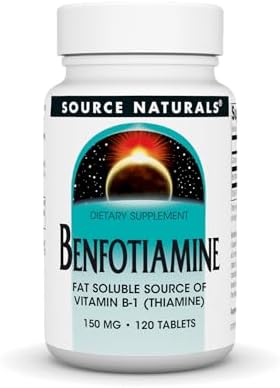
Thiamine supplements absolutely have a place. They are useful in multivitamins, B-complex formulas, and standalone products, especially for people whose intake is poor, whose absorption may be compromised, or whose needs are higher because of illness or other risk factors. The most common forms in supplements are thiamine hydrochloride and thiamine mononitrate, both of which are stable and widely used. There are also thiamine derivatives such as benfotiamine, which show up in some specialty products and clinical discussions.
So yes, supplements can be useful. But they are not automatically necessary, and they are not a substitute for a bad diet with good marketing.
For someone who eats a varied diet, includes a few reliable thiamine sources, and has no major risk factors for deficiency, a separate Vitamin B1 supplement is often unnecessary. A standard multivitamin may already cover the basics if they want one. On the other hand, someone with very poor intake, heavy alcohol use, gastrointestinal problems, prolonged vomiting, or a history that raises concern may have a much better reason to use targeted supplementation under professional guidance.
I think the most sensible way to look at supplements is this:
They make sense when food intake is unreliable, when deficiency risk is higher, or when a clinician has identified a reason to use them. They make less sense when they are being used as a shortcut around a diet that clearly needs fixing.
That sounds almost too obvious, but people skip this step all the time. They will spend money on a thiamine supplement while still eating a pattern that is mostly refined starch, snack food, and whatever happens to be available at 10 p.m. after a long day. The supplement might help. It does not erase the bigger issue.
If the goal is to get enough Vitamin B1 consistently, the most durable solution is still the least glamorous one: a diet with enough thiamine-rich foods, enough regularity, and enough common sense to recognize when food alone probably is not enough. Supplements can be a useful tool. They just should not be asked to do all the work of a diet that has been checked out.
Dosage, Daily Needs, and What Deficiency Really Looks Like
Vitamin B1 looks simple on paper. A small daily requirement, a few food sources, no dramatic toxicity profile, and a reputation for preventing a classic deficiency disease that most people assume belongs to history. In practice, thiamine status is more sensitive to context than the neat numbers suggest. Intake matters. Absorption matters. Metabolic demand matters. And the line between “enough” and “not quite enough” is not always obvious until the system starts showing strain.
Understanding Vitamin B1 dosage and deficiency is less about memorizing a number and more about understanding how quickly a foundational nutrient can become limiting when conditions change.
How Much Vitamin B1 Do You Actually Need?
Most official dietary guidelines set Vitamin B1 needs at a relatively low level compared to many other nutrients. These values come from established dietary reference intakes used in nutrition science and public health planning.
Typical recommended daily intake levels:
- Adult men: about 1.2 mg per day
- Adult women: about 1.1 mg per day
- Pregnancy: about 1.4 mg per day
- Lactation: about 1.4 mg per day
- Children: lower amounts depending on age and body size
These numbers are based on the amount needed to maintain normal function and prevent deficiency in generally healthy populations with typical diets.
There is an important detail hidden inside those figures. Thiamine needs are closely tied to energy metabolism, especially carbohydrate use. That means intake requirements are not purely static. A higher calorie diet, higher carbohydrate intake, or higher metabolic demand can increase functional need, even if official recommendations remain stable for simplicity.
Another important point is that these values assume normal absorption and normal physiological conditions. They do not automatically account for factors like chronic illness, alcohol use, gastrointestinal issues, or situations where nutrient handling is impaired. In those cases, intake that looks sufficient on paper may not fully reflect what the body actually uses.
So the numbers are a baseline. They are not a guarantee of optimal status in every real world scenario.
Early Signs of Low Vitamin B1 Status
Thiamine depletion rarely begins with a clear warning label. There is no single symptom that instantly confirms the issue. Instead, early signs tend to cluster around energy, mood, and nervous system function in ways that are easy to misattribute.
Common early patterns associated with low Vitamin B1 status include:
- Persistent fatigue that does not match activity level
- Reduced exercise tolerance or feeling “off” during physical effort
- Irritability or low stress tolerance
- Difficulty concentrating or mental slowing
- Reduced appetite or inconsistent hunger signals
- General sense of low energy efficiency rather than complete exhaustion
These symptoms overlap heavily with sleep deprivation, chronic stress, under-eating, and general burnout. That overlap is part of the reason thiamine issues can go unnoticed in early stages. Nothing feels specific enough to trigger concern.
From a physiological perspective, this makes sense. Thiamine is involved in energy metabolism. When it is not optimal, the body does not necessarily stop producing energy. It produces energy less efficiently. That difference often shows up as reduced “output quality” rather than complete system failure.
There is also a nervous system angle. Subtle changes in nerve function or brain energy availability can influence concentration, mood stability, and physical coordination. These changes are usually gradual, not dramatic, which makes them easy to normalize.
More Serious Deficiency States: Beriberi and Wernicke-Korsakoff Syndrome
When Vitamin B1 deficiency becomes severe, the consequences are well documented and clinically significant. These are not subtle nutrition topics. They are established medical conditions that illustrate what happens when a core metabolic nutrient drops too far for too long.
Dry beriberi is the neurological form of thiamine deficiency. It can involve peripheral neuropathy, muscle weakness, reduced reflexes, difficulty walking, and sensory disturbances such as tingling or burning sensations in the limbs. The underlying issue is impaired nerve function due to disrupted energy metabolism.
Wet beriberi affects the cardiovascular system. It can involve rapid heart rate, fluid retention, and impaired cardiac function. The heart’s constant energy demand makes it particularly sensitive to disruptions in ATP production.
Wernicke encephalopathy and Korsakoff syndrome represent severe neurological consequences of thiamine deficiency, most often associated with chronic alcohol misuse or severe malnutrition. Wernicke encephalopathy can involve confusion, coordination problems, and eye movement abnormalities. Korsakoff syndrome is associated with more persistent memory impairment.
These conditions are important in this context for one reason. They demonstrate that Vitamin B1 is not a marginal nutrient. It is essential for core neurological and cardiovascular function. When deficiency becomes severe, the effects are not subtle or cosmetic. They are systemic.
At the same time, it is important not to collapse the entire discussion into these severe outcomes. Most people are not experiencing beriberi. The more relevant issue in everyday nutrition is the earlier, less defined end of the spectrum where intake may be low enough to affect efficiency and resilience without progressing to clinical disease.
Who Is More Likely to Become Deficient?
Vitamin B1 deficiency is not random. It tends to appear when intake, absorption, or utilization is disrupted over time. Several risk patterns are consistently identified in clinical nutrition and public health literature.
Higher risk groups include:
- Individuals with chronic alcohol use, due to reduced intake and impaired absorption and utilization
- Older adults with low dietary intake, reduced appetite, or chronic illness
- People with gastrointestinal conditions that impair nutrient absorption
- Individuals who have undergone bariatric surgery
- People with prolonged vomiting or conditions that significantly reduce food intake
- Those with very low dietary diversity over extended periods
- Individuals with high carbohydrate intake but low micronutrient density diets
These categories are not exhaustive, but they highlight a consistent pattern. Risk increases when multiple factors overlap. Low intake alone may not be enough. Impaired absorption alone may not be enough. But combinations of reduced intake, higher demand, and impaired utilization increase vulnerability.
There is also a modern lifestyle dimension that is often underestimated. Diets high in refined foods and low in nutrient density can create a situation where calorie intake is adequate while micronutrient intake is not well balanced. This does not automatically cause deficiency, but it reduces the buffer the body relies on during stress, illness, or increased energy demand.
Another important point is that thiamine status is dynamic. It can change relatively quickly compared to some other nutrients because the body does not maintain large long term reserves. This is why consistent intake matters more than occasional high intake.
Can You Test for Vitamin B1 Status?
Assessing Vitamin B1 status is not as straightforward as measuring something like blood glucose or cholesterol. There are laboratory methods, but interpretation is more complex than a simple “normal or abnormal” result in many cases.
Common approaches include measuring thiamine or its active form, thiamine diphosphate, in whole blood. This is considered one of the more informative indicators of status because it reflects functional availability rather than just short term intake. Functional enzyme activity, such as transketolase activity in red blood cells, has also been used in research and clinical contexts.
Despite these tools, there are limitations. Blood levels may not always perfectly reflect tissue status or functional adequacy. Results can be influenced by recent intake, health status, and methodological differences between laboratories. This makes interpretation context dependent rather than purely numerical.
Because of this, clinical assessment of thiamine status often relies on a combination of factors rather than a single test. Dietary history, risk factors, symptoms, and laboratory data are considered together.
In practical terms, testing is most useful when there is a clear reason to suspect deficiency or when a person belongs to a higher risk group. It is less useful as a general screening tool for people without risk factors or symptoms.
This is one of those nutrients where context matters more than precision. A normal test result does not override persistent risk factors, and an isolated low-normal value does not automatically confirm a clinical problem. The full picture matters more than any single data point.
Vitamin B1 deficiency is not usually a sudden event. It is a gradual shift in metabolic efficiency that becomes more visible as reserves are depleted and demand continues. Understanding dosage and deficiency is less about fear and more about awareness. When intake is consistent, the system runs quietly. When it is not, the body tends to show it in ways that are easy to misread unless you know what you are looking at.
When More Is Not Better: Toxicity, Risks, and Supplement Realism
Vitamin B1 sits in an unusual category in nutrition. It is essential, clearly defined in its biological role, widely available in food, and generally well tolerated in supplemental form. It is also one of the nutrients where “more” is often assumed to mean “better,” mainly because it lacks the dramatic toxicity narratives seen with fat soluble vitamins or minerals like iron. That assumption is only partially useful. Safety is not just about whether something is acutely toxic. It is also about how evidence behaves across different doses, populations, and contexts.
Understanding Vitamin B1 safety requires separating three ideas that often get blurred together: natural dietary intake, supplemental intake at standard levels, and high dose or pharmacological use in specific clinical or experimental settings. These are not interchangeable.
Is Vitamin B1 Toxic at High Intakes?
Vitamin B1 does not have a well established tolerable upper intake level in major dietary reference frameworks. The reason is not that extremely high intake is always beneficial, but that clear evidence of toxicity from oral thiamine in healthy individuals is lacking.
In practical terms, this means that even relatively high supplemental intakes have not been consistently associated with serious adverse effects in the general population. Thiamine is water soluble, and excess amounts are typically excreted in urine rather than stored in large quantities.
However, the absence of a defined upper limit is not the same as a recommendation for unrestricted dosing. It reflects a specific type of evidence gap: insufficient data showing consistent harm at high intake levels under normal conditions. It does not automatically mean that all doses are equally appropriate for all people or that physiological systems respond linearly to increasing amounts.
In clinical practice and research contexts, higher doses are sometimes used for specific conditions. These situations are distinct from routine nutritional supplementation and are guided by medical oversight rather than general dietary advice.
Side Effects and Practical Tolerance Issues
For most people, Vitamin B1 taken at typical dietary or supplemental levels is well tolerated. Adverse effects are uncommon. When they do occur, they are usually mild and nonspecific.
Reported issues in some cases include:
- Mild gastrointestinal discomfort
- Nausea or digestive upset at higher supplemental doses
- Headache or general discomfort in rare instances
- Allergic reactions, which are rare but have been documented, particularly with injectable forms rather than oral intake
It is important to separate routine oral supplementation from parenteral administration. Some of the more serious reported reactions in medical literature are associated with intravenous or intramuscular use in clinical settings, not everyday oral supplements.
Individual tolerance can vary, but there is no consistent pattern of cumulative toxicity from dietary Vitamin B1 intake. The body does not store large reserves of thiamine, and excess is generally eliminated. This is one reason deficiency is more commonly discussed than toxicity in nutritional science.
Still, “generally safe” does not mean “irrelevant to dosing.” Higher does not automatically translate into better outcomes, especially when there is no deficiency to correct.
Medication Interactions and Special Situations
Vitamin B1 does not have a long list of well documented drug interactions compared to many other nutrients, but context still matters.
Certain medications and conditions can influence thiamine status or its functional availability:
- Diuretic medications have been associated in some literature with increased urinary excretion of thiamine, which may affect long term status in specific cases
- Chronic alcohol consumption can interfere with absorption, utilization, and storage of thiamine, increasing deficiency risk
- Conditions affecting gastrointestinal absorption can reduce dietary thiamine uptake regardless of intake level
- Severe illness or prolonged metabolic stress can increase demand and alter nutrient utilization patterns
These factors do not automatically mean supplementation is required in every case. They indicate that baseline intake recommendations may not fully reflect individual metabolic circumstances.
Special populations such as older adults, individuals with chronic illness, or those recovering from surgery or prolonged nutritional depletion may require more careful attention to thiamine status. In these cases, nutrient management is less about generic intake targets and more about individualized assessment.
The Problem With Mega Dosing Culture
Vitamin B1 has become part of a broader pattern in modern supplement culture where nutrients are often reframed as tools for performance optimization rather than basic biological requirements. In that environment, higher doses are frequently presented as inherently superior, even when evidence does not support a linear relationship between dose and benefit.
This is especially visible in online discussions around high dose thiamine protocols, benfotiamine stacks, and broad claims about energy restoration or neurological enhancement. Some of these discussions reference real biochemical mechanisms or limited clinical studies in specific populations. The issue is not that the underlying biology is invented. The issue is that context is often removed.
A nutrient that corrects deficiency in one group does not automatically function as a universal performance enhancer in another. A dose that is used in a clinical trial does not automatically translate into a recommendation for general use. A physiological pathway that is relevant in disease states does not automatically imply that more activation of that pathway is beneficial in healthy individuals.
The gap between nutritional support and pharmacological experimentation is where most misunderstandings happen.
There is also a behavioral dimension. Supplement routines can create a sense of control over energy, mood, and productivity. That sense can be useful when it aligns with real physiological need. It becomes less useful when it replaces attention to diet quality, sleep, stress, and overall lifestyle structure.
Vitamin B1 is particularly vulnerable to this distortion because it is linked to energy metabolism. Energy is a high attention concept. Anything associated with it tends to attract exaggerated expectations.
A Practical Safety Lens for Readers
A more grounded way to think about Vitamin B1 safety starts with the role it actually plays in the body.
Thiamine is a required cofactor for normal metabolic function. That means the primary safety concern in most populations is not excess intake, but insufficient intake or impaired utilization under certain conditions.
From a practical perspective, a few principles are consistently supported across nutritional science:
- Adequate intake from food is sufficient for most healthy individuals
- Standard multivitamin or B-complex supplementation can be reasonable when dietary intake is inconsistent
- High dose supplementation should be approached with context, especially when used outside clear deficiency risk or clinical guidance
- Persistent symptoms related to energy, cognition, or nerve function should not be assumed to be a Vitamin B1 issue without considering broader dietary and medical factors
- Nutrient balance matters more than isolated focus on a single vitamin
The key point is proportionality. Vitamin B1 is essential, but it is not a substance that rewards escalation for its own sake. It supports systems that already exist in the body. When those systems are functioning well and intake is adequate, pushing intake far beyond requirement does not reliably translate into additional benefit.
There is a subtle but important distinction here. Nutritional adequacy is about meeting biological needs. Supplement culture often shifts the question toward optimization without a defined endpoint. Those are different frameworks.
Vitamin B1 fits much more cleanly into the first category. It is a nutrient that works best when it is present in sufficient, consistent amounts that match physiological demand. Beyond that range, the evidence for added benefit becomes less clear, and the justification for increasing intake becomes more dependent on individual context rather than general rules.
Safety, in this case, is less about avoiding toxicity and more about avoiding unnecessary complexity. The body does not need extreme dosing strategies to use thiamine effectively. It needs steady availability, appropriate intake, and conditions that allow normal metabolism to do its job without interruption.

Vitamin B1 in Real Life: Small Nutrient, Big Job
Vitamin B1 rarely gets attention on its own, yet it sits inside almost every conversation about energy, nerve function, and metabolic health whether it is mentioned or not. That is its strange position. It is essential, but invisible when things are going well. Most people only start thinking about thiamine when something feels off, and even then it is usually not the first suspect.
That pattern says a lot about how foundational nutrients work. They are not designed to stand out. They are designed to keep systems stable enough that you do not have to think about them. Vitamin B1 fits that category perfectly. When intake is steady and the body is functioning normally, energy metabolism runs in the background, nerves communicate without noise, and daily fatigue stays within expected limits. There is nothing to notice. That is the point.
The challenge is that modern life does not always support that kind of quiet stability. Diet patterns vary widely. Meal timing is inconsistent. Food quality is uneven. Stress levels are higher than what many physiological systems evolved under. In that environment, even small nutritional gaps can become more noticeable, not because they are extreme, but because they sit inside already stressed systems.
Vitamin B1 is not a dramatic nutrient. It does not behave like a stimulant, and it does not create immediate, obvious changes when intake increases from adequate to slightly higher. Its effects are structural. It supports the biochemical processes that allow carbohydrates to be converted into usable energy, helps maintain normal nerve function, and contributes to the stability of high demand tissues like the brain and heart. When those processes run smoothly, they do not draw attention. When they do not, the symptoms often appear scattered and easy to misinterpret.
That is why thiamine status can be overlooked. Fatigue can be attributed to sleep. Poor concentration can be attributed to stress. Low exercise tolerance can be attributed to fitness level. Mood changes can be attributed to workload or lifestyle. Each explanation may be partly true, but they can also mask the role of basic nutrient availability in maintaining metabolic efficiency.
Food usually solves most of this quietly. A diet that includes reliable sources of thiamine does not require tracking or precision. It requires consistency. Whole grains, legumes, seeds, nuts, and animal foods like pork or fish all contribute in different ways. Fortified staples in many regions add another layer of coverage that has significantly reduced the risk of severe deficiency in general populations. When these elements are present regularly, the system tends to stay balanced without much conscious effort.
Problems tend to appear when that baseline consistency breaks down. Highly refined diets that rely heavily on calorie dense but nutrient light foods can gradually reduce overall micronutrient quality. Alcohol use, chronic low appetite, restrictive eating patterns, and certain health conditions can further shift the balance. None of these factors automatically lead to deficiency on their own, but they change the margin of safety the body relies on.
This is where Vitamin B1 shows its real value. Not as a special intervention, but as part of the background infrastructure that keeps energy metabolism stable under everyday conditions. The brain depends on it to maintain cognitive clarity. The nervous system depends on it to sustain normal signaling. The heart depends on it to keep continuous energy production running without interruption. Muscles depend on it for routine performance and recovery. These are not optional systems. They are continuous ones.
There is also a broader lesson in how Vitamin B1 behaves. Nutrients like this challenge the idea that health is driven primarily by isolated fixes or dramatic interventions. Most of the time, stability comes from maintaining enough of the basics rather than optimizing individual components in isolation. Thiamine is a clear example of that principle. It does not reward obsession. It rewards adequacy maintained over time.
In practical terms, this shifts the focus away from chasing effects and toward maintaining patterns. A diet that repeatedly includes thiamine containing foods, a lifestyle that does not consistently disrupt nutrient intake, and an awareness of situations where needs may be higher or absorption may be lower are usually enough to keep status in a healthy range for most people. Supplements can play a supporting role in specific contexts, but they do not replace the underlying structure of food intake.
The interesting part is how little attention Vitamin B1 requires when things are working properly. It does not announce itself. It does not create noticeable spikes in performance or mood when it is abundant. It simply allows systems that already exist in the body to function as intended. That lack of drama is not a weakness. It is part of its design.
When Vitamin B1 intake is sufficient, the body handles energy conversion without friction, nerves maintain stable communication, and high demand organs operate within their normal range of efficiency. When it is not, the effects can appear indirectly, often through fatigue, reduced tolerance to stress, or subtle neurological changes that do not immediately point to a single cause.
This is why thiamine deserves attention without exaggeration. It is not a solution to everything, but it is part of the foundation that allows many things to work properly in the first place. Its role is steady rather than spectacular, but that steadiness is exactly what makes it essential.
Vitamin B1 is one of those nutrients that teaches a simple lesson when viewed clearly. Not everything important is noticeable, and not everything noticeable is important. The systems that matter most are often the ones that only reveal themselves when they stop working as they should. Thiamine sits firmly in that category. A small nutrient with a big job, doing its work quietly in the background of every day life.
Article Sources
At AncientHerbsWisdom, our content relies on reputable sources, including peer-reviewed studies, to substantiate the information presented in our articles. Our primary objective is to ensure our content is thoroughly fact-checked, maintaining a commitment to accuracy, reliability, and trustworthiness.
- Institute of Medicine (US) Standing Committee on the Scientific Evaluation of Dietary Reference Intakes. (1998). Thiamin. In Dietary Reference Intakes for Thiamin, Riboflavin, Niacin, Vitamin B6, Folate, Vitamin B12, Pantothenic Acid, Biotin, and Choline. National Academies Press. https://www.ncbi.nlm.nih.gov/books/NBK114310/
- National Institutes of Health, Office of Dietary Supplements. (2023). Thiamin fact sheet for health professionals. https://ods.od.nih.gov/factsheets/Thiamin-HealthProfessional/
- National Institutes of Health, Office of Dietary Supplements. (2025). Thiamin fact sheet for consumers. https://ods.od.nih.gov/factsheets/Thiamin-Consumer/
- Whitfield, K. C., Bourassa, M. W., Adamolekun, B., Bergeron, G., Bettendorff, L., Brown, K. H., Cox, L., Fattal Valevski, A., Fischer, P. R., Frank, E. L., Hiffler, L., Hlaing, L. M., Jefferds, M. E. D., Kapner, H., Kounnavong, S., Mousavi, M. P. S., Roth, D. E., Tsaloglou, M. N., Wieringa, F., & Combs, G. F. (2018). Thiamine deficiency disorders: Diagnosis, prevalence, and a roadmap for global control programs. Annals of the New York Academy of Sciences, 1430(1), 3–43. https://doi.org/10.1111/nyas.13919
- Lonsdale, D. (2006). A review of the biochemistry, metabolism and clinical benefits of thiamin(e) and its derivatives. Evidence-Based Complementary and Alternative Medicine, 3(1), 49–59. https://doi.org/10.1093/ecam/nek009
- Attaluri, P., Castillo, A., Edriss, H., Nugent, K., & Khosla, S. (2018). Thiamine deficiency: An important consideration in critically ill patients. The American Journal of the Medical Sciences, 356(4), 382–390. https://doi.org/10.1016/j.amjms.2018.06.015
- Baker, H., Frank, O., DeAngelis, B., & Feingold, S. (1980). Role of vitamins in blood. American Journal of Clinical Nutrition, 33(10), 2133–2150. https://doi.org/10.1093/ajcn/33.10.2133

- Phosphatidic Acid: Supporting Muscle Growth and Strength - July 31, 2026
- Ceramides: Supporting Healthy Skin From Within - July 31, 2026
- Synbiotics: Combining Prebiotics and Probiotics Together - July 31, 2026