
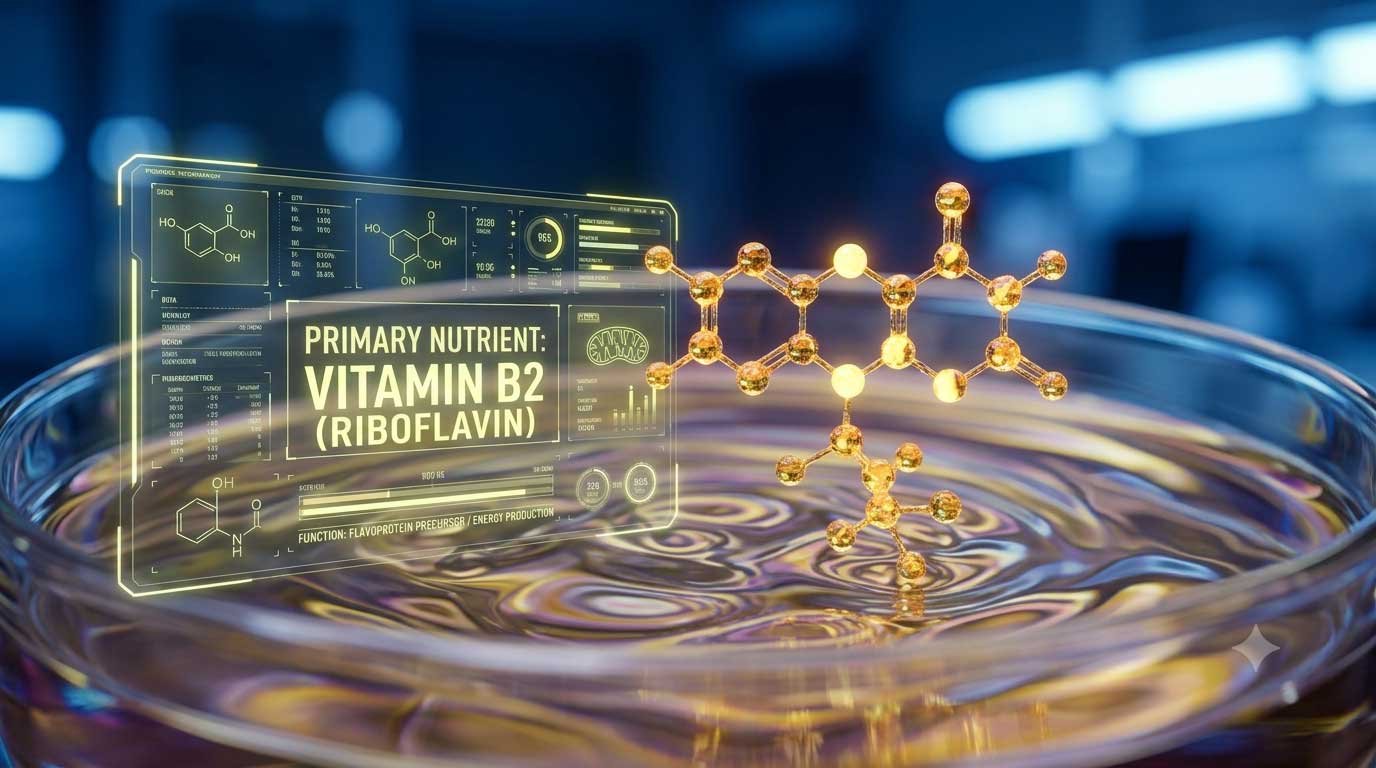
The Quiet Nutrient Working Behind the Scenes
Something is fascinating about nutrients that rarely receive much attention. Vitamin C gets credit for immunity. Vitamin D dominates conversations about bone health. Vitamin B12 is almost a household name because of its connection to energy. Yet Vitamin B2 quietly works behind the scenes every single day, keeping thousands of chemical reactions moving without asking for recognition.
That quiet role is exactly what makes Vitamin B2 so important.
Also known as riboflavin, Vitamin B2 belongs to the family of B complex vitamins. Unlike nutrients that perform one or two specialized functions, riboflavin seems to appear almost everywhere inside the body’s metabolic machinery. It helps transform the food you eat into usable energy. It supports natural antioxidant systems. It assists the metabolism of several other vitamins and minerals. Without enough Vitamin B2, many of these processes simply become less efficient.

Table of Contents


The interesting part is that people rarely notice this happening. A healthy body is remarkably good at hiding small nutritional gaps for a while. You might feel a little more tired than usual, notice that your skin seems different, or wonder why recovery from daily demands feels slower. Those signs can have many causes, of course, but they illustrate an important point. Nutrition often works gradually. Deficiencies rarely announce themselves overnight.
One reason Vitamin B2 receives less attention than other vitamins is that it is not stored in large quantities. Because it is water soluble, the body keeps only modest reserves and relies on a steady dietary supply. Whatever is not needed is largely excreted through urine. Think of it less like filling a fuel tank and more like maintaining a constant flow. Small interruptions may not matter today, but consistent intake matters over time.
Inside every cell, riboflavin is converted into two active compounds called flavin mononucleotide, or FMN, and flavin adenine dinucleotide, better known as FAD. These two coenzymes participate in hundreds of enzymatic reactions. While those names may sound technical, their purpose is surprisingly straightforward. They help enzymes perform work that would otherwise happen far too slowly or not at all.
One of their biggest responsibilities is energy production.
Every meal provides carbohydrates, fats, and proteins. These nutrients contain chemical energy, but that energy cannot be used directly. It must first pass through carefully coordinated metabolic pathways. Vitamin B2 helps many of those pathways function efficiently, allowing cells to generate the molecule known as ATP, which serves as the body’s immediate energy currency.
This explains why conversations about Vitamin B2 often include the word energy. The vitamin does not act like caffeine or a stimulant. It does not suddenly make someone feel energized after taking a supplement. Instead, it supports the normal biological systems that allow food to become energy in the first place. That is a much quieter role, but arguably a more fundamental one.
Another reason Vitamin B2 deserves attention is its close relationship with antioxidants. Everyday life exposes the body to molecules known as free radicals. Normal metabolism creates them naturally, while pollution, smoking, excessive sunlight, and intense physical activity can increase their production. Free radicals themselves are not always harmful. Problems arise when they accumulate faster than the body’s defense systems can manage them.
This is where riboflavin becomes especially interesting. Vitamin B2 helps maintain glutathione, one of the body’s most important natural antioxidants. Rather than acting as an antioxidant by itself, riboflavin supports the recycling process that keeps glutathione available when cells need it. It is a reminder that nutrients often work as part of larger teams instead of acting alone.
That teamwork extends throughout nutrition. Vitamin B2 helps activate vitamin B6 into its usable form. It contributes to folate metabolism. It influences iron utilization and supports numerous reactions involving other B vitamins. Looking at nutrition through this lens changes the conversation. Vitamins are less like isolated ingredients and more like members of an orchestra. When one section struggles, the performance of the entire group can become less harmonious.
Modern diets have made severe Vitamin B2 deficiency relatively uncommon in many developed countries because milk, cereals, and several staple foods provide reasonable amounts. Even so, marginal intake still occurs. Restrictive eating patterns, certain medical conditions, alcohol misuse, aging, and increased physiological demands can all reduce riboflavin status or increase requirements. Since symptoms often develop gradually, they may be overlooked or attributed to entirely different causes.
Another misconception is that more is always better. Nutrition rarely works that way. Once the body’s needs for Vitamin B2 are met, taking increasingly larger amounts generally offers little additional benefit for healthy individuals. This reflects an important principle that applies to many vitamins. Adequacy supports normal physiology. Excess does not automatically translate into superior performance.
Perhaps the biggest lesson from Vitamin B2 is that good health depends on countless invisible processes happening every second. Every heartbeat, every muscle contraction, every thought, and every breath depends on chemical reactions that most of us never notice. Riboflavin helps keep many of those reactions running smoothly, quietly supporting the body’s ability to produce energy, maintain antioxidant defenses, and coordinate metabolism.
It may never become the most talked-about nutrient, and perhaps that is fitting. Some of the most essential contributors are the ones working silently in the background. Vitamin B2 is a perfect example. It rarely demands attention, yet it helps make almost every day possible, one cell at a time.
Key Health Benefits of Vitamin B2
Vitamin B2 is one of those nutrients that rarely steals the spotlight, yet its influence reaches almost every cell in the body. Most people associate riboflavin with energy, and while that connection is certainly accurate, it only tells part of the story. Vitamin B2 participates in hundreds of enzymatic reactions that affect metabolism, antioxidant defenses, tissue maintenance, and the function of several other essential nutrients.
What makes Vitamin B2 particularly interesting is that many of its benefits are indirect. It does not work like a drug that targets a single process. Instead, it supports the biochemical systems that allow the body to function normally. The healthier those systems are, the better equipped the body is to meet the demands of everyday life.
Supporting Cellular Energy Production
When people hear that Vitamin B2 supports energy, it is easy to imagine an instant boost after taking a supplement. Biology is much less dramatic than that.
Every bite of food contains stored chemical energy. Before muscles can contract, nerves can fire, or organs can perform their work, that energy must be extracted through a series of highly coordinated metabolic reactions. Vitamin B2 plays a central role in this process by serving as the precursor of the coenzymes flavin mononucleotide (FMN) and flavin adenine dinucleotide (FAD).
These coenzymes help enzymes perform reactions involved in:
- Carbohydrate metabolism
- Fat metabolism
- Protein metabolism
- ATP production inside mitochondria
Mitochondria are often described as the power plants of the cell, and while the comparison is simplified, it captures the basic idea. They convert nutrients into ATP, the molecule that supplies immediate energy for nearly every biological process.
Without adequate Vitamin B2, these pathways become less efficient. That does not necessarily mean someone suddenly feels exhausted, but over time reduced efficiency can affect normal cellular function.
It is also worth remembering that energy metabolism never stops. Whether you are exercising, sleeping, reading, or simply breathing, your cells constantly produce ATP. Vitamin B2 quietly supports this process around the clock.
Antioxidant Protection and Oxidative Balance
Another major strength of Vitamin B2 lies in its relationship with the body’s antioxidant systems.
Normal metabolism naturally produces free radicals. Environmental pollution, cigarette smoke, ultraviolet radiation, and strenuous physical activity can increase their production even further. These highly reactive molecules are a normal part of life, but when they accumulate faster than the body can neutralize them, oxidative stress develops.
Oxidative stress has become one of the most widely studied biological processes because it influences cellular aging and tissue function throughout the body.
This is where riboflavin plays an important supporting role.
Vitamin B2 helps maintain the activity of glutathione reductase, an enzyme responsible for regenerating glutathione. Glutathione is widely regarded as one of the body’s most important endogenous antioxidants because it helps neutralize reactive oxygen species before they damage cellular structures.
Rather than acting as an antioxidant itself, Vitamin B2 helps keep the antioxidant system functioning efficiently.
Think of it like a maintenance technician rather than the firefighter. The technician keeps the equipment working properly so it is ready whenever it is needed.
Research continues to investigate the broader relationship between riboflavin, oxidative balance, and long term health, but its role in maintaining normal antioxidant function is already well established.
Nervous System and Cognitive Function
The human brain consumes an enormous amount of energy relative to its size. Although it represents only a small percentage of total body weight, it requires a continuous supply of oxygen and nutrients to function normally.
Since Vitamin B2 supports cellular energy production, it naturally contributes to the maintenance of nervous system function.
Its role extends beyond energy alone.
Riboflavin participates in reactions involved in the metabolism of several neurotransmitters and contributes to the activation of vitamin B6, another nutrient essential for healthy nervous system activity. Through these interconnected pathways, Vitamin B2 helps maintain the normal communication between nerve cells.
Researchers have also explored the relationship between riboflavin and migraine prevention. Several clinical studies suggest that higher supplemental doses may reduce migraine frequency in some individuals. While the evidence is encouraging, this area continues to be studied, and supplementation should always be discussed with a qualified healthcare professional when migraines are a concern.
Many people assume cognitive performance depends on a single “brain vitamin.” Reality is far more complex.
Healthy brain function depends on an entire network of nutrients working together. Vitamin B2 represents one important piece of that larger nutritional puzzle.
Eye, Skin, and Tissue Health
Some of the earliest signs of inadequate Vitamin B2 intake often appear in tissues that renew themselves quickly.
These include:
- The skin
- The lips
- The tongue
- The lining of the mouth
- The eyes
Rapidly dividing cells require continuous energy and efficient metabolism, making them especially sensitive to insufficient riboflavin intake over extended periods.
Vitamin B2 contributes to maintaining healthy skin and mucous membranes by supporting normal cellular growth and repair. Although it is not a cosmetic nutrient, healthy nutritional status provides the foundation upon which healthy tissues are maintained.
The eyes also benefit from adequate riboflavin.
The lens is constantly exposed to light and oxygen, conditions that naturally generate oxidative stress. Because Vitamin B2 supports glutathione recycling, researchers have long examined its potential contribution to maintaining normal eye health. Current evidence supports its importance as one component of an overall healthy dietary pattern rather than as a standalone solution.
These examples highlight an important lesson about nutrition.
Healthy tissues are rarely built by one nutrient alone. Instead, they depend on dozens of vitamins, minerals, proteins, and healthy lifestyle habits working together over many years.
Nutrient Synergy and Metabolic Support
Perhaps the most overlooked benefit of Vitamin B2 is how much it helps other nutrients perform their own jobs.
Nutrition is often presented as a collection of individual vitamins, each with a separate purpose. In reality, metabolism resembles an interconnected web where one nutrient frequently depends on another.
Vitamin B2 contributes to several important interactions.
It supports the activation and metabolism of:
- Vitamin B6
- Folate
- Niacin
- Iron
These relationships have practical importance.
For example, iron may be present in adequate amounts, yet normal iron metabolism still depends on multiple supporting nutrients. Likewise, vitamin B6 must be converted into its active form before the body can fully utilize it, and riboflavin helps make that conversion possible.
This interconnected nature explains why nutritional deficiencies sometimes overlap. A diet lacking overall quality often reduces the intake of several nutrients simultaneously, making it difficult to isolate the effects of only one vitamin.
Vitamin B2 also participates in amino acid metabolism, fatty acid oxidation, cellular signaling, and numerous oxidation reduction reactions throughout the body. Scientists continue discovering additional pathways where flavin dependent enzymes contribute to normal physiology.
The more researchers study metabolism, the clearer one fact becomes.
Health is rarely built on a single nutrient, superfood, or supplement. It emerges from thousands of coordinated biochemical reactions taking place every second. Vitamin B2 may not receive the same public attention as some other vitamins, but it remains an indispensable participant in many of those reactions.
Its support for energy production, antioxidant defenses, nervous system function, healthy tissues, and nutrient metabolism illustrates why riboflavin deserves a place among the essential vitamins that quietly keep the human body functioning day after day.

Dietary Sources of Vitamin B2
Unlike some nutrients that require careful planning to obtain, Vitamin B2 is found in a surprisingly wide range of foods. The challenge is not usually finding riboflavin in the food supply. The real challenge is maintaining a consistently varied diet that provides enough of it day after day.
Because Vitamin B2 is water soluble and the body stores only relatively small amounts, regular intake matters more than occasional large doses. A balanced eating pattern generally supplies enough riboflavin for most healthy adults, while restrictive diets or poor food choices can gradually reduce intake over time.
The good news is that obtaining Vitamin B2 through food is usually straightforward. A mix of animal based foods, fortified products, and selected plant foods can easily meet daily requirements without making meals feel restrictive or repetitive.
Naturally Rich Food Sources
Nature provides plenty of excellent sources of Vitamin B2. Some contain exceptionally high concentrations, while others contribute smaller but meaningful amounts that add up across the day.
Among the richest natural sources are organ meats, particularly liver. Although liver is less popular today than it once was, it remains one of the most nutrient dense foods available, supplying generous amounts of riboflavin along with several other essential vitamins and minerals.
Dairy products are another major contributor in many countries. Milk, yogurt, and cheese provide Vitamin B2 in forms that are readily absorbed, making them dependable sources for people who consume dairy regularly.
Eggs also deserve mention. While they are not the single richest source, they contribute meaningful amounts of riboflavin alongside high quality protein, healthy fats, choline, and other nutrients.
Fish and lean meats further expand the list of reliable options.
Foods naturally rich in Vitamin B2 include:
- Beef liver
- Chicken liver
- Milk
- Yogurt
- Cheese
- Eggs
- Lean beef
- Pork
- Chicken
- Salmon
- Trout
Plant foods contain riboflavin as well, although concentrations are often lower than those found in animal products.
Some valuable plant sources include:
Whole grains also contribute modest amounts of Vitamin B2, especially when they undergo minimal processing.
For individuals following vegetarian diets, combining dairy products, eggs, legumes, nuts, and green vegetables usually provides sufficient riboflavin. Vegans can also meet their needs, although they may need to pay closer attention to food choices because many of the richest natural sources come from animal products.
Fortified Foods and Modern Diets
One reason severe Vitamin B2 deficiency has become relatively uncommon in many developed countries is food fortification.
Beginning in the twentieth century, governments introduced enrichment programs for refined grains to help replace nutrients lost during milling. Riboflavin became one of the standard vitamins added back into flour, bread, breakfast cereals, and pasta in many regions.
These programs significantly improved population intake.
Today, fortified foods continue to provide meaningful amounts of Vitamin B2, particularly for people whose diets include refined grain products.
Common fortified foods include:
- Breakfast cereals
- White flour
- Bread
- Pasta
- Some plant based milk alternatives
- Nutritional meal replacement products
Fortification has undeniable public health benefits, but it also highlights an interesting nutritional paradox.
Many fortified foods are highly processed. While they may supply essential vitamins, they often contain added sugars, excess sodium, or refined carbohydrates. Relying exclusively on fortified products can therefore meet certain nutrient requirements while falling short in overall dietary quality.
The better approach is to view fortified foods as helpful contributors rather than primary nutritional foundations.
Whole foods remain the preferred source because they provide fiber, protein, healthy fats, minerals, and countless bioactive compounds that work together within a balanced diet.
Factors That Influence Riboflavin Content
Finding foods that contain Vitamin B2 is only part of the story. How foods are stored, prepared, and processed can influence how much riboflavin ultimately reaches your plate.
One of riboflavin’s most unusual characteristics is its sensitivity to light.
Exposure to sunlight or strong artificial light gradually breaks down Vitamin B2. This explains why milk is commonly packaged in opaque containers rather than clear glass. Studies have shown that prolonged light exposure can substantially reduce riboflavin content.
Heat presents a different picture.
Unlike some vitamins that are highly unstable during cooking, riboflavin is relatively heat stable. Ordinary cooking methods such as baking, roasting, or steaming generally preserve much of the vitamin.
However, because Vitamin B2 dissolves in water, boiling foods for extended periods may lead to some losses if the cooking liquid is discarded.
Several practical habits can help preserve riboflavin:
- Store milk away from direct sunlight.
- Avoid unnecessary prolonged soaking of vegetables.
- Steam or microwave vegetables instead of excessive boiling.
- Use cooking liquids in soups or sauces when appropriate.
- Eat a varied diet rather than depending on a single food source.
Food processing also influences Vitamin B2 levels.
Refining grains removes portions of the kernel that naturally contain many B vitamins. While enrichment programs replace some of these nutrients, whole grains generally retain a broader range of naturally occurring compounds.
Freshness plays a role as well, although not to the extent that marketing sometimes suggests. Most refrigerated dairy products and properly stored foods maintain useful riboflavin levels throughout their normal shelf life.
Building a Riboflavin Rich Eating Pattern
The easiest way to maintain adequate Vitamin B2 intake is not by memorizing nutrient tables. It is by developing eating habits that naturally include a wide variety of nutrient dense foods.
Instead of asking whether one particular meal contains enough riboflavin, it is more helpful to consider the overall pattern of the week.
A simple day might include:
Breakfast: Greek yogurt with almonds and fresh fruit.
Lunch: Grilled chicken with brown rice and steamed broccoli.
Snack: A glass of milk or fortified plant beverage with whole grain crackers.
Dinner: Baked salmon served with mushrooms, spinach, and roasted vegetables.
No single meal provides everything the body needs. Together, however, they create a nutritional pattern that comfortably supplies Vitamin B2 along with many other essential nutrients.
For people who avoid dairy, thoughtful substitutions become important. Fortified plant beverages, legumes, nuts, seeds, mushrooms, leafy greens, and whole grains can all contribute meaningful amounts of riboflavin when eaten regularly.
Another practical principle is dietary diversity.
People sometimes search for the single “best” food source of Vitamin B2, but nutrition rarely rewards that mindset. Eating liver once every few months while ignoring the rest of the diet is less effective than consistently consuming a variety of riboflavin containing foods throughout the week.
The same principle applies to supplements. Most healthy adults who consume a balanced diet obtain sufficient Vitamin B2 without additional supplementation. Supplements may be appropriate in specific situations, but they should complement healthy eating rather than replace it.
In many ways, Vitamin B2 reflects a broader truth about nutrition. Long term health is usually built through ordinary daily habits rather than extraordinary dietary strategies. A glass of milk, a serving of yogurt, a handful of almonds, some mushrooms with dinner, or a bowl of fortified cereal may seem unremarkable on their own. Repeated consistently, those choices quietly provide the riboflavin your body depends on every day.
Dosage, Daily Needs, and Deficiency Concerns
One of the most common questions people ask about Vitamin B2 is surprisingly simple: “How much do I actually need?”
The answer is encouraging. Compared with many nutrients, the body’s daily requirement for riboflavin is relatively small. At the same time, those modest amounts support hundreds of biochemical reactions that influence energy production, antioxidant defenses, and normal metabolism.
Vitamin B2 illustrates an important lesson about nutrition. A nutrient does not have to be required in large quantities to be essential. Sometimes a few milligrams each day are enough to keep countless cellular processes running efficiently.
For most healthy adults who eat a varied diet, meeting these needs is not especially difficult. Understanding the recommended intake, however, helps explain why consistent dietary habits matter much more than occasional supplementation.
Recommended Daily Intake
Health organizations around the world have established daily intake recommendations based on age, sex, and physiological needs.
According to current Dietary Reference Intakes, the Recommended Dietary Allowance (RDA) for Vitamin B2 is:
- Infants 0 to 6 months: 0.3 mg per day (Adequate Intake)
- Infants 7 to 12 months: 0.4 mg per day (Adequate Intake)
- Children 1 to 3 years: 0.5 mg per day
- Children 4 to 8 years: 0.6 mg per day
- Children 9 to 13 years: 0.9 mg per day
- Males 14 years and older: 1.3 mg per day
- Females 14 to 18 years: 1.0 mg per day
- Adult women: 1.1 mg per day
- Pregnancy: 1.4 mg per day
- Breastfeeding: 1.6 mg per day
These numbers may appear surprisingly small. In fact, a single serving of dairy products or a bowl of fortified breakfast cereal can provide a substantial portion of the daily requirement.
The increased recommendations during pregnancy and breastfeeding reflect the additional metabolic demands associated with supporting fetal growth and milk production. Even though the increase is modest, maintaining adequate intake becomes especially important during these life stages.
Unlike fat soluble vitamins, Vitamin B2 is not stored extensively. Daily intake therefore matters more than trying to consume large amounts occasionally.
How the Body Absorbs and Uses Vitamin B2
The journey of Vitamin B2 begins in the small intestine.
Most riboflavin from food is absorbed in the upper portion of the digestive tract through specialized transport proteins. Under normal circumstances, absorption is quite efficient when intake falls within typical dietary ranges.
However, there is an interesting limitation.
The body’s absorption system becomes less efficient as intake from a single dose increases. In other words, consuming moderate amounts throughout the day generally results in better utilization than taking an extremely large amount all at once.
Once absorbed, riboflavin travels through the bloodstream to various tissues, where it is converted into its two biologically active forms:
- Flavin mononucleotide (FMN)
- Flavin adenine dinucleotide (FAD)
These coenzymes participate in hundreds of metabolic reactions involving:
- Energy production
- Fat metabolism
- Protein metabolism
- Carbohydrate utilization
- Antioxidant defense
- Cellular growth
The liver contains some stored riboflavin, but total body reserves remain relatively limited. When intake consistently exceeds immediate needs, excess Vitamin B2 is excreted through urine.
Many people notice bright yellow urine after taking a B complex supplement. While it can look alarming the first time, this simply reflects excess riboflavin leaving the body and is generally considered harmless.
Recognizing Signs of Inadequate Intake
Severe Vitamin B2 deficiency is relatively uncommon in countries where food supplies are diverse and grain enrichment programs exist. Mild or marginal deficiency, however, may occur more frequently than many people realize.
One reason it can be difficult to recognize is that the symptoms develop gradually and often resemble those of other nutritional deficiencies.
Classic signs associated with inadequate riboflavin intake include:
- Cracks at the corners of the mouth
- Sore or swollen tongue
- Dry lips
- Mouth inflammation
- Skin irritation
- Fatigue
- Eye discomfort
- Increased sensitivity to light
The medical term ariboflavinosis describes clinical riboflavin deficiency.
Even then, Vitamin B2 deficiency rarely occurs completely on its own. People with poor overall dietary quality often consume inadequate amounts of several B vitamins simultaneously, making it difficult to attribute symptoms to a single nutrient.
Because Vitamin B2 contributes to iron metabolism, prolonged inadequate intake may also influence normal iron utilization, although iron deficiency has many possible causes that require proper evaluation.
Symptoms should never be used to diagnose deficiency independently. Similar signs may result from numerous unrelated medical conditions.
Populations with Increased Requirements
Although most healthy adults meet their Vitamin B2 needs through food, some groups deserve closer attention.
Pregnant and breastfeeding women have higher physiological requirements because of increased metabolic activity and the nutritional demands of supporting infant development.
Older adults may also face challenges. Appetite often declines with age, dietary variety sometimes decreases, and chronic medical conditions or medications may influence nutritional status.
People following highly restrictive diets can have lower riboflavin intake, particularly when animal products and fortified foods are excluded without thoughtful meal planning.
Other groups that may require increased attention include:
- Individuals with chronic alcohol misuse
- People with malabsorption disorders
- Individuals with certain endocrine disorders
- People with prolonged inadequate calorie intake
- Some competitive athletes with very high energy expenditure
Athletes represent an interesting example. Physical activity increases energy metabolism, which may modestly increase the need for several B vitamins. Most athletes consuming enough calories from a balanced diet still meet their riboflavin requirements without supplementation, but restrictive eating patterns can increase nutritional risk.
Lifestyle choices matter as much as biology.
Someone eating a varied diet rich in dairy products, lean proteins, vegetables, legumes, and fortified grains is unlikely to experience inadequate Vitamin B2 intake. In contrast, highly processed diets lacking nutritional diversity gradually increase the likelihood of multiple nutrient gaps.
Assessing Vitamin B2 Status
Determining whether someone has adequate Vitamin B2 status is not always straightforward.
Dietary assessment often provides the first clue. Healthcare professionals may evaluate food intake, medical history, medication use, and lifestyle factors to estimate whether riboflavin consumption is likely to meet current recommendations.
Researchers frequently use a laboratory measurement known as the erythrocyte glutathione reductase activation coefficient, commonly abbreviated as EGRAC.
Although the name sounds intimidating, the concept is relatively simple.
Because glutathione reductase requires Vitamin B2 to function normally, measuring how the enzyme responds when additional riboflavin is added in the laboratory provides an indirect estimate of the body’s riboflavin status.
Urinary riboflavin excretion may also be measured in research settings because low urinary levels can indicate insufficient intake.
In everyday clinical practice, however, laboratory testing is rarely necessary for healthy individuals. Assessment usually relies on dietary history, overall nutritional status, medical evaluation, and the presence of risk factors rather than routine blood tests.
Perhaps the most practical takeaway is this: maintaining adequate Vitamin B2 status is generally less about chasing precise numbers and more about consistently eating a balanced diet. Because riboflavin is widely distributed across many nutritious foods, regular consumption of dairy products or fortified alternatives, lean proteins, legumes, vegetables, nuts, and whole grains usually provides everything the body requires. Small daily habits, repeated over months and years, remain far more valuable than occasional bursts of nutritional perfection.
Toxicity, Safety, and Potential Risks
Vitamin B2 has a reputation that is unusual in nutrition science. While many vitamins require careful balancing to avoid toxicity, riboflavin stands out for its exceptionally strong safety profile. This does not mean it is irrelevant in high amounts, but rather that the human body handles excess intake in a highly efficient and predictable way.
Understanding why this is the case helps clarify both the safety of Vitamin B2 and the realistic expectations around supplementation.
Why Vitamin B2 Has a Strong Safety Profile
Vitamin B2 is a water soluble vitamin. This single property explains much of its safety behavior in the body.
Unlike fat soluble vitamins, which can accumulate in tissues over time, water soluble vitamins are not stored in large quantities. The body absorbs what it needs, converts riboflavin into its active coenzyme forms, and excretes the remainder through urine.
This constant turnover creates a built in safety mechanism.
Even when intake is higher than immediate requirements, excess Vitamin B2 is efficiently removed rather than stored. As a result, the risk of accumulation reaching toxic levels is extremely low in healthy individuals with normal kidney function.
Major health organizations, including the Institute of Medicine and the European Food Safety Authority, have not established a tolerable upper intake level for riboflavin. This does not mean unlimited intake is beneficial. It reflects the absence of evidence showing harmful effects at high consumption levels in humans under normal conditions.
In practical terms, Vitamin B2 is considered one of the safest vitamins available.
Understanding High Intake Levels
Although no official upper limit has been defined, riboflavin is still consumed in varying amounts through food and supplements.
Typical dietary intake from food ranges from roughly 1 to 2 milligrams per day in adults, depending on dietary patterns. Supplementation can increase intake substantially, sometimes reaching doses of 10 milligrams, 50 milligrams, or even higher in specific research or clinical contexts.
One well known example comes from migraine research, where riboflavin has been studied at doses around 400 milligrams per day. These studies have generally reported good tolerability in participants, although results focus on potential efficacy rather than safety outcomes alone.
Even at these higher supplemental levels, available research has not demonstrated consistent toxic effects in healthy individuals.
However, the absence of clear toxicity does not automatically imply that higher doses are necessary or more effective for general health. The body has a limited capacity to absorb riboflavin at once, and excess is rapidly excreted.
This means that beyond basic physiological needs, increasing intake does not necessarily translate into proportionally greater biological benefit.
It also highlights an important principle in nutrition: more is not always more useful, especially for water soluble vitamins that rely on saturation and transport mechanisms.
Possible Side Effects and Practical Considerations
Although Vitamin B2 is considered safe, a few mild effects are sometimes associated with higher intake levels, particularly from supplements rather than food.
The most commonly observed effect is a noticeable change in urine color. Riboflavin naturally has a bright yellow pigment, and when consumed in amounts beyond what the body can immediately utilize, it is excreted unchanged. This can result in intensely yellow or fluorescent colored urine.
This effect is harmless but often surprises people who are not expecting it.
Other reported effects at very high supplemental doses are uncommon but may include mild gastrointestinal discomfort, such as:
- Nausea
- Loose stools
- Mild digestive upset
These effects are not consistently observed across studies and tend to be rare even at high intakes. When they do occur, they are generally mild and reversible upon dose adjustment.
Because riboflavin is water soluble, the body does not store excess amounts for long periods. This contributes to both its safety and the transient nature of any minor side effects.
It is also important to recognize that supplements often contain multiple ingredients. When side effects occur, they may not always be attributable to Vitamin B2 alone.
Medication Interactions and Special Circumstances
While Vitamin B2 itself is considered safe, certain medications and health conditions can influence riboflavin status or metabolism.
Some drugs have been shown to reduce riboflavin levels in the body or alter its utilization. These include:
- Tricyclic antidepressants
- Phenothiazines
- Probenecid
These interactions do not necessarily cause clinical deficiency in all cases, but they may influence how the body handles riboflavin over time, particularly with long term use.
In addition, alcohol consumption has been associated with reduced riboflavin absorption and altered metabolism, which may contribute to lower status in individuals with chronic alcohol use.
Oral contraceptives have also been studied in relation to B vitamin status, with some evidence suggesting changes in riboflavin levels in certain users. The clinical significance of these changes varies and may depend on overall dietary intake and individual health factors.
It is important to emphasize that these interactions are generally considered modest in healthy individuals consuming adequate diets. They become more relevant when multiple risk factors overlap, such as poor diet quality, chronic illness, and long term medication use.
People with kidney disorders or other conditions affecting nutrient excretion should also consider that nutrient handling may differ from the general population, although riboflavin remains well tolerated in most cases.
Separating Evidence from Supplement Marketing
Vitamin B2 is sometimes included in supplement products that make broad claims about energy, metabolism, or performance enhancement. These claims can easily lead to misunderstandings about what riboflavin actually does in the body.
From a scientific perspective, Vitamin B2 is essential for normal energy metabolism, but it does not act as a stimulant or direct energy booster in the way that caffeine or certain pharmacological compounds might.
If intake is already sufficient, adding large amounts of Vitamin B2 does not create additional energy beyond normal physiological function. Instead, it simply ensures that riboflavin dependent processes are not limited by deficiency.
This distinction is important.
Supplements can correct deficiencies, support dietary gaps, or meet increased needs under specific conditions. They do not typically enhance function beyond normal biological capacity when intake is already adequate.
Marketing language often blurs this line, presenting essential nutrients as performance enhancers rather than foundational metabolic components.
A more accurate way to understand Vitamin B2 is as a maintenance nutrient. It supports the systems that generate energy, manage oxidative stress, and maintain cellular function. When present in sufficient amounts, those systems operate normally. When absent or insufficient, efficiency declines.
This framing aligns more closely with current scientific understanding than narratives focused on exaggerated performance effects.
Overall, the safety profile of Vitamin B2 is among the most favorable of all vitamins. Its water soluble nature, efficient excretion, and lack of documented toxicity in healthy populations make it a nutrient with a wide margin of safety. At the same time, its benefits remain rooted in maintaining normal physiological processes rather than creating effects beyond what the body is naturally designed to perform.
Why Vitamin B2 Deserves More Attention
Vitamin B2 rarely gets the same attention as other nutrients that dominate health conversations. It does not have the public reputation of vitamin D, the popularity of vitamin C, or the commercial visibility of magnesium. Yet its role in human biology is foundational, and its influence runs through systems that affect energy, metabolism, and cellular stability every single day.
The irony is that the quieter a nutrient is, the more central its role often becomes. Vitamin B2 fits that pattern well. It does not create dramatic, short term effects. Instead, it supports the underlying machinery that keeps the body functioning in a steady, reliable way.
One of the most important reasons riboflavin deserves more attention is its involvement in energy metabolism. Every cell depends on continuous energy production to survive. This process is not optional or occasional. It is constant. Vitamin B2 helps enable this process by supporting the coenzymes that allow nutrients to be converted into usable energy. Without it, metabolic efficiency declines, even if food intake is adequate.
Another reason is its role in antioxidant systems. Modern life exposes the body to oxidative stress through normal metabolism, environmental factors, and lifestyle pressures. The body relies on internal defense systems to maintain balance. Vitamin B2 supports these systems indirectly by helping regenerate glutathione, one of the most important endogenous antioxidants. This connection is often overlooked, yet it reflects a deeper truth about nutrition. Protection at the cellular level often depends on support nutrients rather than only primary antioxidants.
Vitamin B2 also matters because of how it interacts with other nutrients. It does not function in isolation. It helps activate vitamin B6, supports folate metabolism, and contributes to iron utilization. These relationships highlight a key principle in nutritional science. Deficiencies are rarely single nutrient problems. They often reflect broader dietary patterns where multiple micronutrients are insufficient at the same time.
When looking at real world diets, this interconnectedness becomes even more relevant. Highly processed diets tend to be low in several B vitamins simultaneously. Restrictive diets can reduce intake of multiple nutrients at once. In contrast, varied diets that include dairy, eggs, legumes, vegetables, nuts, and whole grains tend to naturally support riboflavin intake alongside other essential vitamins and minerals.
Another important point is that Vitamin B2 deficiency can be subtle. Unlike conditions that produce immediate and obvious symptoms, riboflavin insufficiency may develop gradually. Early signs such as fatigue, skin changes, or mouth discomfort can be easily attributed to other causes. This makes awareness more important than most people realize. Nutritional gaps are often identified through patterns, not isolated symptoms.
Modern food systems also play a role in why riboflavin is often overlooked. Fortification programs have reduced the prevalence of severe deficiency in many regions. At the same time, this success may have reduced attention on dietary sources and individual nutritional awareness. When a nutrient becomes less visibly problematic, it tends to disappear from public conversation, even if it remains biologically essential.
There is also a broader misconception about vitamins in general. Many people still view them through a performance lens, expecting noticeable short term effects. Vitamin B2 does not fit this model. It does not act like a stimulant or a quick fix. Its role is closer to infrastructure maintenance than to enhancement. It ensures that existing metabolic processes continue to operate efficiently.
This distinction matters because it changes expectations. Nutrition is often most effective when it prevents inefficiency rather than when it produces dramatic change. A well functioning system does not always feel different. It simply works as expected.
Vitamin B2 deserves more attention because it represents this quiet category of nutrients that support everything without drawing attention to themselves. It is involved in energy production, antioxidant balance, nutrient activation, and cellular maintenance. These processes are not occasional. They define daily biological function.
In practical terms, most people do not need to obsess over riboflavin intake. The nutrient is widely available in common foods, and deficiency is uncommon in balanced diets. The more relevant takeaway is awareness. Understanding that Vitamin B2 is part of a larger metabolic network helps shift the focus away from isolated nutrients and toward overall dietary quality.
When viewed this way, riboflavin becomes less of a niche topic and more of a reminder. Health is built from many small, consistent inputs working together over time. Vitamin B2 is one of those inputs. It may not dominate headlines, but it quietly supports the systems that make everyday function possible.
Article Sources
At AncientHerbsWisdom, our content relies on reputable sources, including peer-reviewed studies, to substantiate the information presented in our articles. Our primary objective is to ensure our content is thoroughly fact-checked, maintaining a commitment to accuracy, reliability, and trustworthiness.
- Institute of Medicine (US) Standing Committee on the Scientific Evaluation of Dietary Reference Intakes. (1998). Dietary Reference Intakes for Thiamin, Riboflavin, Niacin, Vitamin B6, Folate, Vitamin B12, Pantothenic Acid, Biotin, and Choline. National Academies Press. https://www.ncbi.nlm.nih.gov/books/NBK114310/
- National Institutes of Health, Office of Dietary Supplements. (2025). Riboflavin Fact Sheet for Health Professionals. https://ods.od.nih.gov/factsheets/Riboflavin-HealthProfessional/
- World Health Organization. (2004). Vitamin and Mineral Requirements in Human Nutrition (2nd ed.). World Health Organization. https://iris.who.int/handle/10665/42716
- Powers, H. J. (2003). Riboflavin (vitamin B2) and health. The American Journal of Clinical Nutrition, 77(6), 1352–1360. https://doi.org/10.1093/ajcn/77.6.1352
- Powers, H. J. (1999). Riboflavin requirements of humans. The American Journal of Clinical Nutrition, 69(3), 498S–503S. https://doi.org/10.1093/ajcn/69.3.498S
- McCormick, D. B. (1989). Two interconnected B vitamins: Riboflavin and pyridoxine. Physiological Reviews, 69(4), 1170–1198. https://doi.org/10.1152/physrev.1989.69.4.1170
- Massey, V. (2000). The chemical and biological versatility of riboflavin. Biochemical Society Transactions, 28(4), 283–296. https://doi.org/10.1042/bst0280283
- Said, H. M., & Ross, A. C. (2020). Riboflavin. In Present Knowledge in Nutrition (11th ed.). Academic Press. https://doi.org/10.1016/B978-0-323-66162-1.00029-5
- Kennedy, D. O. (2016). B Vitamins and the Brain: Mechanisms, Dose and Efficacy. Nutrients, 8(2), 68. https://doi.org/10.3390/nu8020068
- Pinto, J. T., & Rivlin, R. S. (1987). Drugs that promote renal excretion of riboflavin. Drug Nutrition Interactions, 5(2), 143–151. https://pubmed.ncbi.nlm.nih.gov/3585478/
- European Food Safety Authority. (2017). Dietary reference values for riboflavin. EFSA Journal, 15(8), e04919. https://doi.org/10.2903/j.efsa.2017.4919
- Combs, G. F., & McClung, J. P. (2017). The Vitamins: Fundamental Aspects in Nutrition and Health (5th ed.). Academic Press. https://shop.elsevier.com/books/the-vitamins/combs/978-0-12-802965-7

- Phosphatidic Acid: Supporting Muscle Growth and Strength - July 31, 2026
- Ceramides: Supporting Healthy Skin From Within - July 31, 2026
- Synbiotics: Combining Prebiotics and Probiotics Together - July 31, 2026