

A Nutrient That Quietly Powers Everyday Health
Most people have heard of Vitamin C for immunity or Vitamin D for bones, but Vitamin B3 rarely gets the same attention. That is surprising because Vitamin B3 is involved in some of the most fundamental processes that keep the human body alive. Every heartbeat, every thought, every muscle contraction, and every skin cell that renews itself depends, in part, on this remarkable nutrient. It works quietly in the background, rarely making headlines, yet its influence reaches nearly every cell in the body.
Vitamin B3, better known as Niacin, belongs to the family of B complex vitamins. Like the other B vitamins, it is water soluble, meaning the body does not store large amounts for long periods. A consistent dietary intake is therefore important. Fortunately, Vitamin B3 is naturally present in a wide range of foods, and the body can even produce small amounts from the amino acid tryptophan. That combination makes severe deficiency uncommon in many parts of the world, but it does not make the nutrient any less essential.
One of the easiest ways to appreciate the importance of Vitamin B3 is to imagine what would happen without it. Every bite of food you eat contains potential energy, but potential alone is not enough. Your body needs a way to unlock that energy and transform it into something your cells can actually use. That transformation happens through an enormous network of chemical reactions, many of which rely on compounds derived directly from Vitamin B3.

Table of Contents
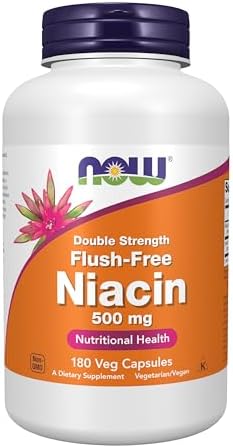


Scientists have known about this role for decades, yet many people still think of Niacin as simply another vitamin on the nutrition label. In reality, Vitamin B3 contributes to the formation of two of the body’s most important coenzymes, nicotinamide adenine dinucleotide (NAD) and nicotinamide adenine dinucleotide phosphate (NADP). These molecules participate in hundreds of biochemical reactions, helping convert carbohydrates, fats, and proteins into usable cellular energy. They also contribute to DNA repair, antioxidant defense, cellular communication, and countless metabolic pathways that often go unnoticed until something goes wrong.
That broad influence explains why Vitamin B3 affects so many aspects of health at once. It helps support normal energy metabolism, contributes to healthy skin, assists nervous system function, and plays a role in maintaining the digestive system. Rather than acting in one isolated organ, Vitamin B3 serves as part of the body’s operating system, quietly supporting processes that happen every second of every day.
The connection between Vitamin B3 and skin is particularly interesting. Healthy skin is constantly renewing itself. Old cells are shed while new ones replace them, creating a protective barrier against the outside world. This renewal demands a steady supply of energy and nutrients, including Niacin. It is no coincidence that niacinamide, one of the forms of Vitamin B3, has become one of the most widely studied ingredients in modern skincare. While topical products work directly on the skin’s surface, dietary Vitamin B3 provides the nutritional foundation that allows skin cells throughout the body to function normally.
Energy is another area where Vitamin B3 often attracts attention, although it is sometimes misunderstood. People frequently associate vitamins with a quick boost, almost like drinking a cup of coffee. That is not how Vitamin B3 works. It does not stimulate the body or create energy out of nowhere. Instead, it enables the body to efficiently extract energy from the foods you already eat. If your intake is adequate, your cells can carry out their metabolic work as intended. If intake becomes insufficient over time, those energy producing systems begin to lose efficiency.
That distinction matters because it separates nutritional science from marketing claims. Many supplements promise dramatic improvements in energy, endurance, or vitality simply because they contain large amounts of Vitamin B3. For most healthy individuals who already consume enough Niacin through their diet, taking more does not automatically translate into feeling more energetic. Vitamins help correct deficiencies and support normal physiology. They are not substitutes for adequate sleep, balanced nutrition, regular physical activity, or overall healthy habits.
Another fascinating aspect of Vitamin B3 is how interconnected it is with the rest of human nutrition. It works alongside other B vitamins during metabolism, depends partly on adequate protein intake because of its relationship with tryptophan, and supports countless enzymes that require multiple nutrients to function efficiently. Nutrition rarely works in isolation. Instead, it resembles a carefully coordinated network where each vitamin contributes to a larger system. Vitamin B3 is one of the key players in that network.
History also reminds us how essential this nutrient truly is. Before scientists understood the role of vitamins, communities around the world experienced outbreaks of a disease called pellagra, caused primarily by severe Vitamin B3 deficiency. The condition became known for its characteristic combination of dermatitis, diarrhea, and dementia. In many cases, the disease developed not because food was scarce, but because diets lacked enough diversity to provide sufficient Niacin or tryptophan. The discovery of Vitamin B3 transformed public health by showing that seemingly mysterious illnesses could often be prevented through better nutrition.
Today, outright deficiency is much less common in countries where foods are fortified and diets are generally more varied. Even so, Vitamin B3 remains highly relevant. Researchers continue to investigate its role in healthy aging, cellular repair, metabolism, and neurological function. Some newer forms of Vitamin B3 have attracted considerable scientific interest because they influence the body’s NAD levels, although many questions remain about their long term health implications and practical benefits outside research settings.
Perhaps the most remarkable thing about Vitamin B3 is that most people rarely notice it working. You do not feel your cells producing ATP, repairing DNA, or renewing your skin barrier. These processes happen silently, hour after hour, whether you are exercising, working, sleeping, or simply reading this article. That quiet reliability is exactly what makes Vitamin B3 so valuable. It is less about delivering dramatic, immediate effects and more about sustaining the countless biological functions that allow the body to perform at its best, every single day.
Why Vitamin B3 Matters More Than Most People Realize
Vitamin B3 is one of those nutrients that quietly sits in the background while more popular vitamins steal the spotlight. Yet when scientists map the countless chemical reactions taking place inside the human body, Niacin appears again and again. It helps transform food into usable energy, supports the renewal of skin cells, contributes to nervous system function, and plays a role in maintaining the integrity of DNA. Remove enough Vitamin B3 from the equation, and the body’s finely tuned machinery begins to lose efficiency.
Perhaps the biggest misconception is that Vitamin B3 has one primary purpose. In reality, it is involved in hundreds of metabolic reactions that touch nearly every organ. It acts less like a specialist and more like an essential member of every department. That broad responsibility explains why the symptoms of deficiency can affect multiple body systems at once rather than producing a single obvious problem.
What Is Vitamin B3 and How Does It Work?
Vitamin B3 refers to a group of compounds collectively known as Niacin. The two primary nutritional forms are nicotinic acid and nicotinamide, often called niacinamide. Both satisfy the body’s nutritional requirement for Vitamin B3, although they differ in some of their biological effects and medical applications.
In recent years, two additional forms have received growing attention in scientific research: nicotinamide riboside (NR) and nicotinamide mononucleotide (NMN). These compounds are considered precursors to nicotinamide adenine dinucleotide, commonly abbreviated as NAD. Researchers are actively studying whether increasing NAD levels through supplementation may influence healthy aging and cellular function. The field is evolving rapidly, but much of the research remains preliminary, and many questions about long term clinical benefits have yet to be answered.
To understand why Vitamin B3 is so important, it helps to look at what happens after you consume it. Once absorbed, the body converts Niacin into two coenzymes known as NAD and NADP. These molecules are indispensable because they assist enzymes that carry out oxidation and reduction reactions, often called redox reactions. Those reactions allow cells to release energy from nutrients, manufacture essential molecules, repair damaged DNA, and defend themselves against oxidative stress.
Scientists estimate that NAD and NADP participate in hundreds of enzymatic reactions throughout the body. Rather than serving as structural components, they function more like molecular assistants, helping enzymes perform their tasks efficiently. Without adequate Vitamin B3, these systems cannot operate at full capacity.
One interesting detail is that the body has a backup system. If dietary Niacin intake is insufficient, it can convert the amino acid tryptophan into Vitamin B3. This conversion is not especially efficient, requiring approximately 60 milligrams of dietary tryptophan to produce the equivalent of one milligram of Niacin. It also depends on adequate amounts of several other nutrients, including Vitamin B2, Vitamin B6, and iron. This illustrates a recurring theme in nutrition: nutrients rarely work alone.
The Central Role of Vitamin B3 in Energy Production
If there is one function that defines Vitamin B3, it is energy metabolism.
Every time you eat, your digestive system breaks carbohydrates into glucose, fats into fatty acids, and proteins into amino acids. These smaller molecules still cannot power your muscles, brain, or organs directly. They first need to pass through a series of biochemical pathways that gradually extract their stored energy.
Vitamin B3 plays a central role in this process because NAD serves as one of the primary electron carriers in cellular metabolism. During glycolysis, the citric acid cycle, and oxidative phosphorylation, NAD repeatedly accepts and donates electrons, allowing energy to flow through the metabolic system. This process ultimately leads to the production of adenosine triphosphate, or ATP, which acts as the body’s immediate energy currency.
It is remarkable to think about how often this happens. Every second, trillions of cells are producing ATP, and Vitamin B3 derived coenzymes are involved in much of that activity.
The organs with the greatest energy demands often depend most heavily on these pathways, including:
- The brain, which consumes a substantial share of the body’s daily energy.
- The heart, which contracts continuously throughout life.
- Skeletal muscles during movement and exercise.
- The liver, where countless metabolic reactions occur around the clock.
- The kidneys, which continuously filter blood and regulate fluid balance.
Because Vitamin B3 supports normal energy metabolism rather than stimulating it, people sometimes misunderstand its role. Adequate intake allows these metabolic systems to function efficiently, but consuming large amounts above nutritional requirements does not force healthy cells to produce unlimited energy.
This distinction becomes especially important when evaluating supplements marketed for instant vitality or athletic performance. The body benefits from sufficient Vitamin B3 because deficiency disrupts metabolism. Once nutritional needs are met, additional intake generally produces diminishing returns for healthy individuals.
Supporting Healthy Skin from Within
The relationship between Vitamin B3 and skin health has attracted increasing attention over the past two decades, particularly with the growing popularity of niacinamide based skincare products. While these topical products have earned their place in dermatology, they sometimes overshadow an equally important fact: healthy skin begins with adequate nutrition.
The skin is the body’s largest organ, and it is constantly renewing itself. Millions of skin cells are produced, mature, and are eventually replaced every single day. This process requires continuous energy production and efficient cellular metabolism, making Vitamin B3 an important nutritional contributor.
Adequate Vitamin B3 intake supports normal skin function by helping maintain healthy cell turnover and supporting the integrity of the skin barrier. The barrier acts as the body’s first line of defense against environmental stressors while helping reduce excessive water loss.
Healthy skin depends on many nutrients working together, including:
- Vitamin B3 for cellular metabolism and energy production.
- Vitamin A for normal skin cell differentiation.
- Vitamin C for collagen synthesis.
- Vitamin E for antioxidant protection.
- Zinc for wound healing and immune function.
- Essential fatty acids for maintaining barrier integrity.
No single vitamin can produce healthy skin on its own, but inadequate intake of any essential nutrient may gradually affect the skin’s appearance and function.
One of the clearest examples of Vitamin B3’s importance comes from pellagra. Among its classic symptoms, dermatitis is often one of the earliest visible signs. The skin becomes rough, inflamed, and particularly sensitive in areas exposed to sunlight. This historical observation highlighted just how dependent healthy skin is on adequate Niacin availability.
Topical niacinamide and dietary Vitamin B3 should also be viewed differently. A moisturizer containing niacinamide acts locally on the outer layers of the skin, whereas dietary Vitamin B3 supports every skin cell from within by contributing to normal cellular metabolism throughout the body. They complement each other rather than replace one another.
Beyond Energy and Skin
Although energy metabolism and skin health receive most of the attention, Vitamin B3’s responsibilities extend much further.
One important area is nervous system function. Neurons require enormous amounts of energy to maintain electrical activity and communicate with one another. Since NAD participates directly in cellular energy production, adequate Vitamin B3 intake helps support the normal functioning of the brain and peripheral nerves.
Vitamin B3 also contributes to the maintenance of the digestive system. Cells lining the stomach and intestines renew themselves regularly, making adequate nutrient availability important for their normal function.
Another fascinating role involves DNA repair. Every day, DNA experiences thousands of small injuries caused by normal metabolism, environmental exposures, and ultraviolet radiation. Specialized repair enzymes continuously identify and correct much of this damage. Several of these repair systems depend on NAD to function properly, making Vitamin B3 part of the body’s ongoing effort to preserve genetic stability.
Researchers are also investigating Vitamin B3’s involvement in:
- Cellular communication.
- Regulation of gene expression.
- Immune cell activity.
- Responses to oxidative stress.
- Healthy aging mechanisms.
- Mitochondrial function.
These areas remain active fields of scientific investigation. While many laboratory and animal studies have produced promising findings, translating those discoveries into proven clinical recommendations for healthy people requires further high quality human research.
One reason Vitamin B3 continues to generate scientific interest is that it sits at the intersection of metabolism, cellular repair, and aging biology. Few nutrients influence so many interconnected systems. That does not make it a miracle vitamin, but it does explain why researchers continue exploring its broader physiological roles decades after its essential functions were first discovered.
Taken together, these diverse responsibilities reveal why Vitamin B3 deserves far more attention than it usually receives. It is much more than an energy vitamin or a skincare ingredient. It is a fundamental component of the molecular machinery that allows human cells to function, adapt, repair themselves, and continue performing the countless tasks that sustain life every single day.
The Health Benefits of Vitamin B3 in Everyday Life
When people hear about the benefits of Vitamin B3, they often expect dramatic claims about endless energy, sharper thinking, or younger looking skin. The reality is both more modest and, in many ways, more impressive. Vitamin B3 does not transform a healthy body into something extraordinary. Instead, it helps the body perform the countless ordinary tasks that keep it functioning properly every day.
That distinction matters because nutrition is fundamentally about supporting normal physiology. Essential vitamins are not stimulants, performance enhancers, or miracle cures. They provide the biological tools cells need to carry out their work efficiently. Vitamin B3 is a perfect example. It participates in hundreds of enzymatic reactions that collectively influence metabolism, tissue maintenance, and cellular health.
For people who consume a balanced diet, adequate Vitamin B3 intake quietly supports these processes without drawing attention to itself. When intake falls short over time, however, the effects can gradually become noticeable as normal metabolic function begins to suffer.
Sustaining Physical and Mental Energy
Perhaps the best known role of Vitamin B3 is its contribution to normal energy metabolism. Every movement you make, from lifting a coffee cup to climbing a flight of stairs, depends on energy released from carbohydrates, fats, and proteins. Vitamin B3 helps make that conversion possible.
This often leads to confusion because many products advertise Niacin as an “energy vitamin.” Technically, that description is accurate, but it can easily be misunderstood.
Vitamin B3 does not provide calories.
It does not stimulate the nervous system like caffeine.
It does not force the body to produce extra energy beyond what your metabolism normally allows.
Instead, Vitamin B3 enables cells to unlock the energy already stored in food. Without sufficient Niacin, those metabolic pathways become less efficient, eventually affecting tissues with the highest energy demands.
That is one reason fatigue is recognized as one of the early signs of inadequate Vitamin B3 intake. When cells cannot efficiently produce ATP, the body’s primary energy currency, physical performance and mental endurance may gradually decline.
People often expect supplements to produce an immediate surge in energy. In reality, the greatest benefit comes when Vitamin B3 corrects a nutritional deficiency or supports normal metabolic function in individuals whose intake has been inadequate.
Daily habits still remain the biggest drivers of sustained energy:
- Eating enough calories from nutrient dense foods.
- Getting sufficient protein.
- Sleeping consistently.
- Staying physically active.
- Managing stress.
- Maintaining adequate intake of essential vitamins and minerals, including Vitamin B3.
When these pieces come together, the body’s energy producing systems work far more effectively than any single supplement could accomplish alone.
Brain and Nervous System Support
The human brain accounts for only a small percentage of total body weight, yet it consumes roughly one fifth of the body’s resting energy supply. That enormous demand helps explain why nutrients involved in energy metabolism are so important for neurological function.
Vitamin B3 contributes to the normal functioning of the nervous system by supporting the production of cellular energy required by neurons. These specialized cells constantly transmit electrical signals, maintain chemical gradients, and communicate through neurotransmitters. Every one of those activities requires ATP.
Beyond its metabolic role, Vitamin B3 also contributes to the production of NAD, which participates in several processes related to neuronal maintenance and cellular repair.
Researchers continue investigating how NAD influences:
- DNA repair within nerve cells.
- Cellular responses to oxidative stress.
- Mitochondrial health.
- Communication between cells.
- Healthy aging of the nervous system.
These areas have attracted considerable scientific interest, particularly in relation to age associated neurological changes. While laboratory findings have been encouraging, many questions remain regarding whether supplementation with various forms of Vitamin B3 meaningfully affects cognitive health in healthy adults.
It is important to distinguish between established nutritional functions and emerging research. Vitamin B3 is unquestionably essential for normal nervous system function. Claims that large supplemental doses improve memory, intelligence, or prevent neurological diseases are not supported by sufficient high quality clinical evidence for the general population.
That measured perspective reflects how nutritional science often works. Essential nutrients support normal biology. They are not shortcuts around complex neurological conditions.
Skin Health and Appearance
Few vitamins have developed such a strong connection with skincare as Vitamin B3. Walk through the skincare aisle of almost any pharmacy, and you are likely to find numerous creams and serums featuring niacinamide as a key ingredient.
The popularity is not without reason. Topical niacinamide has been extensively studied for its effects on skin barrier function, moisture retention, and overall skin appearance.
Dietary Vitamin B3, however, deserves equal attention.
Healthy skin depends on continuous cellular renewal. New skin cells are constantly produced in the deeper layers before gradually replacing older cells at the surface. This renewal process relies heavily on adequate energy production and normal cellular metabolism, both of which require Vitamin B3.
Adequate intake helps support:
- Normal skin cell function.
- Healthy skin barrier integrity.
- Physiological cell turnover.
- Protection against nutritional deficiency related skin disorders.
The difference between nutrition and cosmetics is worth remembering.
A topical niacinamide serum works directly where it is applied.
Dietary Vitamin B3 supports every skin cell throughout the body by providing the nutrients required for normal metabolism.
Neither replaces the other.
Good skin health is rarely determined by a single factor. Genetics, sun exposure, sleep, hydration, smoking, environmental pollution, overall diet, and hormonal changes all influence how skin looks and functions.
Still, adequate intake of essential vitamins remains one of the foundations upon which healthy skin is built.
History offers a powerful reminder of this relationship. Severe Vitamin B3 deficiency causes pellagra, a condition characterized in part by dermatitis. The resulting skin changes demonstrate just how dependent healthy tissue is on sufficient Niacin.
Cardiovascular Considerations
Vitamin B3 occupies a unique place in cardiovascular medicine because it has been used therapeutically for decades in the management of abnormal blood lipid levels.
This medical application differs significantly from ordinary nutrition.
Prescription strength nicotinic acid has been shown to influence several blood lipids, including increasing high density lipoprotein cholesterol and lowering triglyceride concentrations in certain individuals. For many years, it was widely prescribed for lipid management.
However, more recent large clinical trials have produced mixed results regarding its ability to improve cardiovascular outcomes when added to modern cholesterol lowering medications such as statins.
As a result, current clinical practice uses high dose Niacin far less frequently than in the past.
There are several reasons for this shift:
- Therapeutic doses are substantially higher than nutritional requirements.
- Flushing is common and often uncomfortable.
- Liver toxicity may occur with prolonged high dose use.
- Blood glucose levels may increase in susceptible individuals.
- Other effective lipid lowering medications are now widely available.
This distinction cannot be overstated.
The amount of Vitamin B3 needed to prevent deficiency is measured in milligrams each day.
The amount used historically to modify blood lipids may be dozens of times higher.
These are fundamentally different uses of the same nutrient and should never be confused. High dose Niacin therapy belongs under medical supervision, not self directed supplementation.
Who May Benefit Most from Adequate Vitamin B3 Intake?
Most healthy adults obtain enough Vitamin B3 through a varied diet that includes protein rich foods, whole grains, legumes, and fortified products. Nevertheless, some groups have a greater likelihood of developing inadequate intake or increased nutritional needs.
Older adults may become more vulnerable because of reduced dietary variety, chronic illness, medication use, or changes in nutrient absorption.
Individuals with chronic alcohol misuse face increased risk because alcohol can interfere with nutrient intake, absorption, and overall nutritional status.
People living with digestive disorders that impair nutrient absorption, such as inflammatory bowel disease or conditions affecting the small intestine, may also struggle to maintain adequate Vitamin B3 status.
Other groups that deserve attention include:
- Individuals with severely restricted diets.
- People experiencing prolonged malnutrition.
- Those with eating disorders.
- Individuals with disorders affecting tryptophan metabolism.
- People receiving long term dialysis.
- Populations with limited access to diverse foods.
Pregnancy and breastfeeding also increase nutritional demands, making an adequate intake of Vitamin B3 particularly important as part of an overall balanced diet.
One practical lesson emerges from all of this. Vitamin B3 deficiency is rarely caused by a complete lack of food. More often, it reflects limited dietary diversity, chronic illness, poor nutrient absorption, or combinations of nutritional challenges that develop over time.
For most people, maintaining healthy Vitamin B3 intake does not require complicated supplementation strategies. Regular consumption of lean meats, fish, legumes, nuts, mushrooms, whole grains, and fortified cereals usually provides enough Niacin to meet daily requirements while contributing many other essential nutrients at the same time.
That food first approach remains the most reliable and evidence based way to support the many physiological roles that make Vitamin B3 such an indispensable part of everyday health.

Getting Enough Vitamin B3 Through Food and Supplements
One of the reassuring things about Vitamin B3 is that most people can meet their daily needs through a varied diet. Unlike some nutrients that are concentrated in only a handful of foods, Niacin is found across a broad range of animal and plant based sources. On top of that, the body has the ability to produce some Vitamin B3 from the amino acid tryptophan, providing an additional layer of nutritional protection.
That does not mean intake should be taken for granted. Modern eating habits often prioritize convenience over nutrient density, and highly processed foods can gradually replace meals built around whole ingredients. While outright Vitamin B3 deficiency is uncommon in many developed countries, marginal intake may still occur in people with restrictive diets, chronic illnesses, or poor overall nutrition.
Understanding where Vitamin B3 comes from, how the body absorbs it, and when supplements may be useful makes it much easier to meet your nutritional needs without falling for unnecessary marketing claims.
Natural Dietary Sources of Vitamin B3
Vitamin B3 occurs naturally in many foods, particularly those rich in protein. Animal foods generally provide Niacin in a highly bioavailable form, while many plant foods contribute meaningful amounts as part of a balanced diet.
Some of the richest dietary sources include:
- Chicken breast.
- Turkey.
- Beef.
- Pork.
- Tuna.
- Salmon.
- Sardines.
- Liver.
- Peanuts.
- Mushrooms.
- Brown rice.
- Whole wheat products.
- Legumes.
- Sunflower seeds.
- Fortified breakfast cereals.
Fish and poultry consistently rank among the best natural sources of Vitamin B3. A single serving of cooked chicken breast, for example, can provide a substantial portion of an adult’s daily requirement.
Liver deserves special mention because it contains exceptionally high concentrations of many B vitamins, including Vitamin B3. Although liver is not everyone’s favorite food, it remains one of the most nutrient dense foods available.
Plant based diets can also provide adequate Niacin when they include a variety of legumes, nuts, seeds, mushrooms, and whole grains. Many countries additionally fortify flour and breakfast cereals with B vitamins, helping reduce the risk of deficiency across the population.
An interesting feature of Vitamin B3 nutrition is that the body can synthesize Niacin from tryptophan, an essential amino acid found in protein rich foods such as poultry, dairy products, eggs, soy foods, beans, and fish.
This conversion is limited, however. Approximately 60 milligrams of tryptophan are required to produce one milligram of Niacin equivalent. Because of that relatively low efficiency, direct dietary sources of Vitamin B3 remain important even in people who consume adequate protein.
A practical approach is to build meals around nutrient rich foods rather than focusing on a single vitamin.
For example:
- Grilled salmon with brown rice and vegetables.
- Chicken with roasted sweet potatoes and beans.
- Lentil stew served with whole grain bread.
- Oatmeal topped with peanuts and seeds.
- Stir fried mushrooms, tofu, and vegetables over whole grains.
Meals like these naturally provide Vitamin B3 while supplying dozens of other essential nutrients that work together throughout the body.
Factors That Influence Vitamin B3 Absorption
Vitamin B3 is generally well absorbed from food, making deficiency relatively uncommon when dietary intake is adequate. Even so, several factors can influence how efficiently the body absorbs, utilizes, or produces Niacin.
Dietary diversity is one of the biggest influences. People who regularly consume a variety of protein sources, whole grains, legumes, fruits, and vegetables usually maintain healthy Vitamin B3 status with little difficulty.
Digestive health also plays an important role. Conditions that impair nutrient absorption may reduce the amount of Vitamin B3 available to the body. Examples include inflammatory bowel disease, chronic diarrhea, certain intestinal surgeries, and disorders affecting the small intestine.
Alcohol misuse represents another important risk factor. Heavy alcohol consumption can interfere with nutrient intake, digestion, absorption, storage, and metabolism, increasing the likelihood of multiple vitamin deficiencies, including Vitamin B3.
The body’s ability to produce Niacin from tryptophan depends on several additional nutrients.
Efficient conversion requires adequate amounts of:
- Vitamin B2.
- Vitamin B6.
- Iron.
A deficiency in one of these nutrients may reduce the efficiency of Niacin synthesis even when protein intake appears sufficient.
Food preparation can also influence Vitamin B3 availability, although the effects are generally modest. Because Vitamin B3 is water soluble, prolonged boiling may lead to some loss into cooking water. Steaming, roasting, grilling, or using the cooking liquid in soups and stews helps preserve more of the nutrient.
Unlike some vitamins, Niacin is relatively stable during cooking and food processing, making it less vulnerable to heat than many people expect.
Recommended Daily Intake
Daily Vitamin B3 requirements vary according to age, sex, and life stage. Health authorities express these recommendations as Niacin Equivalents (NE), which account for both preformed dietary Niacin and the amount the body can produce from tryptophan.
Current Recommended Dietary Allowances include:
- Adult men: 16 milligrams NE per day.
- Adult women: 14 milligrams NE per day.
- Pregnancy: 18 milligrams NE per day.
- Breastfeeding: 17 milligrams NE per day.
Requirements for children gradually increase with age, reflecting normal growth and development.
These recommendations are designed to maintain normal physiological function and prevent deficiency in healthy individuals. They are not intended as therapeutic doses for medical conditions.
It is worth emphasizing that nutritional requirements are surprisingly modest. Many common meals provide several milligrams of Vitamin B3, making it entirely realistic to meet daily needs through food.
People sometimes assume that taking several hundred milligrams of Vitamin B3 must produce proportionally greater health benefits than consuming 15 or 16 milligrams through food.
Human biology does not work that way.
Once nutritional needs are satisfied, additional intake rarely improves normal physiological function. The body regulates vitamin metabolism according to its needs rather than rewarding excessive consumption.
Understanding Vitamin B3 Deficiency
Although severe Vitamin B3 deficiency has become relatively rare in many high income countries, it remains an important nutritional disorder because its consequences can be serious if left untreated.
Early deficiency often develops gradually.
Initial symptoms may include:
- Persistent fatigue.
- Reduced appetite.
- Digestive discomfort.
- Weakness.
- Difficulty concentrating.
- Irritability.
These symptoms are nonspecific and can easily be mistaken for many other conditions, making diagnosis challenging without considering nutritional status.
As deficiency becomes more severe, pellagra may develop.
Pellagra is traditionally remembered for the “three Ds”:
- Dermatitis.
- Diarrhea.
- Dementia.
If untreated for prolonged periods, the condition may become life threatening.
The dermatitis associated with pellagra is particularly distinctive. It often appears on areas exposed to sunlight, producing darkened, inflamed, rough patches of skin that become increasingly uncomfortable over time.
Today, pellagra is far less common because food fortification, improved dietary diversity, and better overall nutrition have dramatically reduced its incidence in many countries.
When it does occur, the underlying causes often include:
- Chronic alcohol misuse.
- Severe malnutrition.
- Eating disorders.
- Malabsorption syndromes.
- Certain rare inherited disorders affecting tryptophan metabolism.
- Extremely restrictive diets maintained for prolonged periods.
Recognizing these risk factors is often more valuable than memorizing deficiency symptoms because prevention remains far easier than treatment.
Choosing a Supplement Wisely
For most healthy adults, supplements are not necessary if dietary intake is adequate. Food provides Vitamin B3 alongside protein, minerals, fiber, and numerous other nutrients that work together to support health.
Still, supplements have an appropriate place in certain situations.
Healthcare professionals may recommend them for people with documented deficiencies, malabsorption disorders, limited food intake, or other medically recognized nutritional concerns.
When selecting a supplement, understanding the different forms of Vitamin B3 is important.
Nicotinic acid is the traditional form of Niacin. At high doses, it produces the well known flushing response, characterized by warmth, redness, tingling, and itching of the skin. Although usually harmless, flushing can be uncomfortable and often surprises first time users.
Niacinamide, also called nicotinamide, satisfies nutritional requirements without causing significant flushing at typical supplemental doses. It is commonly found in multivitamins and standard Vitamin B3 supplements.
More recently, nicotinamide riboside and nicotinamide mononucleotide have entered the supplement market because of growing interest in NAD metabolism and healthy aging. Research in this area is expanding rapidly, but evidence supporting routine supplementation for healthy adults remains limited. Consumers should approach claims of dramatic anti aging or longevity benefits with appropriate skepticism until stronger long term clinical evidence becomes available.
When evaluating any Vitamin B3 supplement, consider a few practical questions:
- Is there a genuine nutritional need?
- Does the product provide a reasonable dose?
- Is the chosen form appropriate for its intended purpose?
- Are the marketing claims supported by high quality human research?
For the vast majority of people, the simplest strategy remains the most effective. Build meals around nutrient rich whole foods, maintain dietary variety, and use supplements to address specific nutritional needs rather than to chase exaggerated promises. That approach aligns with decades of nutritional research and continues to be the most reliable way to maintain healthy Vitamin B3 status throughout life.
Safety, Dosage Limits, and Common Misunderstandings
Vitamin B3 has earned a reputation as one of the safest essential vitamins, and for good reason. The amount required to support normal health is relatively small, and most people obtain enough through a balanced diet without ever thinking about it. Problems are uncommon when Vitamin B3 comes from food, largely because the body is well adapted to handling naturally occurring amounts of Niacin.
The conversation changes, however, when supplements enter the picture. Walk into any supplement store or browse online, and you will quickly find products containing ten, twenty, or even one hundred times the recommended daily intake. Some are marketed for energy, others for healthy aging, athletic performance, metabolism, or cardiovascular health. The implication is often simple: if a little Vitamin B3 is good, much more must be even better.
Nutrition rarely works that way.
One of the most important lessons in nutritional science is that essential nutrients usually follow a U shaped curve. Too little can cause deficiency, but too much may create unnecessary risks. The goal is not to consume the highest possible amount. The goal is to consume enough to support normal physiological function.
Vitamin B3 illustrates this principle remarkably well.
When More Is Not Better
It is easy to understand why people assume higher doses must provide greater benefits. After all, Vitamin B3 supports energy metabolism, contributes to healthy skin, and participates in hundreds of enzymatic reactions. If those functions are important, why not maximize them?
Because the body already does.
Once your nutritional needs are met, metabolic pathways become limited by many other factors besides Vitamin B3 availability. Cells regulate enzyme activity, energy production, and nutrient utilization according to physiological needs rather than the number printed on a supplement label.
Imagine filling the fuel tank of a car. Once the tank is full, adding more fuel does not make the engine more powerful. It simply overflows. Human biology is naturally more complex than that example, but the basic principle is surprisingly similar. Meeting nutritional requirements allows normal function. Greatly exceeding those requirements does not necessarily improve it.
This misunderstanding has contributed to the popularity of mega dose supplements marketed for vitality or performance.
For healthy adults who already consume sufficient Vitamin B3, there is little evidence that taking several hundred milligrams each day improves:
- Everyday energy levels.
- Physical performance.
- Cognitive function.
- Skin health.
- General wellbeing.
That does not mean high doses never have a place. Prescription strength nicotinic acid has been used in medical settings for specific lipid disorders, but those therapeutic doses are fundamentally different from nutritional supplementation. They are prescribed for clearly defined clinical purposes, monitored by healthcare professionals, and accompanied by regular laboratory testing.
Confusing medical therapy with routine nutrition is one of the most common misconceptions surrounding Vitamin B3.
Side Effects of High Dose Niacin
Vitamin B3 obtained naturally from food is considered extremely safe, and no evidence suggests that normal dietary intake causes toxicity in healthy individuals.
Most safety concerns involve high dose supplements, particularly nicotinic acid.
The best known side effect is flushing.
Many first time users are surprised by this reaction because it can occur even at relatively modest supplemental doses.
A flushing episode may include:
- Warmth spreading across the face and upper body.
- Redness of the skin.
- Tingling sensations.
- Itching.
- A feeling similar to sudden overheating.
Although flushing can feel alarming, it is generally temporary and not considered dangerous for otherwise healthy individuals. It results from dilation of small blood vessels near the surface of the skin rather than from an allergic reaction.
Extended release formulations were developed to reduce flushing, but they introduce another consideration. Some sustained release products have been associated with a greater risk of liver injury when used at very high doses over prolonged periods.
As supplemental doses increase, additional adverse effects become more likely.
Potential side effects include:
- Nausea.
- Abdominal discomfort.
- Indigestion.
- Diarrhea.
- Elevated liver enzymes.
- Liver toxicity.
- Increased blood glucose levels.
- Increased uric acid concentrations.
- Headaches.
- Dizziness.
The likelihood of these effects generally rises with dose and duration of use.
It is also important to distinguish between nicotinic acid and niacinamide. Standard nutritional doses of niacinamide do not typically cause flushing. However, very large amounts may still contribute to adverse effects, including liver related concerns.
Because of these risks, the Tolerable Upper Intake Level established for adults applies specifically to supplemental Niacin from fortified foods and dietary supplements, not naturally occurring Vitamin B3 found in foods.
Medication Interactions and Medical Supervision
Vitamin B3 supplements may interact with certain medications or medical conditions, particularly when taken at pharmacological doses.
One of the best known examples involves cholesterol lowering therapy.
Historically, nicotinic acid was sometimes combined with statins to improve blood lipid profiles. More recent clinical evidence has shown that this combination often provides limited additional cardiovascular benefit while increasing the likelihood of adverse effects. Consequently, it is prescribed much less frequently today.
People taking medications for diabetes should also exercise caution.
High dose Niacin may:
- Increase blood glucose levels.
- Affect glucose tolerance.
- Complicate diabetes management in susceptible individuals.
Individuals with gout require similar consideration because large supplemental doses may increase uric acid concentrations, potentially triggering attacks in predisposed people.
People with liver disease represent another group requiring careful supervision. Since the liver metabolizes Vitamin B3, high dose supplementation may place additional stress on an already compromised organ.
Other situations that warrant discussion with a healthcare professional include:
- Chronic kidney disease.
- Active stomach ulcers.
- Pregnancy when considering doses above nutritional recommendations.
- Breastfeeding when using concentrated supplements.
- Multiple prescription medications.
The important message is not that Vitamin B3 is inherently dangerous. Rather, therapeutic doses behave differently from ordinary nutritional intake and deserve the same thoughtful oversight as any other medical treatment.
Separating Science from Supplement Marketing
Few areas of nutrition generate as much excitement today as NAD metabolism and healthy aging research. As scientists uncover new details about cellular repair and mitochondrial function, supplement companies often move quickly to translate preliminary findings into marketing campaigns.
This has happened with several forms of Vitamin B3, particularly nicotinamide riboside and nicotinamide mononucleotide.
Many advertisements suggest these compounds can dramatically slow aging, restore youthful energy, enhance athletic performance, or significantly extend lifespan.
Current scientific evidence paints a much more cautious picture.
Researchers have demonstrated that these compounds can increase NAD levels under certain conditions, and laboratory studies continue to explore how this may influence cellular biology. Early human studies have produced encouraging findings in some areas, but there is still insufficient evidence to conclude that routine supplementation produces broad, long term health benefits in healthy adults.
This difference between biological plausibility and proven clinical benefit is crucial.
A compound can influence an important biochemical pathway without necessarily improving meaningful health outcomes.
History contains many examples of interventions that appeared promising in laboratory experiments but failed to demonstrate significant benefits in large human clinical trials.
Consumers can protect themselves by asking a few practical questions whenever they encounter bold marketing claims:
- Does the claim rely on human clinical trials or laboratory research?
- Are the reported benefits clinically meaningful or merely changes in biomarkers?
- Have the findings been reproduced by independent research groups?
- Are the advertised results based on healthy adults or people with specific medical conditions?
- Is the marketing language stronger than the available scientific evidence?
These questions often reveal the difference between established knowledge and hopeful speculation.
Vitamin B3 remains one of the most thoroughly studied vitamins in nutrition science. Its essential role in normal metabolism is beyond dispute. At the same time, responsible interpretation of the evidence means recognizing where knowledge ends and ongoing research begins.
For most people, the safest and most effective approach is refreshingly straightforward. Meet your daily Vitamin B3 needs through a varied diet, use supplements only when they serve a genuine nutritional or medical purpose, and view extraordinary health claims with healthy skepticism until they are supported by consistent, high quality clinical evidence.

Why Vitamin B3 Deserves a Place in Every Nutrition Conversation
Vitamin B3 does not usually attract attention until something goes wrong. That is often how essential nutrients work. They are not designed to be noticeable. They are designed to keep complex biological systems running smoothly in the background. Niacin fits that pattern almost perfectly. It supports energy metabolism, contributes to skin integrity, participates in nervous system function, and plays a role in DNA maintenance, all without creating dramatic sensations that signal its presence.
That quiet nature is part of why Vitamin B3 is sometimes underestimated. It does not behave like a stimulant. It does not produce immediate, obvious effects when intake increases beyond basic needs. Instead, it ensures that fundamental cellular processes continue to operate efficiently day after day.
The importance of Vitamin B3 becomes clearer when viewed at the level of biology rather than marketing. Every cell in the human body depends on a constant supply of energy. That energy is generated through metabolic pathways that rely heavily on NAD and NADP, both derived from Niacin. Without these coenzymes, the body cannot efficiently convert food into usable energy, repair cellular damage, or maintain normal physiological function.
This is not a specialized or optional role. It is foundational.
Vitamin B3 also highlights an important principle in nutrition science. Health is rarely driven by single nutrients acting in isolation. It emerges from networks of interacting vitamins, minerals, amino acids, and dietary patterns. Niacin works alongside other B vitamins, especially in energy metabolism, and depends on adequate intake of protein for tryptophan conversion when dietary Niacin is low. It also relies on the broader nutritional context provided by a varied diet.
That interconnectedness matters in real life. People often focus on isolated nutrients because it feels more controllable. But the body does not separate vitamins into categories of importance. It integrates them into complex biochemical systems that require balance rather than excess.
One of the most practical takeaways from Vitamin B3 research is that adequacy matters far more than abundance. Once dietary needs are met, additional intake does not necessarily translate into improved performance, better skin, or increased vitality for most healthy individuals. Instead, the body regulates usage based on physiological demand.
This is where modern nutrition discussions sometimes become distorted. Supplement marketing frequently promotes the idea that more is better, especially for nutrients involved in energy or aging pathways. Vitamin B3 has become part of that narrative because of its role in NAD biology and its presence in emerging longevity research. While these scientific areas are genuinely active fields of study, they do not currently support broad claims that high dose supplementation enhances health in healthy populations.
At the same time, it would be misleading to dismiss Vitamin B3 as unimportant simply because it does not require large quantities. Many essential nutrients operate on a milligram scale, yet their absence disrupts fundamental processes. Historical evidence from conditions like pellagra demonstrates what happens when Vitamin B3 intake becomes insufficient over time. The resulting effects on skin, digestion, and neurological function show how deeply the nutrient is embedded in human physiology.
Modern diets in many regions have reduced the risk of severe deficiency through food fortification and improved dietary variety. Even so, Vitamin B3 remains relevant because nutritional adequacy is not guaranteed by food availability alone. It depends on food choices, health status, absorption efficiency, and overall dietary quality.
A practical way to think about Vitamin B3 is as part of the body’s maintenance system. It does not push the body beyond normal limits. It maintains the systems that already exist. Energy production, cellular repair, and tissue renewal all rely on it, but none of these processes are enhanced beyond their natural biological capacity simply by increasing intake above requirements.
That perspective helps separate evidence based nutrition from exaggerated expectations. It also reinforces the value of a balanced diet over reliance on isolated nutrients. Foods that provide Vitamin B3 usually provide many other compounds that support health in complementary ways. This synergy is difficult to replicate through supplementation alone.
Vitamin B3 deserves attention not because it is rare or trendy, but because it is essential and deeply integrated into human biology. It represents a broader truth about nutrition. The most important nutrients are often the least visible ones, working continuously without drawing attention to themselves, sustaining processes that define everyday health long before any symptoms appear.
Article Sources
At AncientHerbsWisdom, our content relies on reputable sources, including peer-reviewed studies, to substantiate the information presented in our articles. Our primary objective is to ensure our content is thoroughly fact-checked, maintaining a commitment to accuracy, reliability, and trustworthiness.
- National Institutes of Health, Office of Dietary Supplements. (2025). Niacin Fact Sheet for Health Professionals. https://ods.od.nih.gov/factsheets/Niacin-HealthProfessional/
- Institute of Medicine. (1998). Dietary Reference Intakes for Thiamin, Riboflavin, Niacin, Vitamin B6, Folate, Vitamin B12, Pantothenic Acid, Biotin, and Choline. National Academies Press. https://nap.nationalacademies.org/catalog/6015/dietary-reference-intakes-for-thiamin-riboflavin-niacin-vitamin-b6-folate-vitamin-b12-pantothenic-acid-biotin-and-choline
- World Health Organization. (2000). Pellagra and Its Prevention and Control in Major Emergencies. https://apps.who.int/iris/handle/10665/66704
- Merck Manual Professional Edition. (2025). Niacin Deficiency. https://www.merckmanuals.com/professional/nutritional-disorders/vitamin-deficiency-dependency-and-toxicity/niacin-deficiency
- Lanska, D. J. (2010). The Discovery of Niacin, Biotin, and Pantothenic Acid. Annals of Nutrition and Metabolism, 57(2), 85-88. https://doi.org/10.1159/000321750
- Hegyi, J., Schwartz, R. A., & Hegyi, V. (2004). Pellagra: Dermatitis, Dementia, and Diarrhea. International Journal of Dermatology, 43(1), 1-5. https://doi.org/10.1111/j.1365-4632.2004.01959.x
- Gropper, S. S., & Smith, J. L. (2021). Advanced Nutrition and Human Metabolism (8th ed.). Cengage Learning.
- EFSA Panel on Nutrition, Novel Foods and Food Allergens. (2014). Scientific Opinion on Dietary Reference Values for Niacin. EFSA Journal, 12(7), 3759. https://doi.org/10.2903/j.efsa.2014.3759
- Knip, M., Douek, I. F., Moore, W. P., Gillmor, H. A., McLean, A. E., Bingley, P. J., & Gale, E. A. (2000). Safety of High Dose Nicotinamide. Diabetologia, 43(11), 1337-1345. https://doi.org/10.1007/s001250051536
- Ganji, S. H., Kamanna, V. S., & Kashyap, M. L. (2003). Niacin and Cholesterol: Role in Cardiovascular Disease. Journal of Nutritional Biochemistry, 14(6), 298-305. https://doi.org/10.1016/S0955-2863(03)00079-5

- Phosphatidic Acid: Supporting Muscle Growth and Strength - July 31, 2026
- Ceramides: Supporting Healthy Skin From Within - July 31, 2026
- Synbiotics: Combining Prebiotics and Probiotics Together - July 31, 2026