

The One Amino Acid Your Muscles Are Always Listening For
There’s a moment after you eat a protein-rich meal when your muscle tissue essentially “wakes up.” Not metaphorically — biochemically. Ribosomes start translating messenger RNA into new muscle proteins, a switch gets flipped inside the cell, and for a few hours your body is in a net-building state instead of a net-breakdown state. The amino acid most responsible for flipping that switch is leucine.
I’ve spent a long time reading, re-reading, and occasionally arguing with the research on this molecule, and if there’s one thing I want you to walk away with, it’s this: leucine isn’t just “one of the building blocks.” It behaves more like a foreman on a construction site. The bricks (all the other amino acids) can be sitting there in a neat pile, but without the foreman giving the signal, the crew doesn’t start laying them. That’s a simplification, sure, but it’s a useful one, and it’s not far from how researchers actually talk about it.
Table of Contents
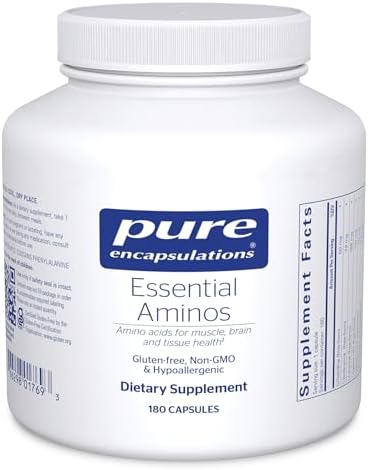

Leucine belongs to a small family of three amino acids called the branched-chain amino acids, or BCAAs — leucine, isoleucine, and valine, named for the branched shape of their molecular side chains. All three are essential, meaning your body cannot manufacture them from scratch and you have to get them from food. But leucine is the one that gets singled out, again and again, in exercise physiology and clinical nutrition circles, because of its outsized role in activating a cellular pathway called mTOR (mechanistic target of rapamycin). This pathway is the primary control switch for muscle protein synthesis, and leucine activates it more directly and more potently than any other amino acid, largely by triggering a sensor protein called Sestrin2 that flips on the Rag-GTPase complex feeding into mTOR complex 1.

This isn’t a fringe supplement-industry talking point. It’s been studied in neonatal pigs, in rodents, and in human clinical trials spanning young lifters to frail nonagenarians. What’s genuinely interesting, and what most casual summaries skip over, is how nuanced the picture becomes once you get past the headline. Leucine matters enormously — but there’s also a threshold effect, a point of diminishing returns, an age-related wrinkle, and a legitimate ongoing scientific debate about whether chronically high BCAA levels might actually work against your metabolic health in certain contexts. That tension is worth sitting with rather than glossing over.
I want to walk through what leucine actually does in the body, where you’ll realistically find enough of it, how much you need (and don’t need), and where the real risks lie — because there are some, and they’re not the ones most people worry about. Along the way I’ll try to separate what’s well-established from what’s still being argued about in journal clubs, because frankly, a lot of the popular coverage of amino acids treats hypothesis as settled fact.
One thing before we get into it: none of what follows should be read as medical advice or a directive to start megadosing an amino acid because a headline sounded convincing. Muscle physiology is downstream of total protein intake, training stimulus, sleep, hormonal status, and about a dozen other variables. Leucine is one piece, an important piece, but a piece nonetheless. With that framing in place, let’s get into the substance of it.
Key Health Benefits
When people ask me why leucine gets so much attention compared to, say, lysine or threonine — both also essential amino acids doing important work — the honest answer is that leucine has a signaling role that goes beyond simple structural contribution. It doesn’t just get incorporated into new protein; it also tells the cell to build more protein in the first place. That dual function is rare among amino acids, and it’s the reason the research literature treats leucine almost as a nutrient-hormone hybrid rather than a plain dietary building block.
Driving Muscle Protein Synthesis
The core mechanism, established across animal and human studies, is leucine’s activation of mTOR complex 1 (mTORC1) signaling in skeletal muscle. Once leucine concentrations rise in the blood and inside muscle cells, this pathway phosphorylates downstream targets — including a protein called S6 kinase and another called 4E-BP1 — that together ramp up the machinery responsible for translating genetic instructions into new muscle fibers. Work using rapamycin (a drug that blocks mTORC1) in neonatal pig models found that when the pathway was chemically blocked, leucine’s ability to stimulate protein synthesis in skeletal muscle disappeared almost entirely, which is about as close to direct causal evidence as you get in this field.
What makes this particularly relevant for anyone training — whether that’s a competitive lifter or someone just trying to hang onto muscle mass through their forties and fifties — is that this isn’t a slow, cumulative effect. It’s more like a rapid on-switch. Blood leucine concentrations rise within thirty to sixty minutes of eating a leucine-rich meal, and the anabolic signaling response follows close behind. This is part of why the timing and distribution of protein across the day has become such a talking point in sports nutrition: it’s not just about hitting a daily gram target, it’s about how often you’re actually crossing the threshold that triggers this switch.
Supporting Recovery After Exercise
Anyone who’s trained seriously knows that the workout itself is really just the stimulus — the growth and repair happen afterward, during recovery. Resistance exercise on its own does increase muscle protein synthesis somewhat, but combining it with adequate leucine intake produces a substantially larger and more sustained anabolic response than exercise or amino acids alone. This synergy is one of the more consistent findings across the sports nutrition literature: mechanical tension from training sensitizes the muscle to amino acids, and leucine then supplies the signal that pushes protein synthesis rates well above resting levels.
Practically, this is why post-workout nutrition conversations tend to circle back to leucine content rather than protein quantity alone. Two shakes with identical total protein can produce meaningfully different muscle protein synthesis responses if one has a notably higher leucine density — whey protein being the standard example of a leucine-rich source, which I’ll get into more in the next section.
Slowing Age-Related Muscle Loss
This is, in my opinion, where leucine research gets genuinely important rather than just performance-optimization trivia. Sarcopenia — the progressive, involuntary loss of muscle mass and strength with age — isn’t just a cosmetic concern. It’s tightly linked to falls, frailty, loss of independence, and mortality risk in older adults. And one of the more consistent findings in aging research is that older muscle becomes less responsive to a given dose of protein or amino acids, a phenomenon researchers call anabolic resistance.
Here’s the part that surprised me the first time I really dug into it: aging doesn’t just blunt the muscle’s response to protein in general — it specifically raises the leucine threshold needed to get the same anabolic effect. Older adults appear to need meaningfully more leucine per meal than younger adults to achieve a comparable stimulation of muscle protein synthesis, and some controlled trials have directly determined that the actual dietary leucine requirement in adults over sixty runs close to double the current official recommendation. That’s not a rounding error — that’s a substantial gap between what nutrition labels imply is “enough” and what a sixty-five or seventy-five-year-old body may actually need to maintain lean tissue.
This is part of why leucine-enriched protein supplements have become a fairly standard recommendation in geriatric nutrition and clinical settings dealing with hospitalized or bed-bound older patients, where lean mass preservation during a catabolic illness or recovery period can meaningfully affect outcomes.
Metabolic and Glucose-Related Signaling
Leucine’s role isn’t confined to skeletal muscle. It also participates in glucose homeostasis, partly through effects on insulin secretion from pancreatic beta cells and partly through its influence on hypothalamic pathways involved in appetite and satiety signaling. Some research groups have proposed that leucine helps regulate food intake by acting on brain regions that respond to nutrient status, potentially contributing to feelings of fullness after a protein-containing meal.
I want to be careful here, though, because this is exactly the area where the research gets genuinely contested — and I’ll come back to it in more depth in the toxicity and risks section, because the same signaling pathways that make leucine useful for muscle building have also been implicated, in certain metabolic contexts, in worsening insulin resistance. It’s not a simple “more leucine, better metabolic health” story, and anyone telling you it is hasn’t read the full literature.
A Few Supporting Roles Worth Mentioning
Beyond the headline mechanisms, leucine and its metabolites (notably a compound called HMB, or beta-hydroxy-beta-methylbutyrate, which the body produces from leucine) have been studied for roles in preserving muscle during periods of enforced inactivity, such as bed rest or limb immobilization after injury. There’s also preliminary interest in leucine’s role in wound healing and in supporting lean mass retention during intentional weight loss, where the goal is to lose fat while holding onto as much muscle as possible. These areas are less definitively mapped than the core muscle protein synthesis story, and I’d treat them as reasonable hypotheses under active investigation rather than settled science.
Taken together, what stands out to me across this body of work isn’t that leucine is some miracle nutrient — it’s that it occupies a genuinely unusual dual role as both a structural amino acid and a metabolic signal, and that dual role has real, measurable downstream consequences for how your body builds and maintains muscle tissue across the lifespan.
Dietary Sources
Here’s something I think gets lost in a lot of supplement marketing: you almost certainly don’t need an isolated leucine or BCAA product to get meaningful amounts of this amino acid. Whole protein foods, eaten in reasonable quantities, get most people well into the range that matters. That said, not all protein sources are created equal when it comes to leucine density, and understanding which foods concentrate it can help you make smarter choices, especially if you’re trying to hit a specific per-meal target for training or aging-related reasons.
Animal Proteins: The Most Concentrated Sources
Animal-derived proteins are, gram for gram, the most leucine-dense foods available, largely because their amino acid profile closely mirrors what human muscle tissue itself is built from.
- Whey protein stands out as the single most leucine-rich common protein source, typically running around 10 to 12 percent leucine by weight. A standard 25 to 30 gram scoop comfortably crosses the leucine threshold discussed in the next section, which is part of why whey has become the default post-workout choice in sports nutrition.
- Beef and other red meats sit around 8 percent leucine by protein content. A modest serving — something in the range of five to six ounces of cooked beef — delivers roughly 3 grams of leucine along with a full essential amino acid profile.
- Chicken and turkey breast are close behind, and because poultry is lean and widely eaten, it’s a practical everyday source. A typical chicken breast serving gets most adults into a solid leucine range without much effort.
- Eggs are a quietly excellent source — not just the whites, since the yolk contributes meaningfully too, along with fat-soluble vitamins that a whites-only approach misses.
- Fish, including salmon, tuna, and cod, provides comparable leucine density to poultry, with the added benefit of omega-3 fatty acids in fattier varieties.
- Dairy proteins beyond whey — casein, Greek yogurt, cottage cheese — are also solid contributors, and casein in particular digests more slowly, which some research suggests produces a more prolonged, if lower-peak, amino acid release.
Plant-Based Sources
This is where things get more nuanced, and it’s a fair criticism of a lot of leucine content that plant-based eaters get less attention than they deserve. Plant proteins generally contain less leucine per gram than animal proteins, and per-serving portions of whole plant foods are often smaller in protein terms, which compounds the gap.
- Soy protein isolate is the standout exception among plant sources — it has an amino acid profile reasonably close to animal protein and can get you to a meaningful leucine dose in a standard serving.
- Pea protein, common in many vegan protein powders, also performs respectably and is often specifically fortified or blended to boost leucine content in commercial products.
- Lentils, chickpeas, and other legumes provide leucine, but you typically need a larger serving — often 150 to 200+ grams cooked — to approach the amounts that a modest serving of animal protein or a protein powder would deliver.
- Tofu and tempeh are reasonably good soy-based options, again requiring a larger volume than the equivalent animal protein to hit similar leucine numbers.
- Nuts, seeds, and whole grains contain some leucine but in smaller concentrations relative to their calorie content, making them a supplementary rather than primary source.
If you’re eating a fully plant-based diet and care about hitting leucine targets — whether for training or for healthy aging — the practical strategy researchers tend to point to is combining a larger total protein intake with soy or pea-based concentrated sources, rather than trying to hit the number through whole legumes and grains alone. It’s doable, it just requires a bit more intentionality.
What About Standalone Leucine Supplements?
Free-form leucine and BCAA powders are widely available, and I’m not going to pretend they don’t work — they do raise plasma leucine, sometimes faster than a mixed meal does, since intact protein takes longer to digest and release its amino acids. Interesting research comparing meal-only, leucine-only, and combined intake found that a mixed meal blunts leucine’s peak concentration compared to free leucine taken on an empty stomach, even when the leucine amount is similar, likely because of competition with other amino acids for absorption and slower gastric emptying.
But here’s my honest take, after reading a fair amount in this space: for the vast majority of people eating adequate total protein, standalone leucine or BCAA supplementation adds little on top of what a well-designed diet already provides. The research is fairly consistent that leucine’s anabolic signal without the accompanying full amino acid pool (particularly the other essential amino acids needed to actually build the new protein) produces a shorter-lived synthesis response than a complete protein source does. Isolated leucine can nudge the signal, but it can’t supply the raw materials the signal is calling for. Where these supplements might carve out a legitimate niche is in specific clinical situations — very low appetite in elderly or hospitalized patients, for instance — where getting enough whole protein into someone is genuinely difficult, and a concentrated leucine boost alongside modest protein intake becomes a pragmatic workaround.
Dosage & Deficiency
This section tends to generate the most confusion, partly because there are at least three different numbers floating around depending on which research tradition you’re reading — basic nutrition requirement science, sports performance research, and clinical/geriatric nutrition. Let’s untangle them.
The Official Recommended Intake
The current Recommended Dietary Allowance (RDA) for leucine, based on nitrogen balance and amino acid oxidation studies, sits at roughly 42 milligrams per kilogram of body weight per day for a healthy adult. For a person weighing around 70 kilograms (154 pounds), that works out to somewhere in the neighborhood of 2.9 grams of leucine daily. This figure is designed to prevent deficiency — it’s a floor, not an optimization target, and that distinction matters enormously for how you interpret it.
A number of researchers in the muscle metabolism field have argued fairly persuasively that this RDA, while adequate to avoid a clinical deficiency state, is well below the amount associated with maximizing metabolic regulation and muscle protein synthesis, which some reviews place closer to 100 to 110 milligrams per kilogram per day when total protein and leucine distribution are optimized for muscle health rather than mere adequacy. That’s roughly two and a half times the basic RDA. I don’t think this means the RDA is “wrong” in a technical sense — it’s doing what it was designed to do — but it does mean leaning on the RDA alone as your target if your goal is active muscle maintenance or growth is probably underselling what your body could use.
The “Leucine Threshold” Concept
Separate from daily totals, there’s a per-meal concept that’s become central to sports nutrition thinking: the leucine threshold, sometimes called the leucine trigger. This is the amount of leucine in a single meal or protein dose needed to maximally stimulate the mTOR-driven muscle protein synthesis response. Below this amount, the anabolic signal fires, but submaximally; above it, additional leucine in that same sitting doesn’t appear to add further benefit.
For younger, healthy adults, that threshold generally lands around 2 to 3 grams of leucine per meal, roughly equivalent to 25 to 30 grams of high-quality protein or about a modest palm-sized portion of meat, fish, or poultry, or a standard scoop of whey protein. For older adults, because of the anabolic resistance mentioned earlier, the effective threshold appears higher — commonly cited in the range of 3 to 4 grams per meal, and some direct requirement studies in adults over sixty have found daily leucine needs of roughly 78 to 81 milligrams per kilogram body weight, essentially double the standard adult recommendation.
What this means practically: spreading protein evenly across three or four meals a day, each one crossing that threshold, tends to produce a more favorable cumulative anabolic signal over 24 hours than loading most of your protein into a single large dinner, which is the pattern a lot of people unconsciously fall into.
What Deficiency Actually Looks Like
True isolated leucine deficiency in the context of a normal, varied diet is rare in developed countries — it’s far more common to see general protein-energy malnutrition, where leucine intake is low simply because total protein intake is low, rather than a leucine-specific gap. That said, populations at genuine risk include:
- Older adults eating minimal protein, particularly if it’s concentrated in one meal
- People on severely restricted or poorly planned vegan diets without adequate concentrated plant protein sources
- Individuals recovering from illness, surgery, or extended bed rest, where protein needs rise but appetite often falls
- Anyone under-eating generally, whether from disordered eating patterns, extreme caloric restriction, or economic food insecurity
The consequences of chronically inadequate leucine intake track closely with the consequences of low protein intake overall: progressive loss of lean muscle mass, slower recovery from illness or injury, reduced strength, and in more severe or prolonged cases, impaired wound healing and immune function. It’s rarely a leucine problem in isolation — it’s almost always a marker of a broader dietary protein shortfall, and the fix is the same either way: eat enough good-quality protein, spread reasonably across the day.
Toxicity & Risks
This is the section I think deserves more honest attention than it usually gets, because most consumer-facing content on leucine either ignores risk entirely or hand-waves it with a vague “consult your doctor” and moves on. Let’s actually look at what the research says.
The Genetic Extreme: What Maple Syrup Urine Disease Teaches Us
The clearest, most dramatic evidence of what happens when leucine accumulates to genuinely toxic levels comes from a rare inherited metabolic disorder called maple syrup urine disease, or MSUD. People with this condition lack a functional version of the enzyme complex needed to break down branched-chain amino acids, so leucine (along with isoleucine and valine) builds up to dangerously high concentrations in the blood. Clinical research on MSUD patients has found that leucine levels above roughly 400 micromoles per liter are associated with central nervous system dysfunction, and in severe, untreated cases, this can progress to lethargy, seizures, and life-threatening encephalopathy, particularly in newborns and infants.
I want to be very clear about why I’m bringing this up: MSUD is not something that happens from eating too much protein or taking a BCAA supplement. It’s a genetic enzyme deficiency, and people without this condition metabolize and clear excess leucine efficiently through normal branched-chain amino acid catabolism. But the MSUD research is genuinely useful because it establishes, with real clinical data, what leucine toxicity in the human nervous system actually looks like at the extreme end, and it confirms that leucine is not some inert, infinitely safe molecule you can take in unlimited quantities without any biological ceiling.
The More Realistic Concern: BCAAs, Insulin Resistance, and Metabolic Health
This is the part of the leucine conversation I find most intellectually honest to sit with, because the research genuinely doesn’t point in one clean direction. A substantial body of observational research has found that people with obesity, insulin resistance, and type 2 diabetes tend to have chronically elevated circulating BCAA levels, leucine included, and higher BCAA levels have been associated with future risk of developing these same metabolic conditions.
The proposed mechanism is almost ironic given everything covered in the benefits section: the same mTORC1 activation that makes leucine so effective for building muscle may, when chronically and excessively stimulated, interfere with normal insulin receptor signaling, essentially uncoupling part of the insulin signaling cascade over time. There’s also a competing hypothesis, sometimes called the BCAA dysmetabolism model, suggesting that it’s not the BCAAs themselves causing the problem but rather toxic breakdown metabolites that accumulate when BCAA catabolism becomes impaired in an already insulin-resistant, metabolically stressed body — meaning elevated BCAAs might be more of a marker or downstream consequence of metabolic dysfunction than a direct cause of it.
Animal research adds another layer of nuance here rather than resolving it. Studies feeding leucine-supplemented, high-fat diets to rats found that the metabolic effect of extra leucine actually depended heavily on how far along the animals already were in developing insulin resistance — in early-stage insulin resistance, leucine supplementation appeared to worsen certain markers of mitochondrial dysfunction in muscle tissue, while at a later, more established stage of metabolic disease, it seemed to improve mitochondrial function and fat oxidation instead. That kind of context-dependent, almost contradictory finding is exactly why I’m skeptical of anyone presenting BCAA and metabolic health as a simple, settled story in either direction.
My honest read, after spending real time with this literature: for a generally healthy, active person eating a reasonably balanced diet, there’s no strong evidence that normal dietary leucine intake — even reasonably generous intake from whole foods and standard protein supplementation — meaningfully raises metabolic disease risk. The associations found in research are strongest in populations who already have obesity or insulin resistance, and it remains genuinely unclear whether BCAAs are contributing to that dysfunction or simply reflecting it. If you already have insulin resistance, prediabetes, or type 2 diabetes, this is a worthwhile conversation to have with a physician or registered dietitian rather than something to self-manage based on a supplement label, particularly before adding concentrated BCAA or leucine products on top of your normal diet.
Practical, Lower-Stakes Considerations
Beyond the metabolic research, there are a few more mundane but worth-knowing points:
- High-dose free-form leucine or BCAA supplementation on an empty stomach can occasionally cause mild gastrointestinal discomfort, including nausea or bloating, in some people, simply from the concentrated amino acid load hitting the gut without the buffering effect of a full meal.
- Because leucine, isoleucine, and valine share transport mechanisms into cells, extremely lopsided supplementation — very high leucine relative to the other two — has been theorized to potentially interfere with the absorption or utilization of its BCAA siblings, though this is more of a theoretical concern in typical supplemental doses than a well-documented clinical problem.
- People with kidney disease should generally be cautious with any concentrated amino acid or high-protein supplementation, since impaired kidney function changes how nitrogenous waste products from protein and amino acid metabolism are cleared, and this is a conversation that belongs with a nephrologist or treating physician rather than general dietary guidance.
None of this amounts to “leucine is dangerous.” For the overwhelming majority of healthy people, dietary leucine from whole food protein sources, and even reasonable use of protein or BCAA supplements, carries a low risk profile. But “low risk” isn’t the same as “no risk,” and I’d rather you walk away from this section with an accurate, slightly more complicated picture than a falsely reassuring simple one.
What This All Actually Means for Your Plate
If you’ve made it this far, you’ve probably picked up on the theme running underneath all of this: leucine is powerful, genuinely important, and also frequently oversimplified in both directions — either treated as a magic muscle-building bullet or dismissed as just another interchangeable amino acid. Neither framing holds up once you actually look at the mechanism and the data.
Here’s what I’d actually do with this information, stripped of hype. Build your meals around a real protein source at each sitting — meat, fish, eggs, dairy, or a well-chosen plant combination — aiming for something in the range that gets you past that per-meal leucine threshold rather than obsessing over exact gram counts. If you’re older, lean toward the higher end of that range and don’t assume the standard RDA is generous enough for your needs, because the research on anabolic resistance suggests it probably isn’t. If you’re training seriously, pay attention to distributing protein across the day rather than backloading it all into dinner. And if you’re reaching for a concentrated leucine or BCAA supplement, ask yourself honestly whether your total protein intake is already adequate — because in most cases, that supplement is solving a problem your diet could solve on its own, with a fuller amino acid profile in the bargain.
What I find genuinely compelling about leucine, after all this reading, isn’t that it’s some singular hero nutrient. It’s that it’s a clear, well-documented example of how a single molecule can act simultaneously as a building block and a biological signal — and how that dual identity means more isn’t automatically better, timing and context matter as much as quantity, and the same pathway that helps you build muscle in one metabolic state might behave differently in another. That’s a more useful, more honest way to think about nutrition generally, and leucine happens to be one of the clearest windows into it.
Article Sources
At AncientHerbsWisdom, our content relies on reputable sources, including peer-reviewed studies, to substantiate the information presented in our articles. Our primary objective is to ensure our content is thoroughly fact-checked, maintaining a commitment to accuracy, reliability, and trustworthiness.
- Lynch, C. J., & Adams, S. H. (2014). Branched-chain amino acids in metabolic signalling and insulin resistance. Nature Reviews Endocrinology, 10(12), 723-736. https://doi.org/10.1038/nrendo.2014.171
- Mitsubuchi, H., Owada, M., & Endo, F. (2005). Markers associated with inborn errors of metabolism of branched-chain amino acids and their relevance to upper levels of intake in healthy people: An implication from clinical and molecular investigations on maple syrup urine disease. The Journal of Nutrition, 135(6 Suppl), 1565S-1570S. https://doi.org/10.1093/jn/135.6.1565S
- National Organization for Rare Disorders. (2024). Maple syrup urine disease. https://rarediseases.org/rare-diseases/maple-syrup-urine-disease/
- Phillips, S. M., Paddon-Jones, D., & Layman, D. K. (2020). Optimizing adult protein intake during catabolic health conditions. Advances in Nutrition, 11(4), S1058-S1069. https://doi.org/10.1093/advances/nmaa047
- Suryawan, A., Nguyen, H. V., Almonaci, R. D., & Davis, T. A. (2012). Differential regulation of protein synthesis in skeletal muscle and liver of neonatal pigs by leucine through an mTORC1-dependent pathway. Journal of Animal Science and Biotechnology, 3(1), 3. https://doi.org/10.1186/2049-1891-3-3
- Szwiega, S., Pencharz, P. B., Rafii, M., Lebarron, M., Chang, J., Ball, R. O., Kong, D., Xu, L., Elango, R., & Courtney-Martin, G. (2021). Dietary leucine requirement of older men and women is higher than current recommendations. The American Journal of Clinical Nutrition, 113(2), 410-419. https://doi.org/10.1093/ajcn/nqaa323
- Yoshii, N., Sato, K., Ogasawara, R., Nishimura, Y., Shinohara, Y., & Fujita, S. (2018). Effect of mixed meal and leucine intake on plasma amino acid concentrations in young men. Nutrients, 10(10), 1543. https://doi.org/10.3390/nu10101543

- Phosphatidic Acid: Supporting Muscle Growth and Strength - July 31, 2026
- Ceramides: Supporting Healthy Skin From Within - July 31, 2026
- Synbiotics: Combining Prebiotics and Probiotics Together - July 31, 2026