
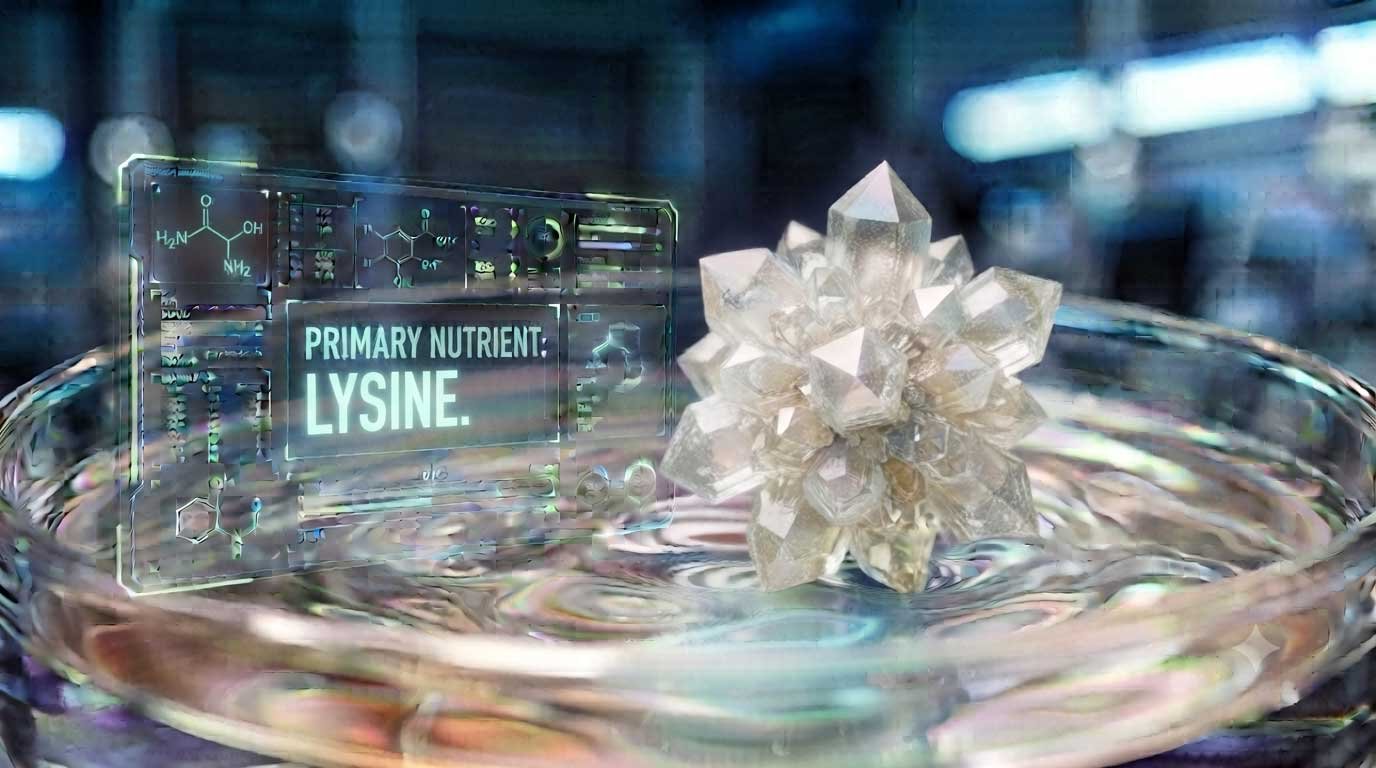
The Quiet Workhorse Your Body Can’t Live Without
Ask most people to name an amino acid and you’ll get a shrug, maybe a mumbled “protein, right?” Ask them to name lysine specifically, and you’ll usually get nothing at all. That’s a shame, because lysine is one of those nutrients that does an enormous amount of unglamorous, structural work in the body without ever getting a headline. It’s not flashy like vitamin C, it’s not trendy like magnesium, and it doesn’t have a wellness-influencer fan club. But strip it out of the diet for long enough and you’d notice, because lysine sits at the center of two things that matter every single day: how your body builds and repairs tissue, and how your immune system holds the line against everyday threats.
I’ve spent a long time looking at amino acids and the way people talk about them, and lysine tends to get filed under “cold sore remedy” and left there. That’s not wrong, exactly, but it’s a little like describing a Swiss Army knife as “the thing with the toothpick.” Lysine is one of nine essential amino acids, meaning your body has no way to manufacture it from scratch. Unlike some amino acids that your liver can cobble together from other raw materials when supplies run low, lysine has to come from what you eat, full stop. That single fact changes how you should think about it. It’s not a nutrient your body can quietly compensate for. If dietary intake dips, and it does for more people than you’d expect, the downstream effects show up in the tissues that depend on it most: skin, bone, connective tissue, and the immune system’s protein-manufacturing machinery.
Table of Contents

Here’s the part that surprised me the first time I really dug into the biochemistry: lysine isn’t just “a building block” in the vague way that phrase gets thrown around in supplement marketing. It has specific, mechanistic jobs. It’s one of the amino acids most heavily used in collagen, the structural protein that makes up roughly a third of all protein in the human body. Collagen doesn’t just sit there looking sturdy; it needs to be cross-linked, stabilized, and held together in triple-helix structures, and lysine (along with its chemical cousin, hydroxylysine) is central to that cross-linking process. Without adequate lysine, collagen fibers don’t form the way they’re supposed to. That has consequences for skin elasticity, joint resilience, wound healing, and bone strength, none of which are trivial.

Then there’s the immune angle, which is where most of the general public first encounters lysine, usually because someone recommended it for cold sores. The mechanism there is interesting and a little counterintuitive: lysine appears to compete with another amino acid, arginine, for the same transport pathways into cells, and certain viruses, herpes simplex among them, lean heavily on arginine to replicate. That competitive relationship is the basis for decades of research into lysine supplementation for herpes management, and while the evidence is genuinely mixed (more on that later), it’s not nothing. Beyond that antiviral angle, lysine also plays a role in antibody production and general immune protein synthesis, which is a less dramatic but arguably more important contribution to day-to-day immune function.
What I want to do in this piece is walk through lysine properly: not as a cold-sore supplement, but as a nutrient with a real, evidence-backed role in collagen formation, immune competence, calcium metabolism, and more. We’ll get into where it actually comes from in food (spoiler: your diet is probably fine, but there are exceptions worth knowing), how much you actually need, what happens when intake falls short, and where the line sits between “helpful supplement” and “too much of a good thing.” Some of what follows will challenge the tidy narratives you find in supplement copy. Lysine research has real strengths and real gaps, and I’d rather walk you through both than pretend the picture is cleaner than it is.
One more thing before we get into it. Lysine belongs to a broader category of nutrients, essential amino acids, that don’t get nearly enough attention relative to how much they matter. We obsess over vitamins and minerals, and rightly so, but amino acids are the actual scaffolding of the human body. Minerals like calcium and zinc get plenty of airtime; amino acids like lysine mostly get ignored until something goes wrong. If you’ve ever wondered why some people heal slowly from injuries, or why certain vegetarian diets need a bit more planning than others, lysine is often quietly part of that story. Let’s dig into why.
Part of why lysine stays under the radar, I think, is that it doesn’t fit neatly into any single wellness category. It’s not a “skin nutrient” the way collagen peptides get marketed, even though it’s arguably more foundational to skin structure than most collagen supplements on the market. It’s not an “immune nutrient” the way vitamin C or zinc get framed, even though its role in antibody production is just as real. It sits at the intersection of several systems, which makes it a harder sell for a single-benefit ad campaign but a genuinely more interesting nutrient to actually understand. I’d rather give you the fuller, slightly messier picture than the tidy one-liner.
It’s also worth saying upfront that lysine isn’t obscure because it’s unimportant; it’s obscure because deficiency is relatively rare in populations with access to varied protein sources. That’s actually good news, and I don’t want this article to manufacture anxiety about a nutrient most readers are probably getting enough of already. But “usually adequate” isn’t the same as “irrelevant,” and there are specific circumstances, certain dietary patterns, recovery from injury, particular life stages, where paying closer attention to lysine intake genuinely matters. Knowing the difference between “background nutrient I don’t need to think about” and “nutrient worth checking on given my specific situation” is exactly the kind of practical distinction this article is built to help you make.
So consider this a proper introduction to an amino acid that’s been hiding in plain sight: present in nearly every protein-containing meal you’ve ever eaten, quietly doing structural and immunological work you’ve never had to think about, and occasionally worth a closer look depending on how you eat and what your body happens to be dealing with at the moment.
Key Health Benefits
Lysine’s reputation problem is that it’s known for one thing (cold sores) when its actual resume is considerably longer. Let’s go through what the research actually supports, starting with the role that arguably matters most for long-term health.
Collagen Formation and Skin, Joint, and Bone Support
Collagen is the most abundant protein in your body, and lysine is one of its two signature amino acids (proline is the other). During collagen synthesis, lysine residues get hydroxylated into hydroxylysine, a vitamin C-dependent reaction that’s essential for forming stable cross-links between collagen strands. Those cross-links are what give collagen its tensile strength. Skin that resists tearing, tendons that don’t snap under load, cartilage that cushions your joints, bone matrix that holds calcium in place: all of it depends on collagen being properly cross-linked, and that process doesn’t happen correctly without sufficient lysine on hand.
This isn’t just theoretical biochemistry. In vitro research on chondrocytes, the cells responsible for cartilage formation, has shown that increasing lysine (and proline and glycine) concentrations in culture media meaningfully increases type II collagen synthesis, at least up to a certain threshold, after which the effect plateaus. That’s a useful reminder that more isn’t always better, but it also confirms the underlying mechanism: lysine availability genuinely limits collagen output at the cellular level.
There’s also a documented connection between lysine and bone-specific calcium handling, which ties directly into skeletal integrity. A frequently cited human study found that supplementing with 400 mg of lysine alongside an oral calcium load increased intestinal calcium absorption and reduced urinary calcium loss in both healthy and osteoporotic women, and a follow-up comparison found that among lysine, valine, and tryptophan, only lysine significantly boosted calcium absorption at 800 mg per day (Civitelli et al., 1992). That’s a fairly specific, non-obvious effect: lysine isn’t just a structural amino acid sitting inside the collagen matrix of bone, it also appears to influence how efficiently your body actually absorbs and retains the calcium bone needs in the first place.
Immune System Support, Including the Herpes Connection
The lysine-arginine competition story is the most talked-about aspect of lysine’s immune role, and it deserves a fair, unvarnished look. The underlying theory is that lysine and arginine share cellular transport mechanisms, and because herpes simplex virus relies heavily on arginine for replication, higher lysine-to-arginine ratios may create a less hospitable environment for viral reproduction.
The clinical evidence is a mixed bag, and I think it’s worth saying that plainly rather than cherry-picking the favorable studies. On one hand, a widely cited survey of over 1,500 people who used lysine for herpes management found that 84% reported that supplementation prevented recurrences or reduced their frequency, with an average dose around 936 mg daily (Walsh, Griffith, & Behforooz, 1983). Several earlier controlled trials from the 1980s also reported reduced recurrence rates and faster healing at doses in the 1,000 mg range. On the other hand, later systematic reviews have found the overall evidence base inconsistent, hampered by small sample sizes and variable dosing protocols, and some trials have shown no meaningful benefit over placebo. My honest read: there’s a plausible mechanism and a reasonable pile of positive early trials, but it’s not the slam-dunk that supplement marketing often implies. If you’re someone who deals with frequent cold sores, it’s a low-risk thing to try, but temper your expectations.
Beyond the antiviral angle, lysine contributes to immune function in less dramatic but more consistently supported ways. It’s involved in antibody synthesis, the production of the various immunoglobulins your adaptive immune system relies on to recognize and neutralize pathogens, and it supports the broader protein synthesis machinery that immune cells depend on to function and multiply during an infection. This is less exciting to write about than “amino acid fights viruses,” but it’s arguably the more foundational contribution, because it applies to your immune response generally rather than to one specific pathogen.
Wound Healing and Tissue Repair
Given lysine’s role in collagen cross-linking, it’s a reasonable hypothesis that adequate lysine intake supports faster, more structurally sound wound healing, whether we’re talking about a surgical incision, a burn, or ordinary tissue damage from exercise. The biochemistry here is well characterized, but I want to be careful and honest: direct clinical trials testing lysine supplementation specifically for wound healing outcomes in humans are still fairly limited. What we have is strong mechanistic reasoning and some population-level observations (people recovering from major wounds or surgery have elevated collagen synthesis demands, and therefore plausibly benefit from ensuring lysine intake keeps pace) rather than a stack of large randomized trials proving supplementation accelerates healing. It’s a case where the biology is compelling even though the direct clinical proof hasn’t fully caught up.
Anxiety and Stress Response
This is one of the lesser-known benefits, and I find it genuinely interesting because it doesn’t fit the usual “amino acid equals structural protein” framing. A randomized, double-blind, placebo-controlled study of 108 healthy adults found that a week of combined lysine (2.64 g/day) and arginine supplementation reduced both trait anxiety and stress-induced state anxiety, and lowered basal salivary cortisol and chromogranin-A levels in male participants specifically (Smriga et al., 2007). Earlier animal research and studies in populations with low baseline dietary lysine intake found similar anxiety-reducing effects. The proposed mechanism involves lysine’s influence on serotonin receptor activity in the gut-brain axis, which is a fairly unusual role for what most people think of as a purely structural nutrient. This is not a substitute for addressing anxiety through established clinical approaches, but it’s a legitimate area of ongoing research worth knowing about.
Carnitine Production and Metabolic Support
Lysine is a required precursor, together with methionine, for the body’s synthesis of carnitine, the molecule responsible for shuttling long-chain fatty acids into mitochondria so they can be burned for energy. That pathway also depends on vitamin C, niacin, vitamin B6, and iron, so lysine is really just one piece of a coordinated metabolic chain. Still, it’s a reminder that lysine’s influence extends beyond structural tissue and into energy metabolism, which is easy to overlook when the conversation is dominated by skin and immunity.
Taken together, these benefits paint a picture of an amino acid that’s quietly load-bearing across several unrelated systems: connective tissue, calcium handling, immune defense, stress physiology, and fat metabolism. That’s an unusually broad footprint for a nutrient most people have never consciously thought about.
Dietary Sources
The good news, and I want to lead with this because it tempers a lot of the supplement-industry urgency around lysine, is that most people eating a varied, protein-adequate diet are not walking around lysine-deficient. Lysine is abundant in animal proteins and reasonably available in a range of plant foods too, provided you’re not relying on a narrow, cereal-heavy diet. Let’s go through where it actually shows up.
Animal-Based Sources
Animal proteins are, across the board, excellent lysine sources, and this is largely because animal tissue itself is built from proteins rich in lysine.
- Red meat (beef, lamb) is one of the most concentrated sources, delivering well over 2,000 mg of lysine per 100-gram serving in many cuts.
- Poultry, particularly chicken breast, is another strong contributor, generally in a similar range to red meat.
- Fish, including cod, salmon, and tuna, provide substantial lysine alongside beneficial fats.
- Eggs are a complete protein with a solid lysine contribution relative to their modest calorie count.
- Dairy products, including milk, cheese, and yogurt, are consistently good sources, which is part of why lysine deficiency is rare among people who consume dairy regularly.
If your diet includes regular servings of any of these, lysine intake is very unlikely to be a concern.
Plant-Based Sources
This is where things get more nuanced, and it’s the section that matters most if you’re vegetarian, vegan, or simply trying to shift toward more plant-forward eating.
Legumes are the standout plant source of lysine. Beans, lentils, chickpeas, and soy products (tofu, tempeh, edamame) all provide meaningful amounts. A half-cup of cooked chickpeas, for instance, provides roughly 400 mg of lysine alongside about 6 grams of protein, and quinoa, one of the few plant foods that qualifies as a complete protein on its own, delivers around 440 mg of lysine per cooked cup.
Here’s the catch, and it’s the single most important thing to understand about plant-based lysine intake: cereal grains (wheat, rice, corn, oats) are comparatively low in lysine, even though they’re often high in overall protein. This is the textbook example of a “limiting amino acid,” a concept worth understanding on its own terms. Your body needs a reasonably balanced supply of all essential amino acids to actually use dietary protein for tissue building; if one essential amino acid runs short, protein synthesis gets bottlenecked at that amino acid regardless of how much total protein you’re eating. Legumes tend to be relatively low in methionine but high in lysine, while grains show the opposite pattern, low lysine, higher methionine. That’s why traditional food-pairing wisdom (rice and beans, hummus and pita, lentils and bread) isn’t just cultural habit; it’s functional amino acid complementation, even if the people who developed those pairings centuries ago had no idea about the biochemistry behind it.
- Lentils and split peas deliver strong lysine content per serving.
- Pumpkin seeds are a solid contributor and also bring zinc and iron along for the ride.
- Soy-based foods (tofu, tempeh, soy milk) are unusually good plant sources, closer in profile to animal protein than most other plant foods.
- Quinoa stands out among grains and pseudo-grains because it’s naturally more lysine-rich than wheat, rice, or corn.
One clarification worth making here, because it gets muddled in a lot of vegan nutrition content: you don’t need to eat complementary proteins in the same meal. Older nutrition advice implied you had to combine rice and beans at the same sitting to “complete” the protein, but current research indicates your body maintains a rotating pool of amino acids and can combine intake across a day rather than a single meal. What matters more is variety across your week, not obsessive meal-by-meal pairing.
Does Cooking or Processing Affect Lysine Content
This is a question that doesn’t get asked enough, and the answer matters more than people assume. Lysine is particularly vulnerable to something called the Maillard reaction, the same chemical process responsible for browning bread crust or searing a steak. When foods containing both lysine and reducing sugars are exposed to high, dry heat, lysine’s reactive amino group can bind with sugar molecules in a way that makes it biologically unavailable, meaning your body can no longer use it even though it’s technically still present in the food. This is a bigger deal in heavily processed, high-heat, low-moisture foods (think dry roasted or ultra-processed baked goods) than in most home cooking, where moisture and moderate temperatures limit the reaction. Still, it’s part of why relying on a single, heavily processed source of protein isn’t a great long-term strategy, independent of overall nutrient content on a label.
A Closer Look at Portions
To make this more concrete, here’s roughly what you’re looking at across a few common foods, recognizing that exact values vary by cut, preparation, and brand:
- A 100-gram serving of chicken breast provides somewhere around 2,200 to 2,500 mg of lysine.
- A 100-gram serving of lean beef comes in similarly high, often exceeding 2,000 mg.
- A large egg contributes roughly 450 mg.
- A cup of cooked lentils provides somewhere in the range of 1,300 mg, making legumes genuinely competitive with animal sources on a per-serving basis.
- A cup of cooked oats, by contrast, provides only around 250 to 300 mg, illustrating the grain-versus-legume gap discussed above.
- A cup of milk contributes roughly 550 mg.
None of these numbers need to be memorized. The takeaway is simpler than the math suggests: legumes and soy foods can genuinely close the gap that grains leave open, and a diet that includes any reasonable mix of protein sources across a week is very unlikely to fall short.
Practical Takeaways for Getting Enough
If you eat meat, poultry, fish, eggs, or dairy with any regularity, lysine is close to a non-issue for you. If you’re vegetarian, the same likely holds true as long as dairy and eggs are part of the picture. If you’re vegan, the sensible move isn’t panic, it’s variety: make sure legumes, soy foods, and quinoa show up regularly rather than building meals around grains alone. A diet that’s heavily skewed toward bread, rice, or corn as the primary protein source, with minimal legumes, is the scenario where lysine intake genuinely starts to look marginal, and that’s worth being deliberate about rather than assuming it’ll sort itself out.
I’d also gently push back on the instinct to reach for a lysine supplement as a shortcut here. Whole food sources bring along fiber, other micronutrients, and a broader amino acid profile that a standalone supplement simply can’t replicate. Supplementation has a legitimate place, which we’ll get into shortly, but “eat more lentils” is a more sustainable long-term fix for marginal intake than “add a pill” for the vast majority of people reading this.
Dosage and Deficiency
Lysine requirements are typically expressed per kilogram of body weight, which makes sense given how directly they’re tied to lean tissue mass and protein turnover, but it also makes the numbers a little abstract for everyday use. Let’s translate the research into something usable.
How Much Lysine Do You Actually Need
A widely referenced review of lysine requirements across the human lifespan found that recommended intake ranges from roughly 64 mg per kilogram of body weight per day for infants down to about 30 mg per kilogram per day for adults over 18 (Tomé & Bos, 2007). For a 70-kilogram (about 154-pound) adult, that works out to somewhere in the neighborhood of 2,100 mg of lysine daily, though other estimates land in a slightly lower range around 1,900 to 2,500 mg depending on the reference source. The same review noted that typical Western dietary intake already falls somewhere between 40 and 180 mg per kilogram per day, meaning most people in developed countries are consuming well above the minimum requirement without trying.
That’s worth sitting with for a second: for the average omnivorous or dairy-inclusive eater, lysine adequacy is essentially automatic. It’s not a nutrient you need to track the way some people track vitamin D or iron. The exceptions, which we’ll get to, are specific and identifiable rather than widespread.
For supplemental use, most of the clinical research on lysine (largely centered on herpes management, anxiety, and calcium metabolism) has used doses ranging from roughly 500 mg to 3,000 mg per day, with many studies clustering around the 1,000 to 1,500 mg range. Higher doses, up to 6 grams daily, have been used short-term in some clinical trials without major safety concerns, though that’s not the same as saying higher is automatically better or necessary for most people.
Who Actually Runs Low on Lysine
Deficiency isn’t common in developed countries with diverse diets, but it’s not nonexistent either, and certain groups deserve real attention:
- People on restrictive, cereal-dominant diets, particularly in regions where grains make up the bulk of caloric intake with limited legume consumption, are the population where lysine inadequacy has been documented at a public health level. Wheat flour fortification with lysine has actually been trialed in some developing regions specifically to address this.
- Strict vegans with low overall protein intake or diets built heavily around grains rather than legumes and soy. Research using digestibility-adjusted intake estimates found that only about 56% of vegan study participants met their lysine requirements, a notably lower adequacy rate than for most other essential amino acids (a 2025 PLOS ONE analysis highlighted this gap specifically).
- People recovering from significant burns, surgery, or major wounds, where collagen synthesis demand spikes and baseline intake may not keep pace.
- In rare and extreme cases, highly restrictive raw vegan diets have produced documented lysine and methionine deficiency serious enough to cause measurable harm; one published case report described a patient with orthorexia nervosa who developed critical amino acid deficiencies from an extremely restrictive raw plant-based pattern.
What Deficiency Looks Like
Because lysine is so central to collagen and protein synthesis broadly, deficiency symptoms tend to show up in connective tissue and metabolic function: fatigue, impaired wound healing, reduced muscle mass, anemia, and disruptions to fatty acid metabolism (tied back to that carnitine synthesis pathway). None of these symptoms are unique to lysine deficiency specifically, which is part of why it can be hard to pin down without a proper dietary assessment. If you suspect an issue, the more productive move is usually looking at your overall protein diversity rather than immediately reaching for a lysine supplement in isolation.
How Supplemental Forms Differ
If you do end up considering a supplement, whether for herpes management, general connective tissue support, or another reason discussed in this article, it’s worth knowing that lysine is sold in a couple of different forms, and they’re not interchangeable in every context. L-lysine hydrochloride (L-lysine HCl) is by far the most common and cost-effective form, and it’s what’s used in the overwhelming majority of the clinical research cited throughout this piece. Calcium lysinate, a compound of lysine and calcium, has been explored specifically for bone health applications, with one small trial suggesting notably higher relative bioavailability compared to standard calcium carbonate, though that finding comes from a modest sample and shorter duration than I’d like to see before treating it as settled. For most general purposes, standard L-lysine HCl in capsule, tablet, or powder form is the reasonable default, and there’s no strong evidence that more exotic or expensive formulations meaningfully outperform it for the average person.
Timing, Absorption, and Practical Dosing Notes
Lysine absorption happens primarily in the small intestine, and unlike some nutrients, it doesn’t require food for meaningful uptake, though taking it between meals is commonly recommended in herpes-management protocols, partly on the theory (not fully proven) that competing dietary amino acids, arginine included, may modestly interfere with absorption if taken simultaneously. In practice, this means splitting a daily dose into two or three smaller servings, rather than one large dose, is a reasonable approach if you’re supplementing for an extended period, both for gut tolerance and for maintaining steadier blood levels. If gastrointestinal upset shows up, and it can at higher doses, reducing the per-dose amount rather than cutting the day’s total is usually the more comfortable adjustment. As with most supplements, starting at the lower end of a studied dose range and increasing only if needed is a sensible, unglamorous strategy that tends to serve people better than jumping straight to the highest dose used in a clinical trial.
Toxicity and Risks
Lysine has a reasonably favorable safety profile compared to many supplements, but “reasonably favorable” doesn’t mean risk-free, and I think the wellness industry tends to undersell the caveats here.
A systematic review that pooled 71 human studies on oral lysine intake, spanning doses from about 17 mg up to 17,500 mg per day and durations from a single day up to three years, found the supplement generally well tolerated across that range, with gastrointestinal upset (abdominal pain, nausea, diarrhea) being the most commonly reported issue, and mainly at the higher end of the dose spectrum. That’s a reasonably reassuring body of evidence for typical supplemental use.
That said, there are specific risks worth knowing about, particularly if you fall into a higher-risk category:
- Kidney concerns. There’s a documented case report of a woman who developed Fanconi syndrome and tubulointerstitial nephritis, both serious kidney conditions, after five years of lysine supplementation, and animal studies have shown that very high lysine doses can worsen acute kidney injury. People with existing kidney disease should not supplement without medical guidance, and even people with healthy kidneys shouldn’t treat long-term high-dose use as automatically safe just because short-term studies look reassuring.
- Gallstone and cholesterol risk. Animal research in hamsters and rabbits has linked excess dietary lysine to increased gallstone formation and elevated cholesterol, an effect that appears to be at least partly counteracted by adequate arginine intake. Human data on this specific risk is thinner, but it’s enough to warrant caution if you have existing gallbladder issues.
- Calcium interactions. Because lysine increases intestinal calcium absorption, a genuinely beneficial effect for bone health in most people, combining high-dose lysine with calcium supplementation could theoretically push calcium intake higher than intended. This is more of a “be aware” than a “be alarmed” point, but it’s relevant if you’re stacking multiple supplements.
- Drug interactions. Lysine may interact with aminoglycoside antibiotics (gentamicin, neomycin, streptomycin), potentially increasing kidney-related risk when combined. Anyone on these medications should talk to a physician or pharmacist before adding a lysine supplement.
- Rare metabolic disorders. Conditions like lysinuric protein intolerance and hyperlysinemia involve the body’s inability to properly process lysine, and supplementation in these cases can cause serious complications. These are uncommon genetic conditions, but they’re an absolute contraindication where they apply.
- Pregnancy and breastfeeding. Safety data for concentrated lysine supplementation during pregnancy and lactation is limited, so the general clinical guidance leans toward getting lysine from food rather than supplements during these periods.
None of this means lysine is dangerous for the average healthy adult using it at reasonable doses for a limited period. It means the “amino acids are just natural building blocks, so more is basically fine” framing you’ll sometimes see in supplement marketing doesn’t hold up under scrutiny. Reasonable doses, reasonable duration, and a conversation with a healthcare provider if you fall into any of the higher-risk categories above, that’s the sensible approach.
Where the Evidence Is Thinner Than It Looks
I want to flag something that gets glossed over in a lot of supplement writing: much of what we know about lysine’s higher-dose risks, particularly the gallstone and severe kidney damage findings, comes from animal studies or isolated case reports rather than large-scale human trials. That’s not a reason to dismiss the concerns; case reports exist precisely because rare, serious events happen and deserve documentation, and animal data on mechanism often does translate to humans in a general sense. But it does mean the actual probability of a healthy adult experiencing serious harm from moderate, time-limited lysine supplementation appears to be low based on the available evidence, even as the theoretical risk profile in vulnerable populations remains real and worth respecting. Good practice here means neither dismissing the risks as fear-mongering nor treating an isolated case report as proof that lysine is broadly hazardous. Context and individual risk factors matter more than headline-grabbing anecdotes in either direction.
A Reasonable Framework for Using Lysine Safely
If you’re weighing whether to supplement, a few practical guardrails go a long way:
- Stick to doses that fall within the range used in published research (roughly 500 mg to 3,000 mg daily for most applications) rather than assuming higher automatically means better results.
- Avoid long-term, high-dose use without periodic medical check-ins, particularly if you’re using lysine for more than a few months at a stretch.
- Disclose lysine supplementation to your doctor if you have any history of kidney disease, gallbladder issues, or if you’re on aminoglycoside antibiotics, so it can be factored into your broader care.
- Prioritize food sources over supplements when the goal is simply “adequate intake” rather than addressing a specific, targeted concern like recurrent cold sores.
- Treat pregnancy and breastfeeding as a reason to lean on dietary lysine rather than concentrated supplements, given the limited safety data in those populations.
None of this is meant to scare you away from a nutrient with a genuinely solid overall safety record. It’s meant to replace vague reassurance with an actual framework, because that’s more useful than either blanket caution or blanket enthusiasm.
Why This Unassuming Amino Acid Deserves a Second Look
If there’s one thing I hope sticks after all this, it’s that lysine doesn’t need to be dramatic to be important. It’s not going to reverse aging overnight or cure a chronic illness, and anyone selling it to you with that kind of language is overselling. What it actually does is quieter and, in a way, more impressive: it holds your collagen together, helps your body manage calcium the way it’s supposed to, supports the machinery your immune system uses to build antibodies, and even seems to nudge your stress physiology in a calmer direction. That’s a lot of ground covered by a nutrient most people have never given a second thought.
The practical reality is reassuring rather than alarming. Most people eating a reasonably varied diet, especially one that includes any combination of meat, dairy, eggs, legumes, or soy, are getting enough lysine without ever thinking about it. This isn’t a nutrient that demands vigilant tracking the way iron or B12 sometimes do. The people who genuinely need to pay attention are a fairly specific group: strict vegans building meals primarily around grains rather than legumes, people recovering from major tissue trauma where collagen demand spikes, and anyone whose diet is unusually narrow for whatever reason. If that’s not you, the honest takeaway is that your body is probably already handling this one just fine.
Where lysine gets more genuinely interesting is in the supplemental research, particularly around herpes management, anxiety and cortisol regulation, and calcium absorption for bone health. I’d encourage a measured view of all three: the herpes evidence is real but inconsistent, the anxiety research is promising but still limited in scope, and the calcium absorption findings are some of the more mechanistically solid data we have. None of it amounts to a miracle cure, but taken together it’s a legitimate case for lysine being worth understanding, especially if you’re dealing with recurrent cold sores, recovering from a significant injury, or simply trying to build a more informed picture of the nutrients doing invisible work in your body every day.
I also want to push back, gently, on the framing you’ll find on a lot of supplement sites, where lysine gets pitched as a single-purpose fix for whatever brought you to the page in the first place. It isn’t a cold sore drug. It isn’t a collagen supplement in the sense that marine collagen powders are marketed. It’s a basic dietary component that a huge number of processes depend on simultaneously, which means its real value shows up not in any one dramatic result but in the steady, unremarkable maintenance of systems you only notice when they start to fail. That’s a harder story to sell, but it’s the honest one, and I’d rather leave you with an accurate picture than an exciting one that doesn’t hold up.
The risk side of the conversation deserves the same level-headed treatment as the benefit side. Lysine has a strong overall safety record at food-level intake and even at typical supplemental doses, but it isn’t automatically harmless at every dose for every person, and the populations who need to be more careful (people with kidney or gallbladder issues, those on specific antibiotics, pregnant or breastfeeding individuals, and anyone with a rare amino acid metabolism disorder) are worth knowing about even if they don’t apply to you personally. Treating a nutrient with genuine respect means holding both halves of the picture at once: real benefit, real but manageable risk, and neither one canceling out the other.
If you take one actionable thing from this, let it be this: check whether your protein sources are actually varied, not just sufficient in total grams. A diet that’s technically “high protein” but heavily skewed toward one or two sources, particularly grain-based ones, can still leave you short on specific amino acids like lysine even while hitting your overall protein targets. Diversify your protein sources across a week, lean into legumes if you’re plant-based, and lysine will almost certainly take care of itself. That’s not a glamorous conclusion, but it happens to be an accurate one, and accuracy is worth more than hype when it comes to something your body relies on this consistently. Understanding lysine well enough to know when it matters, and when it genuinely doesn’t, is a far more useful outcome than either ignoring it entirely or treating it as the next big supplement trend.
For anyone still on the fence about whether this amino acid deserves a place in their thinking, here’s a simple way to decide. If your meals already include a rotating mix of animal or soy-based proteins, or a thoughtful combination of legumes and grains, lysine is doing its job in the background and doesn’t need active management. If you’re rebuilding after an injury, managing recurrent cold sores, navigating a highly restrictive diet, or simply curious enough to want your nutrition choices grounded in something more solid than trend-driven advice, now you have a genuinely accurate foundation to build on. That’s really the whole point of understanding a nutrient like this one properly: not to add another thing to worry about, but to know, with some confidence, when it actually deserves your attention and when it’s safe to simply let your food do the work it was already doing.
Article Sources
At AncientHerbsWisdom, our content relies on reputable sources, including peer-reviewed studies, to substantiate the information presented in our articles. Our primary objective is to ensure our content is thoroughly fact-checked, maintaining a commitment to accuracy, reliability, and trustworthiness.
- Civitelli, R., Villareal, D. T., Agnusdei, D., Nardi, P., Avioli, L. V., & Gennari, C. (1992). Dietary L-lysine and calcium metabolism in humans. Nutrition, 8(6), 400-405. https://pubmed.ncbi.nlm.nih.gov/1486246/
- Tomé, D., & Bos, C. (2007). Lysine requirement through the human life cycle. The Journal of Nutrition, 137(6 Suppl 2), 1642S-1645S. https://doi.org/10.1093/jn/137.6.1642S
- Walsh, D. E., Griffith, R. S., & Behforooz, A. (1983). Subjective response to lysine in the therapy of herpes simplex. Journal of Antimicrobial Chemotherapy, 12(5), 489-496. https://doi.org/10.1093/jac/12.5.489
- Smriga, M., Ando, T., Akutsu, M., Furukawa, Y., Miwa, K., & Morinaga, Y. (2007). Oral treatment with L-lysine and L-arginine reduces anxiety and basal cortisol levels in healthy humans. Biomedical Research, 28(2), 85-90. https://doi.org/10.2220/biomedres.28.85
- Fujita, Y., Sezaki, T., & Nagashima, Y. (2019). Safety assessment of L-lysine oral intake: a systematic review. Amino Acids, 51(9), 1163-1178. https://doi.org/10.1007/s00726-019-02697-3
- Institute of Medicine (US) Panel on Macronutrients. (2005). Protein and amino acids. In Dietary Reference Intakes for Energy, Carbohydrate, Fiber, Fat, Fatty Acids, Cholesterol, Protein, and Amino Acids. National Academies Press. https://www.ncbi.nlm.nih.gov/books/NBK234922/
- Kerstetter, J. E., Bihuniak, J. D., & Insogna, K. L. (2019). Dietary protein and amino acids in vegetarian diets: A review. Critical Reviews in Food Science and Nutrition, 59(20), 3640-3649. https://pmc.ncbi.nlm.nih.gov/articles/PMC6893534/
- Williams, K., & Patel, H. (2020). Dietary amino acid deficiency with a restrictive raw vegan diet: A case of orthorexia nervosa: Lacking lysine/methionine madness. International Journal of Disease Reversal and Prevention, 2(1), 6. https://doi.org/10.22230/ijdrp.2020v2n1a107
- Rodriguez, N. R., DiMarco, N. M., & Langley, S. (2019). Nutrient inadequacies and protein quality in restrictive diets: essential amino acid considerations. PLOS ONE. https://www.healthline.com/health-news/vegan-protein-may-lack-essential-amino-acids
- Bavetta, L. A., & Bernick, S. (1957). Calcification in lysine deficiency. Archives of Biochemistry and Biophysics. https://www.sciencedirect.com/science/article/abs/pii/0003986157901273

- Phosphatidic Acid: Supporting Muscle Growth and Strength - July 31, 2026
- Ceramides: Supporting Healthy Skin From Within - July 31, 2026
- Synbiotics: Combining Prebiotics and Probiotics Together - July 31, 2026