
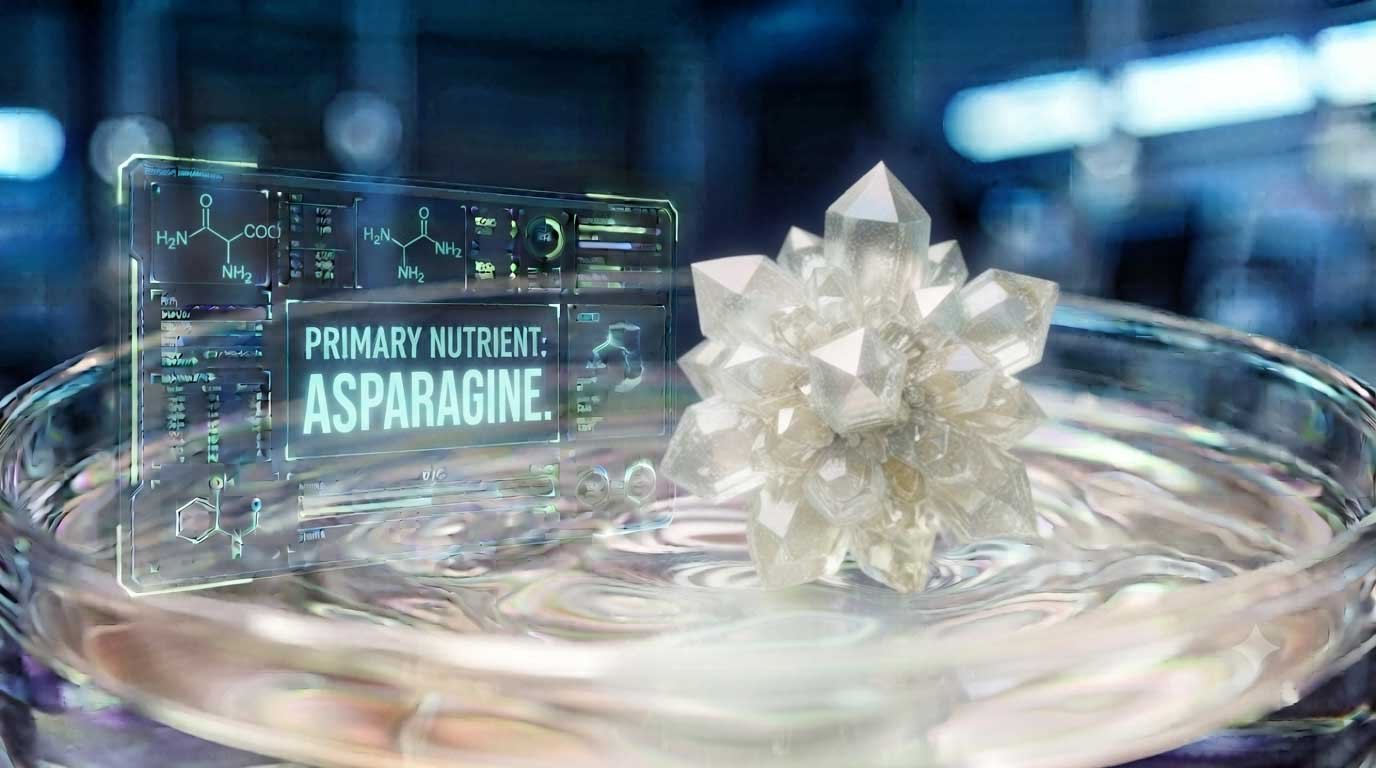
The Amino Acid Hiding in Plain Sight
If you’ve spent any real time around amino acids, you know most of the attention goes to the flashy ones. Leucine gets the bodybuilding crowd excited. Tryptophan gets blamed for post-turkey naps. Glutamine has its own supplement aisle. And then there’s asparagine, quietly doing some of the most fundamental work in your cells without anyone throwing it a parade. That’s always struck me as a little unfair, honestly, because once you start digging into what asparagine actually does, you realize it’s not some minor supporting character. It’s closer to a stagehand who happens to be holding up half the set.
Asparagine was actually the first amino acid ever isolated from a natural source, way back in 1806, pulled from asparagus juice by two French chemists. That’s where the name comes from, and it’s a nice little piece of trivia, but it also tells you something about how long we’ve known this molecule exists without fully appreciating what it does. For most of the twentieth century, asparagine sat in the “non-essential” category and got treated accordingly, as if non-essential meant unimportant. Those are not the same thing, and asparagine is a perfect example of why that distinction matters.
Table of Contents

Here’s the basic picture. Asparagine is one of the twenty standard amino acids your body uses to build proteins, and it’s classified as non-essential because your cells can manufacture it on their own from aspartate and glutamine, using an enzyme called asparagine synthetase. You don’t strictly need to eat it, in other words, because your metabolism can make it from other raw materials you’re already consuming. But “can make it” and “makes enough of it under every circumstance” turn out to be two very different things, and that gap is where a lot of the interesting biology lives.
What does asparagine actually do once it’s made? For starters, it gets woven directly into the peptide chains that become your proteins, structural stuff like collagen, enzymes that run your metabolism, hormones that coordinate your organs. Amino acids in general are the alphabet of protein synthesis, and asparagine is one of the more chemically active letters in that alphabet because of a particular feature: it carries an amide group on its side chain. That amide group isn’t just decoration. It’s a functional site where sugar molecules attach during a process called glycosylation, which is how a huge number of your proteins get tagged, folded correctly, and recognized by other cells. Skip that step, or do it wrong, and proteins misfold or fail to signal properly. Asparagine is often the exact spot where that tagging happens.
There’s also the nitrogen story, which I find genuinely fascinating even though it doesn’t get discussed much outside of biochemistry circles. Asparagine functions as a kind of nitrogen shuttle. Ammonia, a byproduct of protein and amino acid breakdown, is toxic if it accumulates, and your body needs safe ways to move nitrogen around without letting free ammonia build up in the bloodstream. Asparagine, along with its close cousin aspartate, helps carry that nitrogen in a stable, non-toxic form, feeding into pathways like the urea cycle that eventually clear it out through urine. So in a very real sense, asparagine is part of your body’s detox machinery, not in the trendy juice-cleanse sense of that word, but in the actual biochemical sense.
Then there’s the nervous system angle. Asparagine sits close to aspartate and glutamate in the metabolic pathway, and both of those are major neurotransmitters, glutamate being the primary excitatory signal in your brain. Recent research has gone even further, proposing that asparagine and glutamine together act as a kind of signaling duo inside cells, communicating whether there’s enough nitrogen and energy available to justify a cell dividing and growing. Asparagine synthetase appears to function as a sensor of substrate sufficiency for cells entering and progressing through their growth phase, which sounds abstract until you realize this is one of the mechanisms your body uses to decide when it’s safe to build new tissue versus when it should hold back. That’s not a small job.
I’ll be upfront about something, because I think it matters for how you read the rest of this piece: asparagine doesn’t have the kind of flashy, headline-grabbing benefit profile that a lot of trendy supplements claim. It’s not going to melt fat or give you laser focus by lunchtime. What it does is more foundational than that, more like the wiring behind the walls than the light fixtures you actually notice. And honestly, I think that makes it more interesting, not less, because it means asparagine’s importance shows up mostly in what goes wrong when it’s missing or dysregulated, whether that’s a rare genetic condition, a cancer’s growth strategy, or a chemical reaction that happens every time you bake bread at high heat.
Minerals get talked about constantly in nutrition circles, vitamins even more so, but the amino acids that make up the proteins delivering those minerals and vitamins around your body rarely get the same spotlight. Asparagine is a good reminder that protein synthesis isn’t some abstract textbook process happening somewhere far away from your daily life. It’s happening right now, in every cell, and asparagine is one of the building blocks making it possible. Over the next several sections, I want to walk through what the science actually says about asparagine’s role in health, where you’ll find it in your diet, what happens when levels go off script in either direction, and where the real risks lie. Some of this is going to surprise you, especially the part about what happens when you cook your food a certain way. Let’s get into it.
Key Health Benefits of Asparagine
I want to start this section with a confession of sorts: writing about asparagine’s health benefits is a bit different than writing about, say, vitamin C or magnesium, where you can point to a stack of clinical trials measuring outcomes in humans who took a specific dose. Asparagine research leans heavier into cellular and molecular biology, plus a fair amount of animal and plant research, because it’s not typically something people supplement directly for wellness purposes. So what I’m going to do here is walk through what the mechanistic and physiological research actually shows asparagine doing, because those mechanisms are the foundation everything else rests on.
Building Blocks for Every Protein You Make
The most obvious function, and the one baked right into this article’s title, is protein synthesis. Every time a cell needs to manufacture a new protein, whether that’s an antibody fighting off a cold, a digestive enzyme, or a structural protein in your skin, it needs a full set of amino acids on hand, asparagine included. Ribosomes read messenger RNA in three-letter codes and match each code to the corresponding amino acid, asparagine included, stitching them together one at a time into a growing chain. If any single amino acid runs short, that whole assembly line can stall or produce something incomplete.
What makes asparagine a little more special within that lineup is its side chain chemistry. Its amide group makes it one of the amino acids most commonly targeted for N-linked glycosylation, the process where sugar chains get attached to a protein after it’s built. This isn’t a minor cosmetic step. Glycosylation affects how proteins fold, how stable they are, how long they last before being broken down, and how they’re recognized by receptors on other cells. A huge share of the proteins that sit on your cell surfaces or get secreted into your bloodstream, including many hormones and immune proteins, rely on asparagine residues as their glycosylation anchor points. Get that wrong, and you can end up with proteins that technically exist but don’t function correctly.
A Role in Brain Chemistry and Nervous System Signaling
Because asparagine sits so close to aspartate and glutamate in the body’s metabolic pathways, it has real relevance to nervous system function. Glutamate is the brain’s primary excitatory neurotransmitter, the signal that says “fire,” essentially, and aspartate plays a related excitatory role. Since asparagine can be converted into aspartate fairly readily, it acts as something like a reservoir or buffer for that pathway. This connection is part of why some researchers describe asparagine as contributing to the maintenance of central nervous system balance, supporting the kind of steady signaling that keeps mood, alertness, and cognitive processes running smoothly rather than swinging wildly in one direction or another.
I don’t want to overstate this. Asparagine is not a nootropic in the way people use that term for caffeine or L-theanine. But the underlying biochemistry does suggest that having adequate asparagine and its downstream metabolites available matters for consistent neuronal communication, and that’s not nothing.
Nitrogen Handling and Detoxification Support
I touched on this in the introduction, but it deserves a fuller explanation because I think it’s one of the more underappreciated functions asparagine performs. Your body is constantly breaking down proteins and amino acids as part of normal turnover, and that process generates ammonia as a byproduct. Ammonia is genuinely toxic in any meaningful concentration, particularly to the brain, which is part of why liver failure, which impairs ammonia clearance, causes such severe neurological symptoms.
Asparagine, working alongside aspartate, participates in shuttling nitrogen through the urea cycle, the metabolic pathway your liver uses to convert ammonia into urea, a compound your kidneys can safely filter out and excrete. This is a genuinely protective function. It’s part of why some researchers have linked adequate asparagine status to healthy liver function and to a body’s overall capacity to manage metabolic waste efficiently. Athletes and heavily active individuals, who generate more amino acid turnover and therefore more nitrogenous waste, may lean on this pathway more than sedentary people, though I’d stop short of calling this settled, well-quantified science.
Supporting Cellular Growth and Division
Asparagine’s relationship with cell growth is a genuine double-edged sword, and I’ll deal with the concerning side of that in the toxicity section later on. But on the beneficial side, adequate asparagine availability supports the normal, healthy division of your fastest-turning-over cells, things like the lining of your gut, your immune cells, and your skin. These tissues replace themselves constantly, and that replacement requires a steady supply of amino acids, asparagine among them, to build new cellular material.
Recent physiological research has proposed that asparagine functions almost like a checkpoint signal inside cells, working alongside glutamine to help determine whether conditions are favorable for a cell to commit to dividing. Asparagine synthetase-generated asparagine appears to act as a second messenger that modulates key regulatory proteins, supporting cell survival under stress and driving progression through the cell growth cycle. That’s a fairly sophisticated regulatory role for a molecule that spent most of the last two centuries being treated as a minor structural amino acid.
Anti-Aging Signals in Emerging Research
One area I find genuinely exciting, though it’s still early, involves research into intestinal stem cell aging. A 2025 study using an aging fruit fly model found that asparagine exhibited notable anti-aging properties on intestinal stem cells, inhibiting the hyperproliferation associated with aging and helping maintain intestinal tissue balance, ultimately extending the lifespan of the aging flies studied. The same research found comparable effects in mouse intestinal tissue, with asparagine promoting healthier growth patterns in aging intestinal organoids. I want to be careful here, because fruit fly and mouse organoid research doesn’t automatically translate to humans, and nobody should read this and start asparagine-loading their diet expecting a longevity boost. But it does point toward asparagine playing a more active regulatory role in tissue maintenance than the old “just a building block” framing gave it credit for.
Where the Benefits Genuinely Stand
Pulling this together, asparagine’s real, evidence-backed contributions are structural and regulatory rather than performance-enhancing in the way people usually mean when they ask about supplement benefits. It:
- Provides the raw material and the glycosylation anchor points for a large share of your functional proteins
- Supports steady nervous system signaling through its metabolic relationship with glutamate and aspartate
- Participates in nitrogen handling and ammonia detoxification via the urea cycle
- Helps regulate whether cells have sufficient resources to safely divide and grow
- Shows early, promising signals in tissue-maintenance and aging research
None of that is the stuff of viral supplement marketing, but all of it is genuinely load-bearing for how your body functions day to day.
Dietary Sources of Asparagine
Since your body can synthesize asparagine on its own, you’re not going to find official recommended daily intake numbers the way you would for vitamin D or iron. There’s no RDA chart with asparagine on it. That said, dietary intake still matters, both because it supplements your body’s own production and because, as you’ll see in the toxicity section, the amount and form of asparagine in certain foods has real downstream consequences depending on how you cook them.
Animal-Based Sources
Protein-dense animal foods are generally reliable sources of asparagine, since it’s incorporated into the structural proteins found throughout muscle tissue and organs. Foods worth knowing about include:
- Poultry, particularly chicken and turkey breast
- Beef and other red meats
- Fish and shellfish, including cod, salmon, shrimp, and crab
- Eggs, which pack a fairly dense amino acid profile relative to their size
- Dairy products, especially cheese and whey protein, which is why whey-based supplements often list a meaningful asparagine content
Whey deserves a specific mention here because it’s such a common protein source in the fitness world. Whey protein concentrate and isolate both carry substantial asparagine content simply by virtue of being a near-complete protein extracted from milk, and this is one reason people using whey supplements for muscle recovery are, often without realizing it, also supporting their asparagine intake alongside everything else whey provides.
Plant-Based Sources
Plants are actually where a lot of the interesting asparagine chemistry happens, partly because plants use asparagine differently than animals do. In plant biology, asparagine serves as a major nitrogen storage and transport molecule, meaning plants accumulate it in fairly high concentrations under certain growing conditions, particularly when nitrogen is abundant but carbohydrates are relatively scarce, such as during storage or in the dark. This isn’t just plant trivia. It directly explains why certain plant foods carry unusually high free asparagine content. Plants associated with high levels of free asparagine include potatoes, cereal grains such as wheat, oats, rye, maize, and rice, coffee beans, and vegetables including asparagus, bell peppers, onions, and broccoli, along with seeds like peanuts and soybeans.
Notable plant sources include:
- Asparagus, unsurprisingly, given the amino acid’s namesake
- Potatoes, which carry particularly high concentrations, a fact that becomes very relevant later
- Legumes, including lentils, chickpeas, soybeans, and various beans
- Whole grains, wheat and its relatives especially
- Nuts and seeds, with peanuts and sesame seeds standing out
- Soy products like tofu, tempeh, and soy milk
Foods Generally Low in Asparagine
On the flip side, most fresh fruits and many leafy or watery vegetables tend to be relatively low in free asparagine compared to the sources listed above. This includes things like leafy greens, citrus fruits, berries, and most melons. If you’re someone paying close attention to your asparagine intake for a specific medical reason, which I’ll get into shortly, these lower-asparagine plant foods become genuinely useful dietary tools.
Why Cooking Method Changes the Picture
Here’s where dietary sources of asparagine get more complicated than a simple “eat more of this food” list, and it’s a detail I think gets glossed over in a lot of casual health content. The amount of asparagine in a raw food isn’t the whole story. What matters just as much is what happens to that asparagine when you cook the food, particularly at high, dry heat.
When foods containing both free asparagine and reducing sugars, which is common in starchy plant foods like potatoes and grains, get heated above roughly 120 degrees Celsius, a chemical process called the Maillard reaction kicks in. This is the same reaction responsible for browning and the appealing flavors in roasted, baked, and fried foods. But one of the side products of that reaction, when asparagine specifically is involved, is a compound called acrylamide, and I’ll unpack why that matters in the toxicity section. For now, the practical takeaway on the dietary sources front is this: how you prepare asparagine-rich, starchy foods genuinely changes what you’re consuming, not just in flavor but in chemical composition. Boiling tends to generate far less acrylamide than roasting, baking, or frying the same food.
Practical Takeaways on Getting Enough
Because your body manufactures its own asparagine, dietary deficiency in a healthy person eating any kind of varied diet is genuinely rare and not something most people need to actively plan around. If you’re eating a reasonable mix of protein sources, whether animal or plant-based, alongside typical grains, legumes, and vegetables, you’re almost certainly getting more than enough. Where this becomes practically relevant is less about hitting a target number and more about two specific situations: managing cooking methods to reduce acrylamide formation in starchy foods, and, for a very small number of people with a specific rare condition I’ll cover next, actually needing to think carefully about asparagine intake for medical reasons.
Dosage and Deficiency Considerations
This is probably the section where asparagine behaves most differently from the minerals and vitamins you’re used to reading about, so let me set expectations clearly before diving in. There is no established recommended dietary allowance for asparagine, no upper limit set by a nutrition board, and no standard supplement dosing protocol backed by clinical trials in generally healthy people. That’s not an oversight in the research. It reflects the fact that asparagine is non-essential, your body makes what it needs under normal circumstances, and dietary intake supplements rather than solely determines your levels.
That said, “no official dosage” doesn’t mean “nothing to know here.” There are two genuinely important angles worth understanding: what happens in the rare cases where the body’s own asparagine production fails, and how asparagine levels get deliberately manipulated in certain medical treatments.
When the Body Can’t Make Enough: Asparagine Synthetase Deficiency
This is, honestly, one of the more sobering pieces of asparagine research, and it makes a compelling case for why calling something “non-essential” can be misleading. Asparagine synthetase deficiency, often abbreviated ASNSD, is a rare inherited condition caused by mutations in the gene responsible for producing the enzyme that converts aspartate and glutamine into asparagine. When that enzyme doesn’t work properly, the body simply cannot manufacture adequate asparagine on its own, and because this is a non-essential amino acid, dietary intake alone typically cannot make up the difference, particularly not in the brain, where local production matters enormously.
The consequences are severe. Asparagine synthetase deficiency is a neurometabolic disorder characterized by severe congenital microcephaly, severe global developmental delay, an intractable seizure disorder, and spastic quadriplegia, with affected infants showing abnormalities from birth. Researchers analyzing affected families identified recessive mutations in the ASNS gene as responsible for the syndrome, and found that the resulting neurological impairment likely stems either from asparagine depletion in the brain itself or from a buildup of aspartate and glutamate that leads to excessive neuronal excitability and damage. It’s a genuinely rare condition, described in only a relatively small number of families worldwide since it was first characterized, but it’s scientifically important because it demonstrates, in the starkest possible terms, that the body’s own capacity to synthesize asparagine is not something you can casually assume will always be sufficient. When that synthesis machinery fails, no amount of dietary meat, dairy, or legumes fully compensates, because the enzyme is also needed locally within brain tissue, and asparagine doesn’t cross into the brain from the bloodstream with perfect efficiency.
I bring this up not to alarm anyone reading casually, since this is an extremely rare genetic disorder typically identified in infancy, but because it fundamentally reframes how we should think about “non-essential” amino acids. Non-essential describes the metabolic pathway, not the biological importance.
Deliberately Lowering Asparagine: A Cancer Treatment Strategy
On the opposite end of the spectrum, there are medical situations where doctors deliberately try to deplete asparagine from the body, and this is actually one of the more established and successful applications of amino acid biology in modern medicine. Certain cancers, most notably acute lymphoblastic leukemia, involve malignant cells that have lost the ability to produce their own asparagine efficiently, meaning they depend heavily on an external, circulating supply to survive and proliferate. Healthy cells, by contrast, retain their normal capacity to synthesize asparagine internally and are far less vulnerable to a shortage.
This vulnerability gets exploited directly through a drug called L-asparaginase, an enzyme that breaks down circulating asparagine into aspartic acid and ammonia, effectively starving asparagine-dependent leukemia cells while leaving most healthy tissue relatively unaffected. L-asparaginase has become an integral component of treatment for acute lymphoblastic leukemia, and since its introduction into pediatric treatment protocols in the 1960s, survival rates in children have progressively risen to nearly 90 percent. That’s a remarkable outcome built entirely on understanding how one amino acid’s metabolism differs between healthy and cancerous cells.
Dosing for L-asparaginase therapy is a highly specialized medical decision made by oncologists based on body surface area, the specific leukemia protocol being followed, and the particular formulation of the drug being used, whether that’s the native bacterial form or a longer-acting pegylated version. This is not something anyone should attempt to research and apply on their own; it’s included here purely to illustrate how significant asparagine’s role in cellular growth actually is, significant enough that manipulating it became a cornerstone cancer therapy.
What This Means for Ordinary Dietary Choices
For the overwhelming majority of people reading this, none of the above translates into a practical “take this many milligrams” recommendation, and I’d be skeptical of anyone selling you an asparagine supplement with a specific dosing protocol for general wellness, because the research simply doesn’t support that kind of specificity. What it does support is a more nuanced takeaway: eat a varied diet with adequate protein from a mix of sources, don’t worry about deficiency if you’re generally healthy, and understand that asparagine’s real clinical significance shows up almost exclusively at the extremes, either in rare genetic disorders where production fails entirely, or in disease states like leukemia where its role in fueling cell growth becomes a therapeutic target rather than a nutritional one.
Toxicity and Risks Associated with Asparagine
This is the section I think most people skip past when they’re reading about amino acids, and it’s a mistake, because asparagine actually has one of the more concrete, well-documented risk profiles of any amino acid, not through supplementation, but through something almost everyone does regularly: cooking.
The Acrylamide Connection
Let’s start with the big one. When foods containing free asparagine are heated to high temperatures, generally above 120 degrees Celsius, in the presence of reducing sugars like glucose and fructose, a chemical reaction occurs that produces a compound called acrylamide. This isn’t a fringe or theoretical concern. Research indicates that the primary route of acrylamide formation in baked goods like bread involves the reaction between asparagine and reducing sugars during baking, and the resulting acrylamide levels are considered a genuine concern for human health.
The chemistry itself has been mapped out in detail. Asparagine alone, when heated, tends to convert primarily into a different compound called maleimide rather than acrylamide, largely because of a fast internal cyclization reaction, but when reducing sugars are present alongside the asparagine, the reaction pathway shifts and generates acrylamide in addition to maleimide. In practical terms, that means starchy foods, which naturally combine free asparagine with sugars, are the primary culprits: French fries, potato chips, bread crusts, crackers, breakfast cereals, and coffee, particularly darker roasts, all show measurable acrylamide content after processing.
Why does this matter beyond chemistry-class curiosity? Acrylamide has been classified by international health authorities as a probable human carcinogen based largely on animal studies, where clear dose-response relationships have been observed between acrylamide exposure and tumor formation across multiple organs. Acrylamide is recognized by the International Agency for Research on Cancer as a proven carcinogen in animals and as possibly carcinogenic to humans, and food safety agencies globally have spent the past two decades studying population-level exposure and trying to reduce it in commercially produced foods.
I want to be precise about the risk level here, because it’s easy to either overstate or dismiss this. The evidence in humans is less definitive than in animal studies, largely because human exposure happens at much lower doses spread across a lifetime, making direct causal links harder to establish with certainty. But regulatory bodies have taken it seriously enough to set exposure guidelines, and food manufacturers have adjusted processing methods specifically to reduce it. That’s not the kind of institutional response you see for a non-issue.
Practical Ways to Reduce Acrylamide Exposure
Since asparagine itself isn’t the villain here, the sugar-plus-heat combination is, there are genuinely useful, evidence-based ways to reduce your exposure without needing to eliminate asparagine-containing foods from your diet entirely, which would be nearly impossible anyway given how common it is:
- Favor boiling or steaming over roasting, baking, or frying for starchy foods like potatoes, since boiling produces substantially lower acrylamide levels than higher-heat, drier cooking methods
- Avoid over-browning bread, toast, and baked goods; acrylamide formation increases sharply as browning intensifies
- Soak raw potato slices in water before frying or roasting, which reduces surface sugar content
- Store potatoes at room temperature rather than in the refrigerator, since cold storage increases sugar accumulation that later fuels acrylamide formation during cooking
- Moderate coffee roast darkness if you’re specifically trying to minimize exposure, since darker roasts generally show different acrylamide profiles than lighter ones, though the relationship is not perfectly linear
Asparagine’s Role in Cancer Cell Growth
The second major risk category is less about diet and more about cellular biology, and it circles back to something I touched on in the benefits section. Asparagine’s role in supporting cell growth and division is genuinely a double-edged sword. The same properties that make it valuable for healthy tissue regeneration can be exploited by cancer cells looking to fuel their own uncontrolled proliferation.
Research has shown that intracellular asparagine, a metabolite derived from glutamine, is critical to cancer cell growth and can compensate for glutamine deficiency by functioning as an amino acid exchange factor. This finding has real clinical implications. Some cancer types, particularly certain leukemias as discussed earlier, but also some solid tumors including specific breast cancer subtypes, appear to rely more heavily on asparagine availability to sustain their growth and, in some documented research, their capacity to spread. This is exactly why researchers have explored dietary asparagine restriction as a complementary strategy in specific cancer contexts, and why the L-asparaginase drug class exists at all.
None of this means asparagine causes cancer in healthy individuals through normal dietary intake. That would be an overstatement not supported by the evidence. What it does mean is that in the specific context of an existing cancer diagnosis, asparagine metabolism can become clinically relevant in ways that a healthy person’s diet doesn’t need to worry about.
Who Should Actually Pay Closer Attention
Given everything above, most healthy adults genuinely don’t need to restrict asparagine intake or lose sleep over it. The people for whom this section carries real, actionable weight include:
- Individuals actively undergoing cancer treatment, particularly for asparagine-dependent malignancies, where oncology teams may have specific dietary guidance
- Anyone broadly interested in minimizing dietary acrylamide exposure as part of general cancer-risk reduction, which mostly comes down to cooking method adjustments rather than avoiding entire food categories
- Parents of infants diagnosed with the rare asparagine synthetase deficiency discussed earlier, who require specialized medical management well beyond anything achievable through diet alone
For everyone else, the practical message is refreshingly simple: cook your potatoes and bread with a bit more attention to heat and browning, and otherwise don’t treat asparagine as something to fear in your day-to-day meals.
What Asparagine Teaches Us About Overlooked Biology
I said at the start that asparagine doesn’t get much of a spotlight, and having spent this much time walking through the research, I think that’s genuinely a shame, not because it’s a miracle molecule you need to start supplementing, but because it’s such a clean illustration of how much is happening beneath the surface of ordinary biology. Every time you digest a piece of chicken, every time your liver clears ammonia, every time a cell in your gut lining divides to replace one that’s worn out, asparagine is quietly doing structural and regulatory work that nobody notices unless something goes wrong.
That’s really the throughline here, isn’t it? The clearest evidence for asparagine’s importance doesn’t come from glowing testimonials or marketing copy. It comes from the extremes: a devastating genetic disorder that shows up when the body can’t manufacture asparagine at all, a chemotherapy drug built entirely around depleting it from cancer cells, and a chemical reaction in your toaster that turns a completely ordinary amino acid into a compound regulators watch closely. You don’t usually find that level of dramatic contrast with a nutrient people barely discuss.
If I had to distill practical takeaways for someone who just wants to apply this to their actual life, I’d keep it simple. Eat a varied diet with adequate protein from whatever mix of animal and plant sources suits you, and trust that your body’s own synthesis pathway, working with what you eat, will keep asparagine levels where they need to be. Pay a bit more attention to how you cook your starchy, asparagine-rich staples, favoring boiling over heavy browning when it’s practical, since that’s the one place where a small adjustment genuinely reduces a documented risk. And if you or someone you know is navigating a cancer diagnosis where asparagine metabolism has come up in conversation with an oncology team, take that guidance seriously rather than trying to self-manage it based on general nutrition content, because that’s a context where the biology gets genuinely specialized.
What I keep coming back to is this idea that “non-essential” was probably always a slightly misleading label. It tells you about a metabolic pathway, not about consequence. Asparagine sits at the intersection of protein construction, nitrogen management, nervous system signaling, and cell growth regulation, and it does all of that mostly without dietary supplementation, mostly without fanfare, and mostly without anyone thinking about it at all. There’s something almost admirable about that. Not every important thing in biology, or honestly in life, needs to announce itself loudly to matter.
Article Sources
At AncientHerbsWisdom, our content relies on reputable sources, including peer-reviewed studies, to substantiate the information presented in our articles. Our primary objective is to ensure our content is thoroughly fact-checked, maintaining a commitment to accuracy, reliability, and trustworthiness.
- Alfadhel, M., Alrifai, M. T., Trujillano, D., Alshaalan, H., Al Othaim, A., Al Rasheed, S., Assiri, H., Alqahtani, A. A., Alaamery, M., Rolfs, A., & Eyaid, W. (2015). Asparagine synthetase deficiency: New inborn errors of metabolism. JIMD Reports, 22, 11-16. https://doi.org/10.1007/8904_2014_405
- Egler, R. A., Ahuja, S. P., & Matloub, Y. (2016). L-asparaginase in the treatment of patients with acute lymphoblastic leukemia. Journal of Pharmacology and Pharmacotherapeutics, 7(2), 62-71. https://doi.org/10.4103/0976-500X.184769
- Krall, A. S., Xu, S., Graeber, T. G., Braas, D., & Christofk, H. R. (2016). Asparagine promotes cancer cell proliferation through use as an amino acid exchange factor. Nature Communications, 7(1), 11457. https://doi.org/10.1038/ncomms11457
- Olawuni, B., & Bode, B. P. (2024). Asparagine as a signal for glutamine sufficiency via asparagine synthetase: A fresh evidence-based framework in physiology and oncology. American Journal of Physiology-Cell Physiology, 327(5), C1335-C1346. https://doi.org/10.1152/ajpcell.00316.2024
- Ruzzo, E. K., Capo-Chichi, J. M., Ben-Zeev, B., Chitayat, D., Mao, H., Pappas, A. L., Hitomi, Y., Lu, Y. F., Yao, X., Hamdan, F. F., Pelak, K., Reznik-Wolf, H., Bar-Joseph, I., Oz-Levi, D., Lev, D., Lerman-Sagie, T., Leshinsky-Silver, E., Anikster, Y., Ben-Asher, E., Olender, T., Colleaux, L., Decarie, J. C., Blaser, S., Banwell, B., Joshi, R. B., He, X. P., Patry, L., Silver, R. J., Dobrzeniecka, S., Islam, M. S., Hasnat, A., Samuels, M. E., Aryal, D. K., Rodriguiz, R. M., Jiang, Y. H., Wetsel, W. C., McNamara, J. O., Rouleau, G. A., Silver, D. L., Lancet, D., Pras, E., Mitchell, G. A., Michaud, J. L., & Goldstein, D. B. (2013). Deficiency of asparagine synthetase causes congenital microcephaly and a progressive form of encephalopathy. Neuron, 80(2), 429-441. https://doi.org/10.1016/j.neuron.2013.08.013
- Luo, T., Zhao, L., Feng, C., Yan, J., Yuan, Y., & Chen, H. (2025). Asparagine prevents intestinal stem cell aging via the autophagy-lysosomal pathway. Aging Cell, 24(4), e14423. https://doi.org/10.1111/acel.14423
- Adimas, M. A., Abera, B. D., Adimas, Z. T., Woldemariam, H. W., & Delele, M. A. (2024). Traditional food processing and acrylamide formation: A review. Heliyon, 10(9), e30258. https://doi.org/10.1016/j.heliyon.2024.e30258
- Yaylayan, V. A., Wnorowski, A., & Perez Locas, C. (2003). Why asparagine needs carbohydrates to generate acrylamide. Journal of Agricultural and Food Chemistry, 51(6), 1753-1757. https://doi.org/10.1021/jf0261506
- Zhang, Y. (2025). Acrylamide in food: Sources and prevention. Agricultural Science and Food Processing, 2(1), 12-25. https://doi.org/10.62762/ASFP.2024.537179
- Agence nationale de securite sanitaire de l’alimentation, de l’environnement et du travail. (2024). Acrylamide in foods. ANSES. https://www.anses.fr/en/content/acrylamide-foods
- Elsevier ScienceDirect Topics. (n.d.). Asparagine: An overview. ScienceDirect. https://www.sciencedirect.com/topics/food-science/asparagine

- Phosphatidic Acid: Supporting Muscle Growth and Strength - July 31, 2026
- Ceramides: Supporting Healthy Skin From Within - July 31, 2026
- Synbiotics: Combining Prebiotics and Probiotics Together - July 31, 2026