
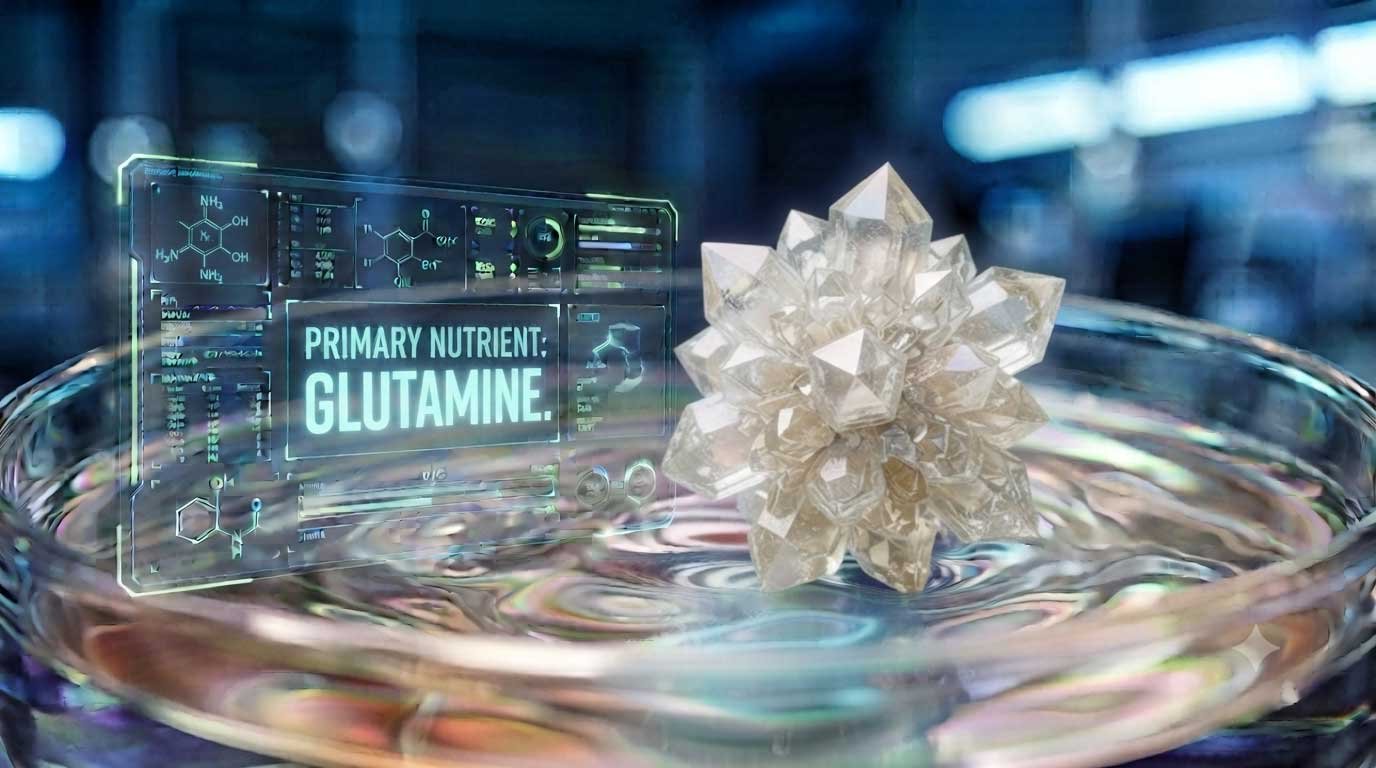
The Amino Acid Your Gut Has Been Quietly Depending On
If you asked most people to name an amino acid, they’d probably say leucine, or maybe tryptophan because of that whole turkey-makes-you-sleepy myth. Glutamine rarely comes up, and that’s a little strange when you consider it’s the most abundant free amino acid circulating in the human body. It doesn’t have the flashy reputation of protein-building leucine or the mood associations of tryptophan, but it’s doing something arguably more foundational: keeping the lining of your gut intact and giving your immune cells the fuel they need to actually do their job.
I’ve spent a long time looking at amino acids and their roles in the body, and glutamine keeps surprising me. It’s classified as “non-essential,” which is a bit of a misleading label. Non-essential just means your body can make it on its own, mostly in the muscles, liver, and lungs, using other amino acids as raw material. But under stress, illness, intense exercise, surgery, or injury, your body’s demand for glutamine can outpace what it can produce. At that point it becomes what researchers call “conditionally essential,” meaning your diet suddenly matters a lot more than it usually would.

Table of Contents

Here’s the part that surprised me the first time I dug into the literature: enterocytes, the cells lining your small intestine, use glutamine as their primary fuel source, ahead of glucose. Immune cells like lymphocytes and macrophages also burn through glutamine at a rate that rivals or exceeds glucose. So when people talk about “gut health” and “immune support” as though they’re two separate wellness categories, glutamine is a reminder that they’re deeply intertwined. The gut lining is packed with immune tissue. A weakened barrier there doesn’t just cause digestive discomfort, it changes what gets to interact with your immune system in the first place.
This is where amino acids in general deserve more attention than they get. We obsess over vitamins and minerals, we count our protein grams, but the individual amino acids that make up that protein rarely get discussed on their own terms. Glutamine is one of those unsung workhorses. It’s involved in nitrogen transport between organs, it’s a building block for glutathione (your body’s primary antioxidant), and it plays a role in maintaining the tight junctions between intestinal cells that keep your gut barrier from becoming, well, leaky.
I want to be upfront about something before we go further: glutamine isn’t a miracle powder, and I get a little wary when I see it marketed that way in some corners of the supplement world. What the research actually shows is more measured and, honestly, more interesting. It shows a nutrient that matters enormously during periods of physiological stress, one that’s already present in a fairly ordinary diet, and one where supplementation makes the most sense in specific circumstances rather than as a blanket recommendation for everyone.
Think about what happens after surgery, or during a nasty bout of gastroenteritis, or in the weeks following intense endurance training. Plasma glutamine levels drop. Your gut lining, which turns over its cells every few days, needs a steady fuel supply to keep rebuilding itself. Your immune system, especially the cells responsible for fighting off infection, needs glutamine to proliferate and produce the signaling molecules that coordinate a response. When glutamine runs short during these high-demand windows, research has linked this to increased susceptibility to infection and slower recovery.
There’s also a quieter, less dramatic role glutamine plays every single day, even when you’re not sick or recovering from anything. Your gut microbiota, the trillions of bacteria living in your intestines, interact with glutamine in ways researchers are still mapping out. Some evidence suggests glutamine supplementation can shift the balance of bacterial populations in the gut, though I’ll say clearly that this research is still developing and I don’t think it’s settled science yet.
What I find genuinely compelling is how glutamine sits at this crossroads of nutrition, immunology, and gastroenterology, three fields that don’t always talk to each other as much as they should. A gastroenterologist thinking about intestinal permeability, an immunologist thinking about lymphocyte metabolism, and a sports nutritionist thinking about post-exercise recovery are all, in a sense, looking at glutamine from different windows into the same room.
Over the next several sections, I want to walk through what the evidence actually says about glutamine’s health benefits, where you can get it from food, how much you might reasonably need, what deficiency or insufficiency can look like, and where the real risks lie if you’re not paying attention to dosing or your personal health circumstances. My goal isn’t to convince you that you need to start supplementing tomorrow. It’s to give you enough grounded information that you can make sense of the claims you’ll inevitably encounter, separate what’s backed by decent research from what’s marketing noise, and decide for yourself whether this particular amino acid deserves a spot in your routine.
One last thing before we move on. Glutamine research spans everything from critically ill ICU patients to elite athletes to people managing chronic digestive issues, and the doses, contexts, and outcomes studied in those populations are wildly different from each other. Keep that in mind as we go, because a lot of confusion in this space comes from applying findings from one population to a completely different one.
Key Health Benefits
Let’s get into what glutamine actually does inside your body, because the mechanisms here are genuinely interesting once you see how they connect.
Fueling and Repairing the Gut Lining
The single most well-established role of glutamine is as the preferred fuel source for enterocytes, the absorptive cells lining your small intestine. These cells have an enormous workload. They’re constantly regenerating, forming a barrier that has to let nutrients through while keeping out bacteria, toxins, and undigested food particles that shouldn’t cross into the bloodstream.
Research has shown that glutamine helps maintain the tight junction proteins that hold intestinal cells together, essentially the glue that determines how “tight” or “leaky” your gut barrier is. Studies have demonstrated that glutamine promotes enterocyte proliferation and offers protection against cellular stress and apoptosis, meaning it doesn’t just fuel these cells, it actively helps them survive and multiply during recovery periods. A systematic review and meta-analysis of clinical trials found that glutamine supplementation exceeding thirty grams per day over short durations significantly reduced markers of intestinal permeability, though interestingly, the overall pooled effect across all doses studied wasn’t statistically significant, which tells you dose and duration really do matter here.
I think this nuance gets lost a lot in supplement marketing. It’s not simply “glutamine heals your gut.” It’s more like glutamine provides raw material and metabolic fuel that supports a process your gut is already trying to carry out, especially when that process is under strain from illness, chemotherapy, intense exercise, or surgical trauma.
Supporting Immune Cell Function
Here’s something that genuinely changed how I think about immune nutrition: white blood cells, particularly lymphocytes, neutrophils, and macrophages, use glutamine at rates that can exceed their glucose consumption. Early foundational research from the 1980s first demonstrated that glutamine is essential for lymphocyte proliferation and cytokine production, and that finding has held up remarkably well over decades of follow-up work.
What’s happening biochemically is that immune cells rely on a process called glutaminolysis, where glutamine gets broken down to provide both energy and the carbon and nitrogen building blocks needed for rapid cell division. When your body mounts an immune response, whether that’s fighting off a cold or healing a wound, immune cells need to multiply quickly. Glutamine availability directly influences how well they can do that.
There’s also a connection to gut-based immunity specifically. Research has found that glutamine supplementation increases secretory immunoglobulin A concentrations and boosts the number of antibody-producing plasma cells in the intestinal lining. Secretory IgA is essentially frontline defense, an antibody that coats the gut lining and helps neutralize pathogens before they get a foothold. This is one of those places where “gut health” and “immune health” aren’t really separate conversations at all.
Antioxidant Defense Through Glutathione
Glutamine also feeds into glutathione synthesis. Glutathione is often called the body’s master antioxidant, and it requires glutamate (which glutamine converts into) as one of its three building blocks, alongside cysteine and glycine. During periods of oxidative stress, whether from illness, intense physical exertion, or environmental toxin exposure, glutathione demand goes up, and having adequate glutamine available supports that production chain.
- Supports enterocyte energy metabolism and cellular turnover
- Contributes to tight junction integrity in the intestinal barrier
- Provides fuel for rapidly dividing immune cells
- Increases secretory IgA in the gut lining
- Feeds into glutathione synthesis for antioxidant defense
- Helps preserve nitrogen balance during catabolic stress
Recovery During Physical and Metabolic Stress
Athletes and clinicians actually converge here, which I find kind of fascinating. Both populations deal with situations where the body’s glutamine demand spikes: intense prolonged exercise for athletes, and trauma, burns, or major surgery for patients in clinical settings. Reviews on glutamine metabolism have documented that plasma and skeletal muscle glutamine concentrations drop measurably under these catabolic conditions, and this decline has been associated with a temporary window of immune suppression, sometimes referred to in exercise science as the “open window” theory of post-exercise infection risk.
This doesn’t mean every runner needs a glutamine supplement after every long run. But it does explain why glutamine shows up so often in clinical nutrition protocols for ICU patients, burn victims, and people recovering from major surgery, where the metabolic demand is dramatically higher than everyday life.
Dietary Sources
Here’s some good news if you’ve been reading all this and wondering whether you need to start buying powders: glutamine is genuinely abundant in ordinary food, particularly protein-rich foods. You don’t need anything exotic to get a reasonable baseline intake.
Animal-Based Sources
Meat, poultry, fish, eggs, and dairy products are all solid sources of glutamine, simply because glutamine and its close relative glutamic acid make up a substantial portion of the amino acids in most animal proteins. Beef, chicken, and fish tend to be particularly rich, and this makes sense biologically, since muscle tissue is one of the primary sites of glutamine synthesis and storage in the body.
Dairy products, including milk, yogurt, and cheese, also contribute meaningfully to dietary glutamine intake. If you’ve ever wondered why bone broth and dairy-based recovery drinks get so much attention in the sports nutrition world, glutamine content is part of that story, even if it’s rarely the headline ingredient.
Plant-Based Sources
Don’t assume this is only relevant if you eat meat. Plant proteins contribute too, sometimes surprisingly so. Wheat protein, for instance, contains a notably high proportion of glutamic acid and glutamine relative to other plant sources. Beans, lentils, and other legumes contribute smaller but still meaningful amounts. Spinach, cabbage, and parsley have also been noted in nutrition literature as plant sources worth mentioning, though the concentrations tend to be lower than in wheat or legumes.
For people eating a whole-food, protein-adequate diet, whether that diet is omnivorous, vegetarian, or vegan, glutamine intake usually isn’t something that requires special planning. It tends to track pretty closely with overall protein intake, since it’s such a common building block across so many food proteins.
Roughly How Much You’re Already Getting
Estimates suggest a typical diet delivers somewhere in the range of three to six grams of glutamine daily, though this varies quite a bit depending on how much total protein someone eats and which foods make up that protein. Compare that to the fact that your body produces an estimated fifty to eighty grams of glutamine per day on its own through internal synthesis, mostly in skeletal muscle, and you start to see why dietary intake alone usually isn’t the limiting factor for most healthy people going about ordinary daily life.
Where this changes is during periods of elevated demand. If you’re recovering from surgery, dealing with a significant illness, training at a genuinely high volume, or managing a condition that affects nutrient absorption, your body’s need for glutamine can outstrip both dietary intake and internal production combined. That’s the window where supplementation conversations become more relevant, which we’ll get into next.
A Quick Word on Bone Broth and Collagen
I’d be doing you a disservice if I didn’t mention this, because it comes up constantly. Bone broth and collagen supplements do contain glutamine and glutamic acid, among other amino acids, but collagen itself is actually relatively low in glutamine compared to complete animal proteins like chicken breast or eggs. If your primary goal is glutamine intake specifically, a well-rounded diet with adequate protein from varied sources will generally do more for you than relying heavily on bone broth alone. That’s not a knock on bone broth, which has its own merits, just a clarification since I see this conflated a lot.
Dosage & Deficiency
This is the section where I think a lot of nuance gets flattened in popular health content, so let’s slow down a bit.
What “Deficiency” Actually Looks Like
True glutamine deficiency in the classic sense, like a vitamin C deficiency causing scurvy, isn’t really how this amino acid works, because your body can synthesize it internally. What researchers describe instead is glutamine depletion or insufficiency during specific physiological states: severe trauma, sepsis, burns, major surgery, cancer treatment, and periods of intense or prolonged physical exertion. In these situations, plasma glutamine concentrations measurably decline, and that decline has been associated with impaired gut barrier function, weakened immune response, and slower recovery.
This is worth sitting with for a second, because it reframes the whole conversation. Glutamine “deficiency,” to the extent the term applies, isn’t primarily a dietary problem for most healthy people. It’s a demand problem that shows up during illness, injury, or extreme physical stress, when the body simply can’t produce or absorb enough to keep up.
Typical Supplemental Dosing in Research
Clinical and sports nutrition research has used a fairly wide range of doses, and this range matters because it tells you there isn’t one universal “correct” glutamine dose. Studies have used amounts anywhere from around five grams per day up to considerably higher doses in specific clinical contexts, sometimes reaching forty-five grams daily over several weeks in research settings, generally without reported adverse effects, though blood safety markers weren’t always closely monitored at those higher amounts.
For general supplementation purposes, doses in the range of five to fourteen grams per day show up repeatedly across the literature as a commonly studied and reasonably well-tolerated range. Some gut permeability research found that doses exceeding thirty grams per day, taken for less than two weeks, produced a measurable reduction in intestinal permeability markers, which suggests that for specific short-term therapeutic goals, higher doses over a limited window may be more effective than lower daily doses taken indefinitely.
- Five to fourteen grams daily: a commonly studied general range
- Above thirty grams daily, short-term: used in some gut permeability research
- Clinical settings (post-surgery, critical illness): dosing determined by medical supervision, often higher and administered enterally or parenterally
- Children: lower doses studied, generally under medical guidance rather than routine use
Who Tends to Benefit Most From Supplementation
Based on where the research is strongest, glutamine supplementation seems most relevant for a fairly specific set of circumstances rather than as a general wellness supplement for everyone. People recovering from surgery, patients undergoing chemotherapy or radiotherapy (particularly for managing treatment-related mucositis), individuals in critical care settings, and athletes engaged in very high training volumes are the groups where the evidence base is most developed.
For the average person eating a reasonably balanced, protein-adequate diet and not dealing with any of those specific stressors, the case for routine glutamine supplementation is a lot weaker. That’s not me being dismissive of the supplement, it’s just an honest read of where the strongest evidence actually points.
Signs Your Body Might Be Under Glutamine Strain
While there’s no simple checklist that definitively signals “you need more glutamine,” clinical literature associates periods of glutamine depletion with a cluster of things worth being aware of: slower wound healing, increased susceptibility to infections, gastrointestinal symptoms suggestive of increased intestinal permeability, and prolonged recovery times after intense physical stress or illness. None of these are exclusive to glutamine status, of course, so this isn’t a self-diagnosis tool. It’s more context for understanding why clinicians pay closer attention to glutamine status in specific patient populations rather than the general public.
Toxicity & Risks
I want to be straightforward here because I think the supplement industry sometimes undersells the “know your own health situation” part of this conversation.
General Safety Profile
Glutamine has a fairly reassuring safety profile at the doses typically studied. It’s recognized by the FDA as generally recognized as safe for use as a nutrient or dietary supplement, and acute toxicity studies in animal models have shown a very high threshold before any toxic effects appear. Short-term human studies using doses up to around fourteen grams per day have generally reported minimal adverse effects, and even considerably higher doses used in some research settings haven’t shown major red flags in short-term use.
A risk assessment conducted by Norway’s Scientific Committee for Food Safety evaluated a range of glutamine doses in food supplements, from thirty-five hundred milligrams up to sixteen thousand five hundred milligrams per day, and concluded that these specified doses were unlikely to cause adverse health effects in adults. That’s a fairly wide dosing range being deemed acceptable, which reflects the generally low acute toxicity profile of this particular amino acid compared to many other supplements on the market.
Where Caution Is Genuinely Warranted
That said, “generally safe” doesn’t mean “safe for absolutely everyone regardless of health status,” and this is where I want to be careful not to give the wrong impression. People with kidney problems should be cautious with glutamine supplementation and talk to a healthcare provider first, since amino acid metabolism places some load on kidney function, particularly during the breakdown of nitrogen-containing compounds.
There’s also caution warranted for people with certain liver conditions, including cirrhosis and hepatic encephalopathy. Glutamine metabolism is closely tied to ammonia handling in the body, and in liver disease where ammonia clearance is already impaired, additional glutamine intake could theoretically complicate that picture. Similarly, some guidance suggests caution for people with epilepsy or certain psychiatric conditions, given glutamine’s relationship to glutamate, an excitatory neurotransmitter, though I want to be clear that the direct evidence connecting oral glutamine supplementation to seizure risk in humans is much thinner than the theoretical concern might suggest.
- Kidney impairment: consult a healthcare provider before supplementing
- Liver disease, particularly cirrhosis or hepatic encephalopathy: caution advised
- Epilepsy or certain psychiatric conditions: discuss with a physician first
- Pregnancy and lactation: insufficient safety data exists, so professional guidance is recommended
- Cardiovascular risk factors: some health authorities advise caution given limited long-term data
Long-Term Use Is Still an Open Question
One thing I appreciate about the more careful reviews in this space is their honesty about a real gap: most safety data on glutamine comes from short-term studies. There simply isn’t a large body of research tracking people who’ve taken glutamine supplements continuously for years. That’s not the same as saying it’s dangerous long-term, it just means the evidence hasn’t caught up to some of the enthusiasm around continuous, indefinite supplementation. If you’re considering glutamine as a long-term daily habit rather than a short-term, targeted intervention, that’s worth factoring into your decision, and it’s a reasonable thing to bring up with a doctor or registered dietitian.
Interactions and Practical Considerations
Glutamine supplements are generally taken orally in powder or capsule form, and gastrointestinal upset, things like bloating or mild digestive discomfort, is one of the more commonly reported minor side effects at higher doses. There isn’t strong evidence of significant drug interactions for most people, but if you’re on medications that affect kidney or liver function, or you’re managing a chronic condition, checking with your prescribing physician before adding a new supplement is just sound practice, regardless of how benign that supplement’s general reputation might be.
What This Unassuming Amino Acid Actually Deserves From You
If there’s one thing I hope sticks after all of this, it’s that glutamine doesn’t need hype to be worth understanding. It’s not going to transform your health overnight, and anyone selling it that way is oversimplifying real, interesting biology into a marketing pitch. What it actually is, is a foundational piece of how your gut lining regenerates and how your immune cells mobilize when they need to multiply fast. That’s not flashy, but it’s genuinely important.
For most people eating a reasonably varied, protein-sufficient diet, you’re likely getting a meaningful baseline of glutamine without thinking about it at all, tucked into your chicken, eggs, dairy, beans, and whole grains. The conversation shifts when your body is under real physiological strain: recovering from surgery, pushing through intense training blocks, managing a GI condition, or going through cancer treatment. Those are the contexts where the research is strongest and where a conversation with a healthcare provider about targeted supplementation makes the most sense.
I’d encourage a bit of skepticism toward any product or article promising glutamine as a cure-all. The honest picture, based on the evidence, is more specific and, frankly, more useful than that. Know your own health context. If you’re dealing with kidney or liver issues, or you’re pregnant, that’s a conversation for your doctor before it’s a decision you make on your own. If you’re a generally healthy person going through a demanding training cycle or recovering from a medical procedure, a moderate, well-researched dose in the five to fourteen gram range is where most of the supporting evidence sits, though even then, food-first should be your starting point rather than your last resort.
What I keep coming back to is how glutamine quietly illustrates something bigger about nutrition science: the most important nutrients aren’t always the ones getting the most attention. They’re the ones doing unglamorous, structural work in the background, holding barriers together, fueling the cells that need to divide quickly, feeding into your body’s own antioxidant systems. Pay attention to the basics, protein-adequate meals, recovery time after physical or medical stress, and professional guidance when you’re dealing with a complicating health condition, and glutamine will largely take care of itself.
Article Sources
At AncientHerbsWisdom, our content relies on reputable sources, including peer-reviewed studies, to substantiate the information presented in our articles. Our primary objective is to ensure our content is thoroughly fact-checked, maintaining a commitment to accuracy, reliability, and trustworthiness.
- Perna, S., Alalwan, T. A., Alaali, Z., Alnashaba, T., Gasparri, C., Infantino, V., Hammad, L., Riva, A., Petrangolini, G., Allegrini, P., & Rondanelli, M. (2019). The role of glutamine in the complex interaction between gut microbiota and health: A narrative review. International Journal of Molecular Sciences, 20(20), 5232. https://doi.org/10.3390/ijms20205232
- Cruzat, V., Macedo Rogero, M., Noel Keane, K., Curi, R., & Newsholme, P. (2018). Glutamine: Metabolism and immune function, supplementation and clinical translation. Nutrients, 10(11), 1564. https://doi.org/10.3390/nu10111564
- Kim, M. H., & Kim, H. (2017). The roles of glutamine in the intestine and its implication in intestinal diseases. International Journal of Molecular Sciences, 18(5), 1051. https://doi.org/10.3390/ijms18051051
- Abbasi, F., Haghighat Lari, M. M., Khosravi, G. R., Mansouri, E., Payandeh, N., & Milajerdi, A. (2024). A systematic review and meta-analysis of clinical trials on the effects of glutamine supplementation on gut permeability in adults. Amino Acids, 56(1), 60. https://doi.org/10.1007/s00726-024-03420-7
- Løvik, M., Frøyland, L., Haugen, M., Holvik, K., Skålhegg, B. S., Stea, T. H., Strand, T. A., Tell, G. S., & Iversen, P. O. (2020). Risk assessment of “other substances” – L-glutamine and L-glutamic acid. European Journal of Nutrition & Food Safety, 12(8), 54–57. https://doi.org/10.9734/ejnfs/2020/v12i830261

- Phosphatidic Acid: Supporting Muscle Growth and Strength - July 31, 2026
- Ceramides: Supporting Healthy Skin From Within - July 31, 2026
- Synbiotics: Combining Prebiotics and Probiotics Together - July 31, 2026