
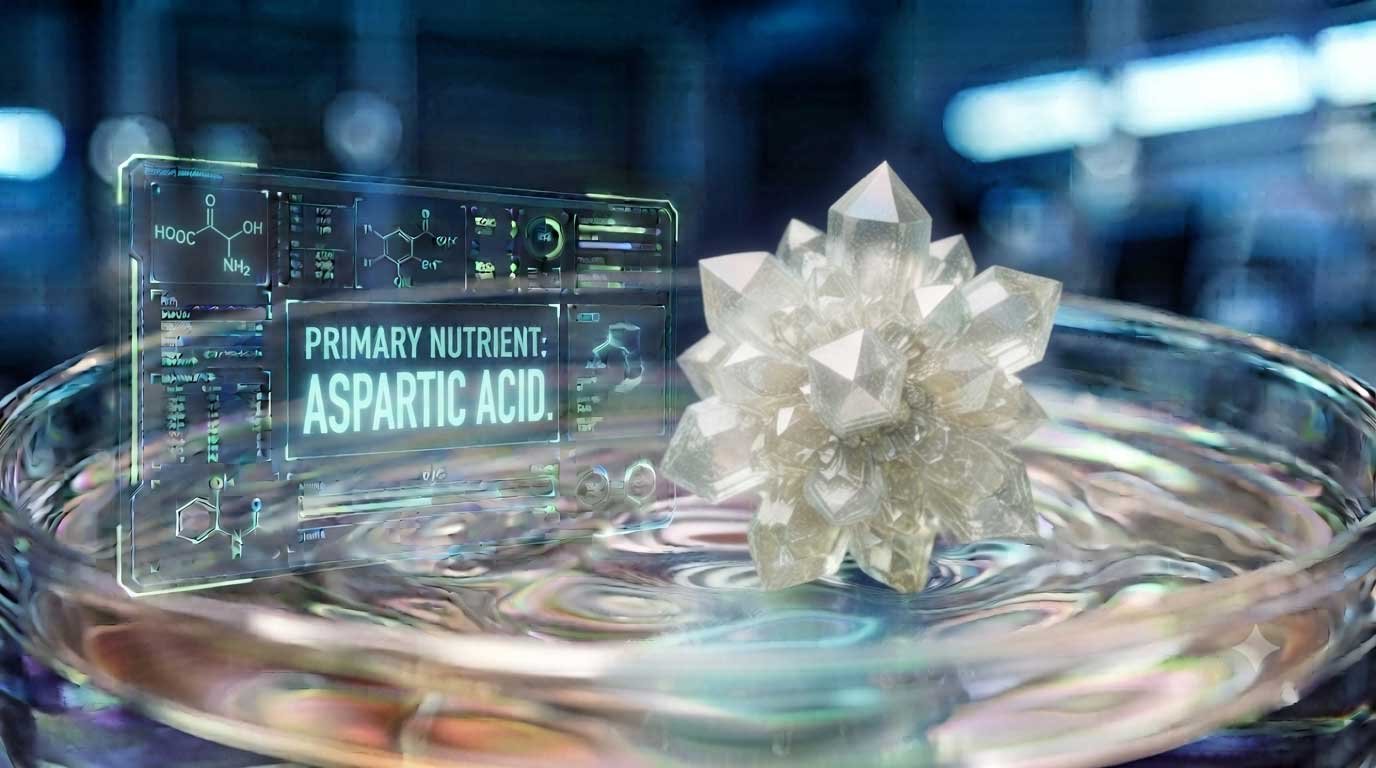
The Quiet Amino Acid Running the Show Behind the Scenes
If you asked ten people to name an amino acid, you’d probably hear tryptophan, maybe glutamine if they’ve been reading supplement labels, or leucine if they lift weights. Almost nobody says aspartic acid. And that’s a little unfair, honestly, because this compound is working overtime in nearly every cell in your body, and it’s been doing so since before you took your first breath.
I’ve spent more years than I care to admit poking around amino acid metabolism, and aspartic acid keeps showing up in places you wouldn’t expect. It’s not flashy. It doesn’t have the marketing muscle of BCAAs or the mystique of something like taurine. But dig into the biochemistry textbooks, and you’ll find it sitting right at the intersection of some of the most important pathways your body runs day and night, including the one that keeps your cells supplied with usable energy.
Table of Contents

So what actually is aspartic acid? In plain terms, it’s a non-essential amino acid, meaning your body can manufacture it on its own without you needing to eat it directly, unlike essential amino acids such as lysine or leucine. Chemically, it belongs to a small group of acidic amino acids, distinguished by having an extra carboxyl group hanging off its structure. That extra piece is not just a chemistry footnote. It gives aspartic acid a negative charge at the pH found inside your cells, and that charge is part of why it behaves the way it does, interacting with metal ions, sitting near the surface of proteins, and participating in reactions that move electrons and nitrogen around your metabolism.
Here’s where it gets interesting for anyone curious about cellular energy. Aspartic acid isn’t just a building block sitting quietly inside proteins waiting to be used for structure. It’s an active participant in the citric acid cycle, also called the Krebs cycle, which is the central hub where your cells convert nutrients from food into ATP, the molecule that powers essentially everything you do, from blinking to sprinting. Aspartic acid helps shuttle electron carriers like NADH into the mitochondria, the tiny power plants inside your cells, so the Krebs cycle can keep spinning and producing energy. Without that shuttle system working properly, cellular respiration would grind to a halt in short order.
There’s also a lesser known but genuinely fascinating role aspartic acid plays as a neurotransmitter. It sits in the same excitatory family as glutamate, capable of activating NMDA receptors in the brain, which are heavily involved in learning, memory formation, and neural communication. That’s a very different job from shuttling electrons in a mitochondrion, and it says something about how versatile this molecule really is.
Now, before this turns into a chemistry lecture, let me pull back and explain why any of this should matter to you as someone reading a health article rather than a biochemistry paper. Aspartic acid, in its two forms, L-aspartic acid and the much rarer D-aspartic acid, has become a subject of real interest in nutrition, sports performance, and even reproductive health research. Supplement companies have latched onto D-aspartic acid in particular, selling it as a natural testosterone booster, though as we’ll get into later, the actual human research tells a more complicated story than the marketing copy suggests.
There’s also the aspartame connection, which tends to come up the moment aspartic acid enters a conversation. Aspartame, the artificial sweetener found in diet sodas and sugar-free gum, is partly made of aspartic acid bonded to phenylalanine. That link has fueled decades of public concern, some of it grounded in legitimate caution, some of it exaggerated well past what the evidence supports. We’ll walk through that too, because it deserves a fair, evidence-based look rather than a knee-jerk dismissal in either direction.
What I want to do across this article is treat aspartic acid the way it deserves to be treated: as a genuinely important piece of human metabolism, not essential in the dietary sense, but essential in the functional sense. It’s involved in producing other amino acids your body does need, it supports detoxification of ammonia through the urea cycle, it contributes to gluconeogenesis when your body needs to make glucose from non-carbohydrate sources, and it plays a supporting role in the biochemical machinery that keeps your cells charged and functioning.
Minerals and vitamins tend to get most of the spotlight in nutrition conversations, but amino acids like aspartic acid are the unsung workhorses underneath all of it. Vitamin B12 needs cofactors to do its job. Enzymes need amino acid substrates to catalyze reactions. Aspartic acid shows up again and again as one of those quiet enablers, rarely mentioned by name but functionally indispensable.
Over the following sections, we’ll get into the specific health roles aspartic acid plays, where you can actually find it in food, what the research says about dosage and deficiency, and where the legitimate safety concerns lie. My goal isn’t to oversell this amino acid as some miracle compound, because it isn’t one, and I’d be doing you a disservice if I pretended otherwise. But I do think it deserves more attention than it typically gets, especially from anyone interested in how cellular energy production actually works under the hood.
Key Health Benefits
Powering the Krebs Cycle and ATP Production
Let’s start with the role that gives aspartic acid its billing in this article: cellular energy. The Krebs cycle, sometimes called the citric acid cycle or the TCA cycle, is the metabolic engine room where your cells extract usable energy from the food you eat. Aspartic acid is intricately tied to this process through something called the malate-aspartate shuttle, a biochemical relay system that moves reducing equivalents, essentially electron-carrying molecules like NADH, from the cytoplasm of the cell into the mitochondria.
Why does that matter? Because the inner mitochondrial membrane is not freely permeable to NADH. It needs help getting across, and aspartic acid, working alongside malate and a handful of enzymes, provides that help. Once inside the mitochondria, those electrons feed into the electron transport chain, which is the final stage of cellular respiration that actually generates the bulk of your ATP. No shuttle, no efficient electron transport, and no efficient electron transport means your cells are running on fumes.
This is one of those biochemical details that never makes it into casual health conversations, but it’s a big deal for anyone who cares about energy metabolism, whether that’s an athlete chasing endurance gains or someone just trying to understand why fatigue happens at the cellular level. Aspartic acid is also produced from oxaloacetate, itself a Krebs cycle intermediate, through a process called transamination, which means aspartic acid and the Krebs cycle are woven together in both directions: the cycle helps make aspartic acid, and aspartic acid helps keep the cycle running.
Supporting the Urea Cycle and Ammonia Detoxification
Protein metabolism produces ammonia as a byproduct, and ammonia is genuinely toxic if it accumulates. Your body handles this through the urea cycle, converting ammonia into urea, which then gets excreted through urine. Aspartic acid plays a direct role here, combining with citrulline to form a compound called argininosuccinate, which eventually breaks down into arginine and fumarate.
That fumarate, interestingly, can loop right back into the Krebs cycle, which is a nice example of how interconnected these pathways really are. Nothing in metabolism happens in isolation. The urea cycle and the citric acid cycle are practically neighbors, sharing intermediates back and forth, and aspartic acid is one of the molecules facilitating that exchange.
A Precursor for Other Amino Acids
Aspartic acid isn’t just useful on its own. It’s also a starting material your body uses to build several other amino acids, including asparagine, methionine, lysine, threonine, and isoleucine. Some of those, like lysine and threonine, are essential amino acids you do need to get from your diet, but the pathways that process and utilize them often depend on aspartic acid as a metabolic partner.
Think of aspartic acid a bit like a hub in a transit system. It’s not the final destination for most of the traffic passing through, but an awful lot of routes connect through it. That’s part of why deficiency, though rare, can have ripple effects across multiple systems rather than one isolated symptom.
A Role in Neurotransmission
As I mentioned earlier, aspartic acid, particularly in its D-isomer form, functions as an excitatory neurotransmitter, capable of activating NMDA receptors in the brain. These receptors are central to synaptic plasticity, which is the biological basis for learning and memory. D-aspartic acid also appears in notably higher concentrations in the brain during early development and in the testes, which has driven a lot of the research interest into its role in neuroendocrine signaling and reproductive hormone regulation.
I want to be careful here, because this is where a lot of supplement marketing takes a small kernel of legitimate science and inflates it into sweeping claims. The evidence for D-aspartic acid’s role in animal reproductive systems is fairly well established. Its effects in humans, especially healthy, non-deficient humans, are far less consistent, something we’ll unpack more in the dosage section.
Possible Role in Hormone Regulation
D-aspartic acid has drawn particular attention in sports nutrition circles because of its involvement in the hypothalamic-pituitary-gonadal axis, the hormonal signaling chain that regulates testosterone production. Some early human research found that a modest daily dose over a couple of weeks was associated with a meaningful rise in testosterone in a small group of men who started with relatively low baseline levels. That finding got a lot of attention, understandably.
But subsequent research in resistance-trained men with more typical testosterone levels has not consistently replicated that effect. Some studies found no significant change, and at least one study found that a higher dose was actually associated with reduced testosterone. This is a genuinely mixed picture, and I’d encourage you to be skeptical of any product claiming guaranteed testosterone gains from D-aspartic acid supplementation. The honest answer is that the science is still unsettled, and individual response seems to vary quite a bit depending on starting hormone status.
Nitrogen Balance and Metabolic Support
Beyond the specific pathways already mentioned, aspartic acid contributes more broadly to nitrogen balance in the body, which is the equilibrium between nitrogen intake, mostly from dietary protein, and nitrogen excretion. Maintaining that balance is fundamental to tissue repair, immune function, and general metabolic health. It’s not a glamorous benefit, but it’s foundational, the kind of thing that only becomes noticeable when it’s not working properly.
Put all of this together, and you start to see why aspartic acid earns a place in any serious conversation about amino acids and cellular energy, even though it rarely gets top billing. It’s not a benefit you feel directly, the way you might feel a caffeine boost or notice a vitamin deficiency resolving. It’s structural, working in the background, supporting processes that only announce themselves when something goes wrong.
Dietary Sources
Animal-Based Sources
If you eat a reasonably varied diet with any amount of animal protein, you’re almost certainly getting a steady supply of aspartic acid without ever thinking about it. Poultry, beef, and wild game are all solid sources, along with more processed meats like sausage and luncheon meats, though I’d stop short of recommending those as a primary source given everything else that comes packaged along with them.
Seafood deserves a specific mention here too. Oysters, for instance, are frequently cited as a particularly rich source of aspartic acid, alongside other shellfish. Dairy products contribute as well, since aspartic acid is present in milk proteins, meaning cheese, yogurt, and milk itself all chip in modest amounts.
Plant-Based Sources
You don’t need animal products to get adequate aspartic acid, which is good news for anyone eating a vegetarian or plant-forward diet. Asparagus is probably the most fitting example, given that aspartic acid’s name is actually derived from the Latin word for asparagus, since it was first isolated from asparagus juice by early chemists. Avocado is another strong contributor, along with sprouting seeds, young sugarcane, oat flakes, and sugar beet molasses.
Legumes are worth calling out specifically here too. Beans, lentils, and peas all provide meaningful amounts of aspartic acid as part of their overall amino acid profile, which is one of several reasons legumes are considered such a nutritionally complete plant food. Nuts and seeds round things out nicely, contributing smaller but still useful amounts.
A quick list of foods worth keeping on your radar if you’re specifically trying to boost aspartic acid intake:
- Oysters and other shellfish
- Poultry and beef
- Asparagus
- Avocado
- Legumes such as lentils and beans
- Sprouted seeds and grains
- Dairy products, particularly cheese
- Oat flakes and whole grains
Why You Rarely Need to Think About This
Here’s the thing about aspartic acid sourcing that I think gets lost in a lot of amino acid content online: because it’s non-essential, your body can synthesize it from other compounds even if your dietary intake happens to be low on a given day. The primary raw material is oxaloacetate, an intermediate that’s already floating around in your Krebs cycle, which your body converts into aspartic acid through transamination, a reaction that also requires adequate vitamin B6 status to run efficiently.
That’s an important detail, actually. If someone is deficient in vitamin B6, their ability to synthesize aspartic acid and shuttle it through metabolic pathways can be compromised even if their protein intake looks fine on paper. This is a good example of why nutrition rarely reduces down to a single nutrient in isolation. B6 status, overall protein adequacy, and gut health for absorption all interact to determine whether your amino acid metabolism, aspartic acid included, is functioning the way it should.
Food Processing and Cooking Considerations
One practical note worth mentioning: amino acid content in food can degrade somewhat during high-heat cooking, prolonged storage, or exposure to acidic environments. This isn’t unique to aspartic acid, it applies broadly across amino acids, but it’s a reminder that fresher, less processed preparations of protein-containing foods tend to preserve more of their original amino acid profile. If you’re eating a varied diet with regular protein intake from a mix of animal and plant sources, though, this is unlikely to be something you need to actively manage or worry about on a daily basis.
Supplement Forms
Aspartic acid also shows up in supplement form, either as the standalone amino acid or bound to minerals in compounds like magnesium aspartate or potassium aspartate, sometimes marketed for athletic recovery or general energy support. D-aspartic acid specifically is sold as a standalone testosterone-support supplement, usually in powder or capsule form. I’ll be honest with you: for the overwhelming majority of people eating a normal, varied diet, supplementation isn’t necessary to meet aspartic acid needs. Food sources are plentiful, and your body’s own synthesis pathways fill in whatever gaps exist. Supplementation becomes a more specific, targeted decision, one that should be made with a clear understanding of what the research does and doesn’t support, which we’ll get into next.
Thinking About Sourcing in the Context of a Whole Diet
I think it’s worth zooming out for a second here, because focusing too narrowly on a single amino acid can give a skewed picture. Nobody eats asparagus or oysters specifically to chase aspartic acid numbers. What actually matters, practically speaking, is whether your overall diet includes enough complete or complementary protein sources across the week. If you’re eating eggs a few times, some fish or poultry, a rotation of legumes, and a reasonable amount of vegetables and whole grains, aspartic acid is coming along for the ride whether you’re paying attention to it or not.
This is one of the reasons I tend to push back gently when people ask me which single food has the most aspartic acid, as though that number alone should guide their grocery list. Amino acid nutrition works cumulatively and contextually. A diet heavy in refined carbohydrates and low in protein diversity is going to fall short on aspartic acid, sure, but it’s also going to fall short on a dozen other things at the same time, and fixing that broader pattern matters far more than chasing one specific compound.
Vegans, Vegetarians, and Aspartic Acid Adequacy
For anyone following a plant-based diet, I don’t see aspartic acid as a realistic point of concern, provided the diet includes a reasonable variety of legumes, whole grains, nuts, and seeds. Soy products in particular tend to carry a fairly complete amino acid profile, and combined with lentils, chickpeas, and a handful of nuts through the week, most plant-based eaters are getting more than enough. This is different from some of the genuinely trickier nutrients to source on a vegan diet, like vitamin B12 or certain long-chain omega-3 fats, where deliberate planning or supplementation really does matter. Aspartic acid isn’t in that category. It’s abundant enough across plant foods that dedicated tracking would be overkill for almost anyone.
Dosage & Deficiency
There’s No Established Daily Requirement
Unlike essential nutrients such as vitamin B12 or essential amino acids like lysine, there is no official recommended daily intake for aspartic acid. That’s a direct consequence of it being classified as non-essential. Your body produces what it needs through its own biochemical pathways, using dietary protein and other metabolic intermediates as raw material. Health organizations haven’t set specific intake targets because, under normal physiological conditions, deficiency from diet alone is genuinely uncommon.
That said, “no official requirement” doesn’t mean the amino acid is unimportant, and it doesn’t mean supplementation research doesn’t exist. It mostly means the conversation shifts from “how much do I need” to “does supplementing beyond normal levels actually do anything useful.”
What the D-Aspartic Acid Research Actually Shows
This is where I want to slow down, because I think this is the area where people get the most misleading information. D-aspartic acid supplementation research has produced genuinely inconsistent results, and anyone selling you a confident, one-size-fits-all dosage claim is glossing over that inconsistency.
One frequently cited study gave a modest daily dose, in the range of about three grams, to a group of men with lower baseline testosterone levels over a twelve-day period and found a meaningful increase in testosterone by the end of that window. That result got a lot of traction in supplement marketing. But when researchers tested a similar three-gram dose in resistance-trained men who already had normal testosterone levels, the effect essentially disappeared. No significant change showed up at all.
Even more notably, when researchers doubled the dose to six grams daily in resistance-trained men, testosterone actually dropped rather than rose. That’s a genuinely important finding, because it suggests more is not automatically better here, and higher doses might do the opposite of what people are hoping for.
A systematic review looking specifically at body composition outcomes in trained males concluded that D-aspartic acid functions, at best, as a low-level testosterone influence, with no meaningful effect on strength or body composition in athletic populations. So if your goal is muscle growth or athletic performance, the current evidence doesn’t provide strong support for D-aspartic acid supplementation delivering on that promise.
Why the Inconsistency Happens
A few things seem to be driving these mixed results. Baseline hormone status appears to matter quite a bit, meaning people who start with lower testosterone might respond differently than people with already-normal levels. There’s also research suggesting the body ramps up an enzyme called D-aspartate oxidase in response to prolonged supplementation, which actively breaks down D-aspartic acid, potentially blunting its effects the longer someone takes it. That’s a fairly elegant example of the body’s own regulatory feedback working to maintain balance rather than let levels climb unchecked.
Signs of Genuine Deficiency
Because dietary deficiency of aspartic acid specifically is rare, most of what gets described as low aspartic acid status actually shows up indirectly, tied to broader protein insufficiency rather than a targeted shortfall. People on severely restricted diets, whether due to illness, disordered eating, or extreme caloric restriction, may show reduced markers of amino acid metabolism generally, aspartic acid included.
Some research measuring urinary aspartate levels has associated low levels with general fatigue and low mood, though I want to be cautious about how I phrase that connection, since these associations don’t necessarily prove that low aspartic acid causes those symptoms directly. It’s more accurate to say that inadequate protein intake broadly, which would naturally include reduced aspartic acid synthesis and availability, tends to correlate with those kinds of nonspecific symptoms.
Practical Takeaway on Dosage
If you’re eating a diet with adequate protein from varied sources, animal or plant-based, you almost certainly don’t need to think about aspartic acid intake as a distinct nutritional target. If you’re specifically considering a D-aspartic acid supplement for hormonal or athletic purposes, go in with realistic expectations shaped by the actual research rather than marketing copy, understand that individual response varies considerably, and be aware that higher doses have shown the potential to reduce testosterone rather than raise it in some studies. That’s not a ringing endorsement, and I don’t think the current evidence justifies one.
Who Might Actually Benefit From Paying Attention
If there’s a group where aspartic acid status might genuinely be worth a closer look, it’s people dealing with chronic, severe dietary protein restriction, whether from illness, digestive disorders that impair protein absorption, or extreme, poorly planned dieting. In those situations, amino acid metabolism across the board tends to suffer, and aspartic acid is simply one piece of a much larger nutritional shortfall. The fix in those cases isn’t a targeted aspartic acid supplement, it’s addressing the underlying protein inadequacy with a doctor or dietitian who can evaluate the whole picture.
Older adults are another group worth a brief mention, since protein absorption and synthesis efficiency can decline somewhat with age, and overall dietary protein intake tends to drop as appetite and eating patterns shift later in life. Again, this isn’t really an aspartic acid story specifically, it’s a broader protein adequacy story that happens to include aspartic acid as one of many downstream amino acids affected.
A Word on Self-Experimentation
I get why people are drawn to trying a supplement like D-aspartic acid themselves rather than waiting for research to sort itself out. Self-experimentation has a long, reasonable history in nutrition, and I’m not going to tell you it’s inherently a bad idea. But if you do decide to try it, I’d encourage a bit of structure: pick a modest dose in line with what’s actually been studied, roughly three grams daily rather than reaching straight for six, give it a defined trial period rather than an open-ended one, and pay attention to how you actually feel and perform rather than assuming a benefit is happening just because you’re taking something. If you have access to bloodwork before and after, that’s genuinely more informative than guessing based on subjective energy levels, which are notoriously easy to talk yourself into noticing.
Toxicity & Risks
General Dietary Safety
For the vast majority of people getting aspartic acid through normal food sources, there’s essentially no toxicity concern to speak of. This is a naturally occurring amino acid your body already produces and processes constantly as part of ordinary metabolism. The concerns that do exist center almost entirely around concentrated supplementation and, separately, around aspartame, the artificial sweetener that contains bound aspartic acid.
Excitotoxicity Concerns
Because aspartic acid belongs to the excitatory amino acid family alongside glutamate, and because it can activate NMDA receptors in the brain, there has been longstanding scientific interest in whether excessive levels could contribute to excitotoxicity, a process where overstimulation of neurons leads to cellular damage. This concern is well established in animal and cell-culture research using very high, non-physiological concentrations. Translating that into real-world dietary risk from normal food or typical supplement doses is much less clear, and there isn’t strong human evidence showing that ordinary dietary aspartic acid intake causes this kind of neurological harm.
That said, this is an area where I think caution is reasonable rather than dismissive. People with certain neurological conditions, or those on medications that affect glutamatergic signaling, may want to discuss any amino acid supplementation, including concentrated D-aspartic acid products, with a physician before starting, simply because the interaction between excitatory amino acids and an already sensitized nervous system isn’t something you want to guess about.
The Aspartame Question
No honest discussion of aspartic acid safety can skip aspartame, since it’s the most common way people encounter concentrated aspartic acid without realizing it. Aspartame is a dipeptide, meaning it’s made of two amino acids joined together, aspartic acid and phenylalanine, with a methyl ester group attached. When your body digests aspartame, it breaks down into these component parts, including free aspartic acid, phenylalanine, and a small amount of methanol.
In 2023, the World Health Organization’s International Agency for Research on Cancer, working alongside the Joint FAO/WHO Expert Committee on Food Additives, released a joint evaluation of aspartame. The two bodies conducted independent but complementary reviews assessing the potential carcinogenic hazard and other health risks associated with aspartame consumption. IARC classified aspartame as possibly carcinogenic to humans, citing limited evidence for carcinogenicity, while JECFA reaffirmed the existing acceptable daily intake of 40 milligrams per kilogram of body weight.
It’s worth being precise about what that actually means, because headlines tend to flatten nuance. The FDA has publicly disagreed with IARC’s classification, stating that labeling aspartame as possibly carcinogenic does not mean it’s actually linked to cancer, and that FDA scientists identified significant shortcomings in the studies IARC relied on. Meanwhile, on the specific question of the amino acids released during aspartame digestion, regulatory reviewers have pointed out something genuinely reassuring: phenylalanine, aspartic acid, and methanol are also released from many commonly consumed foods through normal digestion, and after aspartame is broken down, these substances enter systemic circulation at levels lower than what typically comes from eating common foods.
So the aspartic acid released from a can of diet soda isn’t some novel, uniquely dangerous form of the amino acid. It’s the same aspartic acid your body handles from a chicken breast or a serving of lentils, just delivered through a different vehicle, and in smaller amounts than routine food intake already provides. That doesn’t mean aspartame is beyond scrutiny, the cancer classification question remains genuinely debated among scientists, but the specific fear that aspartame is flooding your system with dangerous excess aspartic acid doesn’t hold up well against the actual exposure data.
Phenylketonuria Is the Real Exception
There is one population where aspartame, and by extension its aspartic acid component, genuinely does require strict avoidance, and that’s people with phenylketonuria, a rare genetic condition where the body cannot properly metabolize phenylalanine. For this specific group, the phenylalanine released from aspartame digestion, not the aspartic acid, poses a real and well-documented health risk, which is why aspartame-containing products carry warning labels for people with PKU. This is a good reminder that safety information needs to be specific to the compound actually causing harm, rather than lumping every component of a molecule together under one blanket concern.
Supplement-Specific Risks
Going back to D-aspartic acid supplements specifically, the main documented risk from human trials isn’t toxicity in the traditional sense, it’s the testosterone reduction observed at higher doses mentioned in the previous section. That’s worth taking seriously if you’re considering supplementation for athletic or hormonal purposes, since it runs counter to the entire reason most people buy the product in the first place. Beyond that, some users report mild gastrointestinal discomfort with concentrated amino acid supplements generally, though this tends to be dose-dependent and resolves with discontinuation.
A Balanced Read on the Risk Picture
If I had to summarize the overall risk profile honestly, I’d say this: dietary aspartic acid from whole foods carries essentially no meaningful risk for the general population. Aspartame’s aspartic acid contribution is smaller than what you’d get from ordinary food and doesn’t appear to be a distinct hazard on its own, though the broader aspartame safety conversation, particularly around the cancer classification, remains an active area of scientific discussion worth staying informed about. Concentrated D-aspartic acid supplementation is the area deserving the most individual caution, not because it’s been shown to be dangerous in a dramatic sense, but because the benefits it’s marketed for are inconsistently supported, and the hormonal effects at higher doses can run opposite to what users expect.
Small Molecule, Surprisingly Big Job
Step back from all the biochemistry and here’s what stays with me about aspartic acid: it’s a molecule that never really asked for attention and mostly doesn’t get any, yet it’s threaded through some of the most consequential processes running inside you right now. It’s helping shuttle electrons so your mitochondria can keep producing ATP. It’s part of the cleanup crew converting toxic ammonia into something your kidneys can safely handle. It’s a stepping stone toward other amino acids your body genuinely can’t live without. And in the brain, it’s quietly participating in the electrical conversations that let you learn and remember.
I think what draws me to compounds like aspartic acid, after years of reading through this kind of research, is exactly the fact that they don’t fit neatly into a single category. It’s not purely a structural amino acid, not purely a neurotransmitter, not purely a metabolic intermediate. It’s all three at once, depending on where in the body you happen to be looking. That kind of multitasking is common throughout biochemistry once you start paying attention, and it’s a useful reminder that the body rarely assigns one job to one molecule. Efficiency wins out, and aspartic acid is a small, elegant example of that efficiency in action.
None of that requires you to buy a supplement or overhaul your diet. If you’re eating a reasonably varied diet with adequate protein, whether that protein comes from oysters and chicken or lentils and avocado, your aspartic acid needs are almost certainly being met without any deliberate effort on your part. That’s actually a nice thing to know, in a nutrition landscape that often makes people anxious about nutrients they’ve never heard of.
Where I’d encourage genuine thought and a healthy dose of skepticism is around D-aspartic acid supplementation specifically. The research is real, but it’s mixed, and the marketing has consistently outpaced what controlled human trials actually show. If you’re considering it for testosterone support or athletic performance, go in with your eyes open, understand that higher doses have shown the potential to backfire, and don’t expect it to be a shortcut around the more boring, more reliable fundamentals of training, sleep, and overall nutrition.
As for aspartame, I think the fair takeaway is that the aspartic acid piece of that conversation is the least concerning part of it. The exposure levels are modest, comparable to or lower than what ordinary food provides, and the amino acid your body receives from a diet soda is metabolized the same way as the amino acid from a steak. The more serious, still-unresolved scientific conversation around aspartame centers on other questions entirely, and it’s worth following that conversation as new research emerges rather than assuming the matter is fully settled in either direction.
Ultimately, aspartic acid is a good example of why nutrition science rewards curiosity over headlines. It’s not going to be the next big supplement trend, and it probably shouldn’t be. But understanding what it does, quietly, constantly, in the background of your own metabolism, gives you a genuinely clearer picture of how your body turns food into the energy that gets you through an ordinary day.
If you take one practical thing away from all of this, let it be this: eat a reasonably varied diet with adequate protein, and trust that the amino acid side of things, aspartic acid very much included, is largely going to take care of itself. Save your attention and your skepticism for the areas that actually deserve it, like whether a supplement’s marketing claims match what controlled human research has actually shown, or whether a headline about aspartame is representing the full regulatory picture rather than the scariest possible framing. That kind of careful reading, applied consistently, will serve you far better over time than memorizing which food has the highest concentration of any single amino acid, aspartic acid included.
I’ll admit there’s something satisfying about amino acids like this one precisely because they don’t demand anything from you. You don’t need to buy a special product, track a number, or worry about hitting a target. Your body has been managing aspartic acid synthesis and utilization since before you could form a memory of learning to do anything at all, and for the overwhelming majority of people, it will keep doing exactly that without any intervention on your part. Sometimes the most useful thing a piece of biochemistry can teach you is where not to spend your worry, and aspartic acid, for most healthy adults eating a reasonable diet, is a pretty good candidate for exactly that.
Article Sources
At AncientHerbsWisdom, our content relies on reputable sources, including peer-reviewed studies, to substantiate the information presented in our articles. Our primary objective is to ensure our content is thoroughly fact-checked, maintaining a commitment to accuracy, reliability, and trustworthiness.
- Ahn, C. H., Kim, S. H., & Kim, J. W. (2015). Three and six grams supplementation of d-aspartic acid in resistance trained men. Journal of the International Society of Sports Nutrition, 12, 15. https://doi.org/10.1186/s12970-015-0078-7
- D’Aniello, A. (2007). D-Aspartate, a functional amino acid in the nervous and endocrine systems of mammals. Brain Research Reviews, 53(2), 215-234. https://doi.org/10.1016/j.brainresrev.2006.08.005
- Lak, M., Goudarzi, K., & Shahrbaf, M. A. (2022). D-aspartic acid supplementation effects on body composition: A systematic review of randomized clinical trials on trained males. Asian Journal of Sports Medicine, 13(2), e120161. https://doi.org/10.5812/asjsm-120161
- Sokolowska, M., & Pilecka, A. (2024). The effects of six-gram D-aspartic acid supplementation on the testosterone, cortisol, and hematological responses of male boxers subjected to 11 days of nocturnal exposure to normobaric hypoxia. Nutrients, 16(1), 76. https://doi.org/10.3390/nu16010076
- Melendez-Hevia, E., De Paz-Lugo, P., Cornish-Bowden, A., & Cardenas, M. L. (2009). A weak link in metabolism: The metabolic capacity for glycine biosynthesis does not satisfy the need for collagen synthesis. Journal of Biosciences, 34(6), 853-872. https://doi.org/10.1007/s12038-009-0100-9
- Martin, J. L., Costa, A. R., Tvrzicka, E., & Lansky, E. Z. (2023). Aspartame safety as a food sweetener and related health hazards. Nutrients, 15(16), 3627. https://doi.org/10.3390/nu15163627
- World Health Organization. (2023, July 14). Aspartame hazard and risk assessment results released. https://www.who.int/news/item/14-07-2023-aspartame-hazard-and-risk-assessment-results-released
- U.S. Food and Drug Administration. (2023). Aspartame and other sweeteners in food. https://www.fda.gov/food/food-additives-petitions/aspartame-and-other-sweeteners-food
- International Agency for Research on Cancer. (2023). Aspartame hazard and risk assessment results released. https://www.iarc.who.int/pressrelease/aspartame-hazard-and-risk-assessment-results-released/
- Martinez-Reyes, I., & Chandel, N. S. (2020). Mitochondrial TCA cycle metabolites control physiology and disease. Nature Communications, 11, 102. https://doi.org/10.1038/s41467-019-13668-3
- Arnold, P. K., & Finley, L. W. S. (2023). Regulation and function of the mammalian tricarboxylic acid cycle. Journal of Biological Chemistry, 299(2), 102838. https://doi.org/10.1016/j.jbc.2022.102838
- Topo, E., Soricelli, A., D’Aniello, A., Ronsini, S., & D’Aniello, G. (2009). The role and molecular mechanism of D-aspartic acid in the release and synthesis of LH and testosterone in humans and rats. Reproductive Biology and Endocrinology, 7, 120. https://doi.org/10.1186/1477-7827-7-120

- Phosphatidic Acid: Supporting Muscle Growth and Strength - July 31, 2026
- Ceramides: Supporting Healthy Skin From Within - July 31, 2026
- Synbiotics: Combining Prebiotics and Probiotics Together - July 31, 2026