

The Quiet Mineral Working Behind Your Insulin
Ask ten people to name an important mineral and you’ll hear calcium, iron, maybe magnesium if they’ve been paying attention to wellness content lately. Almost nobody says chromium. And yet this unassuming trace element has been sitting in the background of glucose metabolism research for decades, occasionally stepping into the spotlight whenever someone publishes a new study on blood sugar control.
I’ve spent a long time looking at trace minerals, and chromium is one of the strangest cases in the whole field. It’s not flashy. It’s not marketed the way magnesium or zinc are. But mention “blood sugar support” to anyone browsing a supplement aisle and there’s a decent chance chromium picolinate is sitting right there on the shelf, quietly promising to help.
Table of Contents


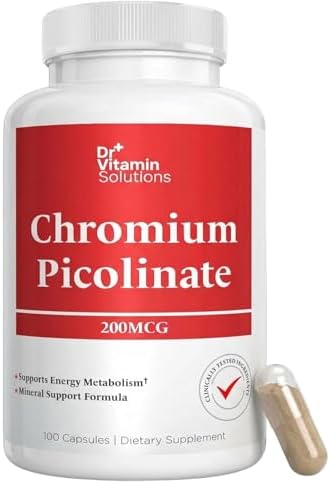
So what is chromium, actually? In nature, it shows up in two very different forms. There’s trivalent chromium, sometimes written as chromium (III), which is the form found in food and in supplements, and considered biologically relevant. Then there’s hexavalent chromium, chromium (VI), a toxic industrial byproduct from stainless steel manufacturing and certain other processes. These two are not interchangeable, and it’s worth saying clearly: everything in this article concerns trivalent chromium, the dietary form, not the industrial one you’d want nowhere near your food or water supply.

Here’s where things get genuinely interesting, and a little contentious. For years, the assumption was that chromium is an essential mineral, meaning your body absolutely requires it and can’t function properly without adequate amounts. That assumption drove the U.S. Food and Nutrition Board to set official intake recommendations back in 2001. But more recent scientific opinion has started to push back on that framing. Some researchers, including reviewers at the European Food Safety Authority, have concluded there isn’t convincing evidence that chromium is truly essential in the way, say, iron or zinc are. No clearly defined deficiency state has ever been established in a healthy population. That’s an unusual position for a mineral to be in: official recommended intakes still exist, yet the essentiality itself remains debated among nutrition scientists.
I bring this up not to be pedantic but because it shapes how you should think about chromium. It’s not like vitamin C, where a deficiency produces scurvy and there’s no argument about it. Chromium sits in a grayer zone. The proposed mechanism is that it helps potentiate insulin’s action, essentially assisting the hormone that shuttles glucose out of your bloodstream and into your cells. Scientists have proposed that chromium binds with a small oligopeptide to form something called chromodulin, which then interacts with the insulin receptor. It’s a plausible, well-studied mechanism, even if the practical, real-world payoff of supplementing with chromium remains a matter of ongoing scientific disagreement.
What does chromium actually do day to day, assuming you’re getting a reasonable amount from your diet? It’s involved in carbohydrate metabolism, some aspects of protein and lipid metabolism, and it may have modest antioxidant properties as well. Most people, without ever thinking about it, get chromium from a rotating mix of meats, whole grains, vegetables, fruits, nuts, and even beverages like beer and wine. The amounts are small, we’re talking micrograms rather than milligrams, which is part of why chromium tends to fly under the radar. Nobody’s out here talking about their “chromium levels” the way people talk about vitamin D.
There’s also a practical wrinkle that trace mineral researchers run into constantly: chromium content in food is notoriously inconsistent. The same food grown in different soil, processed through different equipment, can have wildly different chromium levels. Stainless steel cookware and processing equipment can actually leach small amounts of chromium into food, which complicates efforts to build a clean, standardized database of chromium content across foods. If you’ve ever wondered why nutrition labels almost never list chromium, that unpredictability is a big part of the answer.
Over the course of this article, I want to walk through what chromium is actually linked to health-wise, where you can realistically get it, how much you probably need, and where the risks start to creep in if you go overboard on supplementation. Chromium isn’t a miracle mineral, and anyone who tells you otherwise is overselling it. But it’s also not nothing, and if you’re someone paying attention to blood sugar, metabolism, or general mineral intake, it’s worth understanding on its own terms rather than lumping it in with every other trendy supplement claim you’ve scrolled past.
Let’s get into it properly.
Key Health Benefits
The Insulin Connection
The single biggest reason chromium gets attention is its proposed role in insulin sensitivity. Insulin is the hormone responsible for moving glucose out of your blood and into your cells, where it can be used for energy or stored. When that process works smoothly, blood sugar stays in a reasonably tight range. When it doesn’t, whether due to insulin resistance, poor diet patterns, or underlying metabolic conditions, blood sugar can swing more dramatically.
Chromium’s proposed contribution here is that it helps amplify insulin’s effect at the receptor level. Some of the more compelling human trials have tested this directly. In one frequently cited 1997 randomized trial involving 180 adults with type 2 diabetes, participants receiving 1,000 micrograms of chromium daily, in the picolinate form, saw meaningfully lower fasting glucose and post-meal glucose readings after four months compared to those on placebo. Hemoglobin A1c, which reflects average blood sugar control over roughly three months, also came in lower in the higher-dose group. That’s a real, measurable effect, and it’s the kind of study that keeps chromium in the conversation.
But and this is important, subsequent research hasn’t been nearly as consistent. A broader 2019 review pulling together eight meta-analyses and 58 separate clinical trials found that chromium, when used as an add-on treatment, produced only a slight reduction in fasting glucose and A1c among people with diabetes. Slight. Not dramatic. Some individual trials found essentially no benefit at all. Major diabetes organizations, including the American Diabetes Association, have stated plainly that the evidence isn’t strong enough to recommend chromium supplementation as a standard part of diabetes management.
Interestingly, there’s a pattern showing up in more recent research: people with more severe insulin resistance and poorer baseline glycemic control seem more likely to respond to chromium supplementation than people whose blood sugar regulation is already reasonably healthy. That’s a meaningful nuance. It suggests chromium might matter more as a supportive factor when things are already going sideways metabolically, rather than as a universal blood sugar booster for everyone.
Metabolic Syndrome and Lipid Patterns
Metabolic syndrome is the cluster of risk factors, abdominal fat, elevated triglycerides, low HDL cholesterol, high blood pressure, and elevated fasting glucose, that collectively raise the risk of heart disease, stroke, and type 2 diabetes. Because insulin resistance sits at the center of that cluster, researchers have naturally wondered whether chromium might help here too.
The honest answer, based on the clinical trials available, is: probably not much. A handful of controlled trials have tested chromium picolinate in people with metabolic syndrome, and the results have been underwhelming. In one trial, high-dose chromium picolinate increased the body’s insulin response to glucose but didn’t move the needle on A1c, insulin sensitivity, body weight, or lipid levels. Another trial using chromium yeast for six months found no meaningful change in fasting glucose, blood pressure, waist circumference, or cholesterol.
That said, some data on cholesterol specifically deserves a closer look. Several meta-analyses examining chromium supplementation in people with diabetes have found small but statistically real increases in HDL, the “good” cholesterol, alongside modest reductions in triglycerides. The magnitude is small, we’re talking a few points, not a lipid panel transformation, but it’s a consistent enough pattern across pooled studies to be worth noting.
Weight and Body Composition
This is probably where chromium picolinate built its supplement-aisle reputation, largely through weight loss marketing in the 1990s and 2000s. The underlying theory made some biological sense: if chromium enhances insulin action, maybe it reduces how much glucose gets converted to fat, and maybe it nudges the body toward building lean muscle instead.
The research tells a more modest story. A 2019 meta-analysis pooling 21 trials and over 1,300 participants with overweight or obesity found that people taking chromium supplements lost about three quarters of a kilogram more than those on placebo, along with a small reduction in BMI and body fat percentage. To put that plainly: less than two pounds, on average, across trials lasting several months. A Cochrane review reached a similar conclusion, describing the weight effect as being of “debatable clinical relevance” while also flagging that the overall quality of evidence was low.
So if you’re picturing chromium as some kind of fat-burning shortcut, I’d gently steer you away from that idea. It might contribute a small effect at the margins for some people, layered on top of an already reasonable diet and activity pattern. It is not going to replace the fundamentals.
Hormonal Patterns in PCOS
Polycystic ovary syndrome involves insulin resistance for a lot of women who have it, which is part of why chromium has been studied here as well. A few systematic reviews pooling several hundred participants have found that chromium supplementation, mostly in picolinate form, produced small reductions in BMI and free testosterone levels, along with modest drops in fasting insulin. Effects on blood glucose, total testosterone, and reproductive hormones were generally not significant.
Researchers reviewing this body of work have been fairly consistent in describing the clinical relevance as small and uncertain. It’s not nothing, particularly for the insulin and androgen markers, but it’s far from a definitive treatment strategy, and nobody serious in this field is suggesting chromium alone could meaningfully manage PCOS.
Across all four of these areas, insulin action, metabolic syndrome, weight, and PCOS, the pattern is remarkably consistent: chromium shows up in the data as a small, sometimes statistically real, but clinically modest player. That’s a very different story from the confident claims you sometimes see on supplement packaging, and I think it’s worth sitting with that gap for a moment before moving on.
Dietary Sources
What’s Actually in Your Food
If you’re trying to get chromium the old-fashioned way, through food, you’re working with a mineral that’s present in small, inconsistent amounts across a fairly wide range of everyday items. There’s no single chromium superfood the way, say, oysters dominate the zinc conversation. Instead, you’re looking at modest contributions from many different sources.
Grape juice is actually one of the more concentrated sources per serving, along with ham, whole wheat English muffins, brewer’s yeast, and orange juice. Beef and turkey both contribute reasonable amounts as well. Vegetables like lettuce and green beans show up too, though in smaller quantities. Whole grains generally outperform refined grains, which makes sense once you understand that processing tends to strip out trace minerals along with fiber.
Here’s a rough sense of where chromium shows up in a typical diet:
- Whole grains and whole grain products, including whole wheat bread and English muffins
- Meat and poultry, particularly beef, ham, and turkey
- Fruits and fruit juices, especially grape juice and orange juice
- Vegetables, including green beans, tomatoes, and lettuce
- Brewer’s yeast, which is unusually concentrated for its serving size
- Nuts, spices, beer, and wine, all contributing smaller but real amounts
One detail that surprises people: dairy products and foods high in added sugar tend to be quite low in chromium. There’s actually some research suggesting that diets high in simple sugars increase how much chromium your body excretes through urine, which is a bit of an ironic twist. The foods many people reach for during a blood sugar crash, sugary snacks and sweetened drinks, aren’t contributing meaningfully to chromium intake and may even be accelerating its loss.
The Absorption Problem
Even when chromium is present in your food, your body doesn’t absorb much of it. We’re talking somewhere between roughly 0.4% and 2.5% of dietary chromium actually making it into your system. That’s a strikingly low absorption rate compared to many other minerals. Vitamin C and certain other compounds appear to enhance absorption somewhat, while antacids and certain plant compounds called oxalates seem to inhibit it.
This low absorption rate is part of why blood or urine chromium testing isn’t a reliable way to assess someone’s overall chromium status. Urinary chromium reflects recent intake more than it reflects your body’s actual stores, and there’s currently no validated clinical method for determining whether someone is chromium deficient in a meaningful, actionable way. That’s a genuinely unusual situation in nutrition science, where most minerals have at least some reasonably dependable lab marker.
Cookware: An Unexpected Contributor
Here’s a detail that tends to surprise people the first time they hear it. Stainless steel cookware and food processing equipment can actually transfer small amounts of chromium into food during cooking, particularly with acidic foods simmered for longer periods. It’s not a large contribution in the grand scheme of things, but it’s a real, documented phenomenon, and it partly explains why measuring the “natural” chromium content of food is such a headache for researchers. Standard laboratory tools used to measure chromium can themselves introduce contamination, which is part of why food composition tables for this particular mineral come with more caveats than most.
Supplement Forms
For people who go the supplement route rather than relying purely on food, chromium shows up in several different chemical forms: chromium picolinate, chromium chloride, chromium nicotinate, chromium polynicotinate, and chromium histidinate, among others. Multivitamin and mineral combination products typically include somewhere between 35 and 120 micrograms. Standalone chromium supplements are more concentrated, commonly ranging from 200 to 500 micrograms, with some products pushing as high as 1,000 micrograms.
Absorption rates differ slightly by form. Chromium picolinate appears to be absorbed at roughly 1.2%, while chromium chloride sits closer to 0.4%. Those numbers might look small in isolation, but they’re actually in a similar range to what your body pulls from food, so no particular supplement form has a dramatic absorption advantage over the others.
Dosage & Deficiency
What “Enough” Actually Looks Like
Because chromium’s essentiality is genuinely debated among scientists, official intake guidance is framed differently than it is for most minerals. Rather than a Recommended Dietary Allowance, which requires solid data on how much people actually need, chromium intake recommendations are set as Adequate Intakes, based on what healthy populations typically consume rather than on a precisely calculated requirement.
For context, adult men are generally guided toward around 30 to 35 micrograms daily, while adult women land somewhere around 20 to 25 micrograms, with the exact number shifting slightly by age bracket. Pregnancy and lactation nudge those numbers upward a bit, since more of nearly everything is being funneled toward supporting a developing baby or milk production. These are genuinely small numbers in the grand scheme of mineral intake, especially compared to something like magnesium, which is recommended in the hundreds of milligrams.
Here’s the practical reality: most people eating a reasonably varied diet land somewhere in this range without ever thinking about chromium specifically. Small studies looking at typical intake patterns in the United States have found average intakes hovering somewhere between roughly 27 and 57 micrograms per day, depending on the study and dietary pattern examined. That’s broadly consistent with the adequate intake targets, which suggests outright dietary chromium shortfalls aren’t a widespread concern for most healthy adults eating a normal, varied diet.
Does Deficiency Actually Happen?
This is where chromium gets genuinely unusual among minerals. True, well-documented chromium deficiency in healthy people has essentially never been reported. The handful of case reports that exist, dating back to the 1970s and 1980s, involved patients on long-term intravenous feeding, total parenteral nutrition, who developed symptoms like elevated blood sugar, unexplained weight loss, nerve issues, and confusion, symptoms that improved once chromium was added back into their feeding solution.
For years, those cases were held up as proof that chromium deficiency was real and dangerous. More recent scientific reevaluation has cast doubt on that interpretation, mainly because those older studies never adequately measured how much chromium was actually present in the feeding solutions to begin with. Without that baseline, it’s hard to say with confidence the patients were truly chromium-deficient rather than experiencing some other nutritional or metabolic issue tied to their overall feeding regimen. Even so, chromium is still routinely added to intravenous nutrition formulas today as a precaution, generally providing far more chromium than a healthy person would absorb from a typical diet.
Outside of that narrow clinical context, involving people who can’t eat normally and are entirely dependent on intravenous nutrition, there’s no established, clinically recognized chromium deficiency syndrome in the general population. If you’re eating actual food and absorbing nutrients normally through your gut, running low on chromium specifically isn’t something that shows up on the radar the way, say, iron deficiency does.
Who Might Want to Pay Closer Attention
That doesn’t mean chromium status is completely irrelevant to think about. A few groups are worth mentioning:
- People eating diets very high in refined sugar and low in whole foods, since sugar intake appears to increase chromium excretion while contributing little chromium itself
- People with poorly controlled blood sugar or more significant insulin resistance, based on the research suggesting they may be more likely to respond to chromium supplementation than metabolically healthy individuals
- Anyone on long-term intravenous feeding, where chromium intake depends entirely on what’s included in the formula
- Older adults, since the adequate intake target actually decreases somewhat with age, though this reflects typical intake patterns rather than a documented increased risk
For the average person without one of these specific circumstances, chasing a chromium supplement in the hope of preventing deficiency is largely solving a problem that doesn’t clearly exist.
Toxicity & Risks
Where the Ceiling Actually Sits
Unlike many minerals, chromium doesn’t have an official Tolerable Upper Intake Level. That’s not because unlimited chromium is considered safe, it’s because the Food and Nutrition Board concluded there wasn’t enough solid data to set a precise numerical ceiling. They were explicit, though, that this absence of a defined upper limit shouldn’t be read as a green light. High intakes could plausibly cause harm, and caution is warranted specifically because the safety data is thinner than it is for most other trace minerals.
People with kidney or liver disease are flagged as a group that may be more vulnerable to problems from high chromium intake, since these organs play central roles in processing and clearing trace elements from the body. If that describes your situation, having a conversation with a healthcare provider before adding a chromium supplement isn’t just a formality, it’s genuinely relevant given how the mineral is metabolized and excreted.
What Goes Wrong at High Doses
Isolated case reports, and it’s worth stressing these are case reports rather than large controlled trials, have linked high-dose chromium supplements to a concerning list of adverse effects: unintended weight loss, anemia, low platelet counts, liver dysfunction, kidney failure, a serious muscle-breakdown condition called rhabdomyolysis, skin reactions including dermatitis, and low blood sugar. That’s a fairly serious list for a mineral often marketed as a gentle, low-risk supplement.
To be fair, these are rare, individual cases rather than a pattern showing up broadly across clinical trials, where chromium picolinate at doses up to 1,000 micrograms daily for months at a time has generally been reasonably well tolerated by most participants. But rare doesn’t mean irrelevant, particularly for a supplement people sometimes take indefinitely without medical supervision, assuming that because it’s “natural” it must be inherently safe.
Medication Interactions Worth Knowing
This is probably the most practically important safety information for anyone actually considering chromium supplementation, especially if you’re already managing blood sugar with medication.
Because chromium may enhance insulin’s effect, taking it alongside insulin therapy could theoretically increase the risk of hypoglycemia, dangerously low blood sugar. The same logic applies to metformin and other blood sugar lowering medications; layering chromium on top could have an additive effect that pushes blood sugar lower than intended. If you’re on any glucose-lowering medication and considering chromium, this is a conversation to have with whoever manages that prescription, not a decision to make solo based on a supplement bottle’s marketing copy.
There’s also a documented interaction with levothyroxine, the medication commonly used to treat hypothyroidism. Research has found that taking chromium picolinate at the same time as levothyroxine reduces how well the thyroid medication gets absorbed over the following hours. Spacing the two apart would be the sensible workaround, though again, this is exactly the kind of detail worth running past a pharmacist or physician rather than guessing at timing on your own.
The FDA’s Actual Position
It’s worth knowing that the U.S. Food and Drug Administration has weighed in directly on chromium picolinate marketing claims, and their conclusion is more cautious than a lot of supplement packaging suggests. The only qualified health claim FDA allows is carefully hedged, essentially stating that one small study suggests chromium picolinate might reduce insulin resistance risk, while explicitly noting that the existence of such a relationship remains highly uncertain. That’s about as far from a ringing endorsement as regulatory language gets, and it’s a useful reality check against more enthusiastic marketing claims you might encounter elsewhere.
Where This Leaves Us
So where does that leave chromium, after walking through the benefits, the sources, the dosing, and the risks? Somewhere in the middle, honestly, and I think that’s a more useful place to land than either extreme you’ll find online. It’s not a scam mineral with zero relevance to your health, and it’s also not the blood sugar miracle that supplement marketing sometimes implies.
What the research actually supports is more modest and, frankly, more believable: chromium plays some role in how insulin does its job, the effect size in most well-controlled trials is small, and the people most likely to notice any benefit are those already dealing with meaningful insulin resistance or poorly controlled blood sugar, rather than everyone across the board. If your metabolism is already functioning reasonably well, there’s little reason to expect chromium supplementation will move any needle you’d actually feel or measure.
For most people, the practical takeaway is refreshingly simple: eat a varied diet that includes whole grains, a reasonable mix of protein sources, and plenty of vegetables and fruit, and you’ll likely land in a reasonable chromium range without ever thinking about it as a distinct nutritional goal. Minimizing ultra-processed, high-sugar foods helps on two fronts at once, since those foods tend to be low in chromium while simultaneously increasing how much of it your body excretes.
If you’re specifically dealing with insulin resistance, prediabetes, or type 2 diabetes and you’re curious about chromium supplementation, that’s a legitimate conversation to have with a doctor or registered dietitian, not because chromium is guaranteed to help, but because the honest answer is that it might help a little for some people in that specific situation, and a professional can weigh that against your medications and overall health picture. Going in with realistic expectations, a small potential benefit rather than a dramatic transformation, will serve you far better than chasing whatever the boldest headline on a supplement label promises.
Trace minerals like chromium rarely make headlines, and maybe that’s appropriate. It does its work quietly, in amounts measured in millionths of a gram, contributing in some small way to a much larger, more complicated metabolic picture. That’s not a dramatic story, but it’s an honest one, and in a supplement landscape full of overstated claims, honest is worth quite a lot.
Article Sources
At AncientHerbsWisdom, our content relies on reputable sources, including peer-reviewed studies, to substantiate the information presented in our articles. Our primary objective is to ensure our content is thoroughly fact-checked, maintaining a commitment to accuracy, reliability, and trustworthiness.
- Anderson, R. A., Cheng, N., Bryden, N. A., Polansky, M. M., Cheng, N., Chi, J., & Feng, J. (1997). Elevated intakes of supplemental chromium improve glucose and insulin variables in individuals with type 2 diabetes. Diabetes, 46(11), 1786-1791. https://doi.org/10.2337/diab.46.11.1786
- Costello, R. B., Dwyer, J. T., & Bailey, R. L. (2016). Chromium supplements for glycemic control in type 2 diabetes: limited evidence of effectiveness. Nutrition Reviews, 74(7), 455-468. https://doi.org/10.1093/nutrit/nuw011
- European Food Safety Authority NDA Panel. (2014). Scientific Opinion on Dietary Reference Values for chromium. EFSA Journal, 12(10), 3845. https://doi.org/10.2903/j.efsa.2014.3845
- Fazelian, S., Rouhani, M. H., Bank, S. S., & Amani, R. (2017). Chromium supplementation and polycystic ovary syndrome: A systematic review and meta-analysis. Journal of Trace Elements in Medicine and Biology, 42, 92-96. https://doi.org/10.1016/j.jtemb.2017.04.008
- Fowler, J. F., Jr. (2000). Systemic contact dermatitis caused by oral chromium picolinate. Cutis, 65(2), 116. https://pubmed.ncbi.nlm.nih.gov/10696566/
- Iqbal, N., Cardillo, S., Volger, S., Bloedon, L. T., Anderson, R. A., Boston, R., & Foster, G. D. (2009). Chromium picolinate does not improve key features of metabolic syndrome in obese nondiabetic adults. Metabolic Syndrome and Related Disorders, 7(2), 143-150. https://doi.org/10.1089/met.2008.0057
- John-Kalarickal, J., Pearlman, G., & Carlson, H. E. (2007). New medications which decrease levothyroxine absorption. Thyroid, 17(8), 763-765. https://doi.org/10.1089/thy.2007.0060
- National Institutes of Health, Office of Dietary Supplements. (2022). Chromium: Fact sheet for health professionals. https://ods.od.nih.gov/factsheets/Chromium-HealthProfessional/
- Trumbo, P. R., & Ellwood, K. C. (2006). Chromium picolinate intake and risk of type 2 diabetes: an evidence-based review by the United States Food and Drug Administration. Nutrition Reviews, 64(8), 357-363. https://doi.org/10.1111/j.1753-4887.2006.tb00220.x
- Tsang, C., Taghizadeh, M., Aghabagheri, E., Asemi, Z., & Jafarnejad, S. (2019). A meta-analysis of the effect of chromium supplementation on anthropometric indices of subjects with overweight or obesity. Clinical Obesity, 9(4), e12313. https://doi.org/10.1111/cob.12313
- Tian, H., Guo, X., Wang, X., He, Z., Sun, R., Ge, S., & Zhang, Z. (2013). Chromium picolinate supplementation for overweight or obese adults. Cochrane Database of Systematic Reviews, 11, CD010063. https://doi.org/10.1002/14651858.CD010063.pub2
- Vincent, J. B. (2017). New evidence against chromium as an essential trace element. The Journal of Nutrition, 147(12), 2212-2219. https://doi.org/10.3945/jn.117.255901
- Vincent, J. B. (2003). The potential value and toxicity of chromium picolinate as a nutritional supplement, weight loss agent and muscle development agent. Sports Medicine, 33(3), 213-230. https://doi.org/10.2165/00007256-200333030-00004

- Phosphatidic Acid: Supporting Muscle Growth and Strength - July 31, 2026
- Ceramides: Supporting Healthy Skin From Within - July 31, 2026
- Synbiotics: Combining Prebiotics and Probiotics Together - July 31, 2026