
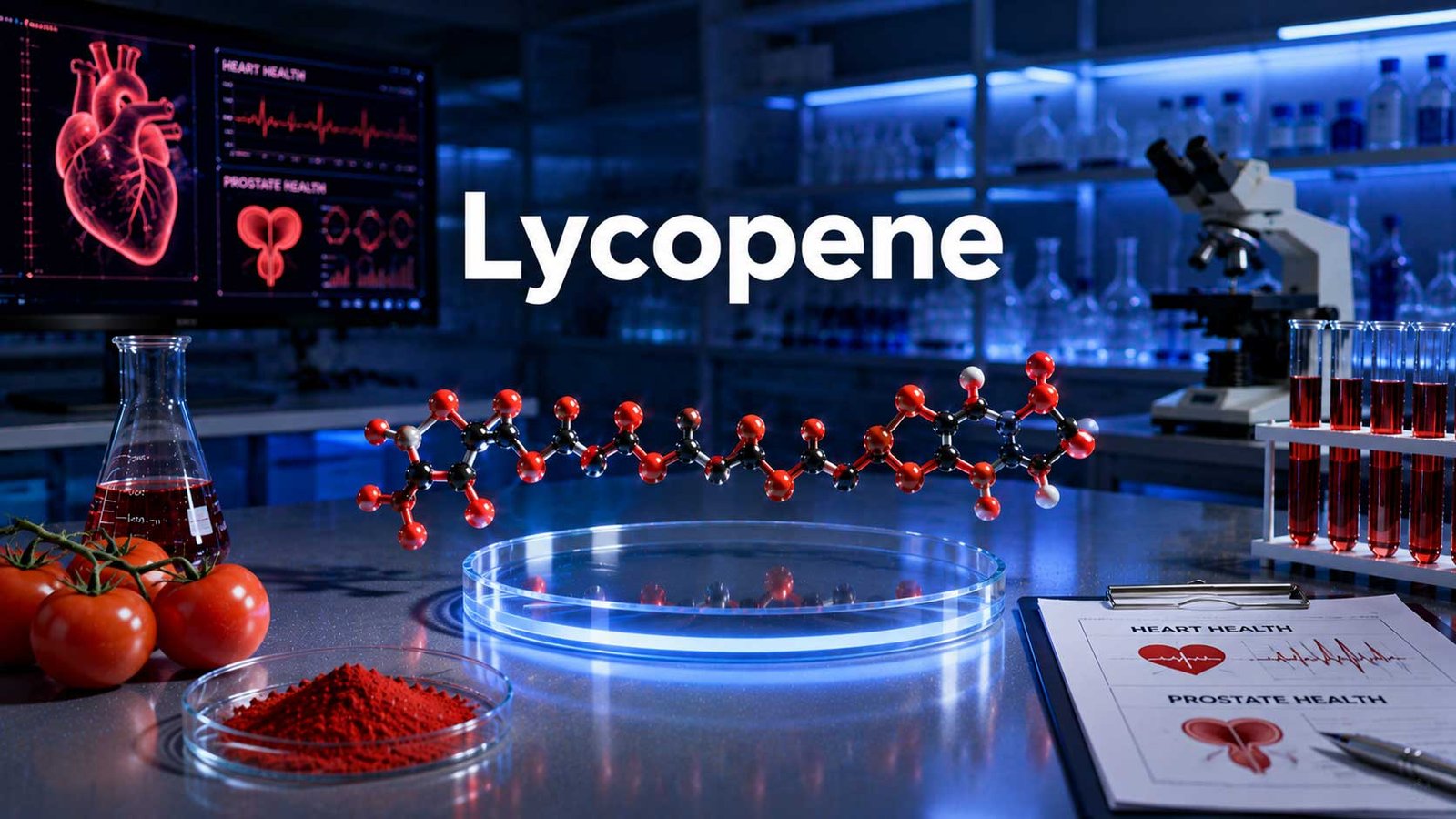
The Red Pigment That’s Quietly Doing a Lot of Heavy Lifting
Walk through any farmers market in late summer and you’ll see it everywhere. That deep, almost stubborn red in a ripe tomato. The blush running through a slice of watermelon. The warm pink hiding inside a grapefruit. Most people glance at that color and think nothing more of it than “ripe” or “sweet.” I’ve spent a good chunk of my career looking at that same color and seeing something else entirely: lycopene, one of the most studied and, frankly, underappreciated compounds in the plant kingdom.
Lycopene is a carotenoid, part of the same pigment family as beta-carotene, the one everyone associates with carrots and vitamin A. But lycopene doesn’t convert to vitamin A in the body, and that distinction matters more than people realize. It has its own job to do. It’s an antioxidant, and not a mild one. Structurally, it’s built with a long chain of conjugated double bonds, thirteen of them, which sounds like a chemistry footnote until you understand what that structure actually does. It makes lycopene exceptionally good at neutralizing singlet oxygen, a particularly reactive and damaging form of oxygen that forms during normal metabolism and gets worse under stress, inflammation, and UV exposure. Some researchers have pointed out that lycopene’s singlet-oxygen-quenching capacity outperforms beta-carotene’s, sometimes by a wide margin.
Table of Contents


I bring this up not to drown you in biochemistry, but because it explains why lycopene keeps showing up in research on two organs that, on the surface, seem to have nothing to do with each other: the heart and the prostate. What connects them is oxidative stress. Both cardiovascular disease and prostate cancer share this thread of chronic low-grade oxidative damage and inflammation running through their development. Lycopene, sitting quietly in cell membranes and circulating lipoproteins, seems to interrupt part of that process. Not cure it. Not prevent it outright. Interrupt it, slow it, blunt some of its worst effects.
I’ll admit I used to be a bit skeptical of “one compound does it all” nutrition stories. There are a lot of them, and most don’t hold up under scrutiny. Lycopene is different in that the research base is genuinely large, spans decades, and includes both observational cohorts tracking tens of thousands of people and randomized controlled trials measuring actual blood markers before and after supplementation. That doesn’t mean lycopene is a miracle nutrient. It isn’t. But the consistency of the signal, especially around prostate health and specific cardiovascular markers, is hard to dismiss as noise.
Here’s something that surprised me the first time I dug into the numbers: more than 80 percent of the lycopene in a typical Western diet comes from tomato products, and I mean cooked tomato products specifically. Raw tomatoes contribute far less than you’d think, because the lycopene bound up in raw plant cells isn’t very bioavailable. Heat, combined with a bit of fat, breaks down those cell walls and releases lycopene in a form your gut can actually absorb. That’s the biological reason your grandmother’s tomato sauce, simmered for hours with olive oil, was doing more for you than a fresh tomato salad ever could. There’s an irony there. The “processed” version of the food is, in this narrow nutritional sense, the more potent one.
Lycopene isn’t classified as an essential nutrient. Your body doesn’t fall apart without it the way it would without vitamin C or certain B vitamins. There’s no officially recognized deficiency syndrome tied to low lycopene intake, and regulatory bodies haven’t set a formal recommended daily allowance for it. That absence of an RDA sometimes gets misread as “it doesn’t matter much.” I’d push back on that. Plenty of compounds that aren’t classified as essential still play a meaningful role in long-term disease risk, and lycopene’s relationship with cardiovascular markers and prostate cancer incidence is a good example of why “non-essential” and “unimportant” aren’t the same thing.
What I want to do here is walk through what the actual evidence says, not the marketing-department version of it. Where does lycopene help heart health, and by how much? What’s the honest picture on prostate cancer risk, because this is a topic that gets oversimplified constantly in headlines. How much lycopene do you actually need, and from where? And where are the real limits and cautions, because even a compound this well tolerated has boundaries worth understanding. Tomatoes, watermelon, and pink grapefruit aren’t just colorful. There’s a reason nutrition scientists keep coming back to that particular shade of red, and I think once you see the mechanism, you won’t look at a jar of marinara the same way again.
One thing I try to correct early, whenever I talk with people about this compound, is the tendency to lump lycopene in with vitamins and treat it like something the body simply needs a fixed dose of, checked off a list. Lycopene doesn’t behave that way. It’s not manufactured by the body, so everything you have comes from food or supplements, but it also isn’t tied to a known deficiency disease the way vitamin C is tied to scurvy. That puts it in an odd middle category. Nutritionally interesting, biologically active, clearly linked to outcomes in large studies, but without the tidy regulatory framework that vitamins get. I think that ambiguity is part of why lycopene doesn’t get talked about as much as it probably should, relative to how much research actually exists on it.
There’s also a geography and culture angle worth mentioning briefly, because it shows up again and again in the epidemiological literature. Populations with traditionally tomato-heavy diets, much of the Mediterranean basin being the obvious example, tend to show higher circulating lycopene levels and, in several long-running cohort studies, somewhat lower rates of certain cardiovascular outcomes. Correlation isn’t causation, and Mediterranean diets bring a lot more to the table than tomatoes alone, olive oil, fish, whole grains, lower processed food intake generally. But lycopene keeps surfacing as one of the specific, measurable threads researchers can isolate within that broader dietary pattern, which is part of why it’s earned its own dedicated body of intervention research rather than just being lumped into “eat more vegetables” advice.
Key Health Benefits
Lycopene’s reputation rests mainly on two pillars: cardiovascular protection and prostate health. Both are supported by a meaningful body of research, though the strength of evidence differs between them, and I think it’s worth being upfront about that rather than flattening everything into one enthusiastic blanket statement.
Supporting Heart Health
Cardiovascular disease develops over decades, driven in large part by oxidative damage to LDL particles, chronic low-grade inflammation, and stiffening or dysfunction of the blood vessel lining. Lycopene appears to interact with several of these processes at once, which is part of why cardiologists and nutrition researchers keep circling back to it.
A widely cited meta-analysis of intervention trials found that lycopene taken at doses of 25 milligrams or more per day produced a meaningful drop in LDL cholesterol, roughly comparable in magnitude to what you’d see from a low dose of a statin medication in someone with mildly elevated cholesterol, a finding based on twelve studies examining lycopene’s effect on serum lipids where dosages of at least 25 milligrams daily produced significant reductions in total and LDL cholesterol. That same analysis found a measurable reduction in systolic blood pressure across the trials reviewed. I want to be careful here: comparable to a statin in magnitude doesn’t mean lycopene should replace one. It means the effect size is large enough to matter clinically, particularly for people with borderline numbers who are looking for lifestyle-level interventions before reaching for medication, or alongside it.
A separate systematic review pooling twenty-one intervention trials looked specifically at tomato and lycopene supplementation across a range of cardiovascular risk markers, not just cholesterol. The pooled results showed significant reductions in LDL cholesterol and inflammatory markers like interleukin-6, along with improvements in flow-mediated dilation, which is essentially a measure of how well your arteries relax and expand, and lycopene supplementation specifically was tied to a reduction in systolic blood pressure. Flow-mediated dilation matters because impaired vascular reactivity is one of the earliest detectable signs of atherosclerosis, often showing up before any other clinical marker changes.
Blood pressure keeps coming up as a consistent finding, and dosage seems to matter here. One updated meta-analysis of intervention trials found that higher-dose lycopene supplementation, above roughly 12 milligrams per day, produced a more meaningful drop in systolic blood pressure, with the effect being especially pronounced in people who already had elevated baseline blood pressure, where subgroup analysis showed higher dosages above 12 milligrams daily lowered systolic blood pressure more significantly, particularly among people with baseline readings above 120 mmHg. That’s a meaningful detail. Lycopene doesn’t appear to do much for people whose blood pressure is already well controlled, which actually makes biological sense. It’s not acting like a blunt pharmaceutical intervention; it’s correcting oxidative and inflammatory dysfunction that’s more pronounced in people who need the correction.
There’s also direct clinical trial data in people who already have diagnosed coronary vascular disease, not just healthy volunteers. A thirty-day trial using a highly bioavailable lycopene formulation in coronary disease patients found reductions in oxidized LDL and markers of chronic inflammation, along with improved tissue oxygenation and flow-mediated dilation by the end of the study period, with the decrease in oxidized LDL from the enhanced-bioavailability lycopene formulation reaching roughly fivefold, alongside a significant increase in tissue oxygenation and flow-mediated dilation. That’s meaningful because oxidized LDL, not just total LDL, is considered one of the more direct drivers of plaque formation in the arterial wall. Standard cholesterol panels don’t measure it, but it’s arguably more relevant to actual cardiovascular risk than the total number on your lipid panel.
Prostate Health and Cancer Risk
This is the area where lycopene research gets both the most attention and, unfortunately, the most oversimplification. Headlines love to say “tomatoes prevent prostate cancer,” and that’s not quite accurate. What the data actually shows is a consistent inverse association between lycopene intake and prostate cancer risk, meaning more lycopene tends to track with lower risk, without lycopene being a guaranteed shield against the disease.
One of the larger systematic reviews and meta-analyses on this topic, pooling forty-two studies covering nearly 700,000 participants, found that both dietary lycopene intake and circulating blood lycopene levels were significantly associated with reduced prostate cancer risk, with the risk of prostate cancer decreasing by roughly 1 percent for every additional 2 milligrams of lycopene consumed daily, following a clear dose-response pattern. That dose-response relationship is important. It’s not just “lycopene eaters have lower rates,” which could be explained by dozens of confounding lifestyle factors. It’s “more lycopene, proportionally lower risk,” which is a stronger and more biologically coherent signal.
A separate dose-response meta-analysis, this one examining thirty-four studies, reached a similar conclusion but added useful nuance: dietary lycopene consumption and blood lycopene levels were both associated with reduced prostate cancer risk, with roughly a 3 percent reduction in risk for every additional milligram of dietary lycopene consumed per day. Interestingly, that same analysis found no protective association for beta-carotene, the more famous carotenoid, which tells you this isn’t a generic “eat colorful food” effect. It’s specific to lycopene’s particular chemistry.
More recent research has continued to reinforce this. A 2025 analysis drawing on the PREDIMED cohort, a large Mediterranean study following men at elevated cardiovascular risk, found that men in the highest quartile of lycopene intake had a substantially lower incidence of prostate cancer compared with men in the lowest quartile, with the protective association becoming apparent once daily intake crossed roughly five milligrams, where a significant risk reduction became apparent at lycopene intakes above 4.9 milligrams per day, corresponding to a 64 percent decrease in prostate cancer risk in that analysis. That’s a striking number, and I’d urge some caution interpreting a single cohort’s effect size as universal, but it lines up directionally with everything else in the literature.
It’s worth being honest about the limits too. Several reviews have noted that while lycopene tracks with reduced risk of prostate cancer developing in the first place, the evidence for lycopene slowing or treating cancer that’s already advanced is much weaker and less consistent. This appears to be a prevention story more than a treatment story, and I think that distinction gets lost far too often in casual conversation about “foods that fight cancer.”
Antioxidant and Anti-Inflammatory Mechanisms
Underneath both the cardiovascular and prostate findings sits the same basic mechanism: lycopene’s ability to neutralize reactive oxygen species and dial down inflammatory signaling. It accumulates in tissues that are particularly exposed to oxidative stress, including the prostate gland itself, the liver, and adipose tissue. Because it’s fat-soluble, it integrates into cell membranes and lipoproteins, positioning itself right where oxidative damage tends to start. This isn’t a compound working from the outside in. It’s embedded in the tissue architecture where the damage originates, which may explain why its effects show up consistently across such different organ systems.
Dietary Sources
If you take one practical thing away from this section, let it be this: cooking matters as much as the food itself when it comes to lycopene. This trips people up constantly, because we’ve been trained to think “raw and fresh” always beats “cooked and processed” nutritionally. With lycopene, that intuition is backwards.
Tomatoes and Tomato Products
Tomatoes and tomato-based products supply the overwhelming majority of lycopene in most people’s diets, and it isn’t close. Raw tomatoes contain a respectable amount, somewhere around 3 milligrams per 100 grams, but the lycopene is trapped inside tough plant cell structures that your digestive system struggles to break down efficiently. Cooking ruptures those cell walls, and the presence of a little fat, olive oil is the classic pairing, helps your intestines absorb the released lycopene since it’s fat-soluble.
This is why processed tomato products often contain dramatically more bioavailable lycopene than fresh tomatoes:
- Tomato paste can range widely depending on concentration, but it commonly delivers somewhere between 30 and 50 milligrams per 100 grams, sometimes more in highly concentrated pastes
- Tomato sauce and puree typically fall in the range of 6 to 15 milligrams per 100 grams
- Sun-dried tomatoes packed in oil can reach 45 milligrams per 100 grams or higher, since the water loss concentrates the pigment
- Ketchup and tomato soup provide smaller but still meaningful amounts, generally in the 6 to 10 milligram range per 100 grams
- Tomato juice tends to land around 8 to 9 milligrams per 100 grams
A single serving of pasta with a real, simmered tomato sauce, cooked with olive oil, can easily deliver 20 milligrams or more of bioavailable lycopene. That’s not a small contribution. It’s arguably one of the most efficient ways to hit meaningful intake without supplements.
Watermelon, Guava, and Other Fruits
Tomatoes aren’t the only source, and if you’re not a fan of tomato-heavy cooking, or you’re managing something like acid reflux where tomatoes can be a trigger, there are solid alternatives.
Watermelon deserves more credit than it usually gets. Red-fleshed watermelon contains lycopene levels that rival or in some cases exceed raw tomatoes, with values commonly cited in the range of 4 to 7 milligrams per 100 grams, and because watermelon is eaten raw and juicy, a large slice can deliver a substantial dose in one sitting. Yellow and orange-fleshed watermelon varieties, worth noting, contain little to no lycopene, since the pigment is specifically tied to the red coloration.
Pink and red guava are also strong contributors, often cited in a similar range to watermelon, though guava is less widely available in many grocery stores depending on where you live. Pink and red grapefruit contain smaller but still useful amounts, generally a few milligrams per 100 grams, and they’re an easy addition to a breakfast rotation. Papaya, particularly red-fleshed varieties, and to a lesser degree dried apricots, round out the list of meaningful natural sources.
Getting the Most From What You Eat
A few practical habits genuinely move the needle on lycopene absorption, and none of them require buying anything exotic:
- Cook tomatoes rather than eating them raw whenever the goal is maximizing lycopene intake specifically
- Add a source of fat, olive oil is ideal and pairs well culinarily too, since lycopene needs dietary fat to be absorbed efficiently
- Don’t shy away from processed tomato products like paste and sauce for this particular nutrient, since processing generally increases bioavailability rather than destroying it
- Pair watermelon or grapefruit with a small amount of fat, like a handful of nuts or some cheese, if you’re leaning on raw fruit sources rather than cooked tomato products
- Store tomatoes at room temperature rather than refrigerated when possible, since cold storage can subtly reduce lycopene development in ripening fruit
I’ll add a small personal note here. I used to make the mistake of thinking a fresh caprese salad was nutritionally superior to a bowl of marinara in every way. It’s a fine dish, don’t get me wrong, but if lycopene intake is specifically what you’re after, the cooked sauce simmered with olive oil is doing more work.
A Realistic Weekly Approach
I’m not a fan of rigid meal plans, they rarely survive contact with real life, but I think it helps to picture what a genuinely lycopene-supportive week of eating actually looks like, in loose terms rather than exact prescriptions. A pasta night with a proper simmered tomato sauce. A pizza with tomato-based sauce rather than a white base, olive oil drizzled on top. A bowl of gazpacho or tomato soup on a warm afternoon. Watermelon as a snack a few times a week when it’s in season, paired with a handful of feta or nuts. Grapefruit at breakfast now and then instead of the same cereal on repeat. None of that requires meticulous tracking or supplement shopping. It’s the kind of eating pattern that, done consistently over months and years rather than perfectly every single day, tends to land people in that 8 to 21 milligram range that keeps showing up in the research as meaningfully protective.
It’s also worth saying plainly that lycopene content varies by cultivar, ripeness, and growing conditions, not just by cooking method. Riper, redder tomatoes generally carry more lycopene than tomatoes picked and ripened off the vine. Heirloom and vine-ripened varieties tend to test higher than some commercially bred varieties optimized primarily for shelf life and shipping durability rather than pigment concentration. None of this needs to turn grocery shopping into a research project, but if you’re choosing between two bins of tomatoes, the deeper, more evenly red one is probably the better nutritional bet, independent of taste.
Dosage & Deficiency
This is one of the more misunderstood corners of lycopene research, mostly because people expect it to work like a vitamin, with a clean RDA and a defined deficiency syndrome. It doesn’t work that way, and understanding why helps clarify how to actually think about intake.
Why There’s No Official RDA
Lycopene is not classified as an essential nutrient. Regulatory and scientific bodies, including expert panels that reviewed carotenoids at the start of this century, have not established a Recommended Dietary Allowance or a Tolerable Upper Intake Level for lycopene. That’s a meaningful gap, and it exists because there’s no identified biological function that lycopene performs which the body cannot survive without, unlike, say, vitamin C’s role in collagen synthesis. Average dietary intake also varies enormously by country and culture, ranging from under a milligram a day in some populations to well over ten milligrams daily in others, largely tracking with how much tomato-based food is culturally normal.
What the Research Suggests as Effective Ranges
Even without an official RDA, the intervention research gives us a reasonably clear picture of what doses have produced measurable effects in clinical trials, and it’s worth separating “amount associated with lower disease risk in observational studies” from “amount used in trials that measured actual biomarker changes.”
For cardiovascular markers specifically, the cholesterol-lowering and blood-pressure-lowering effects mentioned earlier were most consistently seen at doses of 25 milligrams or more per day for LDL cholesterol, and above roughly 12 milligrams daily for meaningful blood pressure reductions. That’s a notably higher amount than what most people get from diet alone without deliberately eating tomato-heavy meals or supplementing.
For prostate cancer risk reduction in observational research, meaningful associations have shown up at intakes considerably lower than that, sometimes in the range of 5 to 10 milligrams daily, with risk continuing to decline incrementally as intake climbs higher. This is one reason nutrition researchers sometimes describe lycopene’s dose-response relationship as fairly linear, at least within the ranges studied. More tends to correlate with more benefit, up to a point, rather than there being a sharp threshold you either hit or miss.
A commonly cited practical target that comes up across multiple sources is somewhere between 8 and 21 milligrams of lycopene daily for general health-supportive intake, which is genuinely achievable through diet for most people who regularly eat tomato-based dishes, without needing a supplement at all.
Is There Such a Thing as Lycopene Deficiency?
No recognized deficiency syndrome has been identified for lycopene. You won’t find a set of symptoms attributed to low lycopene status the way you would with, say, vitamin D or iron. That said, “no deficiency syndrome” isn’t quite the same as “intake level doesn’t matter.” Populations and individuals with consistently low lycopene intake do show, on average, higher measures of oxidative stress markers and, based on the observational data discussed above, somewhat elevated long-term cardiovascular and prostate cancer risk relative to higher-intake populations. It’s a more diffuse, long-horizon kind of consequence rather than an acute deficiency state, which makes it easy to underestimate.
Supplement Forms and Considerations
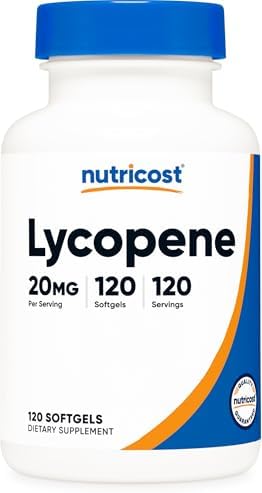
Lycopene supplements are widely available, usually derived from tomato extract, and often standardized to a specific milligram dose per capsule. Bioavailability varies meaningfully between formulations. Some manufacturers use specialized delivery systems, sometimes called lycosome or oleoresin formulations, designed to improve absorption relative to standard crystalline lycopene, and at least one clinical trial found meaningfully better outcomes on inflammatory and oxidative markers with an enhanced-bioavailability formulation compared to a standard one tested in the same study. If you’re considering a supplement rather than relying on diet, that’s worth researching for the specific product you’re looking at, since not all lycopene supplements are created equal in terms of what your body actually absorbs.
Who Might Actually Consider Higher Intake
I don’t think everyone needs to be chasing a specific lycopene number. But a few groups come up repeatedly in the research as populations where deliberately pushing intake toward the higher end of that studied range might be worth a conversation with a healthcare provider. Men with a family history of prostate cancer, or who are simply in the age range where prostate cancer risk starts climbing meaningfully, tend to be the group most often discussed in this context, given how much of the prostate-specific research centers on exactly that population. People managing borderline high LDL cholesterol or blood pressure who are looking for dietary levers before or alongside medication are another group where the cardiovascular trial doses, generally 12 to 25 milligrams daily, become genuinely relevant rather than academic.
Outside of those situations, I think the more honest framing is that lycopene works best as a background habit rather than a targeted intervention. Eating tomato-based meals regularly, letting watermelon be a normal part of a summer rotation, treating pink grapefruit as a legitimate breakfast option rather than an afterthought. That kind of consistent, moderate intake seems to track with the same directional benefits seen in the higher-dose clinical trials, even if the magnitude at typical dietary levels is naturally more modest than what a concentrated supplement can produce.
Toxicity & Risks
Lycopene has one of the better safety profiles among commonly discussed dietary compounds, and I say that as someone who tends to be skeptical of “completely safe” claims in nutrition. The evidence here genuinely supports a favorable read, with a few specific caveats worth knowing.
Lycopenodermia: The Main Documented Side Effect
The most well-documented adverse effect of excessive lycopene intake is a condition called lycopenodermia, sometimes also referred to as lycopenemia. It’s a harmless, reversible discoloration of the skin, giving it an orange or reddish tint, caused by lycopene accumulating in fatty tissue beneath the skin at very high intake levels. The classic case report in the literature involved a woman who had been drinking roughly two liters of tomato juice daily for several years, a 61-year-old woman who developed lycopenemia after years of consuming approximately two liters of tomato juice per day, with evidence of lycopene deposits and fatty accumulation in the liver but no measurable liver dysfunction. The discoloration faded within about three weeks once she stopped consuming that volume of tomato juice, and no lasting harm was identified.
That case illustrates something important: this isn’t a condition that shows up from eating a normal, even generous, tomato-rich diet. It requires a genuinely extreme and sustained intake level, well beyond what nearly anyone consumes through ordinary eating patterns, supplements included in most cases.
What the Toxicology Studies Actually Show
Formal toxicology reviews conducted on both dietary and synthetic lycopene have found a strikingly clean safety record. Based on a review of available toxicology studies, no adverse effects were observed at intake levels up to 3 grams per kilogram of body day for either dietary or formulated lycopene, a dose that is, for context, thousands of times higher than anything achievable through diet or standard supplementation. Acute toxicity studies in animal models found extremely low toxicity, with lethal doses far exceeding anything remotely relevant to human consumption patterns.
Because of this consistently clean safety data, expert panels reviewing carotenoids declined to set a Tolerable Upper Intake Level for lycopene specifically, essentially concluding there wasn’t sufficient evidence of harm at realistic or even quite high intake levels to justify one, and when the Institute of Medicine reviewed carotenoids, it did not establish a Tolerable Upper Intake Level for these compounds. Lycopene is also classified as Generally Recognized as Safe by the FDA for use as a food ingredient, based on formal review of safety and exposure data.
Practical Cautions Still Worth Knowing
None of that means lycopene is entirely without any downside worth mentioning.
- Mild gastrointestinal symptoms, including stomach upset, gas, bloating, and occasionally diarrhea, have been reported in some clinical trials, more often at higher supplemental doses than at typical dietary levels
- People with a genuine tomato allergy, which is uncommon but real, should be cautious with tomato-derived lycopene supplements specifically, since these can trigger allergic reactions ranging from mild rash to more serious responses in sensitive individuals
- There’s some older evidence suggesting that in smokers specifically, certain carotenoid supplements, studied more extensively for beta-carotene than lycopene, may behave differently under conditions of heavy oxidative stress like cigarette smoke exposure, potentially becoming pro-oxidant rather than antioxidant in that specific context. This is a nuanced area and not a reason for general alarm, but it’s part of why “more is automatically better” isn’t a safe assumption with any antioxidant, lycopene included
- If you’re on blood pressure medication and considering a higher-dose lycopene supplement specifically for its blood-pressure-lowering effect, it’s worth mentioning to your doctor, simply because combining two things that both lower blood pressure deserves basic awareness, even when neither one alone is particularly risky
I don’t say any of this to walk back the earlier sections. Lycopene remains one of the more favorably studied compounds out there. But “very safe” and “no cautions whatsoever” aren’t identical statements, and I’d rather give you the honest, slightly less tidy picture than a falsely simple one.
Putting the Risk in Perspective
I think it helps to compare lycopene’s risk profile to substances people worry about far more casually. Plenty of over-the-counter supplements carry real, documented risks at doses well within what people commonly take, interactions with medications, effects on liver enzymes, disruption of mineral absorption. Lycopene simply doesn’t have that kind of track record. The worst documented outcome in the literature, that case of skin discoloration from years of extreme tomato juice consumption, resolved on its own with no lasting damage once intake normalized. That’s a remarkably low ceiling for harm, especially for a compound with this much research behind it.
That said, I’d gently push back on the instinct to treat “very safe” as a green light for unlimited supplementation without any real reason. There’s rarely a strong argument for taking dramatically more of something than the doses actually studied and shown to produce benefit, even when the safety data is reassuring. If your goal is heart health or general antioxidant support, the 8 to 21 milligram range achievable through food, or the 12 to 25 milligram range used in supplement trials, gives you essentially all of the benefit the research has actually demonstrated. Going well beyond that isn’t dangerous based on what we know, but it also isn’t shown to buy you anything extra. Sensible dosing, grounded in what the actual trials tested, tends to be the better approach with lycopene just as it is with most things in nutrition.
What Your Tomato Sauce Is Actually Doing For You
I started this piece talking about color, that stubborn red running through tomatoes, watermelon, and grapefruit. I want to end somewhere similar, because I think the color is a useful shorthand for something bigger. Plants don’t produce pigments like lycopene for our benefit. They produce them for their own protection, against UV radiation, against oxidative stress in their own tissues. It’s almost a happy accident of biology that the same molecular structure protecting a tomato plant’s fruit turns out to be useful inside a human bloodstream and prostate gland too.
What strikes me most, looking at the research as a whole, isn’t any single dramatic finding. It’s the consistency. Cardiovascular markers improving across multiple independent trials using different populations and different formulations. Prostate cancer risk tracking downward in a genuinely dose-dependent way across cohorts spanning different countries and decades. A safety profile that’s held up under real scrutiny rather than just marketing claims. That kind of consistency is rare in nutrition science, where so many individual studies contradict each other or fail to replicate.
If I had to boil this down to something actionable, it would be simple, almost boring in its simplicity: cook your tomatoes, don’t be afraid of tomato paste and sauce, add a bit of olive oil, and let watermelon and pink grapefruit make regular appearances rather than occasional ones. You don’t need a supplement to get a meaningful, protective amount of lycopene into your diet, though one is a reasonable option if you’re not a fan of tomato-based cooking or you’re specifically targeting the higher doses used in some of the cardiovascular trials. What you shouldn’t do is treat lycopene as a cure, a guarantee, or a substitute for the other fundamentals, movement, sleep, not smoking, managing blood pressure through established means. It’s a genuinely useful piece of a larger picture, not the whole picture.
The next time you’re stirring a pot of sauce or slicing into a watermelon on a hot afternoon, there’s a decent chance your heart and, if you’re a man reading this, your prostate, are quietly benefiting from something most people never think twice about. That’s not nothing. In a field full of overhyped claims, a compound that’s earned its reputation the slow, unglamorous way through decades of consistent data deserves a bit of genuine respect.
I’ll leave you with the same thought I return to whenever this topic comes up in conversation. Nutrition science is full of compounds that get one flashy headline, one small preliminary study, and then years of quiet, unresolved uncertainty after that. Lycopene isn’t one of those. It’s been examined from multiple angles, cardiovascular biomarkers, cancer epidemiology, direct toxicology, across different countries and different research groups, and the picture that keeps emerging is remarkably stable. That stability is, in its own way, the most convincing part of the whole story. Not one dramatic number, but a pattern that holds up every time someone looks closer.
Article Sources
At AncientHerbsWisdom, our content relies on reputable sources, including peer-reviewed studies, to substantiate the information presented in our articles. Our primary objective is to ensure our content is thoroughly fact-checked, maintaining a commitment to accuracy, reliability, and trustworthiness.
- Cheng, H. M., Koutsidis, G., Lodge, J. K., Ashor, A., Siervo, M., & Lara, J. (2017). Tomato and lycopene supplementation and cardiovascular risk factors: A systematic review and meta-analysis. Atherosclerosis, 257, 100-108. https://doi.org/10.1016/j.atherosclerosis.2017.01.009
- López-Solís, R., Castro-Barquero, S., Donat-Vargas, C., Corrado, M., Arancibia-Riveros, C., Martínez-González, M. Á., Salas-Salvadó, J., Sorlí, J. V., Serra-Majem, L., Fitó, M., Pintó, X., Fiol, M., Lapetra, J., Gómez-Gracia, E., Toledo, E., Ramírez-Sabio, J. B., Babio, N., Estruch, R., Ros, E., & Lamuela-Raventós, R. M. (2025). Lycopene intake and prostate cancer risk in men at high cardiovascular risk: A prospective cohort study. BMC Medicine, 23, Article 627. https://doi.org/10.1186/s12916-025-04440-0
- Petyaev, I. M., Dovgalevsky, P. Y., Klochkov, V. A., Chalyk, N. E., Pristensky, D. V., Chernyshova, M. P., Udumyan, R., Kocharyan, T., Kyle, N. H., Lozbiakova, M. V., & Bashmakov, Y. K. (2018). Effect of lycopene supplementation on cardiovascular parameters and markers of inflammation and oxidation in patients with coronary vascular disease. Food Science & Nutrition, 6(6), 1770-1777. https://doi.org/10.1002/fsn3.734
- Ried, K., & Fakler, P. (2011). Protective effect of lycopene on serum cholesterol and blood pressure: Meta-analyses of intervention trials. Maturitas, 68(4), 299-310. https://doi.org/10.1016/j.maturitas.2010.11.018
- Rowles, J. L., III, Ranard, K. M., Smith, J. W., An, R., & Erdman, J. W., Jr. (2017). Increased dietary and circulating lycopene are associated with reduced prostate cancer risk: A systematic review and meta-analysis. Prostate Cancer and Prostatic Diseases, 20(4), 361-377. https://doi.org/10.1038/pcan.2017.25
- Trumbo, P. R. (2005). Are there adverse effects of lycopene exposure? The Journal of Nutrition, 135(8), 2060S-2061S. https://doi.org/10.1093/jn/135.8.2060S
- U.S. Department of Agriculture, Agricultural Research Service. (2002). Watermelon packs a powerful lycopene punch. AgResearch Magazine. https://agresearchmag.ars.usda.gov/2002/jun/lyco
- Wang, Y. L., Cui, R., Xiao, Y. Y., Fang, J. M., & Xu, Q. (2015). Effect of carotene and lycopene on the risk of prostate cancer: A systematic review and dose-response meta-analysis of observational studies. PLoS ONE, 10(9), e0137427. https://doi.org/10.1371/journal.pone.0137427

- Phosphatidic Acid: Supporting Muscle Growth and Strength - July 31, 2026
- Ceramides: Supporting Healthy Skin From Within - July 31, 2026
- Synbiotics: Combining Prebiotics and Probiotics Together - July 31, 2026