
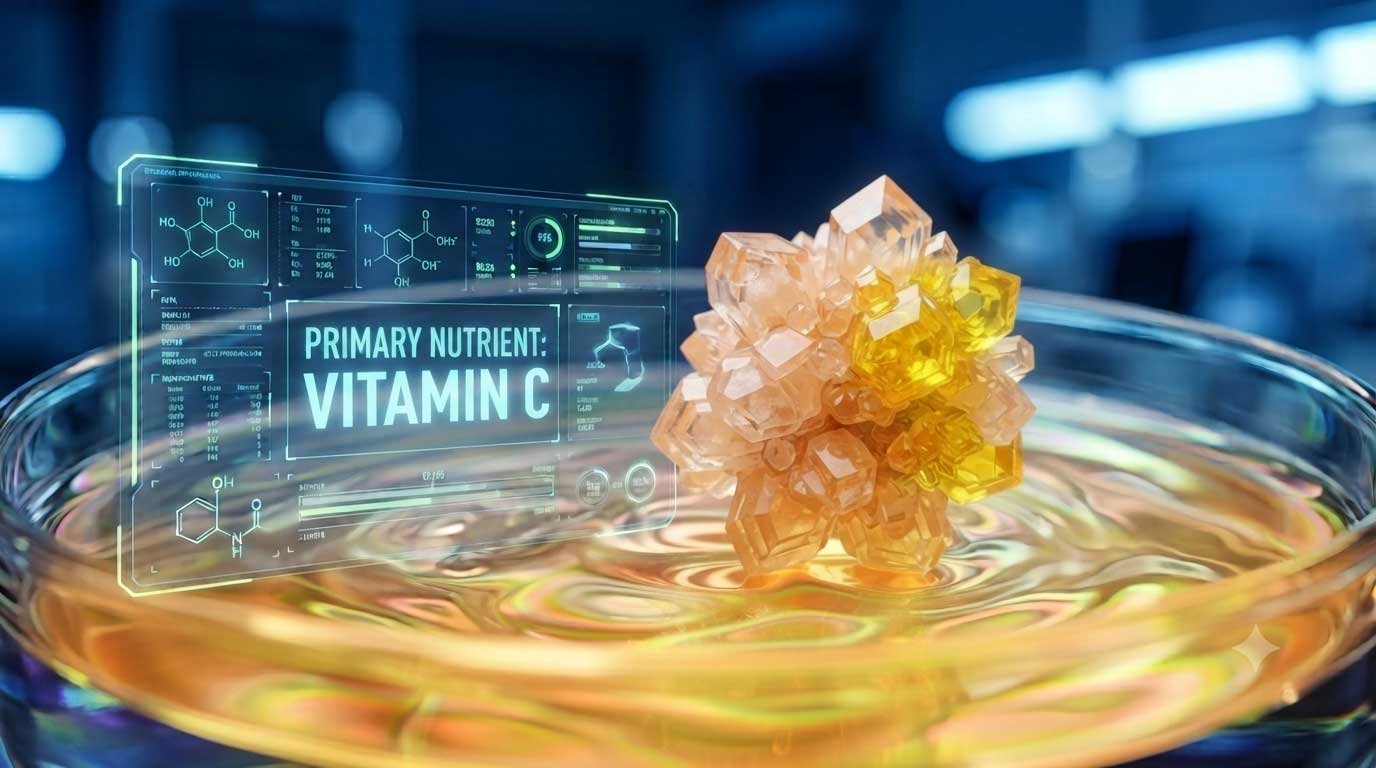
The Vitamin That Refuses to Be Boring
There’s a reason Vitamin C gets more airtime than almost any other nutrient on the shelf. Walk into any pharmacy and you’ll find it staring back at you from a dozen different angles — fizzy tablets, gummies, serums, powders you dump into water and hope taste like oranges instead of chalk. Somewhere along the way, this humble molecule became shorthand for “taking care of yourself.” And honestly? It earned that reputation, even if the marketing around it has occasionally gotten ahead of the science.
Vitamin C, or ascorbic acid if you want to get technical, is one of those nutrients that sits at an odd intersection. It’s simple in structure — a small, water-soluble molecule that dissolves the moment it hits liquid — yet its reach across the body is anything but simple. It shows up in immune cells, in the collagen scaffolding of your skin, in the enzymes that help your brain make neurotransmitters, in the process that lets your gut absorb iron more efficiently. Few single compounds touch that many systems at once.
Table of Contents


What makes Vitamin C particularly interesting, at least to me, is that humans are one of the few mammals that genuinely cannot make it. Dogs can. Cats can. Most animals synthesize their own supply from glucose in the liver. But somewhere in our evolutionary past, a genetic mutation knocked out the enzyme responsible for that last conversion step, and we lost the ability entirely. That’s not a footnote — it’s the whole reason this nutrient carries the weight it does in human nutrition. Every milligram we use has to come from outside the body. There’s no backup system, no internal factory to lean on when intake slips.
This is also the vitamin most associated, historically, with what happens when you don’t get enough of it. Scurvy isn’t some ancient disease confined to sailors and pirate lore — it’s a very real, very physical consequence of prolonged deficiency, and it shows up faster than people expect. Bleeding gums, joint pain, wounds that won’t close properly. The body’s structural glue, collagen, simply stops forming correctly without adequate ascorbic acid on hand. That’s a sobering thing to sit with when you consider how many people today, even in wealthy countries with abundant produce, still don’t hit their daily targets.
But deficiency is really only half the story, and arguably the less interesting half at this point. The more compelling conversation happening in nutrition science right now revolves around what adequate — or even generous — Vitamin C intake does for immune resilience and skin integrity over the long haul. Not as a cure-all, not as some miracle shield against every cold that walks through the door, but as a quietly essential piece of infrastructure that a lot of people underappreciate until something goes wrong.
I want to be upfront about something before we go further: this article isn’t going to promise you that a glass of orange juice will keep illness away, or that a $40 serum will erase a decade of sun damage overnight. That’s not how nutrients work, and frankly, that kind of overpromising is part of why supplement skepticism exists in the first place. What I can tell you is what the research actually shows — the mechanisms, the reasonable expectations, the places where evidence is strong and the places where it’s still catching up to the hype.
Vitamin C’s antioxidant role is probably the concept most people have a vague grasp on, even if they couldn’t explain it in detail. Free radicals — unstable molecules generated by normal metabolism, but also by pollution, cigarette smoke, and ultraviolet light — go around causing low-grade damage to cells. Antioxidants, Vitamin C among the most abundant and mobile of them, neutralize those free radicals before they can do lasting harm. It’s less like a superhero swooping in and more like a maintenance crew doing constant, unglamorous cleanup work in the background.
That antioxidant function threads through nearly everything else this nutrient does. It’s why Vitamin C shows up so heavily concentrated in skin tissue, where UV exposure creates a steady stream of oxidative stress. It’s part of why immune cells — which generate their own burst of oxidants when fighting off pathogens — rely on ascorbic acid to avoid damaging themselves in the process. And it’s a piece of why collagen synthesis depends on it so heavily; the enzymes that stabilize collagen’s structure need Vitamin C as a cofactor to do their job correctly.
There’s also a psychological layer to this vitamin’s popularity that’s worth acknowledging honestly. Vitamin C feels approachable. It’s not intimidating like some obscure trace mineral you’ve never heard of. People grew up with it — orange slices at halftime, chewable tablets shaped like cartoon characters, a parent handing over juice the moment a sniffle appeared. That familiarity built trust, sometimes more trust than the evidence strictly supports for certain claims, but the underlying biology is genuinely robust enough to deserve the attention.
So where does that leave us? Somewhere in the middle, which is usually where the useful answers live. Vitamin C isn’t a miracle nutrient, and it isn’t an overhyped placebo either. It’s a foundational piece of human physiology that most of us can access easily through food, that carries real consequences when neglected, and that offers real — if modest and cumulative — benefits when intake is consistent. Over the next few sections, I want to walk through exactly what those benefits look like, where the good dietary sources actually are, how much you realistically need, and what happens if you go overboard chasing a “more is better” mentality. Because with this particular nutrient, like most things in nutrition, the details matter more than the headline.
Key Health Benefits
There’s a temptation, when writing about a nutrient this well-known, to reach for superlatives. I’m going to resist that as much as possible, because Vitamin C’s actual benefit profile is interesting enough without exaggeration. Let’s go through what the research genuinely supports, starting with the area people ask about most.
Immune Support, Without the Overselling
The claim that Vitamin C “boosts” immunity gets thrown around loosely, and it’s worth pausing on what that actually means physiologically. Vitamin C accumulates in immune cells at concentrations far higher than what circulates in blood plasma. That’s not a coincidence. Vitamin C plays pleiotropic roles in the immune system through its antioxidant and enzyme cofactor activities, including support for neutrophil function. Neutrophils are essentially first responders, the cells that rush toward infection sites and physically engulf pathogens. When Vitamin C is scarce, that response weakens measurably.
Research reviews describe vitamin C’s various roles in the immune system, including maintaining barrier integrity and supporting leukocyte function, while outlining the mechanisms behind those effects. That barrier piece matters more than people realize. Your skin, your gut lining, your respiratory tract — these are the first line of defense, physically blocking pathogens before your immune system even needs to mount an active response. Vitamin C supports the structural integrity of those barriers largely through its role in collagen formation, which loops back to the skin conversation we’ll get into shortly.
I’ll be direct about the common cold question, since it’s the one everyone eventually asks. Regular Vitamin C intake does not reliably prevent the average person from catching a cold. What research suggests is a modest reduction in symptom duration and severity once you’re already sick, particularly under physical stress — endurance athletes, for instance, or people exposed to extreme cold. It’s not nothing, but it’s not the shield some marketing implies either.
There’s also a growing body of work on Vitamin C’s role in inflammatory and autoimmune contexts. Vitamin C, a water-soluble nutrient with established roles in antioxidant defense and collagen synthesis, has drawn interest for its potential immunomodulatory effects, and deficiency appears common across a range of autoimmune and immune-mediated conditions, potentially contributing to oxidative stress and immune imbalance. This reinforces the idea that adequate intake isn’t just about fighting off the occasional virus — it’s about keeping the whole regulatory system functioning properly.
There’s also research into more serious infectious contexts. Vitamin C is described as having anti-inflammatory, immune-boosting, and pathogen-clearing properties, though its efficacy specifically for respiratory tract infections and sepsis remains disputed among researchers. I include that not to overstate anything, but because it reflects where the science stands — promising mechanisms, real uncertainty about clinical magnitude in acute illness.
Skin Health and the Collagen Connection
If immunity is the benefit people talk about most, skin is probably the one people care about most, at least judging by how many serums promise to deliver it topically. The underlying biology here is genuinely well-established, even if the marketing claims built on top of it sometimes wander past what’s proven.
Vitamin C present in fibroblasts supports the synthesis of collagen fibres, and as a potent antioxidant it neutralizes oxidants such as those found in environmental pollutants and after ultraviolet radiation exposure — a function that appears especially important in the epidermis, where vitamin C concentrates. Collagen isn’t just about wrinkles, despite how the conversation usually goes. It’s the structural protein holding skin, joints, blood vessels, and connective tissue together. Without adequate Vitamin C, the enzymes responsible for stabilizing collagen’s triple-helix structure simply cannot finish their job, and the resulting collagen is weaker and less functional.
Where things get more interesting — and more genuinely debated — is in the topical application space. Clinical evidence indicates that outcomes with vitamin C in skincare depend heavily on formulation chemistry rather than the mere presence of ascorbate, though across most formulations vitamin C improves photoaging through antioxidant and photoprotective effects while supporting structural aging through collagen synthesis promotion and reduced wrinkle formation. That formulation caveat matters. Ascorbic acid is notoriously unstable once exposed to air and light, which is why so many serums oxidize and turn an unappealing brown color within weeks of opening — and why cheaper, poorly stabilized products often underdeliver on their promises.
On the dietary side, the evidence is a bit more consistent. A daily dose of 80 milligrams of oral vitamin C sustained for 16 weeks has been shown to promote collagen synthesis and contribute to improvements in dermal density, texture, and wrinkle appearance, particularly alongside collagen peptides or other bioactive nutrients. That’s not a dramatic transformation, and it’s not an overnight fix — sixteen weeks is nearly four months — but it’s a real, measurable effect from something as unglamorous as consistent food intake.
Photoprotection is another piece worth flagging honestly. While topical ascorbic acid does reduce free radicals generated in UV-exposed human skin, research specifically examining its effect on UV-induced redness has been limited, with one notable study finding no significant benefit from topical vitamin C alone; combinations of vitamin C with vitamin E have shown more consistent UV-protective effects in both animal and human research. I mention this because it’s a good example of how nutrition science actually works — rarely one nutrient acting alone, more often a supporting cast working together.
Iron Absorption: The Underrated Sidekick
Here’s a benefit that doesn’t get nearly enough attention outside of nutrition circles. Vitamin C dramatically improves the body’s ability to absorb non-heme iron — the type found in plant foods like lentils, spinach, and fortified cereals, as opposed to the more readily absorbed heme iron in meat. For anyone eating a largely plant-based diet, or anyone managing borderline-low iron levels, pairing an iron-rich meal with a Vitamin C source isn’t a nutrition-nerd trick. It’s a genuinely practical habit. A squeeze of lemon over lentils, a side of bell pepper with a bean dish — small pairings that measurably shift how much iron actually gets absorbed rather than passing through unused.
Antioxidant Defense, Beyond the Buzzword
I want to close this section by returning to the antioxidant function, because it underlies everything else we’ve discussed and deserves to be named directly rather than left implied. Vitamin C has been shown to have a strong antioxidant effect, protecting against oxidative stress, facilitating collagen synthesis, supporting skin health, enhancing immune function, improving wound healing, and promoting intestinal iron absorption. That’s a wide net for one nutrient to cast, and it’s precisely why deficiency, even mild and unrecognized deficiency, tends to show up in multiple systems at once rather than one isolated symptom.
None of this makes Vitamin C a cure for anything specific. What it does make it is foundational — a nutrient whose absence creates ripple effects across systems that otherwise seem unrelated, and whose adequate presence quietly supports processes most people never think about until something starts to go sideways.
Dietary Sources
This is the part of the conversation I find genuinely underrated, because the honest truth is that most people don’t need a supplement bottle to hit their Vitamin C targets. Food does the job well, often better than people assume, and there’s something satisfying about getting a nutrient from an actual meal rather than a chalky tablet.
The Citrus Reputation, Deserved but Incomplete
Oranges get the credit, and fairly so — a single medium orange delivers somewhere around 70 milligrams, which puts a solid dent in daily requirements before you’ve even finished breakfast. Grapefruit, lemons, and limes follow similar patterns, though usually with somewhat less concentrated amounts per serving than a straight orange.
But here’s where the citrus reputation actually undersells the bigger picture: citrus isn’t even the strongest source out there. Not by a wide margin.
The Foods That Quietly Outperform Citrus
Bell peppers, red ones especially, contain roughly twice the Vitamin C of an orange, ounce for ounce. Slice one up raw into a salad or alongside hummus and you’re getting a genuinely impressive dose. Kiwi is another underappreciated contender — a couple of kiwis can rival or exceed a full day’s requirement on their own.
Then there’s the produce most people wouldn’t immediately associate with Vitamin C at all:
- Broccoli, especially lightly steamed rather than boiled to death
- Brussels sprouts, roasted or shredded raw into a slaw
- Strawberries, a cup of which delivers a meaningful chunk of daily needs
- Papaya, one of the most Vitamin C-dense tropical fruits available
- Dark leafy greens like kale, though the exact amount varies with preparation
Rich sources of vitamin C include tropical and citrus fruits, strawberries, tomatoes, broccoli, spinach, peas, and cauliflower. That list is a good reminder that this nutrient shows up across an unusually wide range of produce categories — fruit, cruciferous vegetables, leafy greens — rather than being confined to one narrow food group. If citrus isn’t your thing, or you’re managing acid reflux and avoiding it, there are plenty of equally strong alternatives.
Cooking Matters More Than People Expect
Here’s the part that trips a lot of home cooks up. Vitamin C is famously heat-sensitive and water-soluble, which means it degrades fairly readily during cooking, especially boiling, where the nutrient can leach directly into the cooking water and get poured down the drain along with it. Cooking can reduce vitamin C content in foods, and because it’s water-soluble, it needs to be consumed regularly rather than stored for later use.
Practically, that means a few small habits go a long way:
- Steaming or lightly sautéing vegetables instead of boiling them into submission
- Eating a portion of your Vitamin C sources raw whenever it’s palatable
- Storing produce properly, since Vitamin C content also declines gradually just from time spent sitting in the fridge or on the counter
- Cutting fruits and vegetables closer to when you’ll eat them rather than prepping everything days in advance
I’ll admit, I used to be far more cavalier about this before actually digging into the degradation research. Steaming broccoli for six minutes versus boiling it for twelve isn’t a dramatic lifestyle overhaul, but it does meaningfully change how much of the nutrient actually survives to your plate.
Building a Day Around Adequate Intake
Realistically, hitting daily Vitamin C targets doesn’t require obsessive tracking. A piece of fruit at breakfast, a vegetable-heavy lunch, a side of bell peppers or broccoli at dinner — that combination alone typically clears the daily requirement for most healthy adults without any conscious effort. Where people tend to fall short is when diets skew heavily toward processed foods, restrictive eating patterns, or very limited produce variety, sometimes out of habit rather than any deliberate choice.
Smokers and people regularly exposed to secondhand smoke are a specific group worth flagging, since their bodies burn through Vitamin C faster due to elevated oxidative stress, and dietary recommendations for that group are adjusted upward accordingly. We’ll get into the exact numbers in the next section, but it’s worth planting that seed here — food sources alone are usually sufficient, provided the underlying diet has enough variety and isn’t working against you.
A Few Practical Combinations Worth Trying
I find it easier to think about this nutrient in terms of pairings rather than isolated foods, mostly because that’s closer to how people actually eat. A morning smoothie with strawberries and spinach covers a good chunk of the day before lunch even happens. A stir-fry built around broccoli, bell pepper, and snap peas, tossed together quickly over high heat rather than simmered for twenty minutes, keeps the nutrient largely intact while still tasting like something worth eating. Even a simple side salad with raw bell pepper strips and a squeeze of lime does more work than people give it credit for.
Fermented and pickled vegetables are worth a mention too, since they sometimes fly under the radar. Sauerkraut, for instance, retains a reasonable amount of Vitamin C through the fermentation process, which is part of why it historically served as a practical defense against scurvy on long sea voyages before refrigeration existed. It’s not going to outperform fresh produce, but it’s a useful backup option, particularly in colder months when fresh variety narrows.
Supplements: A Backup, Not a Requirement
I don’t want to dismiss supplements outright, because there are legitimate scenarios where they make sense — someone recovering from illness with a reduced appetite, someone whose diet is genuinely limited by circumstance rather than choice, or someone in one of the higher-risk groups mentioned earlier. But for the average healthy adult with reasonable access to produce, a supplement is filling a gap that food could close just as easily, often for less money and with the added benefit of fiber, other vitamins, and phytonutrients that a tablet simply doesn’t provide.
If you do choose to supplement, plain ascorbic acid works just as well as the fancier buffered or “enhanced absorption” versions for most healthy people, despite what packaging sometimes implies. The body is fairly efficient at absorbing standard Vitamin C at typical doses; it’s only at very high single doses that absorption efficiency starts to drop off, which is more a reason to spread intake across the day than to chase a specialized formulation.
Dosage & Deficiency
Numbers matter here, and I want to lay them out clearly rather than dancing around vague phrases like “eat enough fruits and vegetables,” which, while true, doesn’t actually help anyone plan a day of eating.
What “Enough” Actually Looks Like
The recommended daily allowance for vitamin C sits at 90 milligrams for adult men and 75 milligrams for adult women, with higher amounts suggested for those who are pregnant or lactating, as well as for smokers. People who smoke specifically need an additional 35 milligrams of vitamin C per day compared to nonsmokers, largely to offset the extra oxidative burden that smoking places on the body.
These numbers represent the Recommended Dietary Allowance, which is a specific and fairly conservative statistical construct. The RDA reflects the average daily intake sufficient to meet the nutrient requirements of nearly all — roughly 97 to 98 percent — of healthy individuals, meaning it’s deliberately set with a buffer above the bare minimum needed to avoid deficiency symptoms. It’s not a target for optimal health in some maximized sense; it’s a threshold designed to keep the overwhelming majority of the population comfortably clear of insufficiency.
For most people eating a reasonably varied diet, these numbers aren’t hard to hit. A single serving of bell pepper or a cup of strawberries can single-handedly clear the daily requirement. The challenge tends to arise less from the numbers themselves and more from consistency — Vitamin C isn’t stored to any meaningful degree, so a few good days can’t compensate for a stretch of poor ones.
What Deficiency Actually Looks Like
Scurvy is the word everyone reaches for, and it deserves to be taken seriously rather than treated as historical trivia. Insufficient vitamin C intake can lead to scurvy, characterized by symptoms such as fatigue, mood swings, and bleeding gums, which, if left untreated, can progress to more severe health complications. These symptoms trace directly back to collagen’s dependence on Vitamin C — without it, the connective tissue supporting blood vessels, gums, and joints weakens, and small vessels become prone to rupture, which is why bleeding gums and easy bruising show up as such early, recognizable markers.
Severe deficiency mainly affects older, malnourished adults in modern settings, though it’s not exclusively confined to that group. People with very restrictive diets, certain eating disorders, heavy alcohol use that displaces nutrient-dense food, or malabsorption conditions can also find themselves at risk, even in food-secure countries where scurvy feels like it shouldn’t logically exist anymore.
What’s more common than full-blown scurvy, and honestly more relevant to most readers, is a milder, subclinical insufficiency — intake that sits below optimal without dropping low enough to trigger the classic deficiency symptoms. This gray zone doesn’t produce dramatic signs. It shows up more subtly: slower wound healing, more frequent minor infections, skin that seems to bruise or heal a bit more sluggishly than it should. Nothing dramatic enough to send someone to a doctor, but enough to notice if you’re paying attention.
Who Should Pay Closer Attention
A few groups genuinely warrant extra awareness around their Vitamin C intake rather than assuming the general guidelines apply uniformly:
- Smokers, given the elevated oxidative demand discussed earlier
- People with limited access to fresh produce, whether due to geography, cost, or food insecurity
- Older adults, particularly those living alone or with reduced appetite, who may eat smaller and less varied meals
- Individuals recovering from surgery or significant wounds, since collagen-dependent healing draws heavily on available Vitamin C
- People with certain gastrointestinal conditions that impair nutrient absorption
None of this requires panic or a drastic supplement regimen for most people in these categories. It usually just means being a bit more deliberate — keeping cut vegetables visible in the fridge, adding a piece of fruit to a routine that currently lacks one, that sort of thing. Small, boring, consistent habits beat sporadic heroic efforts every time with a nutrient that the body can’t store for later.
Why “Store It Up” Doesn’t Work Here
This is worth dwelling on for a moment, because it trips people up. With fat-soluble vitamins, the body can build a reserve — vitamin D gets stashed in fat tissue, vitamin A accumulates in the liver, and a few weeks of lower intake barely register. Vitamin C doesn’t behave that way. Once tissues and blood plasma reach saturation, any additional intake beyond what’s needed simply gets excreted. There’s a ceiling on how much the body will hold onto at any given time, and that ceiling is reached well before the doses found in most high-strength supplements.
Practically, this means a Vitamin C-rich breakfast doesn’t carry you comfortably through a Vitamin C-poor rest of the week. The body’s pool of ascorbic acid turns over continuously, which is exactly why deficiency symptoms in historical scurvy cases tended to emerge within a matter of weeks of essentially zero intake, not months. Sailors on long voyages without fresh produce weren’t unlucky outliers — they were a fairly predictable demonstration of how quickly this particular nutrient depletes without steady replenishment.
Testing and Recognizing Early Signs
Most people never have their Vitamin C levels formally tested, and for good reason — it’s not a standard part of routine bloodwork the way iron or vitamin D often are, and testing is typically reserved for cases where a clinician already suspects deficiency based on symptoms or risk factors. That means self-awareness carries more weight here than it might for other nutrients. Slower healing of small cuts, gums that bleed more easily during brushing than they used to, or a general sense of fatigue that doesn’t have an obvious explanation are all worth paying attention to, particularly if they show up alongside a diet that’s genuinely low in fruits and vegetables. None of these signs are diagnostic on their own, but together, they’re a reasonable prompt to look honestly at what’s actually showing up on your plate.
Toxicity & Risks
This is the section people skip, mostly because Vitamin C has such a wholesome reputation that “risk” feels like the wrong word to even put next to it. But more isn’t always better, and it’s worth being honest about where the ceiling actually sits.
The Upper Limit, and Why It Exists
Vitamin C’s Dietary Reference Intakes are established by the Food and Nutrition Board at the National Academies of Sciences, Engineering, and Medicine, and alongside the RDA, there’s also a Tolerable Upper Intake Level — the highest daily amount considered unlikely to cause adverse effects in most people. For adults, that ceiling sits at 2,000 milligrams per day. That’s a wide gap above the 75-to-90 milligram RDA, which reflects just how large a safety margin exists for this particular nutrient compared to, say, fat-soluble vitamins that accumulate in body tissue.
Because Vitamin C is water-soluble, the body handles genuine excess reasonably well under normal circumstances — anything beyond what’s needed simply gets filtered out through the kidneys and excreted in urine rather than building up in fat stores the way vitamins A, D, E, or K can. That’s a meaningful structural difference, and it’s part of why acute Vitamin C toxicity from food alone is essentially unheard of. You would need to eat an implausible quantity of bell peppers in a single sitting to approach any risk threshold.
Where the Real Risk Shows Up
The actual concern isn’t food. It’s supplementation, particularly high-dose supplementation taken casually or in the mistaken belief that megadosing accelerates immune benefits. Beyond a certain intake threshold, typically well above 1,000 milligrams in a single dose, gastrointestinal symptoms become common — cramping, bloating, and diarrhea being the most frequently reported. It’s an uncomfortable but generally self-limiting problem; once intake drops back down, symptoms resolve.
A more serious, though less common, concern involves kidney stones. Vitamin C metabolizes partly into oxalate, and in people with a predisposition toward calcium-oxalate stone formation, sustained high-dose supplementation can meaningfully raise that risk. This isn’t a reason for the average healthy person to panic over their morning multivitamin, but it is a legitimate reason for anyone with a personal or family history of kidney stones to be cautious about high-dose Vitamin C supplements and to raise the topic with a healthcare provider before adding one to their routine.
There’s also a less commonly discussed interaction worth flagging: Vitamin C enhances iron absorption, which is generally a benefit, as covered earlier. But for people with hemochromatosis or other conditions involving iron overload, that same mechanism becomes a liability, potentially worsening excess iron accumulation. It’s a good example of how a nutrient’s strength in one context can become a genuine risk in a different physiological situation.
Supplement Interactions Worth Knowing
Vitamin C can interact with certain medications and treatments in ways that are worth flagging rather than assuming are irrelevant. High-dose supplementation has been studied in the context of certain chemotherapy regimens, where its strong antioxidant activity has raised theoretical concerns about interfering with treatments that rely partly on oxidative mechanisms to target cancer cells. This remains an area of active investigation rather than settled consensus, but it’s precisely the kind of situation where self-directed megadosing without medical guidance carries real downside.
The Honest Bottom Line on Excess
I think the fair way to frame this is: Vitamin C is genuinely one of the safer nutrients to get slightly wrong in either direction, food-based toxicity essentially doesn’t happen, and the upper limit sits comfortably above what almost anyone would encounter through diet or a standard multivitamin. But “safe in general” isn’t the same as “risk-free at any dose,” and the growing habit of stacking multiple high-dose supplements — a vitamin C tablet here, a fortified drink mix there, a gummy on top of that — can add up faster than people track. Moderation isn’t a cop-out answer here. It’s genuinely the appropriate one.
The Megadosing Trend Worth Questioning
There’s a persistent belief in some wellness circles that extremely high doses of Vitamin C — well beyond the upper limit, sometimes delivered intravenously in clinical settings marketed for general wellness — offer dramatic benefits unavailable at normal intake levels. The evidence for this in healthy individuals is thin at best. Intravenous high-dose Vitamin C has been studied in specific medical contexts, including some oncology research, but that’s a controlled clinical intervention administered under supervision, not a template for casual self-experimentation. Oral megadosing, in particular, runs into a practical ceiling anyway: absorption efficiency drops sharply at very high single doses, meaning much of what’s swallowed simply isn’t taken up by the gut in the first place, which is part of why the gastrointestinal symptoms show up before any meaningful additional benefit does.
A Reasonable Framework for Supplementing Safely
If supplementing does make sense for your situation, a few habits reduce risk without requiring much effort. Splitting a higher dose across two smaller servings during the day, rather than taking it all at once, tends to reduce digestive discomfort and may improve overall absorption. Staying within a few hundred milligrams above the RDA, rather than reaching for gram-level doses, comfortably covers what research supports without approaching the upper limit. And checking in with a healthcare provider before supplementing at all becomes genuinely important for anyone managing kidney stone history, iron overload conditions, or ongoing cancer treatment, since those are the specific situations where this otherwise low-risk nutrient stops being quite so hands-off.
Getting the Basics Right, Consistently
If there’s one thing I’d want a reader to walk away with, it’s this: Vitamin C rewards consistency far more than it rewards intensity. This isn’t a nutrient where a heroic effort one week compensates for weeks of neglect, largely because the body simply doesn’t stockpile it the way it does with fat-soluble vitamins. What matters is showing up for it regularly, in whatever unglamorous form that takes — a piece of fruit most days, vegetables that aren’t boiled into nutritional oblivion, an awareness of which foods in your regular rotation are actually doing the heavy lifting.
The science genuinely supports this nutrient’s role across immunity, skin structure, wound healing, and iron metabolism, without needing to reach for exaggerated claims to make the case. That’s actually the more compelling story, in my opinion — a nutrient that doesn’t need hype because the legitimate mechanisms are interesting enough on their own. Collagen literally cannot form correctly without it. Immune cells concentrate it at levels far above what circulates in blood. The body’s most abundant antioxidant in skin tissue happens to be the same molecule sitting in your morning orange juice.
Where I’d encourage some healthy skepticism is toward the extremes on both ends — the assumption that megadosing accelerates benefits, and the opposite assumption that a casual, produce-light diet is “probably fine” without ever checking. Neither extreme serves you particularly well. The middle path, built around a reasonably varied diet with regular fruit and vegetable intake, covers the vast majority of people’s needs without requiring supplements, elaborate tracking, or any dramatic lifestyle overhaul.
If you take one practical thing from this: look at what you ate yesterday and ask honestly whether a Vitamin C source showed up more than once. If the answer is no, that’s not a crisis, but it’s worth adjusting before it becomes a pattern rather than a one-off. Small, boring, repeatable habits are, as usual, where the actual health benefit lives — not in the dramatic gestures, but in the quiet accumulation of getting the basics right, meal after meal, week after week.
It’s also worth remembering that this nutrient doesn’t operate in isolation, no matter how it’s marketed. Collagen synthesis depends on more than one cofactor. Immune resilience draws on sleep, protein intake, and overall dietary pattern just as much as any single vitamin. Skin health responds to sun protection and hydration alongside whatever antioxidants are circulating underneath. Treating Vitamin C as one piece of a broader picture, rather than a standalone fix, is probably the most honest way to think about it — useful, necessary even, but not a substitute for the rest of the basics.
And maybe that’s the more grounded takeaway than any headline could offer: this is a nutrient that does its best work quietly, in the background, showing up as part of an ordinary plate of food rather than a dramatic intervention. Respect that, keep the produce drawer stocked, and the rest largely takes care of itself.
I think back sometimes to how differently this nutrient is discussed depending on who’s talking. In a clinical setting, it’s a fairly unremarkable line item — RDA figures, a well-mapped biochemical pathway, nothing dramatic. In wellness spaces, it gets talked about like a secret weapon, something with almost mystical properties if you take enough of it. The truth, as usual, sits closer to the clinical framing than the wellness one, but that doesn’t make it any less worth paying attention to. Unremarkable and essential aren’t opposites. A lot of the most important things in health are exactly that combination — quietly necessary, rarely glamorous, easy to overlook until their absence makes itself known in ways that are hard to ignore.
What strikes me most, having spent real time with this research, is how much of the conversation around Vitamin C could be resolved by simply eating better rather than reaching for another bottle. That’s not a dismissal of supplements, which have a legitimate place for specific people in specific circumstances. It’s more an observation that the gap between “adequate” and “optimal” for most healthy people is smaller than the supplement aisle would have you believe, and that gap is usually closed more effectively by a few consistent food choices than by chasing higher and higher doses in pill form.
If there’s a final thought worth sitting with, it’s this: nutrients like Vitamin C don’t reward urgency. They reward patience and repetition. The version of you six months from now, with slightly better collagen integrity, a slightly more resilient immune baseline, and skin that’s fended off a bit more oxidative wear than it otherwise would have, isn’t built by any single dramatic decision made today. It’s built by the orange you ate this morning, the bell pepper strips in tomorrow’s lunch, the broccoli you steamed instead of boiled next week. Unglamorous, cumulative, and genuinely effective — which, when you strip away the marketing noise, is probably the most honest description of good nutrition there is.
Article Sources
At AncientHerbsWisdom, our content relies on reputable sources, including peer-reviewed studies, to substantiate the information presented in our articles. Our primary objective is to ensure our content is thoroughly fact-checked, maintaining a commitment to accuracy, reliability, and trustworthiness.
- Carr, A. C., & Maggini, S. (2017). Vitamin C and Immune Function. Nutrients, 9(11), 1211. https://doi.org/10.3390/nu9111211
- Ang, A., Pullar, J. M., Currie, M. J., & Vissers, M. C. M. (2018). Vitamin C and Immune Cell Function in Inflammation and Cancer. Biochemical Society Transactions, 46(5), 1147-1159. https://www.ncbi.nlm.nih.gov/pmc/articles/PMC6770220/
- Pullar, J. M., Carr, A. C., & Vissers, M. C. M. (2017). The Roles of Vitamin C in Skin Health. Nutrients, 9(8), 866. https://pmc.ncbi.nlm.nih.gov/articles/PMC5579659/
- National Institutes of Health, Office of Dietary Supplements. (2025). Vitamin C: Fact Sheet for Health Professionals. https://ods.od.nih.gov/factsheets/VitaminC-HealthProfessional/
- National Institutes of Health, Office of Dietary Supplements. (2019). Vitamin C: Fact Sheet for Consumers. https://ods.od.nih.gov/pdf/factsheets/vitaminc-Consumer.pdf
- MedlinePlus, National Library of Medicine. (2025). Vitamin C: Medical Encyclopedia. https://medlineplus.gov/ency/article/002404.htm
- Traikovich, S. S. (1999). Use of Topical Ascorbic Acid and Its Effects on Photodamaged Skin Topography. Archives of Facial Plastic Surgery, 1(1), 27-33. https://pubmed.ncbi.nlm.nih.gov/12823436/
- Correia, G., & Magina, S. (2023). Efficacy of Topical Vitamin C in Melasma and Photoaging: A Systematic Review. Journal of Cosmetic Dermatology, 22(7), 1877-1887. https://pubmed.ncbi.nlm.nih.gov/37128827/
- Al Niaimi, F., & Chiang, N. Y. Z. (2017). Topical Vitamin C and the Skin: Mechanisms of Action and Clinical Applications. Journal of Clinical and Aesthetic Dermatology, 10(7), 14-17. https://jcadonline.com/topical-vitamin-c-and-the-skin-mechanisms-of-action-and-clinical-applications/
- Nishi, S. K., et al. (2026). Vitamin C: A Comprehensive Review of Its Role in Health, Disease Prevention, and Therapeutic Potential. PMC. https://pmc.ncbi.nlm.nih.gov/articles/PMC11820684/

- Phosphatidic Acid: Supporting Muscle Growth and Strength - July 31, 2026
- Ceramides: Supporting Healthy Skin From Within - July 31, 2026
- Synbiotics: Combining Prebiotics and Probiotics Together - July 31, 2026