
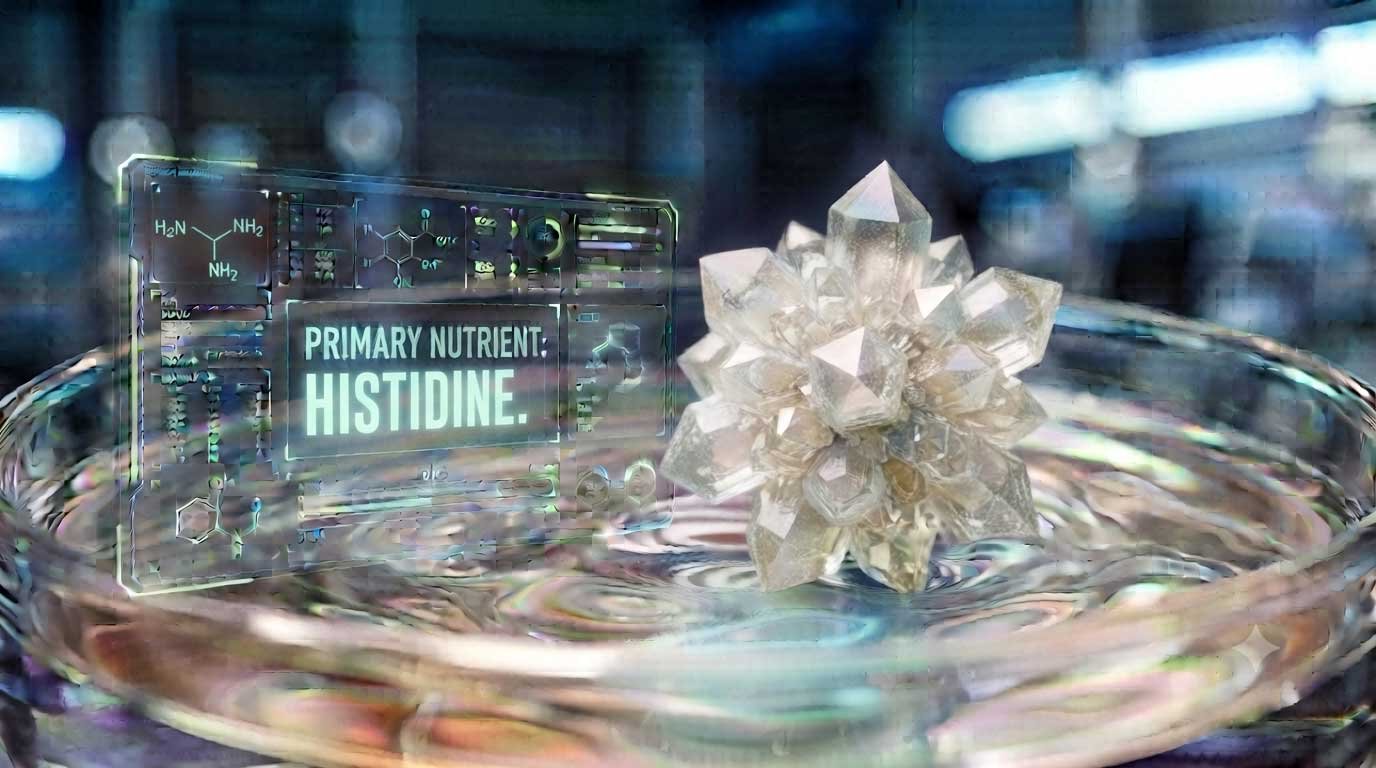
The Amino Acid Hiding in Plain Sight
Ask most people to name an amino acid and you will hear the usual suspects: tryptophan because of the sleepy Thanksgiving myth, glutamine because every supplement aisle has a tub of it, maybe leucine if they lift weights. Histidine almost never comes up, and that has always struck me as a little unfair. This is an amino acid that hemoglobin itself is practically built around, one that shows up at the exact spot where your red blood cells grab and release oxygen, and yet it spends most of its existence working in the background without so much as a mention.
I want to change that a bit here, because once you understand what histidine actually does, it becomes hard to overlook. Histidine is one of the nine essential amino acids, meaning your body cannot manufacture it from scratch the way it can with alanine or glutamate. You have to get it from food, or in rare medical circumstances, from a controlled supplement. Infants absolutely require it in their diet, and there is a solid body of research suggesting adults need a steady, if modest, supply too, even though the liver and kidneys retain some capacity to recycle it from protein turnover.
Table of Contents

What makes histidine chemically interesting is its imidazole side chain, a little ring structure that can pick up or release a proton depending on the surrounding pH. That sounds like a detail only a biochemist would care about, but it is actually the whole story. That imidazole ring is why histidine can act as a pH buffer inside muscle tissue during hard exercise, why it can grab onto metal ions like zinc and copper, and why it sits at the business end of hemoglobin, coordinating with the iron atom that carries oxygen from your lungs to every tissue in your body. Hemoglobin itself is remarkably rich in this amino acid; by weight, roughly one-twelfth of the hemoglobin molecule is histidine. That is not a coincidence of protein folding. Evolution picked histidine for that role because nothing else does the job quite as well.
Beyond hemoglobin, histidine has a second life as the raw material for histamine, the compound your immune system releases during allergic reactions, and for carnosine, a dipeptide that muscle and brain tissue lean on for buffering and antioxidant protection. So when someone tells you an amino acid is “just” a building block, gently remind them that some building blocks moonlight as chemical messengers, metal chelators, and pH regulators, all while still doing their day job of holding proteins together.
I have spent a fair amount of time reading through the physiology and nutrition literature on histidine, and one thing becomes clear pretty quickly: this is not a trendy amino acid with inflated marketing claims attached to it. Most of what we know comes from careful metabolic studies, some going back decades, involving nitrogen balance experiments, dialysis patients, and newborn screening programs. That gives histidine a kind of quiet credibility that flashier supplements rarely earn. It will not promise you six-pack abs or laser focus. What it will do is help explain why your blood carries oxygen the way it does, why certain diets can leave people mildly anemic, and why a handful of rare genetic conditions revolve entirely around how this one amino acid gets metabolized.
There is also something almost architectural about histidine once you start reading the biochemistry closely. Proteins are built from twenty standard amino acids, each with its own side chain, its own personality, its own job description. Most of those side chains are either simple hydrocarbons, acidic, basic, or mildly polar. Histidine sits in an unusual middle ground, capable of switching between a positive charge and a neutral one depending on the immediate chemical environment. That flexibility is rare among the twenty, and it is exactly why nature keeps reusing histidine at the active sites of enzymes, at metal-binding pockets in proteins, and, as we will get into, right at the heart of hemoglobin itself. Trypsin, one of the digestive enzymes your pancreas produces, relies on a histidine residue as part of what biochemists call the catalytic triad, a three-amino-acid team that makes the enzyme’s chemistry possible in the first place. That is one small example among many, and it hints at how disproportionately important this one amino acid is relative to how rarely it gets discussed outside of biochemistry textbooks.
Part of the reason histidine flies under the radar, I think, is that outright deficiency is genuinely uncommon. Nutrients that cause visible, dramatic problems when people fall short, think vitamin C and scurvy, or iodine and goiter, tend to get more cultural attention. Histidine deficiency, by contrast, shows up as a slow drift toward mild anemia and subtle shifts in nitrogen balance, changes that require blood work to detect rather than a mirror. That is not a flaw in the science, it is just a quieter kind of importance, the sort that only becomes visible when you go looking for it.
Over the next few sections, I want to walk through what histidine actually does for your health, where you can reliably find it in food, how much your body needs on an average day, what happens if you fall short, and what the research says about pushing intake too high. None of this is meant to replace a conversation with a doctor or dietitian, especially if you have kidney disease, a metabolic disorder, or you are considering a supplement. But if you want a genuinely well-rounded understanding of one of the more underappreciated amino acids in human nutrition, you are in the right place. Let’s get into it.
Key Health Benefits
Histidine does not get talked about much, and I think that is largely because its benefits are structural and physiological rather than the kind of thing you feel immediately, like a caffeine buzz or a post-workout pump. Its effects show up in blood chemistry, muscle buffering capacity, and immune signaling rather than in a mirror. That does not make them less important, it just makes them less marketable, which is honestly refreshing in a supplement world full of overstatement.
Building Blocks for Hemoglobin and Red Blood Cells
The most direct connection between histidine and health runs straight through hemoglobin. Hemoglobin is the protein packed into red blood cells that binds oxygen in your lungs and releases it in tissues that need it. Histidine residues sit at critical points in that structure, including what researchers call the proximal and distal histidine positions, which coordinate directly with the iron-containing heme group. The distal histidine in particular helps stabilize the bound oxygen molecule through hydrogen bonding, which is part of why hemoglobin can pick up oxygen efficiently in the lungs and let it go where tissues are hungry for it.
Histidine also participates in erythropoiesis, the ongoing process of manufacturing new red blood cells in bone marrow. This is not a minor side function. Your red blood cells have a lifespan of around 120 days, so your body is constantly producing fresh ones, and each fresh cell needs a full complement of hemoglobin built correctly. Without adequate histidine, that production line runs short on a key raw material, and the downstream consequence is a real one: several controlled studies going back to the 1970s and 1980s found that diets deliberately restricted in histidine led to measurable drops in hemoglobin concentration within a matter of weeks, along with a shift toward negative nitrogen balance, which is a technical way of saying the body starts breaking down more protein than it builds.
A Natural Buffer and Antioxidant Ally
Here is where the imidazole ring earns its keep again. Because that side chain can absorb or release a proton depending on local acidity, histidine acts as one of the few amino acids capable of functioning as a genuine physiological buffer. This matters most in muscle tissue, where anaerobic exercise generates a rapid buildup of hydrogen ions and lactate. Histidine-containing dipeptides, especially carnosine, help blunt that drop in pH, which is part of the reason athletes and researchers have taken an interest in beta-alanine supplementation, since beta-alanine is the rate-limiting ingredient for carnosine synthesis in muscle.
On the antioxidant side, histidine and its derivatives can scavenge reactive oxygen and nitrogen species, the unstable molecules that accumulate during normal metabolism and contribute to oxidative stress over time. This is not a dramatic, headline-grabbing effect, but chronic low-grade oxidative stress is implicated in a long list of age-related processes, so having an amino acid that quietly mops some of it up is a genuine, if understated, benefit.
Supporting Immune Function and Tissue Repair
Histidine is also the direct metabolic precursor to histamine, produced through a single decarboxylation step carried out by the enzyme histidine decarboxylase. Histamine gets a bad reputation because people associate it almost exclusively with allergic reactions, itching, and congestion, but that is only half the story. Histamine is a legitimate signaling molecule involved in immune surveillance, gastric acid secretion, and even certain aspects of neurotransmission in the brain. Without a reliable histidine supply, this signaling pathway simply does not function properly.
Tissue repair is another area where histidine shows up consistently in the literature, particularly during periods of rapid growth or recovery from injury. Some research groups have proposed histidine, or histidine-rich compounds, as supportive nutrients during wound healing and even in the context of certain inflammatory conditions, though I want to be careful here: the evidence for therapeutic supplementation in specific diseases, like rheumatoid arthritis, has been mixed at best, with some early trials showing modest benefit and later work failing to replicate strong effects. It is one of those cases where a plausible biological mechanism exists, but the clinical evidence has not fully caught up.
Precursor to Carnosine and Histamine
I already touched on carnosine above, but it deserves its own mention because it is arguably one of the more interesting downstream products of histidine metabolism. Carnosine concentrates heavily in skeletal muscle and in certain regions of the brain, where it appears to function as both a pH buffer and a mild antioxidant, potentially protecting proteins from a process called glycation, in which sugars attach themselves to proteins and impair their function over time. This has made carnosine a subject of interest in aging research, though it is worth noting that most of that work remains preclinical or observational rather than definitive.
Taken together, these benefits paint a picture of an amino acid that is less about acute performance and more about maintaining the underlying machinery of the body: making sure red blood cells carry oxygen properly, muscles can buffer the byproducts of hard effort, the immune system can signal appropriately, and cellular proteins are somewhat protected from the slow wear of oxidative and glycative stress. None of that shows up as a dramatic before-and-after photo, but it is foundational work, and foundational work rarely gets the credit it deserves.
Dietary Sources
If there is good news buried in this whole conversation about histidine, it is that deficiency is genuinely uncommon in people eating a reasonably varied diet. This amino acid shows up across almost every major protein-containing food category, from red meat to legumes, which means most people are getting adequate amounts without ever thinking about it. That said, knowing where the richest sources sit can matter quite a bit for specific groups: strict vegans piecing together a complete amino acid profile, people managing kidney disease who need to track protein intake carefully, or anyone recovering from illness who might benefit from prioritizing protein-dense choices.
Animal-Based Sources Rich in Histidine
Meat, poultry, fish, and dairy products are consistently the most concentrated sources of histidine, which makes sense given how much of the amino acid is locked up in muscle tissue and hemoglobin itself. Beef, pork, lamb, chicken, and turkey all deliver substantial amounts per serving, with beef and pork typically sitting near the top of the list. A standard serving of lean beef or pork can easily provide several hundred milligrams of histidine, which for many adults covers a meaningful chunk of daily need in a single meal.
Fish and seafood are right up there as well. Salmon, mackerel, halibut, and sardines all carry solid histidine content, and interestingly, fish tends to be relatively high in histamine too, which is worth knowing if you are someone who deals with histamine intolerance or migraines that seem to flare after eating fish that has not been kept properly chilled. Freshness matters here in a way it does not for some other nutrients, since bacterial activity in improperly stored fish can convert free histidine into histamine after the fact.
Dairy and eggs round out the animal-based category nicely. Cheese, particularly aged and processed varieties, tends to be histidine-rich, along with milk and yogurt in more modest amounts. Eggs, especially dried egg products used in baking and food manufacturing, also carry a respectable histidine load, though whole fresh eggs provide a more modest amount per serving compared to meat or cheese.
Plant-Based and Vegetarian Options
For anyone building a plant-forward or fully vegan diet, histidine is genuinely accessible, it just requires a bit more intentionality. Legumes are the standout category here:
- Soy products like tofu, tempeh, and soy milk
- Lentils, chickpeas, and a wide range of beans
- Mung beans and broad beans, which show up with surprisingly high histidine content per serving
- Peanuts, which botanically belong to the legume family
Nuts and seeds also contribute meaningfully. Pumpkin seeds, sunflower seeds, sesame seeds, hazelnuts, and almonds all carry histidine, though pine nuts, walnuts, and macadamia nuts tend to run a bit lower relative to other nuts. Whole grains, including wheat, barley, oats, and rice, add smaller but consistent contributions, especially when eaten in the quantities typical of a grain-heavy diet. Quinoa deserves a specific mention because it is one of the few plant foods that delivers a genuinely complete amino acid profile on its own, histidine included.
Vegetables generally contribute far less histidine than legumes or grains, but a few, like cauliflower, spinach, and Brussels sprouts, add small amounts that accumulate over the course of a day of varied eating.
Practical Tips for Getting Enough
For most omnivorous eaters, hitting adequate histidine intake happens automatically as a byproduct of eating enough total protein. The people who need to be a bit more deliberate are strict vegans, older adults eating smaller portions overall, and anyone on a restricted or medically managed diet.
A few practical notes worth keeping in mind:
- Combining legumes with grains across the day, a very old dietary pattern found in cuisines worldwide, naturally covers histidine and the other essential amino acids without any special planning
- Cooking methods matter somewhat; prolonged high-heat cooking can degrade some amino acid content, though the effect on histidine specifically is modest compared to nutrients like certain B vitamins
- People managing chronic kidney disease often need to track protein and amino acid intake under medical supervision, since both very low and unusually high protein diets carry their own risks in that population
- Infants rely entirely on dietary histidine, whether from breast milk or formula, since their capacity to conserve and recycle it is more limited than in adults
I will be honest, once you actually lay out the food sources side by side, it becomes clear that histidine deficiency from diet alone is genuinely rare outside of very restrictive eating patterns, malabsorption conditions, or specific medical circumstances. That is reassuring, but it does not mean the topic is irrelevant, because the next question, how much do you actually need, and what happens when intake falls short, deserves its own honest look.
Dosage & Deficiency
Figuring out exactly how much histidine an adult needs has been a surprisingly stubborn research question, mostly because histidine deficiency takes a long time to develop. Unlike some nutrients where you can run a short depletion study and see symptoms within days, histidine stores in the body, including the pool locked up in carnosine within muscle tissue, take weeks to run down. That has made precise requirement studies logistically difficult, and it shows in how much the recommended numbers vary between organizations.
How Much Histidine Do You Actually Need
The World Health Organization and the Food and Agriculture Organization jointly estimate the adult requirement at around 10 milligrams per kilogram of body weight per day. The Institute of Medicine, working through its 2005 Dietary Reference Intakes report, set the figure somewhat higher, at 14 milligrams per kilogram per day, which translates to roughly 980 milligrams daily for a 70-kilogram adult. That gap between 10 and 14 milligrams per kilogram might look like a rounding difference, but it reflects real scientific disagreement about how conservative these estimates should be, given how hard histidine depletion is to study directly.
For infants, the numbers run considerably higher on a per-kilogram basis, sitting around 36 milligrams per kilogram per day in the first six months of life, which underscores just how essential this amino acid is during periods of rapid growth and blood volume expansion. Toddlers and young children fall somewhere in between, gradually stepping down toward adult requirements as growth rate slows.
In practical terms, most adults eating a typical Western diet consume somewhere between 1.5 and 2.4 grams of histidine per day, comfortably above even the more conservative WHO estimate. Vegans tend to land at the lower end of that range, averaging closer to 1.5 grams daily, while diets heavier in meat and fish push closer to 2.1 to 2.4 grams. Both figures still clear the recommended threshold for the vast majority of body weights, which is part of why outright deficiency remains uncommon in people eating a varied diet with adequate total calories and protein.
Recognizing the Signs of Deficiency
When histidine intake does fall meaningfully short, whether through a severely restricted diet, malabsorption, prolonged illness, or in the context of certain medical treatments like long-term dialysis, the consequences tend to cluster around a few recognizable patterns:
- Anemia, or reduced hemoglobin concentration, tends to be the most consistently documented finding, directly tying back to histidine’s structural role in the hemoglobin molecule
- A shift toward negative nitrogen balance, meaning the body is breaking down more protein than it is synthesizing, which classic depletion studies picked up within roughly two to four weeks of restricted intake
- Slower wound healing, consistent with histidine’s role in tissue repair and protein synthesis more broadly
- A weakened immune response, plausibly connected to reduced histamine availability for immune signaling
- In some reports, subtle cognitive complaints like difficulty concentrating, though this association is weaker and less consistently reproduced than the anemia finding
I want to be careful not to overstate the cognitive piece, since a lot of that evidence comes from smaller or older studies, and correlation in nutrition research has a habit of getting oversold. The anemia connection, on the other hand, is genuinely well supported and shows up repeatedly across different populations and study designs.
Who’s at Greatest Risk
Certain groups warrant closer attention when it comes to histidine status. Patients undergoing long-term hemodialysis for chronic kidney disease have been studied specifically because dialysis can strip amino acids, histidine included, from the blood during treatment, and some clinical trials decades ago actually explored histidine supplementation as a way to address the anemia that commonly accompanies kidney failure. Results were promising enough to keep researchers interested, though histidine supplementation never became a mainstream standard of care for renal anemia, largely because other interventions, like erythropoietin therapy, proved more reliably effective.
Infants and young children represent another group worth watching closely, simply because their requirement per kilogram of body weight is so much higher and their dietary options are more limited. This is part of why infant formula manufacturers pay close attention to amino acid composition, histidine included, when formulating products meant to substitute for breast milk.
Strict vegans, particularly those with lower overall calorie or protein intake, sit at the lower end of typical histidine consumption, though as I mentioned earlier, this rarely dips below adequate levels unless overall diet quality or quantity is compromised in other ways too. And finally, anyone recovering from a prolonged illness, major surgery, or significant burn injury may have elevated histidine needs simply because tissue repair and red blood cell turnover both accelerate during recovery, increasing demand for the raw materials involved.
Toxicity & Risks
Compared to a lot of amino acids and micronutrients, histidine has a fairly reassuring safety profile at the intake levels people actually encounter through food. That said, “reassuring” is not the same as “risk-free,” and there are a few specific situations worth understanding, particularly around supplementation and a rare inherited metabolic condition that revolves entirely around how the body processes this amino acid.
What Happens When Histidine Levels Run High
Formal tolerance studies have actually pushed histidine intake well beyond what anyone would encounter through diet alone. One controlled trial in healthy adults tested graded doses of 4, 8, 12, and even 16 grams per day, dramatically above the typical dietary intake of 1.5 to 2.4 grams, and tracked a wide panel of biochemical markers including liver enzymes, blood counts, and serum zinc over several weeks. The researchers identified 8 grams per day as a level with no observed adverse effects, while 12 grams per day produced the first measurable changes, most notably shifts in blood ferritin, liver enzyme markers, and zinc status, though all values technically remained within normal reference ranges even at that higher dose.
That zinc interaction deserves a bit more attention, because it shows up across multiple studies. Histidine’s ability to chelate metal ions, the same chemical property that makes it useful in enzyme active sites, means that very high intakes can increase urinary zinc excretion and potentially interfere with copper status as well. This is mostly a theoretical concern at typical dietary intakes, but it becomes more relevant for anyone considering isolated histidine supplements at gram-level doses rather than getting histidine as part of a normal, balanced diet.
Other reported effects at high supplemental doses, drawn from a mix of animal and human research, include:
- Reduced appetite or mild anorexia in some studies involving concentrated oral histidine doses
- Elevated ammonia and glutamine levels in blood plasma, alongside reductions in branched-chain amino acids like valine, leucine, and isoleucine
- Liver enlargement in animal models fed histidine-excess diets, which is part of why researchers caution against histidine supplementation in people with existing liver disease
- Mild gastrointestinal symptoms like nausea in some individuals at higher supplemental doses
Signs of true toxicity, mutagenic activity, or classic allergic reactions have not been consistently reported in the human tolerance literature, even though histidine is the direct precursor to histamine, which might make you expect otherwise. Still, the accumulating pattern of zinc excretion, liver-related changes in animal models, and shifts in other amino acid levels is enough that most researchers in this space recommend caution with high-dose supplementation rather than treating histidine as something to take freely at multi-gram doses without a specific medical reason.
Histidinemia and Genetic Considerations
Separate from dietary excess, there is a rare inherited condition called histidinemia, caused by a deficiency in the enzyme histidase, which normally converts histidine into a compound called urocanic acid. Without functional histidase, histidine accumulates in the blood, urine, and cerebrospinal fluid, while urocanic acid levels in blood and skin drop correspondingly. It is inherited in an autosomal recessive pattern, meaning a person needs to receive a nonfunctional copy of the gene from both parents to be affected, and it has historically been identified through newborn screening programs, particularly in populations where its incidence runs somewhat higher.
For decades, histidinemia was linked in the medical literature to intellectual disability and speech delays, which understandably made it sound alarming. More recent and carefully controlled follow-up research has largely walked that association back. Long-term studies tracking children with histidinemia found no meaningful correlation between blood histidine levels and either developmental quotient or IQ, and growth patterns remained normal across the board. The current consensus among genetics and metabolic specialists is that histidinemia is a largely benign condition that does not require dietary restriction or treatment in the majority of cases, though monitoring around perinatal complications is sometimes recommended out of caution, since a small subset of affected individuals have shown developmental concerns specifically when other complications, like oxygen deprivation at birth, occurred alongside it.
Practical Safety Guidance
Pulling this together into something actually usable: for the overwhelming majority of people eating a normal, varied diet, histidine intake sits comfortably within a safe range, and there is no meaningful reason to worry about toxicity from food sources. The picture changes somewhat if you are considering a concentrated histidine supplement, in which case a few sensible precautions apply.
- Stick to doses that stay well under the 8 grams per day threshold identified as free of observed adverse effects in controlled human trials, and ideally consult a healthcare provider before using isolated amino acid supplements at all
- Be cautious with histidine supplementation if you have existing liver disease, given the animal research linking excess intake to hepatic changes
- Consider zinc and copper status if using histidine supplements over an extended period, since the metal-chelating property that makes this amino acid biologically useful can also pull trace minerals out of balance at high doses
- If you or a family member has been flagged for histidinemia through newborn screening, work with a metabolic specialist rather than assuming dietary changes are necessary on your own, since current evidence suggests most cases require no intervention at all
None of this should read as alarming. Histidine is, on balance, one of the more benign essential amino acids when it comes to safety margins, especially compared to something like methionine or certain branched-chain amino acids at high doses. The caution here is really about respecting the difference between food-level intake, which is essentially a non-issue, and concentrated supplementation, which deserves the same thoughtfulness you would apply to any other isolated nutrient taken outside its normal dietary context.
Why This Quiet Amino Acid Deserves a Second Look
If you take one thing away from all of this, let it be that histidine is a good reminder that not every important nutrient needs to be loud about it. This is an amino acid working at the molecular hinge point of hemoglobin, quietly stabilizing the exact spot where oxygen gets picked up and dropped off, buffering the acidic burn of hard exercise, feeding the synthesis of histamine and carnosine, and showing up reliably across meat, dairy, legumes, grains, and seeds without ever needing a dedicated supplement aisle to get the job done.
What I find genuinely compelling about histidine is how well the biochemistry and the clinical picture line up with each other. The imidazole ring explains the pH buffering. The structural position within hemoglobin explains the anemia seen in depletion studies. The metal-chelating property explains both a documented benefit, protecting against oxidative stress, and a documented risk, zinc excretion at high supplemental doses. Very few nutrients tell such a coherent story from molecule to whole-body effect, and that coherence is exactly why I trust the research on histidine more than I trust research on some flashier, more heavily marketed compounds.
Practically speaking, most readers do not need to overhaul their diet around histidine specifically. If you are eating a reasonably varied diet with adequate protein from any combination of meat, fish, dairy, legumes, nuts, and grains, you are almost certainly meeting your needs without any special effort. The people who benefit from paying closer attention are strict vegans building a deliberate whole-food protein strategy, people managing chronic kidney disease under medical supervision, parents making sure infant nutrition is adequately covered, and anyone recovering from major illness or surgery whose amino acid demands have temporarily climbed.
And if you are ever tempted by a histidine supplement promising some dramatic benefit, hold that claim up against what the actual research supports: modest, physiologically grounded roles in blood health, buffering, and immune signaling, with a safety profile that is good but not limitless, particularly around zinc balance and liver health at high doses. That is not a flashy pitch, but it happens to be an honest one, and in a supplement landscape full of overpromising, honest is worth quite a lot.
It is also worth stepping back and appreciating how unusual it is for a single amino acid to connect so many different systems in the body without needing exotic mechanisms to explain any of it. The same imidazole ring that stabilizes oxygen inside hemoglobin also buffers lactic acid in a burning quadriceps muscle. The same chemistry that makes histidine useful as a metal chelator in antioxidant defense is the chemistry that, at excessive supplemental doses, can pull zinc out of balance. Nothing about histidine requires a leap of faith or an appeal to some poorly understood pathway. It is straightforward, well-documented physiology, and there is something genuinely satisfying about that kind of clarity in a field where so much nutrition advice rests on shakier ground.
If I had to distill practical guidance into a short list, it would look something like this. Eat a varied diet that includes some combination of animal or plant protein at most meals, since histidine essentially rides along with adequate total protein intake. Pay closer attention if you are vegan, managing kidney disease, pregnant, feeding an infant, or recovering from significant illness or surgery, since these are the situations where either requirements climb or dietary options narrow. Treat concentrated histidine supplements the way you would treat any isolated amino acid product, with a healthy dose of skepticism and, ideally, a conversation with a healthcare provider first, particularly if liver disease is part of your medical history. And if a family member has ever come back from newborn screening with a histidinemia flag, know that the overwhelming weight of current evidence points toward a benign condition rather than a cause for alarm.
Histidine may never headline a wellness trend, and I suspect it never will. It does not have the cultural momentum of protein powder or the mystique of a rare superfood. But every single time your blood carries oxygen from your lungs to your muscles, your brain, or anywhere else it is needed, this unassuming amino acid is doing exactly the job evolution assigned it, structurally, chemically, and reliably, without asking for any credit along the way. Sometimes the most essential players in human physiology are the ones that never make the highlight reel, and histidine might be the clearest example of that I have come across in years of reading this literature.
Article Sources
At AncientHerbsWisdom, our content relies on reputable sources, including peer-reviewed studies, to substantiate the information presented in our articles. Our primary objective is to ensure our content is thoroughly fact-checked, maintaining a commitment to accuracy, reliability, and trustworthiness.
- Holeček, M. (2020). Histidine in health and disease: Metabolism, physiological importance, and use as a supplement. Nutrients, 12(3), 848. https://doi.org/10.3390/nu12030848
- Brosnan, M. E., & Brosnan, J. T. (2020). Histidine metabolism and function. The Journal of Nutrition, 150(Suppl 1), 2570S-2575S. https://doi.org/10.1093/jn/nxaa079
- Moro, J., Tomé, D., Schmidely, P., Demersay, T. C., & Azzout-Marniche, D. (2020). Histidine: A systematic review on metabolism and physiological effects in human and different animal species. Nutrients, 12(5), 1414. https://doi.org/10.3390/nu12051414
- Gheller, M. E., Vermeylen, F., Handzlik, M. K., Gheller, B. J., Bender, E., Metallo, C., Aydemir, T. B., Smriga, M., & Thalacker-Mercer, A. E. (2020). Tolerance to graded dosages of histidine supplementation in healthy human adults. The American Journal of Clinical Nutrition, 112(5), 1358-1367. https://doi.org/10.1093/ajcn/nqaa242
- Institute of Medicine. (2005). Dietary reference intakes for energy, carbohydrate, fiber, fat, fatty acids, cholesterol, protein, and amino acids. National Academies Press. https://www.ncbi.nlm.nih.gov/books/NBK234922/
- National Organization for Rare Disorders. (2023). Histidinemia. https://rarediseases.org/rare-diseases/histidinemia/

- Phosphatidic Acid: Supporting Muscle Growth and Strength - July 31, 2026
- Ceramides: Supporting Healthy Skin From Within - July 31, 2026
- Synbiotics: Combining Prebiotics and Probiotics Together - July 31, 2026