

The Molecule Your Skin and Joints Have Been Quietly Relying On
I want to start with a confession. For years I thought of hyaluronic acid as one more skincare buzzword, another ingredient printed in bold letters on a serum bottle to justify the price tag. Then I actually sat down with the research, and honestly, it changed how I look at aging, hydration, and joint comfort altogether. Hyaluronic acid is not a trend. It is a molecule your body has been manufacturing since before you were born, and it is working right now, in this moment, inside your skin, your joints, your eyes, and dozens of other tissues you rarely think about.
Here is the basic picture. Hyaluronic acid, sometimes shortened to HA, is a long, unbranched sugar chain that your cells build and break down continuously. It belongs to a family of molecules called glycosaminoglycans, which is a mouthful, so most people just call it a glycosaminoglycan and move on. What makes it special is not its structure so much as its behavior. Hyaluronic acid can hold onto water at a scale that seems almost absurd. A single gram of it can bind several liters of water under the right conditions. That water-holding trick is the reason it shows up everywhere from anti-aging creams to arthritis supplements to eye drops.
Table of Contents


More than half of the hyaluronic acid in the human body sits in the skin, where it keeps the tissue plump, springy, and hydrated. The rest is distributed through connective tissue, joints, and the fluid inside your eyes. It is produced by specialized enzymes called hyaluronan synthases, and it is broken down just as quickly by enzymes called hyaluronidases. This constant cycle of building and breaking down is not a flaw, it is the point. Hyaluronic acid in the skin has a half-life measured in hours, not years, which means your body is remaking its hydration architecture on an almost daily basis.

So why does this matter to you, specifically, sitting here reading this? Because that turnover slows down with age, and it slows down faster than most people expect. Research on skin composition has shown that meaningful loss of hyaluronic acid content in the skin can begin as early as the mid-twenties, well before wrinkles or sagging become visible to the naked eye. By the time you notice dryness, tightness, or a loss of that dewy look you had in your twenties, the underlying decline in hyaluronic acid production has usually been happening for years already. It is a quiet process. There is no dramatic symptom, no single day where you wake up and think, ah, there goes my hyaluronic acid. It just gradually recedes, and the skin responds by becoming thinner, less elastic, and less able to hold moisture.
The same story plays out in your joints, just with different consequences. Synovial fluid, the slippery substance that cushions your knees, hips, and other moving joints, relies heavily on hyaluronic acid for its viscosity. Think of it like the difference between fresh motor oil and oil that has broken down after thousands of miles. When hyaluronic acid concentration and molecular weight in joint fluid decrease, which happens naturally with age and more dramatically with osteoarthritis, the cushioning and lubrication properties decline right along with it. That is part of why joint stiffness and discomfort become more common as we get older, and it is also why hyaluronic acid has become such a widely studied ingredient in both injectable and oral forms for joint health.
I think what surprises people most is how interconnected these two applications actually are. Skin hydration and joint health sound like completely separate topics, one cosmetic, one medical, but they both trace back to the same molecule doing the same fundamental job: holding water where the body needs it, cushioning tissue, and supporting structure. Whether we are talking about a wrinkle on your forehead or an ache in your knee after a long hike, hyaluronic acid is part of that story.
There is also a manufacturing side worth mentioning briefly, since it explains why hyaluronic acid supplements and skincare products vary so much in quality and price. Early hyaluronic acid extraction relied on rooster combs, which are genuinely rich in the compound. Most modern products, though, use hyaluronic acid produced through bacterial fermentation, which tends to be more consistent and, frankly, more appealing to anyone who would rather not think about rooster combs while applying a moisturizer. Molecular weight also varies a lot between products, and that variable turns out to matter enormously for how the compound behaves, whether it sits on the surface of the skin, penetrates deeper layers, or gets absorbed into the bloodstream after oral intake.
Over the next several sections, I want to walk through what the science actually says about hyaluronic acid, not the marketing version, the research version. We will look at the specific benefits tied to skin hydration and joint health, where you can find hyaluronic acid naturally or support your body’s own production of it, how much is typically used in studies, what happens when levels run low, and what the real risks and limitations look like. My goal is not to convince you that hyaluronic acid is magic. It is not. But it is one of the more genuinely well-studied compounds in the hydration and joint support space, and understanding how it actually works will help you make better decisions than any bottle label ever could.
Key Health Benefits of Hyaluronic Acid
Skin Hydration and the Visible Signs of Aging
Let’s get the obvious one out of the way first, because it is genuinely the area with the most robust clinical evidence. Oral hyaluronic acid supplementation has been tested in multiple randomized, placebo-controlled trials, and the pattern that emerges is fairly consistent. A double-blind trial involving 129 women across young and elderly age groups found that oral hyaluronic acid meaningfully improved skin hydration within two to eight weeks, with improvements in skin tone appearing between four and eight weeks and increases in epidermal thickness showing up around the twelve-week mark. That timeline matters. If you start taking a hyaluronic acid supplement expecting overnight plumpness, you will be disappointed. This is a slow-building effect, not an instant one.
A more recent and larger trial involving 150 healthy adults compared two daily doses of sodium hyaluronate, sixty milligrams and one hundred twenty milligrams, against a placebo over twelve weeks. The higher dose group saw significant improvements in facial hydration, elasticity, and a reduction in transepidermal water loss, which is essentially a measure of how much moisture escapes through the skin barrier. Epidermal thickness and dermal density also increased. The lower dose produced similar but more modest effects, which tells us something practical: dose matters, and more is not always overkill when it comes to oral hyaluronic acid.
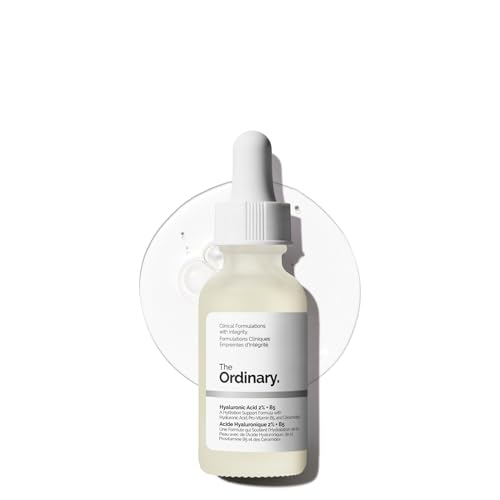
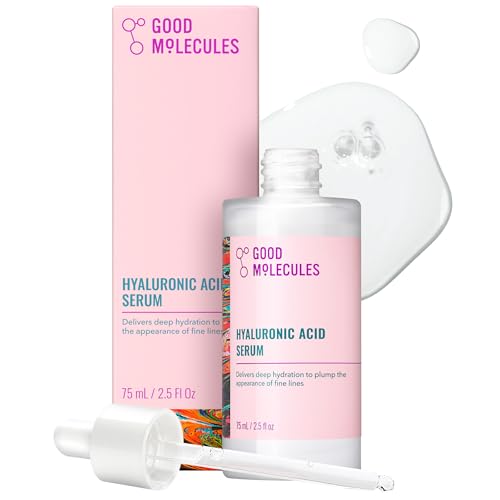
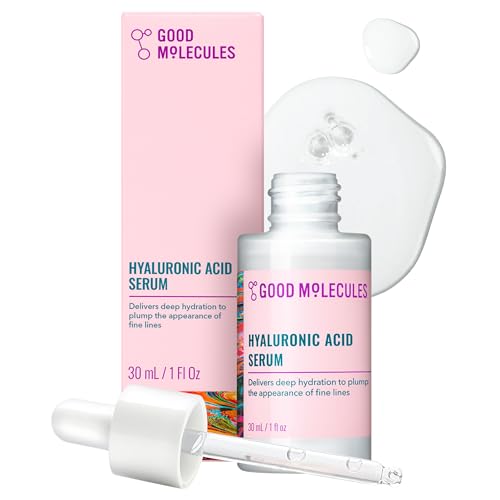
Topical use tells a slightly different but complementary story. Applied directly to the skin, hyaluronic acid draws moisture into the outer layers and can visibly plump fine lines within days rather than weeks, though the effect is more superficial and temporary compared to what happens with sustained oral intake. Many dermatologists now recommend combining both approaches, since topical hyaluronic acid works on the surface while oral supplementation appears to support the deeper structural layers of the skin over time.
Joint Health and Everyday Mobility
This is where I think hyaluronic acid gets undersold, because most people only associate it with skincare. In reality, some of the more compelling clinical evidence for hyaluronic acid actually comes from orthopedics. A twelve-week, multicenter, randomized, double-blind trial testing a combination supplement containing krill oil, astaxanthin, and hyaluronic acid found statistically significant improvements in pain scores among people with mild osteoarthritis of the knee or hip, along with meaningful gains in physical function compared to placebo.
Separately, a pilot trial using an oral sodium hyaluronate formulation with a broad range of molecular weights found significant improvements in pain, functional index scores, and even range of motion in patients with symptomatic knee osteoarthritis after sixty days, along with a measurable drop in how often participants needed to reach for anti-inflammatory medication. That last part is worth sitting with for a second. Reduced reliance on NSAIDs is not a trivial outcome, since long-term NSAID use carries its own risks for the stomach, kidneys, and cardiovascular system.
The proposed mechanism makes sense biologically. Osteoarthritic joints tend to have lower concentrations of hyaluronic acid in the synovial fluid, along with a shift toward lower molecular weight fragments that do not lubricate as effectively as their high molecular weight counterparts. Supplementing with hyaluronic acid, whether orally or through direct injection into the joint, appears to help restore some of that lubricating and cushioning capacity, and animal studies have also pointed to anti-inflammatory effects that go beyond simple mechanical lubrication.
- Reduced joint pain scores in mild-to-moderate osteoarthritis trials
- Improved physical function and range of motion
- Decreased reliance on rescue pain medication in some studies
- Possible anti-inflammatory action alongside the lubricating effect
I want to be careful here, though, because the evidence for joint health is promising but not uniform. Some reviews have pointed out that study quality varies, sample sizes are often modest, and not every trial shows a clear benefit over placebo. This is an area where hyaluronic acid looks genuinely useful for many people, but it is not a guaranteed fix for every kind of joint pain.
Wound Healing and Tissue Repair
Hyaluronic acid plays an active role at every stage of wound healing, from the initial inflammatory response through tissue remodeling. During the early phase, higher molecular weight hyaluronic acid helps regulate inflammation, while lower molecular weight fragments generated during tissue breakdown seem to signal cells to migrate and proliferate, essentially calling in reinforcements to close the wound. This dual behavior, where different sizes of the same molecule send different signals, is one of the more elegant things about how hyaluronic acid functions biologically. It is part of why hyaluronic acid-based dressings, gels, and sponges are increasingly used in clinical wound care settings, particularly for burns and chronic wounds that struggle to close on their own.
Eye Comfort and Beyond
Hyaluronic acid is also a major component of the vitreous humor, the gel-like substance filling the eye, and it shows up in most modern artificial tear formulations for dry eye relief. Its water-retaining properties help keep the ocular surface lubricated for longer than saline alone. Beyond skin, joints, eyes, and wounds, researchers have also explored hyaluronic acid’s role in areas like vocal cord function and even certain digestive tract applications, though the evidence in those areas is considerably thinner than what we have for skin hydration and joint health.
Dietary Sources of Hyaluronic Acid
Foods That Naturally Contain Hyaluronic Acid
Here is something that tends to surprise people: hyaluronic acid is not exactly abundant in a typical grocery list. There is no leafy green or fruit bursting with the compound the way spinach is loaded with iron. The most concentrated natural food sources are animal-based, and specifically connective tissue-rich foods, which makes sense once you remember that HA is a structural molecule found throughout skin, cartilage, and joint fluid in every animal, not just humans.
- Bone broth, simmered for extended periods from animal bones, skin, and cartilage
- Organ meats, particularly those rich in connective tissue
- Chicken skin and cartilage-containing cuts of meat
- Certain gelatinous cuts like oxtail, pork trotters, or beef shank
- Fish eyeballs and fish head broth, which show up in several traditional cuisines and are genuinely rich in the compound, even if they are not exactly a Tuesday night dinner staple for most Western households
Bone broth tends to get the most attention here, and for good reason. The long, slow simmering process, often stretched across twelve to twenty-four hours, breaks down cartilage and connective tissue, releasing HA, collagen, and various amino acids into the liquid in a form that is relatively easy for the body to absorb. That said, I would not oversell it. The actual content of homemade broth varies enormously depending on the bones used, the cooking time, the animal source, and even how much cartilage versus pure bone went into the pot, so treating a cup of broth as a precise, measurable dose is simply not realistic. Some batches will be far richer than others, and there is no easy way to know exactly how much you are getting without lab testing, which nobody is doing in their home kitchen.
Foods That Support Your Body’s Own Production
Because direct dietary sources are limited, a lot of the practical nutritional advice around this molecule actually focuses on foods that support your body’s own synthesis of it, rather than foods that contain it directly. This is a subtler but arguably more sustainable strategy, since it works with your existing biology instead of trying to import the finished product.
- Vitamin C-rich foods like citrus fruits, bell peppers, kiwi, and berries, since vitamin C is a cofactor in both collagen and hyaluronic acid synthesis pathways
- Magnesium-rich foods like leafy greens, almonds, pumpkin seeds, cashews, and other nuts and seeds, since magnesium supports the enzymatic processes involved in production
- Soy-based foods such as tofu, edamame, tempeh, miso, and natto, which contain phytoestrogens that some research links to increased synthesis of this compound
- Root vegetables like sweet potatoes and carrots, which provide antioxidants that help protect existing HA from oxidative breakdown caused by sun exposure and general metabolic stress
- Herbs like parsley, dill, thyme, and cilantro, which contribute additional vitamin C and antioxidant support in relatively small but consistent amounts when used regularly in cooking
On the flip side, certain dietary habits actively work against this molecule. Excess sugar intake accelerates a process called glycation, in which sugar molecules bind to proteins and interfere with normal collagen and HA structure, essentially gumming up the works and speeding up degradation. Heavily processed foods and diets high in trans fats also promote low-grade, chronic inflammation that interferes with the body’s ability to maintain healthy levels over time. Excessive alcohol consumption and chronic sun exposure without adequate protection add further strain, since ultraviolet radiation is known to disrupt the enzymes responsible for keeping production and breakdown in balance. If skin hydration and joint health are genuinely priorities for you, the food and habits you avoid matter just as much as what you deliberately add to your plate.
Supplements as a Practical Bridge
Realistically, most people are not drinking bone broth daily or eating organ meats on any kind of regular schedule, which is exactly why supplements built around this compound have become so popular over the past decade. Supplements provide a standardized, measurable dose that dietary sources simply cannot match with any consistency, since you know precisely how many milligrams you are consuming with each capsule or tablet, rather than guessing based on how long a pot of broth happened to simmer.
This does not mean food should be ignored. A diet built around the supportive foods listed above genuinely helps your body maintain its own production capacity, which is a foundation no supplement can fully replace. But it does mean that if you are specifically trying to replicate the doses used in the clinical research on skin hydration or joint comfort, a supplement is going to get you there far more reliably than trying to eat your way to a target number of milligrams. Most people end up using a combination approach in practice: eating reasonably well, leaning on supportive foods where convenient, and using a standardized supplement to cover the gap between what a typical modern diet provides and what the research trials actually tested.
Dosage and Deficiency
How Much Is Actually Effective
This is the question I get asked most, and the honest answer is that the range used in research is fairly wide, which frankly reflects how young this field of study still is compared to something like vitamin D or calcium, where decades of population data exist. Clinical trials examining skin hydration have used oral doses ranging from around sixty milligrams to two hundred milligrams per day, generally over periods of eight to twelve weeks before meaningful, measurable changes appeared in hydration, elasticity, and epidermal thickness. The trial using one hundred twenty milligrams daily tended to outperform the sixty milligram dose in terms of measurable skin improvements, though both showed clear benefit relative to placebo, which suggests a genuine dose-response relationship rather than an all-or-nothing effect.
For joint-focused formulations, doses have varied depending on what other ingredients were included alongside the compound itself, since many commercial products combine it with things like krill oil, glucosamine, or chondroitin rather than testing it in isolation. Still, many studies land somewhere between roughly one hundred and two hundred milligrams per day, taken consistently, usually for a minimum of eight to twelve weeks before drawing conclusions about effectiveness. Shorter trial periods have occasionally shown early improvements, but the more convincing joint outcomes tend to come from studies that ran at least two to three months.
Regulatory bodies have weighed in as well, which gives us a useful upper reference point even outside of specific clinical outcomes. A Norwegian risk assessment reviewed daily intakes ranging from forty-eight to one hundred fifty milligrams and found no significant safety concerns at those levels, drawing on both animal studies and around a thousand human participants across multiple randomized controlled trials. Separately, food safety guidance in other regions, including standards set by Japanese food industry associations, has recognized daily intakes as high as two hundred fifty milligrams as generally acceptable for healthy adults, based on a substantial margin of safety relative to the doses that caused no adverse effects in animal testing.
If you are shopping for a supplement built around this ingredient, here is a practical way to think about the dose:
- Around sixty to one hundred milligrams per day tends to be a modest, entry-level dose, reasonable for someone just starting out or prioritizing budget
- One hundred to one hundred fifty milligrams per day aligns with most of the trials showing clear skin and joint benefits, and is probably the sweet spot for most healthy adults
- Doses above two hundred milligrams per day move into territory with less direct research support for added benefit, even though regulatory bodies have not flagged major safety issues at these levels
Molecular weight matters here too, and it is easy to overlook. Products described as low molecular weight tend to be marketed toward joint applications, since smaller fragments are thought to penetrate tissue and circulate more readily, while high molecular weight versions are more commonly used in skin-focused formulations, where surface-level water retention is the primary goal. Neither is objectively better, they simply serve somewhat different purposes.
Signs Your Levels Might Be Low
There is no blood test you can casually order to check your status the way you might check vitamin D or iron. Instead, a decline tends to show up as a cluster of somewhat nonspecific symptoms that are easy to write off as normal aging rather than something with an identifiable underlying cause.
- Skin that feels persistently dry or tight, even with regular moisturizer use and no obvious change in your routine
- Fine lines becoming more pronounced, particularly in areas with thinner skin like around the eyes and mouth
- Joint stiffness, especially first thing in the morning or after periods of inactivity like a long car ride or a day at a desk
- A general sense that skin has lost its bounce or resilience compared to years past, sometimes described as looking a little deflated rather than simply wrinkled
- Eyes that feel gritty or dry more often than they used to, particularly with screen use or in air-conditioned environments
None of these symptoms point exclusively to a decline in this specific molecule, since collagen loss, elastin breakdown, and simple sun damage all contribute to the same overall picture, and untangling one cause from another is genuinely difficult without specialized testing. But taken together, especially when they appear gradually starting in the mid-to-late twenties or accelerating around menopause, when estrogen decline further suppresses natural synthesis, they are consistent with the pattern that research has documented repeatedly.
Who Should Think Twice
Pregnant or breastfeeding individuals, people on blood-thinning medication, and anyone managing a chronic autoimmune condition should talk with a healthcare provider before adding an oral supplement, simply because the research in these specific populations remains limited. This is not because there is strong evidence of harm, it is because the safety data has not been built out thoroughly enough for these groups to make a fully confident, individualized call, and a quick conversation with a doctor costs very little compared to the peace of mind it provides.
Toxicity and Risks
Oral Supplements Have a Reassuring Safety Profile
If you are worried that taking a supplement built around this compound is risky, the research so far is fairly reassuring, though not unlimited, and I think it is worth being honest about both sides of that statement. A comprehensive risk assessment reviewing eighteen animal studies and seventeen randomized controlled trials involving roughly a thousand human participants, using doses between twenty-five and two hundred twenty-five milligrams per day, found no serious adverse health effects across any of the reviewed research. The longest study in that assessment ran for twelve months at a dose of two hundred milligrams daily, and even then, no significant safety concerns emerged in terms of bloodwork, kidney function, liver function, or reported symptoms.
That said, the same assessment was careful to note that it could not fully confirm long-term safety beyond twelve months, or whether rare side effects might emerge across a much larger population than what these trials captured. This is a fairly standard limitation in supplement research generally. Most trials simply are not large enough or long enough to catch something that might affect one person in ten thousand, and it would be misleading to claim otherwise just because nothing alarming has shown up so far.
Mild gastrointestinal discomfort, things like bloating or mild stomach upset, is the most commonly reported side effect across trials, though it tends to be infrequent and generally comparable to what placebo groups also report. This suggests that a fair amount of what people attribute to these supplements may simply be typical background rates of minor digestive complaints rather than something specifically caused by the compound itself. Separate research examining oral intake at daily doses ranging from forty-eight to two hundred forty milligrams reported no adverse events tied specifically to the ingredient, and a trial using two hundred milligrams daily found no concerning changes in blood, liver, or kidney markers either.
Injectable and Topical Forms Carry Different Considerations
It is worth separating oral supplementation from injectable use, since these represent genuinely different risk categories with different safety records. Injectable fillers and joint injections are generally well tolerated in clinical practice, but they carry the standard risks associated with any injection procedure, including localized swelling, bruising, tenderness, and in rare cases, more significant reactions at the injection site such as prolonged inflammation or, very rarely, infection if sterile technique is not properly followed. These procedures should only ever be performed by qualified, licensed professionals, and anyone considering them should have a thorough conversation beforehand about the specific product being used, since formulations vary considerably in molecular weight, degree of cross-linking, and overall purity, all of which influence both how the product behaves and how the body responds to it.
Topical use, most commonly in serums and moisturizers, is considered one of the gentler active ingredients in skincare and rarely causes irritation on its own, which is part of why it shows up in products marketed toward sensitive skin. Occasionally, people report that very high concentration serums used without a follow-up moisturizer can actually pull moisture out of deeper skin layers in particularly dry or low-humidity environments, leaving skin feeling drier rather than better hydrated, since the molecule will draw water from wherever it can find it, including from within the skin itself if there is not enough ambient moisture available. This is more of a formulation and application issue than a genuine toxicity concern, but it is worth knowing if you have ever had a confusing experience with a product that seemed to backfire on you.
Who Should Be Cautious
People with known allergies, though genuinely rare given that this is a naturally occurring substance already present throughout the human body, should avoid supplementation and injections entirely and seek immediate medical attention if they suspect a reaction. Anyone with a history of significant skin reactions to cosmetic products more generally should patch-test topical formulations before broader use, applying a small amount to the inner forearm and waiting twenty-four to forty-eight hours before proceeding to facial application. And while no strong interactions with common medications have been documented in the research so far, people on blood-thinning medication are generally advised to check with a physician before starting injectable procedures specifically, given the increased bleeding and bruising risk associated with any injection when clotting is pharmacologically altered.
- Rare allergic reactions, mostly documented with injectable rather than oral forms
- Mild, infrequent gastrointestinal symptoms with oral supplementation, generally comparable to placebo rates
- Localized injection site reactions with fillers and joint injections, usually resolving within days
- Limited long-term safety data beyond roughly twelve months of continuous daily use
None of this amounts to a strong reason to avoid this ingredient altogether. Compared to many supplements currently on the market, its safety profile is genuinely one of the more well-supported ones, particularly for oral use backed by a reasonable body of randomized, controlled human research. The caution here is less about acute danger and more about being honest regarding the limits of what long-term data currently shows, which is simply good practice with any supplement, however promising the short-term evidence looks.
The Quiet Case for Paying Attention to This One
If there is one thing I hope sticks with you after all of this, it is that hyaluronic acid is not really a beauty industry invention. It is a molecule your body has been making and remaking every single day of your life, quietly, without any fanfare, long before anyone put it on a serum label. The slow decline in that production is one of the more concrete, measurable things happening beneath the surface of what we casually call aging, and unlike a lot of wellness talk, this particular story actually holds up when you dig into the research rather than falling apart. Skin hydration and joint health might seem like unrelated concerns depending on whether you are standing in front of a mirror or wincing your way down a flight of stairs after a weekend of yard work, but they share the same underlying biology, and once you see that connection, it is hard to unsee it.
What I would take away practically is this. The clinical evidence for oral supplementation supporting skin hydration is solid, consistent across multiple independent trials run by different research groups in different countries, and reasonably well understood in terms of dosing and timeline. Expect weeks, not days, for visible change, and do not judge a product as ineffective after only a week or two of use, because that is simply not enough time based on how every relevant trial has been designed. The evidence for joint health is promising and biologically sensible, grounded in a clear mechanism involving synovial fluid viscosity and lubrication, though somewhat more variable study to study than the skin research, so it is worth trying with reasonable expectations rather than absolute certainty. Some people respond noticeably, others see more modest change, and that variability is honestly just how most joint-related interventions tend to behave, prescription or otherwise.
Dietary sources exist but are limited, which makes supplementation a genuinely practical option rather than an unnecessary shortcut, especially if bone broth or organ meats are not a regular part of your routine, which, realistically, describes most people reading this. Supporting your body’s own production through foods rich in vitamin C, magnesium, and healthy plant compounds is a reasonable complementary strategy, not a replacement for supplementation if you are specifically chasing the doses used in clinical research. And the safety data, while not infinite and admittedly capped around the twelve-month mark in terms of rigorous long-term study, is about as reassuring as supplement safety data gets, with a documented track record across a meaningful number of human trials and a fairly wide range of doses tested without major red flags emerging.
I do not think this ingredient deserves the eye-roll that a lot of skincare buzzwords get, nor does it deserve the miracle-cure hype that gets slapped onto half the supplement aisle. It sits in a more honest middle ground: a well-studied, naturally occurring compound doing a specific, useful job in the body, with research that actually backs up most of what gets claimed about it, which is more than you can say for a lot of what gets marketed alongside it on the same shelf. If your skin has felt drier than it used to, if fine lines seem to be settling in earlier than you expected, or if your joints have started announcing themselves after a long day on your feet, it is a reasonable thing to look into, ideally alongside a conversation with your doctor if you have any underlying health conditions, medications, or pregnancy considerations worth factoring into the decision.
At the end of the day, this is really about understanding your own biology well enough to make informed choices instead of guessing based on whatever the last ad you scrolled past happened to claim. Hyaluronic acid will not reverse time, and nothing honestly will, but it is one of the more legitimate tools available for supporting the specific, well-documented functions it has always performed inside your body. Pay attention to how your skin and joints actually respond over a reasonable timeframe, be patient with the process, and treat any single ingredient, this one included, as one piece of a broader picture that also includes sleep, sun protection, movement, and a genuinely balanced diet. That combination, more than any single capsule, is what tends to move the needle over the years that actually matter.
If nothing else, let this be permission to stop dismissing hyaluronic acid as just another word on a label and start treating it as what the research actually shows it to be: a well-understood, naturally occurring part of your own physiology that happens to respond to the choices you make, one reasonable decision at a time.
Article Sources
At AncientHerbsWisdom, our content relies on reputable sources, including peer-reviewed studies, to substantiate the information presented in our articles. Our primary objective is to ensure our content is thoroughly fact-checked, maintaining a commitment to accuracy, reliability, and trustworthiness.
- Chylińska, N., & Maciejczyk, M. (2025). Hyaluronic acid and skin: Its role in aging and wound-healing processes. Gels, 11(4), 281. https://doi.org/10.3390/gels11040281
- Dolečková, I., Kušnierik, P., Berka, V., Šimek, M., Matějková, I., Prokopec, F., & Ovesná, P. (2025). Oral sodium hyaluronate improves skin hydration, barrier function and signs of aging: A randomized, double-blind, placebo-controlled trial in 150 healthy adults. Scientific Reports, 16, 2941. https://doi.org/10.1038/s41598-025-32758-5
- Gao, Y.-R., Wang, R.-P., Zhang, L., Fan, Y., Luan, J., Liu, Z., & Yuan, C. (2023). Oral administration of hyaluronic acid to improve skin conditions via a randomized double-blind clinical test. Skin Research and Technology, 29(11), e13531. https://doi.org/10.1111/srt.13531
- Hill, W. S., Dohnalek, M. H., Ha, Y., Kim, S.-J., Jung, J.-C., & Kang, S.-B. (2023). A multicenter, randomized, double-blinded, placebo-controlled clinical trial to evaluate the efficacy and safety of a krill oil, astaxanthin, and oral hyaluronic acid complex on joint health in people with mild osteoarthritis. Nutrients, 15(17), 3769. https://doi.org/10.3390/nu15173769
- Migliore, A., Bella, A., Bisogno, C., De Angelis, R., Delle Sedie, A., De Nicola, A., Franceschini, M., Frediani, B., Lanata, L., Ledda, A., Massafra, U., Muratore, M., Palma, E., Perpignano, G., & Tormenta, S. (2020). Short-term effect of a new oral sodium hyaluronate formulation on knee osteoarthritis: A double-blind, randomized, placebo-controlled clinical trial. Applied Sciences, 10(20), 7238. https://doi.org/10.3390/app10207238
- Park, M. H., Jung, J. C., Hill, S., Cartwright, E., Dohnalek, M. H., Yu, M., Jun, H. J., Han, S. B., Hong, J. T., & Son, D. J. (2020). FlexPro MD, a combination of krill oil, astaxanthin and hyaluronic acid, reduces pain behavior and inhibits inflammatory response in monosodium iodoacetate-induced osteoarthritis in rats. Nutrients, 12(4), 956. https://doi.org/10.3390/nu12040956
- Vitenskapskomiteen for mat og miljø (Norwegian Scientific Committee for Food and Environment). (2023). Risk assessment of hyaluronic acid in food supplements: Scientific opinion of the panel on nutrition, dietetic products, novel food, and allergy. VKM Report 2023:13. https://vkm.no/download/18.6e7666b2187eb18c9e45e014/1683710709924/Hyaluronsyre%20i%20kosttilskudd.pdf
- U.S. Food and Drug Administration. (2020). GRAS notice for sodium hyaluronate (GRN No. 491). https://www.fda.gov/media/152869/download

- Phosphatidic Acid: Supporting Muscle Growth and Strength - July 31, 2026
- Ceramides: Supporting Healthy Skin From Within - July 31, 2026
- Synbiotics: Combining Prebiotics and Probiotics Together - July 31, 2026