
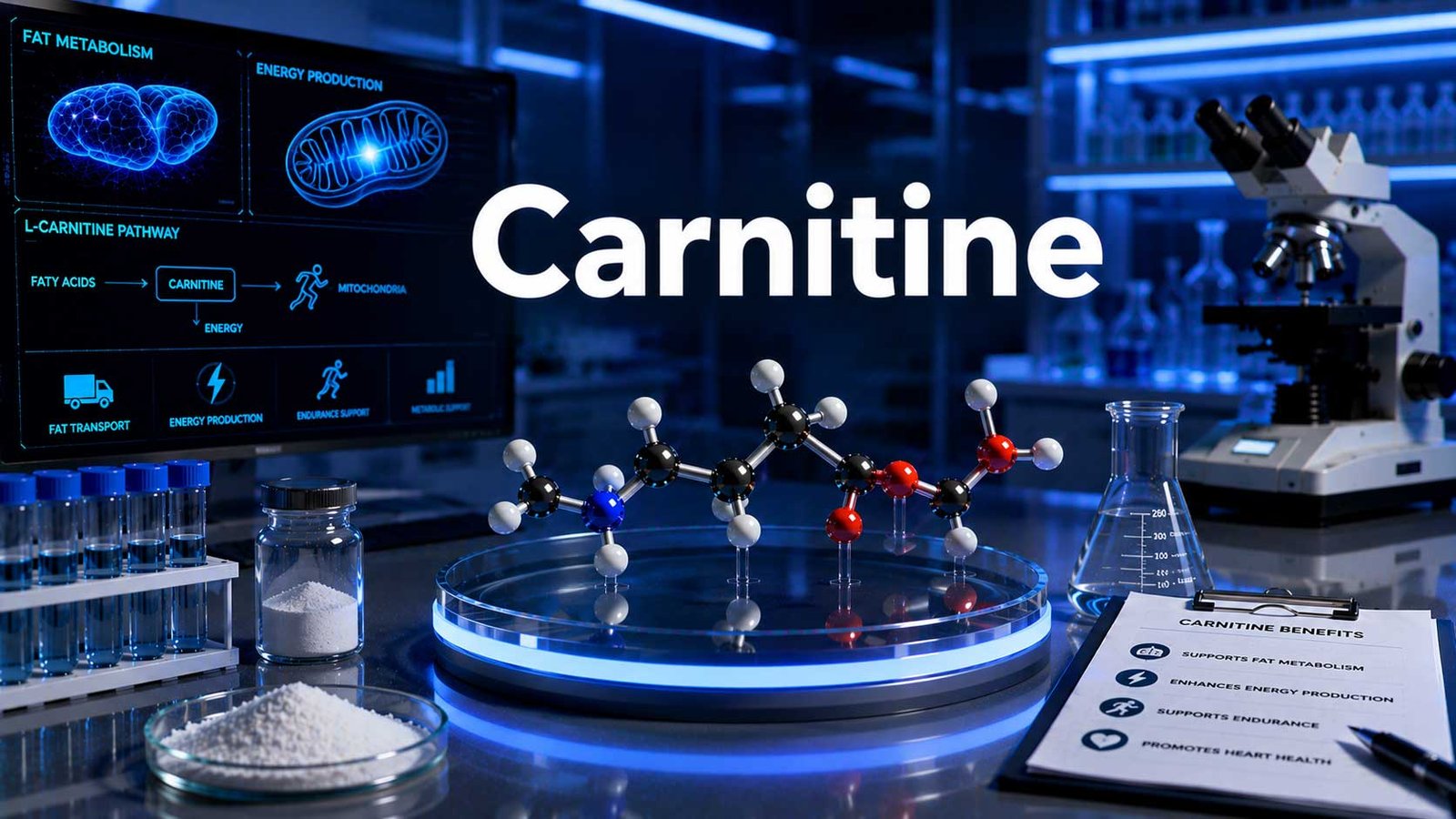
The Tiny Molecule Your Mitochondria Can’t Live Without
Somewhere in a chemistry lab in the 1900s, researchers pulled a compound out of muscle tissue and had no idea what it actually did. They named it after the source — carnitine, from the Latin carnus, meaning flesh. It would take another fifty-odd years before anyone figured out that this unassuming molecule was quietly running one of the most important logistics operations in the human body. No fanfare, no headlines. Just a steady, essential job of moving fat where it needs to go so your cells can burn it for fuel.
You’ve probably seen carnitine marketed as some kind of fat-burning miracle. Pills, powders, energy drinks — it’s everywhere, usually next to caffeine and taurine, usually promising more energy and a leaner body. And here’s the thing that surprises people: carnitine isn’t some exotic performance hack cooked up by a supplement company. It’s a compound your liver and kidneys make every single day, using two amino acids — lysine and methionine — as raw material. You’re also eating it, mostly if red meat is part of your diet, because animal tissue happens to be carnitine’s richest natural home.
Table of Contents


So what does it actually do? At the most basic level, carnitine works as a shuttle. Long-chain fatty acids — the kind stored in your fat cells and floating in your bloodstream after a meal — can’t just wander into the mitochondria on their own. The mitochondrial membrane won’t let them through unescorted. Carnitine is the escort. It binds to these fatty acids, forms a complex called acylcarnitine, and ferries them across the membrane into the mitochondrial matrix, where the real magic of energy production happens through a process called beta-oxidation. Without that shuttle system working properly, fat just piles up outside the mitochondria, useless, while your body scrambles to find energy elsewhere.

I find this particular piece of biology fascinating because it explains so much about why carnitine shows up in conversations about weight management, athletic endurance, heart health, and even recovery from illness. It’s not that carnitine itself burns fat — it doesn’t, not directly. It’s that carnitine determines whether fat can be burned at all. Think of it like a bouncer at a nightclub. The bouncer doesn’t create the party inside, but nothing happens without them letting the right people through the door.
Here’s where I’ll push back on the hype, though, because a decade of reading nutrition research teaches you to be suspicious of anything sold as a miracle. Healthy people, eating a reasonably varied diet, almost never run short on carnitine. Your body is remarkably good at making what it needs. Even strict vegetarians and vegans, who get very little dietary carnitine, tend to synthesize enough endogenously to cover their needs — though their circulating levels do run lower than people who eat meat regularly. Deficiency, when it happens, is usually tied to specific medical situations: certain genetic disorders, kidney disease, some medications, premature birth. It’s not something that shows up because you skipped steak for a few weeks.
What makes carnitine genuinely interesting, and worth understanding beyond the marketing noise, is how deeply it’s woven into energy metabolism, fat oxidation, and even some less obvious processes like buffering the ratio of acetyl groups inside your cells during intense exercise. Researchers have also found that carnitine plays a role in reducing lactate buildup and easing that acidic burn you feel deep in your muscles when you push hard. It’s not just about fat — it touches carbohydrate metabolism too, in ways scientists are still mapping out.
There’s also a more contested side to this story, one that doesn’t get nearly enough attention in the wellness spaces that push carnitine supplements. Once carnitine hits your gut, bacteria there can convert it into a compound linked to cardiovascular risk. It’s a genuinely interesting tension — a nutrient that’s essential for energy production on one hand, and tied to a gut-microbiome pathway with cardiovascular implications on the other. I’ll get into that later, because it deserves real explanation rather than a scary headline.
For now, the point I want to land is this: carnitine sits at an intersection of metabolism, energy production, and fat utilization that touches almost every system in your body, whether you’re an endurance athlete chasing marginal gains, someone managing a metabolic condition, or just a person trying to understand why your energy crashes some afternoons and not others. It’s not flashy. It doesn’t need to be. The mitochondria don’t care about flash — they care about fuel getting through the door, and carnitine is the one holding it open.
One more thing worth setting up before we go further: carnitine research has moved fast over the last two decades, and a lot of what people “know” about it is really a mix of solid biochemistry from the mid-1900s bolted onto marketing claims from the last twenty years. Separating the two isn’t difficult once you know where to look, but it does take actually reading the studies rather than the product copy sitting next to them on a shelf. That’s the approach I want to take here — walking through what carnitine does for fat metabolism and energy production, where it comes from in your diet, how much you realistically need, and where the genuine risks and open questions still sit, without dressing any of it up more than the evidence supports.
Key Health Benefits
Powering Fat Oxidation and Cellular Energy
The headline function, and the one everything else branches from, is carnitine’s role as the transport mechanism for long-chain fatty acids into the mitochondria. Once inside, those fatty acids go through beta-oxidation, breaking down into acetyl-CoA, which then feeds into the Krebs cycle to generate ATP — the actual currency your cells spend on everything from muscle contraction to nerve signaling. Fat, gram for gram, yields far more ATP than carbohydrate or protein, so when this transport system runs smoothly, your body has access to an enormous reserve of slow-burning, efficient fuel. When carnitine is scarce or the shuttle system is impaired, that fat essentially sits locked outside the powerhouse, and your body leans harder on less efficient pathways, which can translate into fatigue and reduced stamina during sustained effort.
Supporting Exercise Performance and Recovery
This is where things get a little messier than supplement marketing would have you believe, and I think that nuance matters. Some systematic reviews and meta-analyses have found that carnitine supplementation can meaningfully lower post-exercise blood lactate levels and modestly increase VO2 max in trained individuals, which would suggest real benefits for endurance capacity and delayed fatigue. Other well-designed trials, including a randomized study on 5000-meter race performance, found no measurable difference in actual race times despite higher blood carnitine levels in the supplemented group. So what’s going on? My read, after following this literature for years, is that carnitine’s effect on performance is real but modest, dose-dependent, and much more noticeable in people whose baseline muscle carnitine stores are on the lower side, rather than in already well-fed, well-trained athletes. It’s not nothing, but it’s also not the dramatic endurance unlock some product labels imply.
There’s a separate thread of research around muscle damage and recovery. A few systematic reviews have pointed to carnitine supplementation reducing markers of exercise-induced muscle damage and soreness, which lines up with its antioxidant properties — carnitine appears to help mop up free radicals generated during intense training. If you’ve ever had a workout leave you unusually wrecked the next day, this is the kind of mechanism that might, in theory, take some of the edge off, though I’d stop short of calling it a guaranteed fix.
Cardiovascular and Metabolic Roles
Carnitine’s relationship with heart health is genuinely two-sided, and I want to be upfront about that rather than cherry-picking the flattering half. On one hand, carnitine is essential for how heart muscle itself generates energy, since cardiac tissue relies heavily on fatty acid oxidation for fuel. Some research has explored carnitine supplementation as a supportive measure in people managing existing cardiovascular conditions, alongside standard medical care — not as a replacement for it. On the other hand, there’s the gut-microbiome angle I mentioned earlier, which I’ll unpack properly in the toxicity section, because oversimplifying it in either direction — either as harmless or as something to fear — would do you a disservice.
Beyond the heart specifically, carnitine has also been studied in the context of insulin sensitivity and blood sugar regulation, with some evidence suggesting it may support how the body manages glucose, likely tied back to its broader role in balancing fat and carbohydrate oxidation inside muscle cells. This isn’t a settled area of science, and I’d encourage skepticism toward anyone presenting it as a fixed conclusion.
Cognitive and Nervous System Support
Acetyl-L-carnitine, a specific form of the molecule, crosses the blood-brain barrier more readily than plain L-carnitine and has been studied for its potential role in brain energy metabolism and neuroprotection. Some trials in people with mild cognitive decline or early-stage dementia have shown modest improvements, though the picture across the research is mixed — plenty of studies show only short-term effects or none at all. I mention this not to oversell it, but because it’s one of the more actively studied areas right now, and it reflects carnitine’s broader theme: real biological relevance, tempered by results that rarely match the enthusiasm of marketing copy.
A Role in Ammonia Clearance and Metabolic Buffering
One benefit that rarely gets airtime outside of clinical literature is carnitine’s involvement in buffering excess acetyl groups and helping regulate the ratio between free coenzyme A and acetyl-CoA in cells. This buffering function matters more than it sounds — it keeps metabolic pathways from getting gummed up during periods of high energy demand, like intense exercise, and appears to support the body’s process of clearing ammonia, a byproduct of protein metabolism, through urine. It’s a quieter function, but a good example of how carnitine’s job isn’t limited to just fat transport; it’s a housekeeper for several interconnected metabolic processes at once.
Weight Management, Realistically Framed
This is probably the single most searched benefit tied to carnitine, and also the one most prone to exaggeration. Some systematic reviews pooling dozens of randomized controlled trials have found that carnitine supplementation is associated with a modest reduction in body weight, BMI, and fat mass, with the effect appearing more pronounced in adults who are already carrying excess weight. Modest is the operative word here — we’re talking about incremental shifts observed across weeks or months of consistent supplementation, not a shortcut around diet and activity. I’d frame carnitine’s role in weight management the way I’d frame most supporting-cast nutrients: it can nudge outcomes slightly in the right direction when paired with an already reasonable diet and training routine, but it isn’t going to compensate for the absence of either one.
Dietary Sources
Where Carnitine Actually Comes From
If you eat meat, you’re probably getting plenty of carnitine without thinking about it once. Red meat is, by a wide margin, the richest dietary source — beef and lamb in particular carry substantially more carnitine per serving than other protein sources. This isn’t a small gap either; a single serving of beef can contain many times the carnitine found in an equivalent serving of chicken or fish.
Here’s a rough sense of where different foods land:
- Red meat (beef, lamb): the most concentrated source by a significant margin
- Pork: moderate amounts, less than beef but still notable
- Poultry and fish: present, but in smaller quantities
- Dairy products like milk and cheese: modest contributions
- Vegetables, fruits, and grains: negligible, almost trivial amounts
That last point is worth sitting with for a second, because it explains a real divide in circulating carnitine levels between omnivores and strict plant-based eaters. Vegetarians and vegans typically show lower blood carnitine concentrations than people who eat meat regularly, simply because plant foods barely register on the carnitine scale. And yet — this is the part that tends to surprise people — this doesn’t translate into widespread deficiency among vegetarians and vegans, because the body’s own synthesis machinery, using lysine and methionine as building blocks, generally covers the gap for healthy individuals. A person on a strict vegetarian diet can synthesize a meaningful amount of carnitine endogenously each day, enough to meet ordinary needs without external supplementation for most people.
Absorption Differences Worth Knowing
Something I think gets glossed over in casual conversations about carnitine is how differently your body absorbs it depending on the source. Dietary carnitine, the kind you get from actual food, is absorbed impressively well — the majority of it makes it from your gut into your bloodstream. Supplemental carnitine, by contrast, is absorbed far less efficiently, with only a modest fraction actually making it into circulation compared to the food-derived version. That’s a meaningful difference if you’re weighing whether to chase carnitine through diet versus a bottle. Food wins on bioavailability, even if a capsule feels more convenient.
Your kidneys also play an underappreciated role here. They’re remarkably good at conserving carnitine, reabsorbing it rather than letting it wash out in urine, which means that even people eating carnitine-poor diets for extended periods usually don’t see their total body carnitine content crash. The system is built with redundancy — dietary intake, endogenous synthesis, and renal conservation all working together to keep levels relatively stable under normal circumstances.
Practical Ways to Think About Intake
I’m not going to pretend there’s a universal target number here, because — and this surprises people every time I explain it — there isn’t an established recommended daily amount for carnitine. It isn’t classified as an essential nutrient for healthy people precisely because the body handles production on its own. If you’re eating red meat a few times a week, you’re almost certainly covering whatever your body doesn’t make itself. If you’re plant-based and curious, the honest answer is that most healthy adults do fine without supplementing, though certain individual circumstances might warrant a conversation with a healthcare provider rather than a guess based on an article you read online — mine included.
Cooking method matters more than people expect, too. Carnitine is fairly heat-stable compared to some other nutrients, but prolonged cooking in liquid — think stewing or boiling — can leach some of it out into the surrounding broth, while methods like grilling or roasting tend to preserve more of it within the meat itself. If you’re someone who makes a lot of soups and slow-braised dishes, that broth is actually doing double duty, since it’s likely picking up carnitine that leached out during cooking. It’s a small detail, but the kind of thing that separates a genuinely useful nutrition write-up from one that just lists foods without thinking about how they end up on your plate.
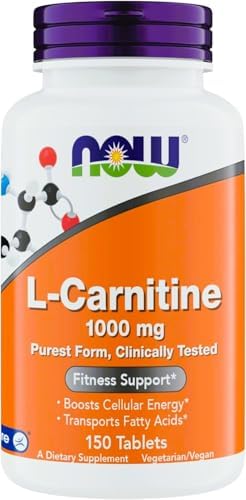
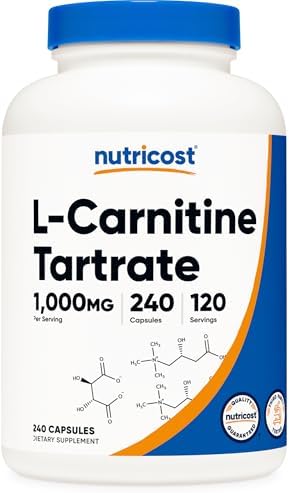
There’s also a supplement-form wrinkle worth flagging here, since it ties directly back to food sources. The two forms you’ll most commonly see on store shelves are plain L-carnitine and acetyl-L-carnitine, with propionyl-L-carnitine showing up occasionally in cardiovascular research. These aren’t interchangeable in how they behave — acetyl-L-carnitine, for instance, crosses into brain tissue more readily, which is part of why it shows up more often in cognitive research than plain L-carnitine does. If you ever do decide supplementation makes sense for you, knowing which form matches your actual goal is more useful than just grabbing whichever bottle has the boldest label.
Dosage & Deficiency
Why There’s No Official Number
I mentioned this above, but it bears repeating because people often assume every nutrient has a tidy recommended daily allowance sitting somewhere in a government database. Carnitine doesn’t. Since your liver and kidneys can synthesize what a healthy body needs from lysine and methionine, nutrition authorities haven’t set a formal intake recommendation the way they have for, say, vitamin C or iron. That absence of an official number isn’t an oversight — it reflects the underlying biology. Carnitine is often described as “conditionally essential,” meaning it becomes essential only under specific circumstances, rather than as a baseline requirement for everyone.
Who Actually Runs Low
Deficiency is real, but it’s concentrated in fairly specific populations rather than spread evenly across the general public. There are two broad categories worth understanding.
Primary carnitine deficiency is a genetic condition involving a malfunction in the cellular transporter system responsible for moving carnitine into cells. It’s rare, usually shows up in infancy or early childhood, and can have serious consequences if untreated — things like low blood sugar, muscle weakness, heart problems, and in severe cases, more dangerous complications. This isn’t something diet fixes; it requires medical management, often involving carnitine supplementation under a physician’s supervision.
Secondary carnitine deficiency is more commonly discussed and tends to develop alongside other conditions rather than as a standalone problem. It can show up in people with chronic kidney disease, particularly those on dialysis, since the kidneys play such a central role in conserving carnitine. Certain medications are also implicated — some antibiotics, for instance, increase carnitine excretion over time through a specific metabolic interaction, and some anti-seizure medications have been associated with lower blood carnitine levels, though the clinical significance of that particular finding remains somewhat unclear in the research. Premature infants are another group worth mentioning, since their systems for both synthesizing and absorbing carnitine aren’t fully mature yet.
What Deficiency Actually Looks Like
Symptoms of meaningful carnitine deficiency tend to center around the tissues that rely most heavily on fat oxidation for fuel — skeletal muscle and the heart, in particular. Muscle weakness, unusual fatigue, and in more severe genetic cases, cardiomyopathy or irregular heart rhythms can appear. This is a far cry from just feeling a little sluggish on a Tuesday afternoon, which is worth emphasizing because supplement marketing sometimes blurs ordinary tiredness with clinical deficiency in a way that isn’t medically accurate.
On Supplementation
If someone is considering a carnitine supplement — whether for athletic performance, general energy, or a specific medical reason — dosing in the research literature has typically ranged from around 500 milligrams up to a few grams per day, depending on the goal and the study design. I’m intentionally not going to hand you a specific number to take, because appropriate dosing really does depend on individual health status, medications, and goals, and this is exactly the kind of decision worth discussing with a doctor or registered dietitian rather than extrapolating from a study population that may not resemble your situation at all. What I can say with more confidence is that supplementation tends to matter most for people with an identifiable reason to need it — a medical condition, a documented low baseline, a specific athletic context studied in the literature — rather than as a blanket recommendation for anyone who wants more energy.
Timing and Absorption Realities
One detail that rarely makes it into supplement marketing is how much timing and consistency matter for carnitine specifically. Because absorption from supplemental forms is comparatively low next to what you’d get from food, and because muscle uptake of carnitine appears to be influenced by insulin levels, some researchers have looked at pairing carnitine intake with carbohydrate consumption to improve how much actually reaches muscle tissue. Short bursts of supplementation rarely move the needle much; the studies showing measurable changes in muscle carnitine content tend to involve weeks of consistent intake rather than a single pre-workout dose. That’s a meaningful gap between how these products are often marketed — as something you take before a workout for an immediate boost — and how the underlying physiology actually seems to work.
Populations Where a Conversation Is Worth Having
Beyond the clear-cut genetic and kidney-related cases, there are a handful of situations where it’s reasonable to at least raise the topic with a healthcare provider rather than assume everything is fine by default. People recovering from major surgery, those on long-term dialysis, individuals managing certain metabolic disorders, and older adults dealing with unexplained muscle weakness or persistent fatigue are all groups where clinicians sometimes check carnitine status as part of a broader workup. None of this means you should assume low carnitine explains ordinary tiredness — fatigue has a hundred more common causes, from sleep quality to iron status to simple overtraining — but it’s a reasonable line item to mention if your doctor is already investigating unexplained symptoms and standard explanations haven’t panned out.
Toxicity & Risks
The Gut Microbiome Connection
This is the part of the carnitine conversation that gets the least attention in casual wellness content, and I think that’s a disservice, because it’s genuinely one of the more interesting pieces of the puzzle. When carnitine reaches your gut, certain bacteria can metabolize it into a compound called trimethylamine, which your liver then converts into trimethylamine N-oxide, or TMAO. Research led by groups studying cardiovascular disease has linked elevated blood TMAO levels to increased risk of atherosclerosis, heart attack, and stroke, largely through effects on cholesterol handling, vascular function, and blood clotting tendencies.
Here’s where nuance really matters, though. This pathway depends heavily on which gut bacteria you’re carrying, and long-term vegetarians and vegans tend to have very low levels of the specific microbes capable of completing this conversion, meaning the same carnitine intake produces far less TMAO in their systems compared to habitual meat-eaters. Diet, in other words, shapes your gut community over time, and that community determines how much of a “risk” any given amount of carnitine actually poses. It’s not a fixed, universal danger — it’s a personalized one, shaped by years of dietary pattern.
I also want to be careful not to overstate the case here, because the research, while substantial, still involves plenty of open questions about causation versus correlation, and about how directly TMAO levels translate into individual risk versus serving as one marker among many. What’s fair to say is this: for people already managing cardiovascular risk factors, or those consuming large amounts of red meat alongside carnitine supplements, this is a legitimate consideration worth discussing with a healthcare provider — not an internet health scare to dismiss outright, but also not a reason for a healthy person eating a balanced diet to panic.
Common Side Effects of Supplementation
At doses used in most studies, carnitine supplements are generally well tolerated, but they’re not free of side effects. The most frequently reported issues are gastrointestinal — nausea, stomach cramps, and diarrhea — and these tend to show up more often at higher doses, generally above three grams per day. There’s also a curious and fairly well-documented effect where higher intakes can cause a “fishy” odor in urine, breath, and sweat, a byproduct of how the body metabolizes excess carnitine. It’s harmless but understandably unpleasant, and it’s one of those side effects people rarely expect until it happens to them.
Some individuals report mild restlessness or difficulty sleeping when taking carnitine later in the day, and people with kidney conditions involving uremia have occasionally experienced muscle weakness with supplementation, which reinforces why medical guidance matters more for certain populations than others.
No Established Upper Limit, But That’s Not Permission
Unlike many nutrients, there isn’t a formally established tolerable upper intake level for carnitine, which sometimes gets misread as meaning unlimited amounts are automatically safe. That’s not really what it means. It more accurately reflects that research hasn’t produced enough data across a wide enough population to set a hard ceiling — not that the compound is risk-free at any dose. The absence of an official limit is a data gap, not a green light.
Drug Interactions Worth Knowing
Carnitine can interact with certain medications in ways that matter clinically. Pivalate-conjugated antibiotics, used for long-term prevention of urinary tract infections, are known to increase carnitine excretion through a specific chemical interaction, which can contribute to depletion over extended use. Some anticonvulsant medications have also been associated with reduced blood carnitine concentrations in children, though the practical health consequences of this particular interaction haven’t been clearly established in the research. If you’re on either category of medication and considering carnitine supplementation, this is squarely a conversation for your prescribing physician, not a decision to make solo based on an article.
Rare but Serious Reactions
Muscle weakness in people with uremia and, in rare instances, seizures in individuals with existing seizure disorders have been reported in connection with carnitine supplementation, though these appear to be uncommon and tend to involve people who already had an underlying vulnerability rather than otherwise healthy adults. This is exactly the kind of information that gets flattened into either “totally safe” or “dangerous” in casual health content, when the honest answer sits somewhere in between — low risk for most people, meaningfully higher risk for specific populations who should already be working closely with a physician for other reasons.
Weighing the Red Meat Question
If you’ve made it this far, you might be wondering whether all of this means you should cut back on red meat. I don’t think that’s the right conclusion to draw from carnitine and TMAO alone, and I’d be doing you a disservice if I implied otherwise. Red meat intake and cardiovascular risk involve a tangle of variables — saturated fat content, processing methods, cooking temperature, overall dietary pattern, and yes, the TMAO pathway — and isolating carnitine as the single culprit oversimplifies a genuinely complicated picture. What the research does support is a more modest, practical takeaway: dietary pattern over time shapes your gut microbiome, your gut microbiome shapes how much TMAO a given amount of carnitine produces, and moderate, varied eating patterns tend to track with better cardiovascular outcomes than diets built heavily around any single food group, red meat included. That’s a less dramatic conclusion than a headline warning, but it’s the one the evidence actually supports.
The Quiet Molecule That Keeps the Lights On
I keep coming back to that image of the bouncer at the door, because it’s the simplest way I know to explain why carnitine matters without falling into either camp — the one that treats it as a miracle fat-burner, or the one that dismisses it as irrelevant because your body makes its own supply. Neither extreme captures what’s actually going on. Carnitine is a working molecule, doing unglamorous logistical labor at the mitochondrial membrane every hour of every day, largely without your awareness, largely without needing your intervention.
For most healthy people eating a reasonably varied diet, this whole system runs quietly in the background. Your liver and kidneys make what you need. If you eat meat, you’re topping up the tank further without trying. The idea that everyone needs a carnitine supplement to unlock hidden energy reserves just doesn’t hold up against what the research actually shows — the benefits that do exist tend to be modest, context-dependent, and most relevant to people with an identifiable reason to care, whether that’s a documented low baseline, a specific athletic training context, or a medical condition affecting how the body handles fat metabolism.
What I’d rather you take away from all this is a more grounded understanding of what carnitine actually does and doesn’t do. It transports fat into the mitochondria so it can be converted into usable energy. It supports several secondary processes — buffering acetyl groups, assisting ammonia clearance, showing some promise in exercise recovery and cognitive support, though the evidence there is mixed rather than definitive. It also sits at the center of a more complicated conversation about gut bacteria, TMAO, and cardiovascular risk, one that depends heavily on your individual dietary pattern rather than applying uniformly to everyone.
If you’re generally healthy and eating a balanced diet, there’s a good chance you don’t need to think about carnitine intake at all — your body has this handled. If you fall into one of the groups where deficiency or interaction risk is more plausible — chronic kidney disease, certain medications, a documented genetic condition, or specific athletic goals you’re chasing with real intention — that’s when it’s worth bringing to a conversation with a doctor or dietitian who actually knows your history, rather than a dosage plucked from a study population that may look nothing like you. Supplements aren’t inherently bad here, but they’re also not a substitute for understanding your own baseline first.
It also helps to remember that nutrition science on a molecule like this rarely stands still. What’s considered a modest, well-supported benefit today started as a fringe hypothesis a decade or two ago, and some claims that once sounded plausible have since been walked back once larger, better-controlled trials came through. If you take one habit away from this article beyond anything about carnitine specifically, let it be a healthy skepticism toward absolute claims in either direction — toward the supplement label promising more than the data supports, and toward the alarmist headline doing the same thing from the opposite angle. The truth about carnitine, like most nutrients, lives in the unglamorous middle, and that’s exactly where I’ve tried to keep this conversation.
There’s something almost satisfying about a nutrient that does its job this well without needing credit for it. Carnitine isn’t chasing trends. It was doing this work long before anyone bottled it and put a price tag on a jar, and it’ll keep doing it whether or not you ever think about it again after reading this.
If I had to boil this down into something actionable, it would look less like a shopping list and more like a set of questions worth asking yourself honestly. Are you eating enough varied protein, red meat included if that fits your preferences, to naturally cover carnitine alongside everything else it brings to the table? Do you fall into one of the groups — kidney disease, certain medications, a documented deficiency, premature birth, a specific athletic goal backed by real research — where supplementation has an actual evidence base behind it, rather than a vague promise of more energy? And are you weighing the gut-microbiome and TMAO conversation with the same nuance the research itself uses, rather than either dismissing it or panicking over it?
None of this requires obsessive tracking or an expensive supplement stack. For the overwhelming majority of people, carnitine is one of those background nutrients that simply works, quietly, whether or not you ever learn its name. The people who genuinely benefit from paying closer attention are a smaller, more specific group than the marketing around this molecule would suggest — and knowing whether you’re in that group, rather than guessing, is really the whole point of understanding how carnitine works in the first place.
Article Sources
At AncientHerbsWisdom, our content relies on reputable sources, including peer-reviewed studies, to substantiate the information presented in our articles. Our primary objective is to ensure our content is thoroughly fact-checked, maintaining a commitment to accuracy, reliability, and trustworthiness.
- National Institutes of Health, Office of Dietary Supplements. (2023). Carnitine: Fact sheet for health professionals. https://ods.od.nih.gov/factsheets/Carnitine-HealthProfessional/
- National Institutes of Health, Office of Dietary Supplements. Carnitine: Fact sheet for consumers. https://ods.od.nih.gov/factsheets/Carnitine-Consumer/
- Gnoni, A., Longo, S., Gnoni, G. V., & Giudetti, A. M. (2020). Carnitine in human muscle bioenergetics: Can carnitine supplementation improve physical exercise? Molecules, 25(1), 182. https://doi.org/10.3390/molecules25010182
- Stephens, F. B., Constantin-Teodosiu, D., & Greenhaff, P. L. (2007). New insights concerning the role of carnitine in the regulation of fuel metabolism in skeletal muscle. The Journal of Physiology, 581(2), 431–444. https://doi.org/10.1113/jphysiol.2006.125799
- Mielgo-Ayuso, J., Pietrantonio, L., Viribay, A., Calleja-González, J., González-Bernal, J., & Fernández-Lázaro, D. (2021). Effect of acute and chronic oral l-carnitine supplementation on exercise performance based on the exercise intensity: A systematic review. Nutrients, 13(12), 4359. https://doi.org/10.3390/nu13124359
- Zhu, Y., Wang, Q., & Rahimi, M. H. (2022). Effect of L-carnitine supplementation during exercises on blood fatigue and energy metabolism factors: A systematic review and meta-analysis of randomized controlled trials. Progress in Nutrition, 24(3), e2022091. https://doi.org/10.23751/pn.v24i3.12436
- AbuMoh’d, M. F., Obeidat, G., & Alsababha, W. (2021). Effect of oral supplementation with L-carnitine on performance time in a 5000 m race and responses of free fatty acid and carnitine concentrations in trained-endurance athletes. Montenegrin Journal of Sports Science and Medicine, 10(2), 5–11. https://doi.org/10.26773/mjssm.210901
- Vecchio, M., Chiaramonte, R., Testa, G., & Pavone, V. (2021). Clinical effects of L-carnitine supplementation on physical performance in healthy subjects, the key to success in rehabilitation: A systematic review and meta-analysis from the rehabilitation point of view. Journal of Functional Morphology and Kinesiology, 6(4), 93. https://doi.org/10.3390/jfmk6040093
- Koeth, R. A., Wang, Z., Levison, B. S., Buffa, J. A., Org, E., Sheehy, B. T., Britt, E. B., Fu, X., Wu, Y., Li, L., Smith, J. D., DiDonato, J. A., Chen, J., Li, H., Wu, G. D., Lewis, J. D., Warrier, M., Brown, J. M., Krauss, R. M., … Hazen, S. L. (2013). Intestinal microbiota metabolism of L-carnitine, a nutrient in red meat, promotes atherosclerosis. Nature Medicine, 19(5), 576–585. https://doi.org/10.1038/nm.3145
- Vallianou, N. G., Kounatidis, D., Panagopoulos, F., Evangelopoulos, A., Stamatopoulos, V., Papagiorgos, A., Geladari, E., & Dalamaga, M. (2024). Revisiting the role of carnitine in heart disease through the lens of the gut microbiota. Nutrients, 16(23), 4244. https://doi.org/10.3390/nu16234244
- Papandreou, C., More, M., & Bellamine, A. (2024). Gut microbiota metabolites and risk of major adverse cardiovascular events and death: A systematic review and meta-analysis. Nutrients, 16(9), 1330. https://doi.org/10.3390/nu16091330
- Talenezhad, N., Mohammadi, M., Ramezani-Jolfaie, N., Mozaffari-Khosravi, H., & Salehi-Abargouei, A. (2020). Effects of l-carnitine supplementation on weight loss and body composition: A systematic review and meta-analysis of 37 randomized controlled clinical trials with dose-response analysis. Clinical Nutrition ESPEN, 37, 9–23. https://doi.org/10.1016/j.clnesp.2020.03.008
- Magoulas, P. L., & El-Hattab, A. W. (2012). Systemic primary carnitine deficiency: An overview of clinical manifestations, diagnosis, and management. Orphanet Journal of Rare Diseases, 7, 68. https://doi.org/10.1186/1750-1172-7-68

- Phosphatidic Acid: Supporting Muscle Growth and Strength - July 31, 2026
- Ceramides: Supporting Healthy Skin From Within - July 31, 2026
- Synbiotics: Combining Prebiotics and Probiotics Together - July 31, 2026