
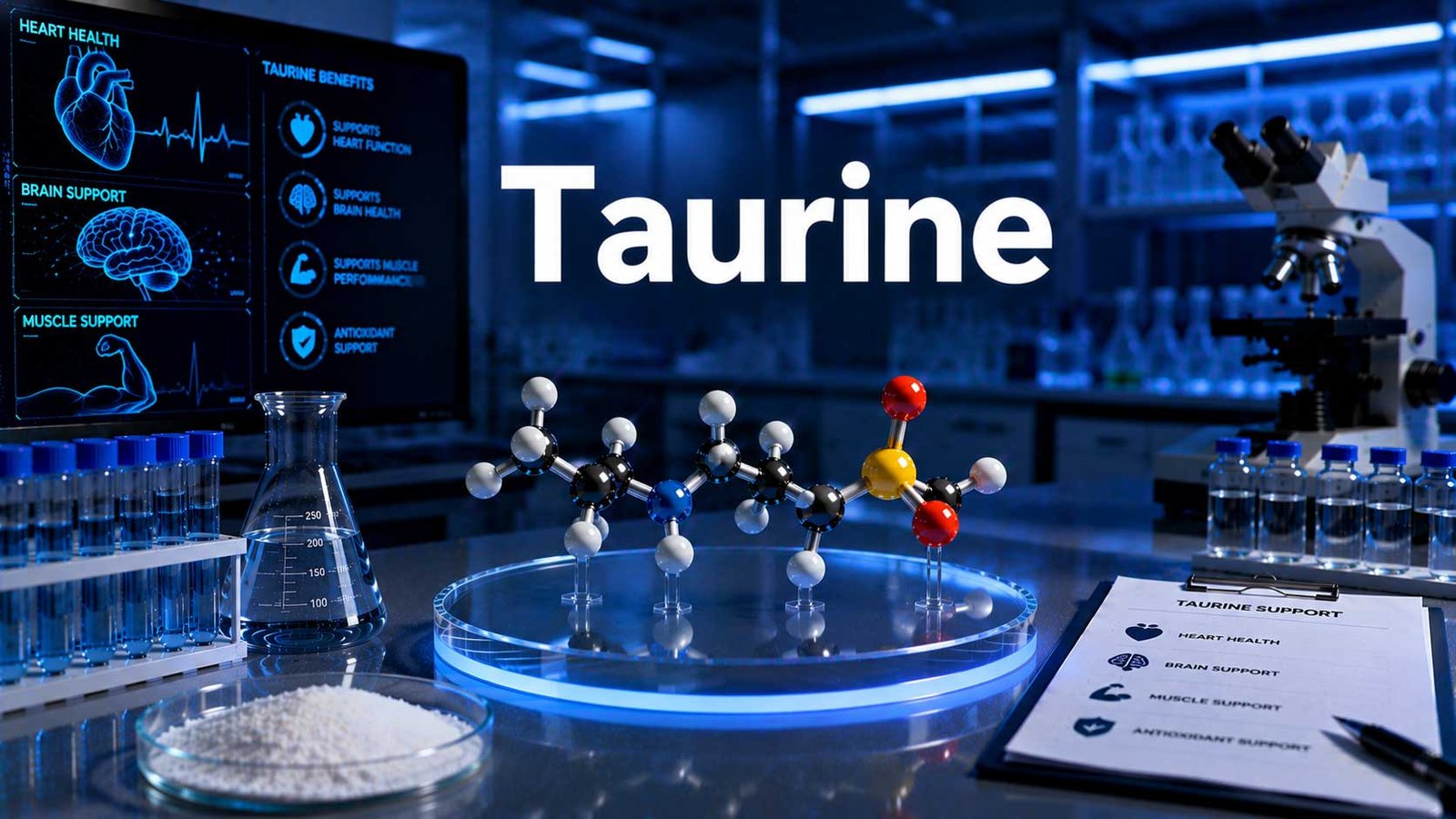
The Amino Acid Your Body Can’t Stop Talking About
Walk down the supplement aisle or scan the back of an energy drink can, and you’ll almost certainly spot taurine sitting somewhere in the ingredient list. Most people glance right past it, assuming it’s just another obscure additive thrown in for marketing flair. That assumption couldn’t be further from the truth. Taurine isn’t a synthetic filler or a trendy buzzword cooked up by a beverage company. It’s one of the most abundant amino acids in the human body, and it’s been quietly doing heavy lifting in your heart, your brain, and your muscles since before you were born.
I’ve spent more than a decade digging through nutrition science, and if there’s one compound that gets consistently underestimated, it’s this one. Taurine doesn’t get the same attention as protein, omega-3s, or vitamin D, yet its fingerprints are all over some of the body’s most critical processes. It helps regulate the electrical rhythm of your heartbeat. It supports the development and protection of neurons in your brain. It plays a role in muscle contraction, hydration balance, and even how your body handles stress at a cellular level. That’s a lot of responsibility for a molecule most people can’t even define.
Table of Contents
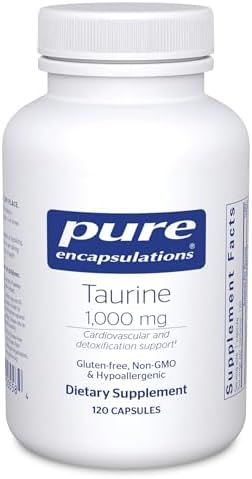
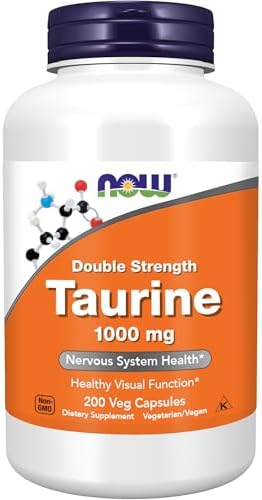

Technically speaking, taurine is what’s called a conditionally essential amino acid. Unlike the classic essential amino acids you get exclusively from food, your body can manufacture taurine on its own, mainly in the liver, using cysteine and methionine as building blocks. But here’s the catch: that internal production isn’t always enough, especially during periods of illness, intense physical stress, aging, or in people following certain dietary patterns. When synthesis falls short of what the body actually needs, dietary intake becomes a lot more important than most people realize.

Unlike most amino acids, taurine doesn’t get incorporated into proteins. It floats around freely in your tissues instead, concentrated heavily in the heart, brain, retina, and skeletal muscle. That’s not a coincidence. Those are exactly the tissues where taurine seems to matter most, likely because they’re electrically active, metabolically demanding, or particularly vulnerable to oxidative damage. Researchers have been studying taurine’s role in cardiovascular health, cognitive function, and athletic performance for decades, and the picture that’s emerging is one of a genuinely multifunctional compound rather than a one-trick nutrient.
What makes taurine especially interesting to me is how it behaves almost like a cellular bodyguard. It helps stabilize cell membranes, buffers calcium movement in and out of cells, and acts as an antioxidant in tissues that are constantly under metabolic pressure. Your heart never stops beating. Your brain never stops firing. Your muscles, if you’re active, are constantly contracting and repairing themselves. All of that activity generates stress at the cellular level, and taurine appears to be one of the body’s built-in tools for managing it.
There’s also a fascinating epidemiological angle here. Large population studies, including work coming out of Japan, have observed correlations between higher taurine intake and lower rates of cardiovascular mortality in certain populations. Correlation isn’t causation, of course, and I’m not going to pretend a single amino acid is some kind of silver bullet. But when you start seeing consistent patterns across animal studies, cell studies, and human observational data, it’s hard to dismiss taurine as irrelevant.
Where do people actually get taurine? Mostly from animal-based foods. Meat, poultry, fish, and shellfish are the richest natural sources, which raises an interesting question for anyone following a vegan or vegetarian diet. Plant foods contain essentially no taurine, so the body’s own synthesis becomes the sole source for those individuals. This isn’t necessarily a crisis, but it’s worth understanding, especially if you’re evaluating your own diet or working with clients who eat primarily plant-based.
I also want to address the elephant in the room: energy drinks. Taurine’s public image has been shaped almost entirely by its presence in products like Red Bull and Monster, and that association has done the amino acid a disservice. People assume taurine is some kind of stimulant, lumped in mentally with caffeine and sugar. It isn’t. Taurine has no stimulant properties on its own. The jittery, wired feeling people associate with energy drinks comes from caffeine, not taurine. In fact, some research suggests taurine might have a calming, protective effect on the nervous system rather than an agitating one. That’s a meaningful distinction, and one that gets lost in the marketing noise.
Over the next several sections, I want to walk through what the science actually says about taurine, without hype and without dismissing it either. We’ll look at where it shows genuine promise, where the evidence is still developing, how much you actually need, what happens when you don’t get enough, and what the safety data looks like at higher doses. Taurine has earned a more serious conversation than it usually gets, and that’s exactly what I intend to give it here.
Key Health Benefits
Taurine’s benefit profile reads less like a list and more like a map of the body’s most metabolically demanding systems. It shows up wherever cells are working hardest, and the research reflects that pattern consistently across cardiovascular, neurological, and muscular tissue.
Cardiovascular Support
The heart contains one of the highest concentrations of taurine anywhere in the body, and that’s not incidental. Taurine plays a role in regulating calcium flow within cardiac cells, which directly affects how efficiently the heart muscle contracts and relaxes. Research published in the Journal of Biomedical Science has documented consistent associations between taurine intake and favorable cardiovascular outcomes across both experimental and epidemiological studies, including reduced blood pressure and improved lipid profiles in various populations (Yamori et al., 2010).
Beyond blood pressure regulation, taurine appears to support healthy cholesterol metabolism by influencing bile acid conjugation in the liver. Bile acids need taurine to function properly in fat digestion, and this process indirectly affects how cholesterol is processed and cleared from the bloodstream. Some researchers have also pointed to taurine’s antioxidant properties as a protective factor against the oxidative damage that contributes to atherosclerosis over time.
Brain and Cognitive Function
Your brain holds onto taurine tightly, and for good reason. It’s involved in neuronal development, particularly during early life, and continues to play a protective role throughout adulthood. A comprehensive review in Life Sciences outlined taurine’s involvement in neuroprotection, noting its ability to modulate neurotransmitter systems and reduce oxidative stress within brain tissue, effects that researchers have linked to potential cognitive benefits across physiological and even pathological conditions (Chen et al., 2019).
There’s also emerging interest in taurine’s relationship with mitochondrial function inside brain cells. Neurons are incredibly energy-hungry, and when mitochondria start to falter, cognitive decline often follows. A 2021 review in Molecules described taurine’s role in supporting mitochondrial health well beyond simple antioxidant activity, pointing to its involvement in energy metabolism and cellular signaling pathways that keep neurons functioning properly (Jong et al., 2021).
One of the more striking findings in recent years came from a 2023 study published in Science, which identified declining taurine levels as a potential driver of biological aging across several species, including primates. The researchers found that restoring taurine levels in aging animals improved several markers of healthspan, from muscle strength to immune function to bone density (Singh et al., 2023). It’s an animal study, and I want to be careful not to overstate what it means for humans directly, but it’s one of the more compelling pieces of evidence suggesting taurine’s role extends well beyond a single organ system.
Muscle Function and Exercise Performance
If you spend any time in athletic or fitness circles, you’ve probably heard taurine mentioned in the context of exercise performance. The research here is genuinely interesting, though I’d stop short of calling it definitive. A meta-analysis published in Sports Medicine examined the effects of oral taurine supplementation on both resistance and endurance performance in healthy young adults, finding modest but measurable improvements in exercise capacity, particularly for endurance-based activities (Waldron et al., 2018).
The proposed mechanisms make sense biologically. Taurine helps regulate calcium handling within muscle cells, which affects contraction strength and fatigue resistance. It also has antioxidant properties that may reduce the oxidative stress generated during intense exercise, potentially supporting faster recovery. Skeletal muscle, like the heart, contains substantial taurine reserves, and depletion during prolonged or intense exercise may be one reason why supplementation shows benefits in some studies.
Metabolic and Blood Sugar Support
Taurine’s relationship with metabolic health, particularly around insulin sensitivity and diabetes management, has drawn considerable research attention. A review examining taurine’s potential usefulness in diabetes and its complications noted its involvement in reducing oxidative stress associated with elevated blood glucose, along with potential protective effects against some of the vascular and neurological complications that accompany long-term diabetes (Ito et al., 2012).
A Broader Pattern Worth Noticing
What strikes me most, looking across all of this research, is the consistency of the underlying mechanism. Whether we’re talking about the heart, the brain, or skeletal muscle, taurine keeps showing up in the same functional roles: calcium regulation, antioxidant defense, and mitochondrial support. It’s not doing four unrelated jobs. It’s doing one job, cellular stability, in four different high-demand tissues. That consistency is part of why I take the research on taurine seriously rather than treating it as another supplement fad. The mechanisms line up too well across too many independent lines of evidence to write off as coincidence.
None of this means taurine is a cure-all, and I’d be skeptical of anyone claiming otherwise. But as a piece of the broader nutritional picture, particularly for cardiovascular resilience, cognitive longevity, and muscular performance, it’s earned its seat at the table.
Dietary Sources
If you’re hoping to boost your taurine intake through food, the good news is that it’s not particularly hard to find, provided your diet includes animal products. The less convenient news is that plant foods essentially don’t contain it, which changes the equation significantly depending on how you eat.
Animal-Based Sources
Taurine concentrates most heavily in the tissues where it’s biologically active, which means muscle meat, organ meat, and seafood are your primary dietary sources.
- Shellfish tend to rank among the richest sources, with scallops, mussels, and clams containing particularly high concentrations relative to other foods.
- Dark meat poultry, like chicken thighs and duck, contains more taurine than white meat cuts such as chicken breast.
- Fish, especially cold-water varieties like tuna and salmon, provide meaningful amounts, though levels vary depending on species and preparation.
- Beef and lamb offer moderate taurine content, with slightly higher concentrations found in organ meats like liver and heart.
- Eggs and dairy contain smaller amounts compared to meat and seafood, but they still contribute to overall intake, especially when consumed regularly.
Cooking method matters more than people expect. Taurine is water-soluble, which means boiling or poaching meat can cause a noticeable amount to leach into the surrounding liquid. If you’re making soup or broth from meat or bones, you’re likely retaining more of the taurine than if you’d grilled or roasted the same cut and discarded the drippings. This is one of those small culinary details that traditional cooking practices, like bone broth and slow-simmered stews, seem to have stumbled onto long before anyone understood the biochemistry behind it.
Why Plant Foods Fall Short
Here’s the part that surprises a lot of people: fruits, vegetables, grains, legumes, and nuts contain essentially no taurine. This isn’t a matter of low concentration; it’s a near-total absence. Taurine is synthesized and utilized primarily in animal tissues, and plants simply don’t produce or store it in any meaningful quantity.
For vegans and vegetarians, this means dietary taurine intake is close to zero, and the body’s own synthesis from cysteine and methionine becomes the only source. That synthesis pathway does work, and many plant-based individuals maintain adequate taurine status without supplementation. But the process isn’t always efficient, and it depends on having sufficient precursor amino acids, along with cofactors like vitamin B6, available for the conversion. Someone eating a poorly planned plant-based diet, low in sulfur-containing amino acids, could theoretically end up with lower taurine synthesis capacity than someone eating a varied omnivorous diet.
Taurine in Fortified and Processed Products
This is where energy drinks and certain sports supplements enter the picture. Manufacturers add synthetic taurine to these products, often in doses far exceeding what you’d get from a typical meal. A single serving of some energy drinks can contain as much taurine as you’d consume from several servings of shellfish or dark meat combined. I’d caution against relying on these products as a primary taurine source, though, given the caffeine, sugar, and other additives that typically come bundled alongside it. If you’re specifically trying to increase taurine intake for health reasons, whole food sources or a standalone supplement make more sense than an energy drink.
Infant formula is another interesting case. Because taurine is critical for early neurological and retinal development, and because a newborn’s synthesis capacity isn’t fully mature, most infant formulas are fortified with taurine to more closely mimic the composition of human breast milk, which naturally contains it.
Supplementation as an Alternative
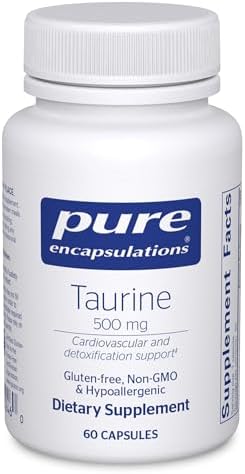
For people who don’t eat much meat or seafood, or who have higher taurine needs due to athletic training, illness, or age-related decline in synthesis, supplementation is a straightforward option. Taurine supplements are widely available, generally well tolerated, and don’t require the same absorption considerations as some other amino acids. I’ll get into specific dosing considerations in the next section, but it’s worth knowing upfront that supplementation is a legitimate route for anyone whose diet doesn’t reliably supply enough.
Building Taurine Intake Into a Real Diet
Practically speaking, if you’re eating a varied diet that includes fish a couple of times a week, some poultry, and occasional red meat, you’re probably getting a reasonable baseline of taurine without thinking about it much. The people who need to pay closer attention are strict vegans, older adults whose synthesis capacity may be declining, and anyone under significant physical or metabolic stress, whether that’s from intense training, chronic illness, or recovery from surgery. In those situations, being intentional about food choices, or considering a supplement, becomes a lot more relevant than it would be for someone eating a standard omnivorous diet.
Dosage & Deficiency
Figuring out how much taurine you actually need isn’t as straightforward as looking up a single recommended daily value, mostly because, unlike vitamins and minerals, taurine doesn’t currently have an official dietary reference intake established by major health authorities. That doesn’t mean the research is silent on the matter; it just means the numbers come from clinical studies rather than a standardized government guideline.
Typical Intake Ranges
Most people following an omnivorous diet consume somewhere between 40 and 400 milligrams of taurine per day through food alone, with wide variation depending on how much meat and seafood they eat. That’s a broad range, and it reflects real differences in eating patterns rather than measurement error.
In clinical research, supplemental doses have typically ranged from around 500 milligrams up to 3,000 milligrams per day, depending on the specific outcome being studied. The meta-analysis on exercise performance mentioned earlier used doses in roughly this range and observed measurable benefits without significant safety concerns (Waldron et al., 2018). Cardiovascular studies have used similarly moderate doses, often in the range of 1,000 to 3,000 milligrams daily, sustained over weeks or months, to observe changes in blood pressure and lipid markers.
I’d encourage some caution here, though. More isn’t automatically better, and most of the benefit observed in research tends to plateau well below the upper end of studied doses. If you’re considering supplementation, starting conservatively, somewhere around 500 to 1,000 milligrams daily, and adjusting based on how you feel and what you’re trying to achieve, tends to be a more sensible approach than jumping straight to the highest doses used in clinical trials.
Who Tends to Need More
Certain groups are more likely to benefit from higher intake or supplementation:
- Athletes and highly active individuals, whose taurine reserves in muscle tissue may become depleted during prolonged or intense training.
- Older adults, since taurine synthesis capacity appears to decline with age, a pattern that lines up with the aging research discussed earlier.
- Vegans and vegetarians, given the near-total absence of taurine in plant foods.
- People with certain chronic health conditions, particularly those affecting cardiovascular or metabolic function, where taurine status may already be compromised.
- Individuals under significant physiological stress, such as recovery from illness, surgery, or extended periods of poor nutrition.
What Deficiency Actually Looks Like
True taurine deficiency in humans is relatively uncommon in people eating a varied diet, but it’s well documented in specific contexts. The clearest historical example comes from cats, actually, not humans. Domestic cats are obligate carnivores that cannot synthesize adequate taurine on their own, and taurine-deficient commercial cat food in the past caused widespread cases of dilated cardiomyopathy and blindness in cats before manufacturers began fortifying pet food with it. This animal model taught researchers a great deal about just how essential taurine is for heart and eye function, insights that later informed human research.
In humans, deficiency has been observed in specific populations: individuals on long-term parenteral nutrition without taurine supplementation, people with certain genetic conditions affecting amino acid metabolism, and in some cases, strict vegans with poor overall dietary planning. Symptoms and effects associated with low taurine status include impaired cardiac function, reduced antioxidant capacity, and in severe or prolonged cases, developmental issues in infants who don’t receive adequate taurine during critical growth windows.
Recognizing the Subtle Signs
Because taurine deficiency doesn’t usually present with a single, obvious symptom the way, say, vitamin C deficiency does with scurvy, it’s easy to miss. The effects tend to be diffuse: reduced exercise tolerance, subtle changes in cardiovascular markers, or a general sense of fatigue that gets attributed to something else entirely. This is part of why I think dietary awareness matters more than waiting for a deficiency to become clinically obvious. By the time symptoms are pronounced enough to prompt a doctor’s visit, the underlying imbalance may have been building for months or years.
Practical Takeaways on Dosing
If you eat meat and seafood regularly, you’re likely getting adequate taurine without needing to think much further about it. If you’re plant-based, older, highly active, or managing a chronic health condition, it’s worth having a conversation with a healthcare provider about whether supplementation makes sense for your specific situation. Blood testing for taurine status exists but isn’t routine or widely standardized, so most decisions around supplementation end up being based on risk factors and goals rather than a specific lab number.
Toxicity & Risks
Given how much attention taurine gets in the context of energy drinks, a lot of people assume it must carry meaningful risk at higher doses. The actual safety data tells a fairly reassuring story, though that doesn’t mean the topic is entirely without nuance.
General Safety Profile
Taurine has a long track record of use in clinical research, often at doses considerably higher than what you’d get from diet alone, without significant adverse effects reported. Studies examining doses up to 3,000 milligrams per day, sustained over extended periods, have generally not identified serious safety concerns in healthy adults. Some research has explored even higher doses, up to 6,000 milligrams daily, in specific clinical contexts, again without major red flags emerging.
This doesn’t mean taurine is entirely risk-free at any dose, but compared to many other supplements on the market, its safety margin appears relatively wide. Regulatory bodies, including food safety authorities in the European Union and elsewhere, have reviewed taurine’s use in food and beverage products and generally consider it safe within the ranges typically consumed.
The Energy Drink Complication
Here’s where things get genuinely murky, and it’s worth being honest about it. Most of the concern around taurine safety doesn’t actually come from taurine itself; it comes from the products it’s frequently combined with. Energy drinks pair taurine with high doses of caffeine, sugar, and sometimes other stimulants, and adverse events associated with energy drink consumption, things like elevated heart rate, anxiety, or in rare cases more serious cardiovascular events, are far more plausibly linked to the caffeine and stimulant load than to taurine.
This distinction matters because it’s easy for taurine to get blamed by association. If someone experiences a racing heart after drinking three energy drinks in an afternoon, the taurine is an unlikely culprit compared to the several hundred milligrams of caffeine they just consumed. I think it’s important to separate taurine’s actual risk profile from the reputation it’s picked up simply by sharing a can with more genuinely stimulating ingredients.
Interactions and Special Populations
Taurine can interact with certain medications, particularly those affecting cardiovascular function, such as lithium or some blood pressure medications, since taurine itself has mild effects on blood pressure and fluid balance. Anyone on prescription medication for heart conditions, kidney disease, or mood disorders should talk with a healthcare provider before starting a taurine supplement, simply to rule out any unexpected interaction.
People with kidney disease deserve particular mention here. Since taurine is processed and excreted through the kidneys, individuals with impaired kidney function may not clear it as efficiently, which theoretically could lead to higher circulating levels than intended, even at standard doses. This is a population where medical guidance before supplementation genuinely matters, rather than being a generic disclaimer.
Pregnancy and Breastfeeding
Taurine plays a well-documented role in fetal and infant neurological development, which is part of why it’s added to infant formula. That said, the research on high-dose supplementation specifically during pregnancy or breastfeeding is more limited than the general adult safety data. I’d lean toward getting taurine through diet during these periods rather than high-dose supplementation, unless a healthcare provider specifically recommends otherwise.
Signs You’ve Overdone It
Reported side effects at higher supplemental doses are relatively mild when they occur at all, and tend to include mild gastrointestinal discomfort or nausea, particularly if taken on an empty stomach. There isn’t strong evidence of the more serious toxicity patterns seen with some other supplements, like liver strain or dangerous mineral imbalances. Still, “generally well tolerated” isn’t the same as “risk-free for everyone,” which is why moderate dosing and attention to your own individual response matters more than chasing the highest dose used in a research study.
Where the Real Caution Lies
If I had to summarize the risk picture in one sentence, it would be this: taurine itself appears to carry a fairly low risk profile at typical supplemental doses, but the context in which it’s consumed, particularly in combination with high caffeine and sugar in energy drinks, or in people with specific medical conditions, is where the actual caution needs to be directed. Treating taurine supplementation as inherently dangerous isn’t supported by the current evidence, but treating it as something to take without any thought toward dose, medication interactions, or underlying health conditions isn’t the right approach either.
Why This Overlooked Amino Acid Deserves a Second Look
After spending this much time working through the research, I keep coming back to the same conclusion: taurine is one of those compounds that’s been hiding in plain sight. It doesn’t have the marketing muscle of protein powder or the trendy appeal of the latest adaptogen, but the biological case for paying attention to it is genuinely strong, built on decades of research spanning cardiovascular physiology, neuroscience, and exercise science.
What I find most compelling isn’t any single study, but the pattern across all of them. Taurine keeps showing up doing the same fundamental job, stabilizing cells, buffering calcium, fighting oxidative stress, in the tissues that need it most: your heart, your brain, and your muscles. That kind of consistency across independent research areas isn’t something you see with every nutrient that gets hyped up in wellness circles.
If you’re eating a varied diet with regular servings of fish, poultry, or other meat, you’re likely covering your bases without needing to think much further. If you’re plant-based, aging, highly active, or managing a chronic condition, taurine is worth a real conversation, either through more intentional food choices or supplementation, ideally with input from a healthcare provider who knows your specific situation.
I’d also encourage separating taurine’s actual reputation from the one it inherited by sitting in energy drink cans next to caffeine and sugar. On its own merits, the safety data is reassuring, and the potential benefits, particularly around cardiovascular resilience and healthy aging, are worth taking seriously rather than dismissing as marketing noise.
Nutrition science rarely hands you a single compound that does everything, and I’m not going to pretend taurine is some kind of exception to that rule. But it’s earned a more thoughtful place in the conversation than it usually gets, and that’s really all I set out to make the case for here.
Article Sources
At AncientHerbsWisdom, our content relies on reputable sources, including peer-reviewed studies, to substantiate the information presented in our articles. Our primary objective is to ensure our content is thoroughly fact-checked, maintaining a commitment to accuracy, reliability, and trustworthiness.
- Chen, C., Xia, S., He, J., Lu, G., Xie, Z., & Han, H. (2019). Roles of taurine in cognitive function of physiological, pathological and toxic effects. Life Sciences, 231, 116584. https://doi.org/10.1016/j.lfs.2019.116584
- Ito, T., Schaffer, S. W., & Azuma, J. (2012). The potential usefulness of taurine on diabetes mellitus and its complications. Amino Acids, 42(5), 1529–1539. https://doi.org/10.1007/s00726-011-0883-5
- Jong, C. J., Sandal, P., & Schaffer, S. W. (2021). The Role of Taurine in Mitochondria Health: More Than Just an Antioxidant. Molecules, 26(16), 4913. https://doi.org/10.3390/molecules26164913
- Ripps, H., & Shen, W. (2012). Review: Taurine: A “very essential” amino acid. Molecular Vision, 18, 2673–2686.
- Schaffer, S., & Kim, H. W. (2018). Effects and Mechanisms of Taurine as a Therapeutic Agent. Biomolecules & Therapeutics, 26(3), 225–241. https://doi.org/10.4062/biomolther.2017.251
- Singh, P., Gollapalli, K., Mangiola, S., Schranner, D., Yusuf, M. A., Chamoli, M., Shi, S. L., Lopes Bastos, B., Nair, T., Riermeier, A., Vayndorf, E. M., Wu, J. Z., Nilakhe, A., Nguyen, C. Q., Muir, M., Kiflezghi, M. G., Foulger, A., Junker, A., Devine, J., … Rudolph, K. L. (2023). Taurine deficiency as a driver of aging. Science, 380(6649), eabn9257. https://doi.org/10.1126/science.abn9257
- Waldron, M., Patterson, S. D., Tallent, J., & Jeffries, O. (2018). The Effects of Oral Taurine on Resistance and Endurance Exercise Performance in Healthy Young Adults: A Meta-Analysis. Sports Medicine, 48(5), 1247–1253. https://doi.org/10.1007/s40279-018-0896-2
- Yamori, Y., Taguchi, T., Hamada, A., Kunimasa, K., Mori, H., & Mori, M. (2010). Taurine in health and diseases: consistent evidence from experimental and epidemiological studies. Journal of Biomedical Science, 17(Suppl 1), S6. https://doi.org/10.1186/1476-9926-9-S1-S6

- Phosphatidic Acid: Supporting Muscle Growth and Strength - July 31, 2026
- Ceramides: Supporting Healthy Skin From Within - July 31, 2026
- Synbiotics: Combining Prebiotics and Probiotics Together - July 31, 2026