
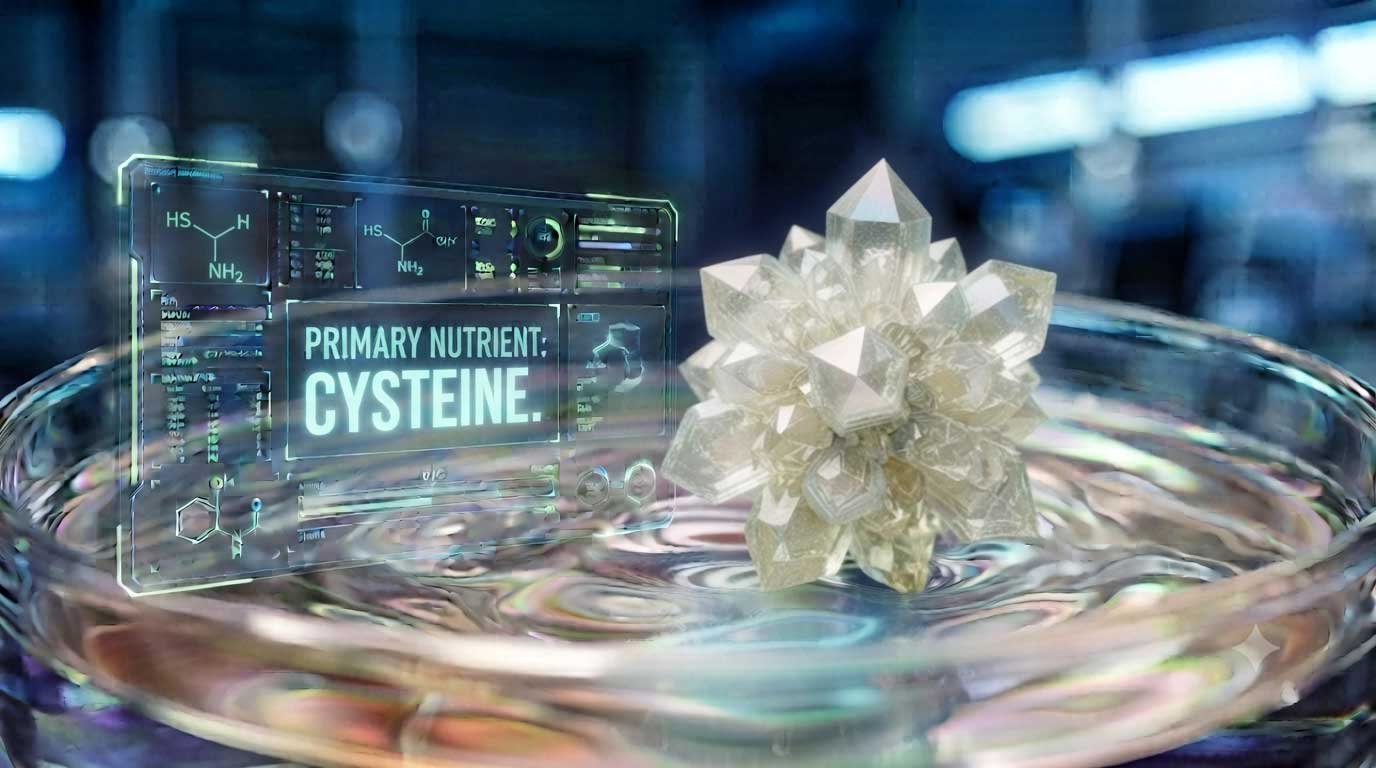
The Amino Acid That Quietly Runs Your Antioxidant System
Ask most people to name an amino acid and you’ll probably get a blank stare, or maybe a mumbled “protein, right?” Ask them to name cysteine specifically, and the odds drop even further. Yet this unassuming, sulfur-containing building block is doing something in your cells right now that almost nothing else can replicate: it’s helping manufacture glutathione, the compound researchers routinely describe as the body’s master antioxidant. If you’ve spent any time reading about oxidative stress, detoxification, or “cellular defense,” you’ve been reading about the downstream effects of cysteine, whether the article mentioned it by name or not.
I’ve been circling this molecule for years, and what strikes me every time is how underrated it is compared to flashier nutrients. Vitamin C gets magazine covers. Zinc gets cold-and-flu-season ads. Cysteine gets a paragraph in a biochemistry textbook and then disappears from public conversation. That’s a shame, because cysteine sits at a genuine chokepoint in human physiology. Without adequate cysteine, glutathione production stalls. When glutathione production stalls, the whole antioxidant defense network starts to wobble.
Table of Contents

Let’s get the basics out of the way first, because the terminology around this amino acid trips people up constantly. Cysteine is classified as a nonessential amino acid, meaning your body can, in theory, build it from scratch using methionine, an essential amino acid you have to get from food. But “nonessential” is a misleading label here. Under stress, illness, rapid growth, or in certain populations like premature infants, the conversion pathway from methionine to cysteine doesn’t keep up with demand. In those situations, cysteine becomes what nutrition scientists call conditionally essential, meaning the diet needs to supply it directly rather than relying on internal synthesis. This distinction matters more than it sounds like it should, because it explains why cysteine deficiency can show up even in people who technically eat “enough protein.”
Structurally, cysteine is unusual among the twenty standard amino acids because it carries a thiol group, a sulfur atom bonded to a hydrogen atom, hanging off its side chain. That sulfhydryl group is the whole story, chemically speaking. It’s reactive, it’s electron-donating, and it loves to form bonds with other cysteine molecules, creating what’s called a disulfide bridge. Those bridges are the reason keratin, the structural protein in hair, skin, and nails, has the toughness and elasticity it does. They’re also the reason cysteine can be oxidized and reduced so readily, which is precisely the property that makes it useful for redox chemistry inside the cell.
Here’s where the antioxidant story gets interesting. Glutathione is a tripeptide, meaning it’s built from three amino acids strung together: glutamate, glycine, and cysteine. Of the three, cysteine is consistently identified in the literature as the rate-limiting ingredient. Cysteine is considered the rate-limiting precursor for glutathione synthesis because its intracellular concentration is typically much lower than that of glutamate or glycine. In plain language, your cells usually have plenty of the other two components sitting around, but they’re often short on cysteine. That means the amount of cysteine available at any given moment can directly cap how much glutathione your cells are able to produce.
Why does that matter for your day-to-day health? Because glutathione is involved in neutralizing free radicals and reactive oxygen species, molecules generated constantly through normal metabolism, but also churned out at higher rates during infection, intense exercise, pollution exposure, and inflammation. Glutathione is a key antioxidant that also modulates diverse cellular processes, and a better understanding of how its synthesis is regulated may improve treatment of disease states where that synthesis goes wrong. When oxidative stress outpaces your antioxidant capacity, cellular components like lipids, proteins, and even DNA can sustain damage. Adequate cysteine availability is one of the levers your body pulls to keep that balance in check.
I want to be careful here not to oversell this. Cysteine isn’t a miracle molecule, and glutathione depletion isn’t the root cause of every modern ailment, no matter what some supplement marketing suggests. But the biochemistry is solid and well-replicated: this amino acid sits upstream of one of the most important defense systems your cells have, and understanding how to support it, through diet, through awareness of deficiency risk, and through appropriate caution around supplementation, is genuinely useful knowledge. That’s what the rest of this piece is going to dig into. We’ll look at where cysteine shows real, evidence-backed benefit, where you can actually find it in food, how much your body needs, what happens when you don’t get enough, and where the upper limits and risks come into play. No hype, just the mechanics of a molecule that deserves a lot more attention than it gets.
Key Health Benefits of Cysteine
Once you understand cysteine’s role as the rate-limiting precursor for glutathione, most of its health relevance falls into place logically. But it’s worth separating out the specific areas where research has actually demonstrated something, rather than just assuming benefits by association. Cysteine’s influence extends beyond glutathione too, into detoxification pathways, immune signaling, and even cardiovascular chemistry. Let’s walk through what the evidence actually supports.
Supporting the Body’s Master Antioxidant
This is the headline function, and it bears repeating with a bit more nuance. Glutathione doesn’t just mop up free radicals directly; it also recycles other antioxidants, including vitamins C and E, back into their active forms after they’ve been “used up” neutralizing a reactive molecule. Glutathione is present in all mammalian tissues as the most abundant non-protein thiol that defends against oxidative stress, and it’s also a key determinant of redox signaling, playing a role in detoxifying xenobiotics and modulating immune function. Think of glutathione as the antioxidant system’s utility player, one that shows up in nearly every metabolic context where oxidative balance matters, and cysteine as the raw material that keeps that player on the field.
This is why cysteine status tends to come up in research on aging, chronic disease, and environments with heavy oxidative burden, like the lungs of someone exposed to cigarette smoke or air pollution, or the tissues of a preterm infant exposed to supplemental oxygen. Cysteine plays an important role in glutathione synthesis, which is a cornerstone in keeping the oxidant-antioxidant balance in preterm infants who are exposed to high oxidative stress from oxygen supplementation. That’s a pretty specific clinical scenario, but it illustrates the general principle nicely: wherever oxidative stress is elevated, cysteine availability becomes more consequential.
A Role in Detoxification
Glutathione’s job isn’t limited to neutralizing free radicals. It’s also central to phase II liver detoxification, where it conjugates with foreign compounds, drugs, and metabolic byproducts to make them water-soluble enough to excrete. This is part of why N-acetylcysteine, a modified form of cysteine, is the go-to antidote for acetaminophen overdose in emergency rooms. The mechanism there is fairly elegant: acetaminophen toxicity depletes liver glutathione stores rapidly, and flooding the system with a cysteine precursor helps restore glutathione production fast enough to prevent liver failure. That’s not a supplement claim, it’s an established clinical protocol, and it’s one of the clearest real-world demonstrations of just how tightly cysteine and detoxification capacity are linked.
Respiratory and Mucolytic Effects
Cysteine derivatives have a long track record in respiratory medicine, mostly through their ability to break down the disulfide bonds that give mucus its thick, sticky consistency. This is why N-acetylcysteine has been used for decades as a mucolytic in conditions involving excess mucus production, from chronic bronchitis to cystic fibrosis. Reviews of the compound in respiratory contexts have noted meaningful reductions in exacerbation frequency at daily doses in the range clinicians typically use for airway conditions. It’s a mechanical benefit as much as a biochemical one: those reactive thiol groups we talked about earlier can literally cleave the chemical bonds holding thick mucus together.
Immune Function and Inflammation
Because glutathione modulates immune cell function, cysteine availability has downstream effects on how efficiently immune cells communicate and respond to threats. Researchers have connected sulfur amino acid status, cysteine specifically, to lymphocyte proliferation and cytokine regulation. This isn’t a claim that cysteine “boosts immunity” in some vague, marketable sense; it’s more accurate to say that adequate cysteine keeps one of the raw materials for proper immune signaling available. Deficiency states, on the other hand, have been associated with impaired immune responses in both animal and clinical research.
Skin, Hair, and Structural Proteins
Remember those disulfide bridges we mentioned? They’re not just a redox curiosity, they’re structural. Keratin, the fibrous protein that makes up hair and nails, relies heavily on cysteine-cysteine bonds for its strength and shape. This is part of why some hair and nail supplements include cysteine or its derivatives, and why certain genetic disorders affecting cysteine metabolism produce visibly brittle hair as a symptom. I’d stop short of saying supplementation will transform your hair texture overnight, that’s more marketing than science, but the structural relationship is real and well documented.
Cardiovascular and Neurological Relevance
Cysteine sits at a metabolic crossroads with homocysteine, an amino acid intermediate that’s been studied extensively in relation to cardiovascular risk. The transsulfuration pathway converts homocysteine into cystathionine and eventually cysteine, and this conversion, along with the broader sulfur amino acid pathway, ultimately supports the synthesis of protein, taurine, and the antioxidant glutathione. Cysteine also serves as a precursor for hydrogen sulfide, a signaling gas involved in blood pressure regulation and vascular tone. These are active areas of ongoing research rather than settled clinical recommendations, but they add another layer to why this amino acid keeps showing up across so many different areas of physiology.
Taken together, these benefits paint a picture of an amino acid that’s less a “superfood nutrient” and more a foundational cog in several interlocking systems. That’s a less exciting story than the ones you’ll find on supplement bottles, but it’s the honest one, and honestly, I find the real mechanism more interesting than the marketing pitch anyway.
Dietary Sources of Cysteine
If cysteine is this important, the obvious next question is: where do you actually get it? The good news is that for most people eating a reasonably varied, protein-inclusive diet, cysteine intake isn’t something you need to obsess over. It shows up naturally in a wide range of foods, both animal and plant-based, though the concentrations vary quite a bit depending on the source.
Animal-Based Sources
Animal proteins tend to be richer in sulfur amino acids overall compared to most plant proteins, and that pattern holds for cysteine specifically. Poultry, particularly chicken and turkey, ranks consistently high. Eggs are another strong contender, and they carry the added benefit of being a relatively “complete” protein package, meaning you’re getting cysteine alongside a good balance of other amino acids your body needs anyway. Pork and beef both contribute meaningful amounts as well.
Dairy is worth calling out specifically because of whey protein. Whey is unusually rich in the sulfur amino acids, cysteine included, which is part of why whey protein isolate has such a strong reputation in sports nutrition circles for supporting glutathione status. If you’ve ever wondered why post-workout shakes so often lean on whey rather than, say, soy or pea protein, this is one legitimate piece of that puzzle. Casein, the other major milk protein, is also a solid source, just with a slightly different amino acid distribution.
Fish and seafood round out the animal category nicely. Cod, tuna, and salmon all contribute cysteine along with the added benefit of omega-3 fatty acids, which is a nice one-two punch if you’re building a diet around whole-food antioxidant support rather than isolated supplements.
Plant-Based Sources
Plant sources tend to contain less cysteine gram-for-gram than animal proteins, but that doesn’t mean they’re negligible, and it definitely doesn’t mean a plant-forward diet leaves you shortchanged if you’re eating a diverse enough range of foods. Cereal proteins contain roughly three to five percent cysteine and legume proteins contain roughly two to four and a half percent, and among plant proteins, animal proteins generally have a higher cysteine content than vegetable proteins. That said, legumes, particularly lentils, chickpeas, and soybeans, are reliable contributors, especially when eaten in the quantities typical of a legume-heavy diet.
Whole grains, oats especially, add a modest but consistent contribution. Nuts and seeds, sunflower seeds and Brazil nuts in particular, are worth mentioning too, both for their cysteine content and their broader sulfur-compound profile.
Vegetables are a mixed bag. Interestingly, red peppers had the highest cysteine concentration among tested produce while avocado had the lowest, and carrots, potatoes, and broccoli contained essentially none at all. That’s a useful reminder that “eat your vegetables” is good general advice, but it’s not a reliable strategy specifically for sulfur amino acid intake. Garlic and onions deserve a mention here too, not because they’re loaded with cysteine itself, but because they contain related sulfur compounds that interact with the same broader metabolic pathways.
A Quick List for Meal Planning
If you’re trying to build cysteine-conscious meals without overthinking it, here’s a practical shortlist to keep in rotation:
- Eggs, particularly the whites, where much of the sulfur amino acid content concentrates
- Poultry, chicken and turkey breast especially
- Whey protein, whether from dairy directly or as a protein powder
- Legumes like lentils, chickpeas, and soybeans
- Oats and other whole grains
- Sunflower seeds and Brazil nuts
- Fish, with cod and tuna being particularly good options
- Red peppers, which stand out among vegetables for cysteine content
Bioavailability and Cooking Considerations
One thing that doesn’t get discussed enough is how preparation affects sulfur amino acid content. Cysteine’s reactive thiol group means it’s somewhat sensitive to heat and oxidation, and prolonged, high-temperature cooking can degrade a portion of it, particularly in liquid-heavy preparations like long-simmered stocks or stews where the amino acid can leach out into the cooking liquid. This isn’t a reason to panic about your roast chicken, the losses are generally modest, but if you’re specifically trying to maximize intake, gentler cooking methods and consuming the cooking liquid, think soups rather than boil-and-drain preparations, can help preserve a bit more of it.
It’s also worth remembering that cysteine doesn’t act alone. Its synthesis and utilization depend on adequate methionine, vitamin B6, and folate, since those nutrients are involved in the transsulfuration pathway that converts one sulfur amino acid into another. A diet that’s technically “high protein” but poor in these cofactors might not translate into optimal cysteine metabolism. It’s one of those situations where the whole dietary pattern matters more than any single nutrient in isolation, which, frankly, is true of almost everything in nutrition once you dig past the headline.
Dosage and Deficiency
This is the section where I have to slow down and be precise, because dosage conversations around amino acids get muddy fast, partly because there’s a meaningful difference between dietary cysteine intake and supplemental forms like N-acetylcysteine, or NAC, which is far more common in clinical and research settings than free-form cysteine itself.
How Much Do You Actually Need?
There isn’t a standalone Recommended Dietary Allowance for cysteine the way there is for, say, vitamin C or calcium. Instead, cysteine gets folded into the broader category of sulfur amino acid requirements, alongside methionine, because the two are metabolically interchangeable to a degree. The daily sulfur amino acid requirement is estimated at roughly 13 milligrams per kilogram of body weight for healthy adults. For a 70-kilogram adult, that works out to somewhere around 900 milligrams a day of combined methionine and cysteine, though the exact split between the two depends heavily on individual metabolism and how efficiently someone converts methionine into cysteine internally.
That conversion efficiency is really the crux of the whole dosage conversation. Someone eating a varied, adequate-protein diet is almost certainly meeting their sulfur amino acid needs without ever thinking about grams or milligrams. The people who need to pay closer attention are those with limited protein intake, certain genetic variations affecting the transsulfuration pathway, or clinical conditions that increase demand faster than the body can supply it, premature infants being the textbook example researchers keep returning to.
N-Acetylcysteine Dosing in Practice
When people talk about cysteine “supplementation,” they’re almost always talking about NAC, since free cysteine is chemically unstable and prone to oxidizing into cystine before it can be absorbed well. NAC sidesteps that problem, and it’s been studied across a genuinely wide dose range depending on the application.
For general antioxidant or psychiatric adjunct use, the recommended dosage typically falls between 2,000 and 2,400 milligrams per day, and oral NAC at these doses is considered safe and well tolerated without significant adverse effects. For respiratory conditions, doses tend to run a bit lower; daily totals up to 2,400 milligrams have been used safely in studies on airway conditions, with a meta-analysis suggesting that doses of at least 1,200 milligrams per day help prevent exacerbations in COPD. On the higher end, clinical toxicology uses far larger amounts for a very specific purpose: acetaminophen overdose treatment uses a 140 mg/kg loading dose of NAC followed by 70 mg/kg every four hours for seventeen consecutive doses. That’s a medical emergency protocol, not a template for home supplementation, and I want to be clear that nobody should be self-dosing anywhere near that range without direct medical supervision.
For general wellness use, most commercial NAC supplements land in the 600 to 1,800 milligram daily range, and that tracks with what’s commonly recommended across clinical literature for non-emergency applications. As always, starting lower and paying attention to how your body responds is a more sensible approach than jumping straight to the upper end of any studied range.
What Deficiency Actually Looks Like
True dietary cysteine deficiency is uncommon in people eating adequate total protein, precisely because the body can synthesize it from methionine when dietary cysteine is short. But it’s not impossible, and it shows up more often than people assume in specific populations:
- Individuals with very low protein intake, whether from restrictive diets, eating disorders, or food insecurity
- Premature infants, whose transsulfuration pathway isn’t fully mature yet, making cysteine conditionally essential for them specifically
- People with chronic illnesses that increase glutathione turnover faster than intake can replace it, including certain infections and inflammatory conditions
- Older adults, where age-related declines in glutathione synthesis have been documented in research on aging and oxidative stress
Symptoms of deficiency tend to be nonspecific, which is part of why it’s rarely diagnosed as “cysteine deficiency” outright. Reduced glutathione status has been associated with increased susceptibility to oxidative damage, slower wound healing, weakened immune response, and in more severe or prolonged cases, muscle wasting, since sulfur amino acids are also needed for general protein synthesis. Hair that becomes noticeably brittle or thin can be a subtle marker too, given cysteine’s structural role in keratin.
If you suspect a genuine deficiency, this isn’t a do-it-yourself diagnosis. Bloodwork and a conversation with a healthcare provider are the right path, especially since symptoms overlap heavily with other nutrient deficiencies and underlying conditions that need to be ruled out first.
Factors That Shift Your Personal Requirement
It’s worth remembering that “requirement” isn’t a fixed number that applies equally to everyone. A handful of factors nudge individual cysteine needs up or down, sometimes significantly. Smokers and people regularly exposed to air pollution tend to burn through glutathione, and by extension cysteine, faster than average, simply because their oxidative load is higher on any given day. Athletes engaged in prolonged, intense training generate more reactive oxygen species through elevated metabolic rate, which is part of why NAC has drawn interest in sports nutrition circles, even though the performance evidence itself is mixed at best. Illness and recovery from surgery both increase demand too, since the body ramps up glutathione-dependent detoxification and tissue repair processes during those periods.
On the flip side, someone living a fairly low-stress life, eating a varied diet, and not dealing with chronic inflammation is likely operating comfortably within their needs without any special planning. This is really the same principle that applies to most conditionally essential nutrients: the baseline requirement assumes a reasonably healthy adult under ordinary circumstances, and real life doesn’t always cooperate with that assumption.
Testing and Practical Signals
There isn’t a simple, widely available blood test that reads out “your cysteine status” the way a basic panel might report iron or vitamin D. Total plasma cysteine and glutathione levels can be measured in specialized labs and research settings, but this isn’t routine clinical practice for the general population. In practice, most people and their doctors rely on a combination of dietary history, symptom pattern, and, where relevant, markers of oxidative stress or liver function that might indirectly hint at glutathione status. This is one of those areas where the biochemistry is well understood in principle but harder to pin down precisely in an individual person without specialized testing, so a thoughtful conversation with a knowledgeable clinician tends to be more useful than chasing a specific lab number.
Toxicity and Risks
Every nutrient has a ceiling, and cysteine is no exception, even though it doesn’t get discussed with the same caution as, say, iron or vitamin A. Part of that is because dietary cysteine toxicity from food alone is essentially a non-issue; you’d have a very hard time overloading on cysteine just by eating chicken and lentils. The real risk conversation centers almost entirely around supplemental and pharmaceutical forms.
Gastrointestinal Effects
The most commonly reported side effect across NAC studies, by a wide margin, is gastrointestinal upset. The most frequent adverse events associated with oral NAC administration are gastrointestinal, including vomiting, diarrhea, stomatitis, abdominal pain, and nausea. These effects tend to be dose-dependent, showing up more frequently and more intensely as daily amounts climb, which lines up with what a meta-analysis of NAC and exercise performance found: a sub-analysis suggested increased side effects as NAC dosage rose, and the typical daily dose studied was 5.8 grams, ranging as high as 20 grams in some trials. That upper figure is well beyond typical supplement label recommendations, and it’s worth noting it as a research extreme rather than a safe home-use target.
Hypersensitivity Reactions
Less common but more serious are hypersensitivity or anaphylactoid reactions, including rash, hives, itching, and in rare cases bronchospasm. These reactions have been reported less frequently after oral NAC administration, while intravenous administration carries a notably higher rate of such reactions compared to gastrointestinal symptoms, particularly when infusion rates are too fast. This is one reason NAC in hospital settings for acetaminophen overdose is administered under close monitoring, since the intravenous route carries a meaningfully different risk profile than an oral capsule you’d take at home.
Drug Interactions Worth Knowing
One specific interaction deserves its own mention because it’s not intuitive: NAC can cause severe hypotension and intolerable headaches when combined with nitroglycerin. If you’re on nitrate-based heart medication, this isn’t a combination to experiment with casually, and it’s exactly the kind of interaction that underscores why supplement decisions belong in conversation with a physician or pharmacist rather than made in isolation based on an article, this one included.
NAC’s mucolytic, blood-thinning-adjacent properties have also raised theoretical concerns about interactions with anticoagulant medications, though the evidence here is less robust than the nitroglycerin interaction. Still, if you’re on blood thinners, it’s worth flagging any sulfur amino acid supplementation to your care team.
Regulatory Status
It’s worth knowing that NAC occupies an odd regulatory position in the United States. NAC is currently excluded from the legal definition of a dietary supplement because it was approved by the FDA as a drug before it was ever marketed as a supplement, though the agency has been considering allowing its use in supplements given its long history of safe use. Practically speaking, this hasn’t stopped NAC from being widely available on store shelves, but it’s a good example of how regulatory categories don’t always map cleanly onto the actual safety profile of a compound. NAC has decades of clinical use behind it, including at very high doses in emergency medicine, yet its supplement classification has been legally murky.
Sulfur Sensitivity and General Caution
A smaller subset of people report general sensitivity to high-sulfur foods and supplements, sometimes describing symptoms like body odor changes, digestive discomfort, or headaches when sulfur amino acid intake spikes. This isn’t well-characterized in the mainstream literature the way the gastrointestinal and hypersensitivity effects are, but anecdotally it’s common enough to mention. If you notice a pattern after starting a cysteine or NAC supplement, it’s reasonable to scale back and reassess rather than pushing through discomfort.
Special Populations That Warrant Extra Caution
A few groups deserve a more conservative approach to cysteine or NAC supplementation than the general population. Pregnant and breastfeeding individuals generally aren’t well represented in NAC safety trials, so most clinicians recommend sticking to dietary sources during that window rather than adding a supplement without direct medical guidance. People with a history of kidney stones, particularly cystine stones tied to the rare genetic condition cystinuria, need to be especially careful, since that condition already involves an inability to properly reabsorb cysteine and related amino acids in the kidneys, and adding more sulfur amino acid load could theoretically compound the problem. Anyone with asthma should also be cautious with NAC, since in rare cases the compound has been associated with bronchospasm, particularly via inhaled or nebulized routes rather than oral capsules, but it’s worth flagging regardless of delivery method.
Cysteine, Cystine, and the Kidney Stone Question
It’s worth pausing on that cystinuria point a bit longer, because it’s a good example of why “natural” and “risk-free” aren’t the same thing. Cystine, the oxidized dimer form of cysteine, is poorly soluble in urine, which is exactly why it can crystallize into stones in people with the genetic transport defect that defines cystinuria. This is a narrow, specific population, not a reason for the average person to fear dietary protein, but it’s precisely the kind of detail that gets lost when nutrients get marketed with blanket “more is better” messaging. If you or a family member has a personal or family history of cystine stones, that’s a conversation to have with a physician before adding any sulfur amino acid supplement to your routine, cysteine or NAC included.
Reading Labels and Choosing Quality Supplements
If you do decide supplementation makes sense for your situation, a bit of label literacy goes a long way. Third-party testing, from organizations that verify a product actually contains what the label claims and isn’t contaminated with heavy metals or other unwanted compounds, is worth prioritizing over price alone. Because NAC’s regulatory status has been somewhat unsettled, as mentioned above, product quality across brands can vary more than you’d expect for an ingredient with such a long clinical history. Starting with a lower dose than the label maximum, watching how your digestion responds over the first week or two, and avoiding the temptation to stack multiple sulfur-containing supplements at once, glutathione precursors, MSM, and high-dose garlic extracts, for instance, are all sensible ways to reduce your risk of an unpleasant surprise.
The overarching takeaway on risk is this: dietary cysteine from whole foods is about as low-risk as nutrients come. Supplemental NAC, particularly at higher clinical doses, carries a real but generally mild and well-documented side effect profile, with the more serious risks concentrated in intravenous use, drug interactions, specific populations like those with cystinuria, and doses far beyond what’s found on a typical supplement label. Respect the dosing guidance that comes with any product, and loop in a healthcare provider if you’re combining it with medications or managing an existing health condition.
What This Sulfur Amino Acid Deserves From You
I started this piece by pointing out how little attention cysteine gets compared to nutrients with better publicists, and having walked through the biochemistry, the food sources, the dosing research, and the risk profile, I still think that’s the right framing. This isn’t an amino acid that needs a dramatic health claim attached to it to justify your attention. It needs accuracy, and a bit of context about where it actually fits into how your body defends itself against everyday wear and tear.
The core idea worth carrying forward is simple: cysteine is the bottleneck ingredient for glutathione, and glutathione is doing quiet, unglamorous work in nearly every cell you have, neutralizing oxidative damage, supporting detoxification, and helping recycle other antioxidants back into active service. You don’t need to supplement to benefit from this system. For the vast majority of people eating a reasonably varied diet with adequate protein, whether that protein comes from eggs and poultry or lentils and whole grains, cysteine intake takes care of itself without any special effort.
Where it’s worth paying closer attention is at the margins: restrictive diets, aging, chronic illness, and specific clinical populations like premature infants, where the body’s own synthesis pathway can’t quite keep pace with demand. In those situations, understanding cysteine’s role isn’t academic, it’s practically useful, whether that means adjusting a diet, discussing supplementation with a healthcare provider, or simply recognizing symptoms that might otherwise get dismissed as vague fatigue or “just getting older.
And if you do end up considering supplementation, usually in the form of N-acetylcysteine rather than free cysteine, the research gives you a reasonably clear picture to work from. Moderate doses have a long track record of safety, gastrointestinal upset is the most likely downside you’ll encounter, and the more serious risks cluster around intravenous use, high-dose extremes, and specific drug interactions rather than everyday oral supplementation. That’s a far more measured picture than either the “totally harmless, take as much as you want” crowd or the “any supplement is dangerous” crowd would have you believe.
If I had to boil this whole piece down into something you could actually act on this week, it would look something like this. First, take an honest look at your protein sources and make sure you’re regularly including at least a few of the higher-cysteine options we covered, eggs, poultry, fish, or a mix of legumes and whole grains if you’re eating plant-based. Second, pay attention to context rather than chasing a number. If you smoke, train hard, are recovering from an illness, or are simply getting older, your glutathione turnover is probably higher than average, and that’s worth factoring into how much attention you give this particular nutrient. Third, treat supplementation as a considered decision rather than a default. NAC has real, well-documented uses, but it’s not something to add to your routine reflexively just because a molecule sounds beneficial in an article you read online, this one included.
I’d also push back gently on the instinct to treat any single compound, cysteine included, as a shortcut around the basics. No amount of NAC substitutes for adequate sleep, a reasonably balanced diet, and keeping actual oxidative stressors, smoking, excessive alcohol, chronic sleep deprivation, in check. Cysteine’s value is real, but it’s a supporting player in a much larger system, not a solution that operates independently of everything else you’re doing for your health. The molecule matters because of what it enables, glutathione production, detoxification capacity, structural protein integrity, not because it’s magic in its own right.
My honest opinion, after spending a fair amount of time with this molecule, is that cysteine deserves a permanent spot in how we think about dietary antioxidant support, right alongside vitamin C and vitamin E, rather than being treated as a niche biochemistry footnote. It’s not flashy. It’s not going to sell magazine covers. But it’s doing genuinely important structural and antioxidant work, and knowing how to keep it adequately supplied, mostly through ordinary food, occasionally through informed supplementation, is one of those small pieces of nutritional literacy that pays off quietly over time. Give it the attention it’s earned, and let the rest of your antioxidant strategy build outward from there.
At the end of the day, what I find genuinely satisfying about this particular amino acid is how well it rewards a bit of curiosity. Most people will never need to think about cysteine explicitly, and that’s fine, the body’s synthesis pathway and a reasonably varied diet handle it quietly in the background. But for anyone dealing with elevated oxidative stress, working through a restrictive diet, supporting a preterm infant, or just trying to understand what’s actually happening when a doctor mentions glutathione or prescribes NAC after an acetaminophen overdose, having a real grasp of how this amino acid works turns a confusing footnote into something concrete and useful. That’s really all good nutritional knowledge needs to do.
Article Sources
At AncientHerbsWisdom, our content relies on reputable sources, including peer-reviewed studies, to substantiate the information presented in our articles. Our primary objective is to ensure our content is thoroughly fact-checked, maintaining a commitment to accuracy, reliability, and trustworthiness.
- Al-Malki, R. H., Elaziz, M. E., & Sabra, S. (2024). Parenteral cysteine supplementation in preterm infants: One size does not fit all. Nutrients, 16(2), 231. https://www.ncbi.nlm.nih.gov/pmc/articles/PMC10813382/
- Lu, S. C. (2013). Glutathione synthesis. Biochimica et Biophysica Acta, 1830(5), 3143–3153. https://doi.org/10.1016/j.bbagen.2012.09.008
- McBean, G. J. (2017). Cysteine, glutathione, and thiol redox balance in astrocytes. Antioxidants, 6(3), 62. https://doi.org/10.3390/antiox6030062
- Deponte, M. (2013). Glutathione catalysis and the reaction mechanisms of glutathione-dependent enzymes. Biochimica et Biophysica Acta, 1830(5), 3217–3266. https://pubmed.ncbi.nlm.nih.gov/22995213/
- Deleu, S., Machiels, K., Raes, J., Verbeke, K., & Vermeire, S. (2021). Cysteine metabolic circuitries: Druggable targets in cancer. British Journal of Cancer, 124(5), 862–879. https://www.ncbi.nlm.nih.gov/pmc/articles/PMC7921671/
- Wu, X., Li, Y., Zhang, S., & Zhou, X. (2017). Oxidation resistance of the sulfur amino acids: Methionine and cysteine. BioMed Research International, 2017, 9584932. https://www.ncbi.nlm.nih.gov/pmc/articles/PMC5763110/
- Deng, Y., Housley, W. J., Nast, C. C., & Sathe, S. K. (2018). Small intestinal absorption of methylsulfonylmethane (MSM) and accumulation of the sulfur moiety in selected tissues of mice. Nutrients, 10(1), 84. https://www.ncbi.nlm.nih.gov/pmc/articles/PMC5793247/
- Elshorbagy, A. K., Samocha-Bonet, D., Jernerén, F., Turner, C., Refsum, H., & Heilbronn, L. K. (2019). Combining dietary sulfur amino acid restriction with polyunsaturated fatty acid intake in humans: A randomized controlled pilot trial. Nutrients, 11(1), 15. https://www.ncbi.nlm.nih.gov/pmc/articles/PMC6315936/
- Deepmala, Slattery, J., Kumar, N., Delhey, L., Berk, M., Dean, O., Spielholz, C., & Frye, R. (2015). Clinical trials of N-acetylcysteine in psychiatry and neurology: A systematic review. Neuroscience and Biobehavioral Reviews, 55, 294–321. https://www.ncbi.nlm.nih.gov/pmc/articles/PMC6217900/
- McKenna, M. J., Medved, I., Goodman, C. A., Brown, M. J., Bjorksten, A. R., Murphy, K. T., Petersen, A. C., Sostaric, S., & Gong, X. (2006). N-acetylcysteine attenuates the decline in muscle Na+,K+-pump activity and delays fatigue during prolonged exercise in humans. Journal of Physiology, 576(1), 279–288. https://pubmed.ncbi.nlm.nih.gov/28102488/
- Boyer, T. D. (2024). Efficacy and safety of acetylcysteine for the treatment of acute uncomplicated rhinosinusitis. ClinicalTrials.gov Protocol NCT04123405. https://cdn.clinicaltrials.gov/large-docs/05/NCT04123405/Prot_000.pdf
- Wiginton, K., & Powell Key, A. (2024). N-acetylcysteine (NAC): Health benefits, side effects, dosage, and more. WebMD. https://www.webmd.com/diet/health-benefits-nac
- Examine.com. (2025). N-acetylcysteine benefits, dosage, and side effects. https://examine.com/supplements/n-acetylcysteine/
- National Institute of Child Health and Human Development. (2015). N-acetylcysteine (NAC) for pediatric obsessive-compulsive disorder. ClinicalTrials.gov Protocol NCT01172275. https://cdn.clinicaltrials.gov/large-docs/75/NCT01172275/Prot_SAP_000.pdf
- Fondazione IRCCS Ca’ Granda Ospedale Maggiore Policlinico. (2019). A study to evaluate pharmacokinetics, safety and tolerability of single and multiple intravenous doses of N-acetylcysteine (NAC) in Chinese healthy volunteers. ClinicalTrials.gov Protocol NCT03881163. https://cdn.clinicaltrials.gov/large-docs/63/NCT03881163/Prot_000.pdf
- Van de Poll, M. C., Dejong, C. H., & Soeters, P. B. (2006). Sulfur amino acid metabolism in the perioperative period. ScienceDirect Topics: Sulfur Amino Acid. https://www.sciencedirect.com/topics/agricultural-and-biological-sciences/sulfur-amino-acid
- Zeisel, S. H., & da Costa, K. A. (2020). Sulfur. In Human Nutrition (2020 Edition). University of Hawaiʻi at Mānoa Food Science and Human Nutrition Program. https://pressbooks.oer.hawaii.edu/humannutrition2/chapter/10-sulfur/
- Vasdev, S., Gill, V., & Singal, P. K. (2009). Role of homocysteine in hypertension. In Dietary sources of cysteine: A review. Referenced via Creative Peptides Cysteine Amino Acid Guide. https://www.creative-peptides.com/resources/cysteine-amino-acids-properties-function-benefits-and-sources.html

- Phosphatidic Acid: Supporting Muscle Growth and Strength - July 31, 2026
- Ceramides: Supporting Healthy Skin From Within - July 31, 2026
- Synbiotics: Combining Prebiotics and Probiotics Together - July 31, 2026