
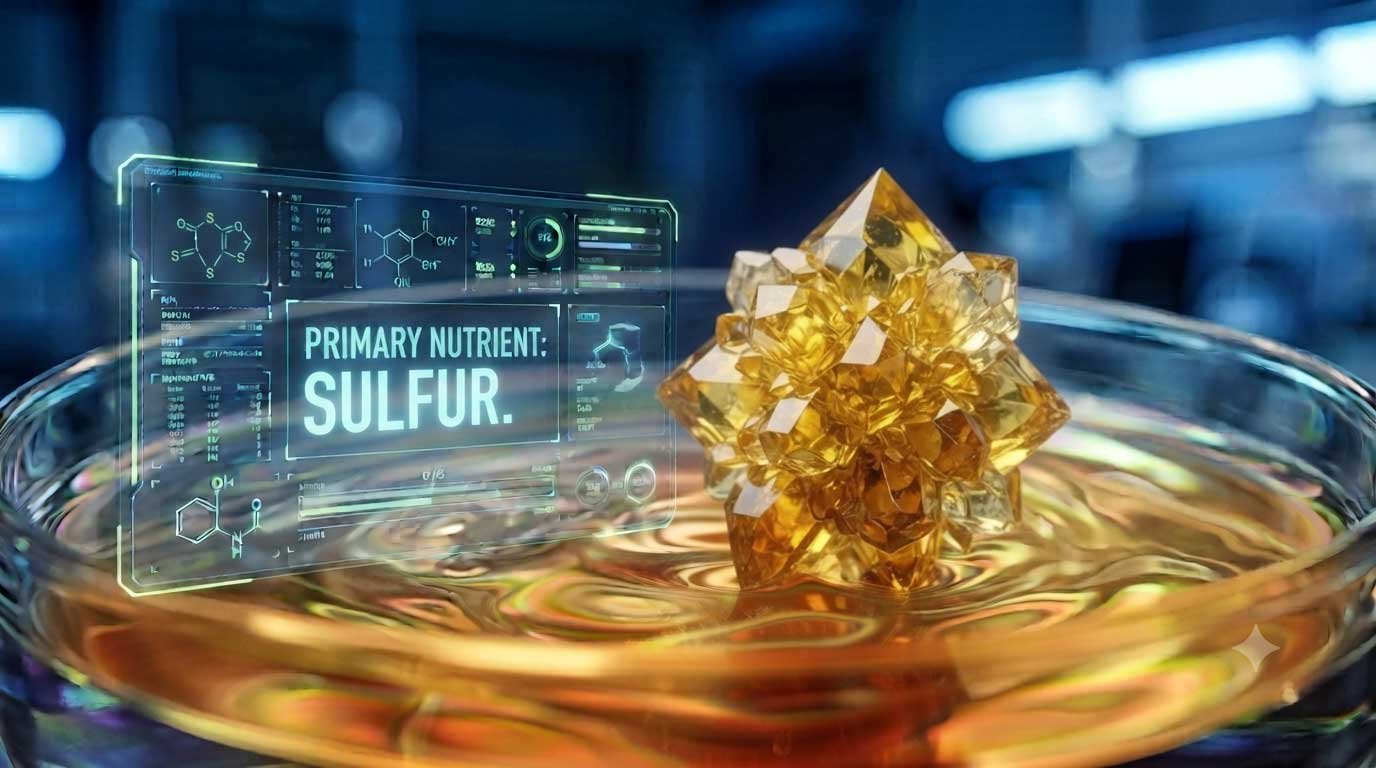
The Mineral You Never Think About (Until You Smell It)
Ask ten people to name the minerals they think are important, and you’ll hear calcium, iron, magnesium, maybe zinc if they’ve been paying attention to their multivitamin label. Almost nobody says sulfur. And that’s strange, because sulfur is sitting in the third spot on the list of most abundant minerals in your body, right behind calcium and phosphorus. It’s just quiet about it. It doesn’t have its own aisle in the supplement store, there’s no RDA plastered on a nutrition label for it, and most people only ever think about sulfur when they’re cutting into a hard-boiled egg and catch that unmistakable whiff of rotten eggs. That smell, by the way, is hydrogen sulfide gas, a direct byproduct of sulfur metabolism, and it’s a decent reminder that this mineral is doing something active in your body every single day.
I’ve spent a long time looking at how minerals get treated in nutrition conversations, and sulfur is the one that consistently gets shortchanged. Part of the problem is structural. Unlike iron or calcium, there’s no official recommended dietary allowance for sulfur itself. Nutrition scientists instead track the sulfur-containing amino acids, methionine and cysteine, and assume that if you’re getting enough protein, you’re getting enough sulfur along with it. That assumption isn’t unreasonable, but it also means sulfur rarely gets evaluated on its own terms. It rides along in the shadow of protein intake, showing up in food composition databases as an afterthought rather than a headline nutrient.
Table of Contents


But here’s the thing worth sitting with: sulfur isn’t just a passenger in your amino acids. It’s structurally load-bearing. The disulfide bonds formed by cysteine residues are what give proteins like keratin their toughness, which is why your hair and nails hold their shape instead of flopping around like overcooked spaghetti. Sulfur amino acids are precursors to glutathione, arguably the single most important antioxidant your cells produce internally. They feed into taurine synthesis, hydrogen sulfide signaling, and the methylation cycle that keeps your DNA expression and homocysteine levels in check. Methionine and cysteine serve as precursors of S-adenosylmethionine, hydrogen sulfide, taurine, and glutathione, compounds reported to ease oxidative stress and shield tissue from damage. That’s a lot of biochemical real estate for a mineral nobody talks about at dinner parties.

I want to be upfront about something before we go further: sulfur is not a trendy wellness mineral, and I’m not going to pretend it deserves a supplement regimen the way magnesium or vitamin D might for certain people. Most of what sulfur does, it does through protein you’re already eating. This article isn’t about convincing you to buy a sulfur powder. It’s about understanding why the amino acids sitting in your chicken breast, your lentils, your eggs, are doing more structural and metabolic work than most people realize, and what happens when that supply runs short, or, in rarer cases, when sulfur compounds cause problems rather than solve them.
There’s also a practical angle here that I think gets overlooked. A lot of dietary sulfur doesn’t come from the amino acids in meat and beans at all. It comes from the pungent compounds in garlic, onions, and cruciferous vegetables, the ones responsible for that sharp bite and, let’s be honest, the reason cutting onions makes you cry. Those organosulfur compounds, allicin from garlic, sulforaphane from broccoli, aren’t just flavor chemistry. They’re bioactive molecules with genuinely interesting research behind them, separate from the structural role sulfur plays in protein. So we’re really talking about two overlapping stories: sulfur as a building block inside your own proteins, and sulfur as a class of plant compounds you consume directly. Both matter, and I’ll walk through each honestly, including where the evidence is strong and where it’s still catching up to the enthusiasm.
One more thing before we move into the specifics. Minerals get oversimplified constantly in health content, reduced to a bullet list of “benefits” that reads more like a supplement label than an honest account of biology. Sulfur is genuinely complicated. It behaves differently depending on whether it’s incorporated into an amino acid, floating around as inorganic sulfate, or attached to a food preservative like sodium metabisulfite. Lumping all of that under one friendly “sulfur is good for you” banner does a disservice to how nuanced this mineral actually is. So let’s take it apart properly, starting with what the health benefits actually look like when you dig past the surface.
Key Health Benefits
Sulfur’s health relevance doesn’t come from acting like a single nutrient with one clean job. It comes from being embedded in dozens of different molecules that each do their own thing. That makes this section a little less tidy than, say, a rundown of vitamin C’s benefits, but I think that complexity is actually the more honest and more interesting story.
Structural Integrity: Collagen, Keratin, and Connective Tissue
Cysteine’s sulfur atom allows it to form disulfide bonds, covalent bridges between two cysteine residues that fold and stabilize protein structure. This is not a minor biochemical detail. It’s the reason keratin-rich tissues like hair, nails, and the outer layer of skin hold their shape and resist mechanical stress. It also plays into collagen stability, though collagen’s own sulfur content is lower than keratin’s. If you’ve ever wondered why severe protein-calorie malnutrition shows up visibly in brittle hair and cracked nails before anything else, sulfur amino acid shortfall is part of that picture. This isn’t a “eat sulfur, grow luscious hair” claim, plenty of hair issues have nothing to do with mineral intake, but the structural dependency is real and well established at the biochemistry level.
Antioxidant Defense Through Glutathione
Glutathione is often called the body’s master antioxidant, and cysteine is its rate-limiting ingredient. Without adequate cysteine availability, glutathione synthesis slows down, and glutathione is involved in neutralizing reactive oxygen species, recycling other antioxidants like vitamins C and E, and supporting liver detoxification pathways. Sulfur amino acids play a crucial role in protein structure, metabolism, immunity, and oxidation, and methionine and cysteine are extremely sensitive to reactive oxygen species, which makes them antioxidative in nature. I find this piece genuinely underappreciated. People chase antioxidant supplements while ignoring that their own cysteine intake is what determines how much glutathione they can actually manufacture in the first place.
Cardiovascular and Metabolic Signaling
Here’s where things get more nuanced, and where I think the popular narrative oversimplifies. Methionine metabolism produces homocysteine as an intermediate, and elevated homocysteine has been associated with cardiovascular disease risk. Cysteine and homocysteine, both sulfur-containing amino acids produced from methionine, are linked to hyperhomocysteinemia, which is considered toxic to cells and associated with cardiovascular disease, ischemic stroke, neurological disorders, diabetes, and certain cancers. So sulfur amino acid metabolism sits at a genuine crossroads: adequate methionine and cysteine intake supports glutathione and structural proteins, but a poorly regulated methionine cycle, often tied to B-vitamin status rather than sulfur intake itself, can push homocysteine upward. This is a good example of why “more sulfur is automatically better” isn’t a sound way to think about this mineral. Context and cofactor nutrients matter enormously here.
Hydrogen Sulfide as a Signaling Molecule
For a long time hydrogen sulfide was treated purely as a toxic gas, something you’d worry about in industrial settings, not something your own cells produce on purpose. That view has shifted substantially. The metabolic pathway of sulfur-containing amino acids begins with methionine, which is metabolized to produce sulfur-containing biomolecules including hydrogen sulfide, and these biomolecules play roles in anti-inflammation, antioxidant stress response, and DNA methylation that are essential for cellular function. Endogenously produced hydrogen sulfide, in small regulated amounts, is now understood to act as a signaling molecule involved in vascular tone and inflammatory regulation. This is one of those areas of biology that quietly rewrote textbook assumptions over the past two decades.
Joint Comfort: The MSM Question
I’d be doing you a disservice if I didn’t address methylsulfonylmethane, MSM, directly, because it’s probably the most commercially visible sulfur compound out there, marketed heavily for joint pain. The evidence is genuinely mixed, and I think it’s worth being straight about that rather than cheerleading. A randomized, double-blind, controlled clinical trial assigned patients with knee osteoarthritis to receive MSM at 1.125 grams three times daily for 12 weeks or a matched placebo, and some trials in this space have reported modest symptom improvement. But a broader look tempers the enthusiasm. A meta-analysis of related nutritional supplements found a non-significant reduction in pain on a visual analogue scale when comparing treatment to control groups. My honest read: MSM might offer mild relief for some people with joint discomfort, but it’s not a slam-dunk therapy, and anyone expecting dramatic results is likely to be disappointed. It’s a reasonable thing to try, not a proven fix.
Detoxification Support
Sulfation, the process of attaching a sulfate group to a molecule, is one of the liver’s core Phase II detoxification pathways. It’s used to process a wide range of substances, from hormones to certain drugs to environmental toxins, making them more water-soluble so they can be excreted. This pathway depends on adequate sulfur availability, which again ties back to sulfur amino acid intake and inorganic sulfate from the diet. It’s not a flashy benefit, but it’s a constant, background-level function that your body relies on continuously.
Taken together, these benefits don’t add up to a single tidy headline. Sulfur supports structure, antioxidant capacity, signaling, and detoxification, simultaneously, through different molecular vehicles. That’s exactly why it doesn’t fit the “take this, get that result” framework most nutrients get squeezed into. It’s less a supplement story and more a foundational biochemistry story, one that plays out mostly through the protein on your plate.

Dietary Sources
If there’s one thing I want to correct here, it’s the assumption that you need to go looking for “sulfur foods” the way you might seek out vitamin C foods. For most people eating a reasonably varied diet with adequate protein, sulfur intake takes care of itself. But understanding where it actually comes from helps explain why certain dietary patterns, particularly very low-protein or highly restrictive ones, can end up shortchanging this mineral without anyone noticing.
Protein Foods: The Primary Source
The bulk of dietary sulfur comes from methionine and cysteine in protein-containing foods. Whey proteins are relatively rich in sulfur amino acids, and casein has more than adequate quantities as well. That translates in practical terms to:
- Eggs, particularly the whites, which are notably concentrated in sulfur amino acids
- Dairy products including milk, yogurt, and cheese
- Poultry and meat
- Fish and shellfish
- Legumes, though generally at lower concentrations than animal proteins
- Nuts and seeds, in modest amounts
There’s real variability here. The proportion of sulfur amino acids in protein varies by source, with dairy protein around 4% sulfur amino acids and egg white protein around 8%. That’s a meaningful gap, and it’s part of why egg whites specifically get singled out so often in discussions of sulfur-rich foods. If you’re building a diet around plant proteins exclusively, it’s worth knowing that legumes and grains tend to run lower in sulfur amino acids than animal sources, though this is rarely a practical problem unless total protein intake is also low.
Allium Vegetables: Garlic, Onions, Leeks
Separate from amino acid sulfur, allium vegetables carry their own organosulfur compounds. When you crush or chop garlic, an enzyme called alliinase converts alliin into allicin, the pungent compound responsible for garlic’s characteristic bite and much of its researched bioactivity. Finely chopping allium vegetables activates alliinase, rapidly generating allicin and downstream sulfides, while high-temperature processing significantly decreases organosulfur bioavailability. Practically, that means letting chopped garlic sit for a few minutes before cooking it preserves more of the beneficial compounds than tossing it straight into a hot pan. It’s a small technique, but it matters if you actually care about the sulfur chemistry rather than just the flavor.
Onions, leeks, shallots, and chives belong to the same family and contribute similarly, though the specific sulfur compound profile differs slightly across them.
Cruciferous Vegetables: Broccoli, Cabbage, Kale
Cruciferous vegetables contain glucosinolates, sulfur-containing compounds that convert into isothiocyanates like sulforaphane when the plant’s cell walls are broken, whether by chewing, chopping, or the action of gut bacteria. Steaming better preserves myrosinase activity than boiling, frying, or high-power microwaving, and raw crucifers or sprouts yield higher sulforaphane exposure than myrosinase-free supplements. Broccoli, cauliflower, Brussels sprouts, kale, cabbage, and arugula all fall into this category. I’ll admit a personal bias here: I think cruciferous vegetables are one of the most underrated categories in the entire produce aisle, and their sulfur compound content is a meaningful part of why researchers keep circling back to them.
Contribution to Total Sulfur Intake
It’s worth being honest about proportions. Despite how much attention garlic and broccoli get in “sulfur-rich foods” articles, they’re not actually the dominant contributor to total dietary sulfur for most people. Most dietary sulfur is derived from sulfur-containing amino acids, methionine and cysteine, with other forms of organic sulfur, such as the specialized metabolites in alliaceous and cruciferous vegetables, contributing a comparatively small percentage of total sulfur intake. So think of allium and cruciferous vegetables as adding a distinct, bioactive layer of sulfur chemistry on top of the protein-derived baseline, not as your primary sulfur source. Both matter, but for different reasons.
Inorganic Sulfate: Water and Beverages
There’s a source that almost never comes up in casual conversation: inorganic sulfate dissolved in drinking water. An analysis of sulfate content across various diets found daily inorganic sulfate intake ranging widely, from roughly 0.2 to 1.5 grams per day, based on foods purchased at supermarkets, and water itself can be a meaningful contributor depending on local mineral content. This is one of those quietly variable factors that most nutrition tracking apps completely ignore, since they’re built around amino acid and protein data, not inorganic mineral content of tap water.
A Practical Take
If your goal is simply “get enough sulfur,” the honest answer is: eat adequate protein from a reasonably varied set of sources, and you’re most of the way there. If your goal is to tap into the specific bioactive organosulfur compounds researched in allium and cruciferous vegetables, that’s a separate and additional goal, one worth pursuing through actual vegetables on your plate, chopped and prepared in ways that preserve their active compounds, rather than through a supplement bottle promising the same effect in concentrated form.
Dosage & Deficiency
This is where sulfur really diverges from almost every other mineral you’ll read about, and it trips people up constantly. There is no established Recommended Dietary Allowance for sulfur as an element. None. Not from the Institute of Medicine, not from the WHO, not from any major nutrition authority I’m aware of. There is a recommended daily allowance for sulfur amino acids, based on requirements to maintain nitrogen balance, but there is no RDA or adequate intake estimation for sulfur itself, despite its importance across many aspects of metabolism. That gap exists because nutrition science has historically approached sulfur through the lens of protein and amino acid requirements rather than treating it as a standalone mineral, the way it treats calcium or iron.
What We Actually Have Numbers For
Instead of a sulfur RDA, you’ll find recommendations for total sulfur amino acids, methionine plus cysteine combined. The estimated average requirement for total sulfur amino acids is 15 milligrams per kilogram of body weight per day, and the RDA is set at 19 milligrams per kilogram per day for adults over age 19. For a person weighing around 70 kilograms, that works out to roughly 1.3 grams of combined methionine and cysteine daily under the RDA figure, an amount easily met by ordinary protein intake in most diets.
But here’s where it gets genuinely interesting, and where I have to flag a real scientific debate rather than pretend the number is settled. There is currently no recommended dietary allowance for sulfur, and while recommended intake for the sulfur amino acid methionine combined with cysteine is set at 14 milligrams per kilogram of body weight, these recommendations rely on nitrogen balance studies that may grossly under-estimate actual dietary need for sulfur. Some researchers have pushed back hard on the standard figures. A review from researchers at the University of Southern California noted that sulfur, after calcium and phosphorus, is the most abundant mineral element in the body, derived almost exclusively from dietary protein, and raised concern that a significant proportion of the population, disproportionately including older adults, may not be receiving sufficient sulfur. That’s a notable claim coming from a peer-reviewed metabolism journal, not a fringe wellness site, and it hasn’t been fully resolved by subsequent research. I mention this not to alarm anyone, but because I think readers deserve to know when a “settled” nutrition number is actually still being argued over by the people who study it.
Who Is Actually at Risk of Falling Short
Frank sulfur deficiency in the sense of a named clinical syndrome doesn’t really exist the way, say, scurvy exists for vitamin C. What you see instead is sulfur amino acid inadequacy layered inside broader protein malnutrition. Groups worth paying attention to include:
- Older adults, who often reduce protein intake due to appetite changes, dental issues, or economic constraints, and who, per the research above, may have inherently higher sulfur amino acid needs than younger adults
- People on very restrictive vegan or vegetarian diets who aren’t deliberately tracking protein adequacy
- Individuals recovering from illness, surgery, or significant physical trauma, when protein and sulfur amino acid turnover needs increase substantially
- People with malabsorption conditions affecting protein digestion
The signs, when they show up, tend to be nonspecific: slower wound healing, brittle hair and nails, fatigue, and reduced antioxidant capacity reflected in markers like glutathione status. None of these are sulfur-specific red flags on their own, which is exactly why sulfur inadequacy tends to fly under the radar. It gets absorbed into a general diagnosis of “not eating enough protein” rather than getting its own line item.
The Aging Consideration
I want to sit with the older-adult angle a bit longer because I think it’s the most practically useful takeaway in this whole section. The dietary requirement for total sulfur amino acids in adults aged 60 and older appears to be higher in males than in females, and current recommendations for older adults are still based on data originally obtained in young adults. If you’re supporting an aging parent’s diet, or thinking about your own nutrition as you get older, this is a genuinely useful thing to know: standard protein guidelines built around younger populations may not fully capture what an older body needs to keep up with sulfur amino acid turnover, tissue repair, and glutathione synthesis. Prioritizing adequate, varied protein intake, not necessarily more than standard guidelines but consistently meeting them, becomes more important with age, not less.
Practical Guidance Without Overcomplicating It
For the overwhelming majority of people eating a normal, varied diet with adequate protein, actively worrying about sulfur intake is unnecessary. This isn’t a nutrient you need to supplement or track. Where it becomes relevant is in edge cases: aging populations, restrictive diets, recovery from illness, or genuine clinical malnutrition. In those situations, the fix is the same fix that solves most protein-related shortfalls, increasing overall protein quality and quantity, rather than reaching for an isolated sulfur supplement.
Toxicity & Risks
Sulfur toxicity is a genuinely different conversation depending on which form of sulfur you’re talking about, and conflating them is one of the more common mistakes I see in casual health writing. Amino acid sulfur, inorganic sulfate, and sulfite preservatives behave very differently in the body, and lumping them together under one “is sulfur dangerous” question misses what’s actually going on.
Excess Methionine and Sulfur Amino Acids
Dietary methionine excess, generally from very high protein intake or unbalanced supplementation rather than food alone, has been studied for its potential downsides. The deficiency and excess of methionine and cysteine in the diet affect normal growth, which is why ongoing research into defining adequate intake levels for these amino acids remains important. There’s also research suggesting that, at the other end of the spectrum, deliberately restricting sulfur amino acids may have metabolic benefits worth studying. Because protein intake, and therefore methionine intake, is higher than required in developed countries, some researchers suggest that decreasing excessive consumption could be an efficient way to reduce tissue oxidative stress and potentially improve healthy lifespan. This is an active and somewhat provocative area of research, sulfur amino acid restriction as a longevity intervention, and it’s genuinely too early to turn into practical advice for the average person. I mention it because it illustrates that sulfur amino acids aren’t a simple “more is better” nutrient. There’s a floor and, potentially, a ceiling.
Homocysteine as the Real Concern
The more clinically relevant risk isn’t sulfur toxicity in the classic sense, it’s disrupted methionine metabolism producing excess homocysteine. This tends to happen not from eating too much sulfur-containing food, but from inadequate B6, B12, or folate status, which are needed to properly clear homocysteine from the methionine cycle. Hyperhomocysteinemia is considered toxic for cells and is associated with cardiovascular disease, ischemic stroke, neurological disorders, diabetes, certain cancers, and renal dysfunction-linked conditions. The practical takeaway: if you’re eating a high-protein diet, pairing it with adequate B-vitamin intake matters more than worrying about sulfur content directly.
Sulfite Sensitivity: A Distinct and Real Issue
This is the area where sulfur-related risk is best documented and most clinically actionable, and it has nothing to do with dietary sulfur amino acids. Sulfites, used as food and beverage preservatives, are a genuinely different chemical category, and a meaningful subset of the population reacts to them. Most studies report a prevalence of sulfite sensitivity of 3 to 10% among asthmatic individuals who ingest these additives, though severity varies, with steroid-dependent asthmatics and those with marked airway hyperresponsiveness appearing to be at greater risk. The reaction profile is broader than just respiratory symptoms too. Sulphites have been reported to induce adverse clinical effects ranging from dermatitis, urticaria, flushing, hypotension, and abdominal pain and diarrhea to life-threatening anaphylactic and asthmatic reactions.
Where do sulfites actually show up? Common culprits include:
- Dried fruits
- Wine and some other alcoholic beverages
- Processed potatoes
- Shrimp and other crustaceans, particularly if treated to prevent discoloration
- Certain packaged snacks, sauces, and gravies
Regulatory bodies have taken this seriously for decades. A World Health Organization food additives review noted the life-threatening nature of adverse effects in some individuals and recommended that, where suitable alternative preservation methods exist, their use should be encouraged, particularly in applications where sulfite use could lead to high acute intake. If you’ve ever had an unexplained asthma flare-up or hive outbreak after a glass of wine or a handful of dried apricots, sulfite sensitivity is a legitimate thing to discuss with an allergist, not something to dismiss as coincidence.
Hydrogen Sulfide: Beneficial in Small Amounts, Harmful in Excess
I touched on hydrogen sulfide as a beneficial signaling molecule earlier, and that’s not a contradiction of what I’m about to say, it’s actually the perfect illustration of dose-dependent biology. In the gut, excessive hydrogen sulfide production, often tied to certain patterns of protein fermentation by gut bacteria, has been studied for its potential to disrupt the intestinal lining. Hydrogen sulfide, among other bacterial metabolites, can disrupt epithelial energy metabolism and may participate in mucosal inflammation when present in excess, even while other related compounds prevent gut barrier dysfunction. This is a nuanced, evolving area of gut microbiome research rather than a settled cause-and-effect story, but it reinforces the theme running through this entire section: sulfur compounds are genuinely dose- and context-dependent, not uniformly good or bad.
Occupational and Environmental Exposure
Worth a brief mention, though it’s outside the scope of diet: concentrated sulfur dioxide gas exposure, in occupational or environmental settings, is a distinct toxicological concern from dietary sulfur and carries real respiratory risks at high concentrations. That’s a workplace safety and air quality issue rather than a nutrition one, but it’s part of why “sulfur” as a word carries some baggage that doesn’t actually apply to the sulfur in your dinner.
The Bottom Line on Risk
For the average person eating whole foods, sulfur amino acid toxicity from diet alone is not a realistic concern. The genuine, documented risk sits almost entirely in the sulfite preservative category, and it’s relevant specifically to people with asthma or known sensitivities. Everyone else can eat garlic, eggs, and broccoli without a second thought.
Where All This Sulfur Chemistry Actually Leaves You
If you’ve made it this far, you’ve probably noticed that sulfur refuses to behave like a tidy nutrition story. It’s not a single molecule with one job and one dosage chart. It’s an element woven into the architecture of your proteins, the antioxidant system defending your cells, the gas that quietly regulates blood vessel tone, and, separately, a class of preservatives that a meaningful slice of the population needs to actively avoid. Trying to flatten all of that into a single “eat more sulfur” recommendation would honestly be doing you a disservice.
What I’d rather leave you with is a more grounded picture. Sulfur’s structural role in keratin and collagen-adjacent tissue explains why chronic protein inadequacy shows up in hair and nails before almost anywhere else. Its role as the rate-limiting ingredient for glutathione explains why cysteine-rich foods matter more than people realize for baseline antioxidant capacity. The ongoing scientific argument over whether standard sulfur amino acid recommendations actually meet real-world needs, particularly in older adults, is a genuinely open question worth watching rather than a settled fact you can safely ignore. And the sulfite story is a reminder that not everything sharing a name behaves the same way in your body.
Practically, none of this calls for a supplement aisle detour. It calls for eating a genuinely varied diet with adequate protein from a mix of sources, animal or plant depending on your preferences, and not being afraid of garlic, onions, and cruciferous vegetables because of a strong smell or a little kitchen tears. If you’re older, recovering from illness, or eating a very restricted diet, it’s worth paying closer attention to whether your protein intake is actually adequate rather than just assumed to be. And if you’ve ever had an unexplained reaction to wine or dried fruit, that’s worth investigating specifically, because it’s a real and separate phenomenon from anything discussed in the rest of this piece.
Sulfur isn’t going to get a flashy rebrand anytime soon. It’s not going to show up on a supplement label promising visible transformation in thirty days. But it’s been quietly doing structural and metabolic work in your body since before you had the vocabulary to name it, and understanding that work, even in this unglamorous, behind-the-scenes way, is worth more than most trending nutrients get credit for.
Article Sources
At AncientHerbsWisdom, our content relies on reputable sources, including peer-reviewed studies, to substantiate the information presented in our articles. Our primary objective is to ensure our content is thoroughly fact-checked, maintaining a commitment to accuracy, reliability, and trustworthiness.
- Bin, P., Huang, R., & Zhou, X. (2017). Oxidation resistance of the sulfur amino acids: Methionine and cysteine. BioMed Research International, 2017, 9584932. https://doi.org/10.1155/2017/9584932
- Rehman, T., Shabbir, M. A., Inam-Ur-Raheem, M., Manzoor, M. F., Ahmad, N., Liu, Z. W., Ahmad, M. H., Siddeeg, A., Abid, M., & Aadil, R. M. (2020). Cysteine and homocysteine as biomarker of various diseases. Food Science & Nutrition, 8(9), 4696–4707. https://doi.org/10.1002/fsn3.1818
- Nimni, M. E., Han, B., & Cordoba, F. (2007). Are we getting enough sulfur in our diet? Nutrition & Metabolism, 4, 24. https://doi.org/10.1186/1743-7075-4-24
- Debbi, E. M., Agar, G., Fichman, G., Ziv, Y. B., Kardosh, R., Halperin, N., Elbaz, A., Beer, Y., & Debi, R. (2011). Efficacy of methylsulfonylmethane supplementation on osteoarthritis of the knee: A randomized controlled study. BMC Complementary and Alternative Medicine, 11, 50. https://doi.org/10.1186/1472-6882-11-50
- Brien, S., Prescott, P., & Lewith, G. (2011). Meta-analysis of the related nutritional supplements dimethyl sulfoxide and methylsulfonylmethane in the treatment of osteoarthritis of the knee. Evidence-Based Complementary and Alternative Medicine, 2011, 528403. https://doi.org/10.1093/ecam/nep045
- Vally, H., & Misso, N. L. (2012). Adverse reactions to the sulphite additives. Gastroenterology and Hepatology from Bed to Bench, 5(1), 16–23. https://pubmed.ncbi.nlm.nih.gov/24834193/
- World Health Organization. (1999). Sulfur dioxide and sulfites: WHO Food Additives Series 42. https://www.inchem.org/documents/jecfa/jecmono/v042je06.htm
- Institute of Medicine (National Academies). (2004). Dietary reference intakes for water, potassium, sodium, chloride, and sulfate. National Academies Press. https://doi.org/10.17226/10925
- Paoletti, A., Pencharz, P. B., Ball, R. O., Kong, D., Xu, L., Elango, R., & Courtney-Martin, G. (2023). The dietary requirement for total sulfur amino acids in adults aged ≥60 years appears to be higher in males than in females. American Journal of Clinical Nutrition, 118(3), 538–548. https://doi.org/10.1016/j.ajcnut.2023.06.015
- Fang, Z., Yao, K., Zhang, X., Zhao, S., Sun, Z., Tian, G., Yu, B., Lin, Y., Zhu, B., Jia, G., Zhang, K., Chen, D., & Wu, D. (2010). Nutrition and health relevant regulation of intestinal sulfur amino acid metabolism. Amino Acids, 39(3), 633–640. https://doi.org/10.1007/s00726-010-0502-x
- Doleman, J. F., Grisar, K., Van Liedekerke, L., Saha, S., Roe, M., Tapp, H. S., & Mithen, R. F. (2017). The contribution of alliaceous and cruciferous vegetables to dietary sulphur intake. Food Chemistry, 234, 38–45. https://doi.org/10.1016/j.foodchem.2017.04.098
- Beaumont, M., & Blachier, F. (2020). Amino acids in intestinal physiology and health. In G. Wu (Ed.), Amino acids in nutrition and health (Advances in Experimental Medicine and Biology, Vol. 1265, pp. 1–20). Springer. https://doi.org/10.1007/978-3-030-45328-2_1

- Phosphatidic Acid: Supporting Muscle Growth and Strength - July 31, 2026
- Ceramides: Supporting Healthy Skin From Within - July 31, 2026
- Synbiotics: Combining Prebiotics and Probiotics Together - July 31, 2026