

The Amino Acid That Quietly Runs Your Circulation
Walk into any supplement store and you’ll see citrulline plastered across pre-workout tubs in bold orange letters, usually promising a “skin-splitting pump” or “next-level vasodilation.” I’ve been sifting through sports nutrition research for a long time now, and if there’s one ingredient that gets both oversold and underappreciated at the same time, it’s this one. Oversold because a lot of the marketing copy stretches the science further than it actually goes. Underappreciated because citrulline’s real story — the biochemistry of how your body handles nitrogen and produces nitric oxide — is honestly more interesting than the hype.
So what is citrulline, exactly? It’s a non-essential amino acid, meaning your body can make it on its own, primarily in the cells lining your small intestine. It’s not one of the amino acids used to build muscle protein directly. Instead, citrulline plays a supporting role in the urea cycle, the pathway your liver uses to clear ammonia, a toxic byproduct of protein metabolism, out of your bloodstream. It also happens to be a precursor to arginine, which your body converts into nitric oxide, the signaling molecule responsible for relaxing and widening blood vessels.
Table of Contents


That’s the piece that got everyone’s attention. Wider blood vessels mean improved blood flow, which theoretically means more oxygen and nutrients reaching working muscles during a hard set or a long run. It’s a clean, appealing mechanism. The tricky part, and I’ll be upfront about this from the start, is that “sounds plausible” and “proven in humans under real training conditions” are two very different things. Citrulline research is a mixed bag — some trials show real, measurable benefits, others show essentially nothing, and the differences often come down to dose, timing, and what exactly researchers were measuring.

Citrulline was first isolated from watermelon back in the 1930s, which is fitting, because watermelon remains basically the only meaningful dietary source of it. That’s part of why supplement companies love it: outside of watermelon rind (and to a lesser extent watermelon flesh), you’re not getting much of this compound from food. If you want a noticeable amount, you’re either eating an enormous quantity of watermelon or taking it as a powder.
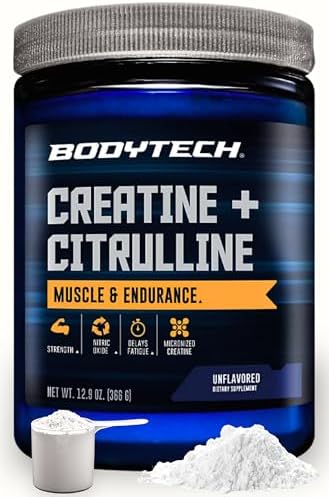
There are also two forms floating around on supplement labels: L-citrulline, the free-form amino acid by itself, and citrulline malate, which pairs citrulline with malate, a compound involved in the Krebs cycle that’s thought to help with energy production and reducing that burning, fatigued feeling during exercise. I’ll dig into the practical differences between these later, because it actually matters for dosing math and, frankly, for not overpaying for a product that’s mostly filler.
What I want to do here is walk through what citrulline actually does in the body, where you can get it, how much people typically use, and where the real risks (or lack thereof) lie. I’ve spent enough years watching supplement trends come and go to know that the compounds worth paying attention to are usually the ones with a boring, well-documented mechanism rather than a flashy one. Citrulline happens to fall into that category — it’s not magic, but it’s not nothing either. Somewhere between those two extremes is where the useful, honest answer lives, and that’s where I’d rather spend our time than in marketing-speak.
One more thing worth mentioning before we get into it: a lot of what gets called “blood flow support” in the fitness world is really about nitric oxide availability. Citrulline is one of several dietary strategies aimed at that same target — beetroot and dietary nitrates are another well-known one. They’re not interchangeable, and citrulline has its own particular path through your metabolism that’s worth understanding on its own terms, not lumped in with everything else labeled “pump product.”
I remember flipping through an early citrulline malate study years ago and being struck by how modest the actual numbers were compared to the confidence of the marketing built on top of them. That gap between “here’s a measurable, real physiological change” and “this will change your training forever” is where most supplement disappointment lives. It’s not that the compound doesn’t do anything — it clearly does something at the cellular level. It’s that the leap from cellular mechanism to noticeable, felt performance benefit is a much longer walk than the label suggests.
There’s also a reason citrulline has stuck around in the research world long after flashier ingredients faded out. Unlike a lot of trendy compounds that show up, get one splashy headline, and quietly disappear from the literature a year later, citrulline keeps getting studied because it sits at a genuinely important metabolic crossroads — nitrogen clearance, arginine supply, and nitric oxide production all converge on this one small molecule. That’s not something you can say about most things marketed alongside it on a supplement shelf.
So here’s how we’ll go through it. First, the actual health benefits with some nuance about which ones are solid and which ones are still speculative. Then where you’d actually find citrulline if you wanted it from food, because the food picture is a lot narrower than people assume. After that, dosing — what research protocols actually look like, and what “deficiency,” in the loosest sense of the word, even means for a compound your body already makes on its own. Finally, safety, because even boring, well-tolerated supplements deserve an honest look at their downside before you add them to a routine. No fluff, no dramatic claims — just what the evidence supports and where it stops.
Key Health Benefits
Nitric Oxide and Vascular Function
The core reason citrulline gets attention traces back to nitric oxide. When you take citrulline orally, it bypasses a lot of the metabolic breakdown that arginine faces when swallowed, largely because the liver doesn’t grab and metabolize citrulline the same aggressive way it does arginine. That means more of it survives to reach the kidneys, where it gets converted into arginine, and from there, into nitric oxide. In practical terms, this is why oral citrulline has actually been shown to raise plasma arginine levels more effectively than taking arginine itself in some studies — a bit counterintuitive, but that’s how the pathway works.
Nitric oxide relaxes the smooth muscle in blood vessel walls, allowing them to widen. Wider vessels, lower resistance, easier blood flow. Research in postmenopausal women with hypertension found that four weeks of citrulline supplementation improved flow-mediated dilation and measurably increased blood flow during handgrip exercise compared to placebo, alongside modest reductions in blood pressure. That’s a real, physiological effect, not just a subjective “pump” sensation.
Blood Pressure Support
Speaking of blood pressure, this is probably the area where citrulline has the most consistent evidence behind it. A systematic review and meta-analysis pooling multiple trials found that citrulline supplementation was associated with a meaningful reduction in systolic blood pressure, and diastolic blood pressure dropped significantly in the subset of studies using six grams or more per day. That’s not a dramatic swing, but for something as simple as an amino acid supplement, it’s a legitimate, reproducible finding worth taking seriously if you’re someone paying attention to cardiovascular markers.
Exercise Performance and the Muscle Pump
This is where things get murkier, and I think it’s important to say that plainly rather than dance around it. Some studies on resistance training show citrulline (often citrulline malate specifically) increasing the number of repetitions performed before fatigue, alongside reduced perceived soreness in the days following a workout. Meta-analytic pooling of resistance training data suggests a modest bump — something in the range of a few extra repetitions per session — though the effect size varies a lot depending on the protocol.
For endurance exercise, the picture is less encouraging. A systematic review and meta-analysis specifically looking at acute citrulline dosing before endurance efforts — time-to-exhaustion and time-to-completion tests — found no significant improvement over placebo. Another review focused on cycling performance came to a similarly mixed conclusion, noting that results differ substantially depending on whether citrulline was taken acutely or over a longer chronic period, with chronic protocols showing more promise for endurance-related outcomes than a single pre-workout dose.
What I tell people is this: if you’re expecting citrulline to transform your workout the way caffeine might, you’re going to be disappointed. If you’re looking for a small, potentially real edge in training volume and a bit less soreness, that’s a more honest expectation.
Beyond the Gym
A few other benefits deserve a mention, even if they’re not the headline use case.
- Erectile function: In men with mild erectile dysfunction, daily citrulline supplementation improved erection hardness scores in about half of participants in one dedicated trial — less effective than prescription options, but notably well tolerated.
- Body composition: A recent dose-response meta-analysis found no overall effect of citrulline on fat mass or lean mass, though there were some hints of benefit at higher doses over shorter durations. Nothing conclusive yet.
- Gut health marker: In clinical medicine, plasma citrulline is actually used as a biomarker for small intestine function, since it’s produced almost exclusively by enterocytes lining the gut wall. Low levels can flag reduced intestinal absorptive capacity in conditions like short bowel syndrome — a completely different application than the pre-workout scoop, but it shows how central this molecule is to normal physiology.
None of this amounts to a miracle compound. It amounts to a well-studied amino acid with a couple of genuinely useful, evidence-backed roles and a few areas that are still up in the air.
Reading Between the Lines of Conflicting Studies
Something I think gets glossed over in most citrulline write-ups is why the research is so inconsistent in the first place, because it’s not random noise — there are real, identifiable reasons. Dosing strategy is a huge one. Some trials use a single acute dose an hour before exercise; others use daily supplementation for weeks. Those two approaches are testing fundamentally different physiological questions, and lumping their results together, the way a lot of casual summaries do, muddies the picture unnecessarily.
Testing protocol matters too. A cycling time-to-exhaustion test and a five-rep-max bench press test are measuring completely different energy systems, and a compound that nudges nitric oxide availability might matter more for one than the other simply because of how blood flow demands differ between short, powerful efforts and sustained, submaximal ones. There’s also the quality control issue that’s come up in a few reviews — some commercial citrulline malate products don’t actually contain the ratio of citrulline to malate listed on the label, which obviously throws off any attempt to compare results across studies using different commercial products.
And then there’s individual variability, which is easy to forget about when you’re staring at a pooled meta-analysis number. Baseline nitric oxide production differs from person to person based on age, training status, cardiovascular health, and even genetics. Someone with already-efficient vascular function might see less room for improvement than someone with more room to gain, which could partly explain why healthy, well-trained younger populations — the group most sports supplement trials are conducted on — sometimes show smaller effects than studies involving older or clinical populations with more baseline dysfunction to correct.
None of this is meant to excuse away disappointing results. It’s meant to explain why you shouldn’t expect a single, universal verdict on “does citrulline work,” because the honest answer depends heavily on what you’re using it for, how you’re using it, and who’s using it. That kind of nuance rarely survives the trip from a research abstract to a product label, but it’s the difference between an informed decision and a hopeful guess.

Dietary Sources
Watermelon: Nature’s Citrulline Reservoir
If you want citrulline from food rather than a tub of powder, watermelon is really your only realistic option. It’s often described in the research literature as the only significant dietary source of L-citrulline, and the amount depends heavily on which part of the fruit you’re eating. The flesh contains a modest amount — roughly a couple grams of citrulline per kilogram of fresh weight, depending on the variety — while the rind, the part almost everyone throws away, actually contains a notably higher concentration.
Some research on watermelon cultivars found the rind of certain varieties containing well over two milligrams of citrulline per gram of fresh weight, sometimes closer to triple what the flesh offers. If you’ve ever seen someone blending watermelon rind into a smoothie or juicing the whole fruit including the pale part near the skin, that’s exactly why — it’s a low-effort way to bump up intake without buying a supplement.
A few practical notes if you’re going the food route:
- Flesh color and ripeness matter. Studies comparing different watermelon genotypes found that orange and yellow-fleshed varieties tended to have higher citrulline content than the standard red-fleshed type most of us grew up eating.
- Riper fruit generally contains more citrulline than underripe melons, so that overripe watermelon sitting in your fridge might actually be doing you a favor.
- Juicing or blending concentrates citrulline per serving compared to eating chunks of the fruit, simply because you’re consuming more total plant material in less volume.
Other Cucurbits and Minor Sources
Watermelon belongs to the Cucurbitaceae family, which also includes cucumbers, squash, pumpkin, and various melons. Research comparing citrulline content across this plant family found that while watermelon is by far the standout, a few relatives — casaba-type melon and certain gourds — contain smaller but detectable amounts. None of them come close to watermelon’s numbers, and most common fruits and vegetables outside this family haven’t even been formally analyzed for citrulline content because it’s simply not present in meaningful amounts.
Realistically, if your goal is a therapeutic or performance-relevant dose through food alone, you’re looking at eating an impractical quantity of watermelon in one sitting. This is exactly why the supplement market exists for this particular compound — the effective doses used in clinical trials (generally six to ten grams or more) would require several pounds of watermelon flesh consumed at once, rind included, to come close.
Your Body’s Own Citrulline Factory
Here’s something that gets lost in the conversation about “sources” — most of the citrulline in your bloodstream at any given moment isn’t coming from your last meal. It’s synthesized internally, primarily by the enterocytes lining your small intestine, using glutamine as the starting material. This endogenous production is actually substantial enough that plasma citrulline levels are used clinically as a marker of how well your intestinal lining is functioning.
This matters for a practical reason: unlike a vitamin, where dietary intake is the primary driver of your levels, citrulline status is a product of both what you eat and how well your gut is producing it internally. Conditions that damage the small intestine — extensive Crohn’s disease, chemotherapy-induced mucosal injury, short bowel syndrome after surgery — can meaningfully lower circulating citrulline independent of diet. For most healthy people, though, endogenous synthesis keeps baseline levels fairly stable, and supplementation is really about pushing levels well above that everyday baseline to chase a specific physiological effect, like enhanced nitric oxide production around a training session.
Why Supplements Dominate the Conversation
Given how narrow the food sources actually are, it makes sense that most people interested in citrulline for performance or blood flow reasons end up reaching for a powder rather than a fruit bowl. This isn’t a case of the supplement industry inventing demand out of nothing — it’s more that the practical gap between “food amount” and “research amount” is genuinely large for this particular compound, unlike something like vitamin C, where a normal diet gets you most of the way to studied doses without much effort.
That said, I don’t think the food angle should be dismissed entirely, especially for people who aren’t chasing a specific training protocol. Regular watermelon consumption, rind included, still contributes to overall citrulline intake and comes bundled with lycopene, vitamin C, and a fair amount of hydration, none of which you get from a flavorless powder scooped into water. If your goal is general cardiovascular support rather than a specific pre-workout dose, there’s a reasonable argument for leaning on food more than people usually assume, even if it can’t fully replace a measured supplement dose for someone chasing the exact protocols used in clinical trials.
One practical tip worth passing along: when juicing or blending watermelon rind, the white-to-pale-green portion just under the outer skin is where a meaningful share of the citrulline concentration sits, not the dark green outer layer itself, which is mostly indigestible fiber and not particularly pleasant blended whole. A quick peel of the outermost skin, keeping the pale flesh underneath, gives you a smoother result without sacrificing much of the citrulline content you’re after. It’s a small kitchen habit, but it’s the difference between a genuinely useful smoothie addition and something that just tastes like you’re drinking a salad.
Commercial citrulline supplements, by contrast, remove all of this guesswork. A measured scoop gives you a known quantity, which matters if you’re trying to replicate something close to what a clinical trial actually tested. Food sources are wonderful for general health and for people who simply prefer getting nutrients through whole foods when possible, but they’re not really a substitute if your goal is matching a specific six-to-ten gram research protocol.
Dosage & Deficiency
What the Research Actually Uses
There’s no official recommended daily intake for citrulline the way there is for something like vitamin C, since it’s not classified as an essential nutrient. Instead, what we have is a patchwork of doses used across clinical and sports performance trials, and it’s worth knowing the range because it varies more than people expect.
For exercise performance, most studies land somewhere between six and eight grams of L-citrulline, typically taken roughly one hour before training. Citrulline malate studies often use a higher total gram amount because part of that weight is the malate component, not pure citrulline — a common commercial ratio is two parts citrulline to one part malate, so an eight-gram scoop of citrulline malate might only deliver around five to six grams of actual citrulline.
For blood pressure and cardiovascular outcomes, daily doses in the six to ten gram range, taken consistently over several weeks, tend to show the clearest effects, rather than a single acute dose before a workout. This distinction matters. If your goal is a training-day pump, acute pre-workout dosing makes sense. If your goal is something more like long-term vascular support, the research points toward daily, sustained intake instead.
A few practical dosing notes:
- Timing: Roughly 60 minutes before exercise is the most common protocol in performance studies, giving the body time to convert citrulline to arginine and then to nitric oxide.
- Splitting doses: Because very large single doses can occasionally cause mild digestive upset, some people split their intake into two smaller servings rather than one large scoop.
- Form matters for the math: Always check whether a label lists L-citrulline or citrulline malate, and calculate the actual citrulline content accordingly rather than assuming the whole scoop weight is pure citrulline.
Is There Such a Thing as Citrulline Deficiency?
This is a genuinely interesting question, and the honest answer is: not in the way people typically mean “deficiency.” Because citrulline isn’t an essential nutrient your diet must supply, there’s no equivalent of scurvy or rickets tied to low dietary citrulline. Healthy people synthesize what they need internally.
That said, there are two very different situations worth knowing about. The first is a group of rare inherited metabolic conditions called urea cycle disorders, including citrullinemia type 1 and citrin deficiency (sometimes called citrullinemia type 2). These are genetic conditions, not nutritional shortfalls, and they actually cause citrulline to build up too high in the blood rather than run low, because of a broken enzyme step further down the urea cycle. Symptoms in severe neonatal cases include lethargy, poor feeding, and dangerous ammonia accumulation, and management involves lifelong dietary protein restriction and medical supervision, not citrulline supplementation. If you or a family member have this diagnosis, this is squarely a conversation for a metabolic specialist, not a supplement aisle decision.
The second situation is the opposite direction — reduced citrulline production due to intestinal damage, as I mentioned in the sources section. This isn’t classic “deficiency” in the dietary sense either; it’s a downstream marker of reduced gut enterocyte mass in conditions like short bowel syndrome, and it’s used diagnostically rather than treated by simply adding citrulline back through food or supplements. For the average healthy adult without one of these underlying conditions, there’s really no deficiency state to worry about, which is honestly one of the more reassuring things about this compound.
Building a Practical Routine
If someone came to me wanting a straightforward way to think about dosing, here’s roughly how I’d frame it. For a training-focused goal — more reps, less perceived fatigue, a stronger pump during resistance work — an acute dose in the six-to-eight gram range of actual citrulline, taken about an hour before your session, aligns with what most of the positive resistance training studies used. Consistency matters here too; a single use before one workout isn’t a fair test of whether it’s doing anything for you. Give it several sessions before drawing conclusions one way or the other.
For a cardiovascular or blood-pressure-focused goal, the picture shifts toward daily, ongoing intake rather than pre-workout timing. Studies showing blood pressure benefits generally used continuous supplementation over four weeks or longer, not a single dose before a gym session. If that’s your primary interest, taking it any time of day, consistently, matters more than precise pre-exercise timing.
A few other things worth keeping in mind:
- Citrulline malate products list total combined weight on the label, so a “10g citrulline malate” scoop is not the same as 10 grams of pure citrulline — do the ratio math before comparing it to a research dose.
- There’s no strong evidence that more is meaningfully better past the studied range. Doses well beyond fifteen grams simply haven’t been tested extensively, so there’s no established benefit to overshooting the researched amounts.
- Cycling on and off isn’t something the research specifically supports or refutes — most trials run continuously for the study duration without a break period, so there’s no strong evidence-based reason to cycle it the way some people do with other supplements.
I’d also gently push back on the idea that everyone needs this supplement in their routine at all. If your training and diet fundamentals are already solid, citrulline is more of a marginal addition than a foundational piece. It’s reasonable to try, cheap to test on yourself, and low-risk enough that a short trial period won’t cost you much beyond the price of the tub — but it shouldn’t be mistaken for a substitute for the basics that actually drive most of your progress.
Toxicity & Risks
What High-Dose Trials Show
Citrulline has a genuinely reassuring safety record compared to a lot of other performance supplements, and that’s not me being dismissive of caution — it’s what the clinical data consistently shows. Trials using acute doses up to fifteen grams in a single sitting haven’t reported serious adverse effects or signs of toxic accumulation. A review of human studies on citrulline noted that, unlike arginine or ornithine, which can cause gastrointestinal discomfort at moderate doses around ten grams, citrulline hasn’t shown the same pattern of side effects even at higher intakes.
That doesn’t mean it’s entirely without downsides. The most commonly reported issues are mild and digestive in nature — some bloating, occasional stomach discomfort, or loose stools, generally reported at very high single doses rather than the typical six-to-eight gram serving most people use. If you’re new to it, starting on the lower end and building up gives your gut a chance to adjust, the same logic you’d apply to any new supplement that affects digestion.
Who Should Be More Cautious
A few groups deserve a more careful, individualized approach rather than jumping straight into supplementation:
- People with kidney impairment, since citrulline is processed into arginine largely in the kidneys, and altered renal function can change how citrulline is handled and measured in the blood.
- Anyone with a diagnosed urea cycle disorder, for reasons already covered — this is a medically supervised situation, not a self-directed supplement decision.
- People on blood pressure medication, since citrulline’s own blood-pressure-lowering effect could compound with certain antihypertensive drugs. It’s not necessarily dangerous, but it’s worth a conversation with a doctor or pharmacist rather than guessing.
- People with existing cardiovascular conditions being managed with nitrate-based medications, since stacking multiple nitric-oxide-boosting compounds isn’t something well studied for interaction risk.
Practical Risk Perspective
I’ll be blunt about something here: compared to most things sold in the sports nutrition aisle, citrulline is one of the more boring compounds from a risk standpoint, and boring is a compliment in this context. There’s no stimulant load, no dependency concern, no evidence of organ toxicity at studied doses, and it’s classified as generally recognized as safe for healthy adults. The bigger practical risk most people run into isn’t a health risk at all — it’s wasting money on an underdosed product, since some pre-workout blends include citrulline in amounts far below what any study has actually tested, sometimes buried in a proprietary blend where you can’t even tell how much you’re getting. Read labels carefully, and if a product won’t disclose the actual gram amount, that’s a bigger concern than the compound itself.
What Long-Term Use Looks Like
Most of what we know about citrulline safety comes from relatively short trial windows — a handful of weeks in most cases, occasionally stretching to a couple of months. That’s not a criticism unique to citrulline; it’s true of most sports nutrition research, where funding and practical constraints rarely support multi-year supplementation trials in healthy populations. Within that shorter window, though, the safety signal has been consistently clean across a wide range of study designs, populations, and dosing strategies, which does count for something even if it’s not a lifetime guarantee.
There’s also an animal study worth mentioning honestly, even though it doesn’t map directly onto typical human use: research in mice modeling myocardial infarction found that high-dose citrulline increased certain markers of nitrosative stress, even while it appeared to reduce some heart tissue damage in that same model. It’s a good example of why animal data at extreme, disease-modeling doses shouldn’t be read as a direct warning for a healthy adult taking a normal supplemental dose, but it’s also a reminder that “generally safe” isn’t the same as “risk-free under every conceivable condition,” particularly for people with existing cardiovascular disease who are a different population entirely from the healthy, trained adults most sports performance studies recruit.
A Reasonable Way to Think About It
If you’re a generally healthy adult without kidney issues, a diagnosed urea cycle disorder, or a cardiovascular condition requiring nitrate-based medication, the risk profile here is about as low as supplements get. That’s genuinely rare in this industry, where a lot of popular ingredients carry either meaningful side effect profiles or simply haven’t been studied enough to know one way or the other.
My honest take, after going through the literature: I wouldn’t lose sleep over trying citrulline within the studied dose ranges. I would lose a little patience with products that hide the actual dose behind a proprietary blend label, because that’s where the real risk to your wallet and your expectations tends to live, not in the compound itself. If you fall into one of the cautious-use categories above, a quick conversation with your doctor before starting is a small, sensible step rather than an overreaction — but for the average person without those complications, this is about as low-drama a supplement decision as you’re likely to make.
Where the Pump Meets the Proof
If I had to sum up citrulline in one honest sentence, it would be this: it’s a legitimate, well-tolerated compound with a real mechanism, some solid evidence behind specific uses, and a marketing reputation that occasionally runs ahead of the data. That’s not a knock against it. It’s just the reality of a supplement that got popular fast, once companies realized “increases nitric oxide” was a great sentence to put on packaging.
What actually holds up under scrutiny? The blood pressure findings are probably the most consistent piece of the puzzle, particularly at daily doses of six grams or more sustained over weeks. The vascular function research — better flow-mediated dilation, improved blood flow during exercise in specific populations — is encouraging, even if it’s not universal across every study. The performance side is genuinely mixed: resistance training shows modest, real promise in some trials; pure endurance performance from a single pre-workout dose has been harder to pin down and, in several well-designed reviews, simply hasn’t shown up.
What I’d actually recommend, if someone asked me directly: don’t expect citrulline to be the single variable that transforms your training. Expect it to be one small, reasonably well-supported piece of a bigger picture that includes sleep, progressive overload, and consistent nutrition doing the heavy lifting. If you’re drawn to it for cardiovascular reasons rather than a workout pump, the evidence there is arguably stronger anyway, which is a bit of an underrated angle compared to how it’s usually marketed.
Food-wise, watermelon remains the one meaningful natural source, rind included if you’re willing to get a little adventurous with your blender. For anyone chasing doses used in actual research, food alone isn’t going to get you there — that’s simply the practical reality of the amounts involved. Supplementing in the six-to-ten gram range, choosing between L-citrulline and citrulline malate based on your specific goal, and being patient enough to notice cardiovascular effects that build over weeks rather than minutes, is a far more grounded approach than chasing whatever claim is printed boldest on the label.
At the end of the day, this is one of those supplements where the unglamorous, patient use case — daily intake for vascular health — might actually be doing more for you long-term than the flashy pre-workout scoop everyone associates it with. That’s worth sitting with the next time you’re standing in front of a shelf of orange tubs promising a pump that lasts the whole session.
If I had to leave you with one practical filter for deciding whether it’s worth adding to your own routine, it would be this: get specific about what you actually want out of it before you buy anything. “Better blood flow” is too vague a goal to measure against, but “I want to see if six grams before leg day gets me an extra rep or two” or “I want to track my blood pressure over eight weeks of daily use” are both testable, honest goals you can actually evaluate on yourself. Keep a simple log, give it a fair trial period of several weeks rather than a single session, and be willing to conclude it’s not doing much for you if the numbers don’t move — that’s a more useful exercise than trusting either the enthusiastic marketing or the skeptical dismissals you’ll find scattered across forums and social media.
And if none of that sounds appealing, that’s a perfectly reasonable place to land too. Citrulline isn’t a requirement for good training or good cardiovascular health; it’s a tool with a specific, fairly well-mapped set of use cases. Understanding where it actually fits, rather than where it’s marketed to fit, is really the whole point of digging into research like this in the first place. The compound itself hasn’t changed much since it was first pulled out of a watermelon nearly a century ago — what’s changed is how well we now understand exactly what it’s doing once it gets into your system, and that understanding is worth a lot more than another bold claim on a label.
Article Sources
At AncientHerbsWisdom, our content relies on reputable sources, including peer-reviewed studies, to substantiate the information presented in our articles. Our primary objective is to ensure our content is thoroughly fact-checked, maintaining a commitment to accuracy, reliability, and trustworthiness.
- Allerton, T. D., Proctor, D. N., Stephens, J. M., Dugas, T. R., Spielmann, G., & Irving, B. A. (2018). L-citrulline supplementation: Impact on cardiometabolic health. Nutrients, 10(7), 921. https://doi.org/10.3390/nu10070921
- Bailey, S. J., Blackwell, J. R., Lord, T., Vanhatalo, A., Winyard, P. G., & Jones, A. M. (2015). L-citrulline supplementation improves O2 uptake kinetics and high-intensity exercise performance in humans. Journal of Applied Physiology, 119(4), 385–395. https://doi.org/10.1152/japplphysiol.00192.2014
- Crenn, P., Messing, B., & Cynober, L. (2008). Citrulline as a biomarker of intestinal failure due to enterocyte mass reduction. Clinical Nutrition, 27(3), 328–339. https://doi.org/10.1016/j.clnu.2008.02.005
- Gonzalez, A. M., & Trexler, E. T. (2020). Effects of citrulline supplementation on exercise performance in humans: A review of the current literature. Journal of Strength and Conditioning Research, 34(5), 1480–1495. https://doi.org/10.1519/JSC.0000000000003426
- Gough, L. A., Sparks, S. A., McNaughton, L. R., Higgins, M. F., Newbury, J. W., Trexler, E., Faghy, M. A., & Bridge, C. A. (2021). A critical review of citrulline malate supplementation and exercise performance. European Journal of Applied Physiology, 121(12), 3283–3295. https://doi.org/10.1007/s00421-021-04774-6
- Figueroa, A., Alvarez-Alvarado, S., Ormsbee, M. J., Madzima, T. A., Campbell, J. C., & Wong, A. (2015). Impact of L-citrulline supplementation and whole-body vibration training on arterial stiffness and leg muscle function in obese postmenopausal women with high blood pressure. Experimental Physiology, 100(11), 1348–1357. https://doi.org/10.1113/EP085356
- Hartman, J. L., Wehner, T. C., Ma, G., & Perkins-Veazie, P. (2019). Citrulline and arginine content of taxa of Cucurbitaceae. Horticulturae, 5(1), 22. https://doi.org/10.3390/horticulturae5010022
- Malacards. (n.d.). Citrullinemia. Weizmann Institute of Science. https://www.malacards.org/card/citrullinemia
- Massa, C. M., Liu, C., & Pane, L. A. (2021). Effects of citrulline on endurance performance in young healthy adults: A systematic review and meta-analysis. British Journal of Sports Medicine. https://www.ncbi.nlm.nih.gov/pmc/articles/PMC10167868/
- National Organization for Rare Disorders. (2023). Citrullinemia type 1. https://rarediseases.org/rare-diseases/citrullinemia-type-1/
- Rhim, H. C., Kim, S. J., Park, J., & Jang, K. M. (2020). Effect of citrulline on post-exercise rate of muscle protein synthesis and blood pressure: A systematic review and meta-analysis. Journal of Dietary Supplements. https://www.ncbi.nlm.nih.gov/pmc/articles/PMC6369322/
- Rogers, J., Urbina, S. L., Taylor, L. W., Wilborn, C. D., Purpura, M., Jäger, R., & Antonio, J. (2011). Capacity of L-citrulline supplementation on blood ammonia response to exercise. Journal of the International Society of Sports Nutrition, 8(1), P14. https://doi.org/10.1186/1550-2783-8-S1-P14
- Suzuki, T., Morita, M., Kobayashi, Y., & Kamimura, A. (2016). Oral L-citrulline supplementation enhances cycling time trial performance in healthy trained men. Journal of the International Society of Sports Nutrition, 13, 6. https://doi.org/10.1186/s12970-016-0117-z
- Trexler, E. T., Persky, A. M., Ryan, E. D., Schwartz, T. A., Stoner, L., & Smith-Ryan, A. E. (2019). Acute effects of citrulline supplementation on high-intensity strength and power performance: A systematic review and meta-analysis. Sports Medicine, 49(5), 707–718. https://doi.org/10.1007/s40279-019-01091-z
- Waddell, R. J., Sagon, C. M., & Wong, A. (2025). Watermelon nutritional composition with a focus on L-citrulline and its cardioprotective health effects—A narrative review. Nutrients, 17(20), 3221. https://doi.org/10.3390/nu17203221
- Wax, B., Kavazis, A. N., Weldon, K., & Sperlak, J. (2015). Effects of supplemental citrulline-malate ingestion on blood lactate, cardiovascular dynamics, and resistance exercise performance in trained males. Journal of Strength and Conditioning Research, 29(3), 786–792. https://doi.org/10.1519/JSC.0000000000000670
- Wikipedia contributors. (2024). Citrullinemia. Wikipedia, The Free Encyclopedia. https://en.wikipedia.org/wiki/Citrullinemia

- Phosphatidic Acid: Supporting Muscle Growth and Strength - July 31, 2026
- Ceramides: Supporting Healthy Skin From Within - July 31, 2026
- Synbiotics: Combining Prebiotics and Probiotics Together - July 31, 2026