
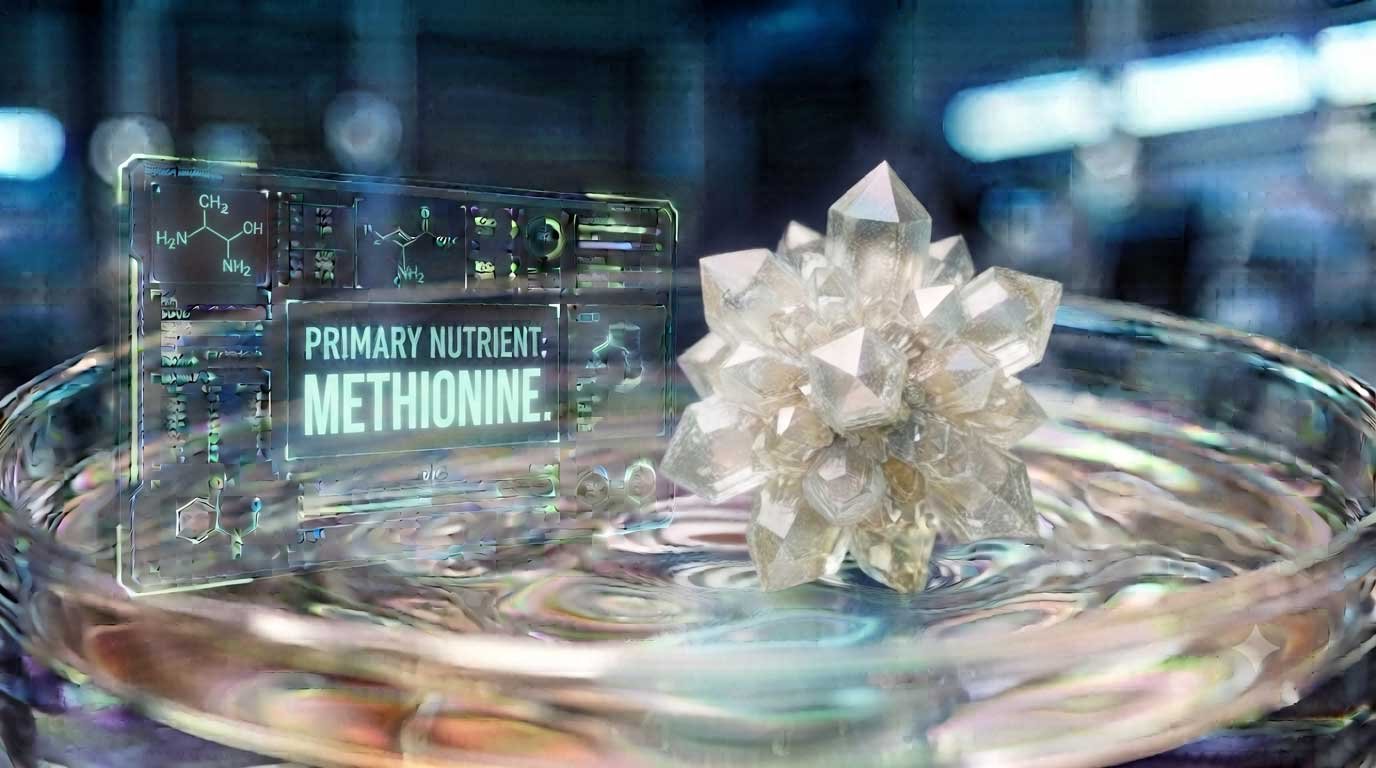
The Amino Acid Nobody Talks About (But Everybody Needs)
I’ll be honest with you: methionine doesn’t get the spotlight. Ask someone to name an amino acid and you’ll hear tryptophan, maybe glutamine, possibly leucine if they’re into fitness. Methionine rarely comes up in casual conversation, and that’s a little strange when you consider what it actually does inside a human body every single day. It’s one of nine essential amino acids, meaning your body can’t manufacture it from scratch — it has to come from what you eat. No shortcuts, no internal backup plan. You either get it through food or you don’t get it at all.
What makes methionine particularly interesting, at least to me, is its sulfur content. Most amino acids don’t carry sulfur. Methionine does, and so does its cousin cysteine, which methionine actually helps produce. That sulfur atom isn’t just a chemical footnote — it’s the reason methionine can participate in some of the most fundamental processes that keep your cells running, from building proteins to donating methyl groups that switch genes on and off. If you’ve ever heard someone mention “methylation” in the context of detox diets, MTHFR gene mutations, or homocysteine testing, methionine is sitting quietly at the center of that entire conversation.
Table of Contents

I want to be upfront about something before we go further. This article isn’t going to make sweeping medical claims or tell you that methionine supplements will transform your health overnight. That’s not how amino acid nutrition works, and frankly, anyone who tells you otherwise is oversimplifying a genuinely complex topic. What I can tell you is that methionine’s role in human biochemistry is well documented, and understanding it gives you a much clearer picture of why protein quality matters, why certain diets require more planning than others, and why “more is better” absolutely does not apply here.
Let’s talk about where methionine actually comes from and what it does once it’s inside you. Structurally, it’s a fairly simple molecule — an aliphatic amino acid with a methylthio group hanging off its side chain. That side chain is where the sulfur lives, and it’s also the business end of the molecule, chemically speaking. Once you eat a protein-containing food, digestive enzymes break it down into individual amino acids, methionine included, and your intestines absorb them into the bloodstream. From there, methionine travels primarily to the liver, where a huge portion of the metabolic magic happens.
Here’s where it gets genuinely fascinating. Methionine doesn’t just sit around waiting to be built into new proteins. A significant fraction of it gets converted into a compound called S-adenosylmethionine, usually abbreviated as SAM or SAMe. This conversion is catalyzed by an enzyme called methionine adenosyltransferase, and SAM turns out to be one of the most important molecules in your entire body. It’s the primary methyl donor for a staggering range of biochemical reactions — DNA methylation, RNA methylation, neurotransmitter synthesis, phospholipid production, creatine formation. Practically anywhere your body needs to attach a methyl group to something, SAM is probably involved, and SAM doesn’t exist without methionine.
There’s also a connection here that ties directly back to vitamin B12 and folate, which is worth mentioning early since it comes up repeatedly throughout this article. After SAM donates its methyl group, it becomes S-adenosylhomocysteine, which then converts to homocysteine. Homocysteine sits at a metabolic crossroads: it can either be recycled back into methionine using vitamin B12 and folate as cofactors, or it can be shuttled down a different pathway (transsulfuration) toward cysteine and glutathione production, which requires vitamin B6. This cycle, often called the methionine cycle, is one of the clearest examples in nutrition science of how amino acids and vitamins don’t operate in isolation — they’re interdependent, leaning on each other constantly.
I think this interconnectedness is exactly why methionine deserves more attention than it typically gets. It’s not a trendy supplement ingredient, and it’s not marketed the way branched-chain amino acids or collagen peptides are. But its fingerprints are on protein synthesis, antioxidant defense, detoxification pathways, and gene regulation. When people talk about “supporting methylation” through diet, they’re often circling around methionine without naming it directly.
There’s also a historical angle worth appreciating. Methionine was isolated relatively early in the history of amino acid science, and researchers recognized fairly quickly that it behaved differently from other amino acids under study. Its sulfur content set it apart chemically, and early nutrition researchers noticed that diets lacking sufficient methionine produced distinct growth and metabolic problems in animal models. That early groundwork laid the foundation for decades of research into sulfur amino acid metabolism, much of which still informs the dietary guidance we rely on today.
Over the next several sections, I want to walk through what the science actually says about methionine’s health benefits, where you can realistically get enough of it through food, how much you actually need, what happens if you get too little or too much, and why balance — not maximization — is the real goal here. This isn’t a hype piece. It’s meant to give you a grounded, evidence-informed understanding of an amino acid that quietly keeps a lot of your biology functioning the way it should.
Key Health Benefits
Methionine’s health relevance stretches across several distinct biological systems, and I think the best way to understand it is to look at each pathway individually rather than lumping everything into a vague “it’s good for you” statement. Let’s break it down properly.
Protein Synthesis and Cellular Structure
Every protein your body builds — enzymes, hormones, muscle fibers, antibodies — starts with a methionine molecule. That’s not an exaggeration. Methionine is the initiator amino acid for protein synthesis in virtually all eukaryotic cells, meaning translation of messenger RNA into a functional protein always begins with a methionine residue attached to the start codon. Without adequate methionine availability, this initiation step simply can’t proceed efficiently, which has downstream effects on everything from tissue repair to immune cell production. This is a big part of why methionine is classified as essential rather than conditionally essential — there’s no substitute molecule that can step into this specific structural role.
The Methylation Engine
I touched on this in the introduction, but it deserves a deeper look here because it’s genuinely the centerpiece of methionine’s biological importance. Through its conversion to SAM, methionine becomes the primary methyl donor for dozens of reactions throughout the body. Researchers examining methionine’s broader metabolic role have described it as intervening in lipid metabolism, activating antioxidant enzymes like methionine sulfoxide reductase, and supporting glutathione biosynthesis to counteract oxidative stress while intervening in lipid metabolism, activation of endogenous antioxidant enzymes such as methionine sulfoxide reductase A, and the biosynthesis of glutathione to counteract oxidative stress. That’s a fairly dense sentence, but the takeaway is simple: methionine isn’t just a structural building block, it’s an active participant in your body’s chemical signaling and defense systems.
DNA methylation, one of the downstream products of this cycle, plays a role in gene expression regulation — essentially helping determine which genes get “read” and which stay dormant in a given cell type. This is epigenetics territory, and while I want to be careful not to overstate what’s understood here (the field is still evolving), the mechanistic link between methionine availability and methylation capacity is well established in the literature.
Antioxidant Defense
Here’s something a lot of people don’t realize about methionine: it can act as a built-in antioxidant, almost like a sacrificial shield for other proteins. Methionine residues embedded within proteins are highly susceptible to oxidation by reactive oxygen species, and when they get oxidized into methionine sulfoxide, they can be converted back to normal methionine by specific reductase enzymes. This cyclical oxidation-reduction process effectively lets methionine residues absorb oxidative damage that would otherwise hit more functionally critical parts of the protein. In cellular models, L-methionine has been shown to protect against oxidative stress and mitochondrial dysfunction, with researchers noting its role in counteracting oxidative injury through mechanisms involving antioxidant enzyme activation Methionine is an aliphatic, sulfur-containing, essential amino acid that has been demonstrated to have crucial roles in metabolism, innate immunity, and activation of endogenous antioxidant enzymes, including methionine sulfoxide reductase A/B and the biosynthesis of glutathione to counteract oxidative stress.
Precursor to Cysteine, Glutathione, and Taurine
Methionine feeds directly into the transsulfuration pathway, where it’s converted step by step into cysteine. Cysteine, in turn, is a precursor for glutathione — often described as the body’s master antioxidant — and taurine, which plays roles in bile acid conjugation and cellular osmoregulation. Without adequate methionine intake, this entire downstream chain of sulfur-containing compounds would be constrained, since the body has no alternative starting point for producing them internally.
Liver and Detoxification Support
The liver relies heavily on methylation and transsulfuration reactions for processing and clearing various compounds from the body. Because methionine sits upstream of both pathways, adequate intake supports the liver’s capacity to manage its detoxification workload. This doesn’t mean methionine is a “liver cleanse” ingredient — I want to be clear about that, because that kind of framing tends to oversimplify legitimate biochemistry into supplement marketing language. What the research actually supports is a structural and functional relationship between sulfur amino acid metabolism and hepatic function, not a magic detox effect.
Bone and Connective Tissue Considerations
There’s emerging interest in methionine’s relationship with bone metabolism, largely because of its role in collagen-related processes and its position in one-carbon metabolism, which also affects calcium and vitamin D pathways indirectly. This is a newer area of study, and I’d encourage skepticism toward any strong claims here until more human research accumulates. It’s promising, not proven.
Taken together, these benefits paint methionine as a foundational nutrient rather than a flashy one. It doesn’t give you an immediate, noticeable effect the way caffeine or creatine might. Instead, it works in the background, supporting processes that only become obvious when they’re disrupted — which brings us naturally to where you actually get this amino acid from.
Dietary Sources
Getting enough methionine through diet is, for most people eating a varied diet with adequate protein, not particularly difficult. That said, the distribution across food categories is uneven, and understanding that unevenness matters if you’re following a specific dietary pattern.
Animal-Based Sources
Animal proteins are consistently the richest and most concentrated sources of methionine, largely because they contain complete amino acid profiles with sulfur amino acids proportionally well represented. Eggs are frequently cited as one of the most methionine-dense everyday foods, with egg whites showing a particularly high proportion of sulfur-containing amino acids relative to total protein content. Researchers estimate that around 8% of the amino acids in egg whites are sulfur-containing amino acids, methionine and cysteine, a proportion notably higher than the roughly 5% found in chicken and beef and about 4% in dairy products.
Beef, pork, lamb, poultry, and organ meats like liver also rank highly, along with fish such as tuna and salmon. Dairy products contribute meaningfully as well — Parmesan and other hard, aged cheeses tend to concentrate methionine due to their lower water content relative to protein density. If you eat a fairly typical omnivorous diet with regular servings of meat, fish, eggs, or dairy, you’re very likely meeting your methionine needs without having to think about it consciously.
Plant-Based Sources
This is where things get more nuanced, and it’s the part of the conversation vegetarians and vegans genuinely need to pay attention to. Legumes — beans, lentils, chickpeas — are staple plant proteins, but methionine happens to be their limiting amino acid, meaning it’s present in comparatively small amounts relative to the other amino acids they contain. This doesn’t make legumes a poor protein choice; it just means they shouldn’t be your only plant protein source if you’re trying to hit adequate sulfur amino acid intake.
Brazil nuts stand out dramatically among plant foods, offering a notably high methionine content per serving compared to other nuts and seeds. Sesame seeds, sunflower seeds, and whole grains like oats, wheat, and quinoa also contribute meaningfully. Combining legumes with grains or seeds throughout the day — think lentils with rice, hummus with whole wheat pita, or a bean chili with cornbread — is a time-tested strategy that helps plant-based eaters cover the amino acid gaps that any single plant food might leave. Soy-based foods, including firm tofu and tempeh, are also worth highlighting since soy protein has a relatively favorable amino acid profile compared to many other plant proteins.
How Intake Patterns Differ Across Diets
Research comparing dietary patterns has found meaningful differences in total sulfur amino acid intake between groups. One frequently cited comparison found that high-protein diets provided the highest sulfur amino acid content at roughly 6.8 grams per day, while lacto-ovo vegetarians consumed around 3.0 grams per day and vegans took in about 2.3 grams daily. Interestingly, despite lower dietary intake, some research has found vegetarians to have comparable or even higher blood methionine concentrations than meat eaters in certain studies, which suggests that absorption efficiency, metabolic adaptation, and overall dietary composition play a role beyond just raw intake numbers. I don’t want to overstate that finding, though — it’s not a green light to ignore protein planning on a plant-based diet, just a reminder that human metabolism has more flexibility than a simple intake tally might suggest.
Practical Takeaways for Food Choices
If I had to distill this into a few practical points, they’d be these:
- Animal proteins (eggs, meat, fish, dairy) are the most concentrated and reliable methionine sources, requiring little planning to meet needs.
- Plant-based eaters should prioritize Brazil nuts, sesame and sunflower seeds, soy products, and whole grains alongside legumes rather than relying on legumes alone.
- Variety matters more than any single “superfood.” No plant food replicates the sulfur amino acid density of animal protein on its own, but a diverse plant-based diet across the week can realistically close that gap.
- Cooking methods and food processing generally don’t destroy methionine significantly, since amino acids are fairly heat-stable compared to some vitamins, though prolonged high-heat cooking can reduce protein digestibility slightly.
None of this requires obsessive tracking for the average healthy adult. Where it becomes genuinely important is in specific populations — strict vegans, people recovering from illness or surgery, older adults with reduced appetite, or anyone on a restrictive diet for medical reasons. For everyone else, a reasonably varied diet with adequate total protein does the job.
One more thing worth mentioning: portion size and overall protein intake matter just as much as which specific foods you choose. A small serving of a methionine-rich food won’t necessarily outperform a larger serving of a moderately rich one. If you’re eating enough total protein across the day — spread across meals rather than concentrated into one sitting — you’re giving your body a steady supply of methionine and its metabolic partners, which tends to matter more for sustained methylation and antioxidant support than any single “power food” choice ever could.
Dosage & Deficiency
This is the section where a lot of the nuance in methionine nutrition actually lives, because unlike some nutrients, there isn’t a single universally agreed-upon number for “how much you need.” Requirements have shifted somewhat as research methods have improved, and they vary by age, sex, and whether cysteine is present in the diet (since cysteine can partially substitute for methionine, reducing the amount needed).
Established Requirement Estimates
For decades, the reference point in this field was the 1985 FAO/WHO/UNU estimate, which set the combined requirement for methionine plus cysteine at 13 milligrams per kilogram of body weight per day for healthy adults. That figure was later revisited, and current guidance from FAO/WHO/UNU places the combined sulfur amino acid requirement at approximately 15 milligrams per kilogram daily for adults of all ages. For a person weighing around 70 kilograms, that translates to roughly a gram of combined methionine and cysteine per day, though actual methionine-specific requirements (in the absence of dietary cysteine) tend to run somewhat lower than that combined figure since cysteine can offset part of it.
More recent studies using the indicator amino acid oxidation technique — a more precise, modern method than older nitrogen balance studies — have refined these numbers further. Research in Indian adult men estimated a mean methionine requirement of about 15 milligrams per kilogram per day in the absence of dietary cysteine, closely matching Western population estimates and suggesting the requirement doesn’t vary dramatically across different well-nourished populations. Interestingly, when cysteine is provided in excess in the diet, the minimum methionine requirement drops substantially, since the body can rely more on that supplied cysteine rather than converting methionine into it.
Requirements Shift With Age
One of the more interesting recent findings involves older adults. A 2023 study using the indicator amino acid oxidation method in adults over 60 found the minimum methionine requirement, in the presence of adequate dietary cysteine, to be a mean of 5.1 milligrams per kilogram per day, with no meaningful difference between men and women for this particular measure. However, when cysteine was absent from the diet, total sulfur amino acid requirements were notably higher and diverged by sex, with older males requiring more than older females. This matters practically because it reinforces that “one number fits all ages” isn’t quite accurate — protein and amino acid needs shift as we get older, often due to changes in metabolism, muscle mass, and nutrient absorption efficiency.
What True Deficiency Looks Like
Genuine methionine deficiency from diet alone is uncommon in populations with reasonable access to protein-containing foods, precisely because methionine is present, at least in modest amounts, in nearly every protein source. That said, deficiency can occur in specific circumstances: severe protein-energy malnutrition, certain restrictive diets lacking variety, malabsorption conditions, or specific inborn errors of amino acid metabolism.
When methionine intake is genuinely inadequate, the consequences tend to show up as broader signs of protein insufficiency rather than a distinct, isolated “methionine deficiency syndrome” — things like impaired growth in children, reduced immune function, poor wound healing, and muscle wasting. Because methionine sits upstream of glutathione and cysteine production, chronically low intake could theoretically compromise antioxidant defenses as well, though isolating this effect from general protein malnutrition in human studies is genuinely difficult.
Practical Dosage Guidance
For most healthy adults eating a balanced diet with adequate total protein, meeting methionine requirements happens automatically without any need for supplementation or tracking. Supplemental methionine does exist commercially and has legitimate, specific clinical applications — for instance, it’s used therapeutically in cases of acetaminophen (paracetamol) overdose to support liver detoxification pathways, though this is a medically supervised use, not a general wellness recommendation. Outside of specific clinical contexts, there’s little evidence supporting methionine supplementation for healthy individuals who already eat adequate protein, and as we’re about to cover, there are real reasons to be cautious about pushing intake well beyond what the diet naturally provides.
It’s also worth touching on how these requirement numbers get calculated in the first place, since I think it helps explain why the figures shift periodically. Older nitrogen balance studies, which measured protein intake against nitrogen excretion, tended to produce somewhat lower requirement estimates than the newer indicator amino acid oxidation technique, which tracks how efficiently the body oxidizes a labeled indicator amino acid at different methionine intake levels. Neither method is inherently wrong, but they measure slightly different things, which is part of why you’ll see requirement figures ranging anywhere from roughly 10 to 15 milligrams per kilogram per day depending on which study and methodology you’re looking at. For practical, everyday purposes, this range is close enough that it doesn’t change the bottom-line advice: eat adequate total protein from varied sources, and methionine intake generally takes care of itself.
Toxicity & Risks
If there’s one thing I want you to walk away from this article understanding, it’s that methionine follows a distinctly different risk pattern than a lot of other amino acids. It has actually been described in some of the older nutrition literature as potentially the most toxic amino acid when consumed in excess, which sounds alarming out of context but deserves a fair, evidence-based explanation rather than a scare headline.
The Homocysteine Connection
The central mechanism behind methionine’s toxicity concerns lies in its conversion to homocysteine. When methionine intake substantially exceeds what the body needs, plasma homocysteine levels can rise, and elevated homocysteine (hyperhomocysteinemia) has been consistently associated with increased cardiovascular risk in observational research. A comprehensive literature review on this topic concluded that longer-term studies in adults have indicated no adverse consequences from moderate fluctuations in dietary methionine intake, but intakes higher than five times normal resulted in elevated homocysteine levels. That same review noted these homocysteine-raising effects can be moderated by adequate intake of B vitamins, specifically B6, B12, and folate, alongside vitamin C.
Animal research has pushed this connection further. A frequently cited study using apolipoprotein E-deficient mice found that mice fed methionine-rich diets developed significant atheromatous pathology in the aortic arch even when plasma homocysteine levels remained normal, suggesting methionine itself, independent of homocysteine elevation, may have direct vascular effects in susceptible models. The same research team concluded that moderate increases in methionine intake appeared atherogenic in genetically susceptible mice. It’s worth being careful here, though — this was an animal model with a specific genetic vulnerability to atherosclerosis, and translating that finding directly to healthy human physiology requires some caution. It’s a signal worth taking seriously, not a definitive verdict on human risk from normal dietary intake.
Kidney and Metabolic Considerations
Methionine metabolism generates sulfuric acid as a byproduct, which the kidneys have to process and buffer. In individuals with pre-existing kidney conditions, unusually high methionine intake — again, typically from concentrated supplementation rather than food alone — could theoretically add to that metabolic burden. This isn’t a concern for people eating normal amounts of protein-containing food, but it’s a relevant consideration for anyone contemplating high-dose amino acid supplementation, particularly with existing renal impairment.
Neuropsychiatric Sensitivity
There’s a specific and fairly well-documented phenomenon involving methionine “loading” in people with schizophrenia. Research has shown that large methionine doses can exacerbate psychiatric symptoms in this population, an effect that hasn’t been demonstrated in people without underlying psychiatric conditions. This finding has actually been used as a research tool to study biochemical theories of schizophrenia, but it’s a good example of how a nutrient’s risk profile can differ dramatically based on individual health status.
Reasonable Upper Limits
Based on research presented at amino acid safety assessments, a “no observed adverse effect level” for supplemental methionine in healthy adults has been proposed at approximately 46 milligrams per kilogram of body weight per day, or around 3.2 grams daily, specifically applicable to high-purity amino acids delivered through fortified foods or supplements rather than whole-food protein. This figure gives a useful reference point, but it shouldn’t be read as a target to aim for — it’s a ceiling based on available safety data, not a recommendation.
Who Should Be Cautious
Certain groups warrant particular attention when it comes to methionine and sulfur amino acid intake:
- People with elevated homocysteine or known genetic variants affecting methylation and homocysteine metabolism (such as certain MTHFR variants), who may benefit from working with a healthcare provider on both methionine intake and B vitamin status.
- Individuals with chronic kidney disease, given the added metabolic acid load from methionine catabolism.
- People with a personal or family history of cardiovascular disease, since the homocysteine pathway intersects with vascular health.
- Anyone considering high-dose amino acid supplementation for any reason — this really deserves professional guidance rather than a self-directed approach, since the margin between adequate and excessive intake is narrower here than with many other nutrients.
The overarching lesson from the toxicity research isn’t that methionine is dangerous in the amounts found in ordinary food. It’s that this particular amino acid doesn’t follow a “more is automatically better” logic, and pushing intake well beyond nutritional need — typically only achievable through concentrated supplementation — introduces risks that simply don’t exist when you’re getting methionine the normal way, through a varied diet.
I also think it’s worth putting the animal research into proper context rather than dismissing it or over-applying it. Rodent and rabbit studies using very high methionine diets, sometimes many multiples of what a human would realistically consume, have consistently shown vascular and hepatic changes. Those findings are genuinely useful for understanding mechanism — they tell us something real about how excess methionine and homocysteine interact with vascular tissue at a biochemical level. What they don’t do is tell us that a normal diet containing meat, eggs, or dairy poses meaningful cardiovascular risk through methionine alone. The doses used in most of that animal research vastly exceed what shows up in even a high-protein human diet. The practical concern sits almost entirely with concentrated supplementation, not with whole-food eating patterns, and that distinction gets lost far too often in casual health discussions online.
Getting the Balance Right: What Methionine Really Teaches Us
After spending this much time with methionine, I keep coming back to the same conclusion: it’s a nutrient that rewards moderation and punishes extremes in both directions. That’s not a particularly exciting takeaway if you’re looking for a dramatic health hack, but it’s an honest one, and honestly, it’s probably the more useful lesson.
What strikes me most is how methionine sits at this intersection of structural biology and regulatory biochemistry. It’s not just a brick in the wall of protein synthesis — it’s also the starting point for SAM, the methyl donor that touches DNA regulation, neurotransmitter production, and cellular signaling in ways researchers are still actively mapping. That dual role, structural and regulatory, is fairly unusual among amino acids, and it explains why methionine research keeps surfacing in such different corners of science, from cardiovascular studies to longevity research to psychiatric investigations.
For practical purposes, though, most people don’t need to think about methionine as an isolated nutrient to optimize. If you’re eating a reasonably varied diet with adequate protein from either animal or well-planned plant sources, you’re very likely covering your needs without any deliberate effort. The people who genuinely need to pay closer attention are fairly specific: strict vegans who might benefit from prioritizing Brazil nuts, sesame seeds, and soy alongside legumes; older adults whose requirements and metabolism shift with age; anyone managing cardiovascular risk factors who should be mindful of the methionine-homocysteine-B vitamin relationship; and people considering amino acid supplementation, who really should approach that decision with professional guidance rather than assumptions borrowed from other nutrients.
I’d also push back gently on two opposite narratives that show up online. One says methionine restriction is some kind of longevity secret everyone should adopt — that’s based largely on animal studies using extreme restriction protocols that don’t translate directly to reasonable human dietary advice. The other says methionine supplementation is an easy way to boost detox and antioxidant capacity — that’s an oversimplification of a nutrient whose safety margin is narrower than most people assume. The truth, as usual, sits in the more boring middle: eat a varied diet, get your protein from a mix of sources if you can, and don’t chase extremes in either direction without a specific medical reason and professional guidance.
I think it’s also worth acknowledging where the science still has gaps, because pretending otherwise wouldn’t be honest. The relationship between dietary methionine restriction and longevity, for example, is fascinating in rodent models but remains far from settled in humans — we simply don’t have long-term human trials testing meaningful methionine restriction against health outcomes, and the practical challenges of designing such a study are significant. Similarly, while the mechanistic links between methylation, gene expression, and various disease states are compelling, translating “methionine affects methylation” into specific, individualized dietary advice for something like cancer prevention or neurodegenerative disease is still an active area of research rather than settled clinical guidance. I mention this not to undercut everything covered above, but because I think good nutrition writing should be honest about where the evidence is strong versus where it’s still developing.
What I’d encourage you to do with this information is fairly simple. Look at your own dietary pattern and ask whether it includes a reasonable mix of protein sources — not perfect, just reasonable. If you eat meat, eggs, fish, or dairy regularly, you almost certainly don’t need to think about methionine specifically at all; your protein intake is handling it. If you follow a plant-based diet, take a moment to notice whether you’re leaning heavily on legumes alone or actually rotating in nuts, seeds, soy, and whole grains alongside them. If you’re managing a cardiovascular risk factor, ask your healthcare provider whether checking homocysteine levels and B vitamin status makes sense for your specific situation, rather than guessing at supplementation on your own. And if you ever come across a product marketed heavily around methionine or methylation support, treat the claims with the same healthy skepticism you’d apply to any supplement promising outsized benefits from a single ingredient.
If you take one thing from this article, let it be this: methionine is proof that a nutrient doesn’t need to be trendy to be important. It’s been quietly doing foundational work in your cells this entire time, long before you ever thought to ask about it, and it’ll keep doing that work as long as you give your body a reasonably balanced diet to draw from. Sometimes the most essential things really are the least flashy ones, and methionine might be the clearest example of that principle in the entire amino acid family.
Article Sources
At AncientHerbsWisdom, our content relies on reputable sources, including peer-reviewed studies, to substantiate the information presented in our articles. Our primary objective is to ensure our content is thoroughly fact-checked, maintaining a commitment to accuracy, reliability, and trustworthiness.
- Garlick, P. J. (2006). Toxicity of methionine in humans. The Journal of Nutrition, 136(6), 1722S-1725S. https://doi.org/10.1093/jn/136.6.1722S
- Catanesi, M., Brandolini, L., d’Angelo, M., Benedetti, E., Tupone, M. G., Alfonsetti, M., Cabri, E., Iaconis, D., Fratelli, M., Cimini, A., Castelli, V., & Allegretti, M. (2021). L-Methionine protects against oxidative stress and mitochondrial dysfunction in an in vitro model of Parkinson’s disease. Antioxidants, 10(9), 1467. https://doi.org/10.3390/antiox10091467
- Troen, A. M., Lutgens, E., Smith, D. E., Rosenberg, I. H., & Selhub, J. (2003). The atherogenic effect of excess methionine intake. Proceedings of the National Academy of Sciences, 100(25), 15089-15094. https://doi.org/10.1073/pnas.2436385100
- Paoletti, A., Pencharz, P. B., Ball, R. O., Kong, D., Xu, L., Elango, R., & Courtney-Martin, G. (2023). The minimum methionine requirement for adults aged ≥60 years is the same in males and females. Nutrients, 15(19), 4112. https://doi.org/10.3390/nu15194112
- Jonsson, W. O., Margolies, N. S., & Anthony, T. G. (2019). Dietary sulfur amino acid restriction and the integrated stress response: Mechanistic insights. Nutrients, 11(6), 1349. https://doi.org/10.3390/nu11061349
- World Health Organization, Food and Agriculture Organization, & United Nations University. (2007). Protein and amino acid requirements in human nutrition: report of a Joint WHO/FAO/UNU Expert Consultation. World Health Organization Technical Report Series, No. 935. https://www.who.int/publications/i/item/9789241209359

- Phosphatidic Acid: Supporting Muscle Growth and Strength - July 31, 2026
- Ceramides: Supporting Healthy Skin From Within - July 31, 2026
- Synbiotics: Combining Prebiotics and Probiotics Together - July 31, 2026